Shoulders Exercises
58 Shoulders exercises with step-by-step instructions, common mistakes and muscle activation.
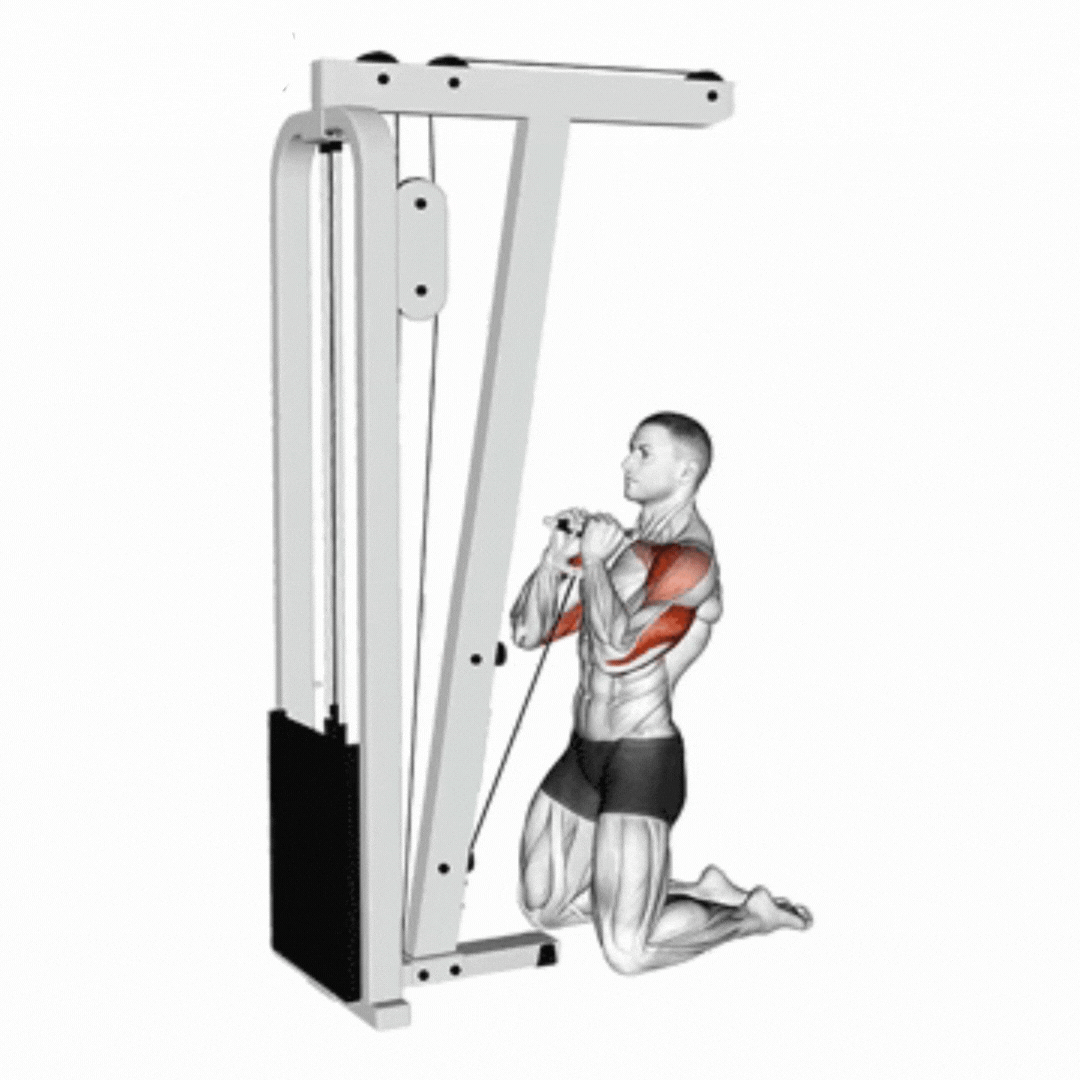 Intermediate
Kneeling Cable Press
Front Delts
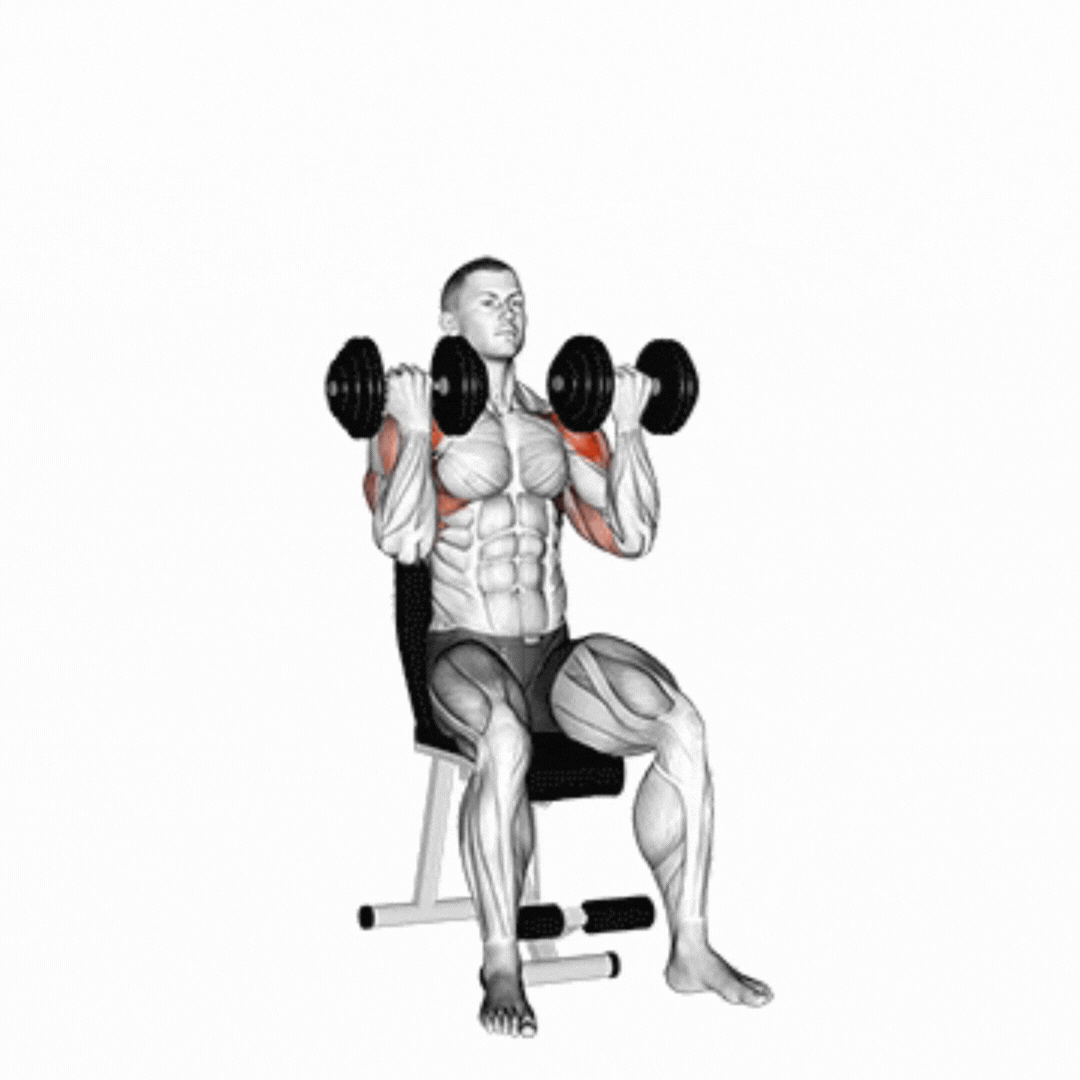 Intermediate
Dumbbell Arnold Press
Front Delts
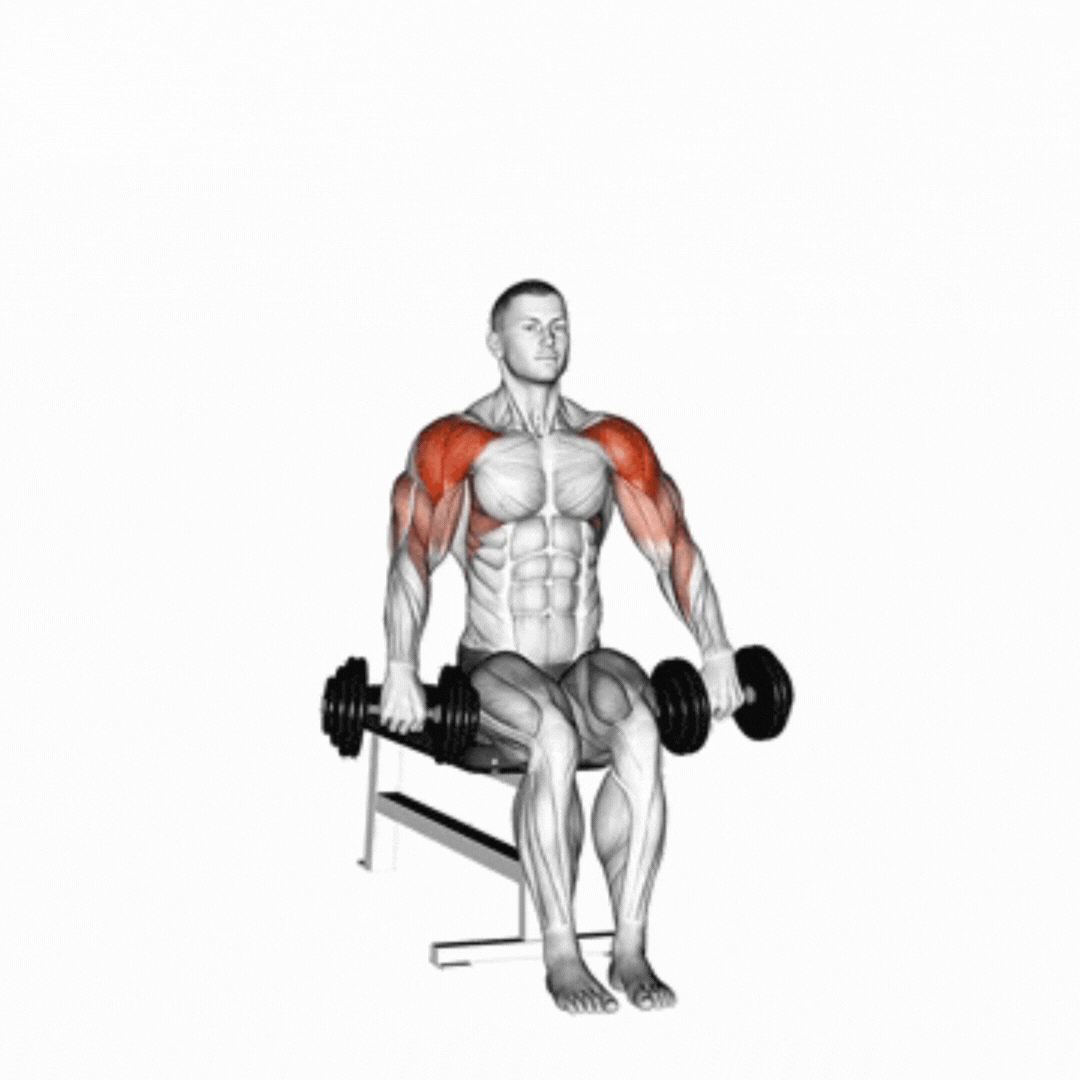 Intermediate
Dumbbell Seated Cuban Press
Rear Delts
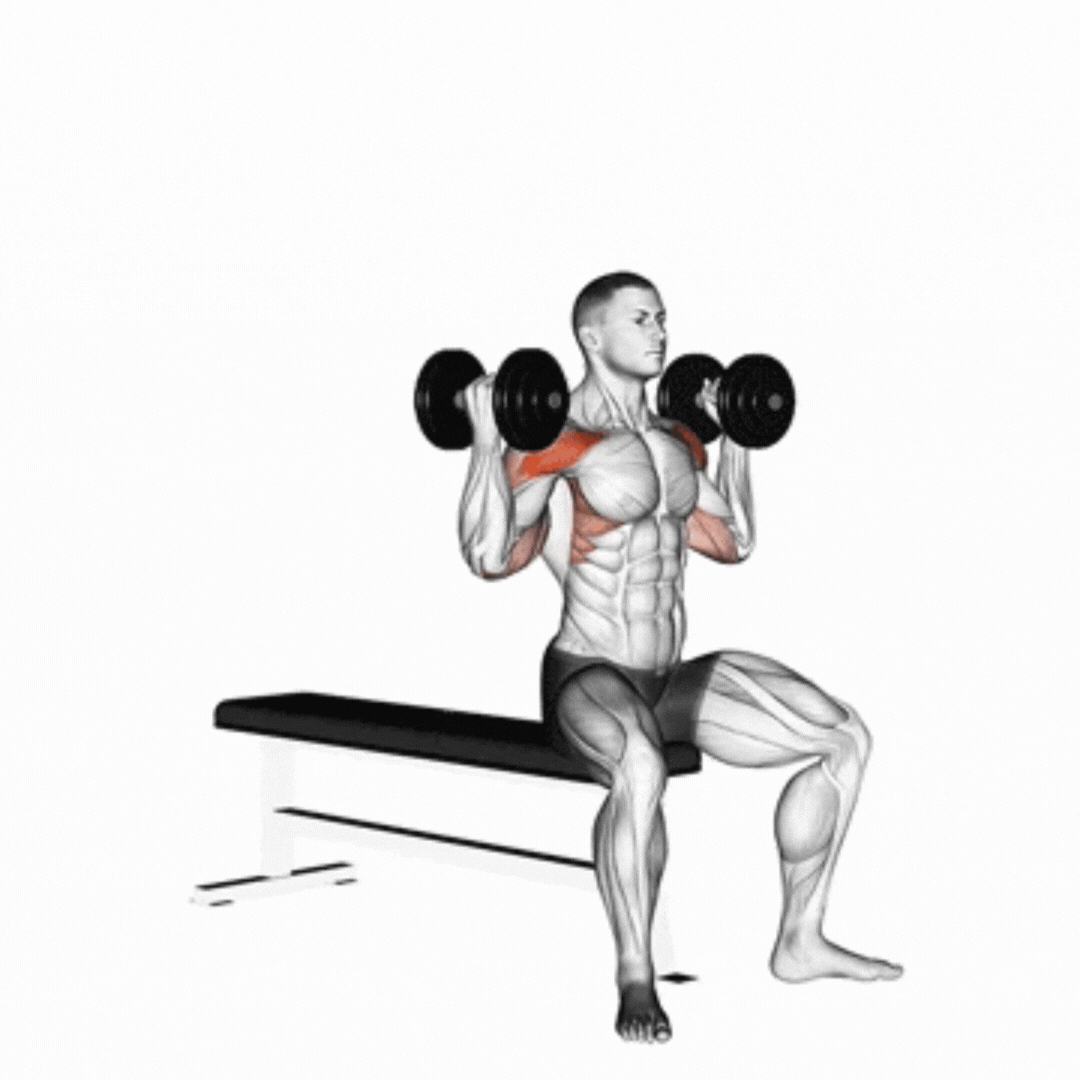 Beginner
Seated Dumbbell Palms in Shoulder Press
Front Delts
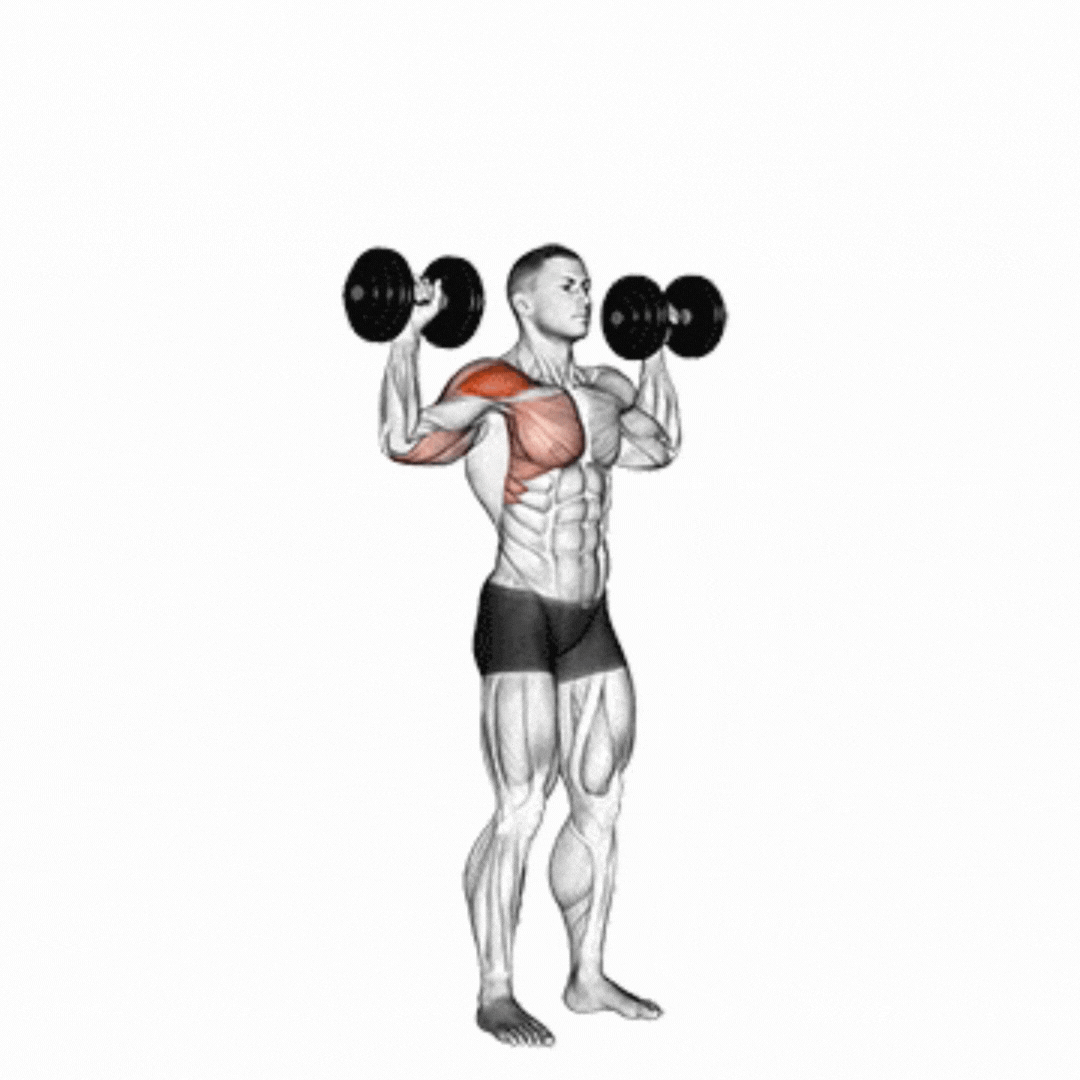 Beginner
Dumbbell Alternate Shoulder Press
Front Delts
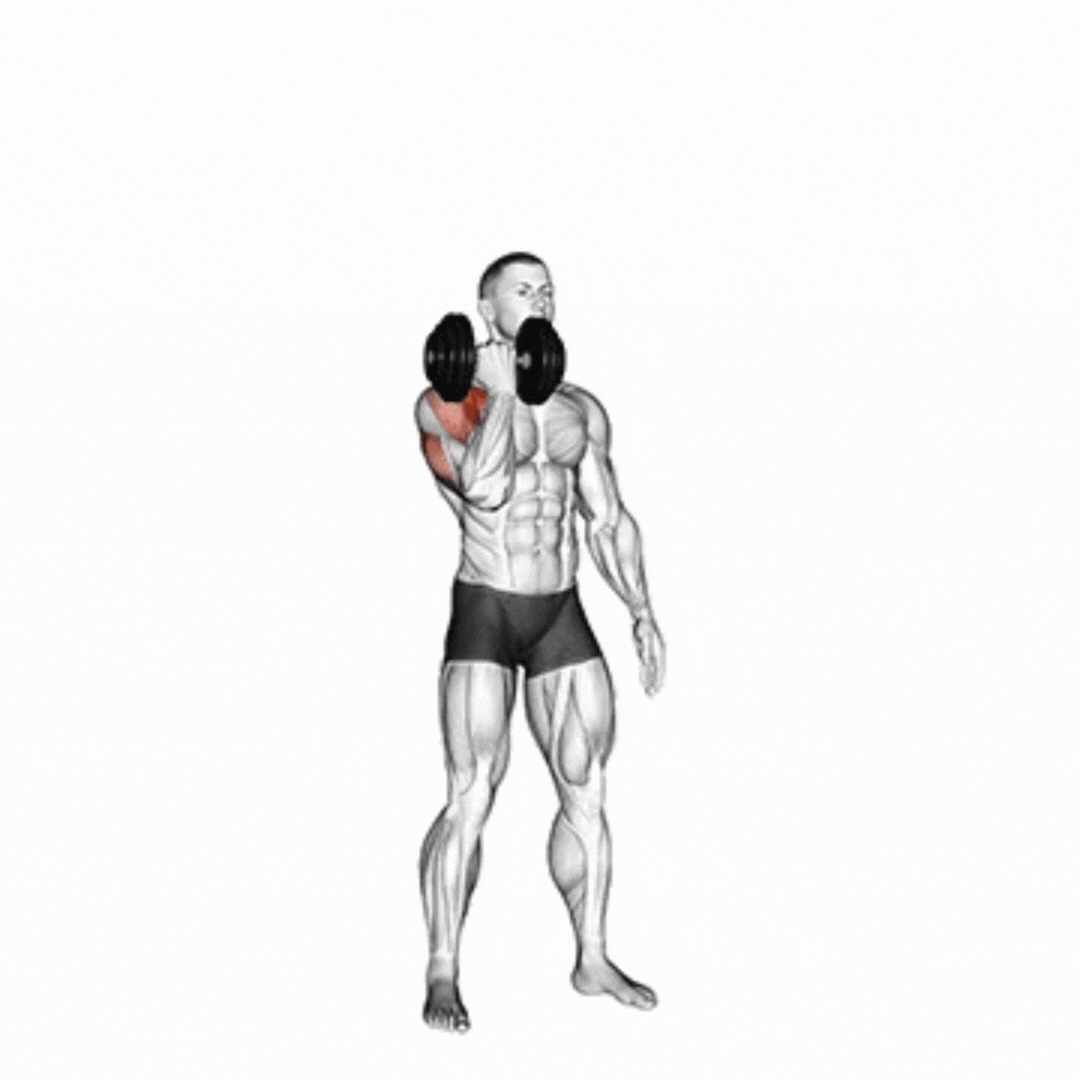 Intermediate
Single Arm Arnold Press
Front Delts
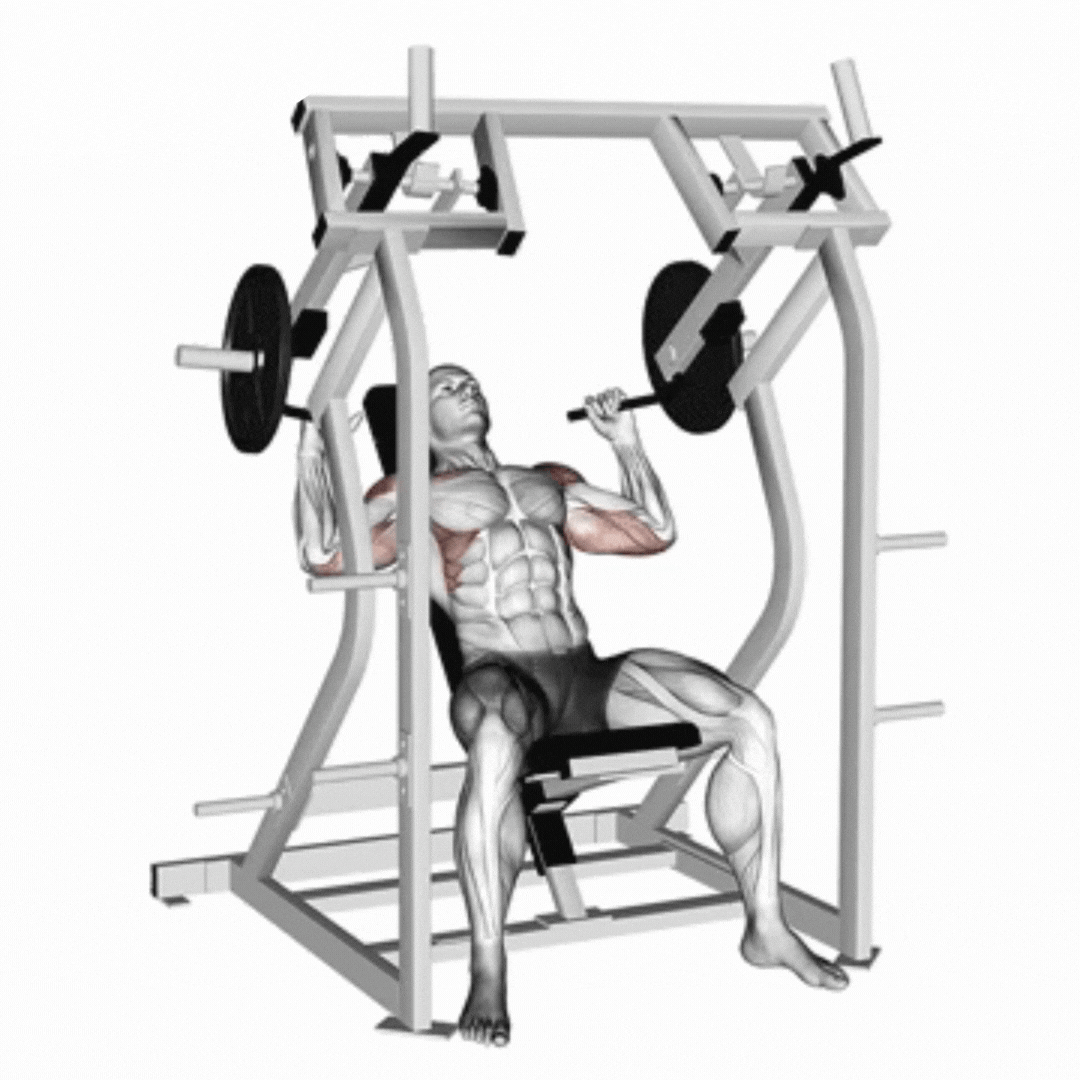 Beginner
Plate Loaded Shoulder Press Machine
Front Delts
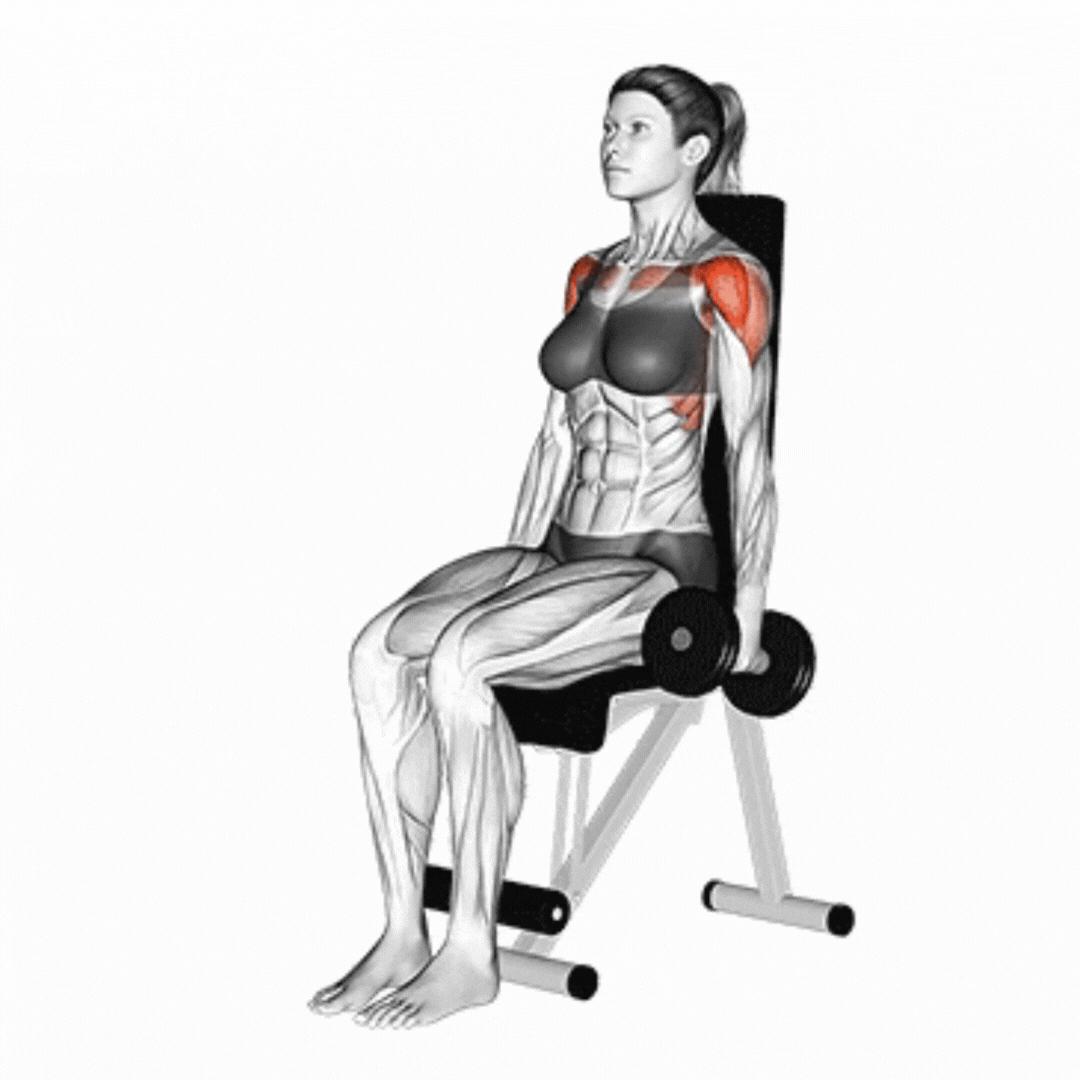 Beginner
Seated Dumbbell Front Raise
Front Delts
 Beginner
Lever Shoulder Press
Front Delts
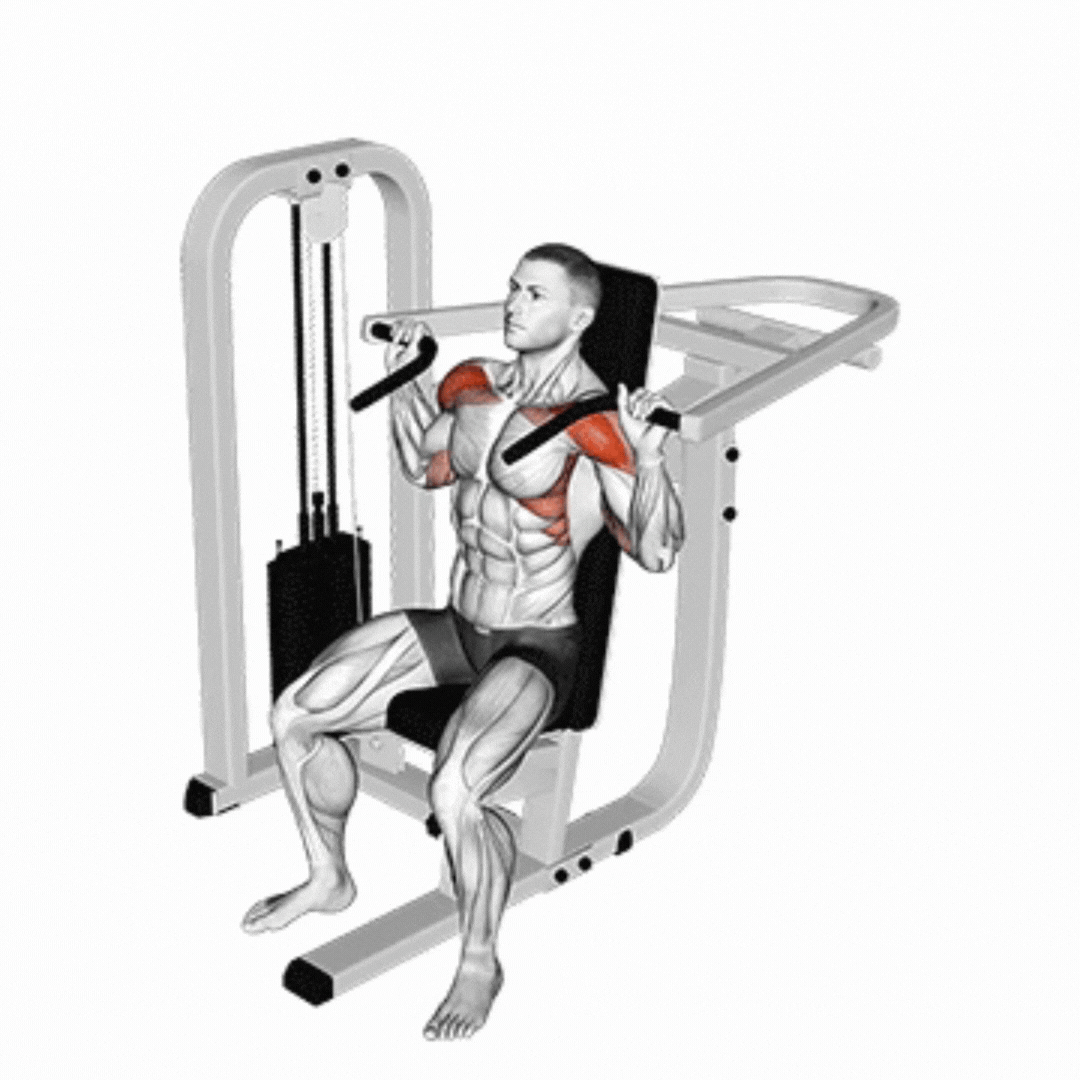 Beginner
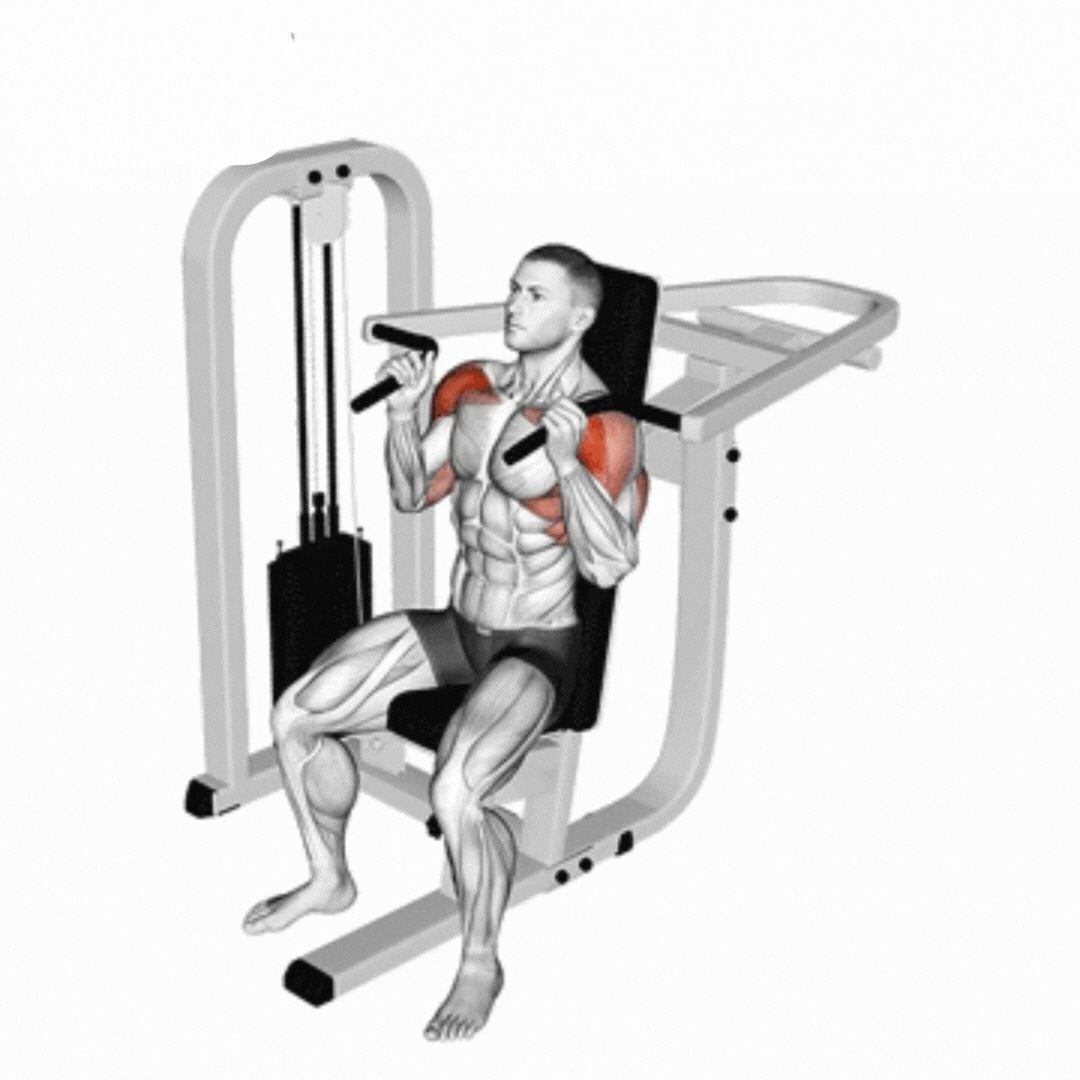
Shoulder Press Machine
Front Delts
 Beginner
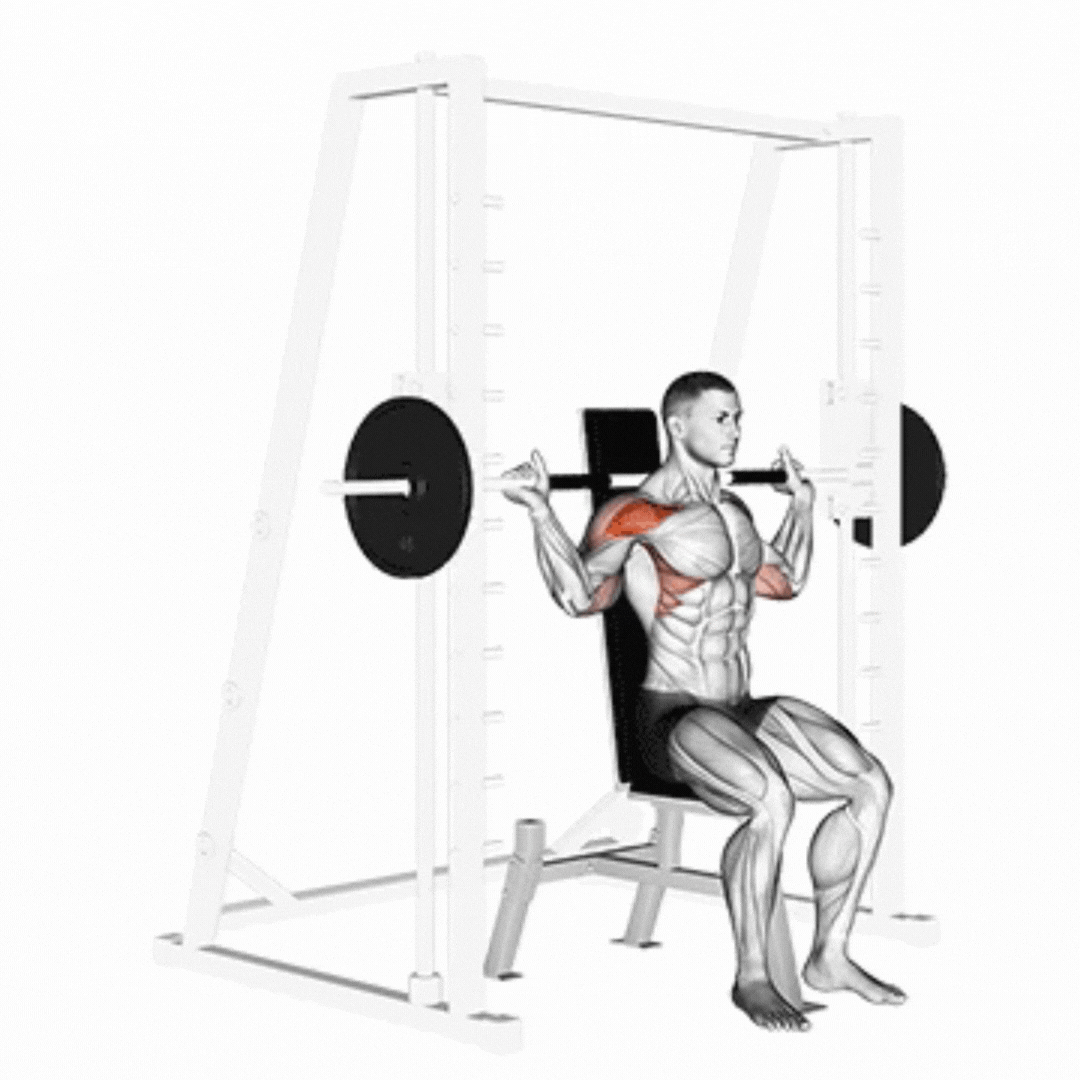
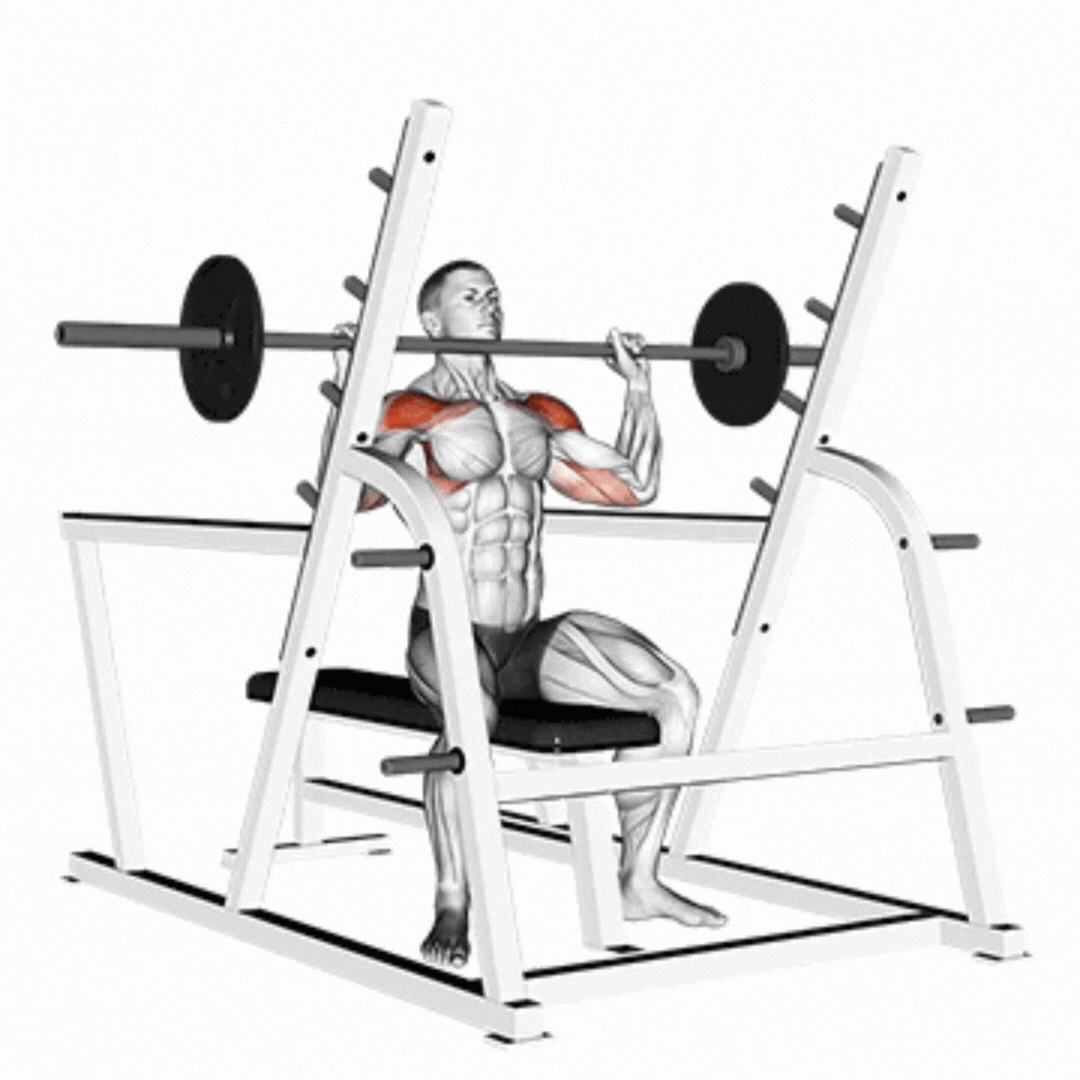
Smith Behind Head Shoulder Press
Front Delts
 Beginner
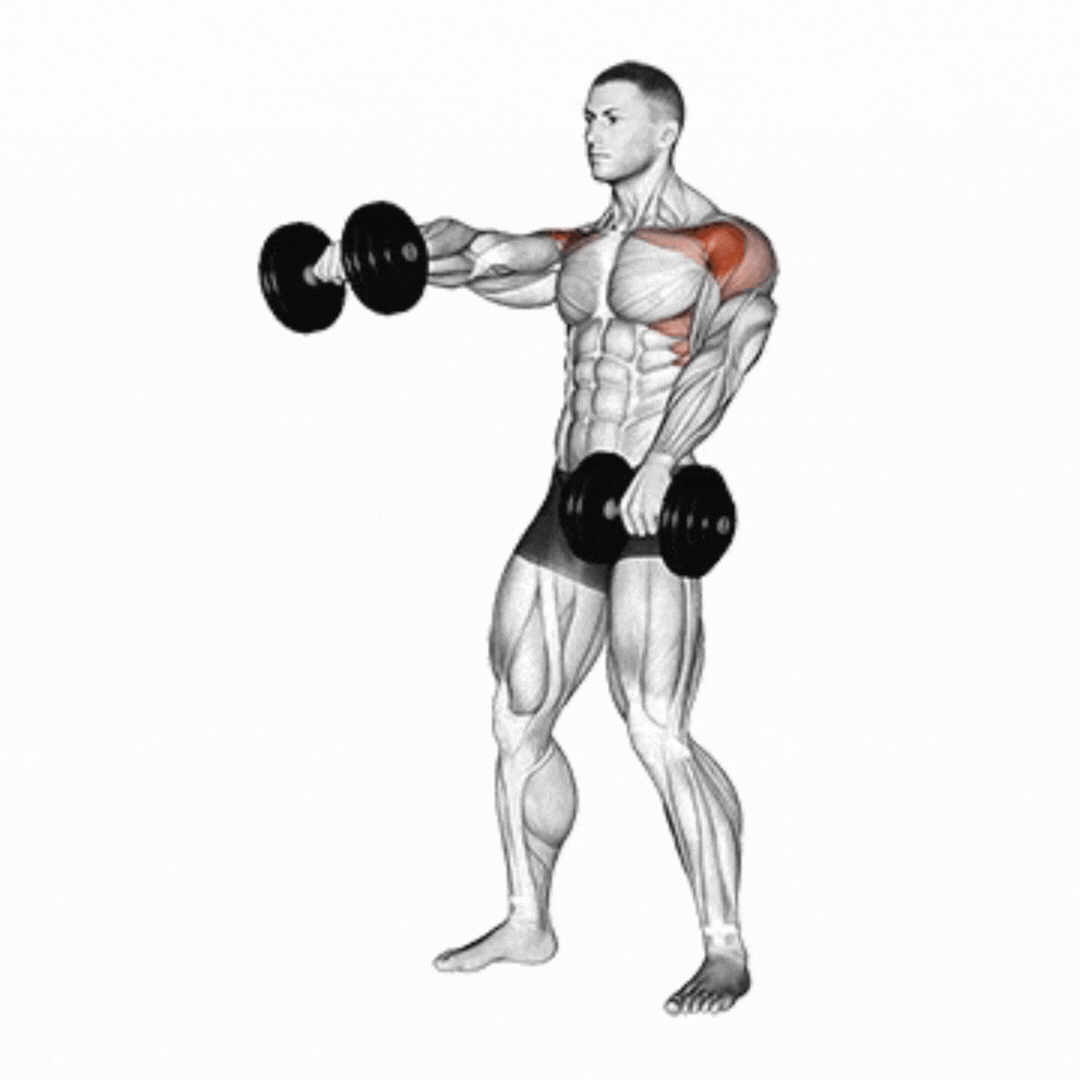
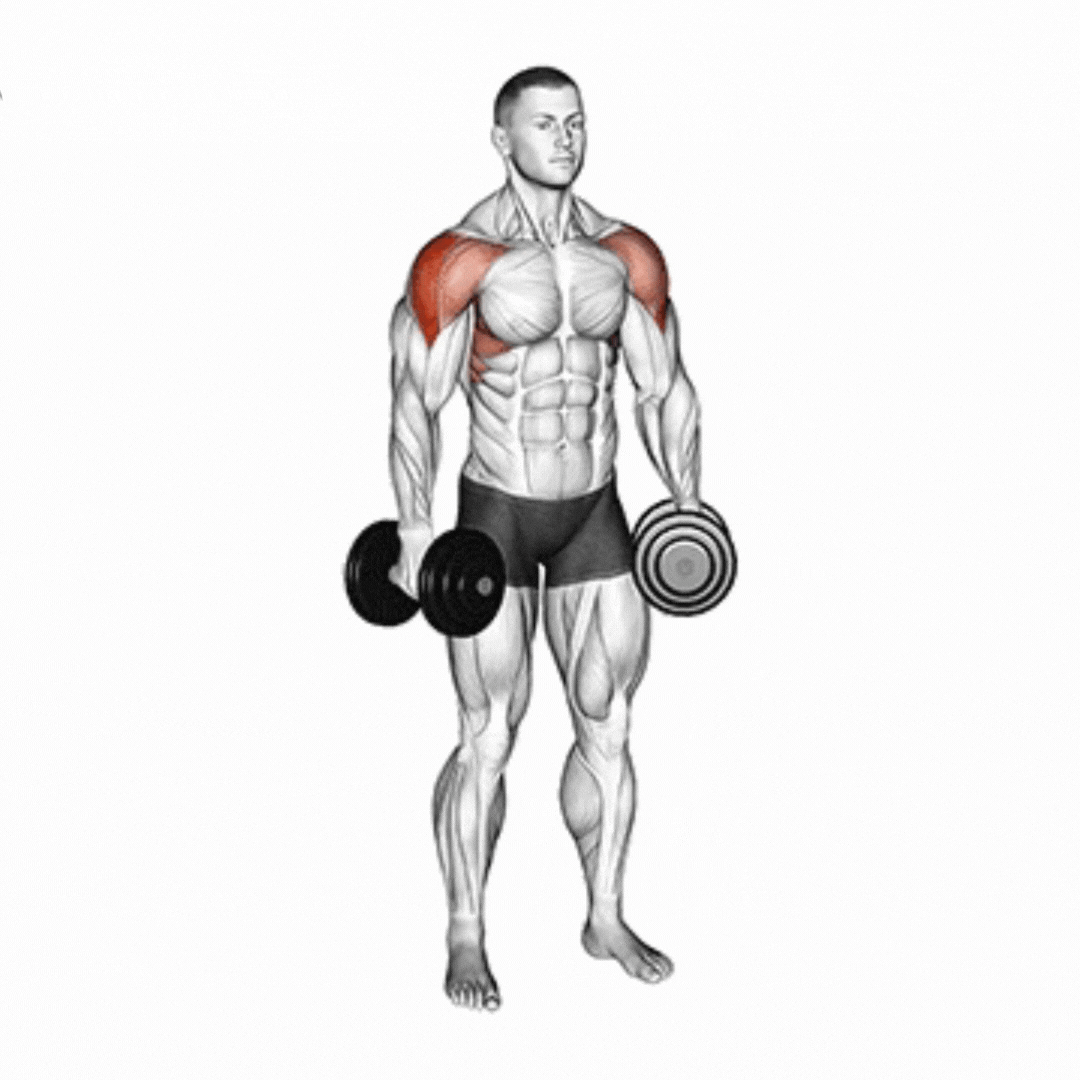
Alternating Dumbbell Front Raise
Front Delts
 Intermediate
Barbell Seated Shoulder Press
Front Delts
 Beginner
Alternate Dumbbell Lateral Raise
Side Delts
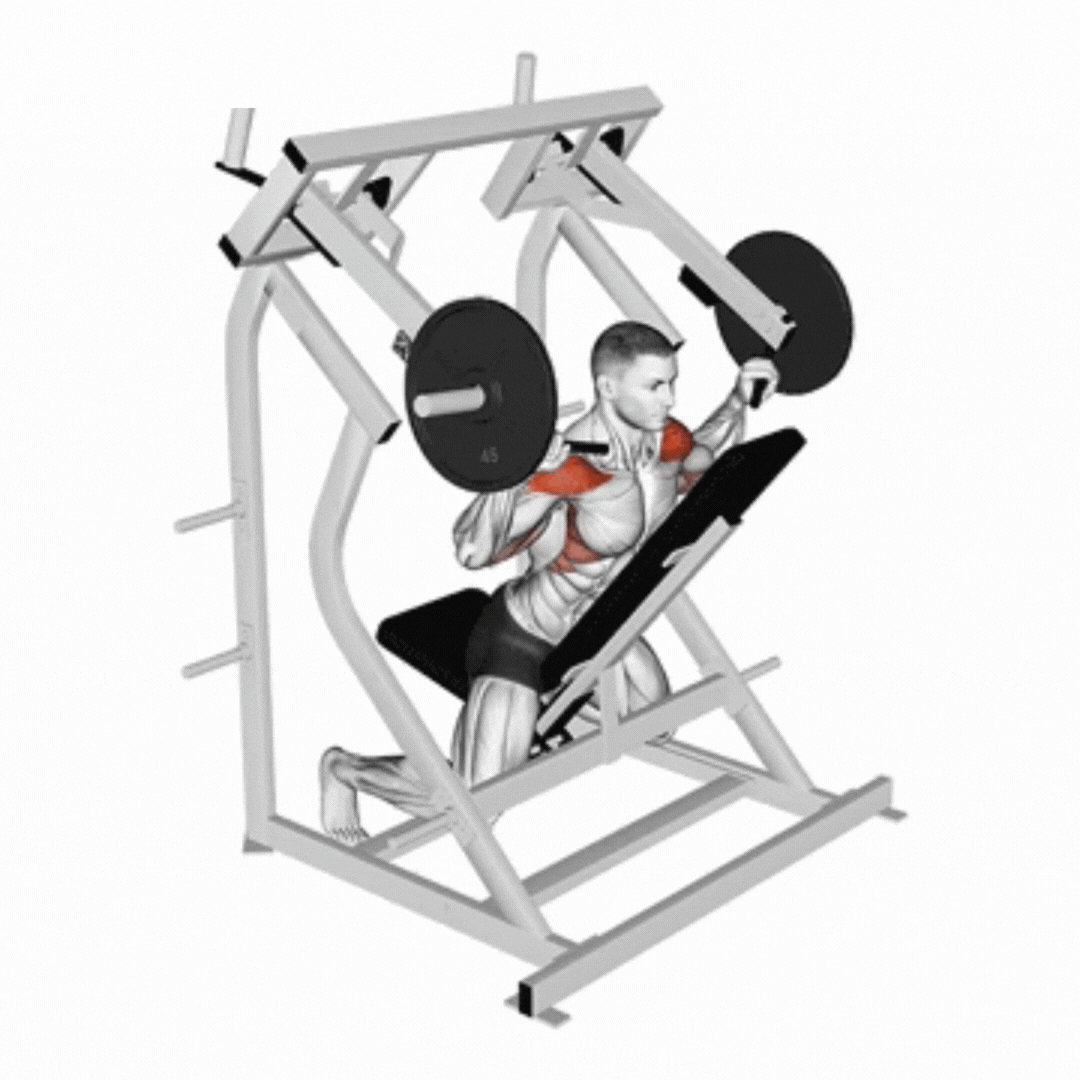 Intermediate
Lever Reverse Shoulder Press
Front Delts
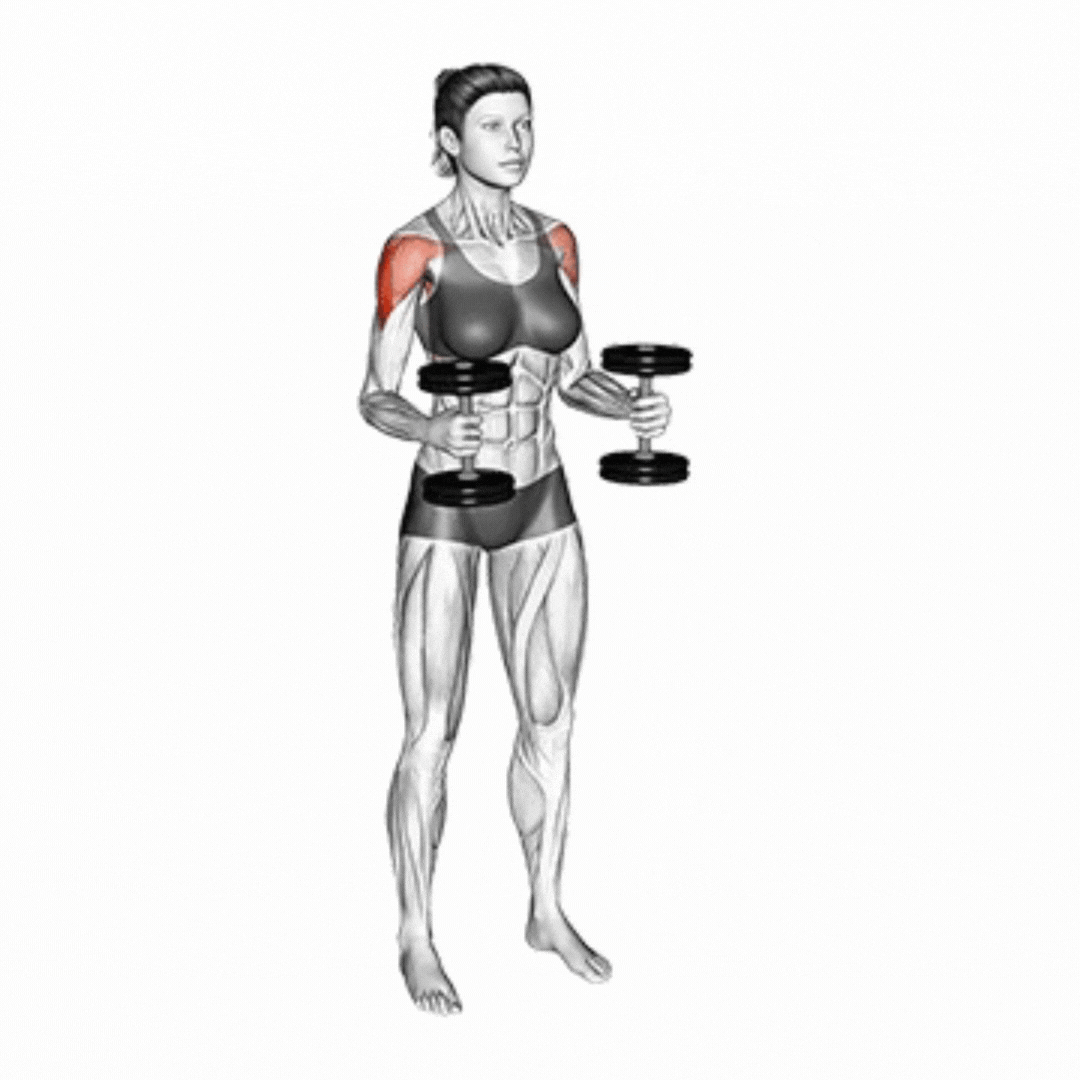 Intermediate
Dumbbell Bent Arm Lateral Raise
Side Delts
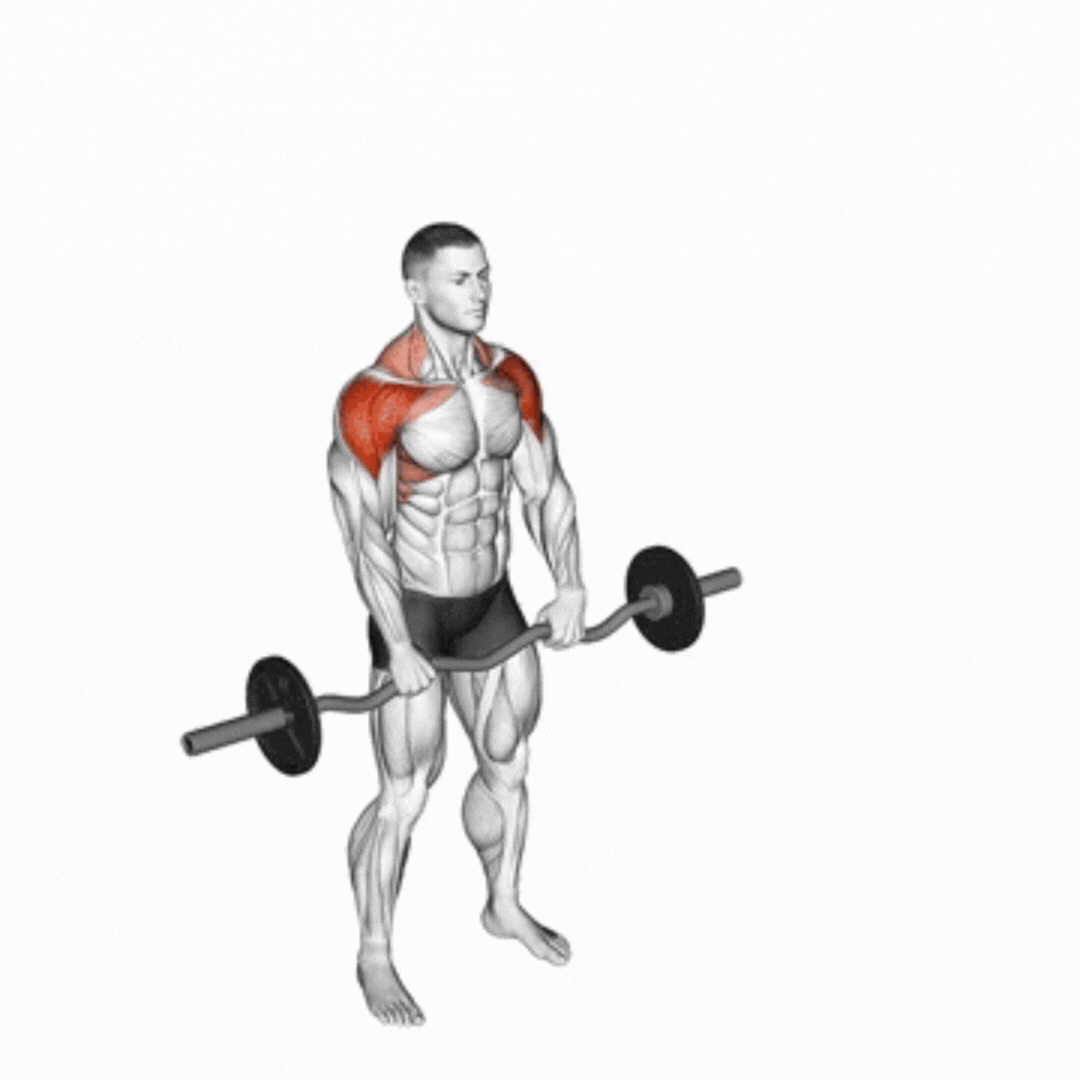 Intermediate
Barbell Front Raise Twist
Front Delts
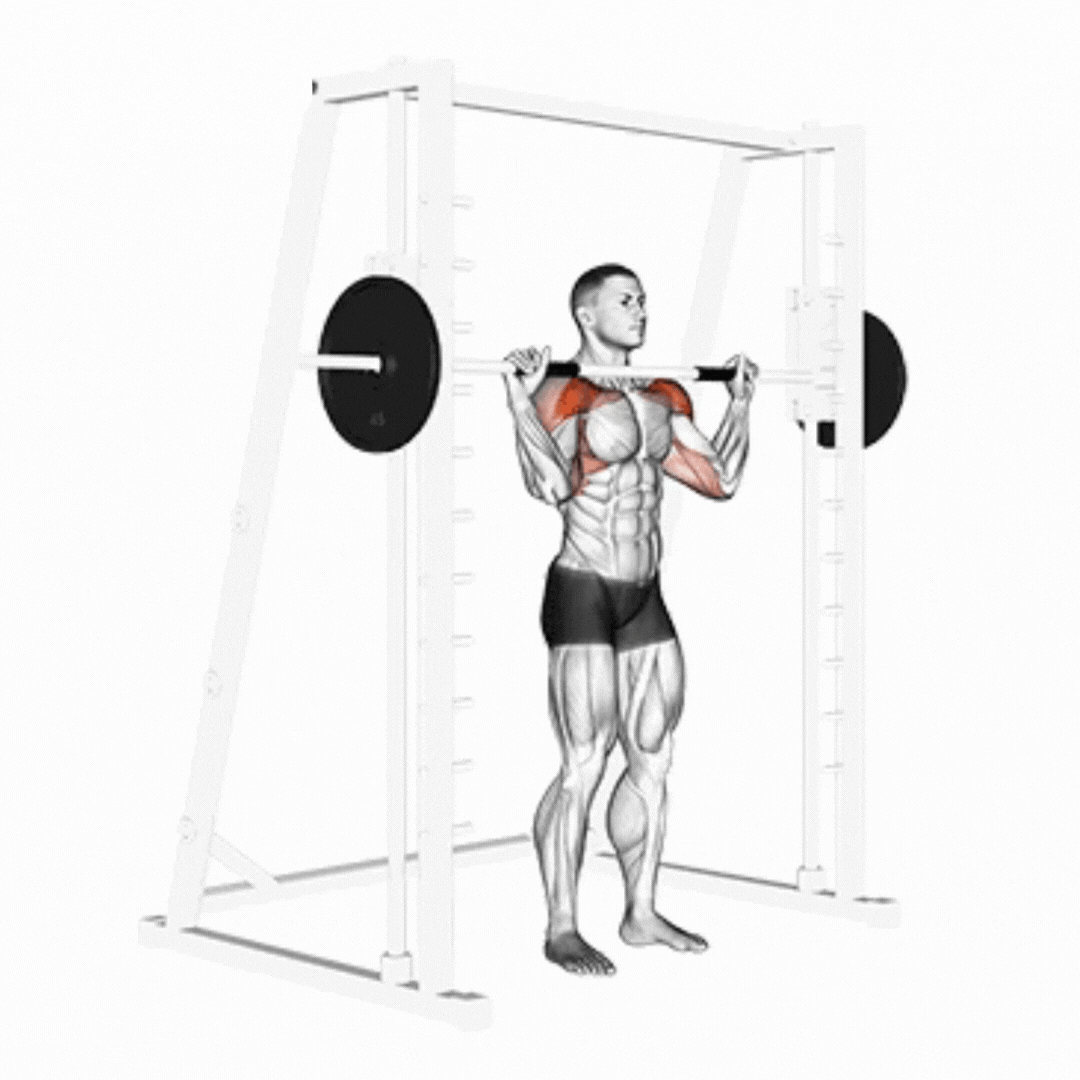 Beginner
Standing Smith Machine Shoulder Press
Front Delts
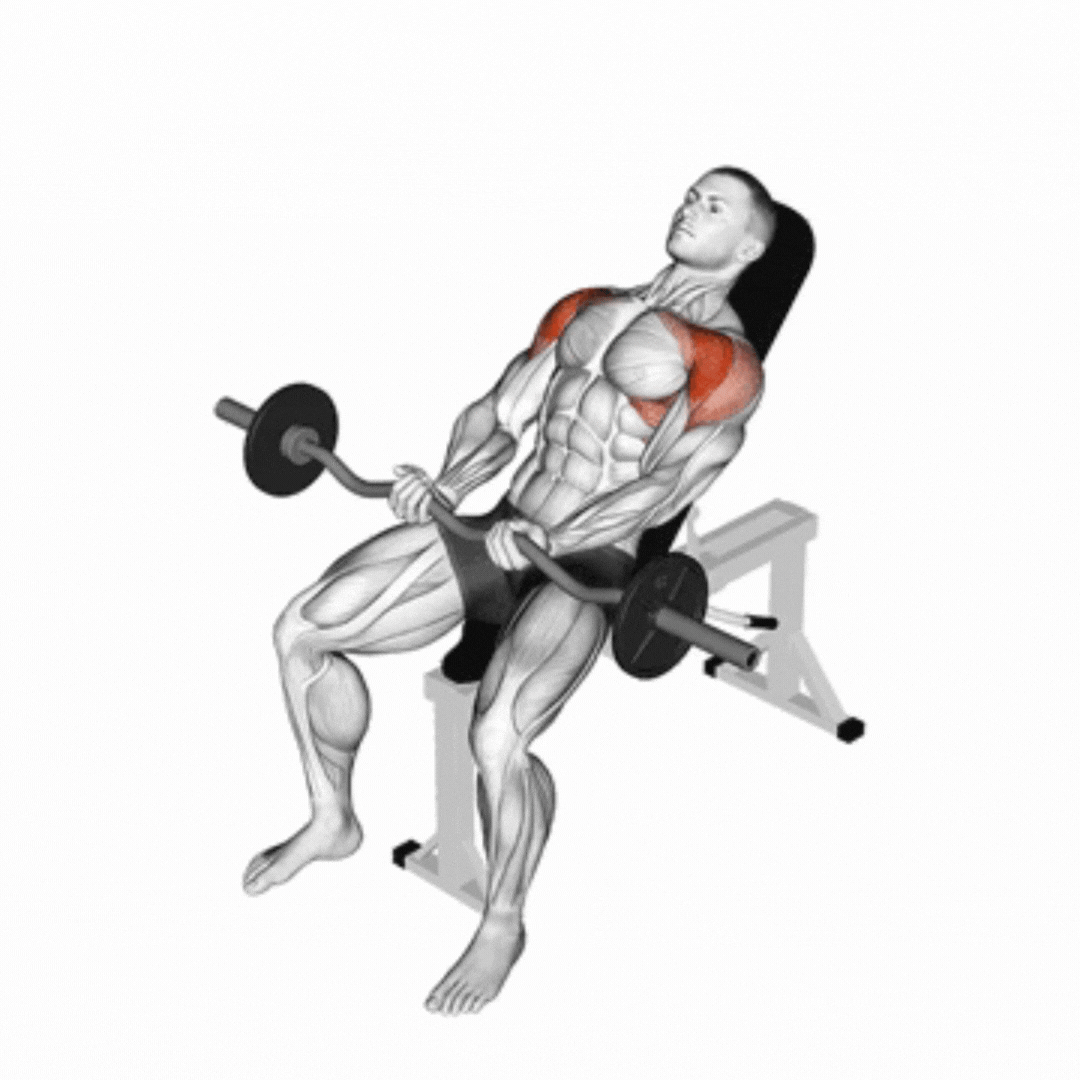 Intermediate
Barbell Incline Front Raise
Front Delts
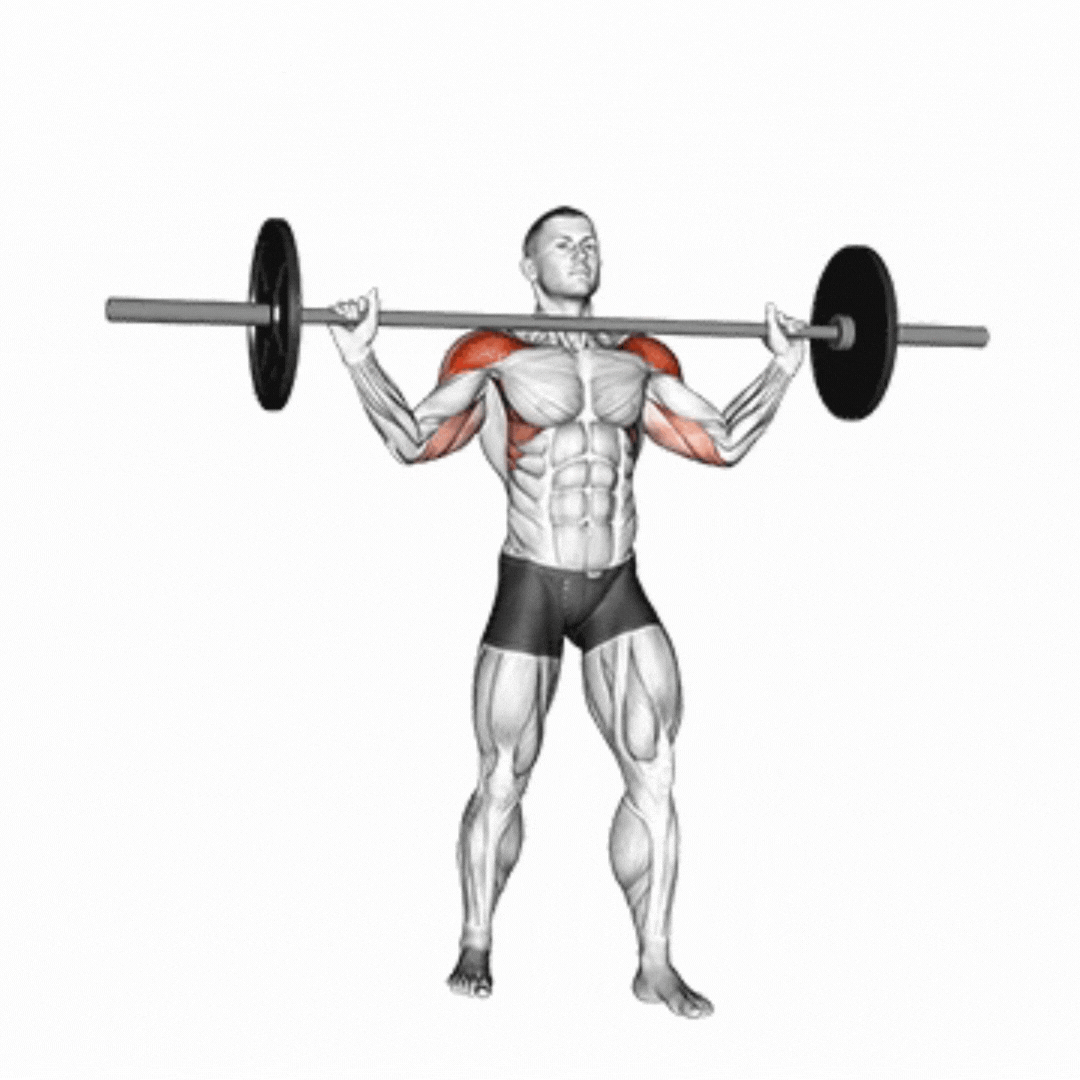 Intermediate
Military Press
Front Delts
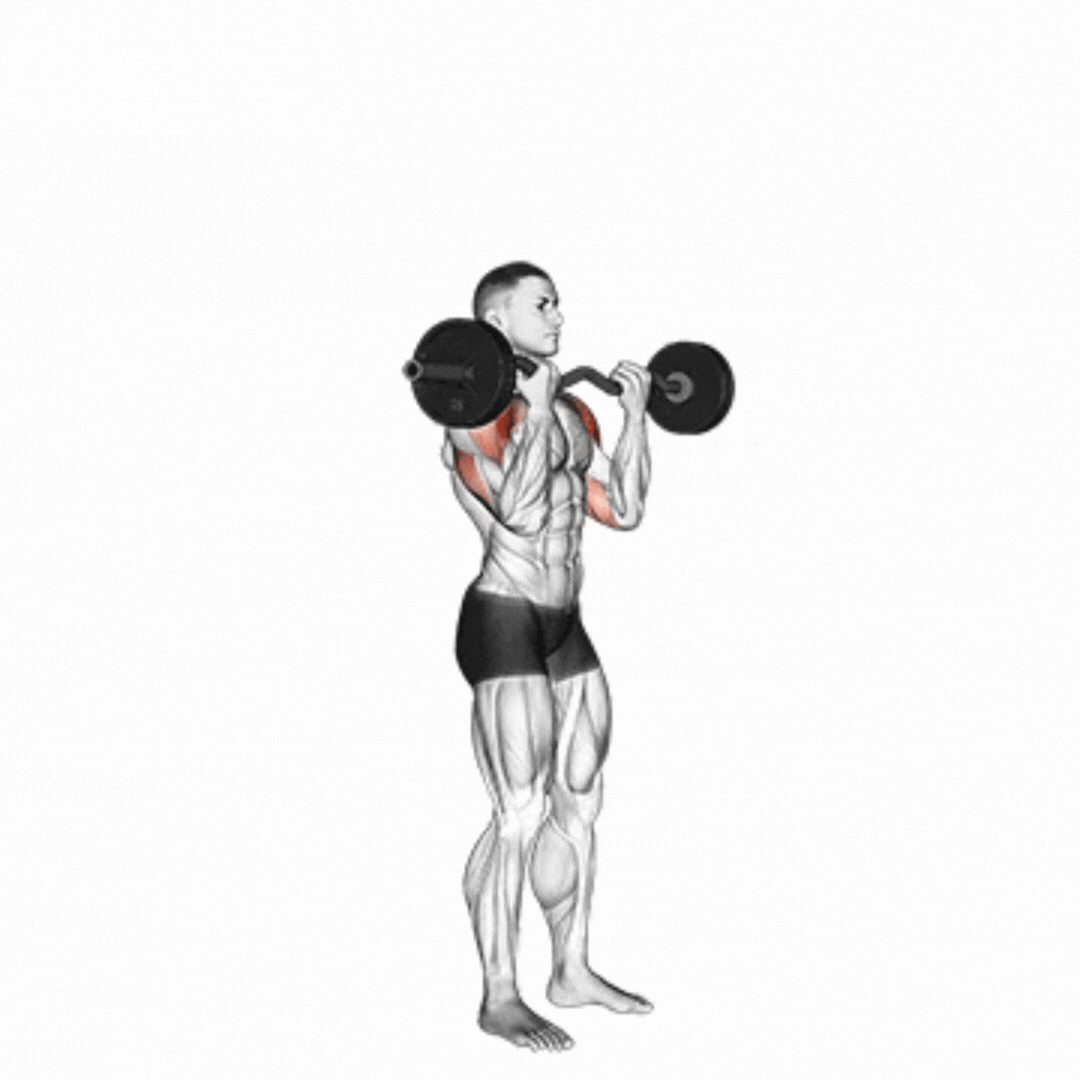 Intermediate
EZ-Bar Standing Overhead Press
Front Delts
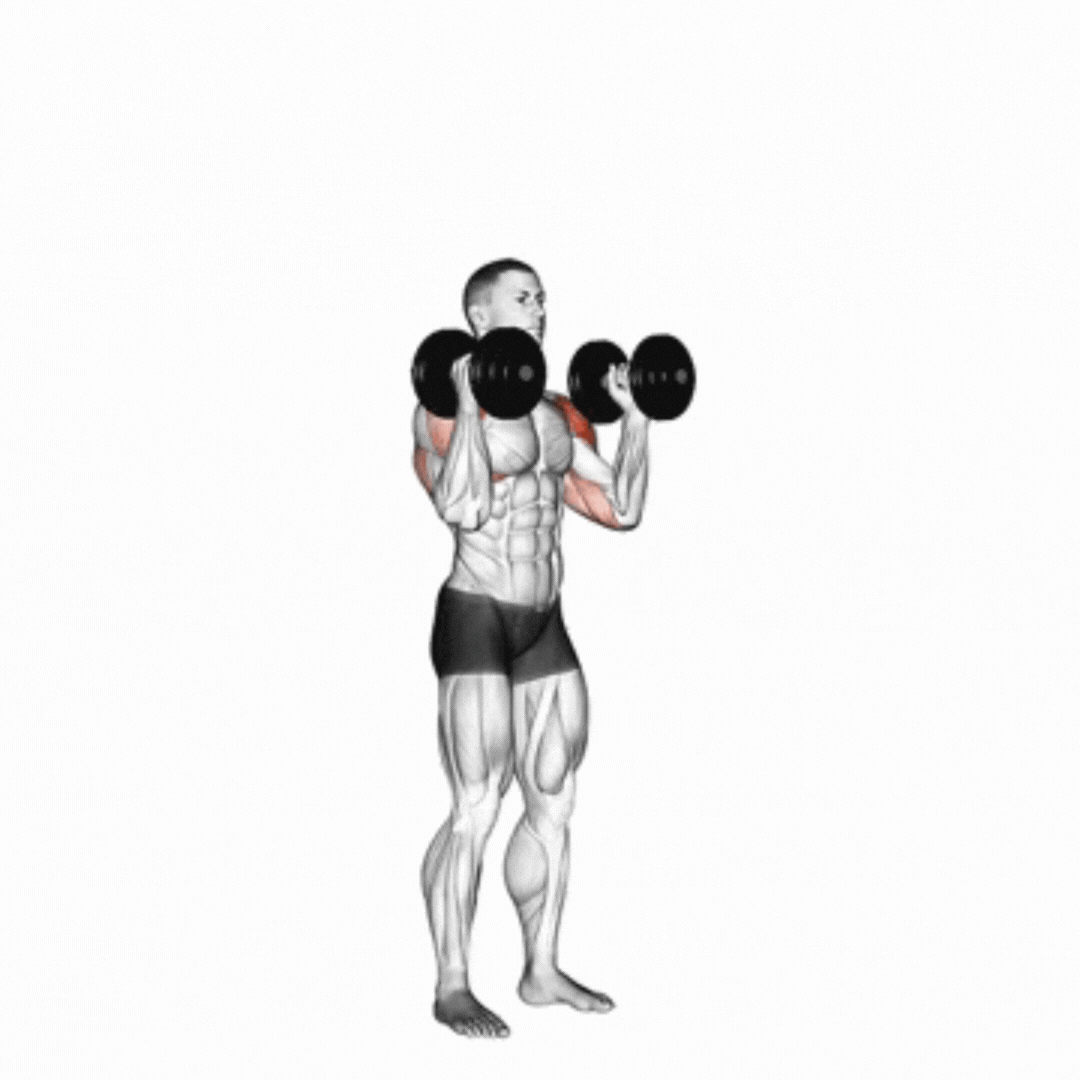 Intermediate
Dumbbell Standing Palms in Shoulder Press
Front Delts
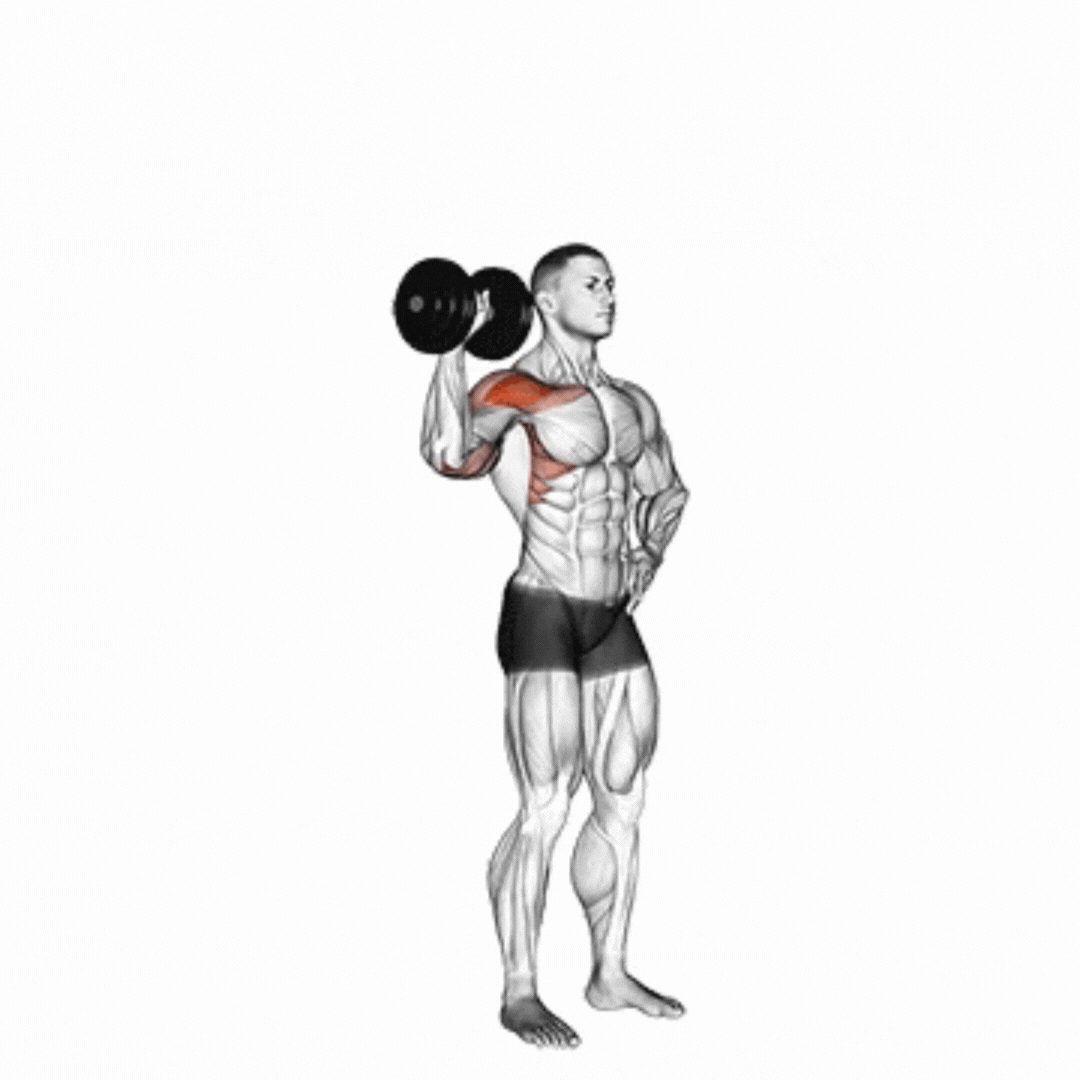 Intermediate
Dumbbell One-Arm Shoulder Press
Front Delts
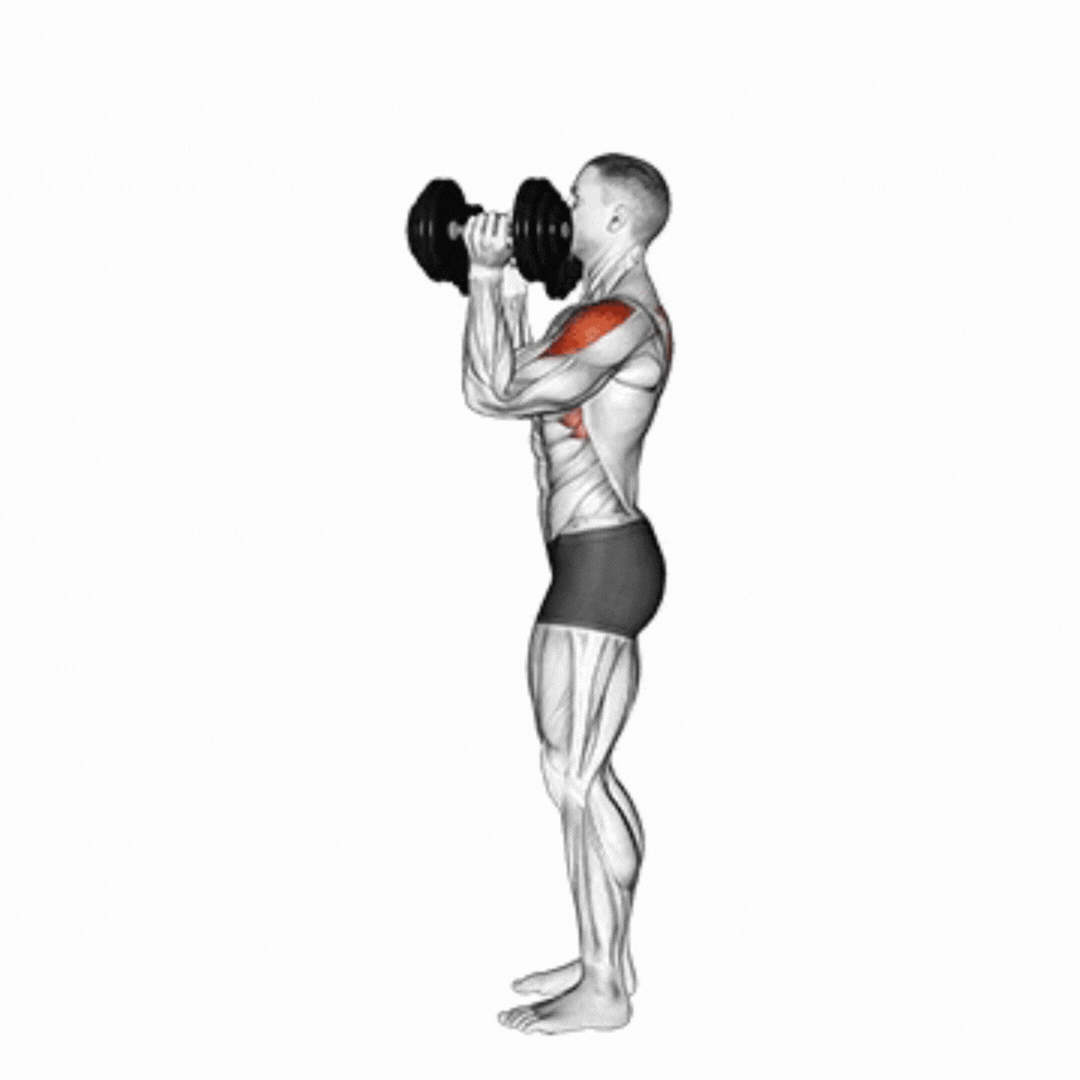 Advanced
Dumbbell Scott Press
Front Delts
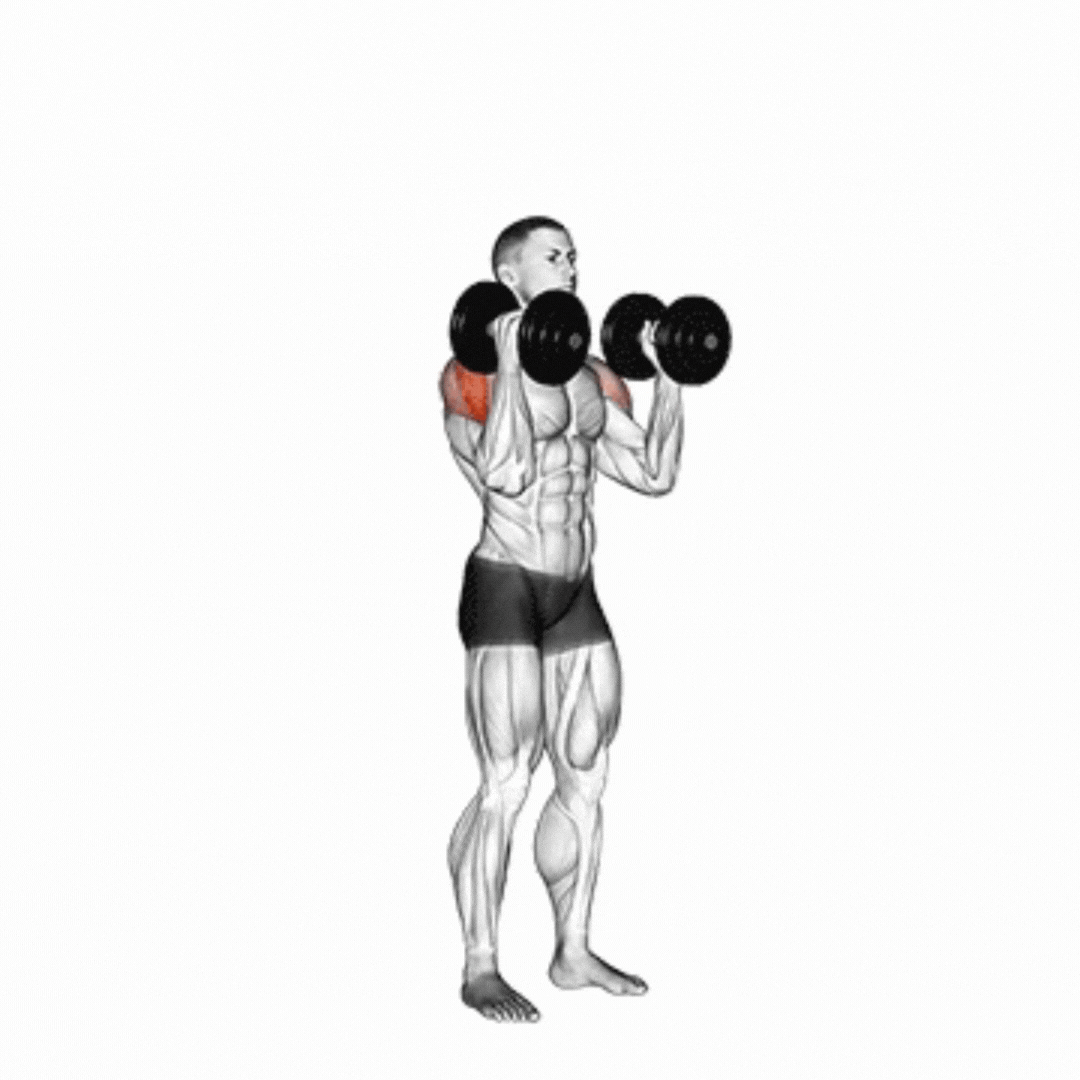 Intermediate
Dumbbell W-press
Front Delts
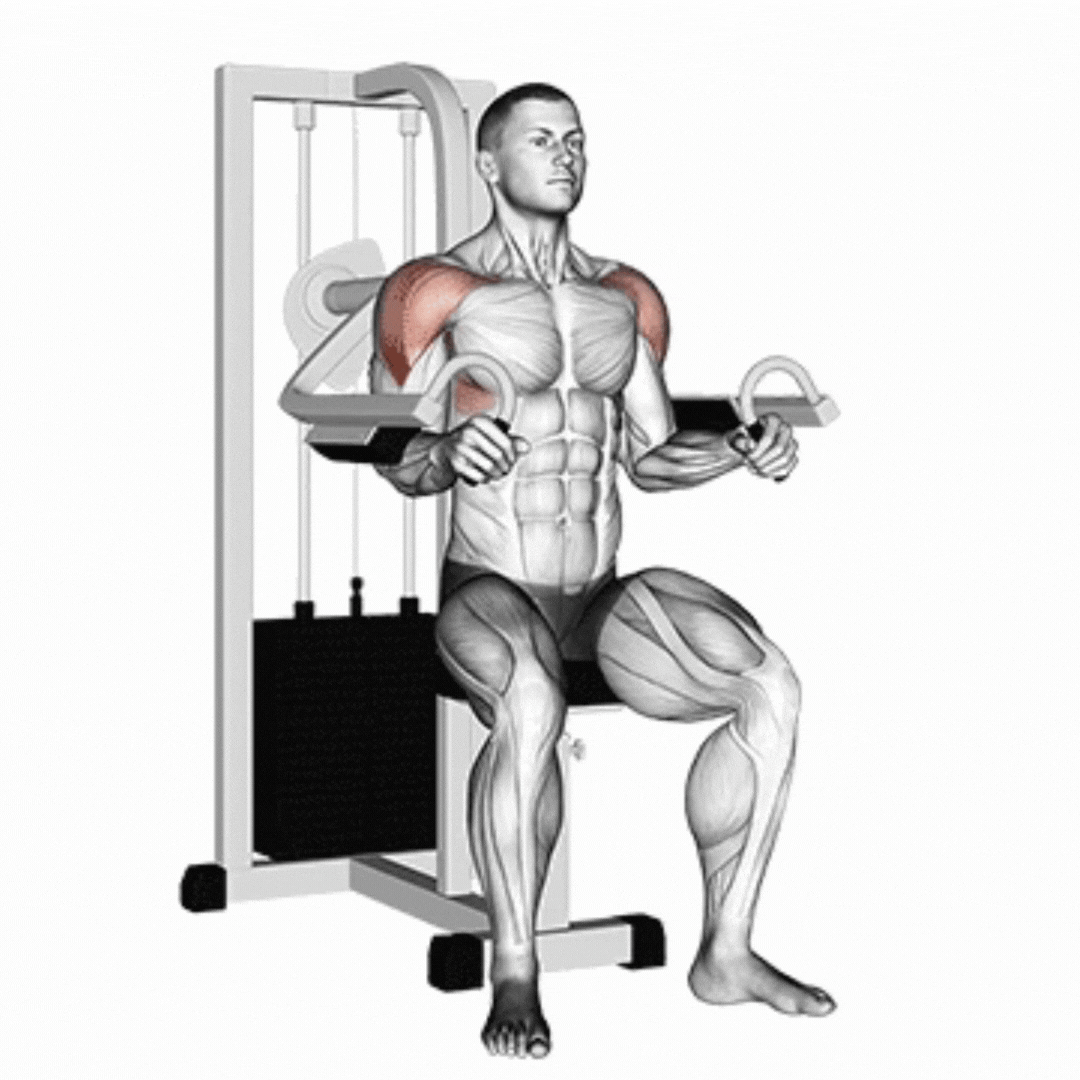 Beginner
Lateral Raise Machine
Side Delts
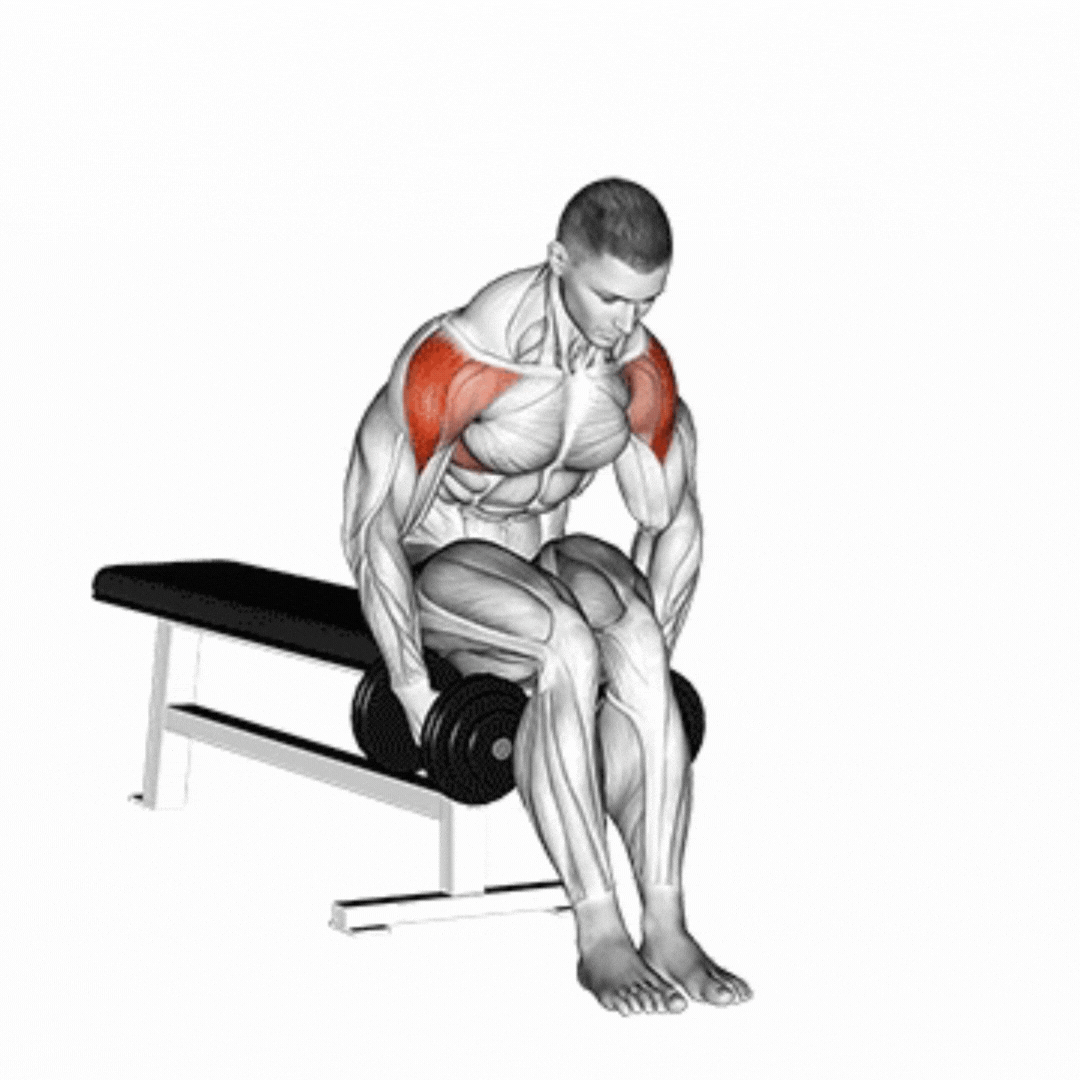 Intermediate
Seated Rear Lateral Dumbbell Raise
Rear Delts
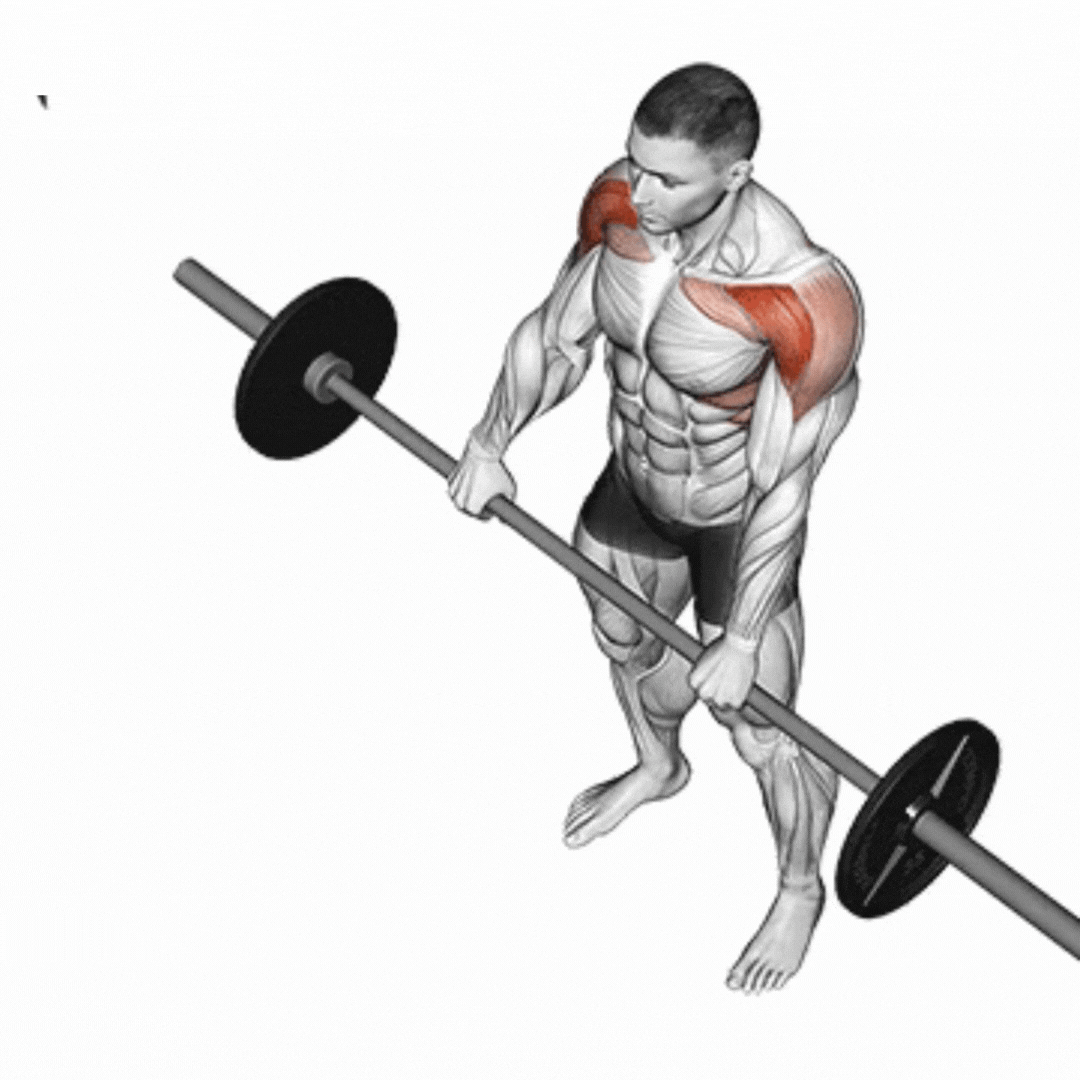 Beginner
Barbell Front Raise
Front Delts
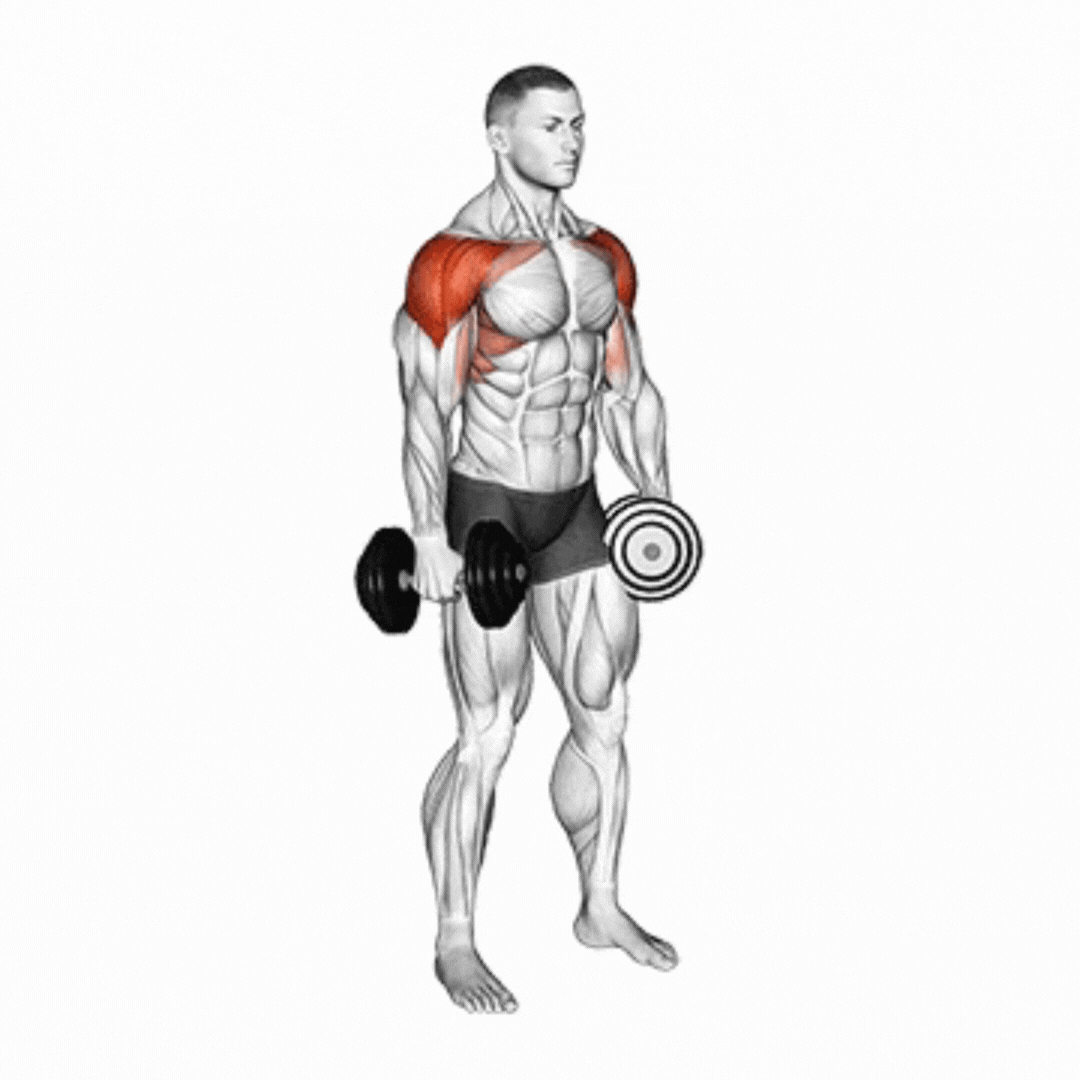 Beginner
3-Way Dumbbell Raise
Front Delts
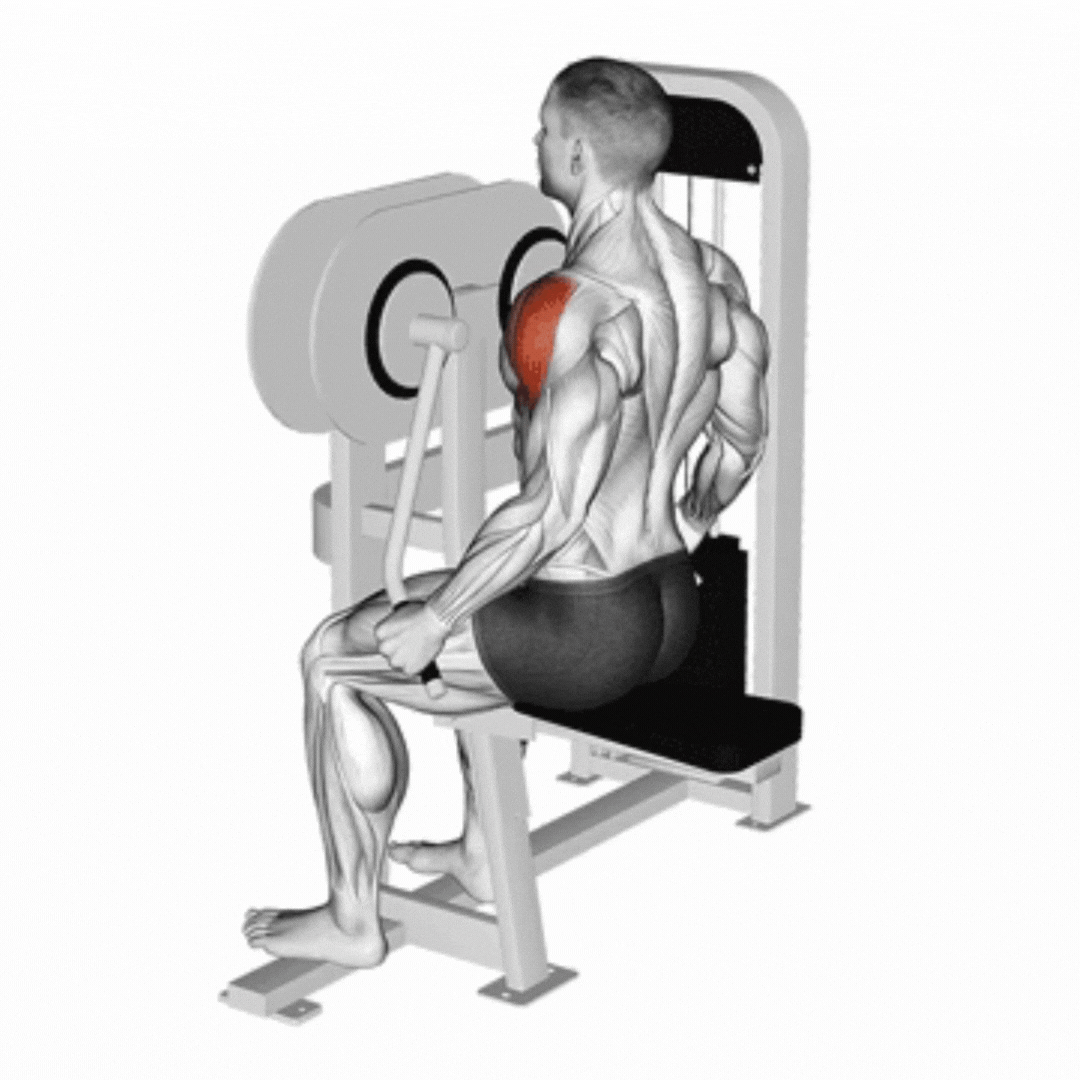 Beginner
Lever Lateral Raise
Side Delts
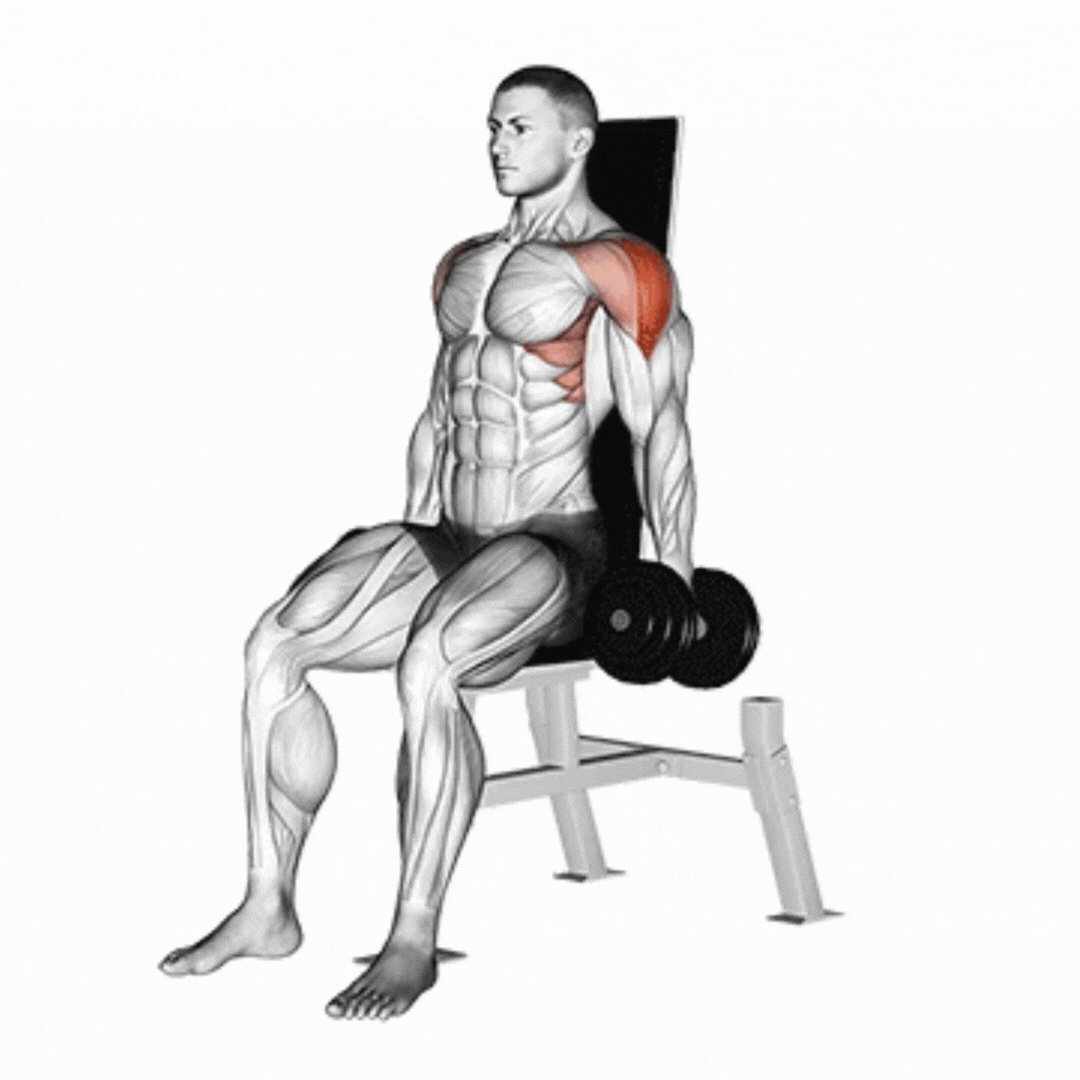 Beginner
Seated Dumbbell Lateral Raise
Side Delts
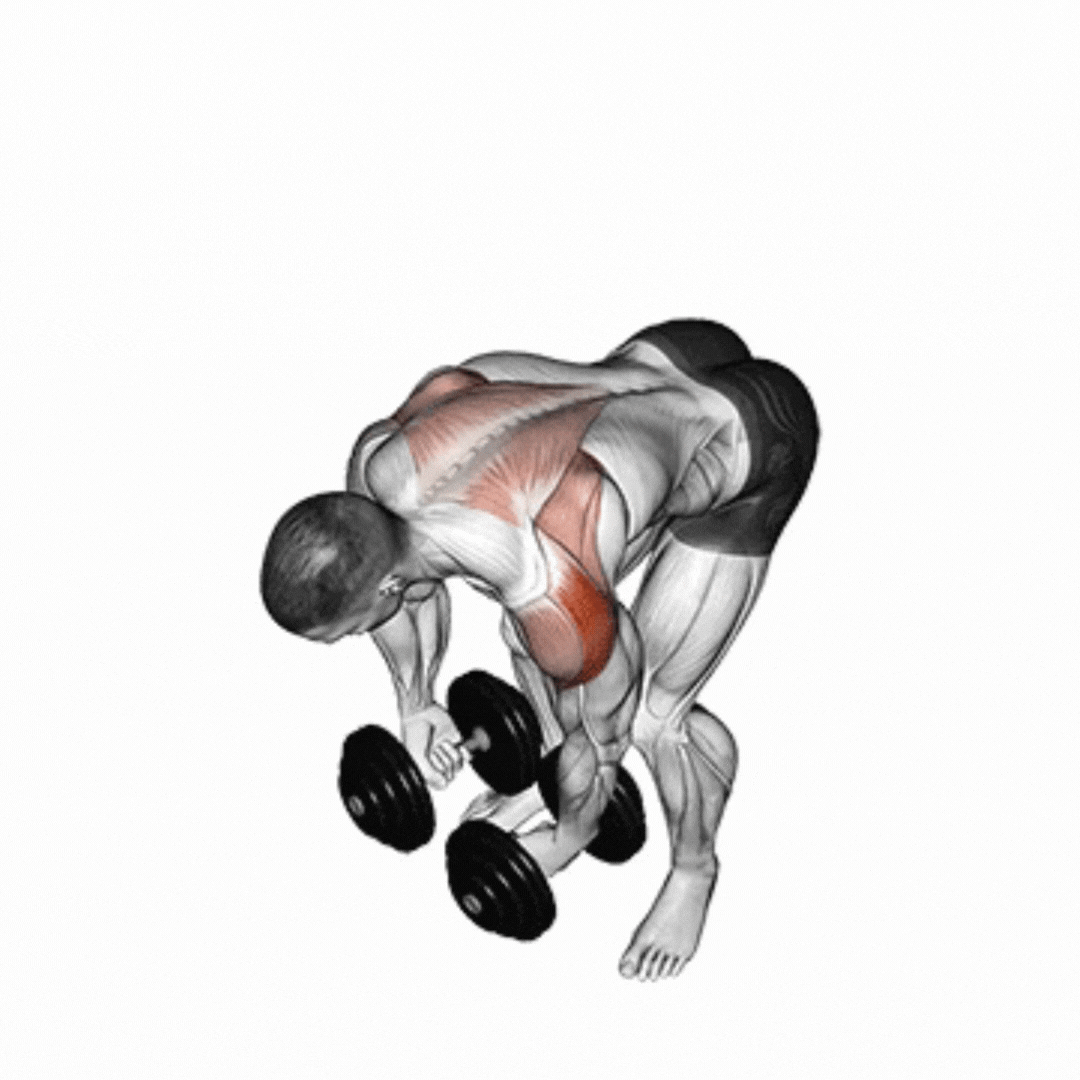 Intermediate
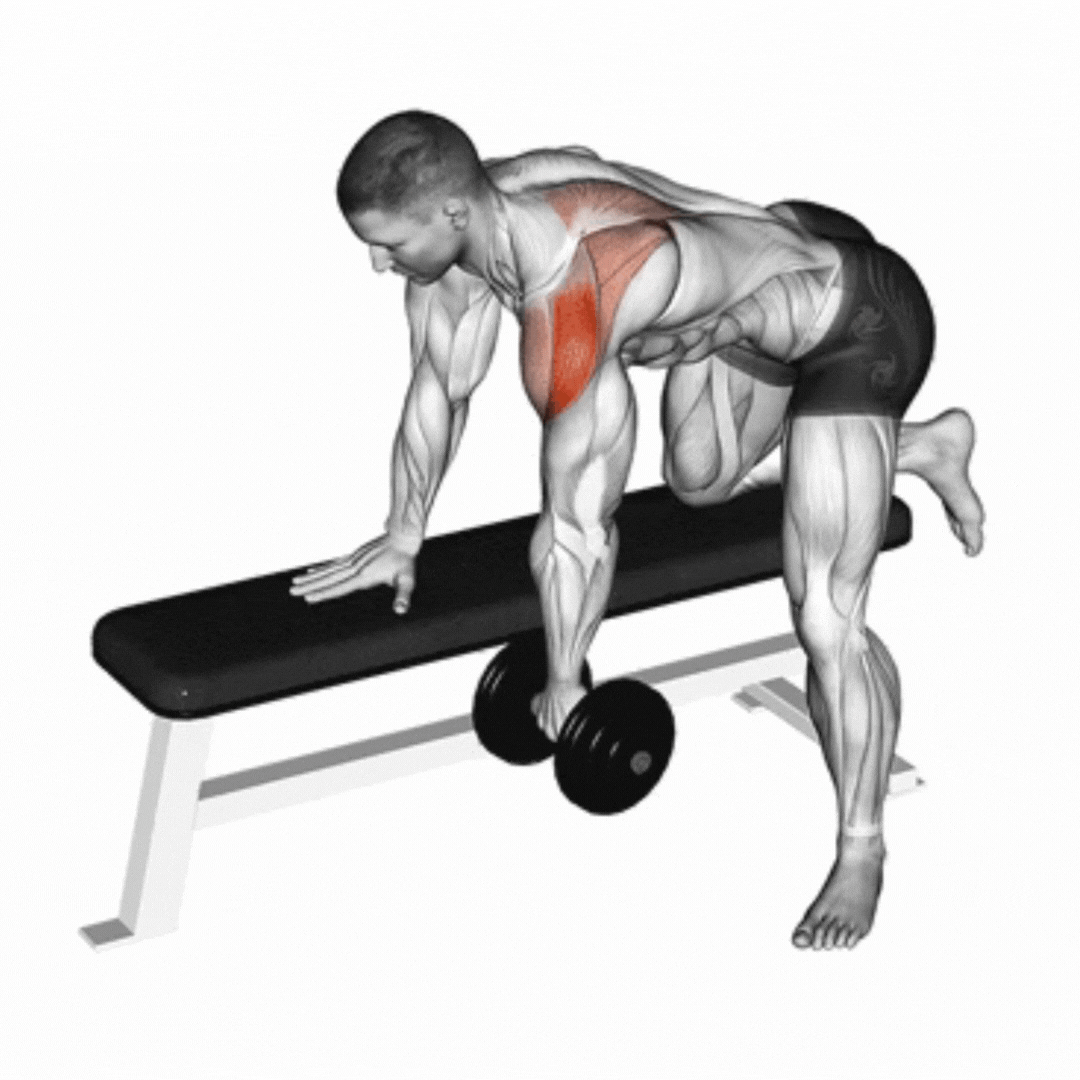
Bent-over Lateral Raise
Rear Delts
 Intermediate
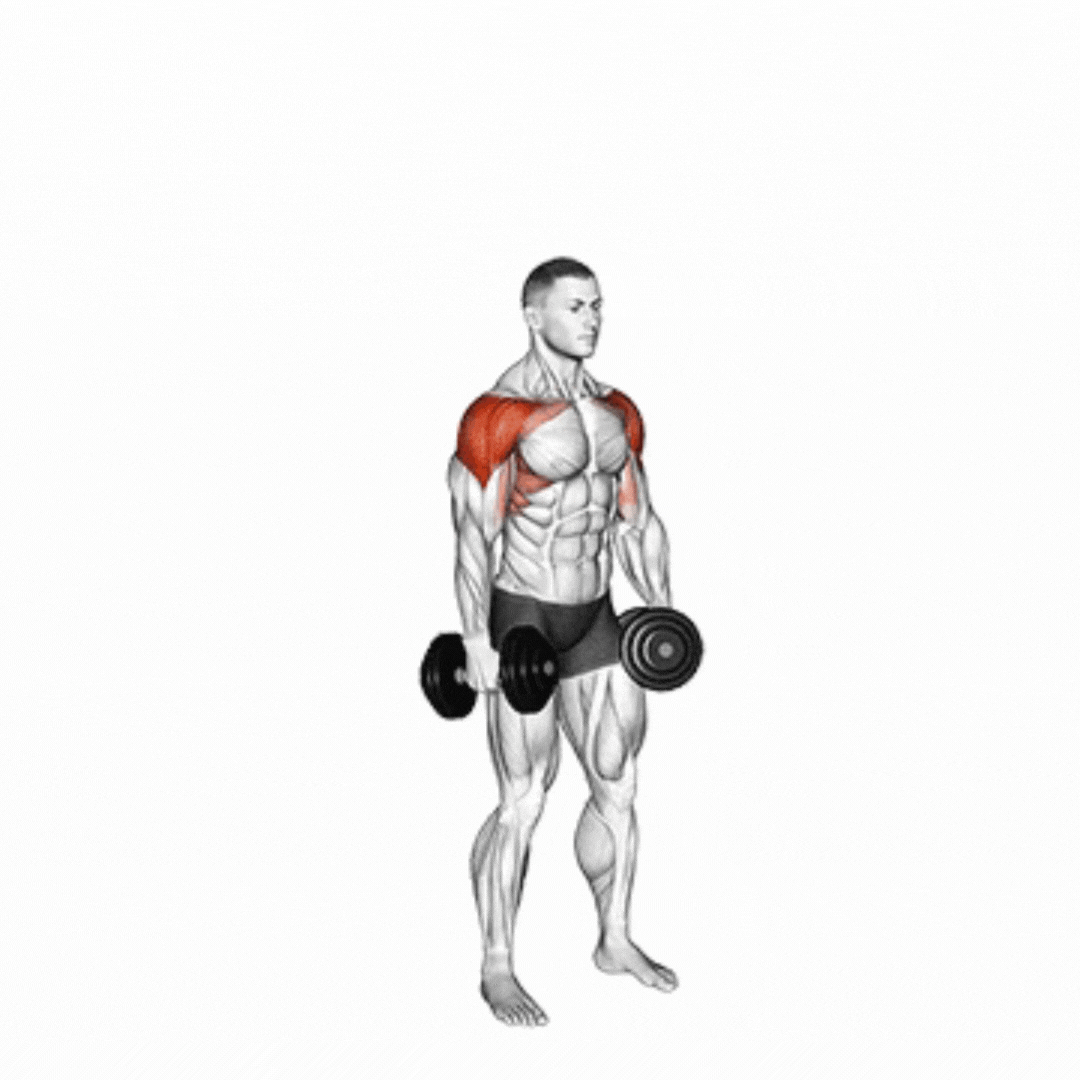
Low Row
Mid Back
 Intermediate
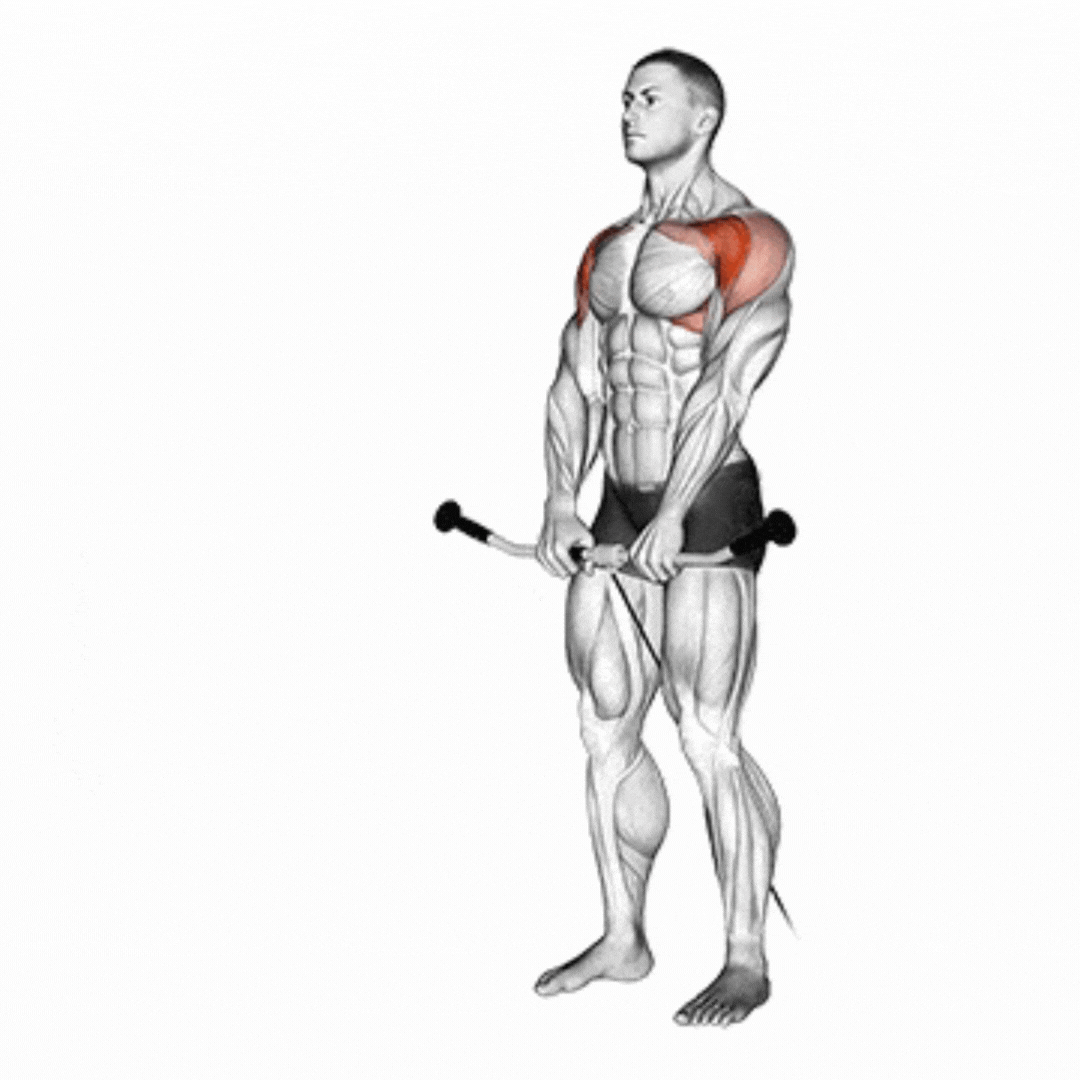
Dumbbell Lateral to Front Raise
Side Delts
 Beginner
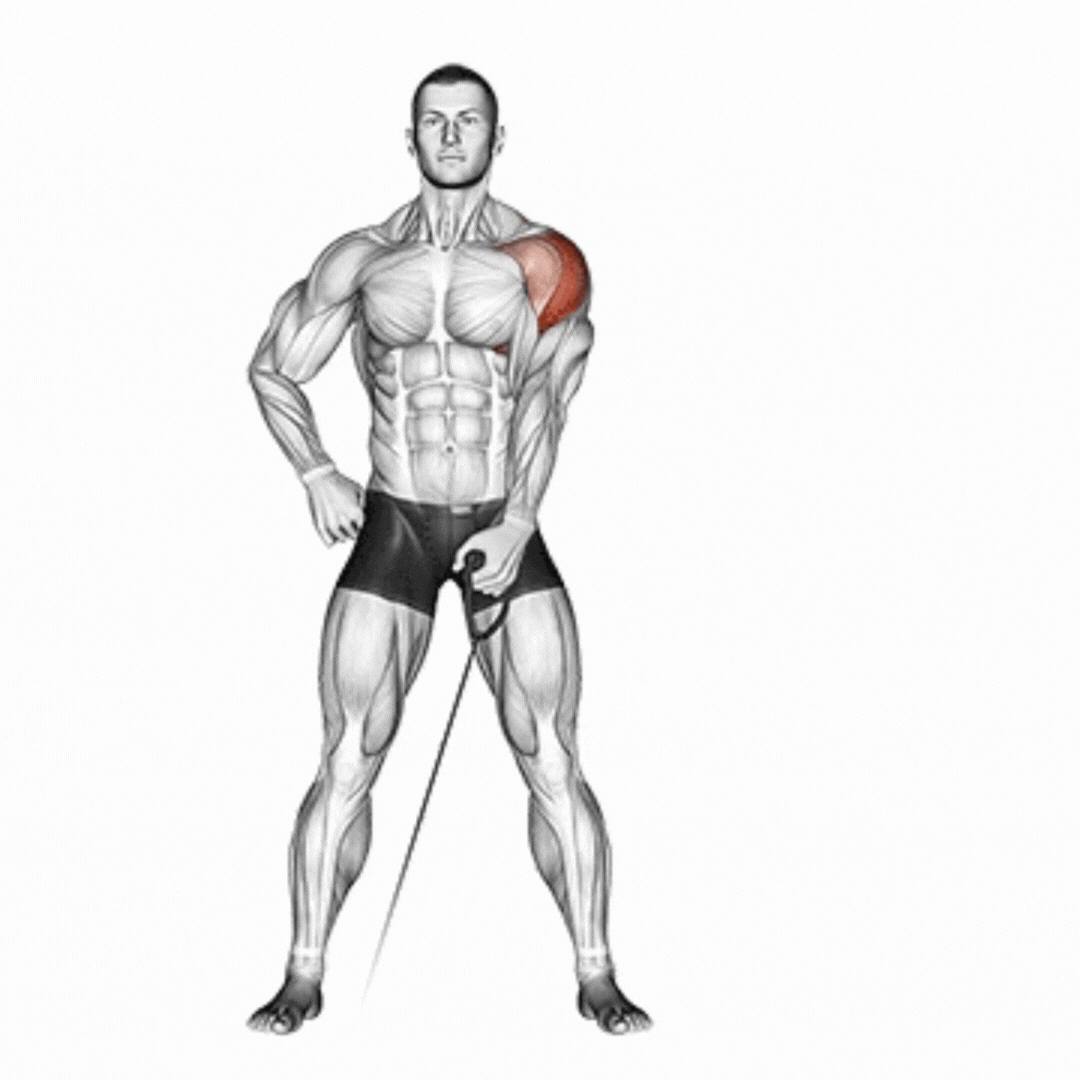
Cable Front Raise
Front Delts
 Beginner
Cable Lateral Raise
Side Delts
 Intermediate
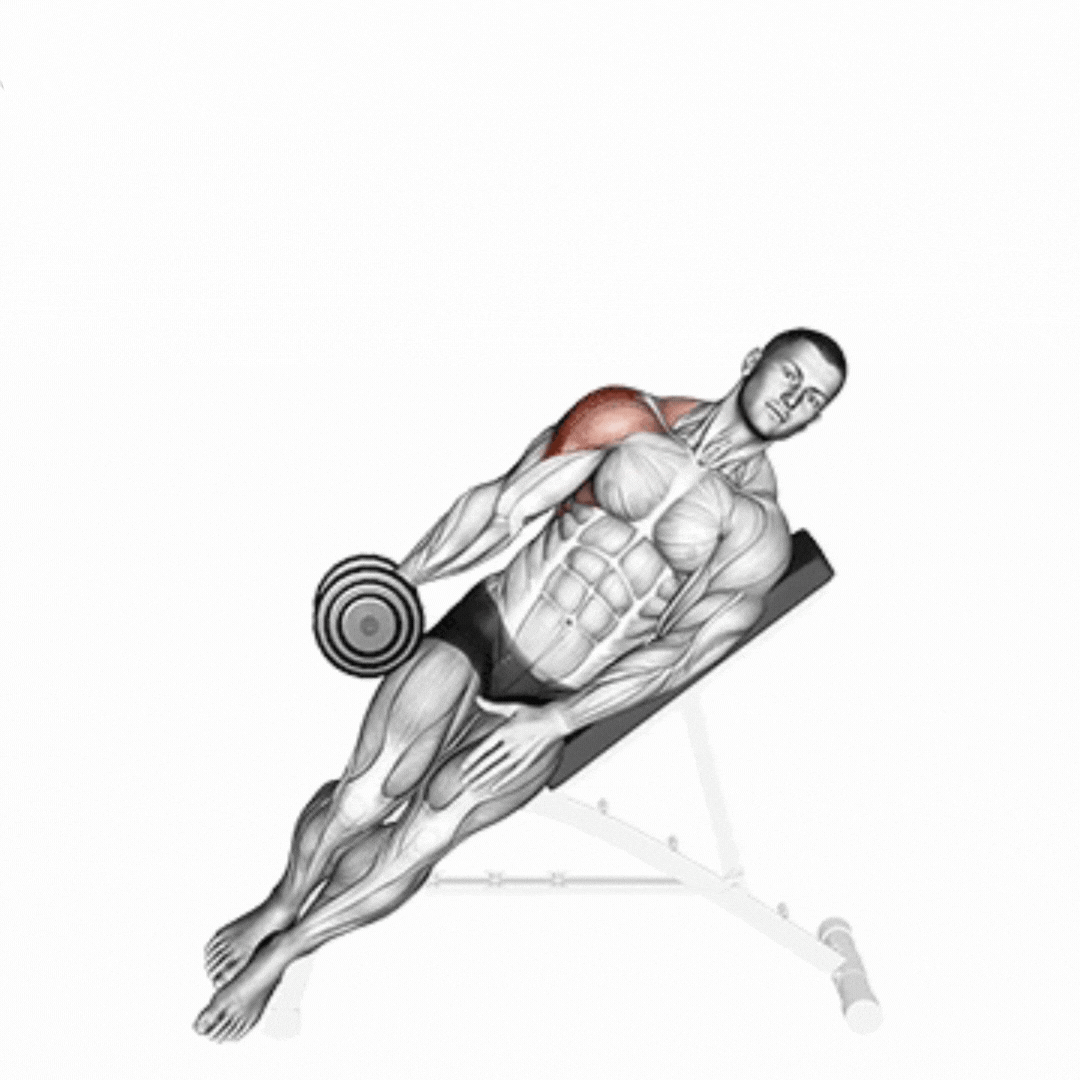
Incline Dumbbell Side Lateral Raise
Side Delts
 Intermediate
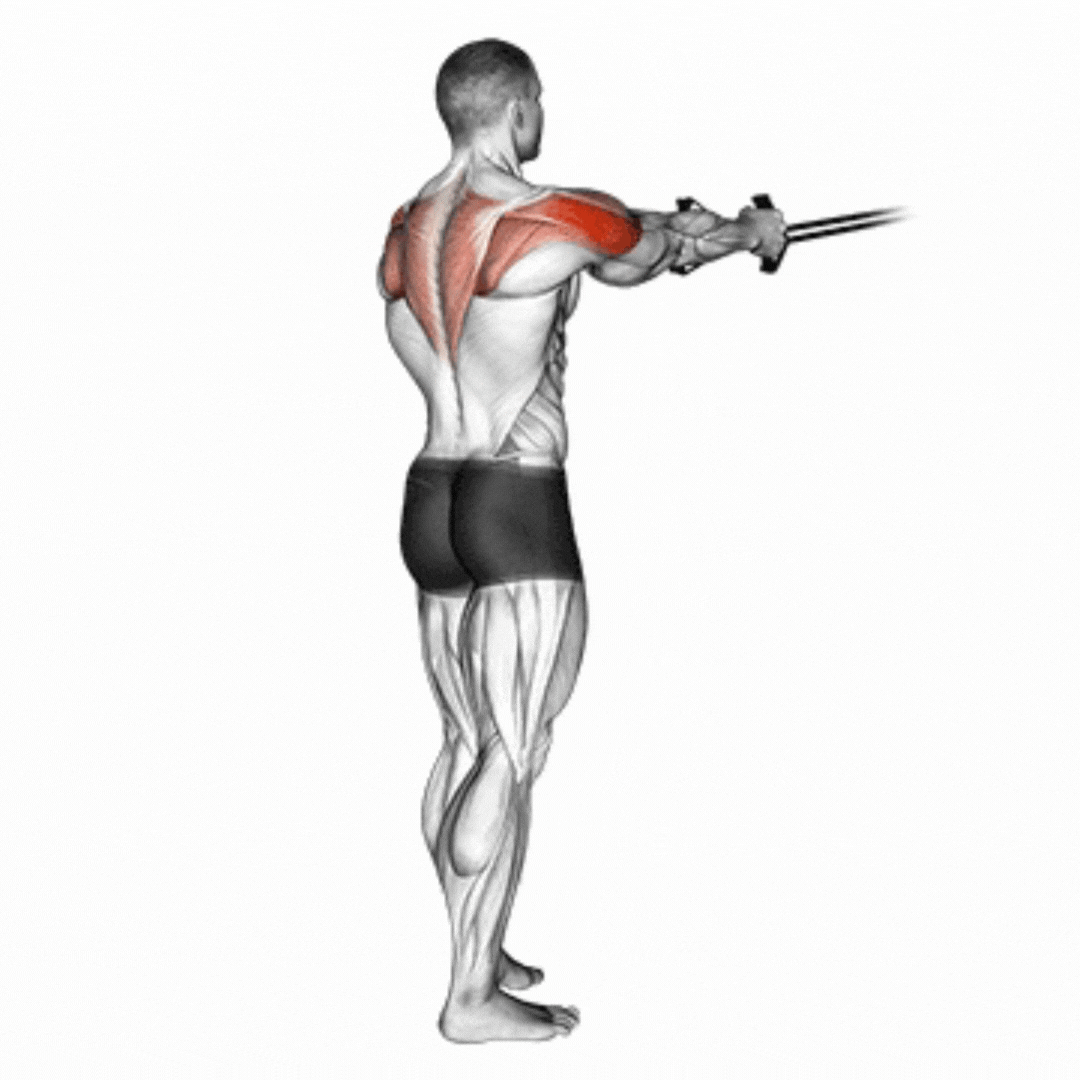
Cable Rear Delt Fly
Rear Delts
 Intermediate
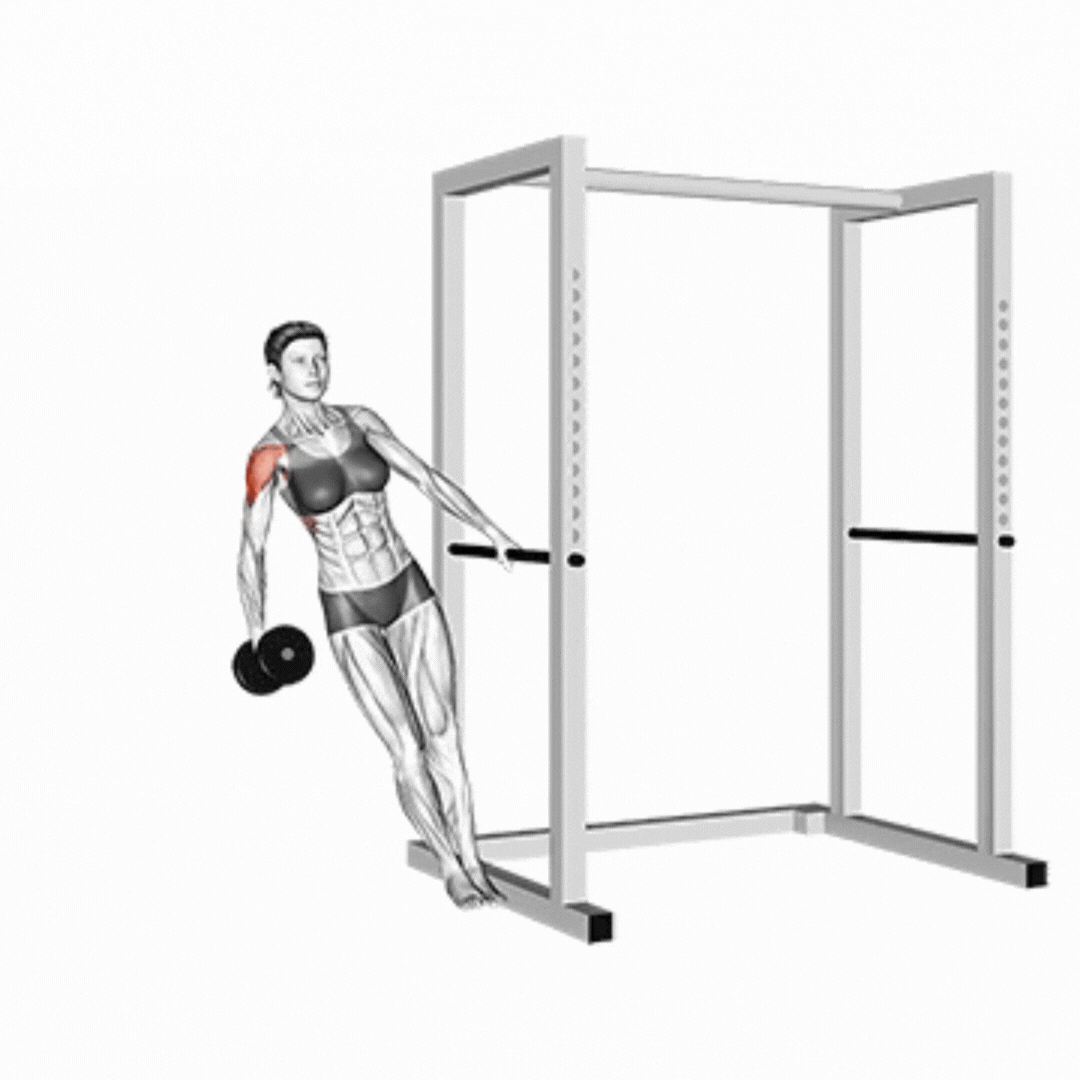
Leaning Single Arm Dumbbell Lateral Raise
Side Delts
 Beginner
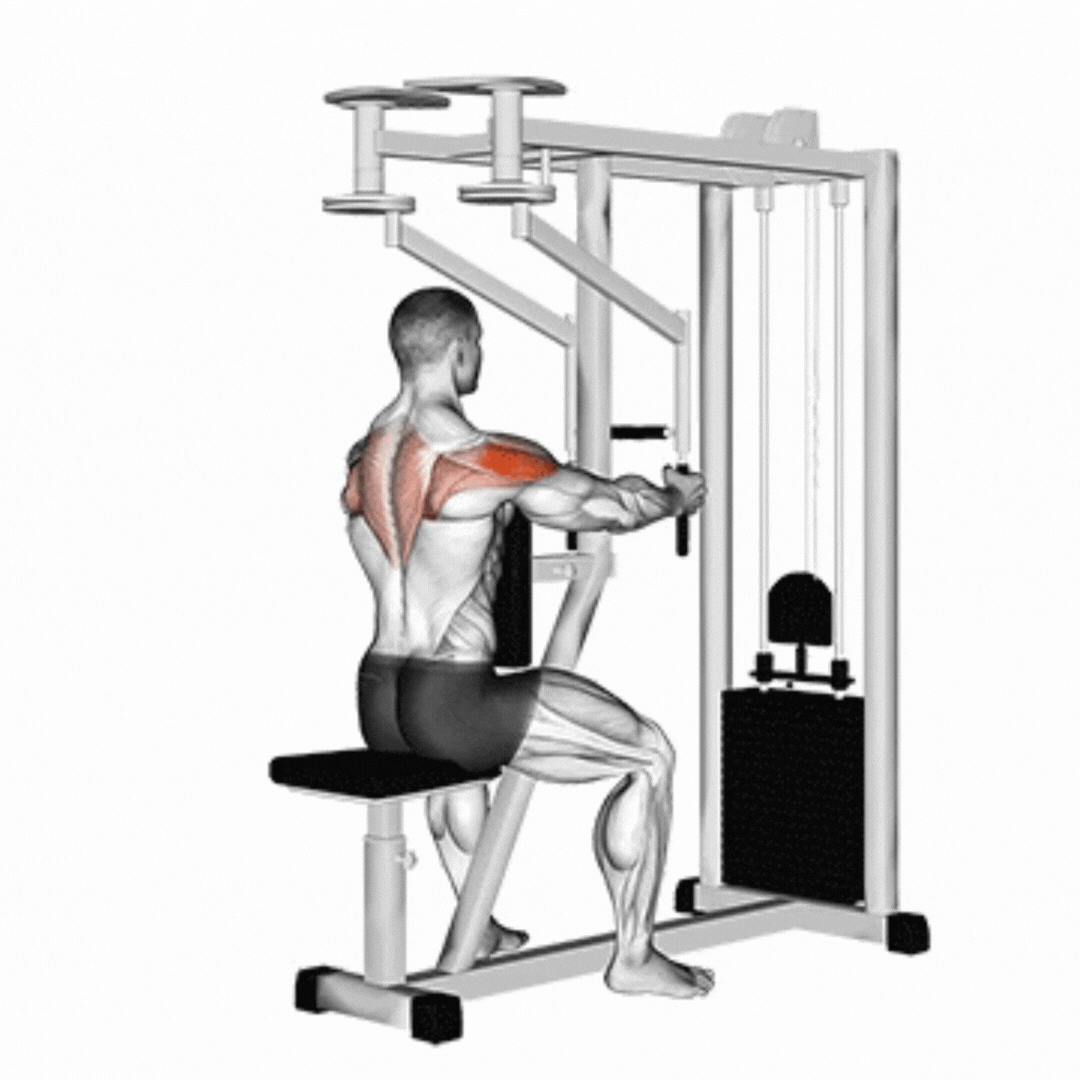
Lever Seated Reverse Fly
Rear Delts
 Beginner
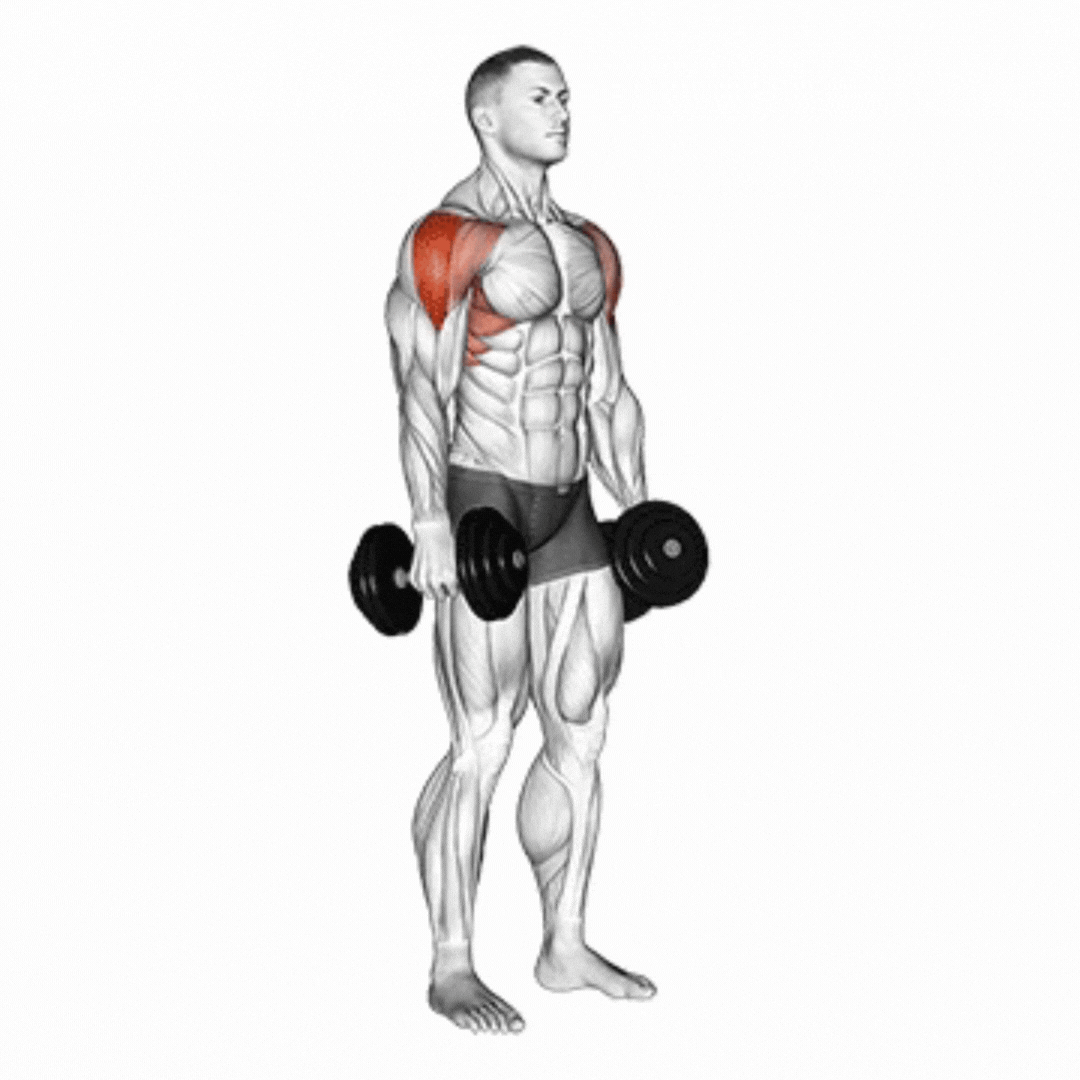
Dumbbell Lateral Raise
Side Delts
 Beginner
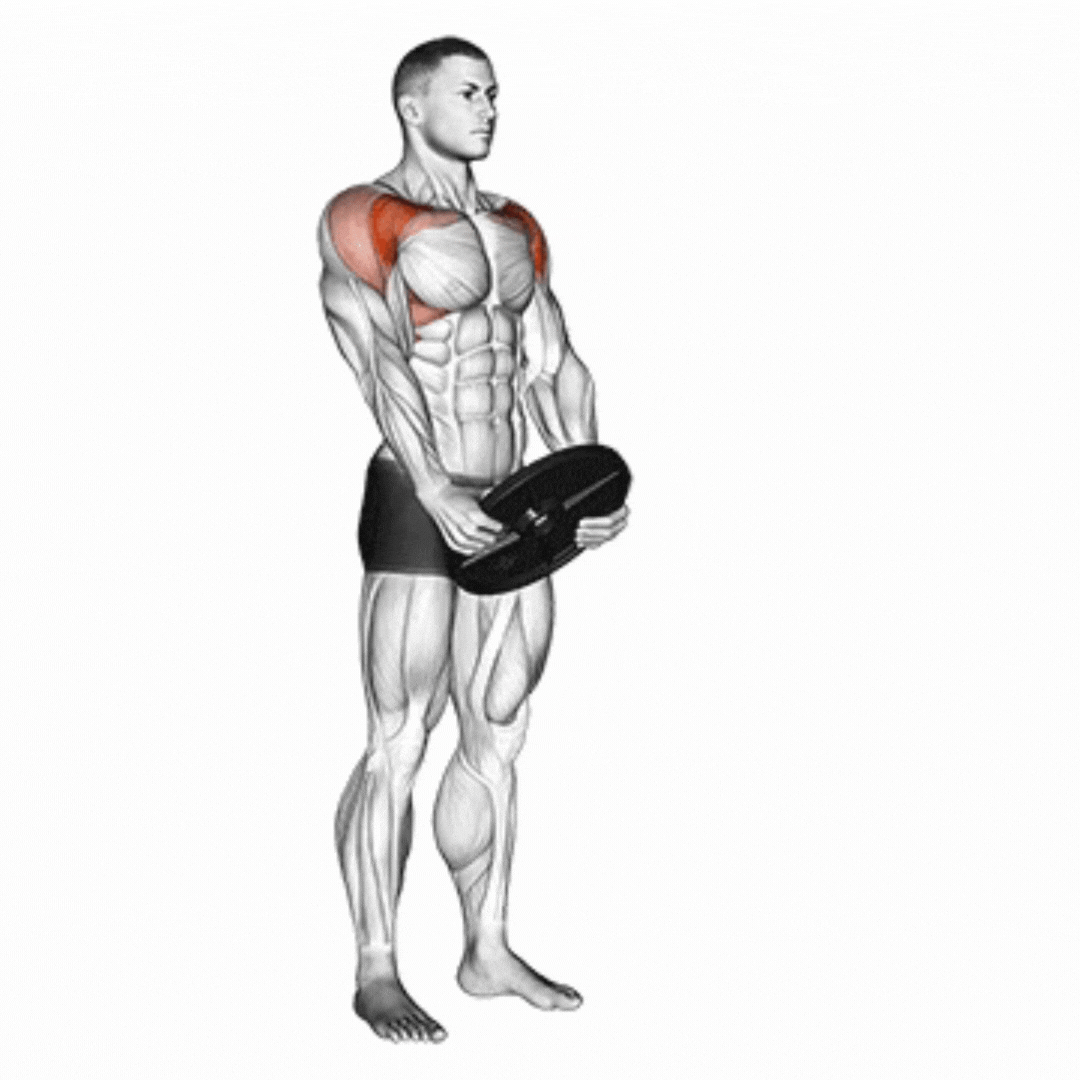
Plate Front Raise
Front Delts
 Intermediate
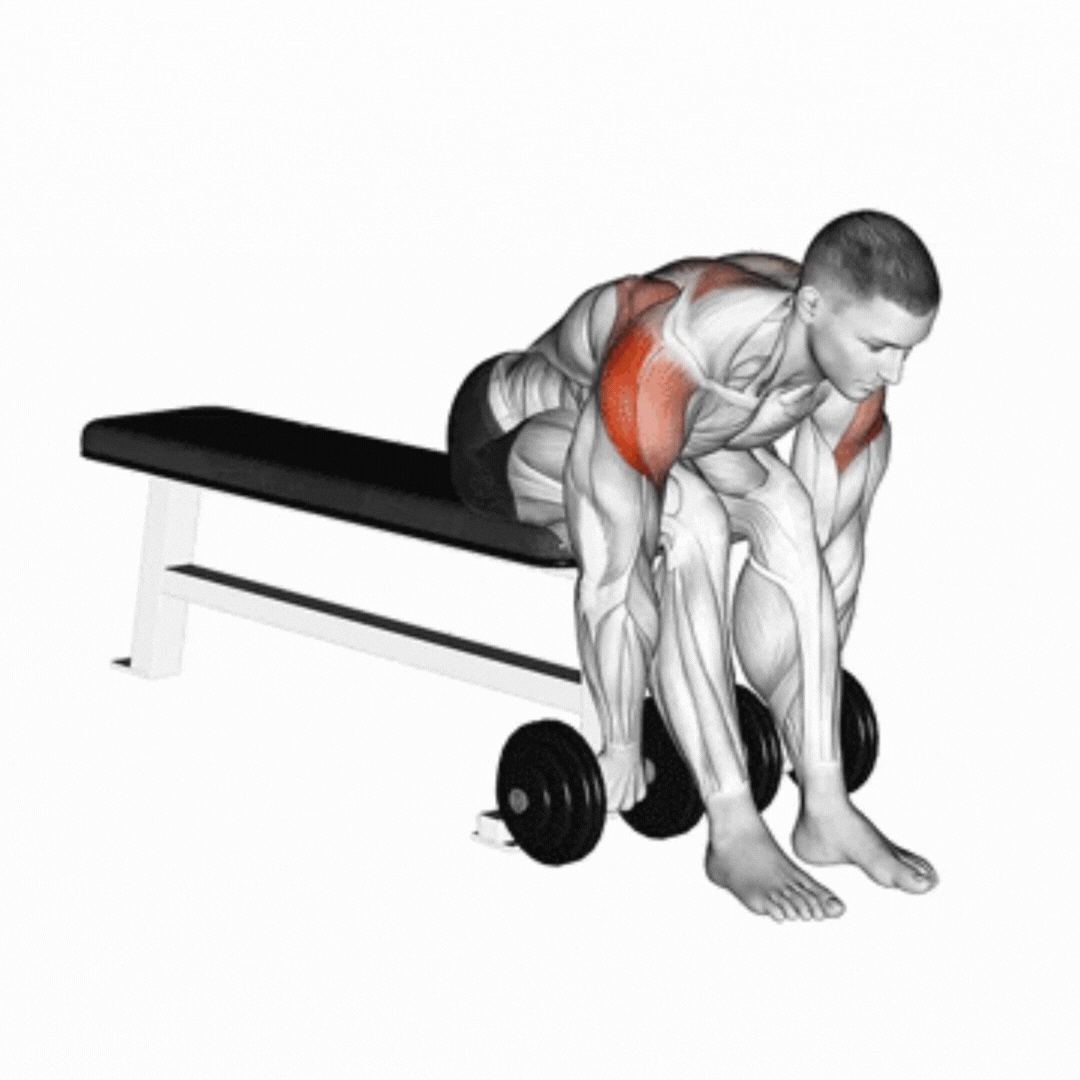
Dumbbell Bent Over Reverse Row On Bench
Rear Delts
 Intermediate
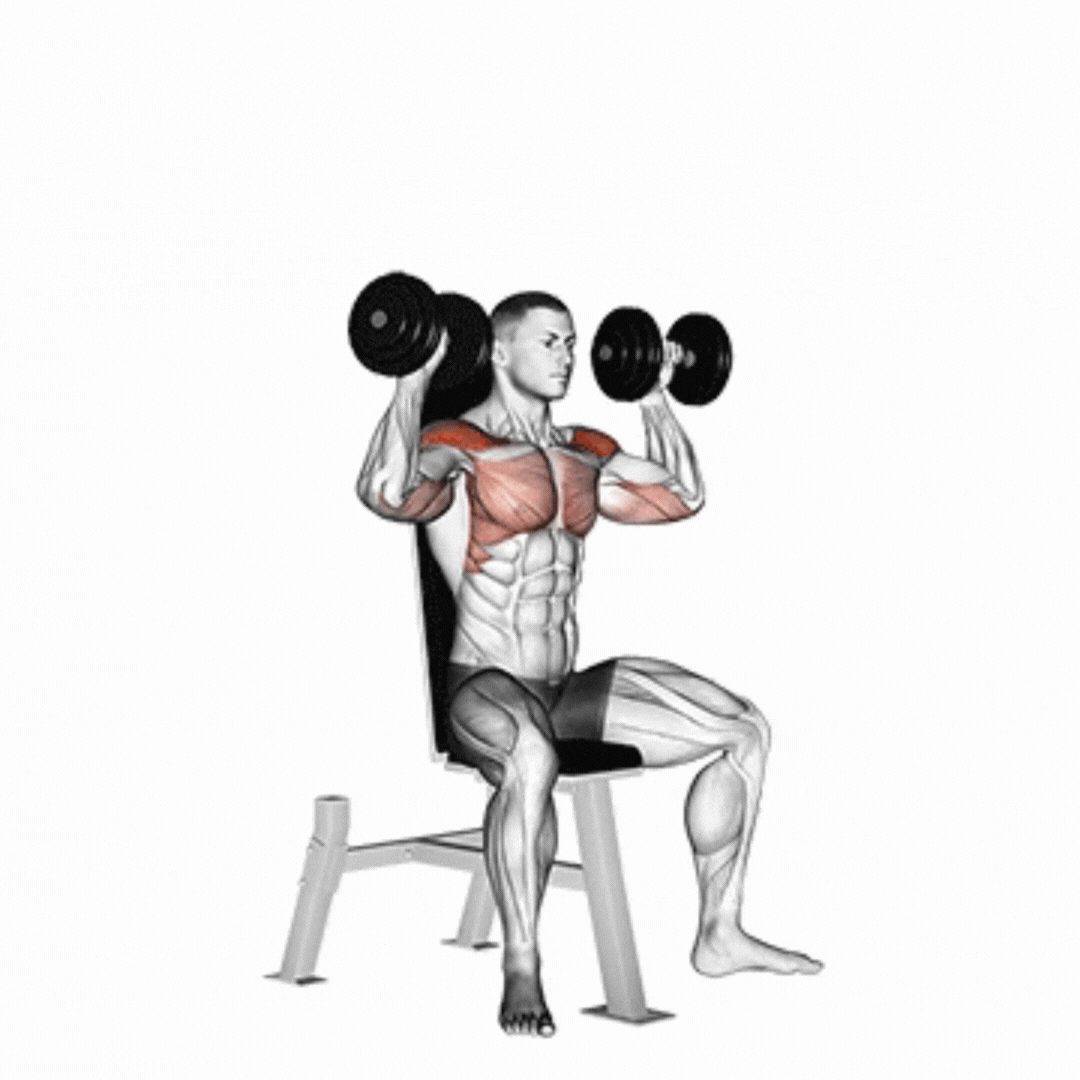
Seated Dumbbell Shoulder Press
Front Delts
 Beginner
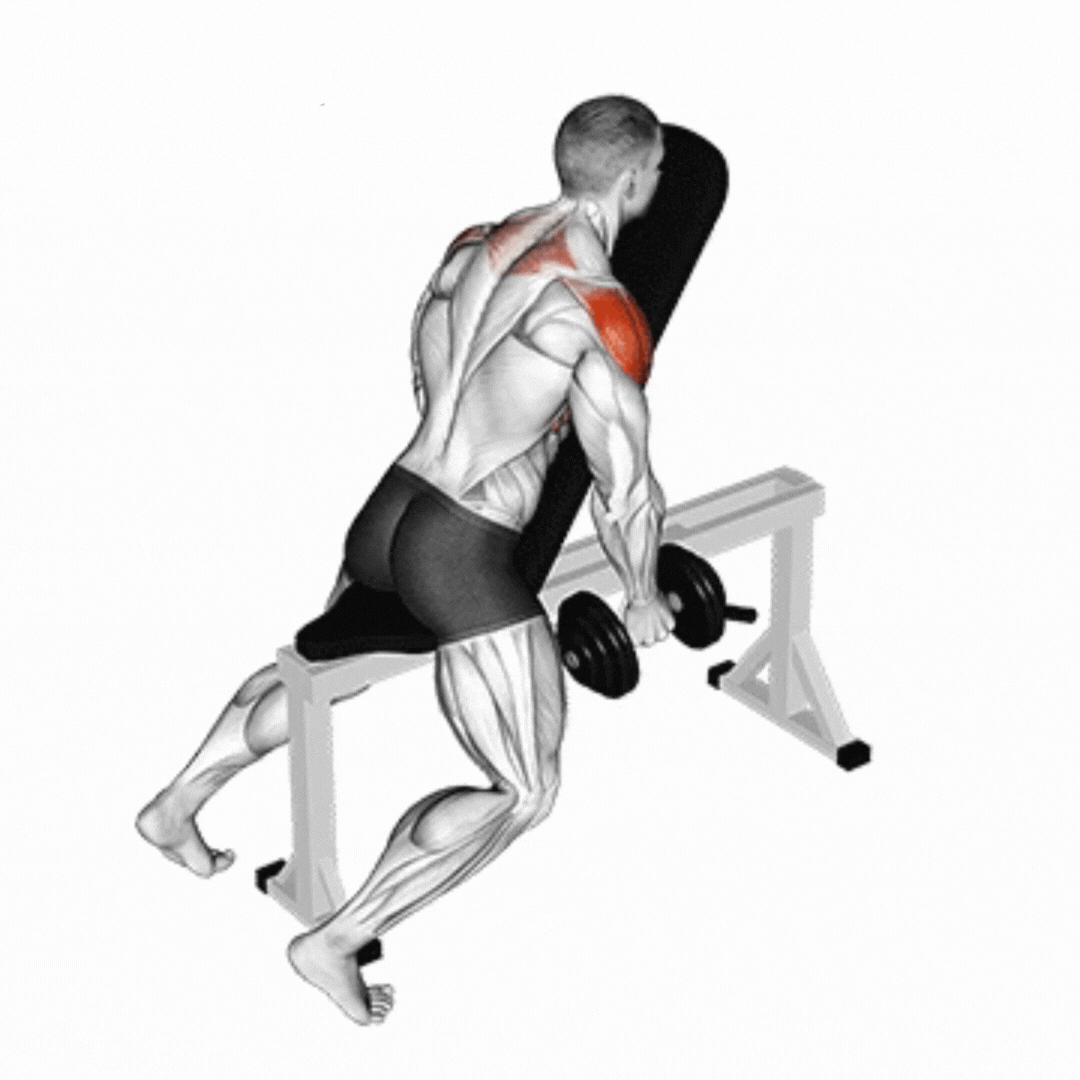
Dumbbell Chest Supported Lateral Raise
Side Delts
 Beginner
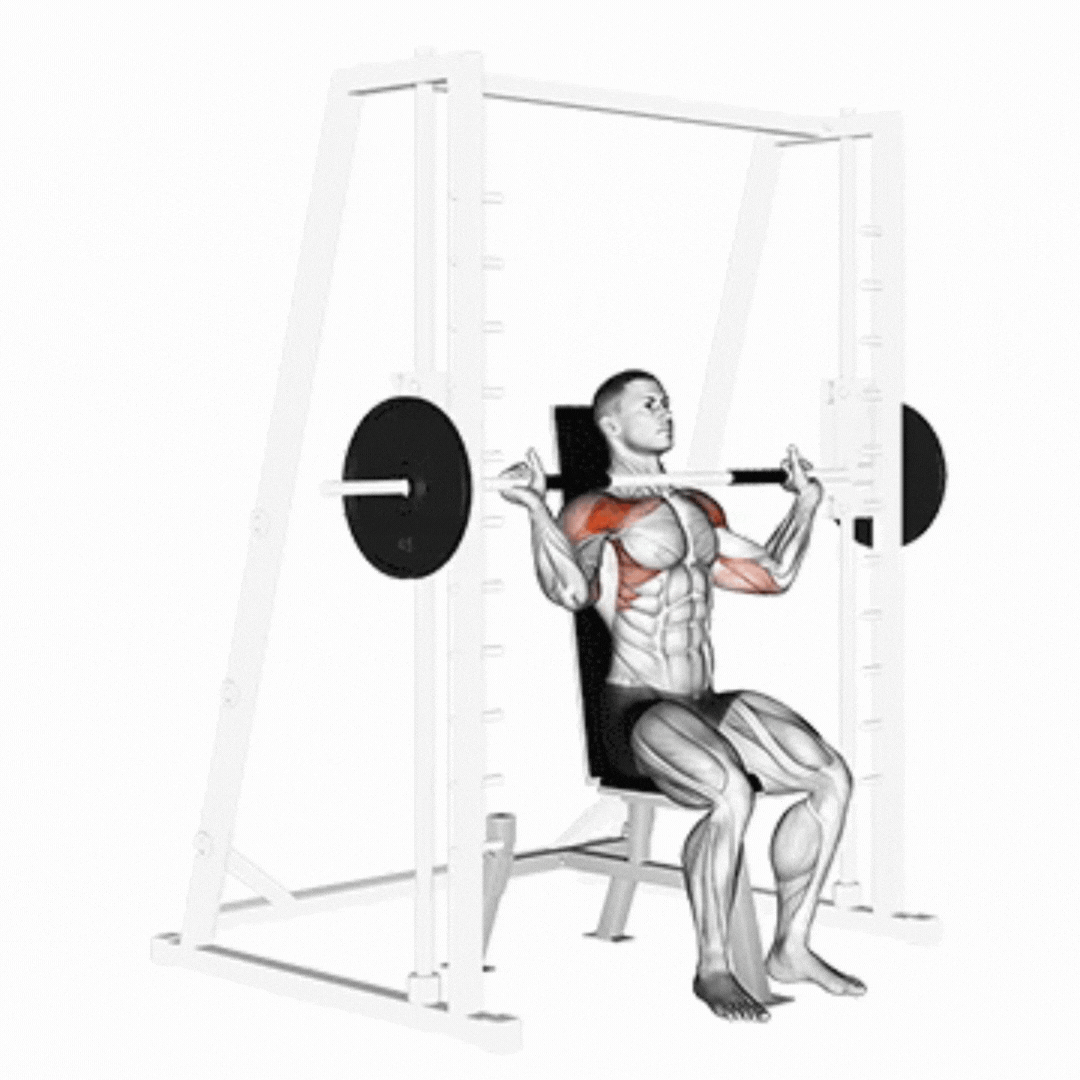
Smith Seated Shoulder Press
Front Delts
 Beginner
Band Pull Apart
Rear Delts
 Beginner
Cable Rear Delt Row
Rear Delts
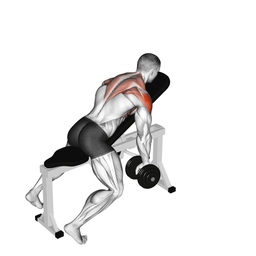 Intermediate
Dumbbell Incline Y Raise
Rear Delts
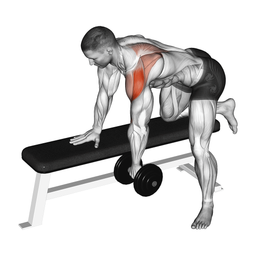 Intermediate
Dumbbell Rear Delt Row
Rear Delts
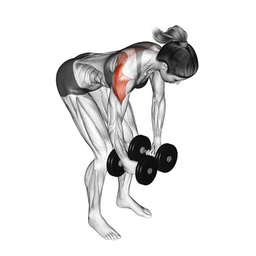 Beginner
Rear Delt Fly
Rear Delts
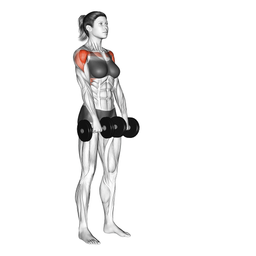 Beginner
Dumbbell Front Raise
Front Delts
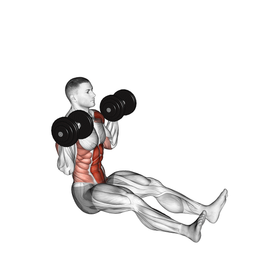 Intermediate
Dumbbell Z Press
Front Delts
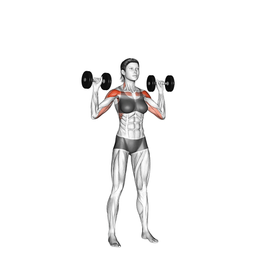 Intermediate
Dumbbell Military Press
Front Delts
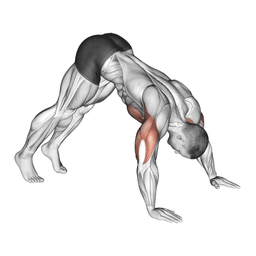 Intermediate
Pike Push Up
Front Delts
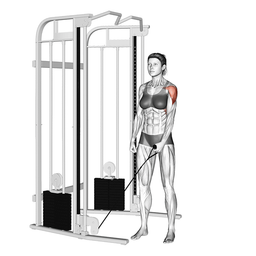 Beginner
Cable One Arm Lateral Raise
Side Delts
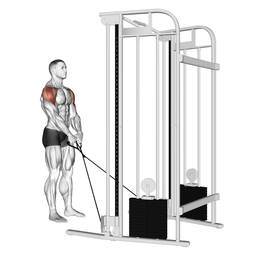 Intermediate
Cable Y Raise
Side Delts
 Intermediate
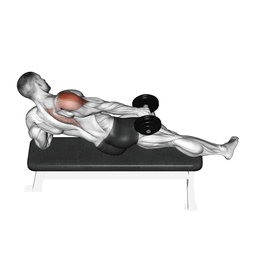
Lying Dumbbell Lateral Raise
Side Delts
Shoulder Workouts for Size and Strength
The deltoid wraps around the shoulder in three heads — front, side and rear — and, together with the rotator cuff beneath it, moves your arm in every direction it can travel. Capped, three-dimensional shoulders widen your frame more than any other muscle, and strong, balanced delts support pressing power and comfortable overhead work in daily life.
Three heads, three angles: presses load the front delt, lateral raises isolate the side, and rear-delt rows or reverse flyes reach the fibers your mirror never shows you. Each movement below explains how to avoid the shrugging and swinging that let the traps steal the work, and notes when light dumbbells or bands at home will do the job.
Balance is the programming key: compound overhead presses build strength, but because chest work already loads the front delts heavily, give side- and rear-head isolation its own space in the week. Bifit's activation data by deltoid head shows exactly which exercise feeds which fibers.