.gif)
Description
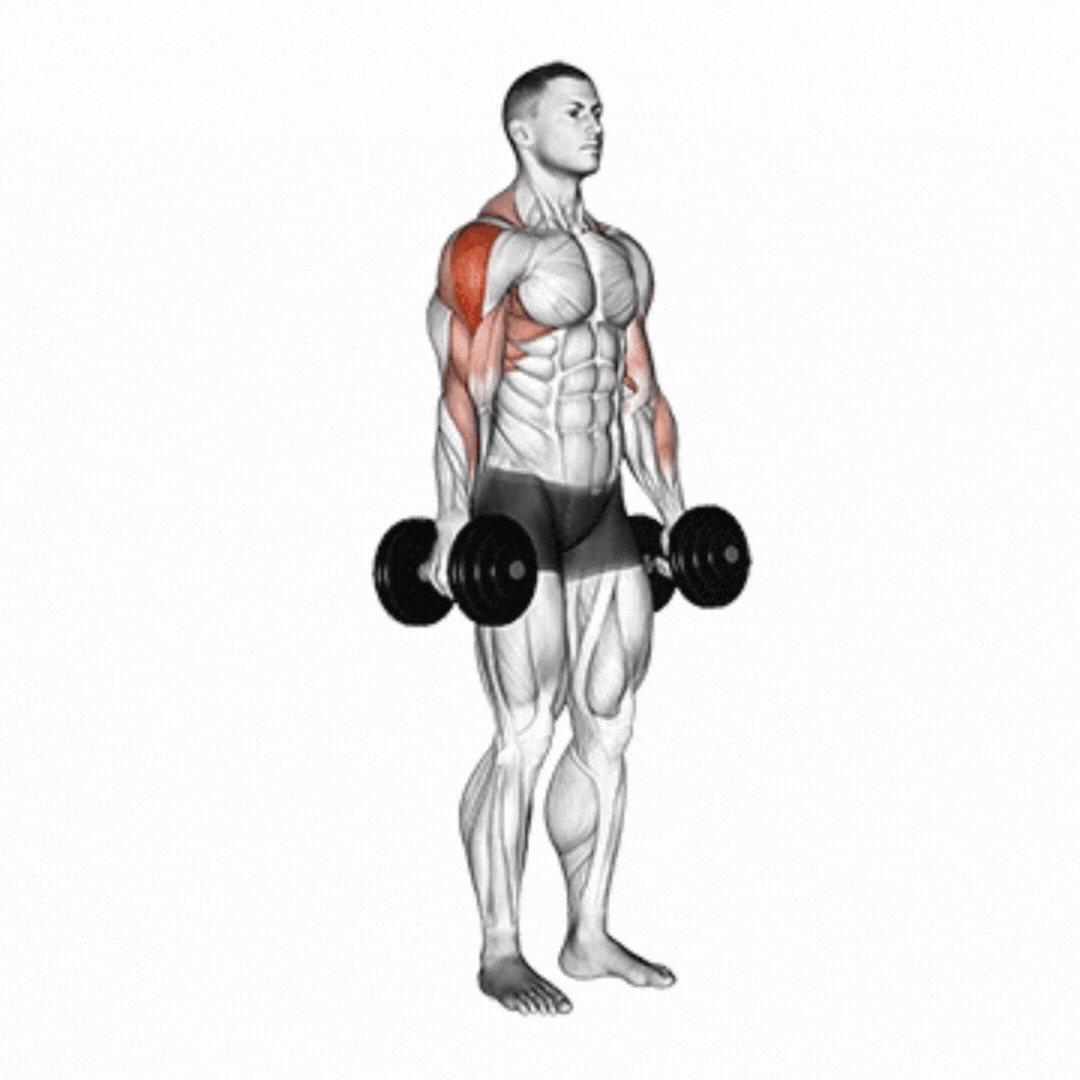
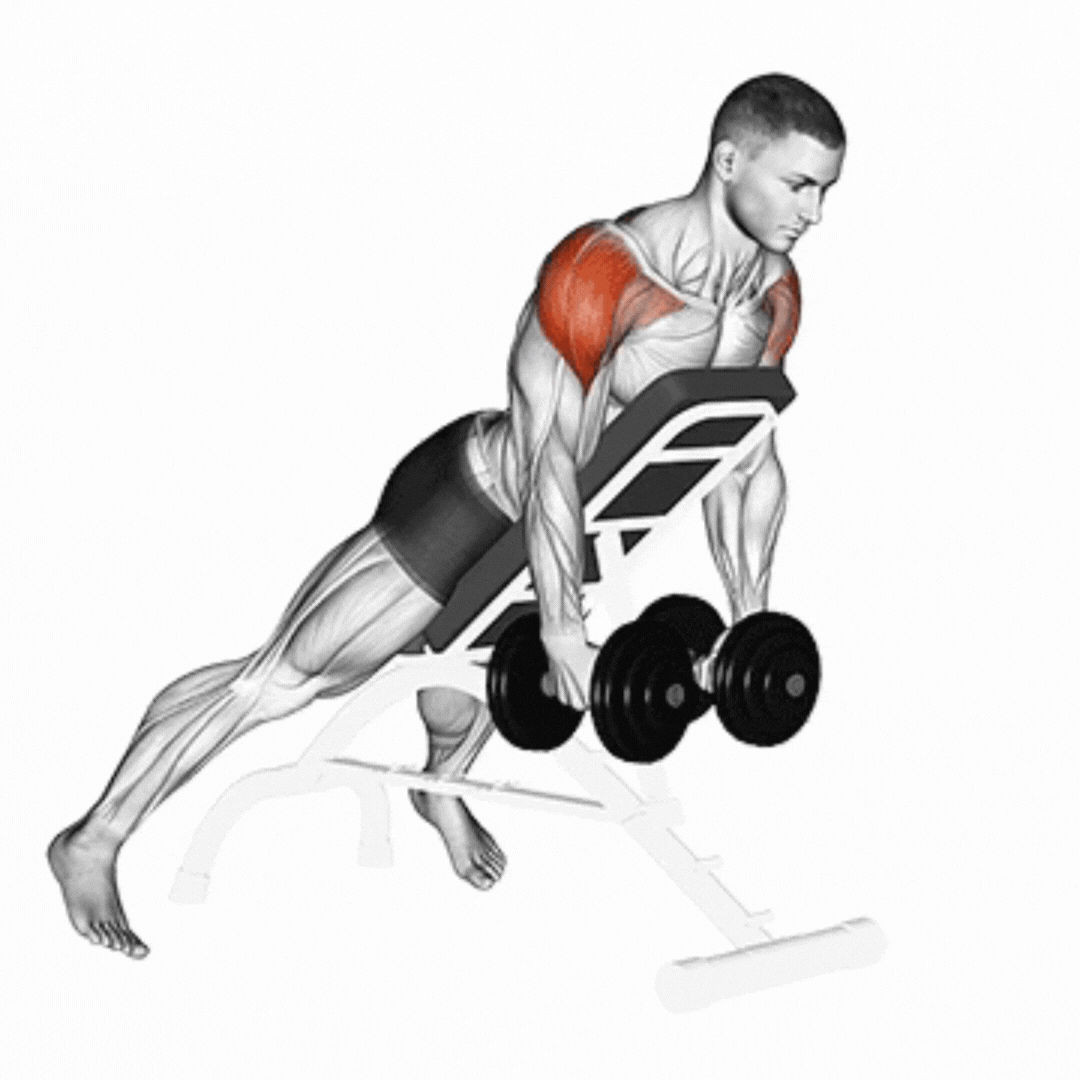
Seated Rear Lateral Dumbbell Raise is an effective isolation exercise performed while seated that targets the rear shoulder muscles (posterior deltoid). This exercise also works the upper back muscles such as the middle fibers of the trapezius, rhomboids, and rotator cuff muscles. Performing it seated minimizes body sway and momentum use compared to the standing version, increasing muscle activation. Since rear shoulder muscles are of great importance for good shoulder aesthetics and posture correction, this movement is an indispensable part of shoulder training. Particularly beneficial for desk workers and individuals with shoulder imbalances, this exercise helps strengthen shoulder joint stability. Applying it with light and controlled weights reduces injury risk while providing maximum benefit.
Seated Rear Lateral Dumbbell Raise How-To Guide
- 1
Sit on the edge of a flat bench or chair, keep your feet planted on the floor at shoulder width apart, and hold a dumbbell in each hand.
- 2
Lean your torso forward from your hips until your chest almost touches your knees; the dumbbells should hang behind your legs with palms facing each other.
- 3
Keeping your elbows slightly bent, lift the dumbbells to the sides and upward while exhaling; continue until your arms are parallel to the floor or reach shoulder level.
- 4
Pause briefly at the top of the movement and feel the contraction in your rear shoulder muscles, try to squeeze your shoulder blades together.
- 5
Inhale and lower the dumbbells to the starting position in a controlled and slow manner; repeat the movement without swinging the weights or using momentum.
- 6
Keep your back straight throughout the movement, keep your chin slightly fixed upward to prevent neck strain, and focus on lifting the weight with your rear shoulder muscles rather than your trapezius muscles.
Key Points
- ✓Sit on the bench and lean your torso forward toward your knees, chest should be almost above the thighs
- ✓Hold dumbbells below your legs with palms facing each other
- ✓Lift your arms to the sides with slight elbow bend, focus on squeezing the shoulder blades
- ✓Lift weights to shoulder level and feel the contraction for one second at the top
- ✓Keep torso angle stable throughout the movement, be careful not to straighten up
Common Mistakes
- ✗Creating momentum by lifting the torso - completely ruins rear deltoid isolation
- ✗Lifting the weight too high - over-engages the trapezius and rhomboid muscles
- ✗Rotating wrists or turning thumbs downward - increases risk of shoulder impingement
- ✗Using too heavy weight - rear deltoid is a small muscle and is better isolated with lighter weight
- ✗Performing the movement fast and uncontrolled - results in working with momentum instead of target muscle
Breathing
Exhale as you lift your arms to the sides, inhale as you lower the weights in a controlled manner.
Muscle Activation
Safety
Precautions
- Those with shoulder impingement syndrome should be cautious
- Those with rotator cuff problems should limit the angle
- Those with neck herniation should keep head position fixed
- Those with shoulder instability should start with light weights
Safety Tips
- Don't lean your chest forward during the movement
- Don't use momentum when lifting weights
- Keep your elbows slightly bent
- Don't squeeze your shoulders at the end of the movement
Frequently Asked Questions
Which muscles does Seated Rear Lateral Dumbbell Raise work?
Seated Rear Lateral Dumbbell Raise primarily works these muscles: Posterior deltoids. It also engages: Rhomboids, Traps, Lateral deltoids.
Is Seated Rear Lateral Dumbbell Raise suitable for beginners?
Seated Rear Lateral Dumbbell Raise is a Intermediate level exercise. Learning difficulty: Moderate.
Can Seated Rear Lateral Dumbbell Raise be done at home?
Yes, Seated Rear Lateral Dumbbell Raise can easily be done at home.
What are common mistakes when doing Seated Rear Lateral Dumbbell Raise?
One of the most common mistakes: Creating momentum by lifting the torso - completely ruins rear deltoid isolation
How many sets and reps for Seated Rear Lateral Dumbbell Raise?
Recommended: 3-4 sets and 10-15 reps.
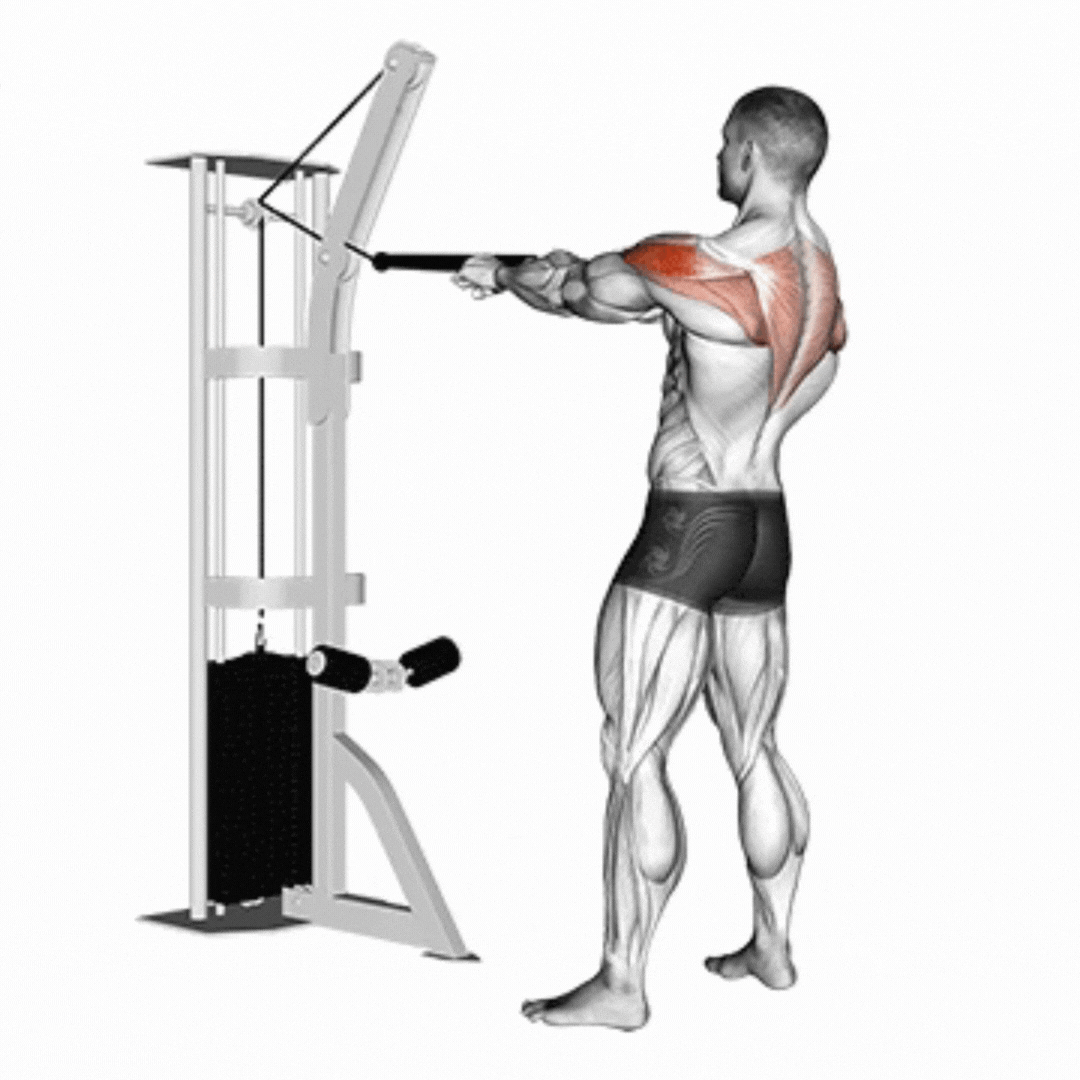
Rear Delts
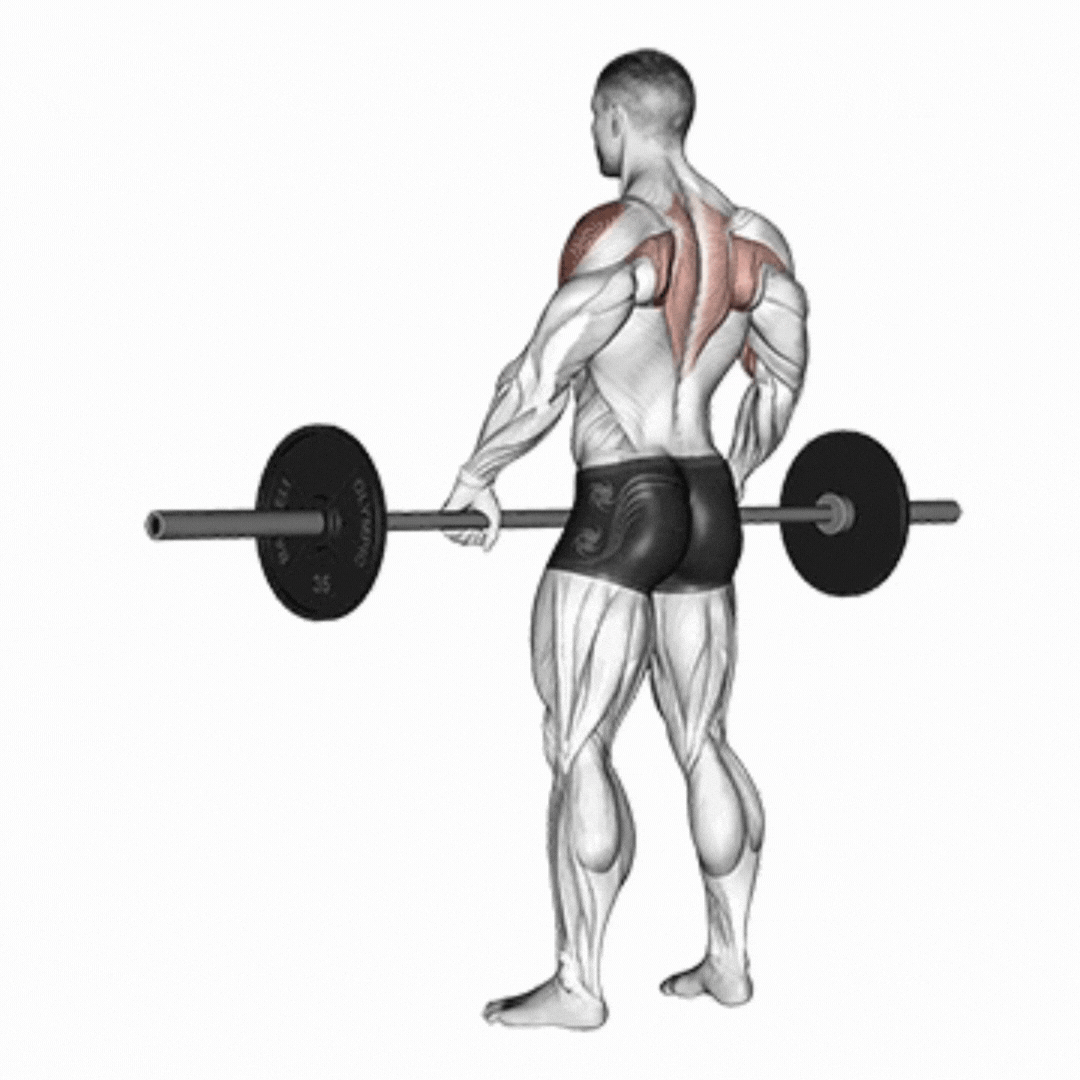
Side Delts
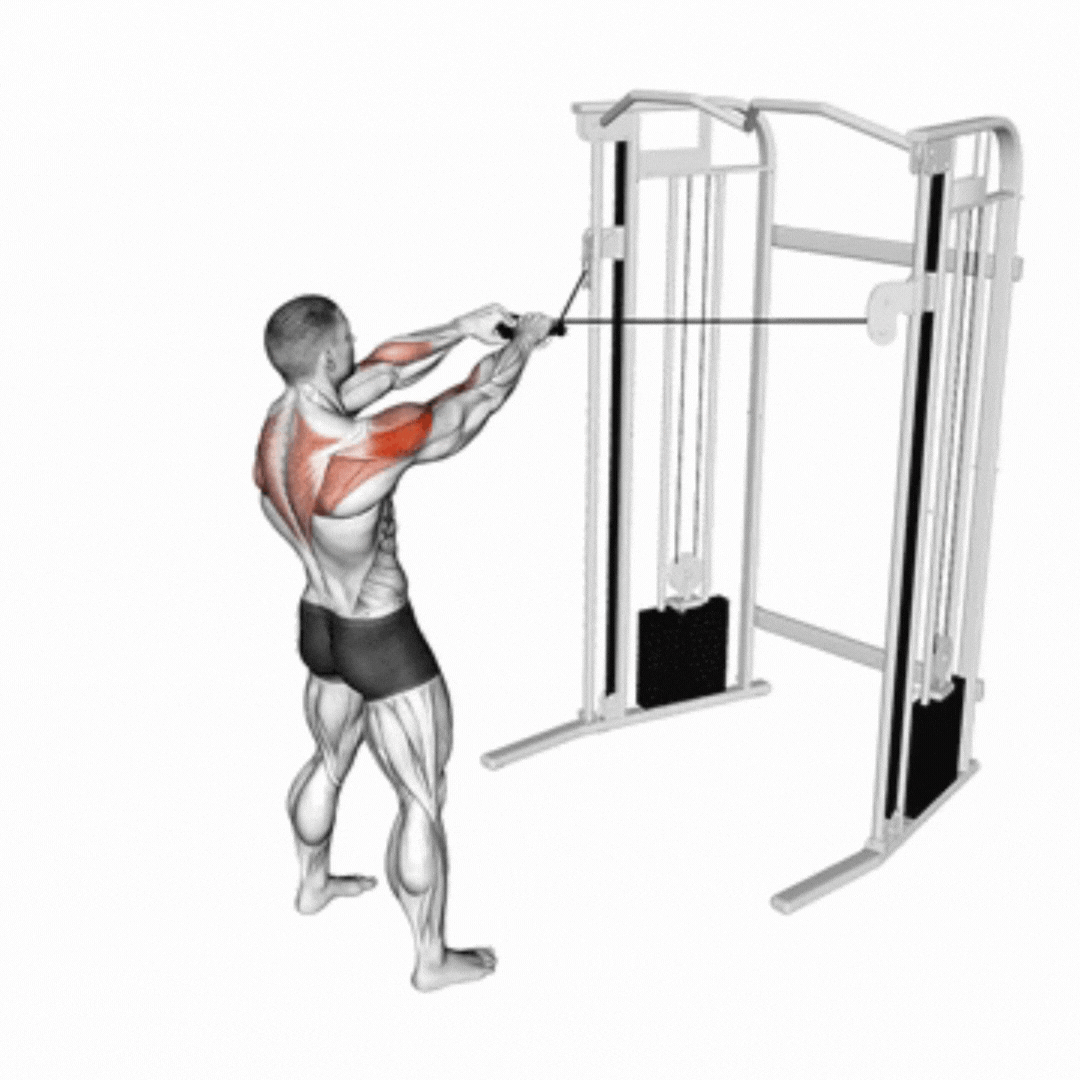
Rear Delts
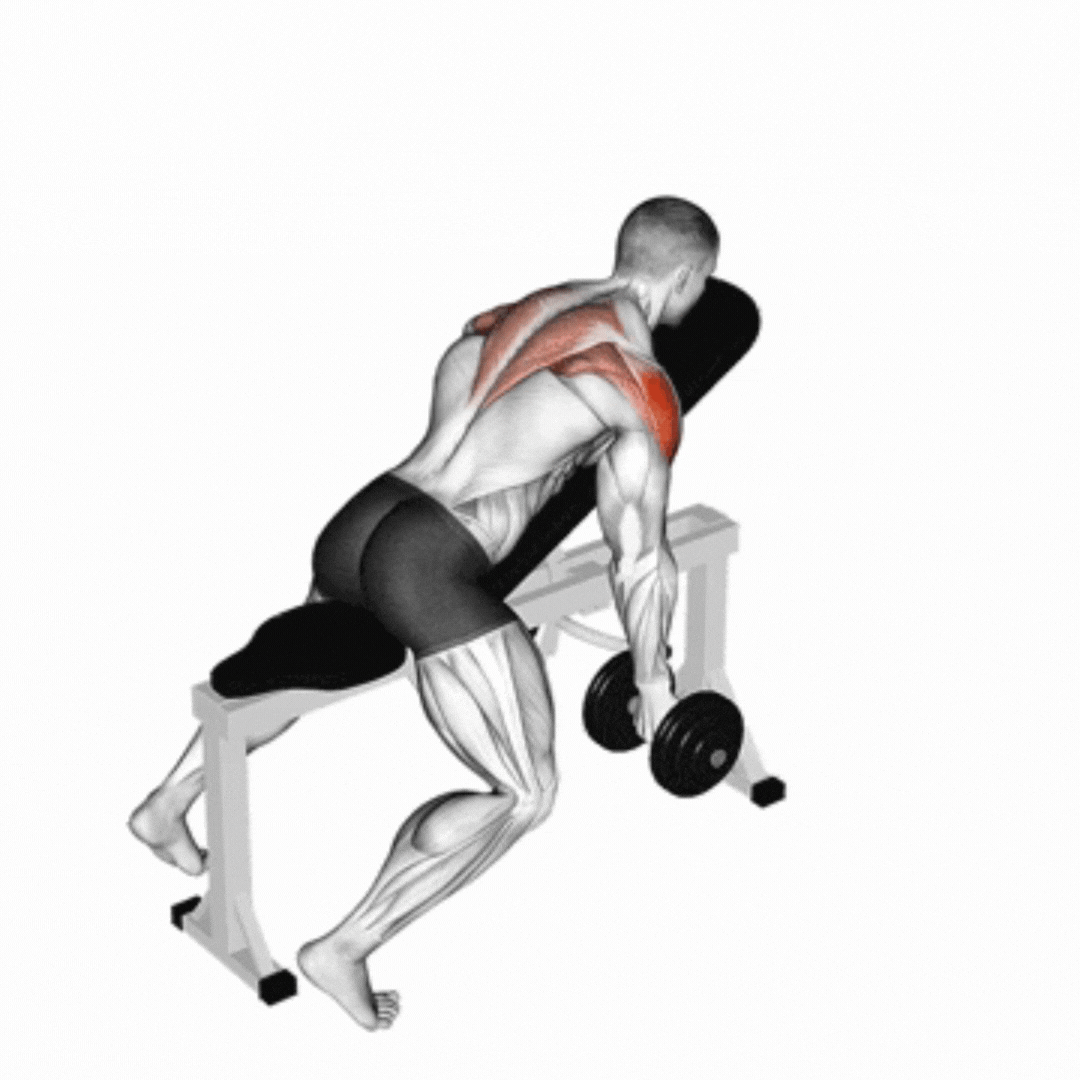
Rear Delts
Rear Delts
Rear Delts
Rear Delts
Rear Delts
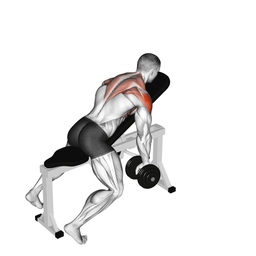
Rear Delts
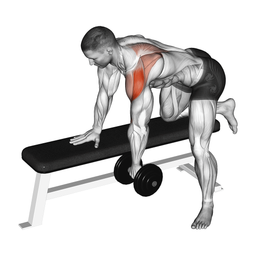
Rear Delts
- ✓Develops the rear deltoid muscles
- ✓Supports shoulder health
- ✓Provides stability in seated position
- ✓Easily performed with dumbbells