.gif)
Description
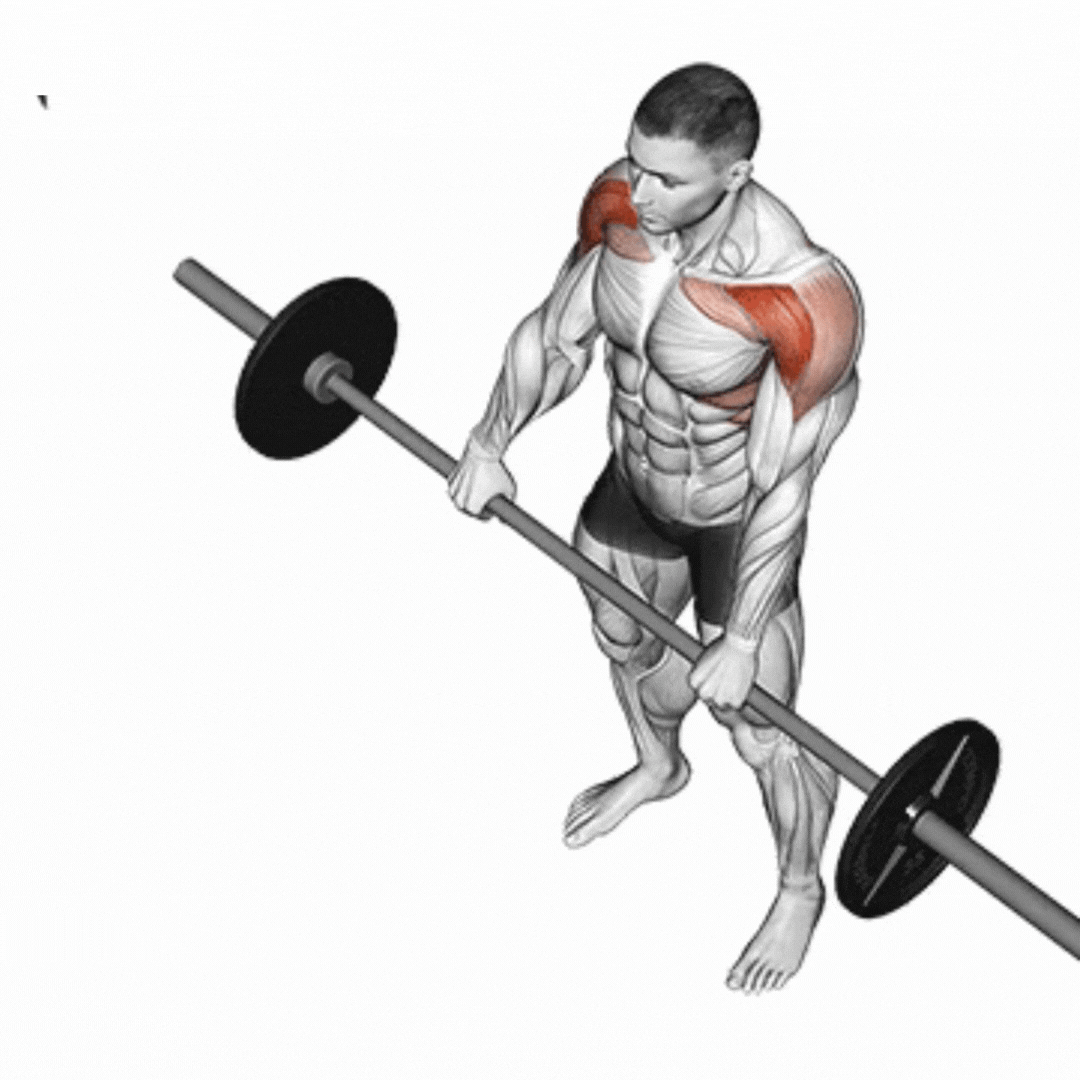
Barbell Incline Front Raise is an effective shoulder exercise that isolates the anterior deltoid muscles. Performed on an inclined bench, it provides a wider range of motion against gravity and applies continuous tension to the shoulder muscles. This exercise strengthens the front portion of the shoulders while also engaging the upper chest region as a secondary muscle group. It is more challenging than standing front raises because body support is reduced and greater load is placed on the target muscle group. It is an excellent isolation exercise for athletes looking to build shoulder width and definition.
Barbell Incline Front Raise How-To Guide
- 1
Set a bench to a 30-45 degree angle and sit with your back against the bench. Hold appropriately weighted dumbbells in both hands and let your arms hang down in front of your body with a slight elbow bend.
- 2
Keep your back fully against the bench, hold the dumbbells with palms facing the floor (pronated grip). Your shoulders should be tight and stable, and your core muscles should be engaged.
- 3
Exhale and lift the dumbbells in a controlled manner to shoulder level or slightly above, keeping your elbows slightly bent throughout the movement. Your arms should remain in front of your body with minimal elbow flexion.
- 4
Pause for one second at the top and contract your anterior deltoids. Avoid lifting the dumbbells too high; they should stop at shoulder level.
- 5
Inhale and lower the dumbbells back to the starting position in a controlled, slow manner. Avoid sudden movements and keep your muscles under constant tension.
- 6
Repeat for the specified number of repetitions. Throughout the movement, keep your back against the bench, avoid swinging your body, and do not use momentum.
Key Points
- ✓Lie face down on the inclined bench with your chest against it, positioning your shoulders slightly beyond the top edge of the bench
- ✓Keep your elbows slightly bent as you lift your arms forward, not fully locked
- ✓Perform the movement with control, lifting the weight to shoulder level or slightly above
- ✓Keep your torso stable, be careful not to lift off the bench
- ✓Lower the weights slowly, maintaining muscle control during the negative phase
Common Mistakes
- ✗Using momentum to swing the weight - disrupts anterior deltoid isolation and increases risk of shoulder injury
- ✗Lifting the weight too high - engages the trapezius muscle and can cause shoulder impingement
- ✗Keeping elbows fully locked - places unnecessary pressure on the elbow joint
- ✗Choosing too heavy weight - compromises form and works accessory muscles instead of the target muscle
- ✗Performing the movement too quickly - reduces muscle tension time and limits development
Breathing
Exhale as you lift the weight upward, inhale as you lower it in a controlled manner.
Muscle Activation
Safety
Precautions
- Those with shoulder impingement syndrome should be cautious
- Those with rotator cuff injuries should get doctor approval
- Those with neck hernia problems should reduce the angle
- Those with shoulder instability should prefer alternative exercises
Safety Tips
- Lower the weight in a controlled manner, do not drop it
- Do not set the incline angle too steep, 30-45 degrees is ideal
- Keep your abdominal muscles tight throughout the movement
- Be careful not to shrug your shoulders toward your ears
Frequently Asked Questions
Which muscles does Barbell Incline Front Raise work?
Barbell Incline Front Raise primarily works these muscles: Anterior deltoids. It also engages: Upper chest, Traps.
Is Barbell Incline Front Raise suitable for beginners?
Barbell Incline Front Raise is a Intermediate level exercise. Learning difficulty: Moderate.
Can Barbell Incline Front Raise be done at home?
Yes, Barbell Incline Front Raise can easily be done at home.
What are common mistakes when doing Barbell Incline Front Raise?
One of the most common mistakes: Using momentum to swing the weight - disrupts anterior deltoid isolation and increases risk of shoulder injury
How many sets and reps for Barbell Incline Front Raise?
Recommended: 3-4 sets and 10-15 reps.
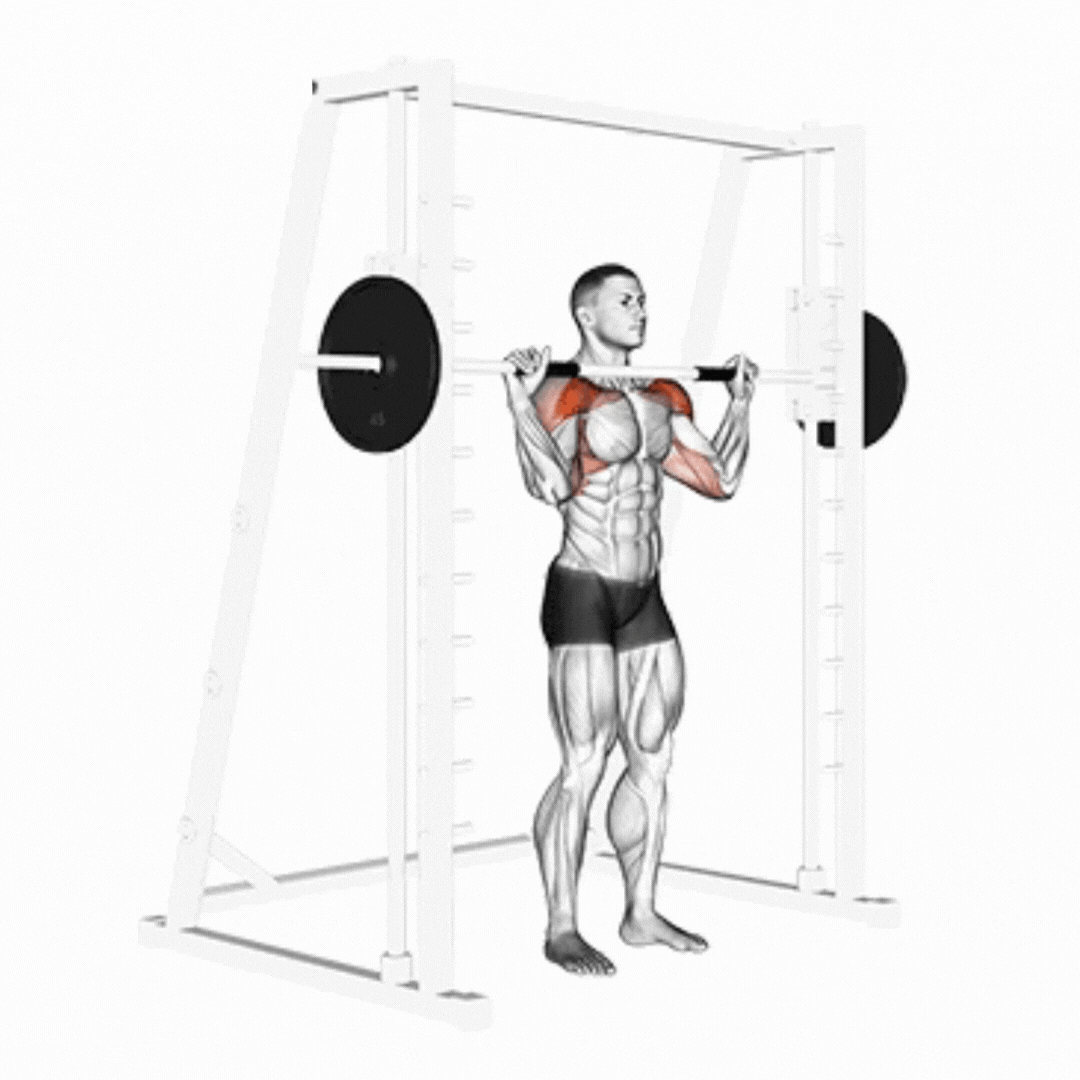
Front Delts

Front Delts

Front Delts

Front Delts

Front Delts
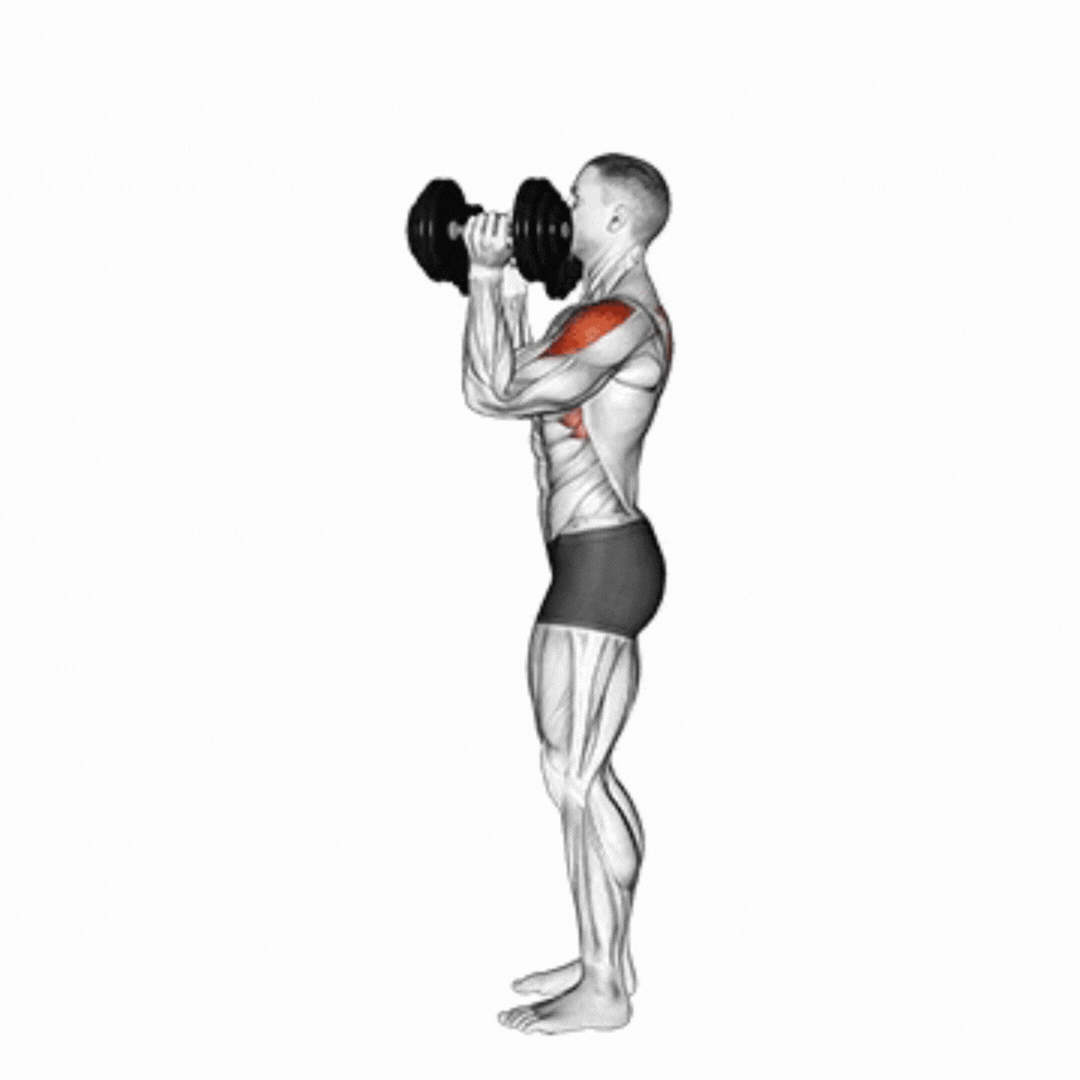
Front Delts

Front Delts
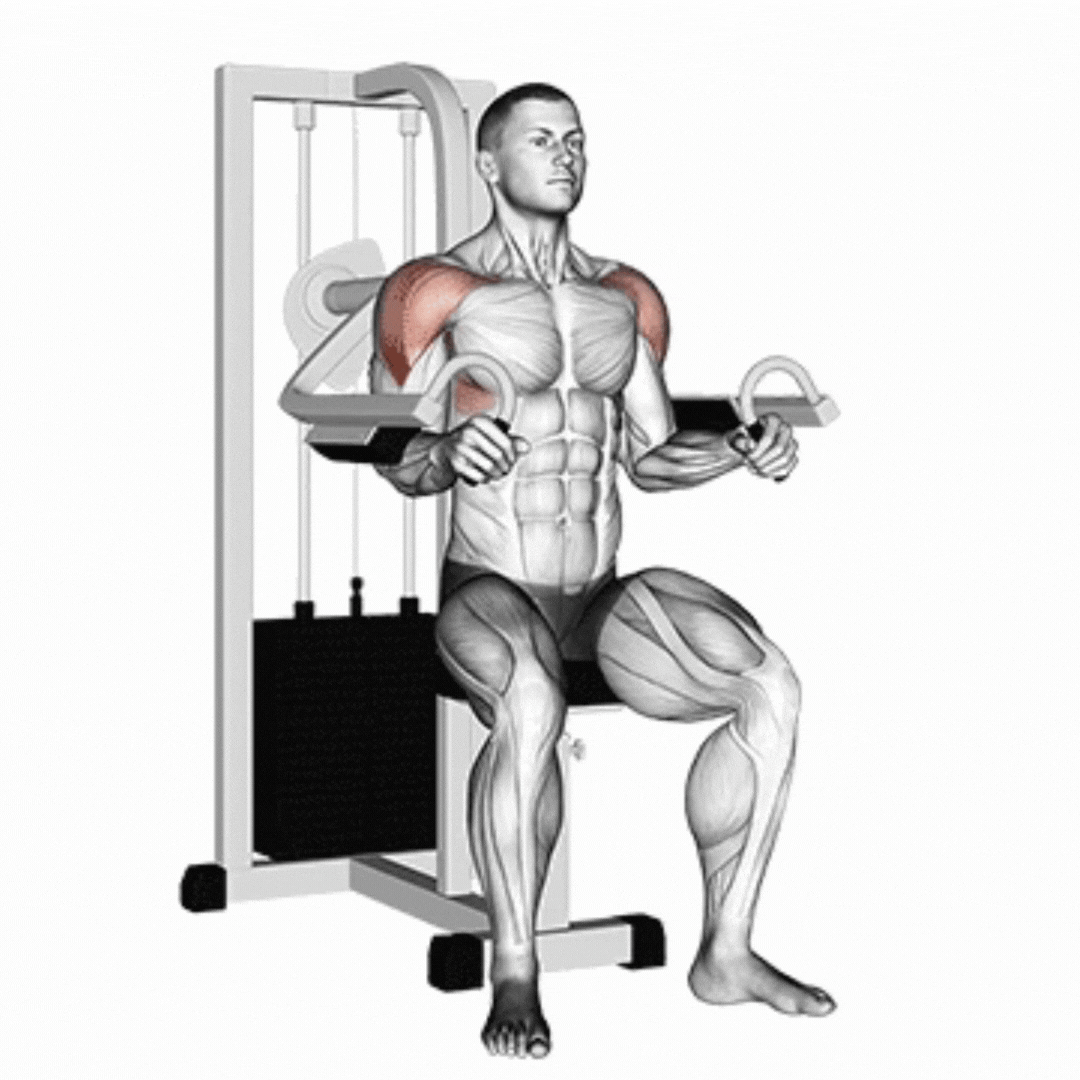
Side Delts
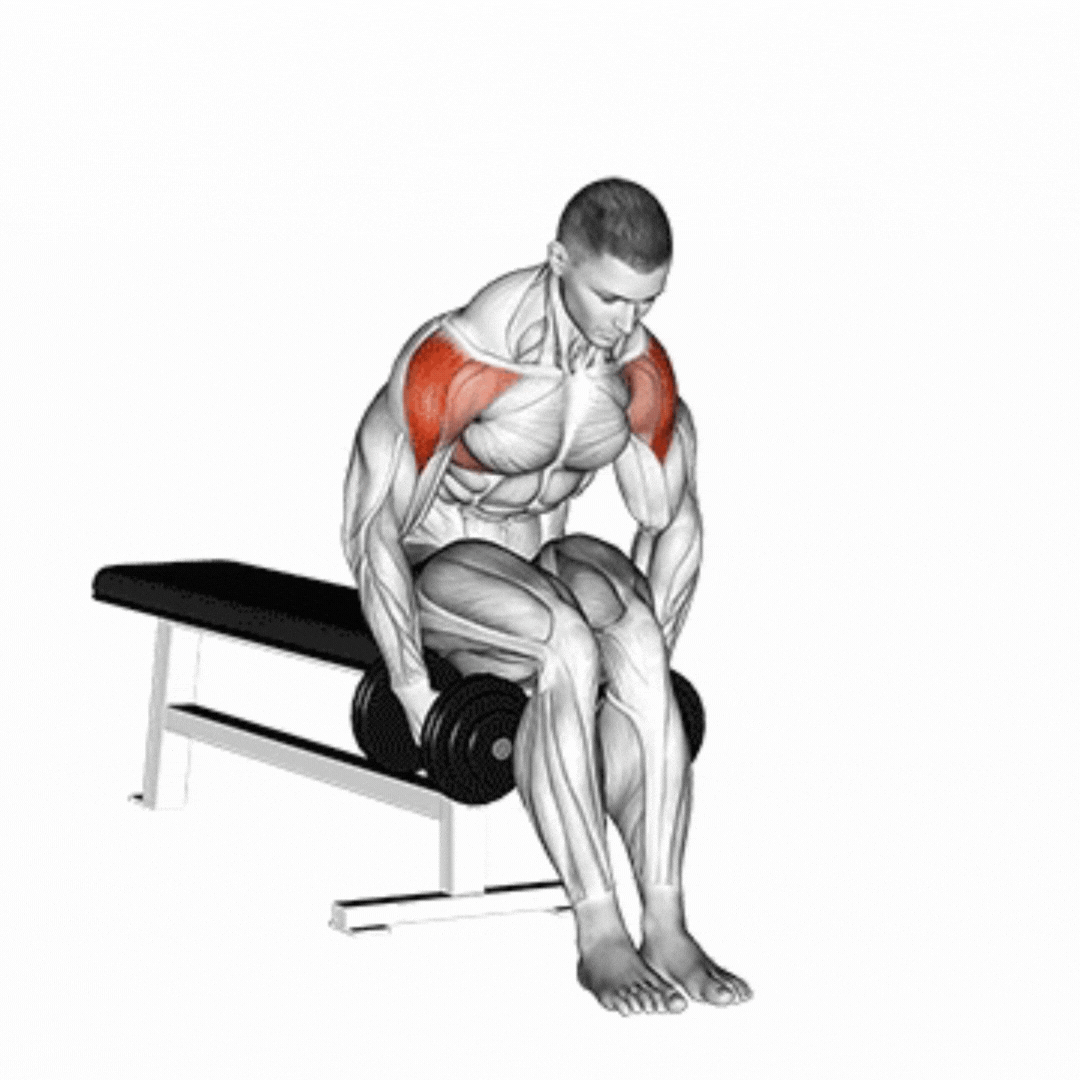
Rear Delts
Front Delts
- ✓Develops the anterior deltoid muscles in isolation
- ✓Increases definition of the front shoulder area
- ✓Provides secondary work to the upper chest muscles
- ✓Easily performed with dumbbells