Chest Exercises
63 Chest exercises with step-by-step instructions, common mistakes and muscle activation.
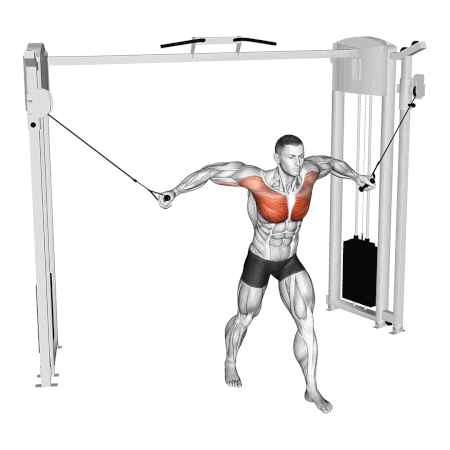 Intermediate
Cable Crossover
Lower Chest
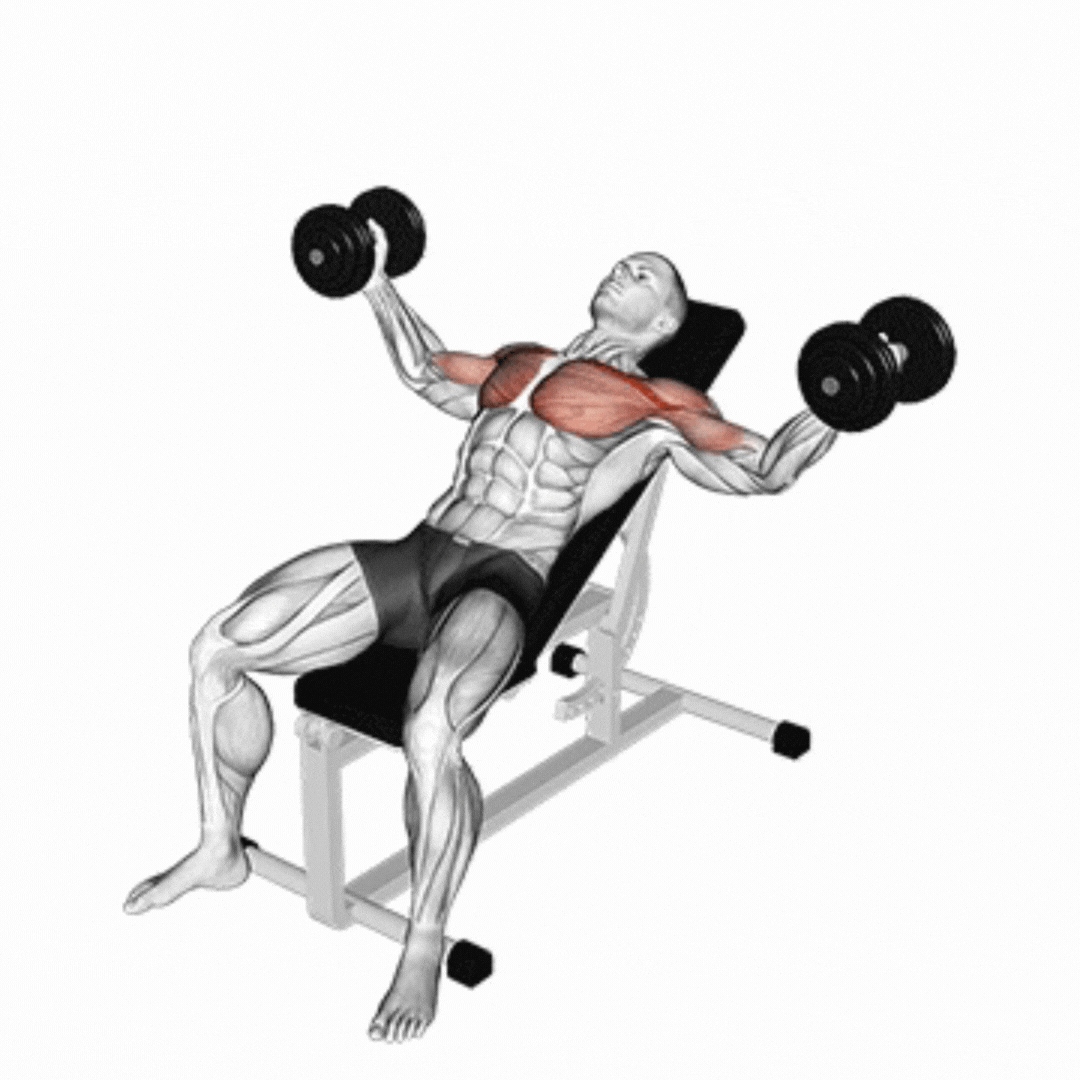 Intermediate
Incline Dumbbell Fly
Upper Chest
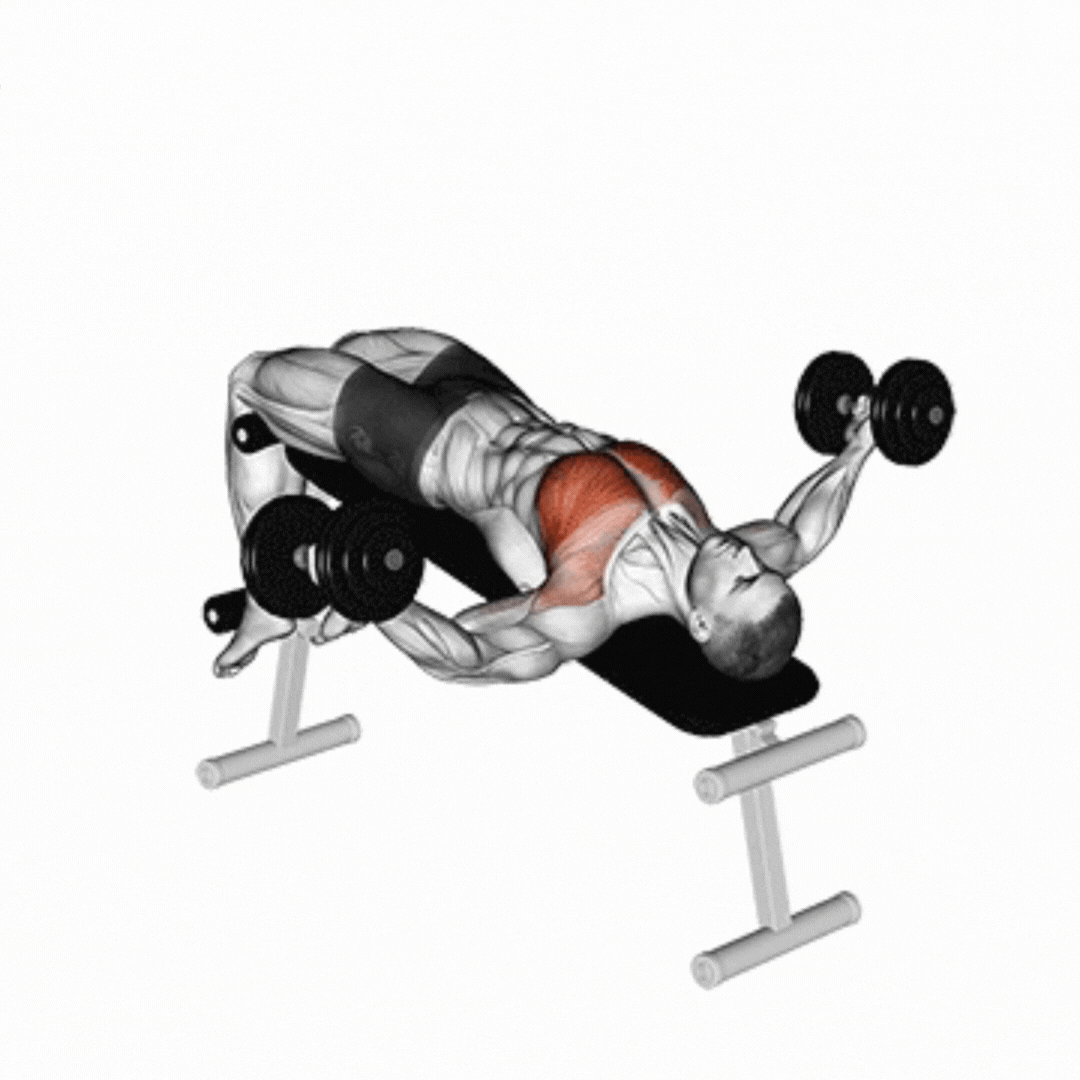 Intermediate
Decline Dumbbell Fly
Lower Chest
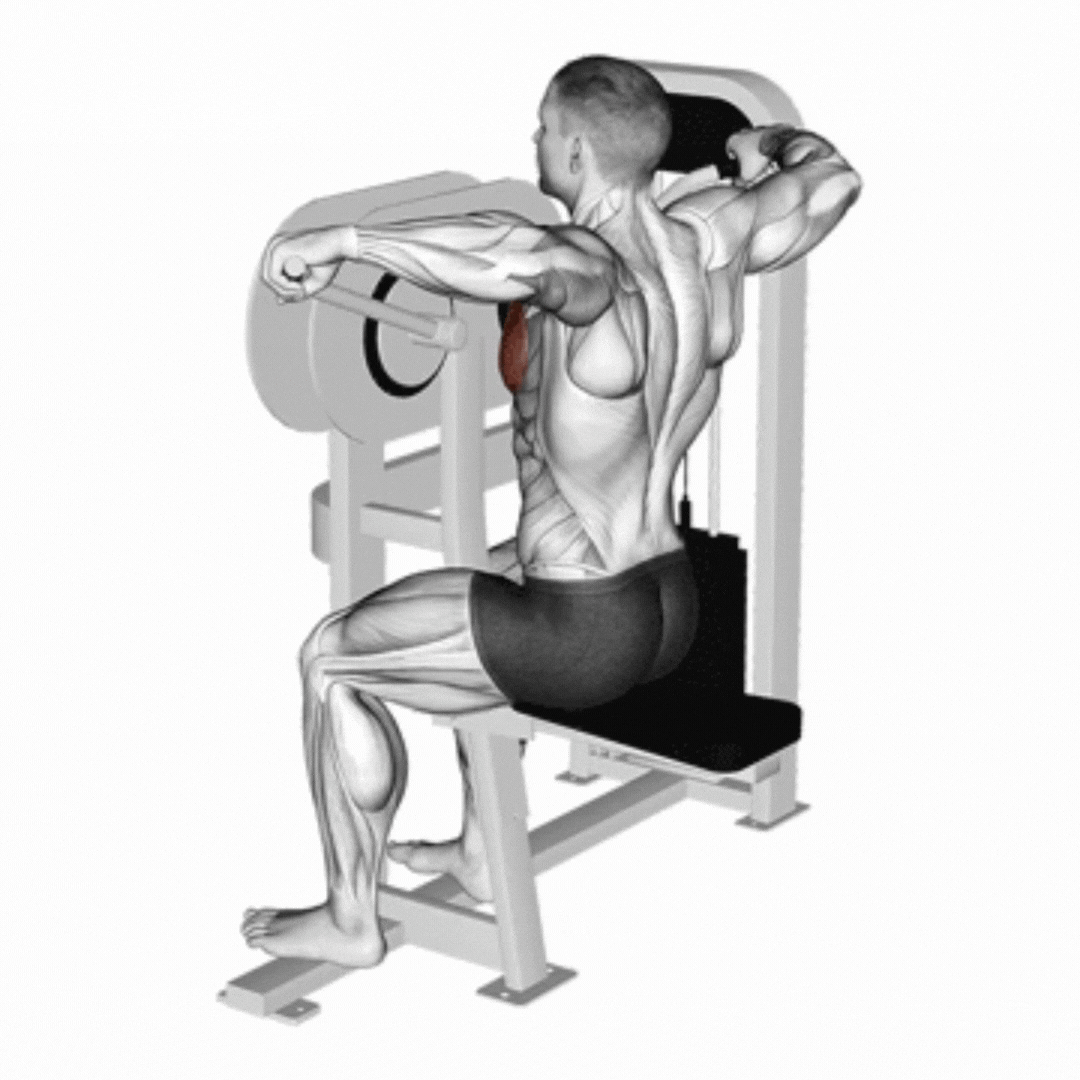 Beginner
Seated High Fly Machine
Side Delts
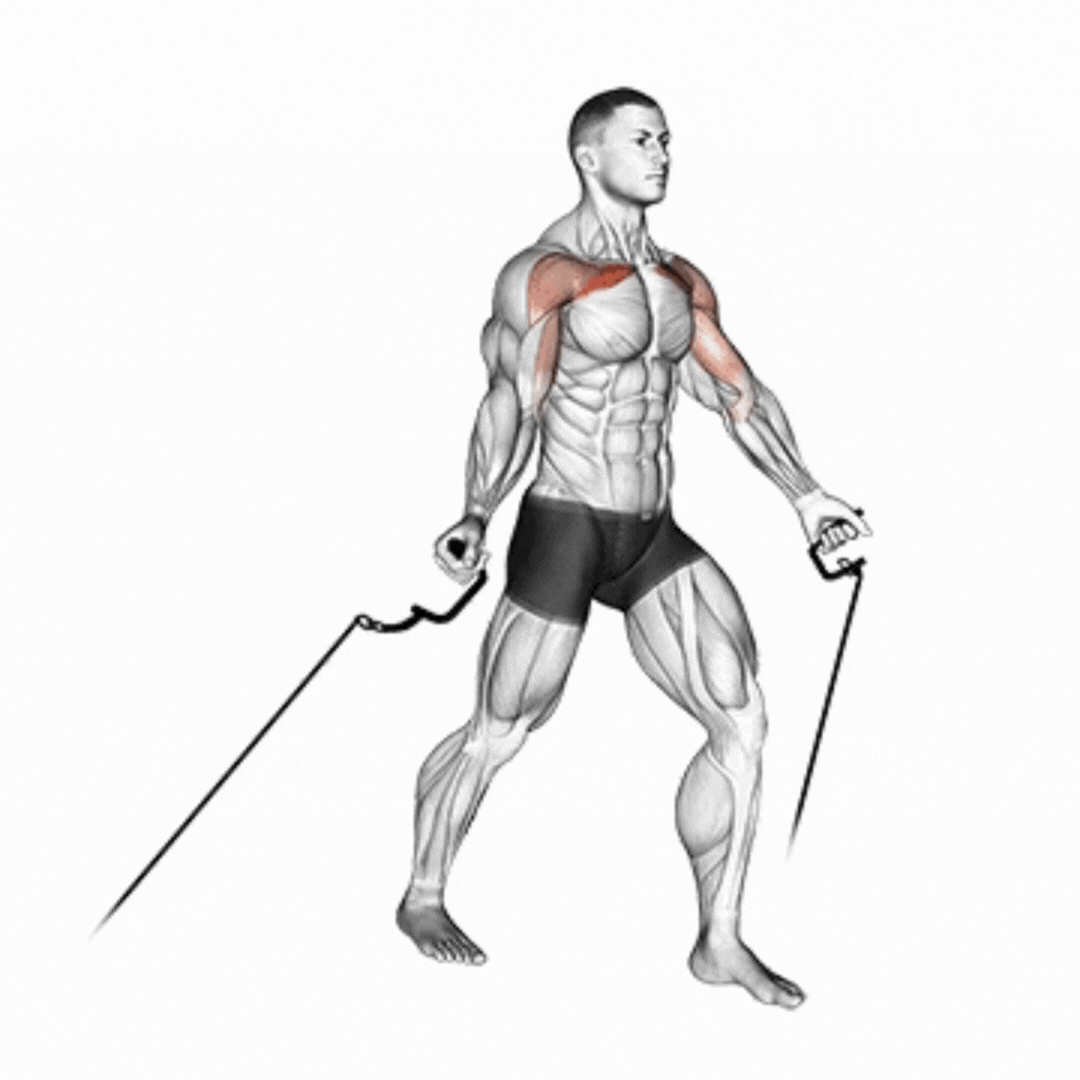 Intermediate
Cable Low Fly
Upper Chest
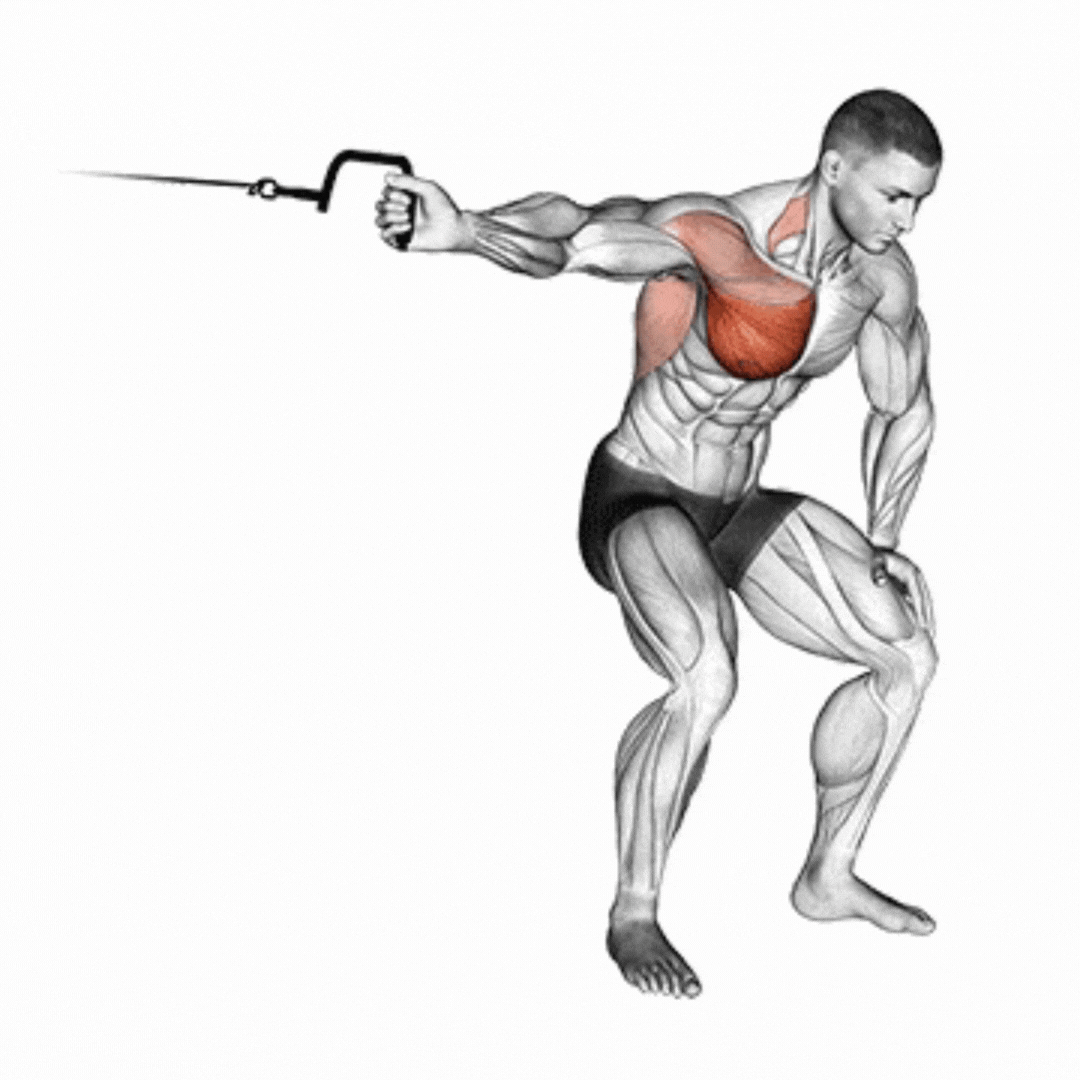 Intermediate
Single Arm Cable Crossover
Lower Chest
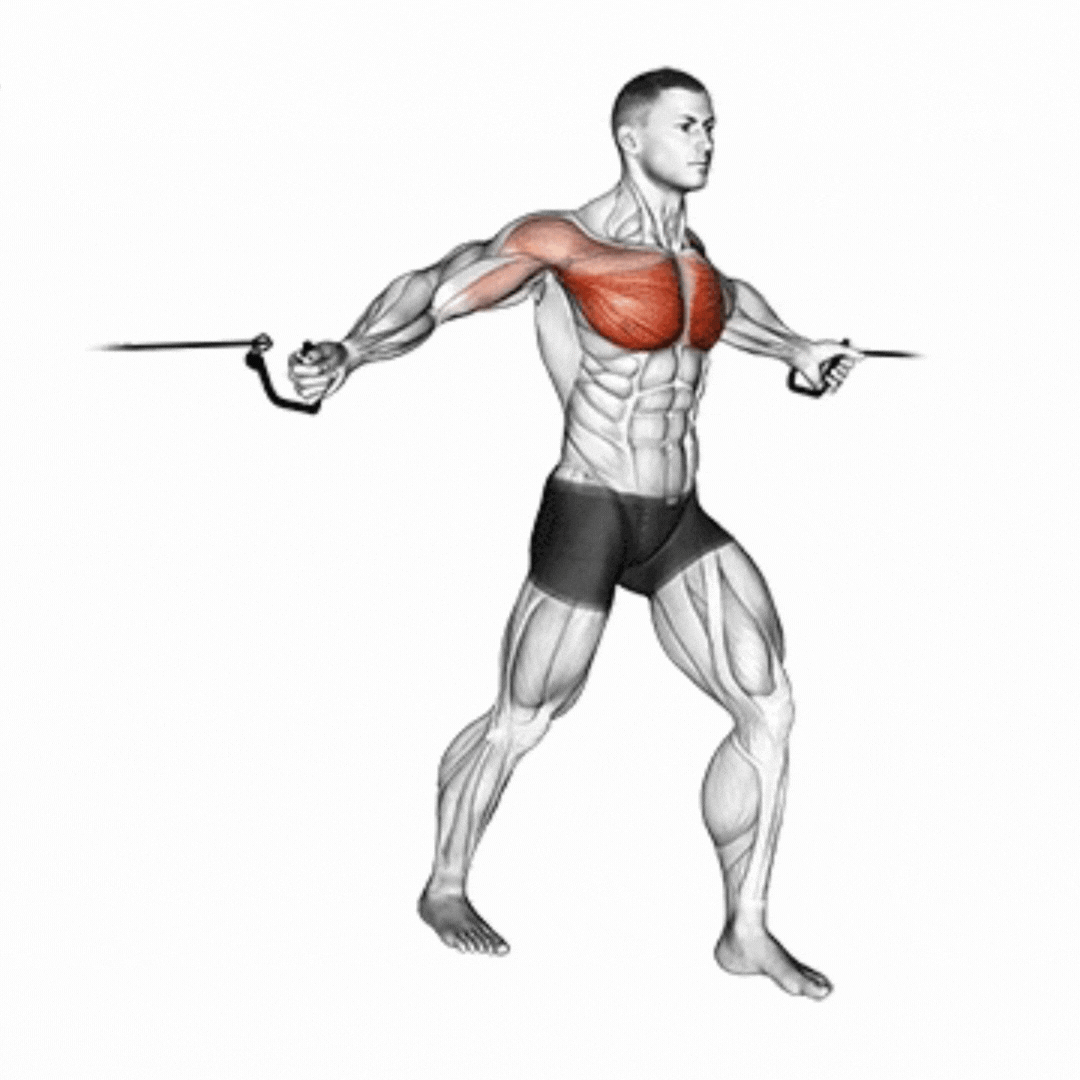 Beginner
Cable Middle Fly
Lower Chest
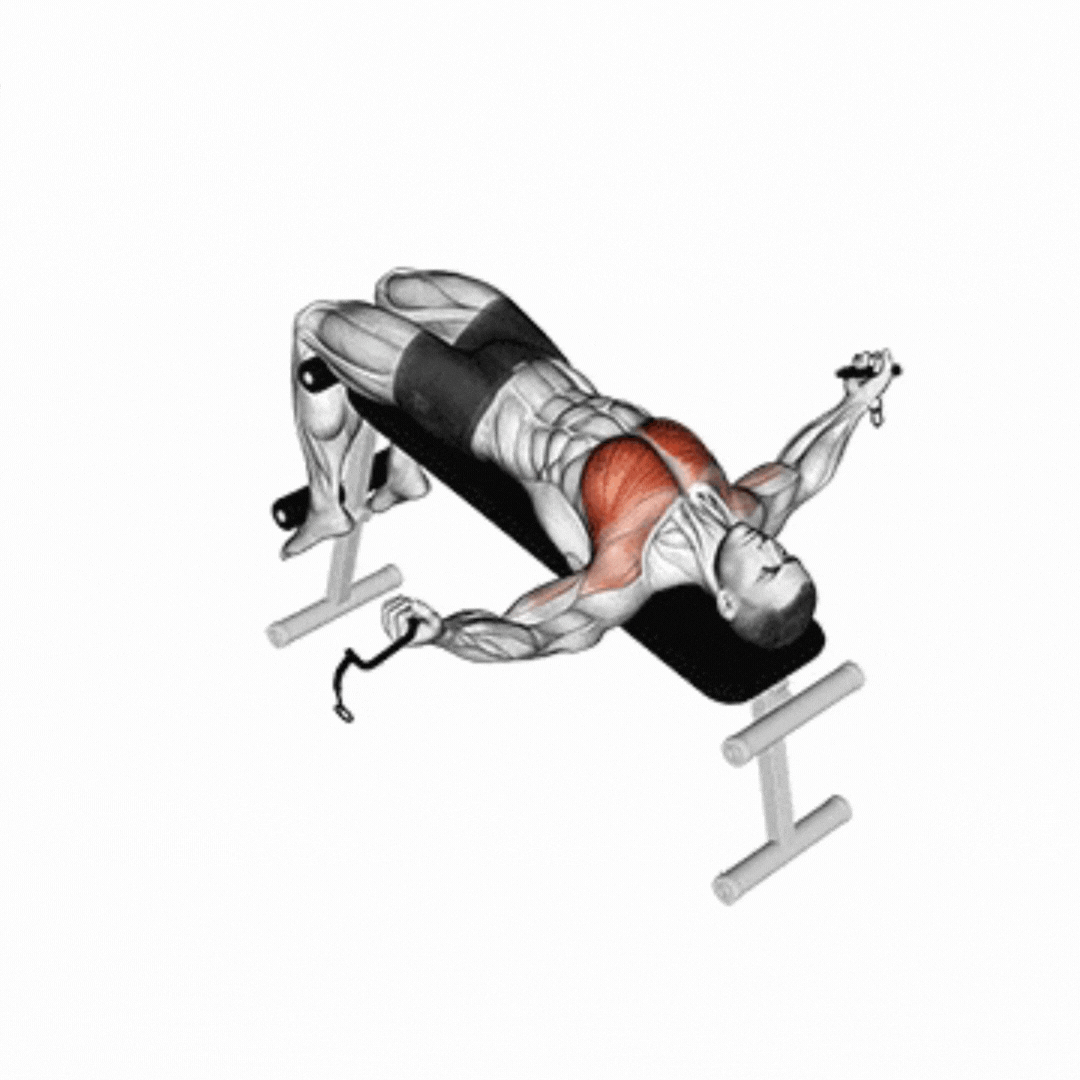 Intermediate
Decline Cable Fly
Lower Chest
 Beginner
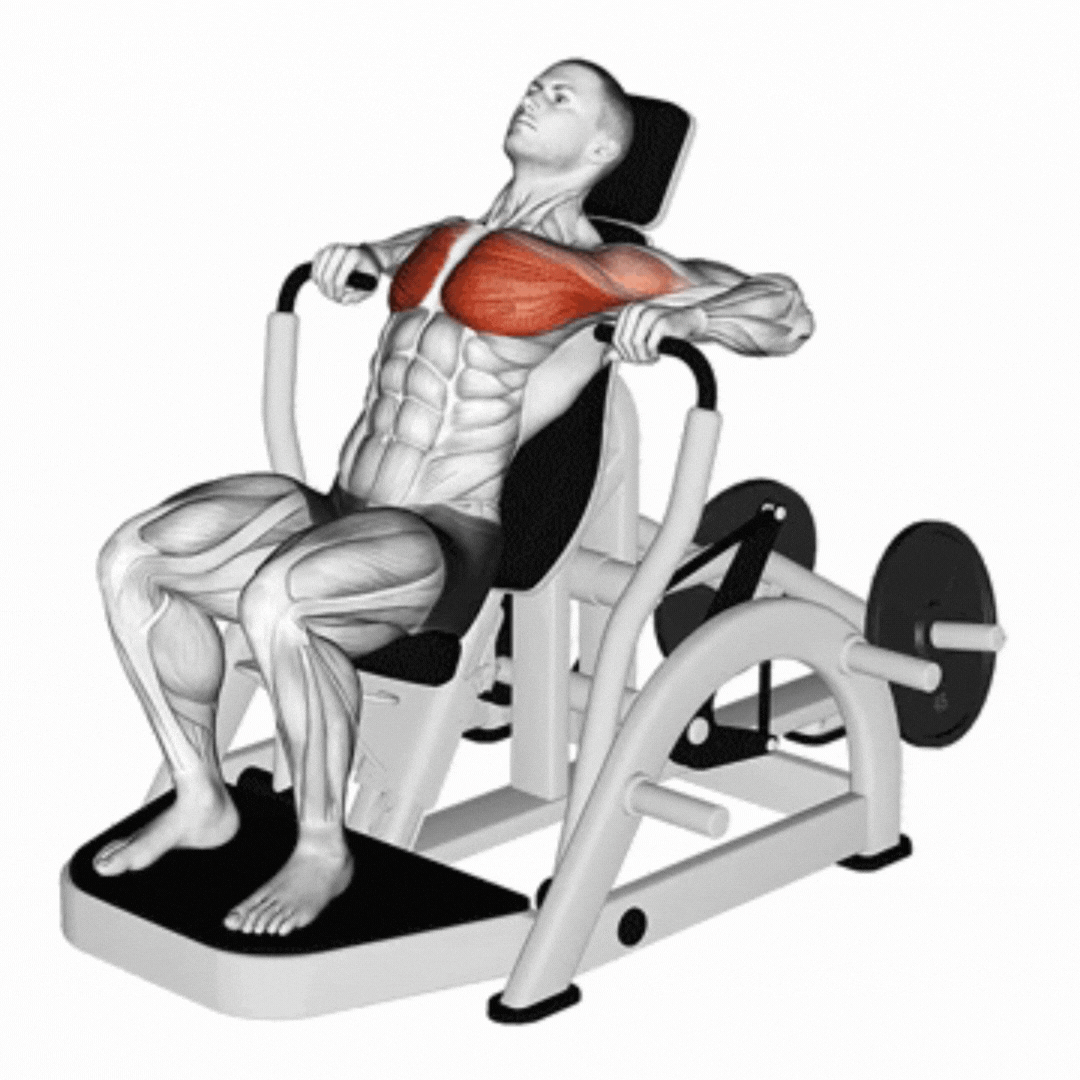
Lever Decline Chest Press
Lower Chest
 Beginner
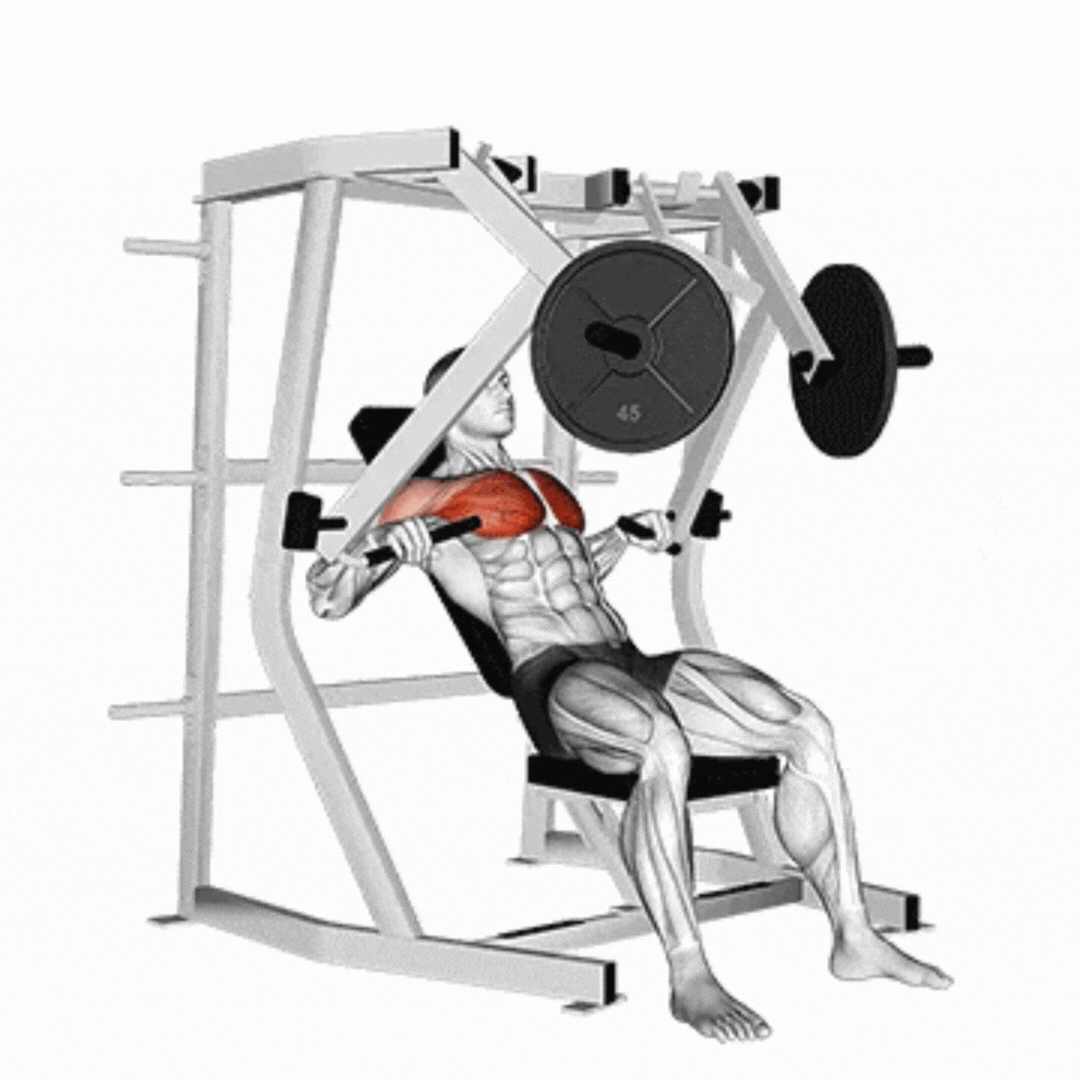
Decline Chest Press Machine
Lower Chest
 Intermediate
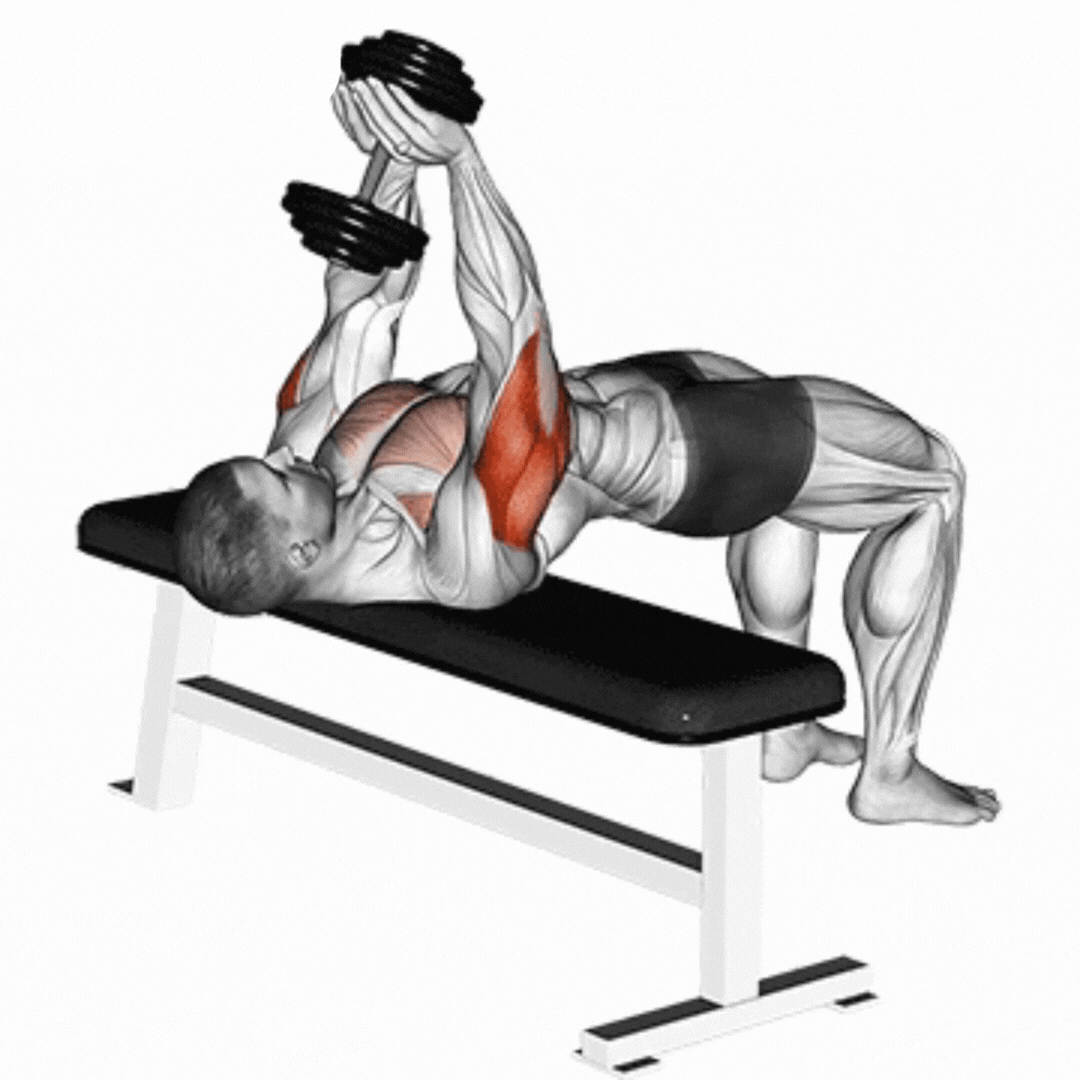
Dumbbell Close-grip Press
Lower Chest
 Intermediate
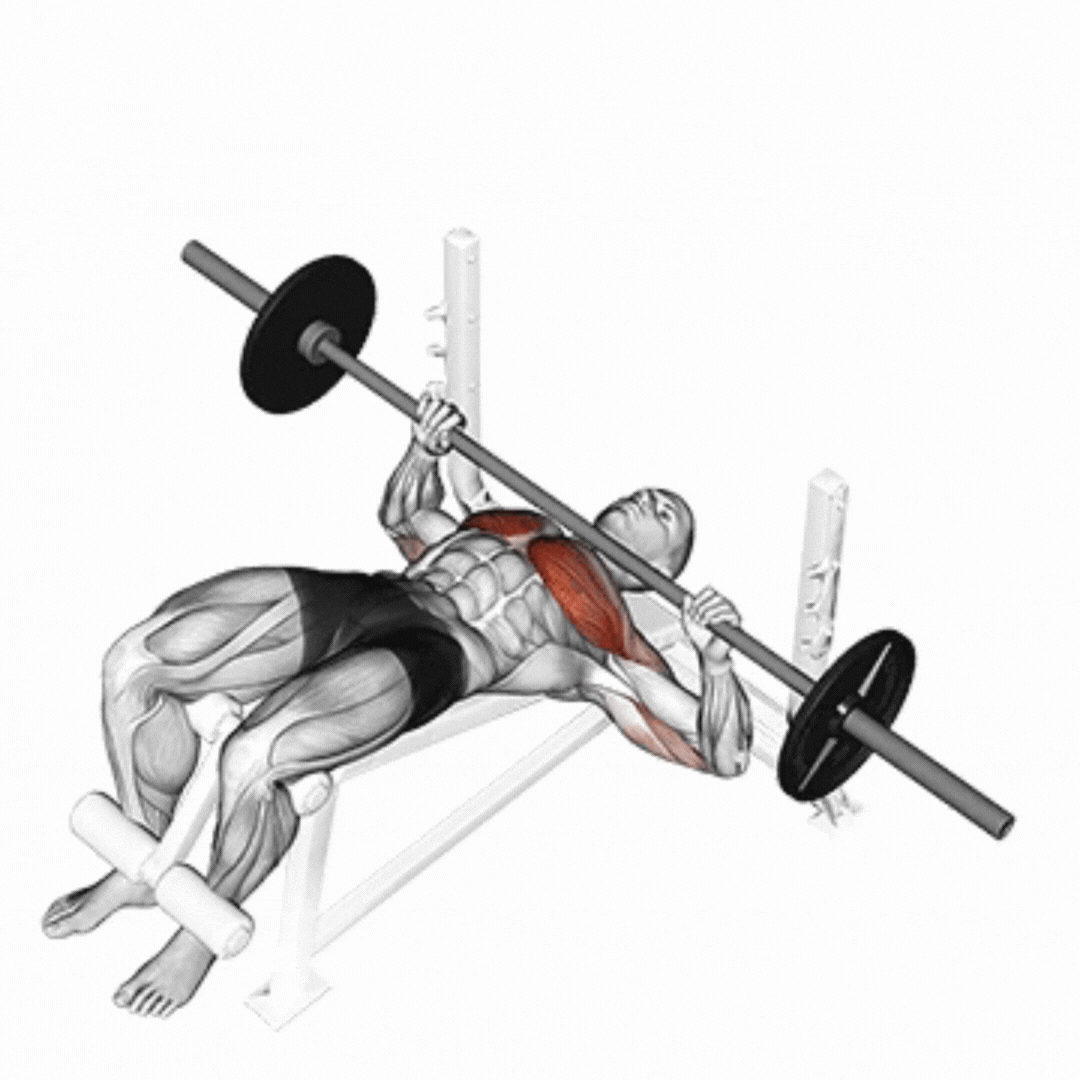
Barbell Decline Bench Press
Lower Chest
 Intermediate
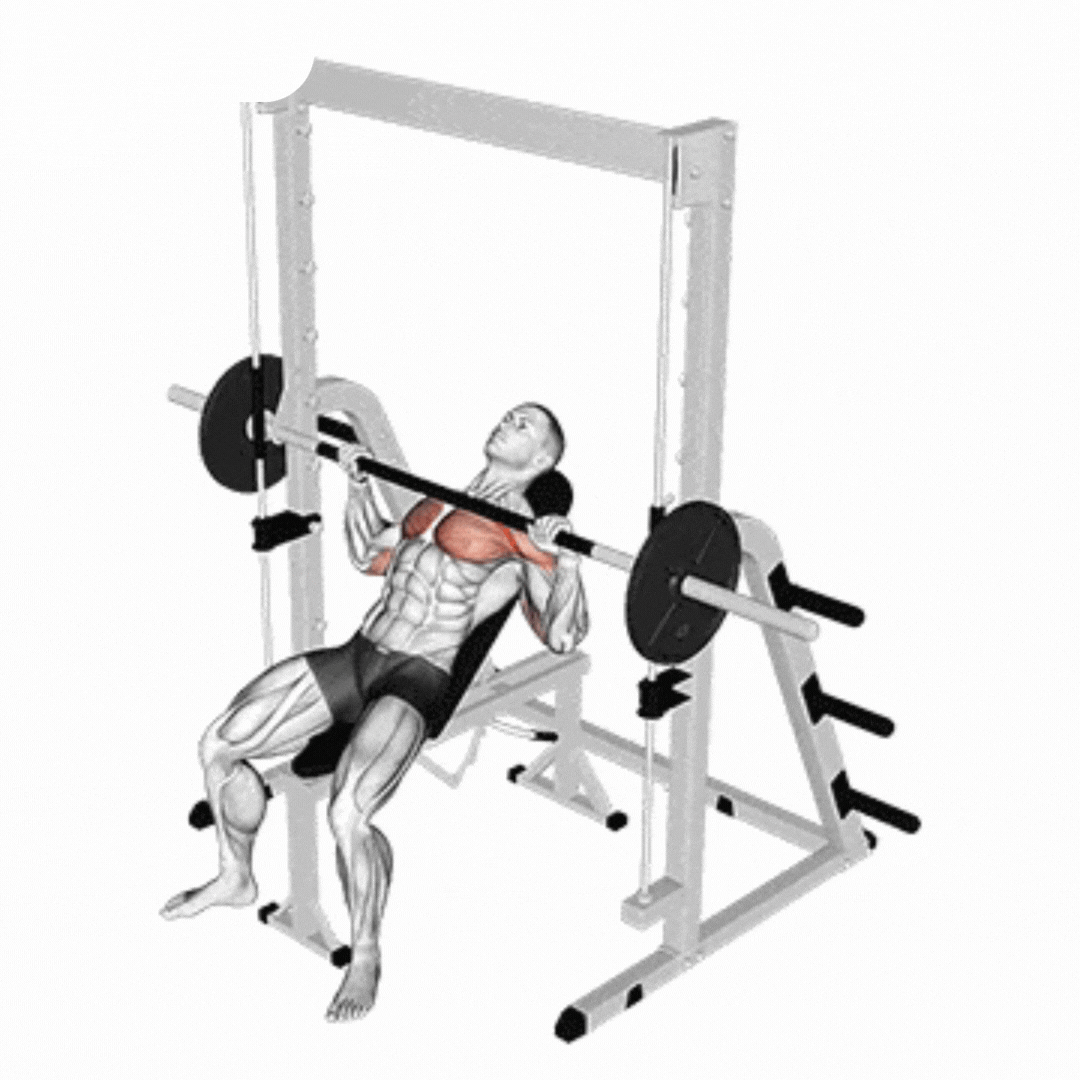
Smith Incline Bench Press
Upper Chest
 Intermediate
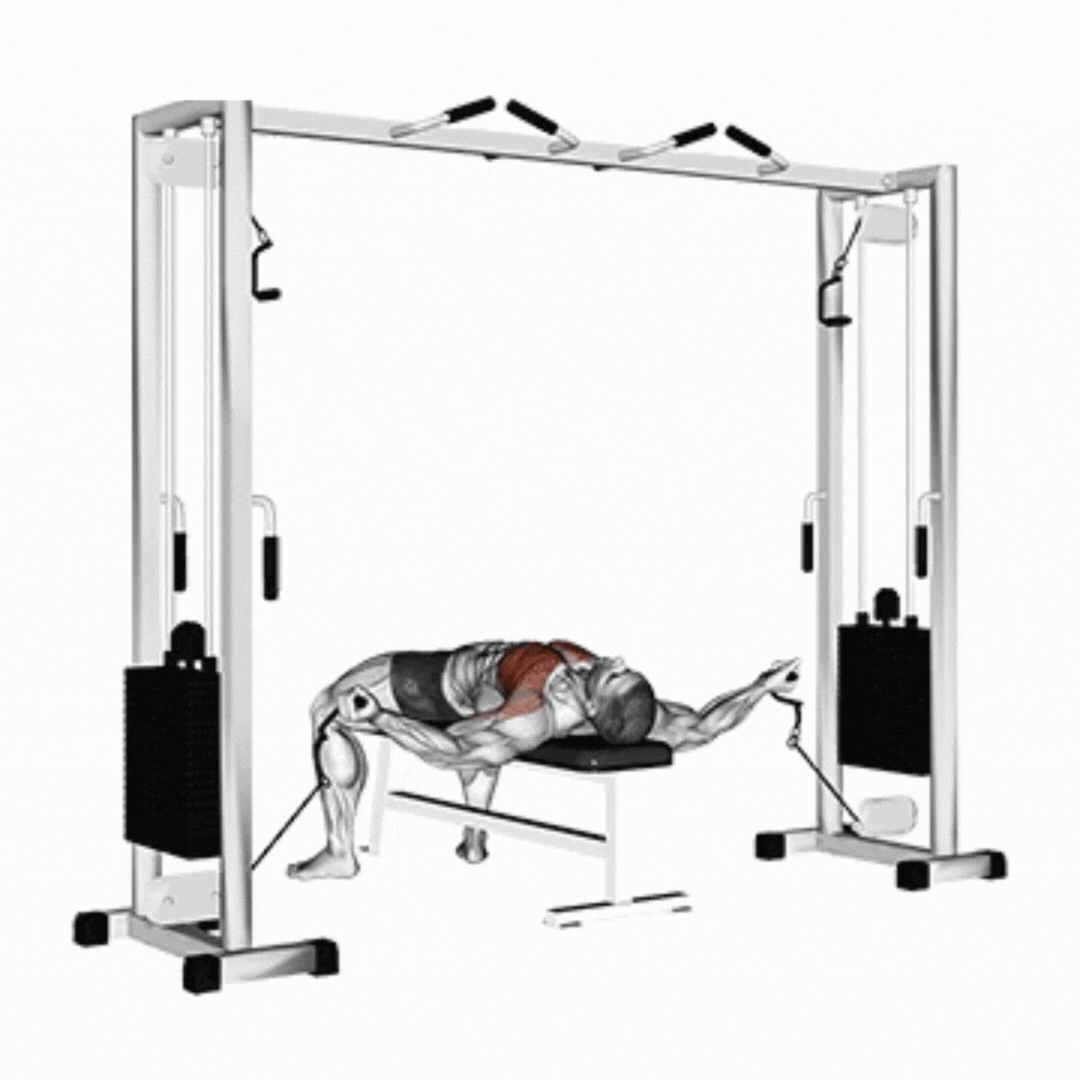
Lying Cable Fly
Lower Chest
 Beginner
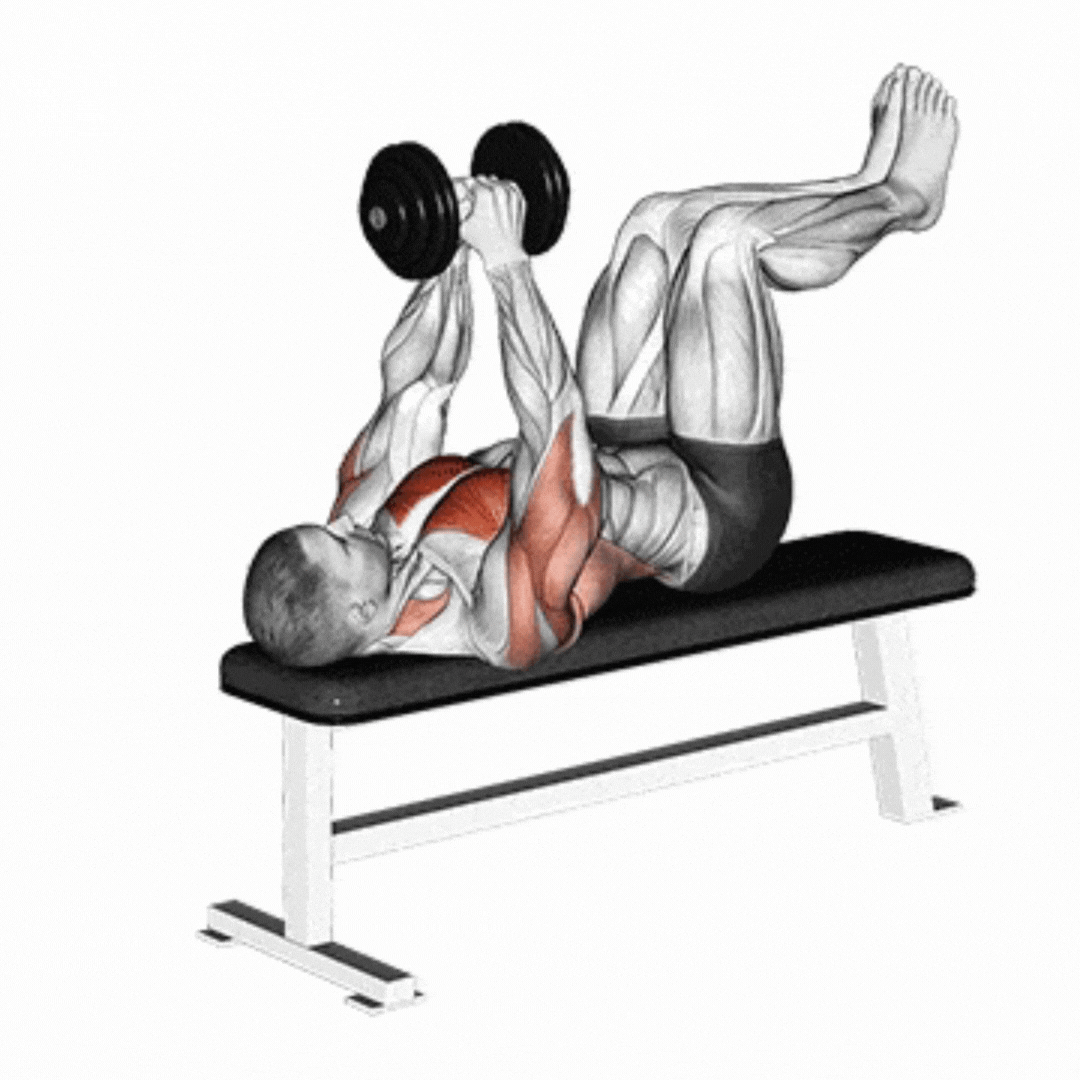
Dumbbell Straight Arm Pullover Knees at 90 Degrees
Lower Chest
 Beginner
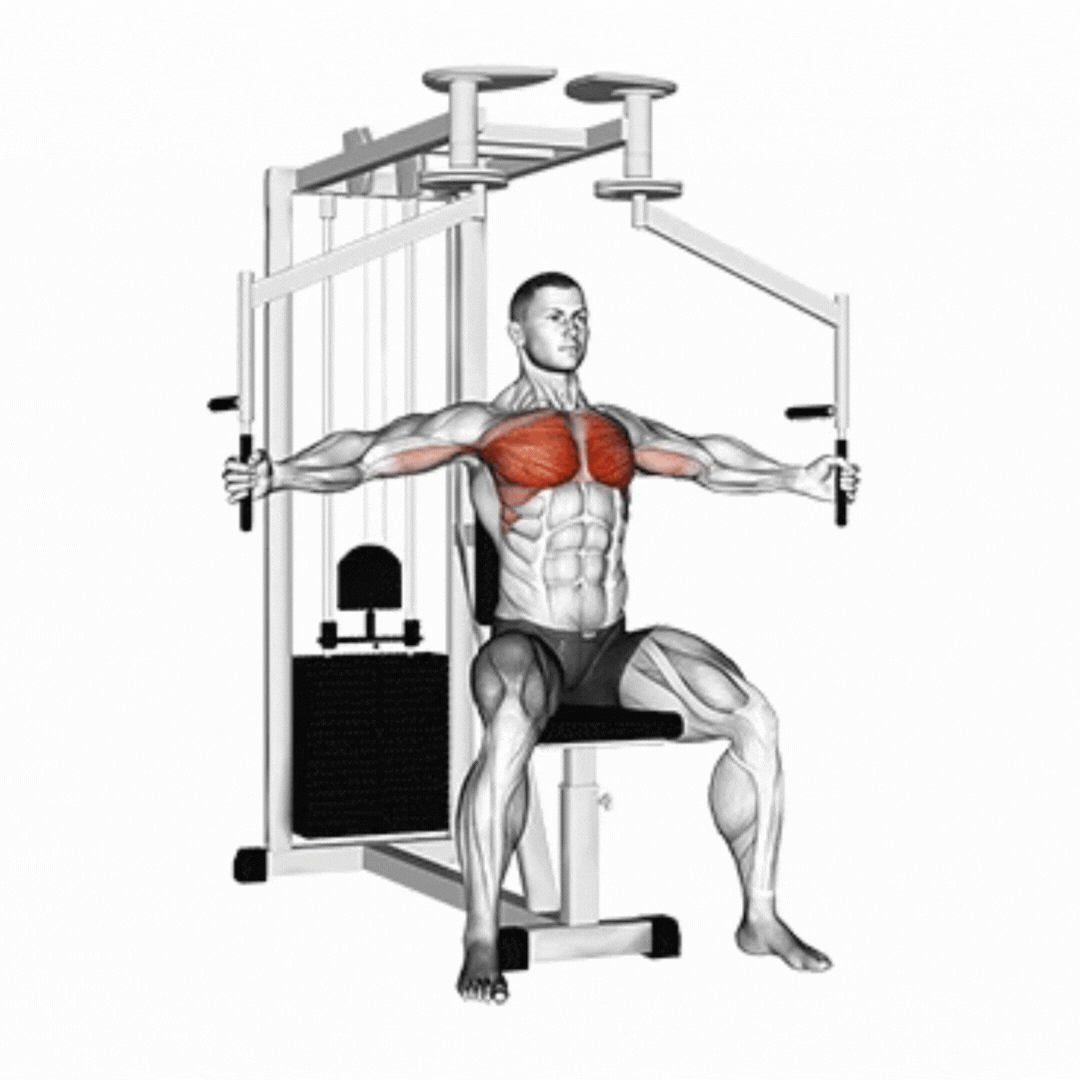
Lever Seated Fly
Lower Chest
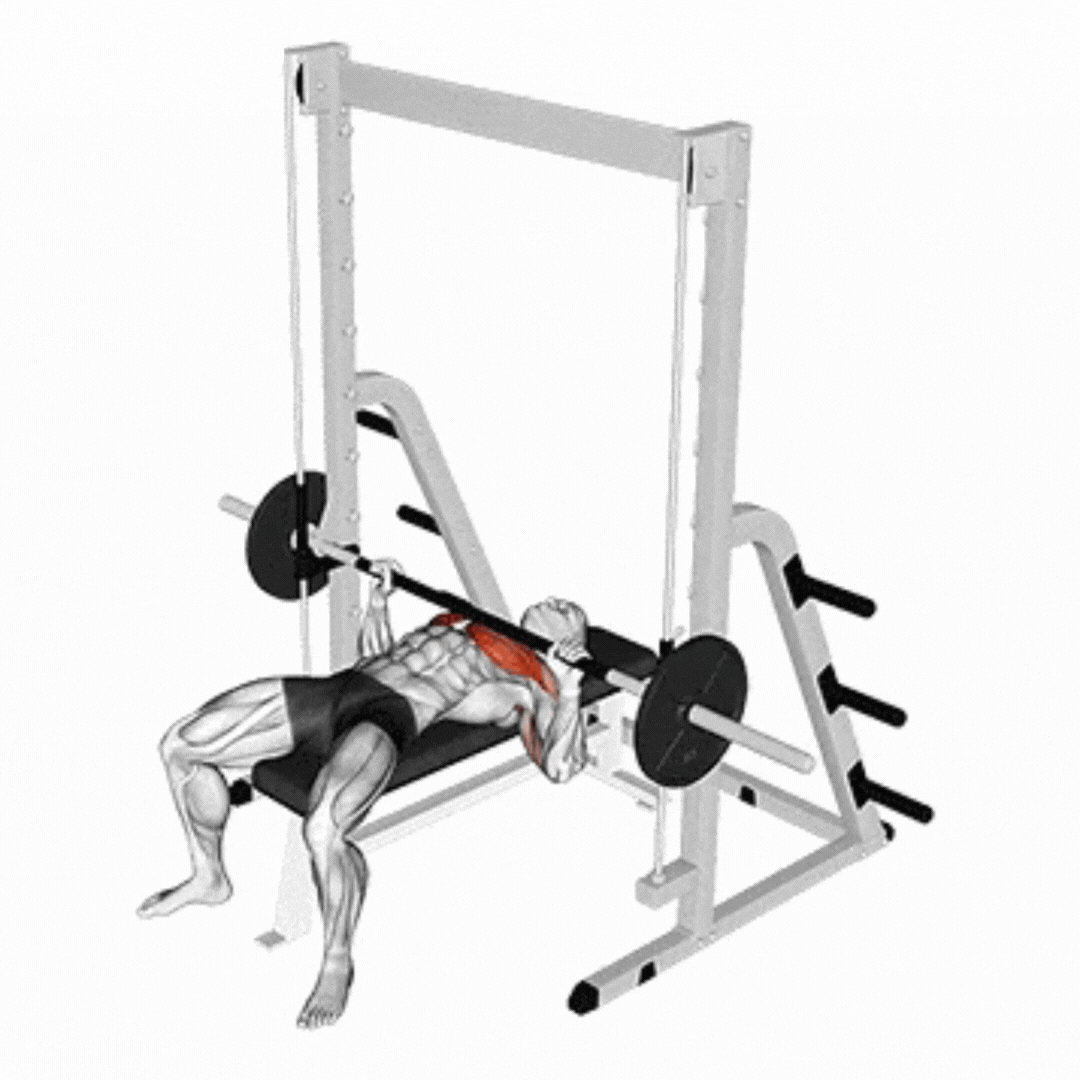 Beginner
Smith Machine Bench Press
Lower Chest
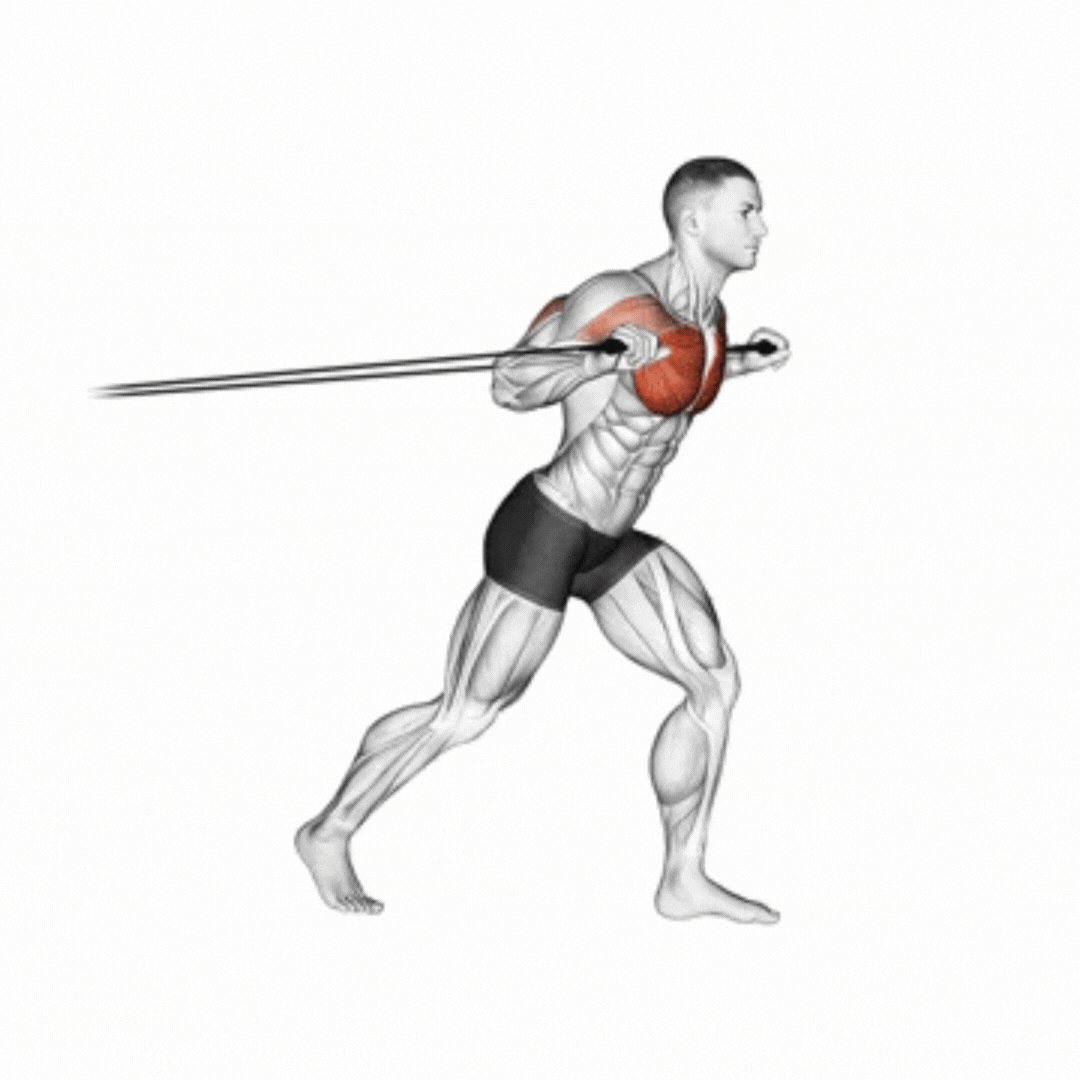 Beginner
Band Chest Press
Lower Chest
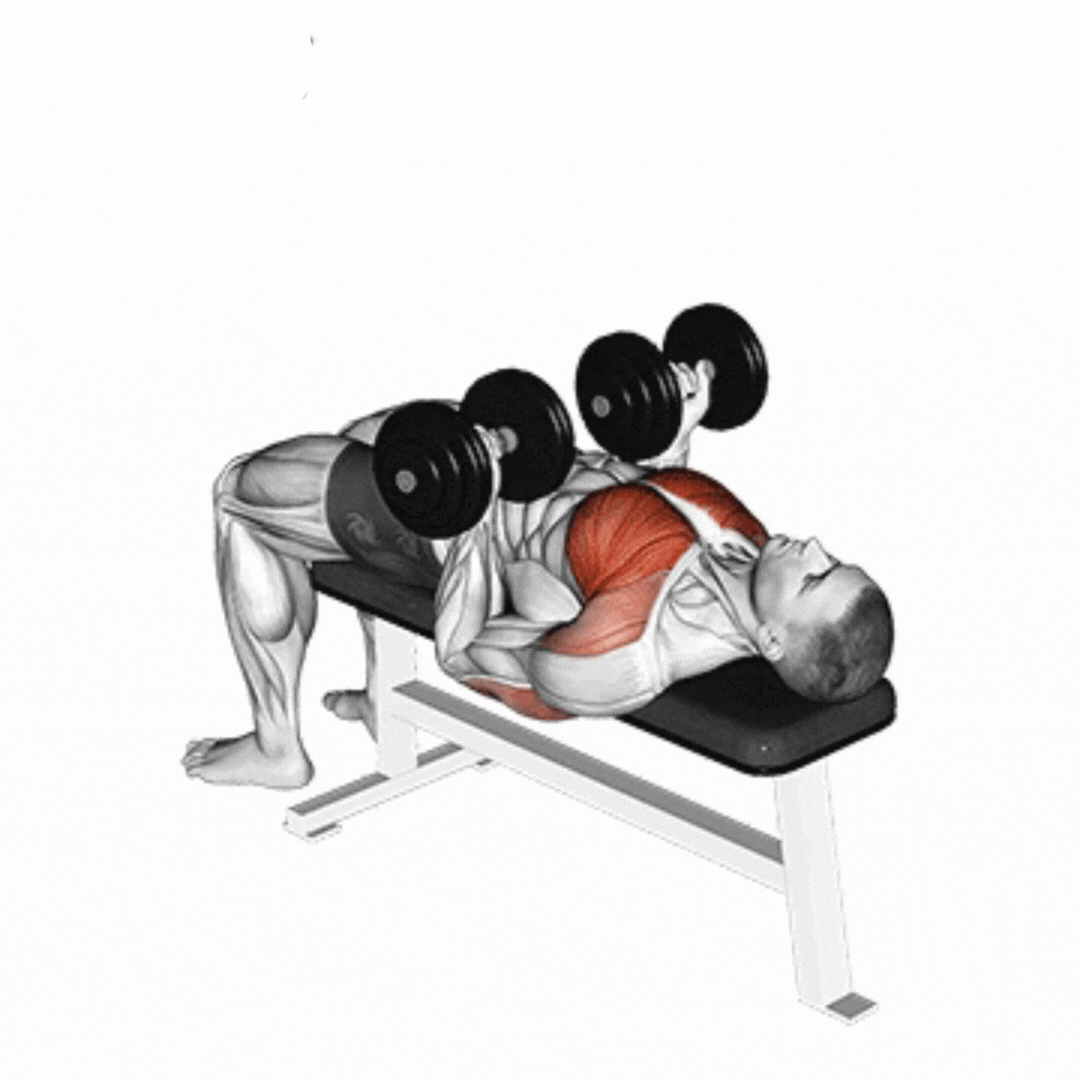 Intermediate
Dumbbell Reverse Grip Chest Press
Lower Chest
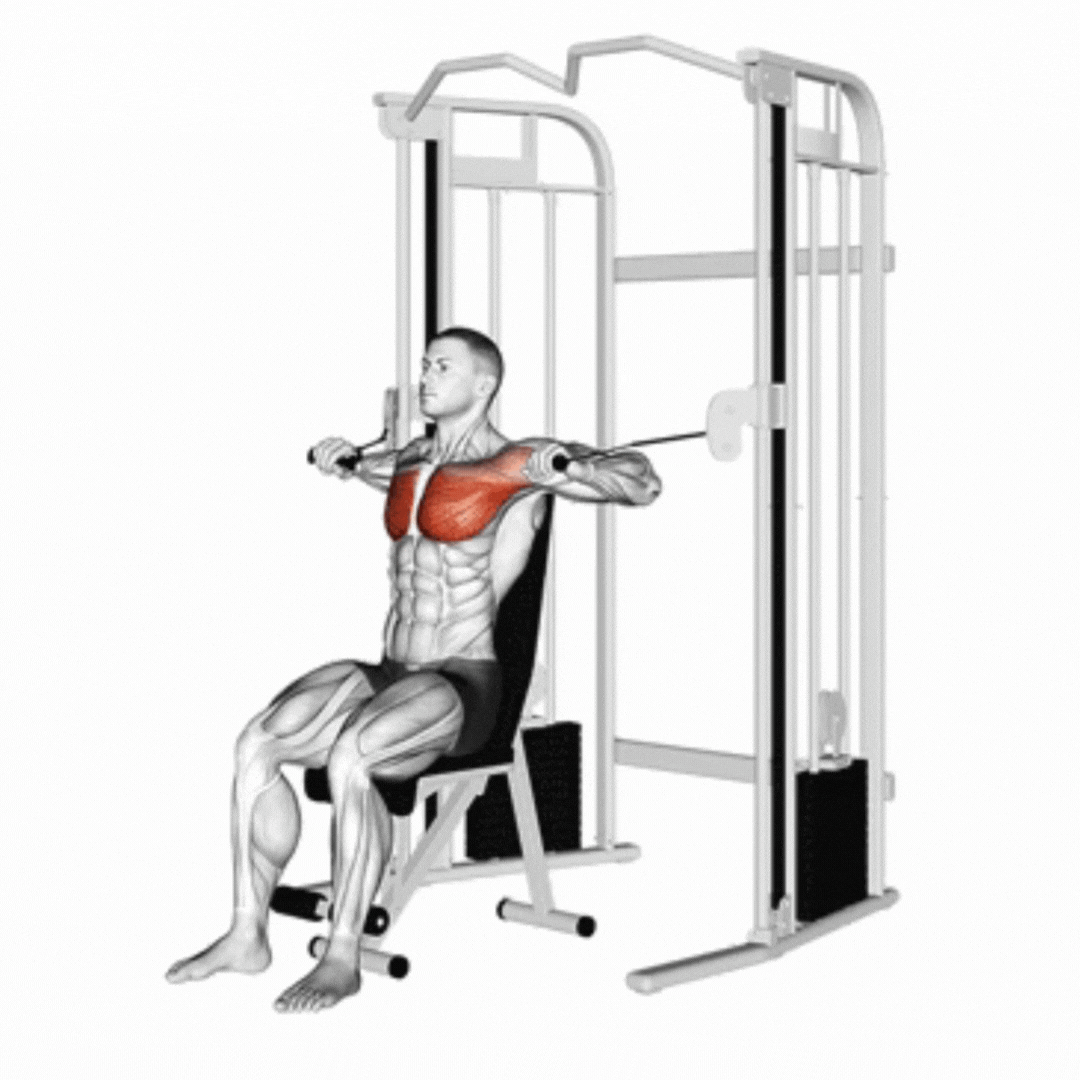 Beginner
Seated Cable Chest Press
Lower Chest
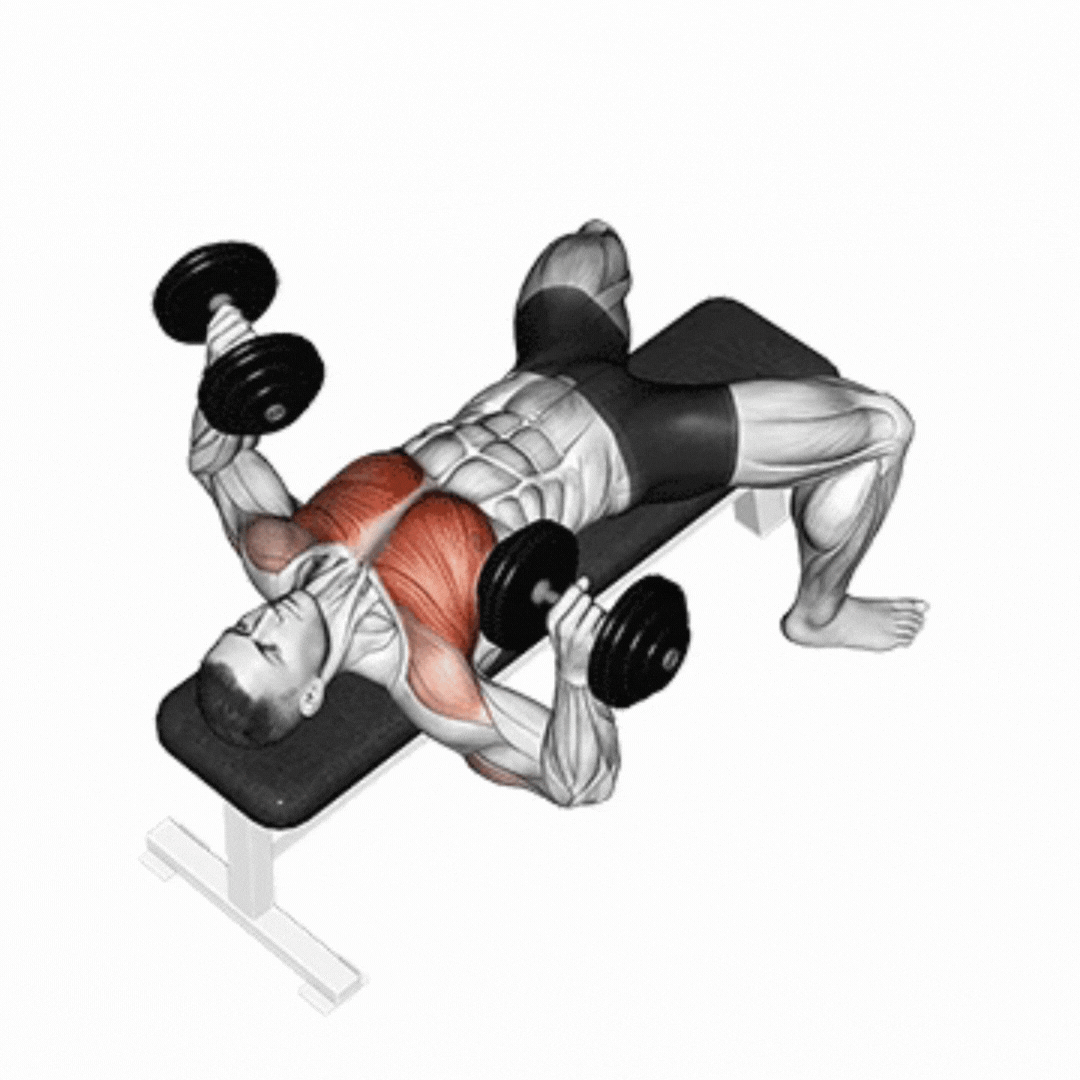 Intermediate
Dumbbell Bench Press
Lower Chest
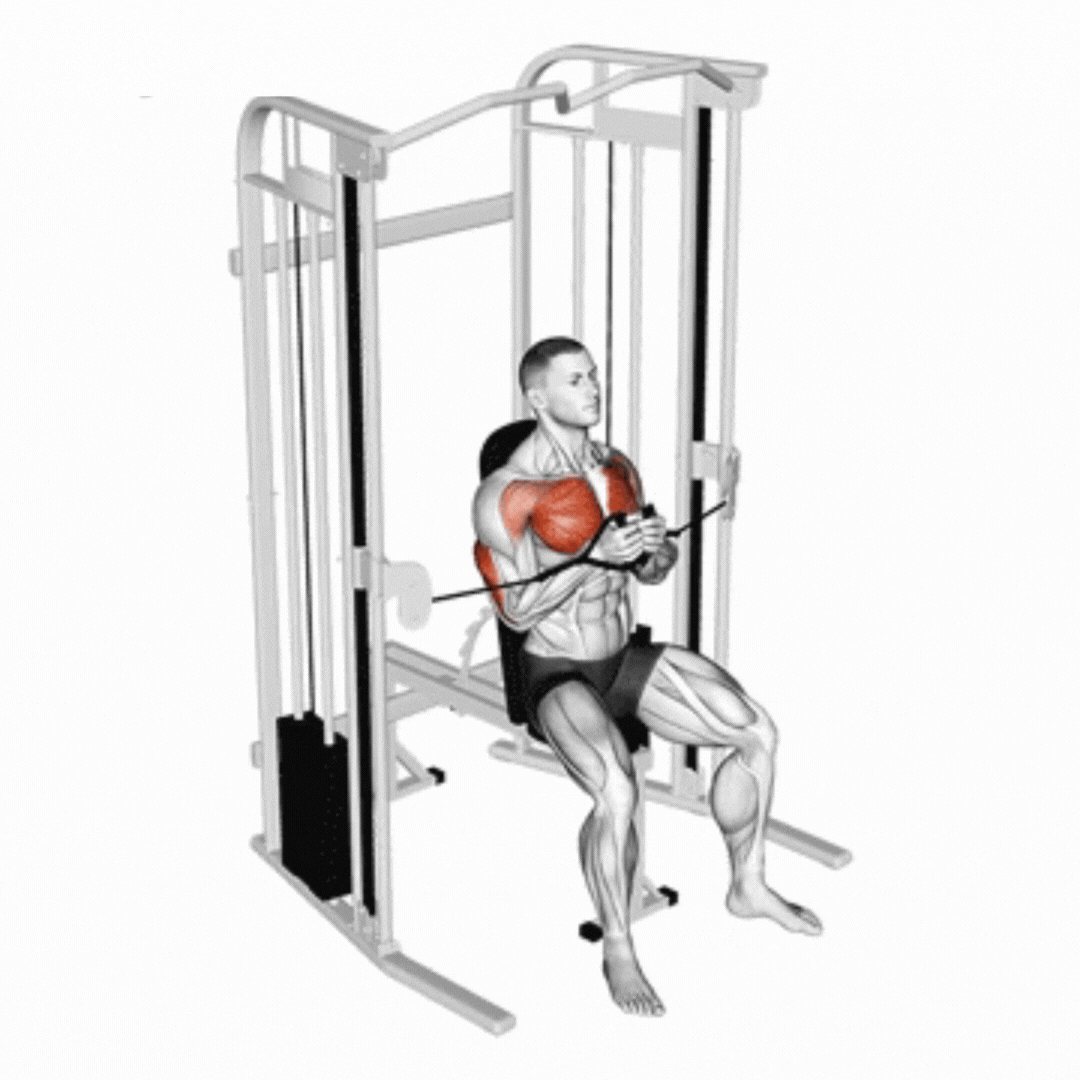 Intermediate
Seated Cable Close Grip Chest Press
Lower Chest
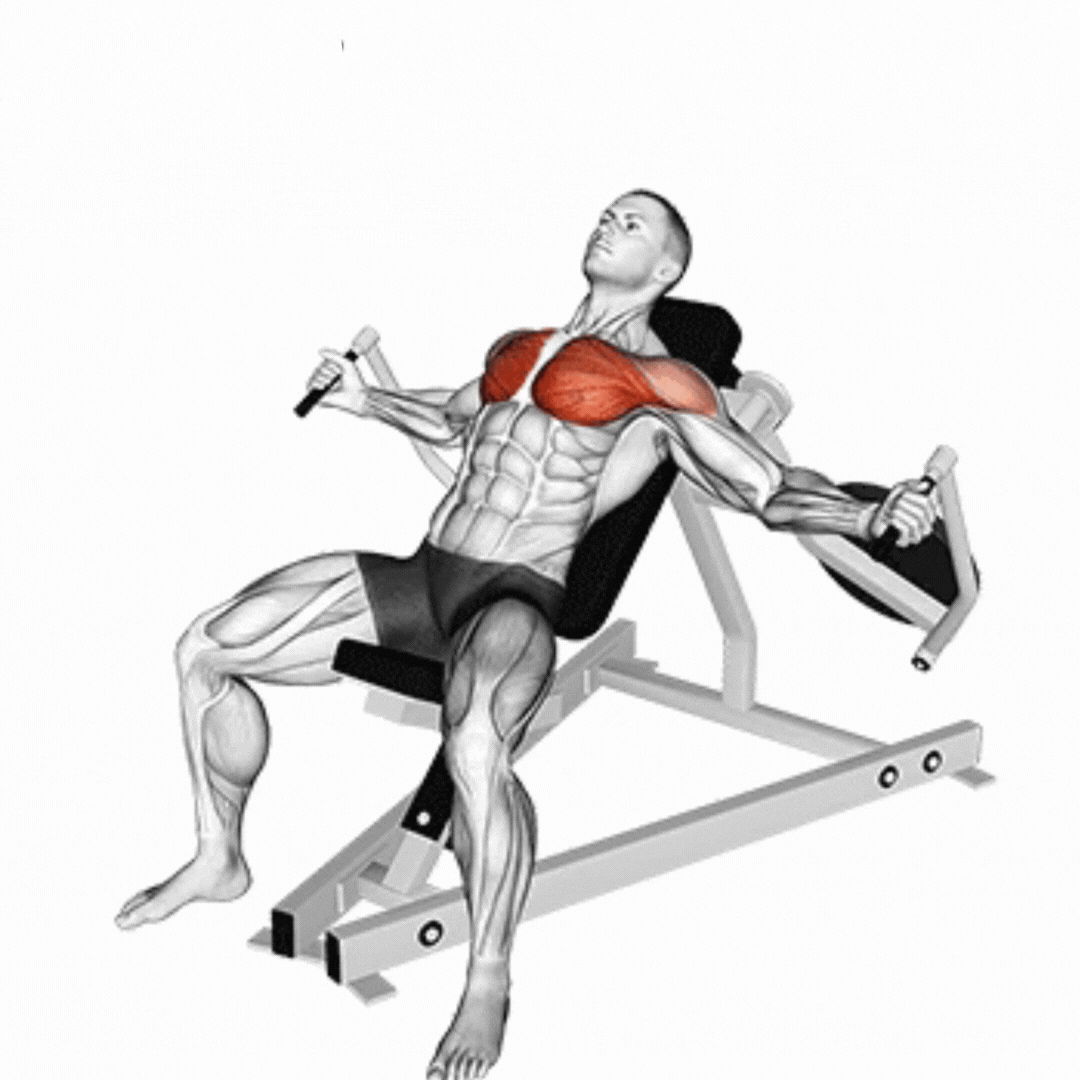 Beginner
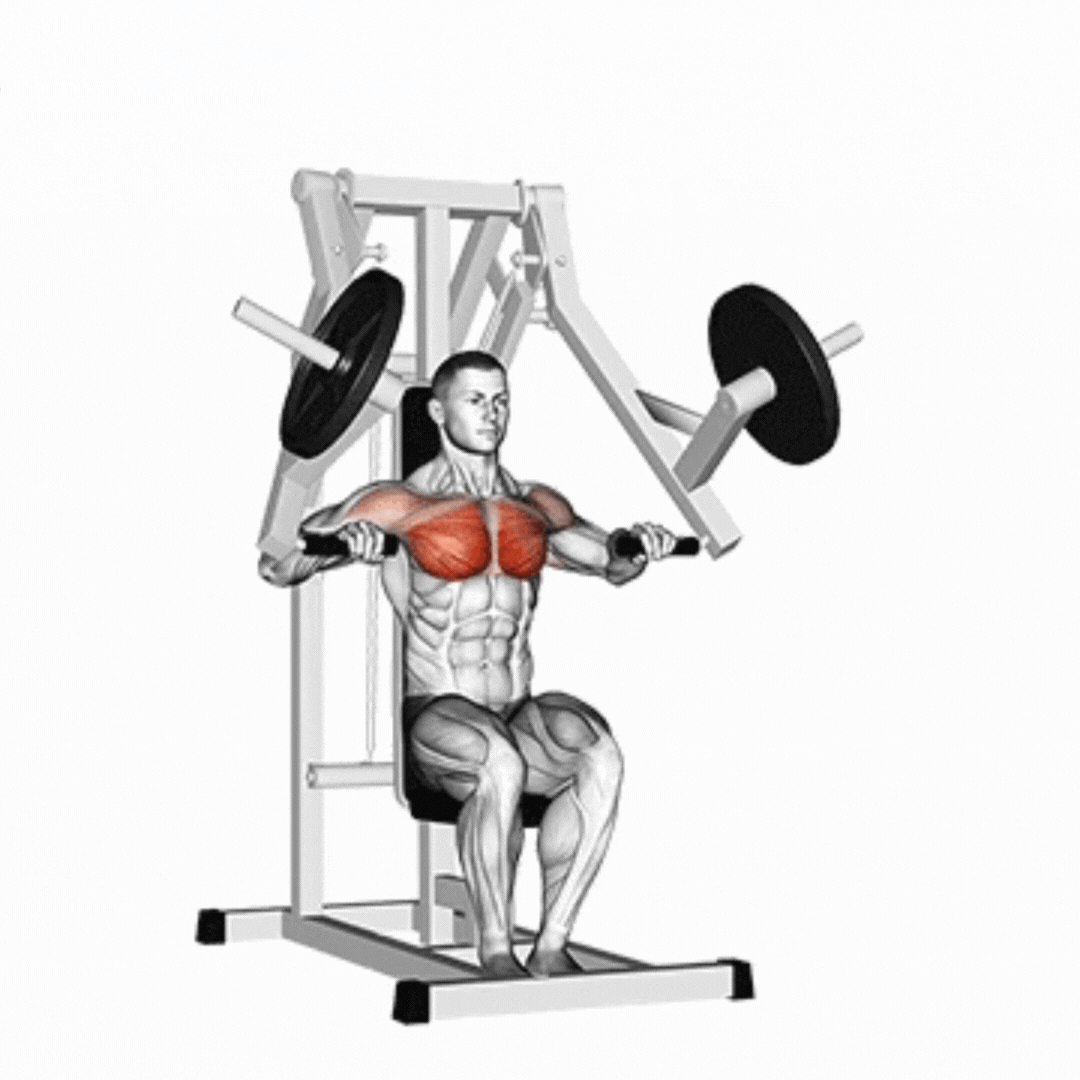
Incline Chest Fly Machine
Upper Chest
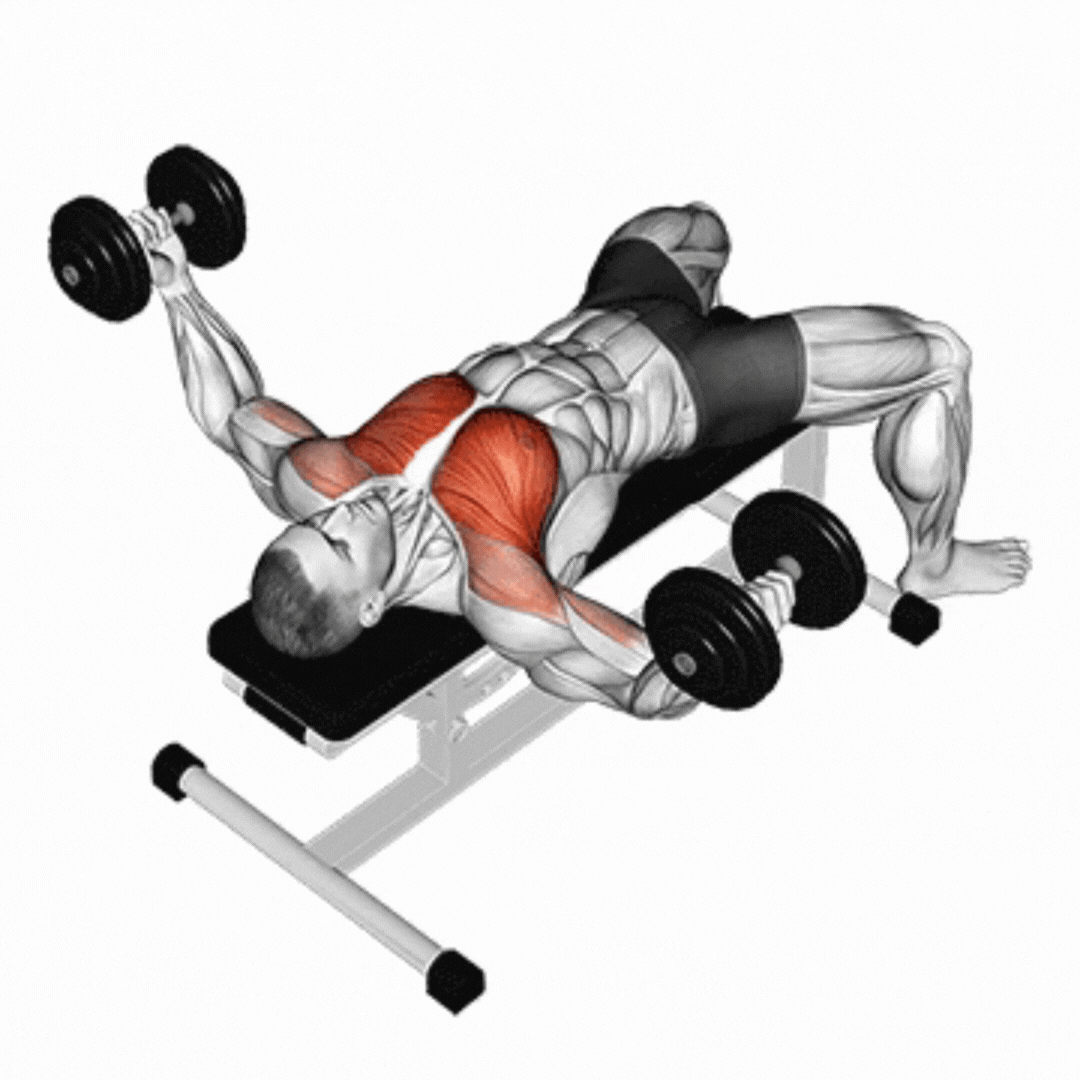 Intermediate
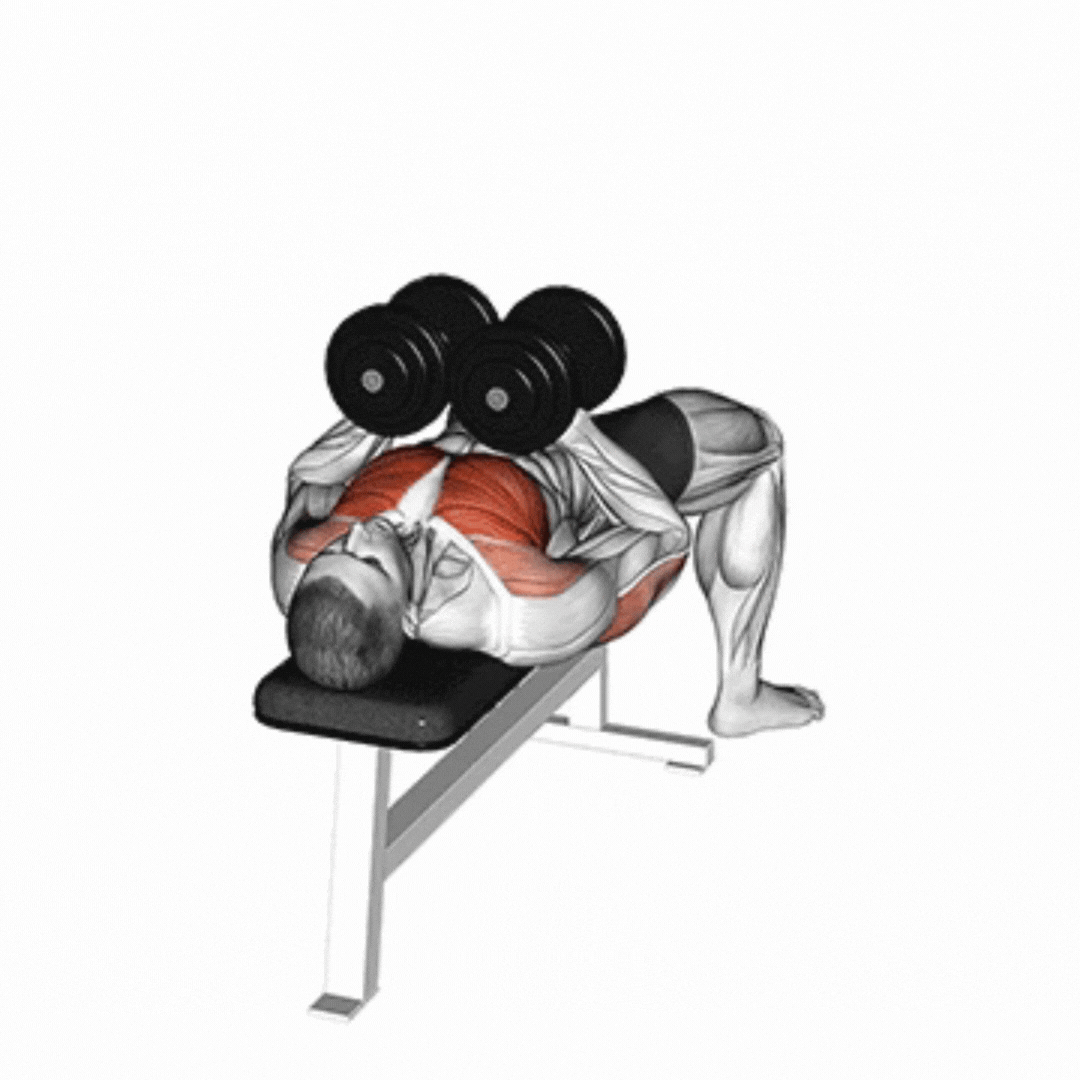
Dumbbell Fly
Lower Chest
 Beginner
Incline Chest Press Machine
Upper Chest
 Intermediate
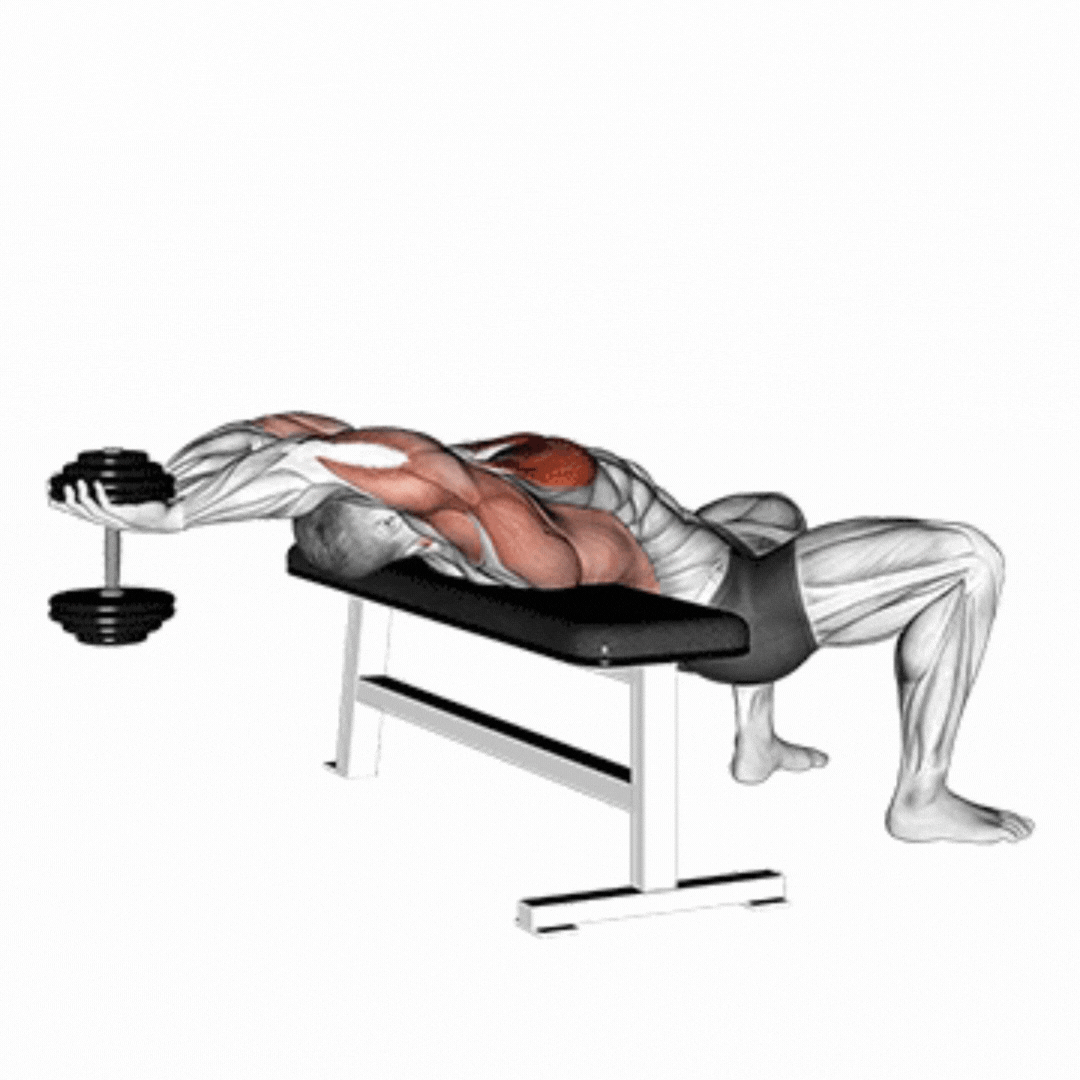
Dumbbell Squeeze Press
Lower Chest
 Intermediate
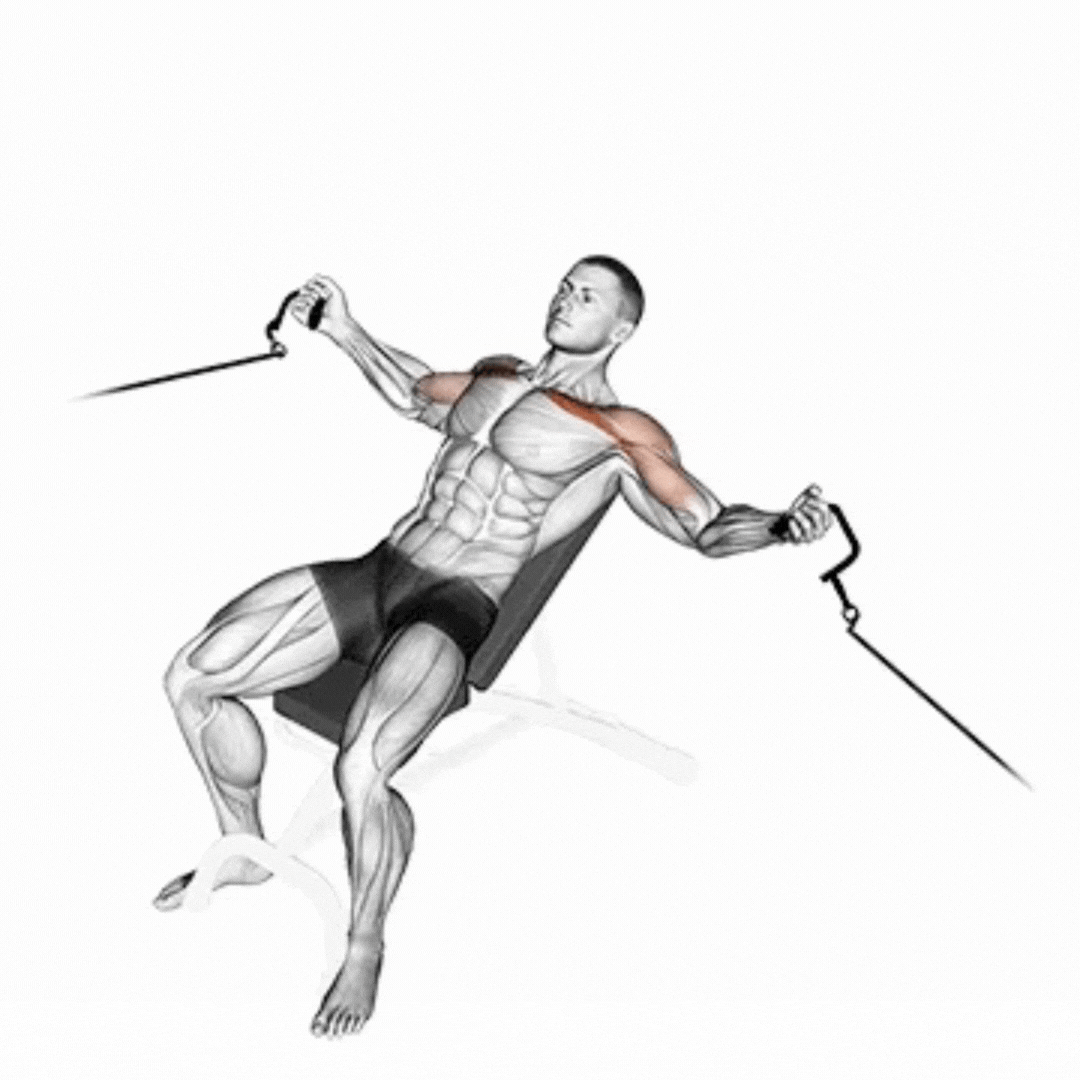
Dumbbell Pullover
Lower Chest
 Intermediate
Incline Cable Fly
Upper Chest
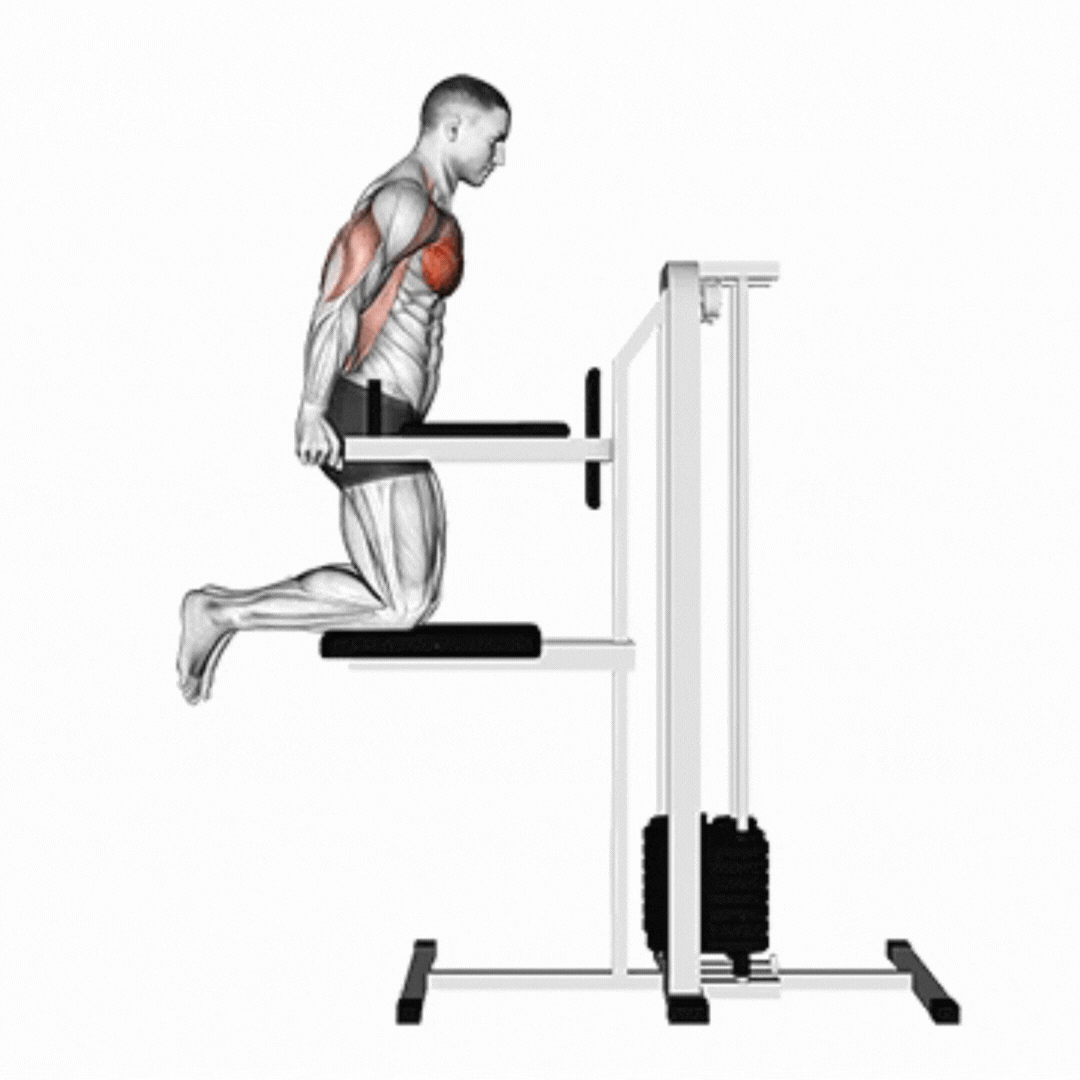 Beginner
Assisted Chest Dips
Lower Chest
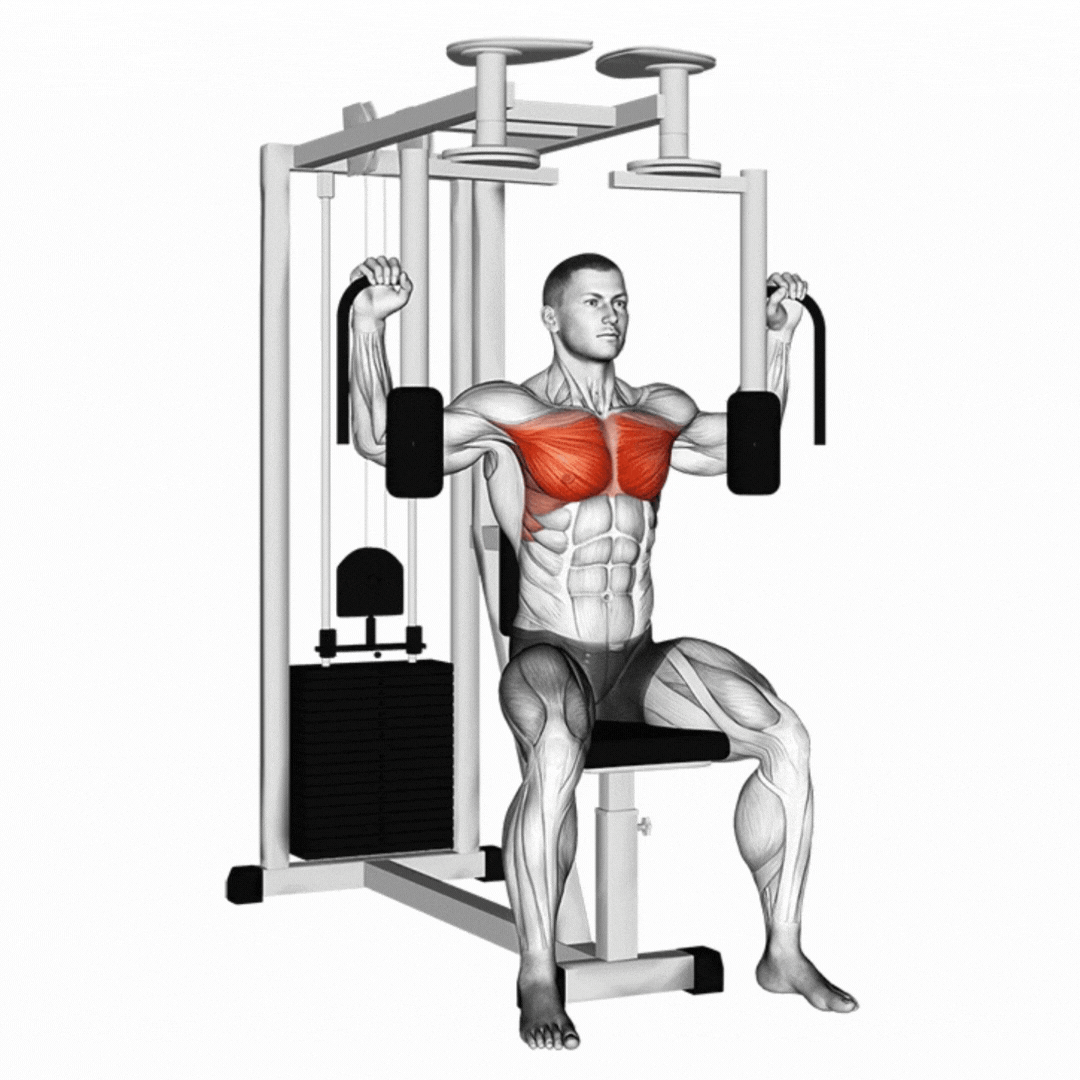 Beginner
Pec Deck
Lower Chest
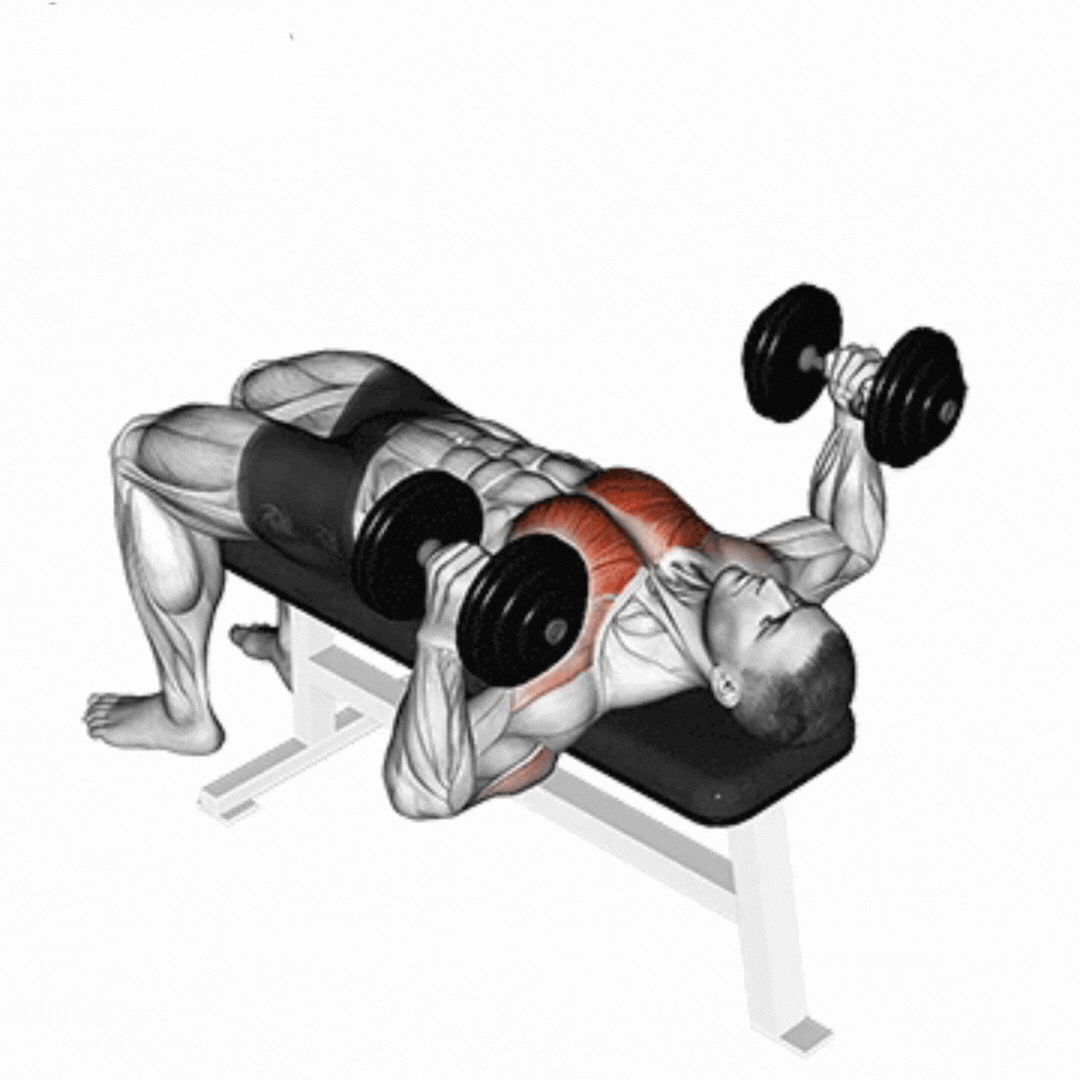 Advanced
Dumbbell Hammer Press
Lower Chest
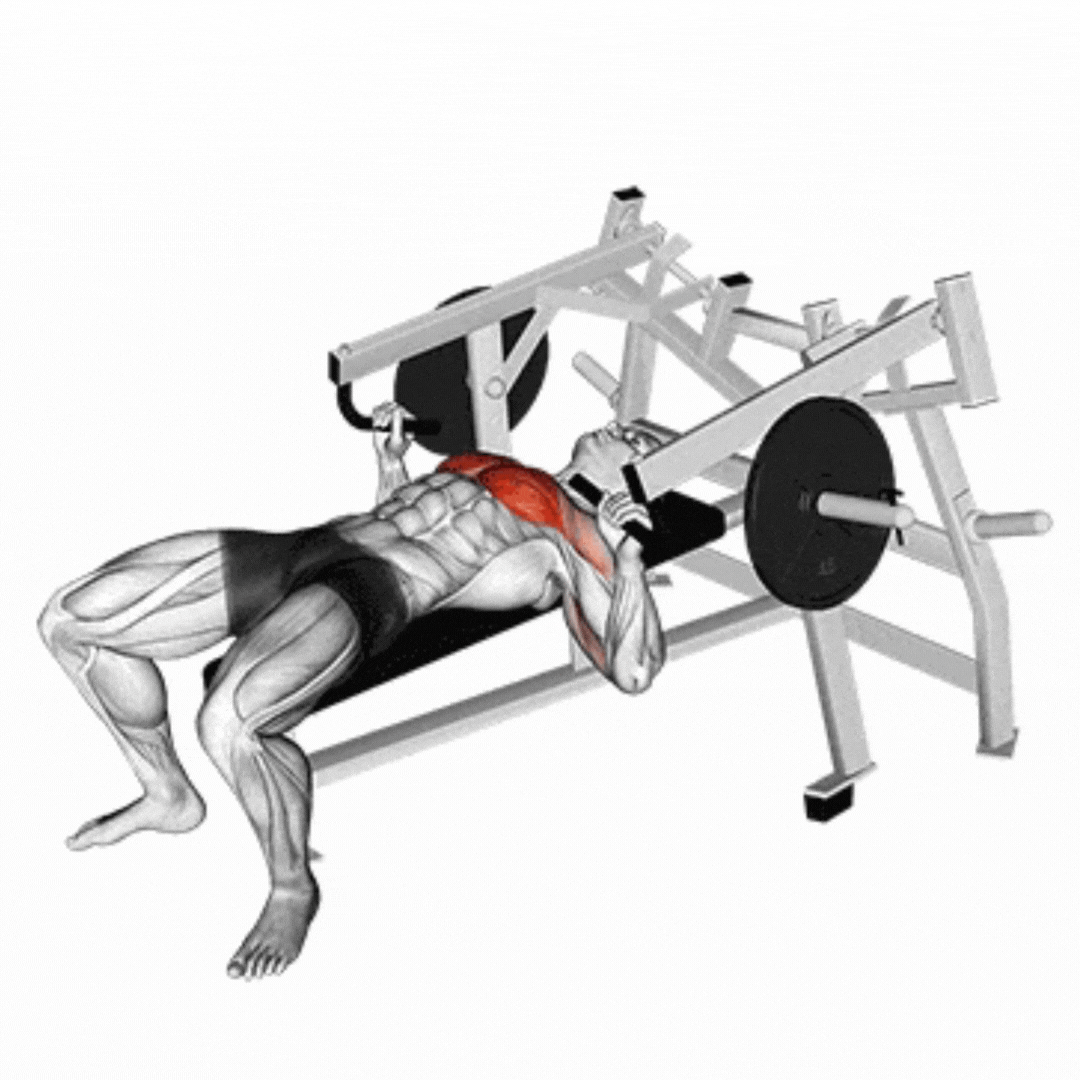 Beginner
Lying Chest Press Machine
Lower Chest
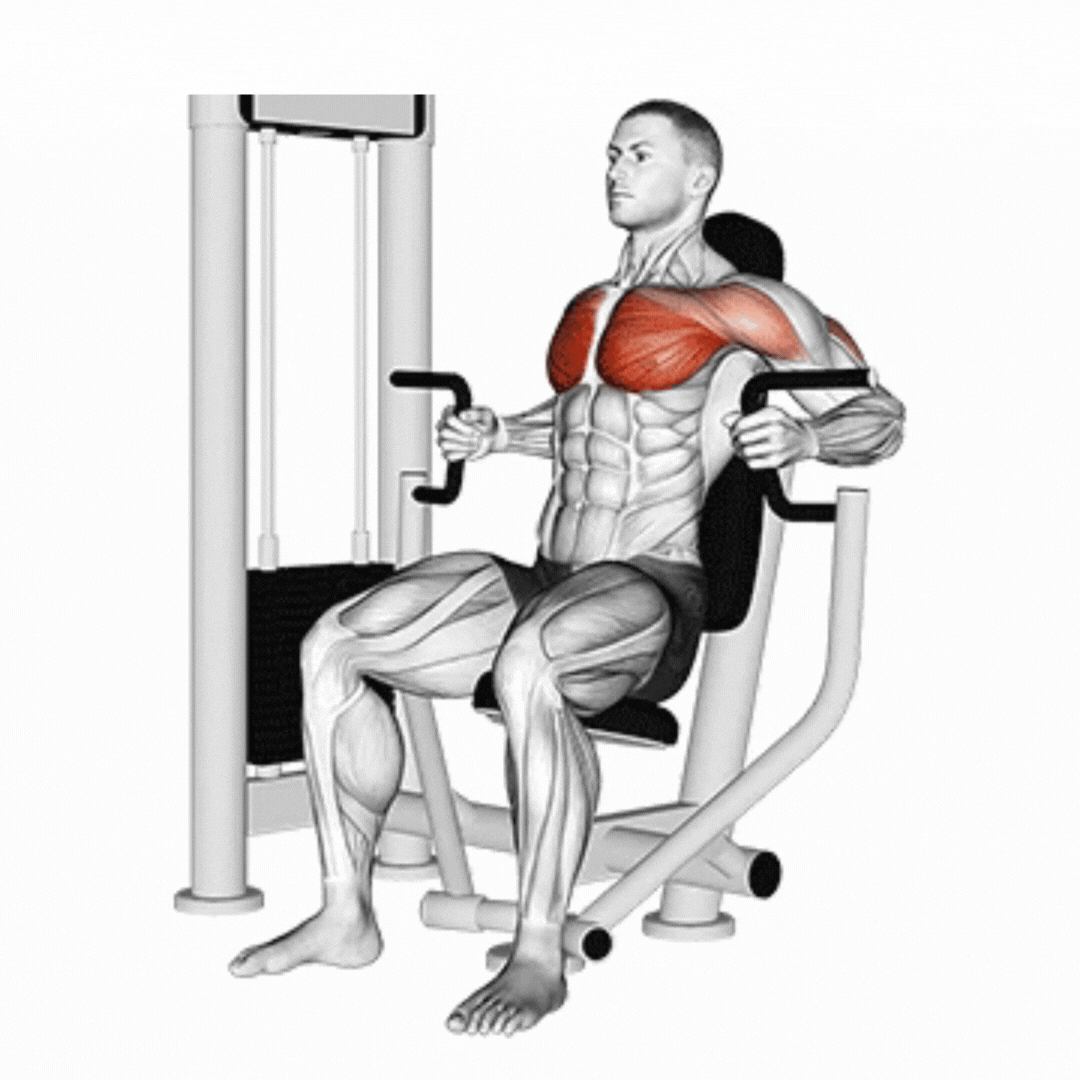 Beginner
Inner Chest Press Machine
Lower Chest
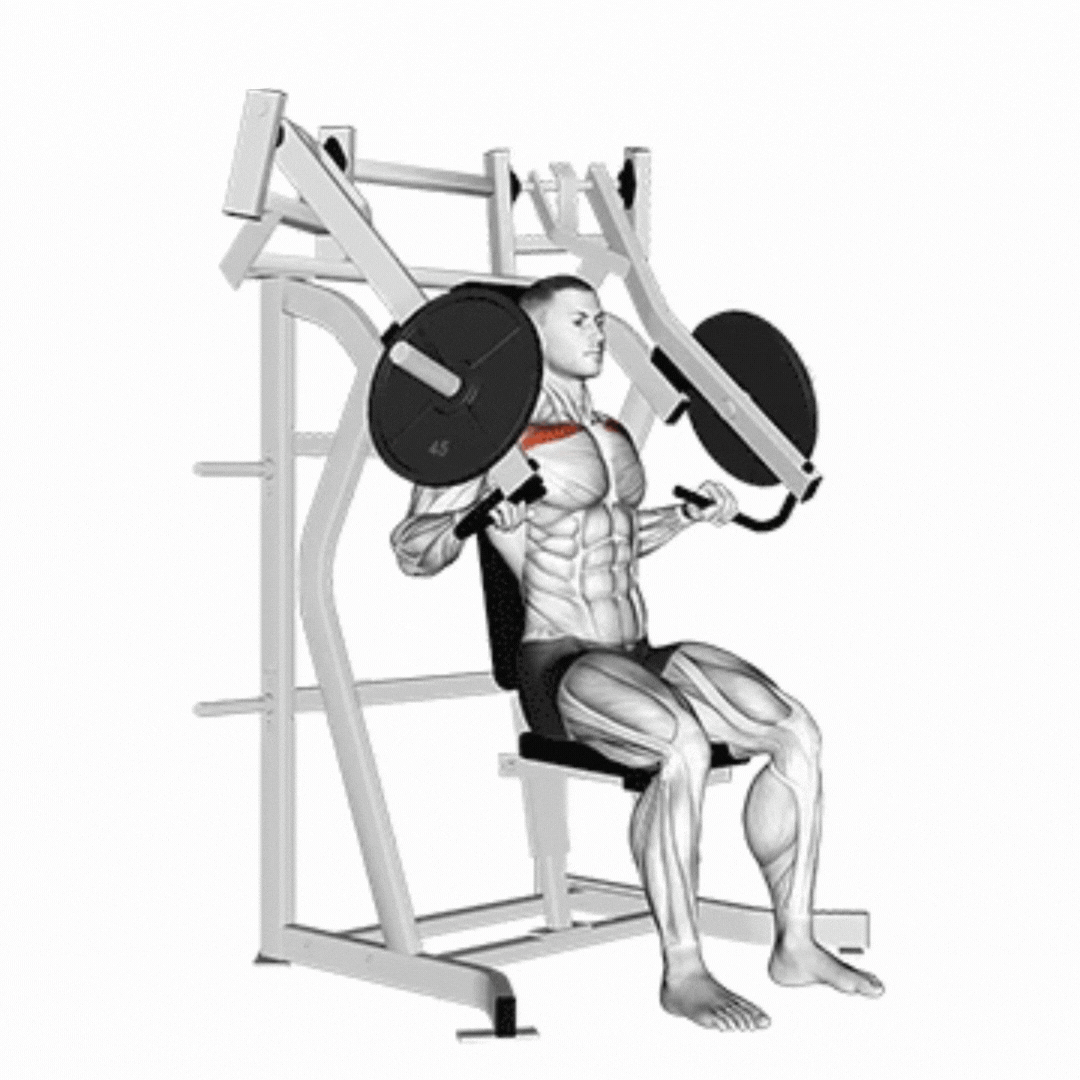 Beginner
Incline Chest Press Machine
Upper Chest
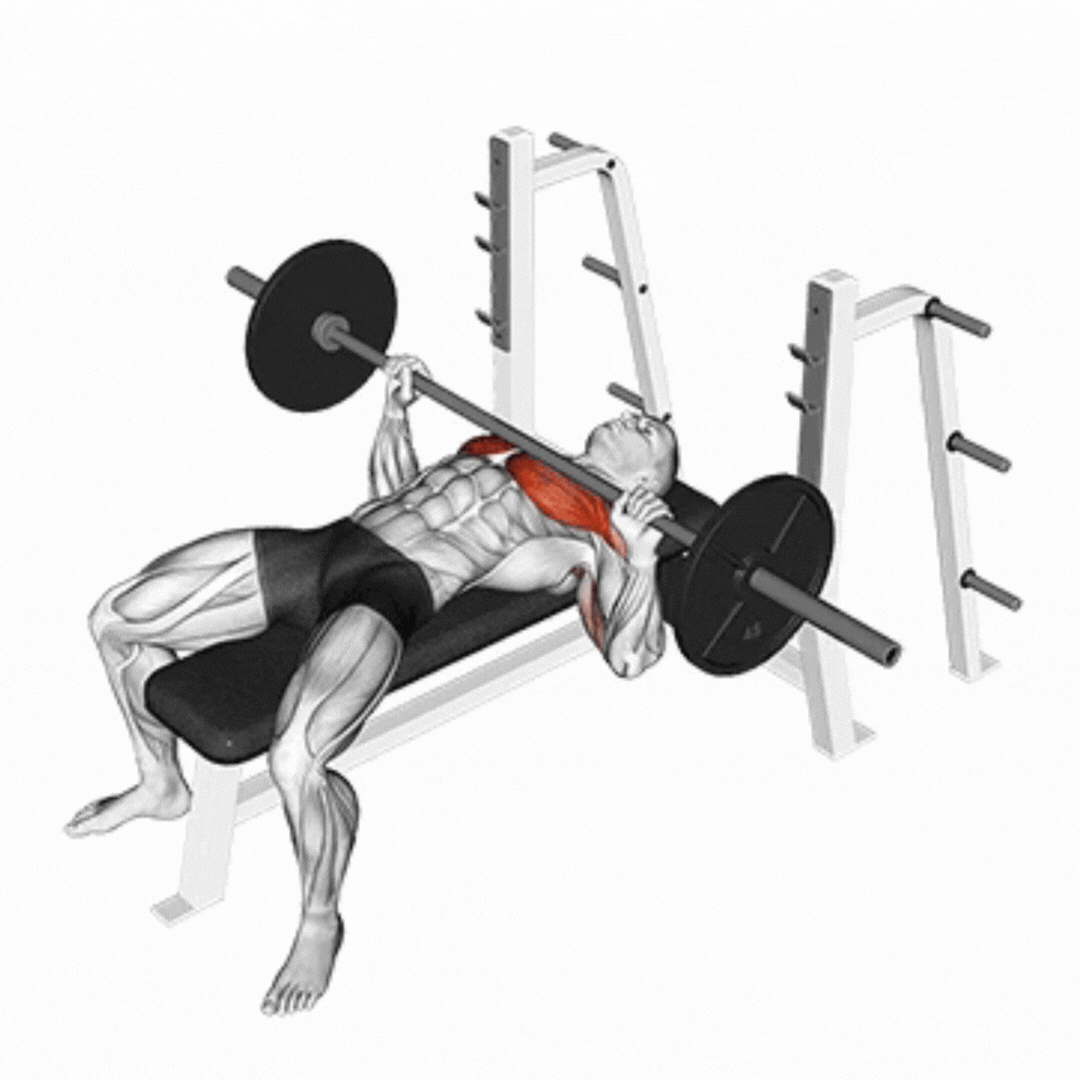 Intermediate
Barbell Bench Press
Lower Chest
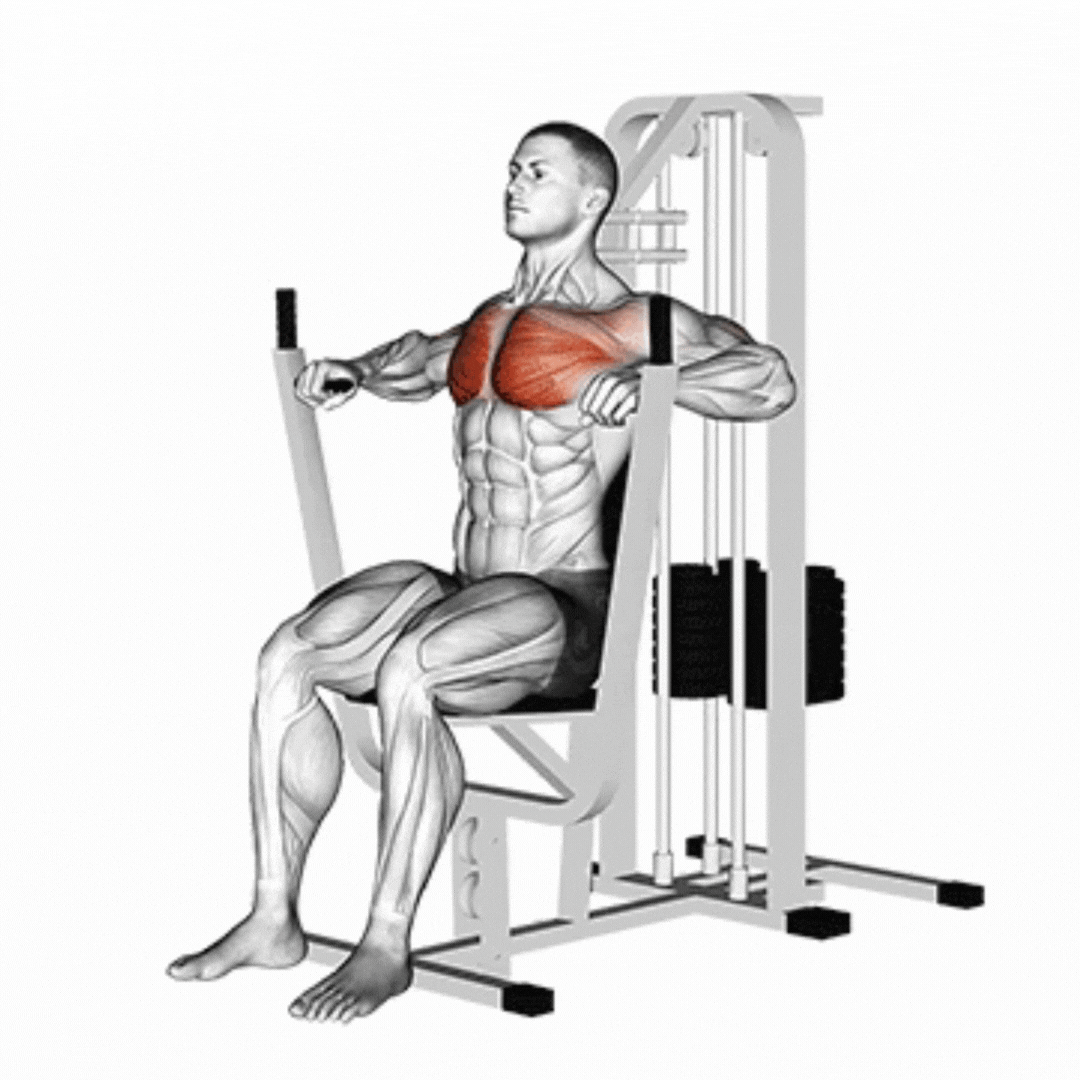 Beginner
Chest Press Machine
Lower Chest
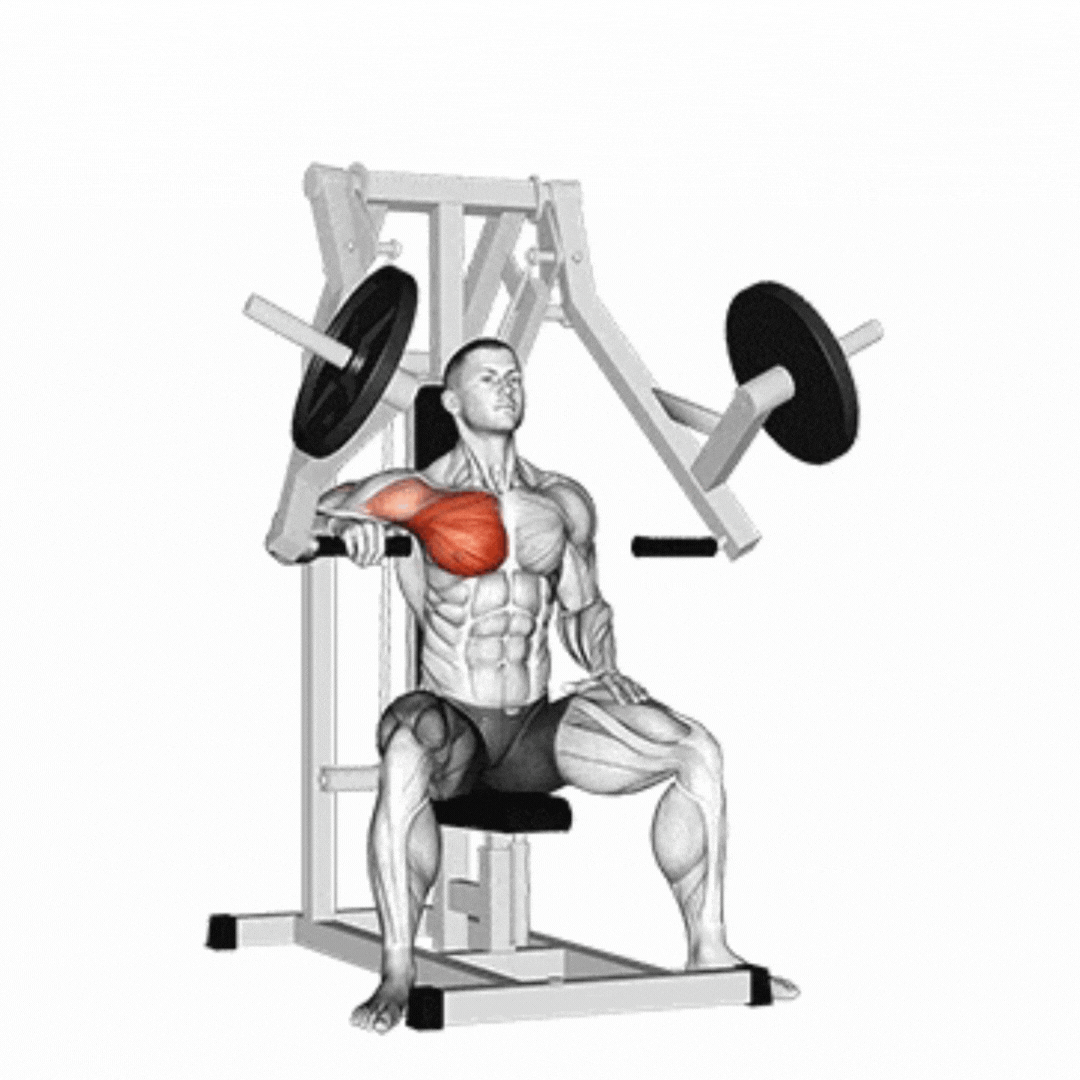 Intermediate
Single Arm Incline Chest Press Machine
Lower Chest
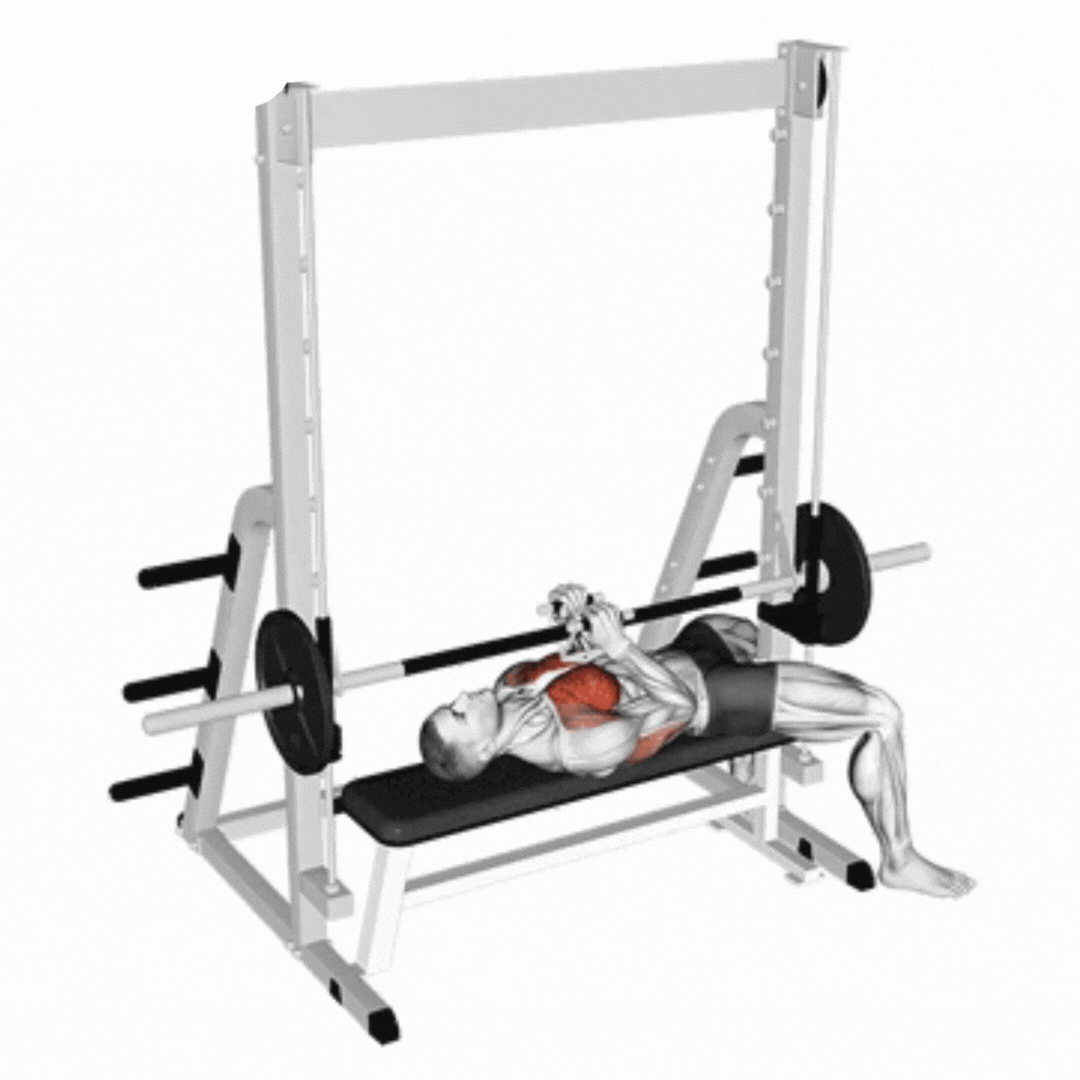 Intermediate
Smith Machine Hex Press
Lower Chest
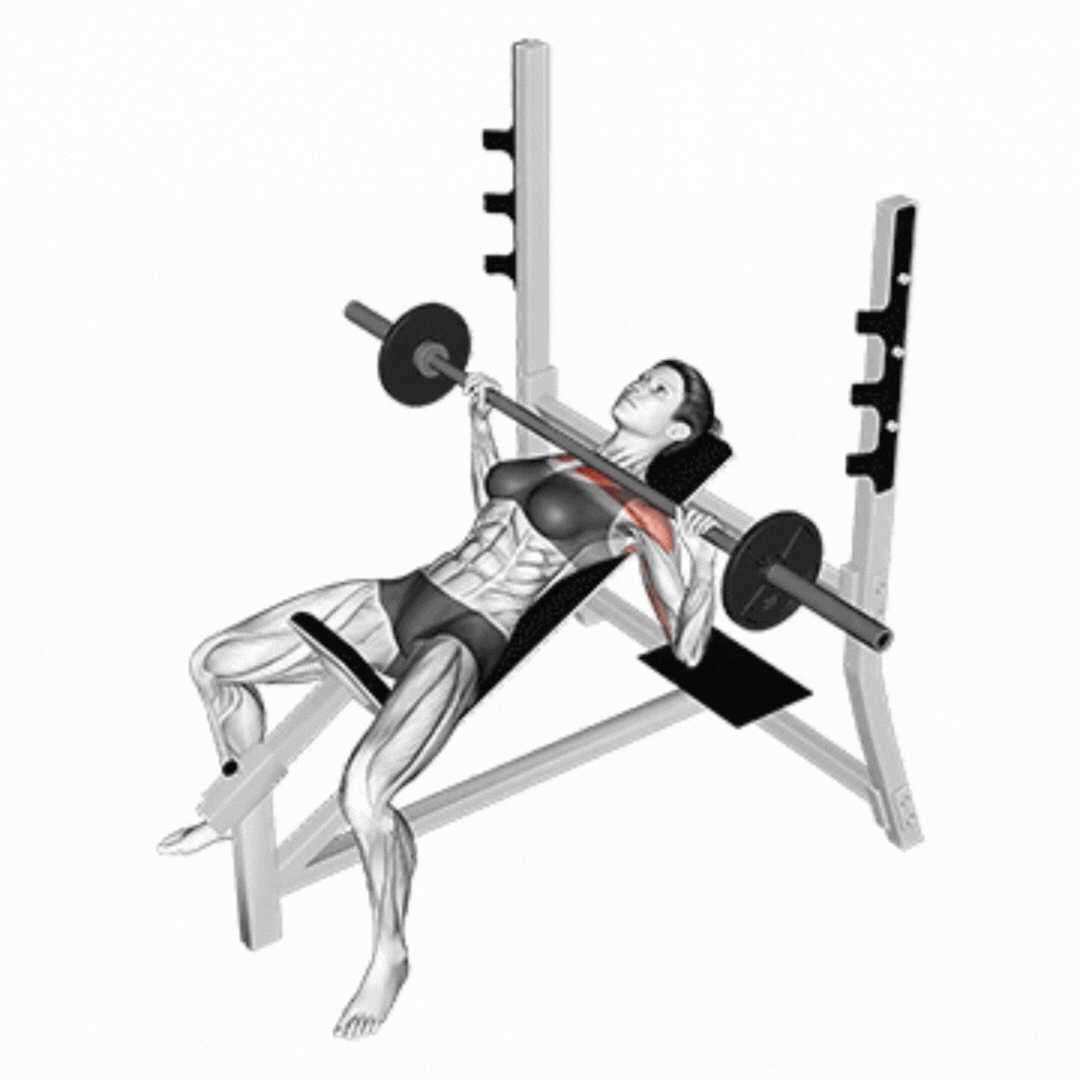 Intermediate
Barbell Incline Bench Press
Upper Chest
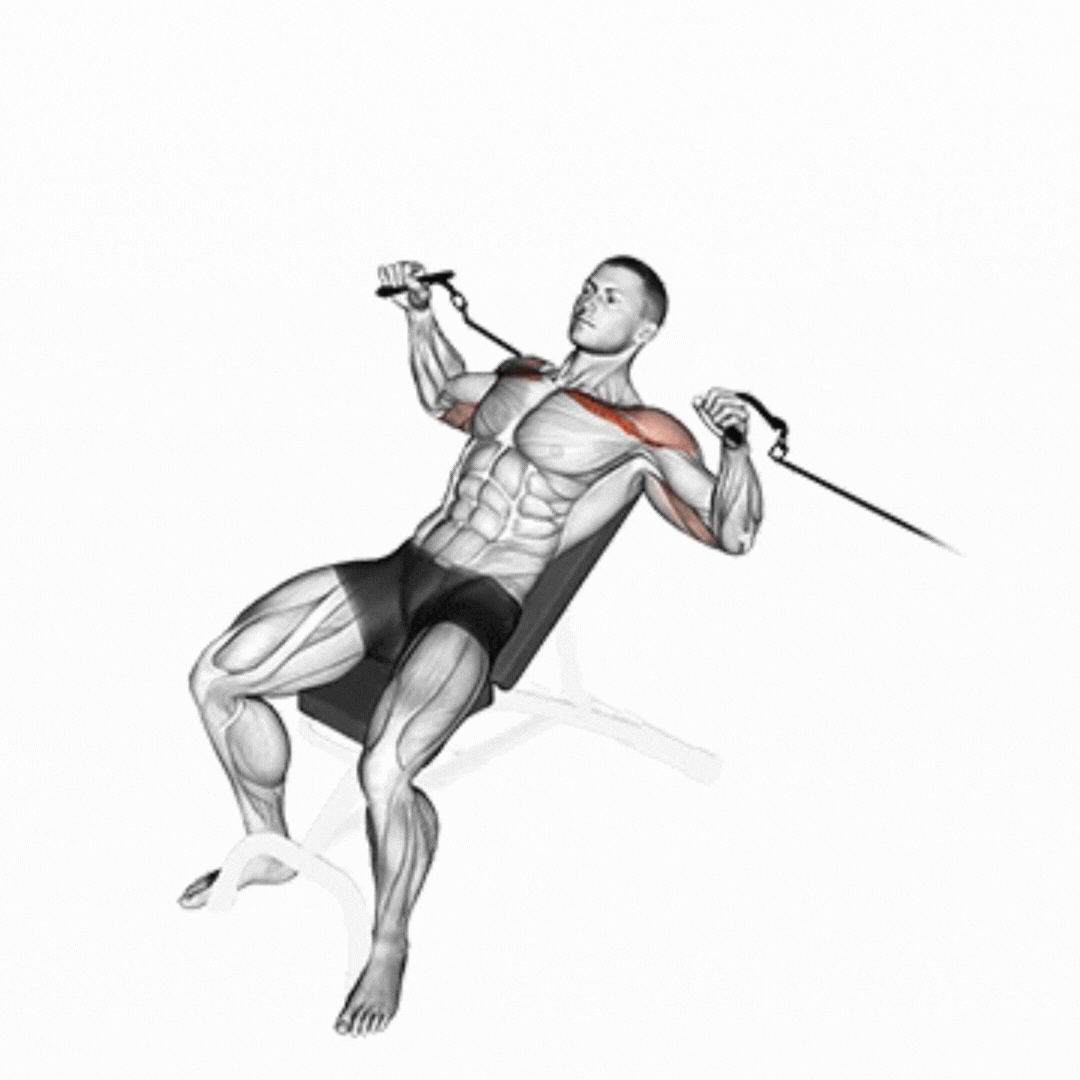 Intermediate
Cable Incline Bench Press
Upper Chest
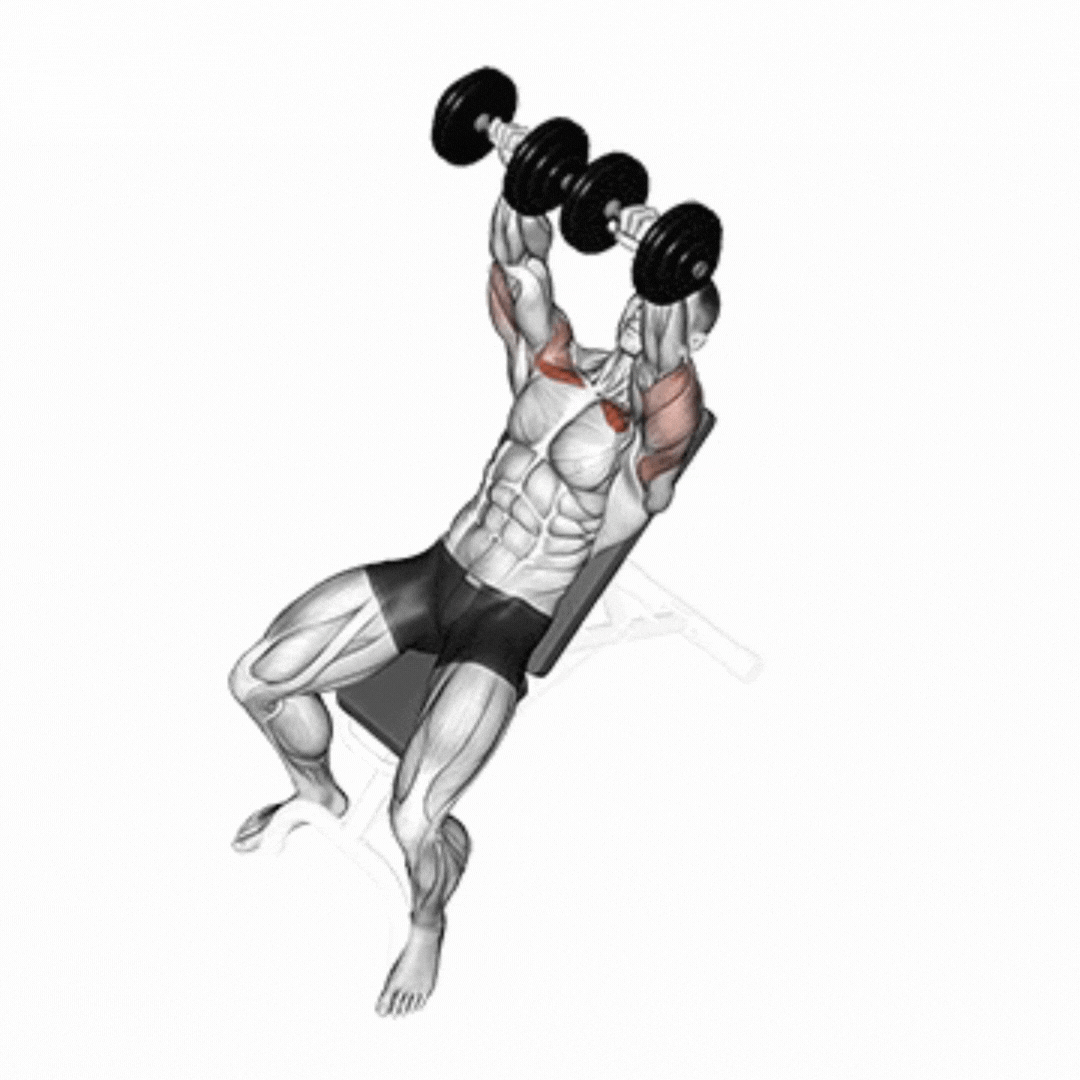 Intermediate
Incline Dumbbell Bench Press
Upper Chest
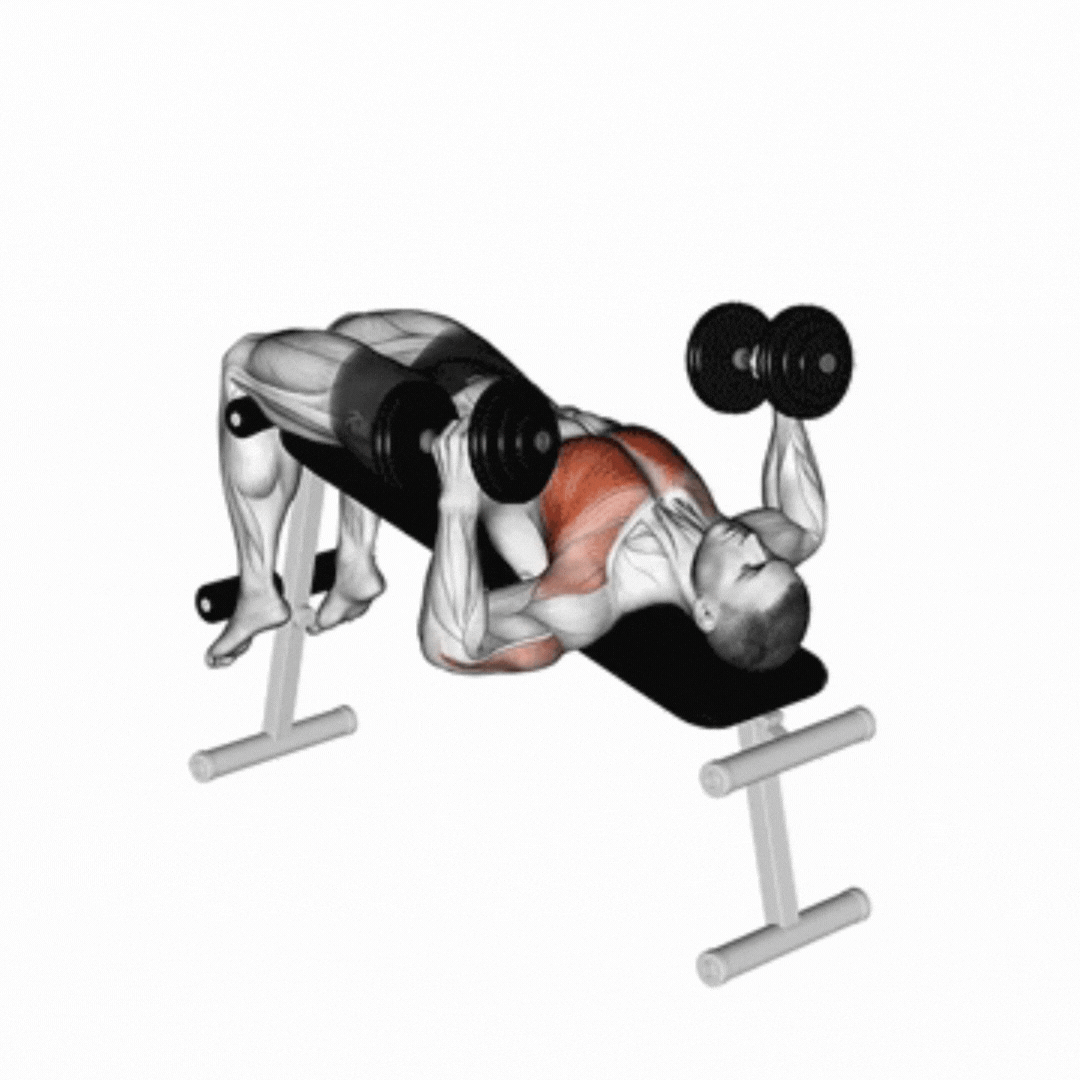 Intermediate
Decline Hammer Press
Lower Chest
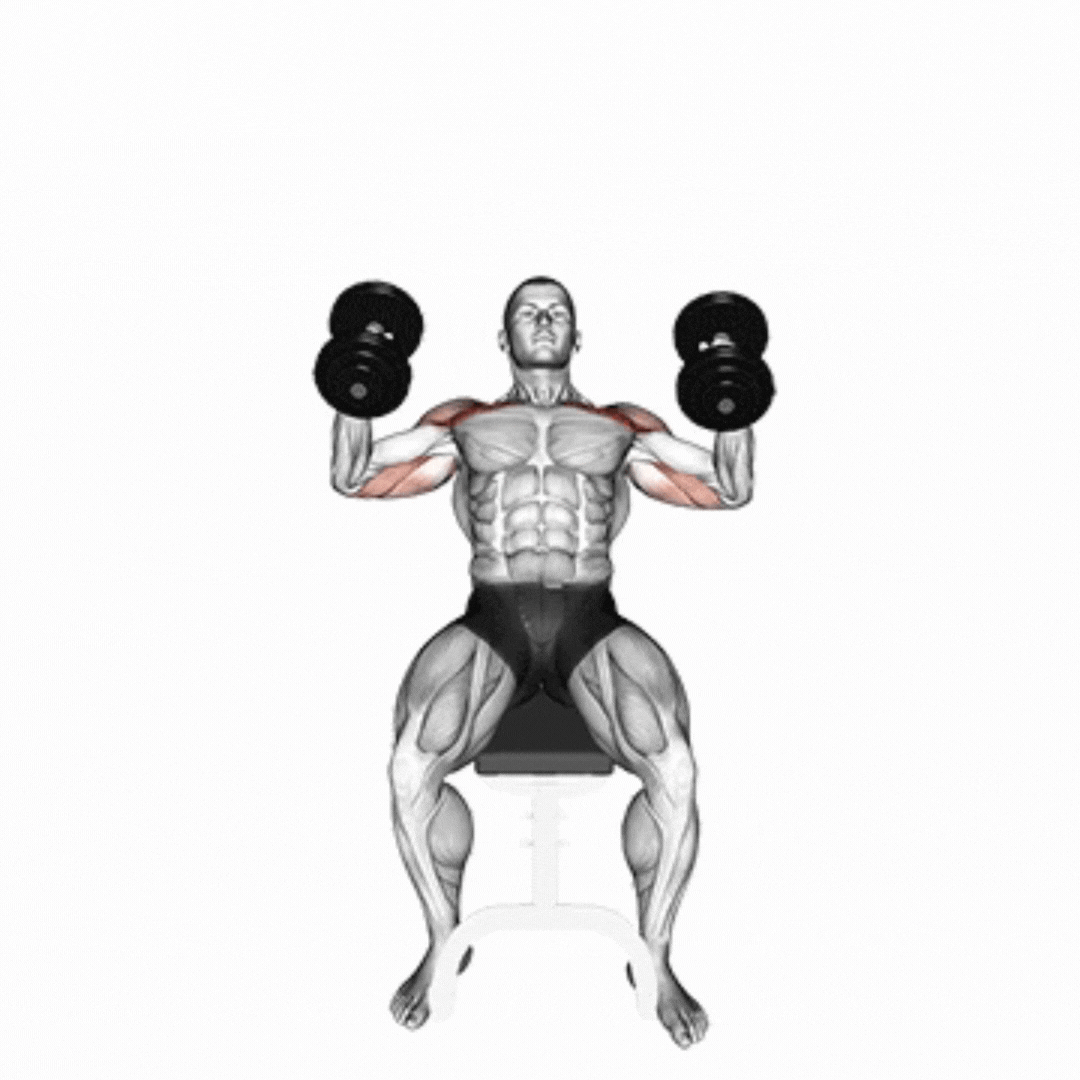 Intermediate
Incline Dumbbell Hammer Press
Upper Chest
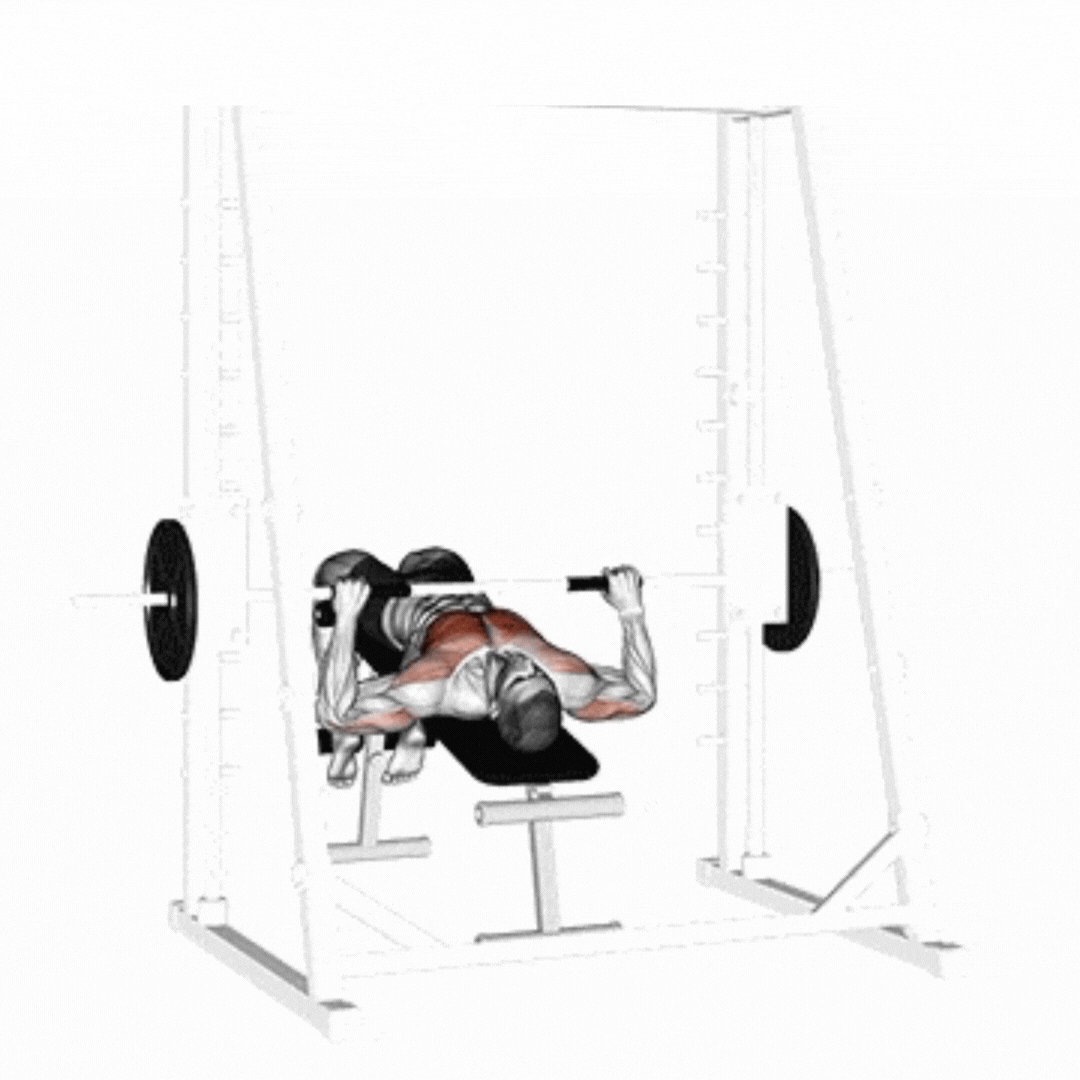 Intermediate
Smith Machine Decline Bench Press
Lower Chest
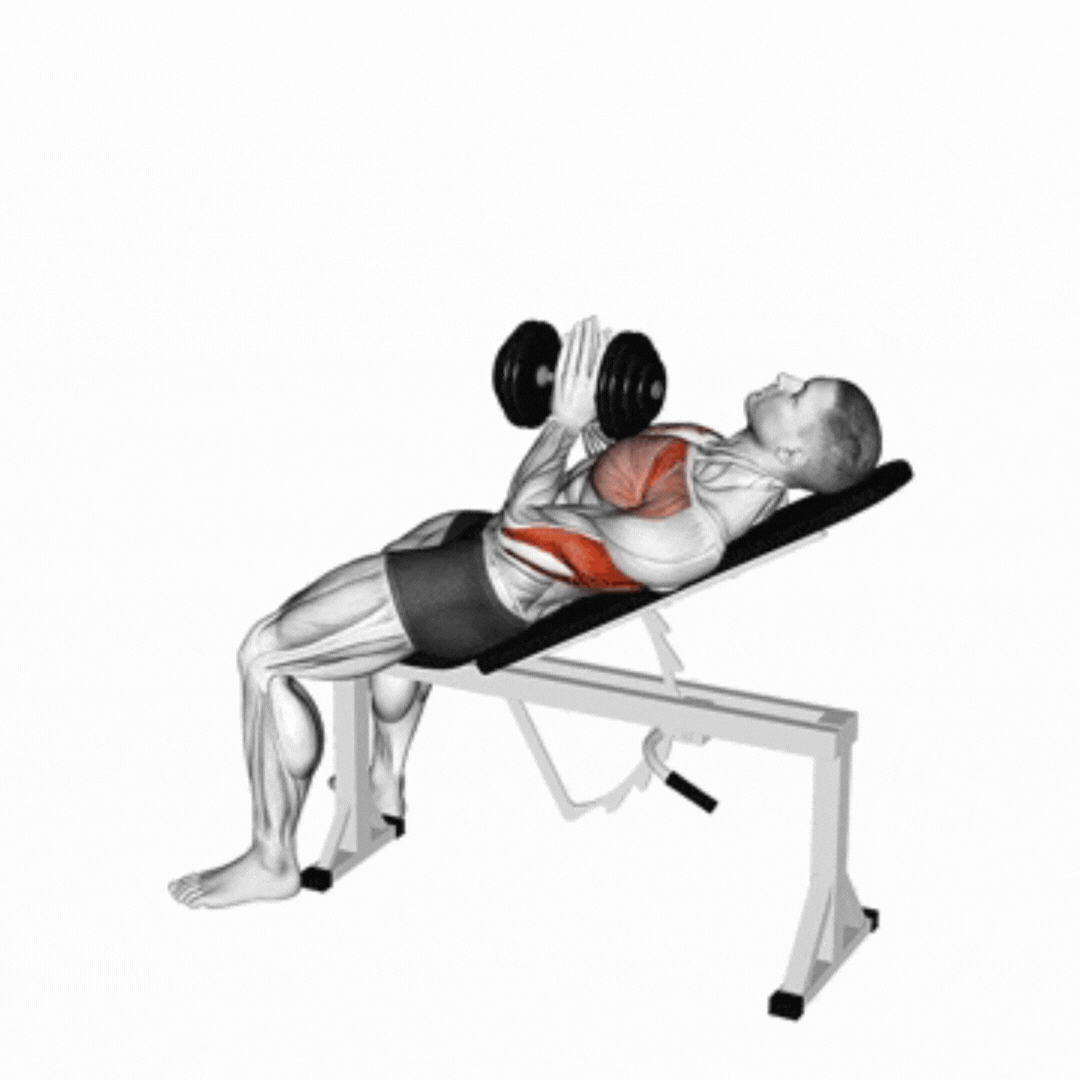 Beginner
Incline Dumbbell Close-Grip Bench Press
Upper Chest
 Intermediate
Barbell Wide Grip Bench Press
Lower Chest
 Advanced
Board Chest Press
Lower Chest
 Intermediate
Cable Bench Press
Lower Chest
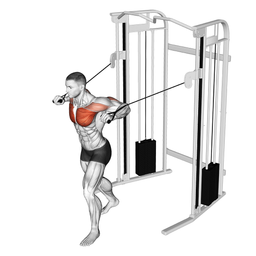 Intermediate
Cable Standing Chest Press
Lower Chest
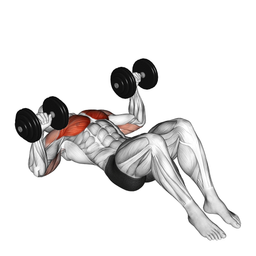 Beginner
Dumbbell Floor Press
Lower Chest
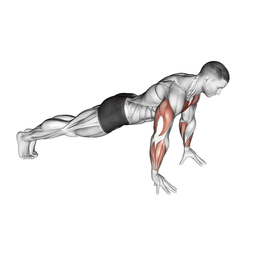 Advanced
Finger Push Up
Lower Chest
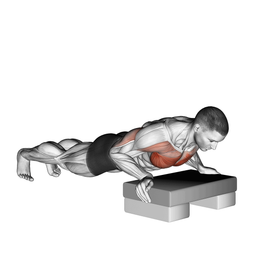 Beginner
Incline Push Up
Lower Chest
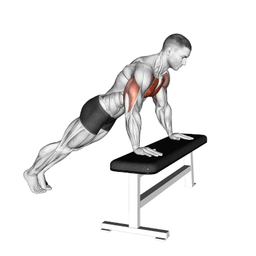 Beginner
Incline Bench Push Up
Lower Chest
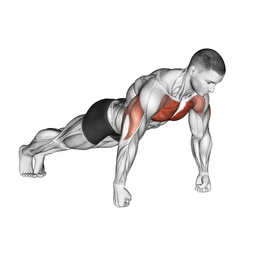 Intermediate
Knuckle Push Up
Lower Chest
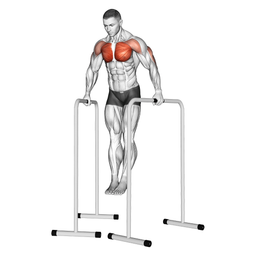 Intermediate
Parallel Bar Dips
Lower Chest
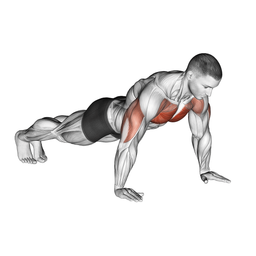 Beginner
Push Up
Lower Chest
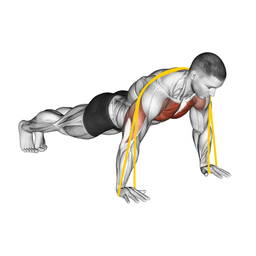 Intermediate
Resistance Band Push Up
Lower Chest
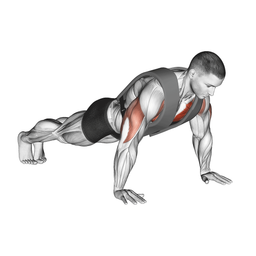 Advanced
Weighted Push Up
Lower Chest
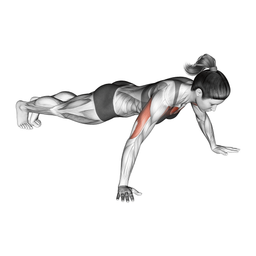 Intermediate
Wide Arm Push Up
Lower Chest
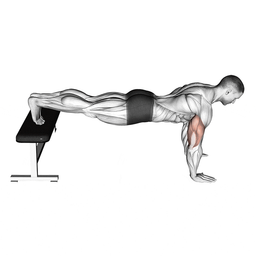 Advanced
Decline Push Up
Upper Chest
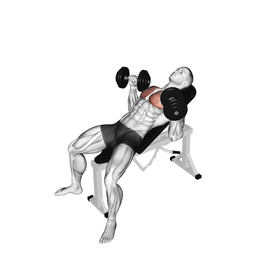 Intermediate
Incline Dumbbell Press
Upper Chest
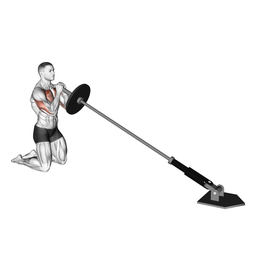 Intermediate
Landmine Press
Upper Chest
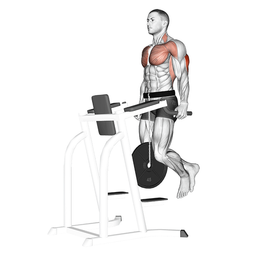 Advanced
Weighted Dips
Lower Chest
The Chest Training Handbook
Pressing strength starts with the pectoralis major, supported by the smaller pectoralis minor and the front of the shoulders. A well-built chest does the heavy lifting whenever you push a door, a barbell or an opponent, and it shapes the upper body more visibly than almost any other muscle. Balanced pec development also supports smooth shoulder mechanics when programmed alongside enough pulling work.
The library below runs from floor push-ups all the way to heavy barbell and dumbbell pressing. Pay special attention to the incline, flat and decline comparisons — the activation numbers may change which bench angle you prioritize — and to the notes on flared elbows and bounced reps, the two errors that stall most pressing progress. Bifit marks which movements need nothing but floor space and which call for a bench, dumbbells or cables.
Rather than repeating the same flat press, spread your pressing angles across the week — an incline focus one day, flat work or dips another — so every region of the pec gets its turn. Keep main presses in the six-to-twelve range and let push-ups or flyes supply extra volume.