BifitBifit
HomeExercisesBecome a Coach
Log In
HOMEEXERCISESBECOME A COACHLOG IN

Language

Legal

Terms of UsePrivacy PolicyDelete Account
BifitBifit

A modern and user-friendly mobile app that makes life easier for fitness enthusiasts. Tracking your workouts and progress is our priority.

Quick Links

  • Home
  • Exercises
  • Become a Coach
  • Download · Google Play
  • Download · App Store

Legal

  • Privacy Policy
  • Terms of Use
  • Support
  • Account Deletion

© 2026 Bifit. All rights reserved.

Designed for a healthy lifestyle

HomeExercisesSeated Cable Chest Press

Seated Cable Chest Press

Chest
Lower Chest
Beginner
Compound
3-5Set
8-12Reps
90sRest
2-0-2-0Tempo
Seated Cable Chest Press
Animation

Description

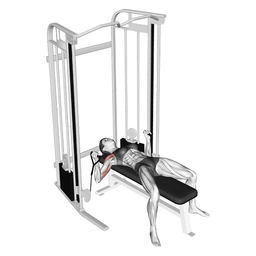
Seated Cable Chest Press is a cable chest press exercise performed in a seated position. The fixed seating position reduces the risk of lower back issues and makes the movement more controllable. Cable resistance provides constant tension throughout the range of motion. It works the chest, triceps, and front deltoid muscles. It is suitable for both strength and hypertrophy training. Thanks to the machine, no spotter is needed, and it is safe for testing maximum weight.

Step-by-Step Instructions

  1. 1

    Sit on the cable machine and place your feet flat on the floor

  2. 2

    Position your arms on the machine handles and keep your shoulders relaxed

  3. 3

    Take a deep breath in and exhale as you push your arms forward

  4. 4

    Squeeze your chest muscles before fully locking out your arms

  5. 5

    Return to the starting position in a controlled manner and inhale

  6. 6

    Keep your back pressed against the back support throughout the movement and avoid raising your shoulders

Key Points

  • ✓Adjust the machine seat so that the handles are at chest height
  • ✓Press your back fully against the back support
  • ✓Keep your elbows at a 45-degree angle, close to your body
  • ✓Fully contract the chest muscles as you push your arms forward
  • ✓Do not fully lock out your arms at the end of the movement; keep a slight bend

Common Mistakes

  • ✗Lifting the back away from the support — causes lower back and shoulder pain
  • ✗Flaring the elbows out too wide — places stress on the shoulder joint
  • ✗Moving too quickly — reduces muscle development
  • ✗Not performing the full range of motion — limits muscle development
  • ✗Using too much weight — loss of proper form

Breathing

Inhale deeply as you pull your arms back, and exhale forcefully as you push them forward.

Muscle Activation

chest0%
triceps0%
shoulders0%

Safety

Precautions

  • If you have shoulder pain or rotator cuff issues, start with light weight
  • Those with lumbar problems should be careful if back support is inadequate
  • If the wrist position feels uncomfortable, change the cable handle attachment
  • Do not perform this exercise after chest surgery without a doctor's approval

Safety Tips

  • Sit on the seat and make sure the cables are at shoulder height
  • Keep your back upright and avoid leaning forward excessively
  • The cable tension can pull back suddenly; release in a controlled manner
  • Both arms should work equally; if there is an imbalance, reduce the weight

Frequently Asked Questions

Which muscles does Seated Cable Chest Press work?

Seated Cable Chest Press primarily works these muscles: Chest. It also engages: Shoulders, Triceps.

Is Seated Cable Chest Press suitable for beginners?

Seated Cable Chest Press is a Beginner level exercise. Learning difficulty: Easy.

Can Seated Cable Chest Press be done at home?

Seated Cable Chest Press usually requires gym equipment, so it can be hard to do at home.

What are common mistakes when doing Seated Cable Chest Press?

One of the most common mistakes: Lifting the back away from the support — causes lower back and shoulder pain

How many sets and reps for Seated Cable Chest Press?

Recommended: 3-5 sets and 8-12 reps.
Related Exercises

Exercises targeting similar muscle groups

Chest Exercises
Cable Crossover

Cable Crossover

Lower Chest

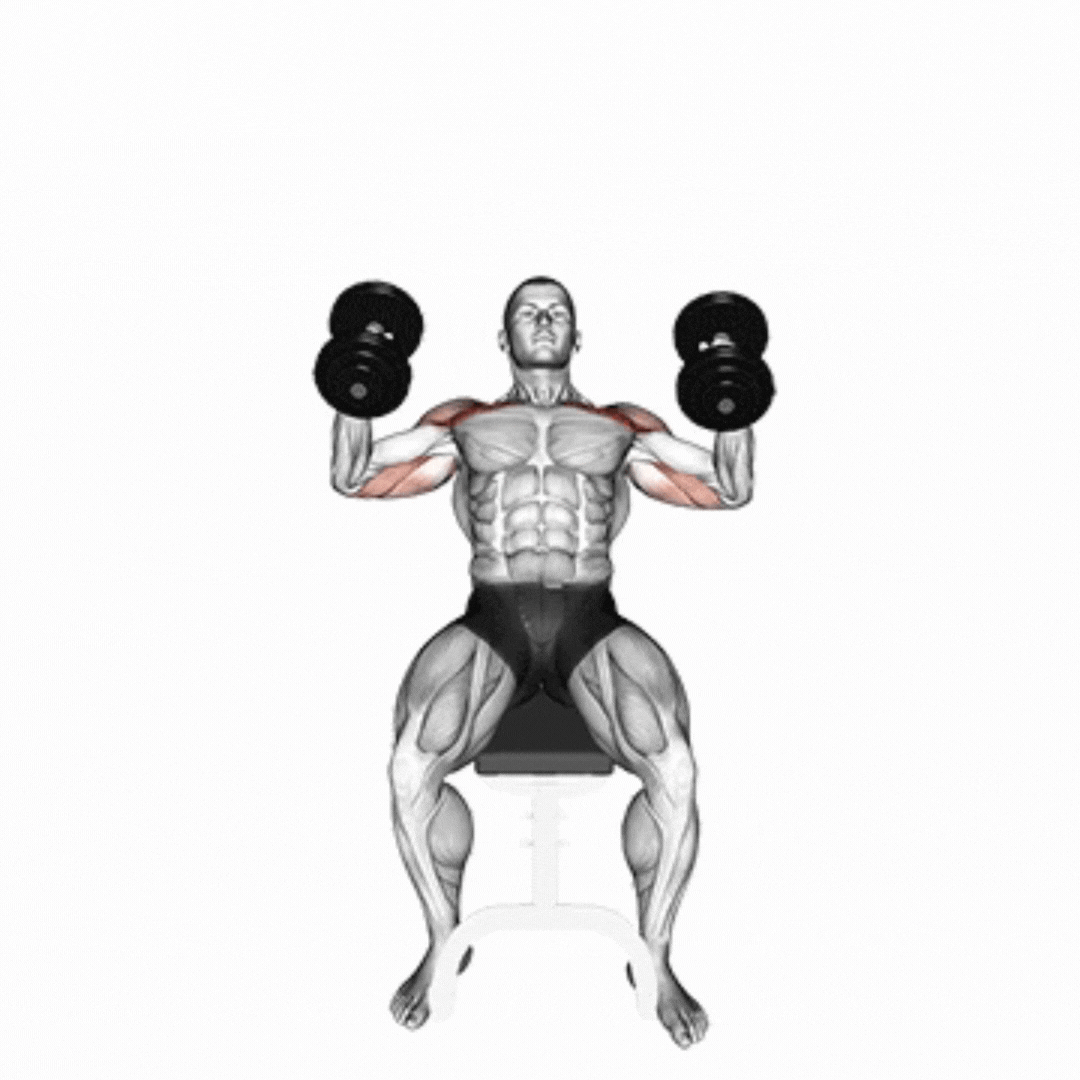
Incline Dumbbell Fly

Incline Dumbbell Fly

Upper Chest

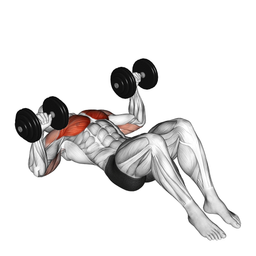
Decline Dumbbell Fly

Decline Dumbbell Fly

Lower Chest

Cable Low Fly

Cable Low Fly

Upper Chest

Single Arm Cable Crossover

Single Arm Cable Crossover

Lower Chest

Cable Middle Fly

Cable Middle Fly

Lower Chest

Exercise Information

DifficultyBeginner
Movement TypeCompound
FocusHypertrophy
Injury RiskLow
Set3-5
Reps8-12
Rest90 seconds
Tempo2-0-2-0
Spotter RequiredNo
Home / Gym
NoYes
Effectiveness4.2 / 5
Popularity6.8 / 10
Learning DifficultyEasy

Equipment

cablemachine

Primary Muscles

Chest

Secondary Muscles

ShouldersTriceps

Benefits

  • ✓Works the chest muscles with constant tension
  • ✓Requires no stabilization, allowing for pure muscle development
  • ✓Provides continuous resistance throughout the entire range of motion
  • ✓Is a shoulder-friendly bench press variation

Goals

Muscle GainStrength
Back to All Exercises
Seated Cable Chest Press
Animation

Description

Seated Cable Chest Press is a cable chest press exercise performed in a seated position. The fixed seating position reduces the risk of lower back issues and makes the movement more controllable. Cable resistance provides constant tension throughout the range of motion. It works the chest, triceps, and front deltoid muscles. It is suitable for both strength and hypertrophy training. Thanks to the machine, no spotter is needed, and it is safe for testing maximum weight.

Step-by-Step Instructions

  1. 1

    Sit on the cable machine and place your feet flat on the floor

  2. 2

    Position your arms on the machine handles and keep your shoulders relaxed

  3. 3

    Take a deep breath in and exhale as you push your arms forward

  4. 4

    Squeeze your chest muscles before fully locking out your arms

  5. 5

    Return to the starting position in a controlled manner and inhale

  6. 6

    Keep your back pressed against the back support throughout the movement and avoid raising your shoulders

Key Points

  • ✓Adjust the machine seat so that the handles are at chest height
  • ✓Press your back fully against the back support
  • ✓Keep your elbows at a 45-degree angle, close to your body
  • ✓Fully contract the chest muscles as you push your arms forward
  • ✓Do not fully lock out your arms at the end of the movement; keep a slight bend

Common Mistakes

  • ✗Lifting the back away from the support — causes lower back and shoulder pain
  • ✗Flaring the elbows out too wide — places stress on the shoulder joint
  • ✗Moving too quickly — reduces muscle development
  • ✗Not performing the full range of motion — limits muscle development
  • ✗Using too much weight — loss of proper form

Breathing

Inhale deeply as you pull your arms back, and exhale forcefully as you push them forward.

Back to All Exercises

Related Exercises

Exercises targeting similar muscle groups

Chest Exercises
Cable Crossover

Cable Crossover

Lower Chest

Incline Dumbbell Fly

Incline Dumbbell Fly

Upper Chest

Decline Dumbbell Fly

Decline Dumbbell Fly

Lower Chest

Cable Low Fly

Cable Low Fly

Upper Chest

Single Arm Cable Crossover

Single Arm Cable Crossover

Lower Chest

Cable Middle Fly

Cable Middle Fly

Lower Chest