BifitBifit
HomeExercisesBecome a Coach
Log In
HOMEEXERCISESBECOME A COACHLOG IN

Language

Legal

Terms of UsePrivacy PolicyDelete Account
BifitBifit

A modern and user-friendly mobile app that makes life easier for fitness enthusiasts. Tracking your workouts and progress is our priority.

Quick Links

  • Home
  • Exercises
  • Become a Coach
  • Download · Google Play
  • Download · App Store

Legal

  • Privacy Policy
  • Terms of Use
  • Support
  • Account Deletion

© 2026 Bifit. All rights reserved.

Designed for a healthy lifestyle

HomeExercisesDecline Push Up

Decline Push Up

Chest
Upper Chest
Advanced
Compound
3-4Set
8-15Reps
60sRest
2-1-2-0Tempo
Decline Push Up
Animation

Description

The Decline Push Up is an advanced variation performed with the feet elevated on a surface (bench, step, or box), placing more load on the upper chest muscles compared to a standard push-up. Because the feet are elevated, the body angle changes, shifting the movement's focus to the upper chest and front deltoids. It intensely activates the upper (clavicular) fibers of the pectoralis major, anterior deltoids, and triceps. It also challenges core stabilization since gravity creates more resistance on the upper body. It is significantly more difficult than a standard push-up and is ideal for advanced athletes. It requires minimal equipment for home workouts (only an elevated surface). When performed regularly, it provides significant improvements in upper chest hypertrophy, shoulder strength, and overall upper body performance.

Step-by-Step Instructions

  1. 1

    Find a sturdy bench, step, or box.

  2. 2

    Place your feet on the elevated surface.

  3. 3

    Place your hands on the floor shoulder-width apart, facing down.

  4. 4

    Keep your body in a straight line from head to toe.

  5. 5

    Engage your core muscles; do not let your lower back sag.

  6. 6

    Lower yourself in a controlled manner by bending your elbows.

  7. 7

    Lower until your chest is close to the floor, keeping your elbows flared at a 45-degree angle.

  8. 8

    Push back up by squeezing your upper chest and triceps.

  9. 9

    Fully extend your arms at the top position.

  10. 10

    The movement becomes harder as the elevation increases.

Key Points

  • ✓A higher foot elevation increases the difficulty (typically 30-60 cm).
  • ✓The body must form a straight line from head to toe.
  • ✓Hands should be shoulder-width apart.
  • ✓The core must be kept tight at all times.
  • ✓Elbows should be tucked at a 45-degree angle.

Common Mistakes

  • ✗Letting the hips sag - indicates poor core control.
  • ✗Using too high of an elevation - places excessive strain on the shoulders.
  • ✗Inadequate range of motion - prevents full muscle activation.
  • ✗Dropping the neck forward - strains the cervical spine.
  • ✗Bench slipping - increases the risk of injury.

Breathing

Inhale as you lower your body, exhale as you push back up.

Muscle Activation

upper chest0%
front delts0%
chest0%
triceps0%
core0%

Safety

Precautions

  • Individuals with acute shoulder injuries should avoid this exercise.
  • Individuals with acute wrist injuries should exercise caution.
  • Individuals with acute lower back pain should pay strict attention to form control.

Safety Tips

  • Master the standard push-up technique first.
  • Increase the elevation gradually.
  • Ensure the bench is stable and non-slip.
  • Warm up your wrists.
  • Stop the exercise if your form breaks down.

Frequently Asked Questions

Which muscles does Decline Push Up work?

Decline Push Up primarily works these muscles: Üst Göğüs. It also engages: Triceps, Ön Omuz, Core kasları.

Is Decline Push Up suitable for beginners?

Decline Push Up is a Advanced level exercise. Learning difficulty: Moderate.

Can Decline Push Up be done at home?

Yes, Decline Push Up can easily be done at home.

What are common mistakes when doing Decline Push Up?

One of the most common mistakes: Letting the hips sag - indicates poor core control.

How many sets and reps for Decline Push Up?

Recommended: 3-4 sets and 8-15 reps.
Related Exercises

Exercises targeting similar muscle groups

Chest Exercises
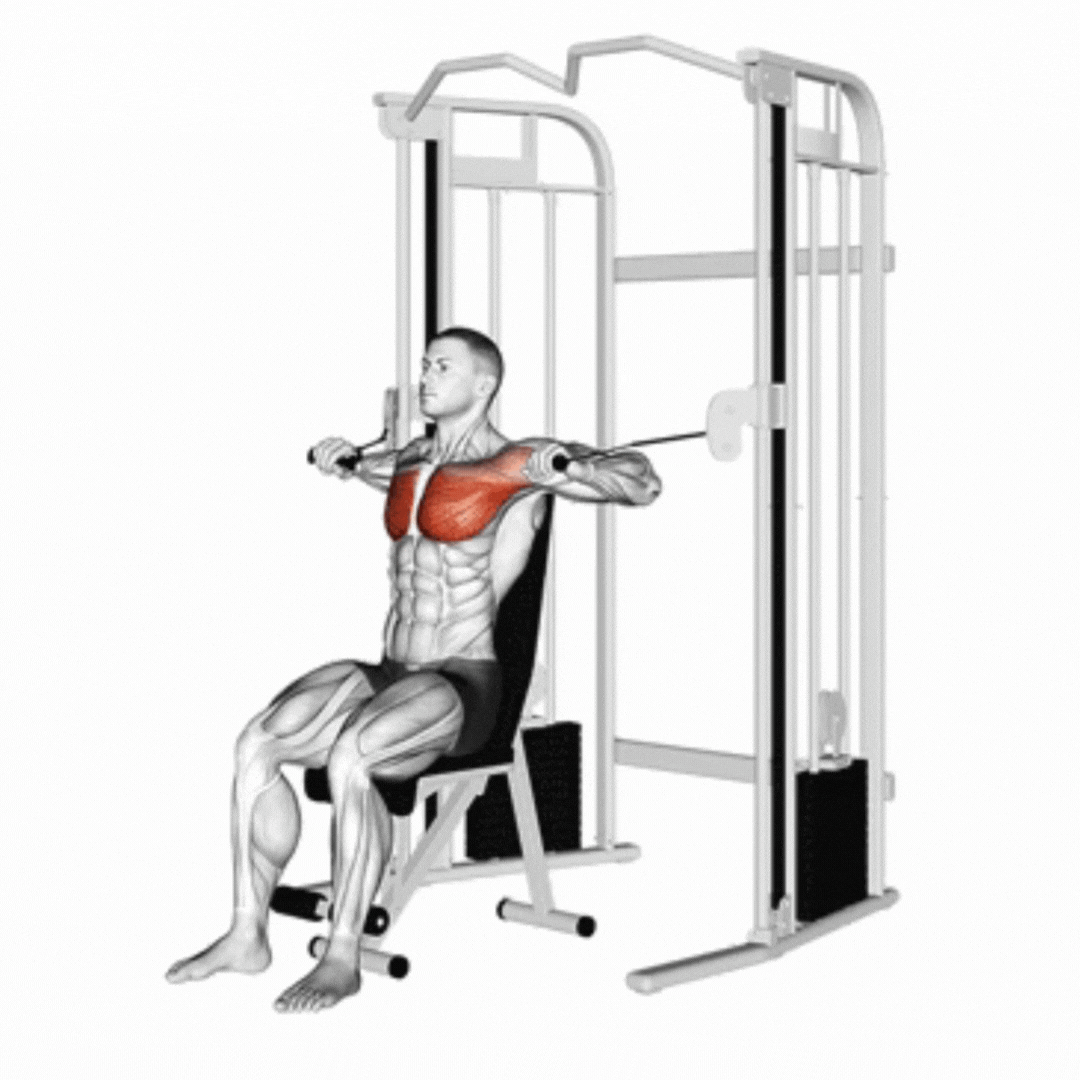
Cable Crossover

Cable Crossover

Lower Chest

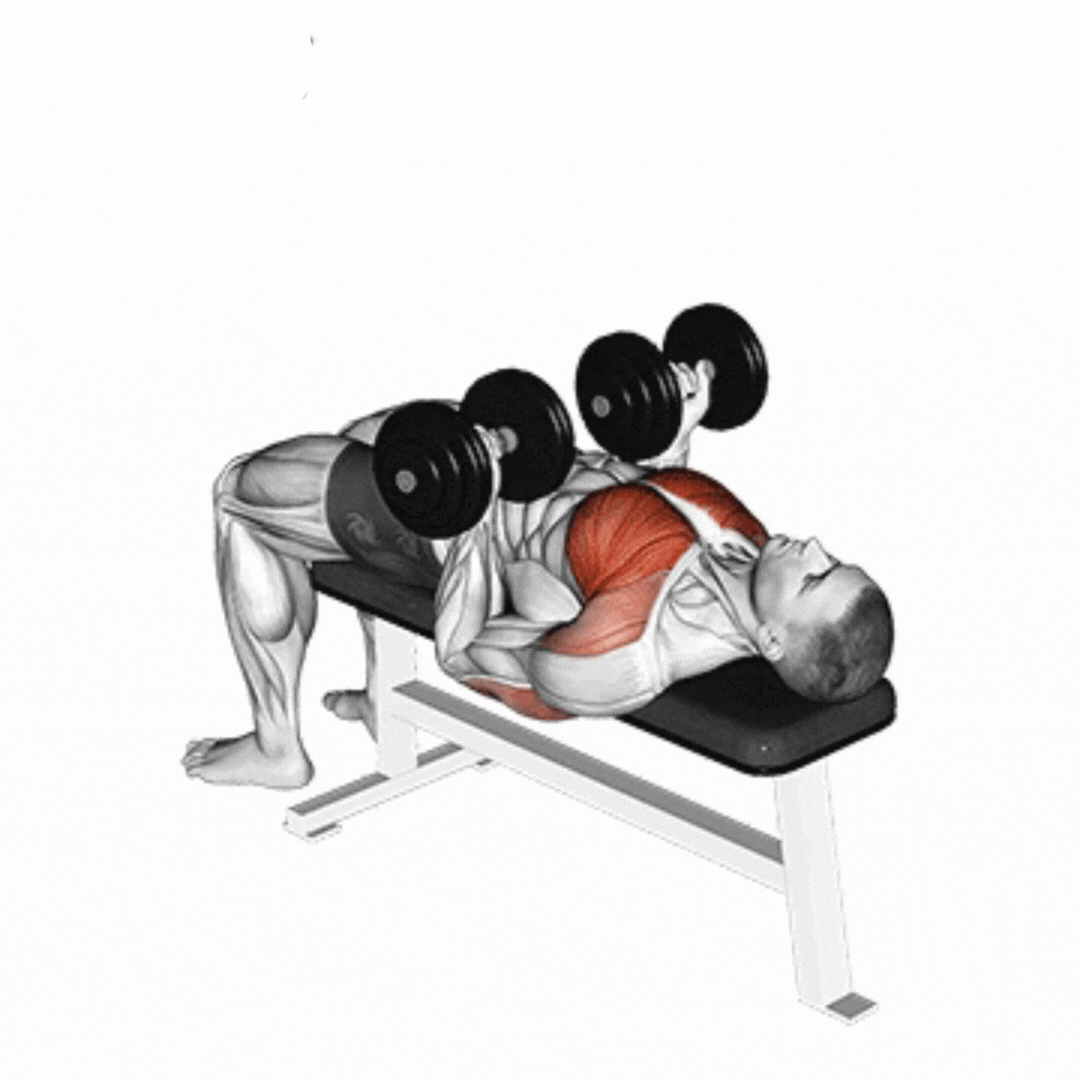
Incline Dumbbell Fly

Incline Dumbbell Fly

Upper Chest

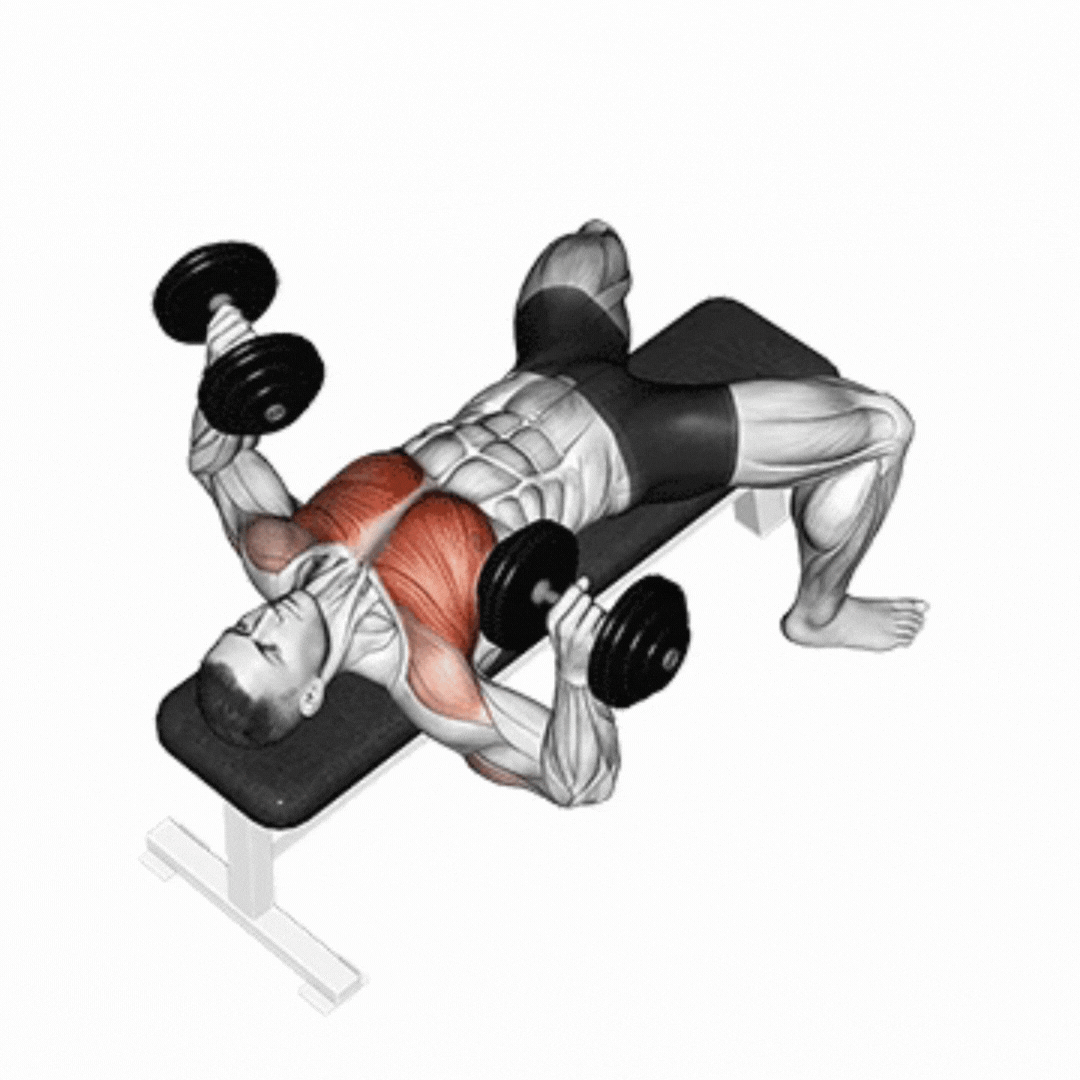
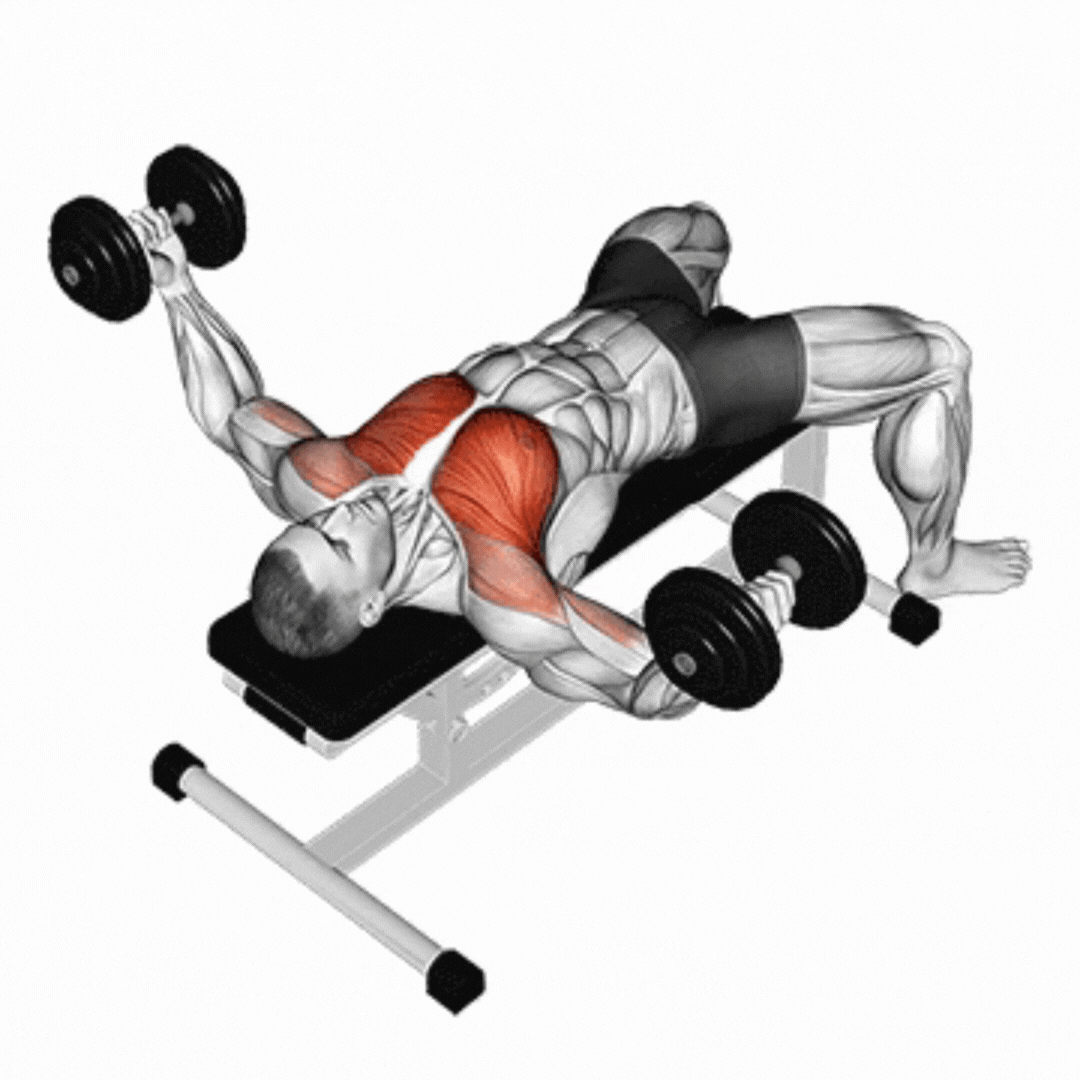
Decline Dumbbell Fly

Decline Dumbbell Fly

Lower Chest

Cable Low Fly

Cable Low Fly

Upper Chest

Single Arm Cable Crossover

Single Arm Cable Crossover

Lower Chest

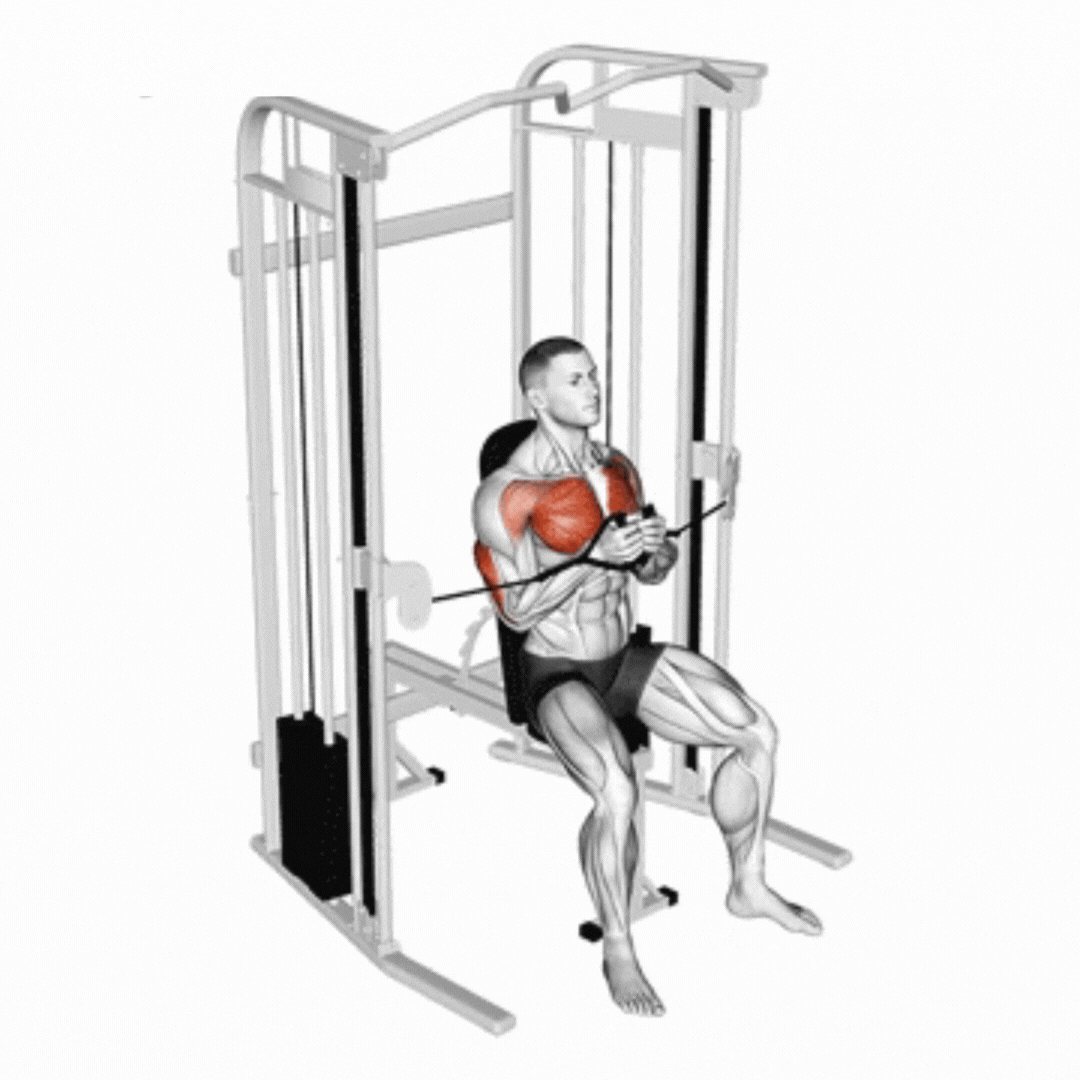
Cable Middle Fly

Cable Middle Fly

Lower Chest

Exercise Information

DifficultyAdvanced
Movement TypeCompound
FocusHypertrophy
Injury RiskMedium
Set3-4
Reps8-15
Rest60 seconds
Tempo2-1-2-0
Spotter RequiredNo
Home / Gym
YesYes
Effectiveness4.1 / 5
Popularity7.5 / 10
Learning DifficultyModerate

Equipment

bodyweightbench

Primary Muscles

Üst Göğüs

Secondary Muscles

TricepsÖn OmuzCore kasları

Benefits

  • ✓Intensely targets the upper chest muscles.
  • ✓More challenging than a standard push-up.
  • ✓Increases anterior deltoid activation.
  • ✓Improves core stabilization.
  • ✓Requires minimal equipment.
  • ✓Increases overall upper body strength.

Goals

Muscle GainStrength
Back to All Exercises
Decline Push Up
Animation

Description

The Decline Push Up is an advanced variation performed with the feet elevated on a surface (bench, step, or box), placing more load on the upper chest muscles compared to a standard push-up. Because the feet are elevated, the body angle changes, shifting the movement's focus to the upper chest and front deltoids. It intensely activates the upper (clavicular) fibers of the pectoralis major, anterior deltoids, and triceps. It also challenges core stabilization since gravity creates more resistance on the upper body. It is significantly more difficult than a standard push-up and is ideal for advanced athletes. It requires minimal equipment for home workouts (only an elevated surface). When performed regularly, it provides significant improvements in upper chest hypertrophy, shoulder strength, and overall upper body performance.

Step-by-Step Instructions

  1. 1

    Find a sturdy bench, step, or box.

  2. 2

    Place your feet on the elevated surface.

  3. 3

    Place your hands on the floor shoulder-width apart, facing down.

  4. 4

    Keep your body in a straight line from head to toe.

  5. 5

    Engage your core muscles; do not let your lower back sag.

  6. 6

    Lower yourself in a controlled manner by bending your elbows.

  7. 7

    Lower until your chest is close to the floor, keeping your elbows flared at a 45-degree angle.

  8. 8

    Push back up by squeezing your upper chest and triceps.

  9. 9

    Fully extend your arms at the top position.

  10. 10

    The movement becomes harder as the elevation increases.

Key Points

  • ✓A higher foot elevation increases the difficulty (typically 30-60 cm).
  • ✓The body must form a straight line from head to toe.
  • ✓Hands should be shoulder-width apart.
  • ✓The core must be kept tight at all times.
  • ✓Elbows should be tucked at a 45-degree angle.

Common Mistakes

  • ✗Letting the hips sag - indicates poor core control.
  • ✗Using too high of an elevation - places excessive strain on the shoulders.
  • ✗Inadequate range of motion - prevents full muscle activation.
  • ✗Dropping the neck forward - strains the cervical spine.
  • ✗Bench slipping - increases the risk of injury.

Breathing

Inhale as you lower your body, exhale as you push back up.

Back to All Exercises

Related Exercises

Exercises targeting similar muscle groups

Chest Exercises
Cable Crossover

Cable Crossover

Lower Chest

Incline Dumbbell Fly

Incline Dumbbell Fly

Upper Chest

Decline Dumbbell Fly

Decline Dumbbell Fly

Lower Chest

Cable Low Fly

Cable Low Fly

Upper Chest

Single Arm Cable Crossover

Single Arm Cable Crossover

Lower Chest

Cable Middle Fly

Cable Middle Fly

Lower Chest