.gif)
Description
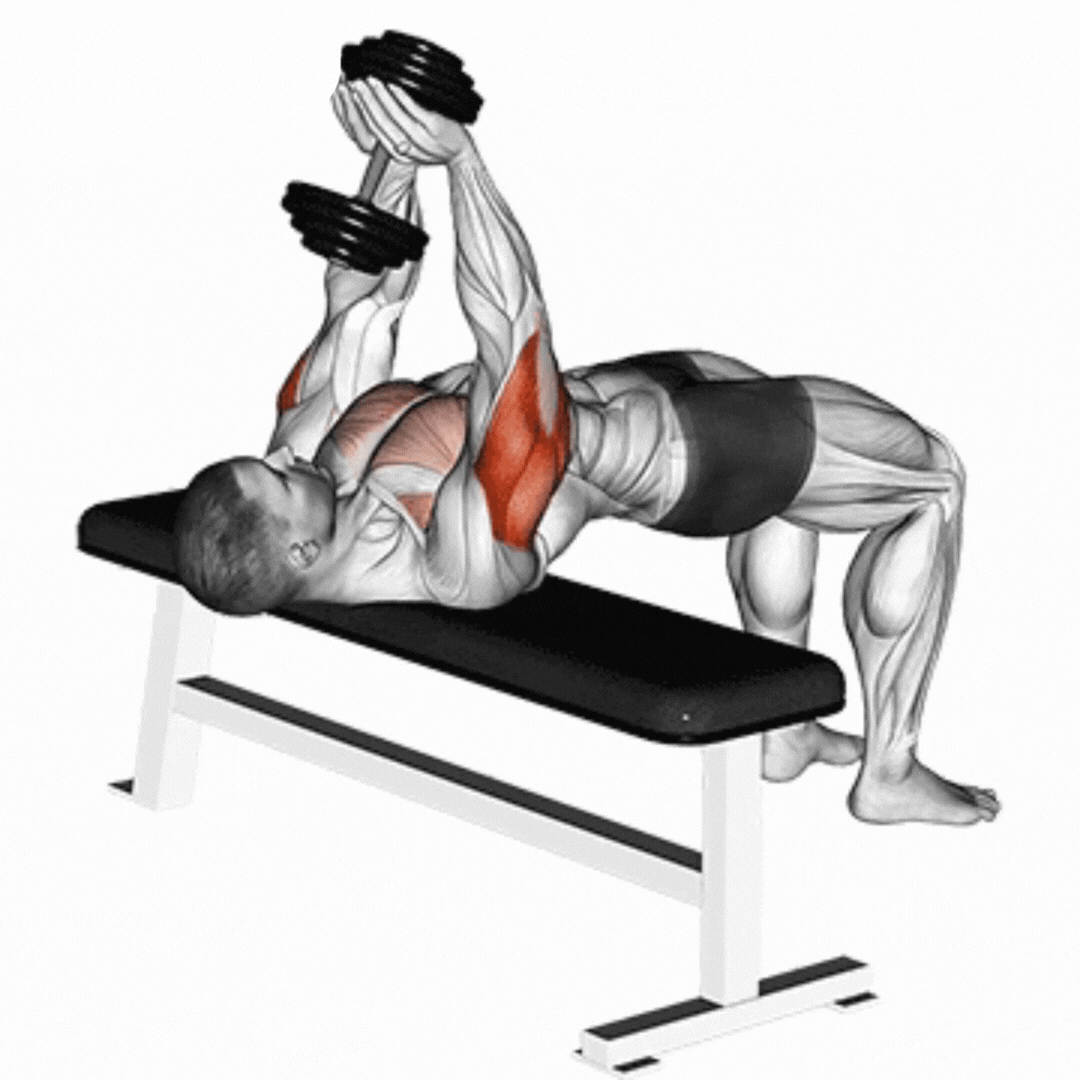
Dumbbell Pullover is a unique upper body movement performed with a single dumbbell on a bench. This exercise works the chest muscles, back muscles (latissimus dorsi), and serratus anterior together. It helps expand the rib cage and adds overall volume to the upper body. Thanks to its wide range of motion, the chest and back muscles experience a deep stretch and contraction. It is particularly preferred as a complementary movement at the end of chest workouts. It is a functional exercise due to its ability to increase flexibility and target multiple muscle groups.
Dumbbell Pullover How-To Guide
- 1
Lie supine on a flat bench or position yourself crosswise on the bench with your upper back resting on it, your hips slightly below bench level
- 2
Grasp a single dumbbell with both hands, palms facing the inner side of the dumbbell plate, and keep your arms slightly bent above your chest
- 3
While inhaling, lower the dumbbell in a controlled manner toward the back of your head, keeping the elbow angle fixed
- 4
Stop at the point where you feel a deep stretch in your chest and back muscles
- 5
While exhaling, bring the dumbbell back above your chest with the same arcing movement and squeeze your chest muscles
- 6
Do not allow excessive arching in your lower back region, keep your core muscles active
Key Points
- ✓Lie crosswise on top of the bench, only shoulders should be on top
- ✓Keep hips slightly below bench level, back should be flat
- ✓Grasp the dumbbell from the top with both hands
- ✓Bend elbows slightly and lower in a controlled manner behind your head
- ✓Feel the stretch in the upper chest and back
Common Mistakes
- ✗Lifting the hips too high - reduces effectiveness of the movement
- ✗Bending the elbows too much - turns into a triceps exercise
- ✗Lowering the weight too far back - increases risk of shoulder injury
- ✗Holding your breath - can lead to dizziness and blood pressure issues
Breathing
Take a deep breath while lowering the dumbbell behind your head, exhale while lifting upward. Allow the rib cage to expand.
Muscle Activation
Safety
Precautions
- Those with shoulder injuries should be careful
- Those with herniated discs should get doctor approval
- Those with limited rib cage flexibility should be careful
- Those experiencing shortness of breath should be careful
Safety Tips
- Start with light weights
- Do not overextend your lower back
- Keep abdominal muscles tight throughout the movement
- Do not fully straighten your arms
Frequently Asked Questions
Which muscles does Dumbbell Pullover work?
Dumbbell Pullover primarily works these muscles: Chest, Lats. It also engages: Triceps, Core.
Is Dumbbell Pullover suitable for beginners?
Dumbbell Pullover is a Intermediate level exercise. Learning difficulty: Moderate.
Can Dumbbell Pullover be done at home?
Yes, Dumbbell Pullover can easily be done at home.
What are common mistakes when doing Dumbbell Pullover?
One of the most common mistakes: Lifting the hips too high - reduces effectiveness of the movement
How many sets and reps for Dumbbell Pullover?
Recommended: 3-4 sets and 10-15 reps.
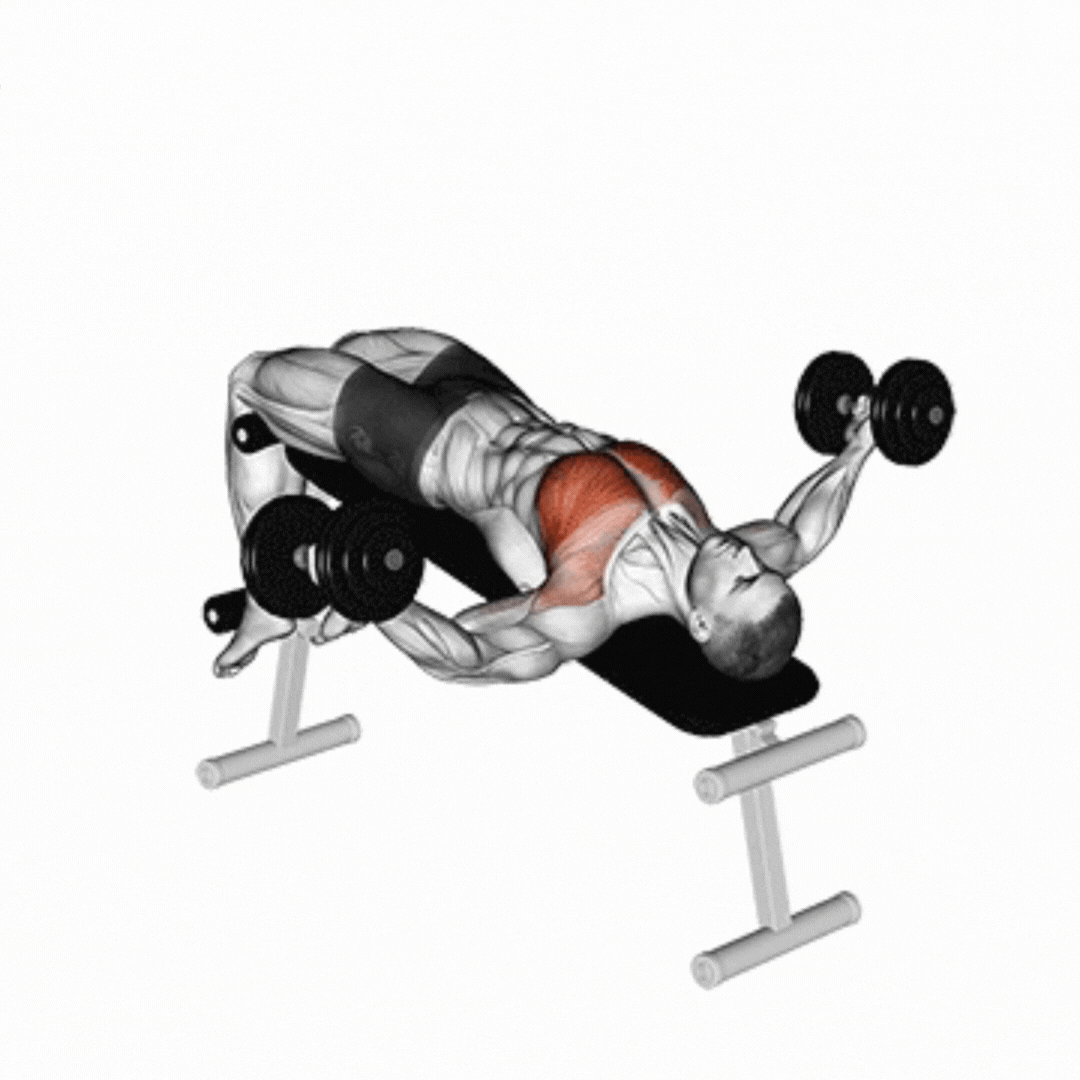
Lower Chest
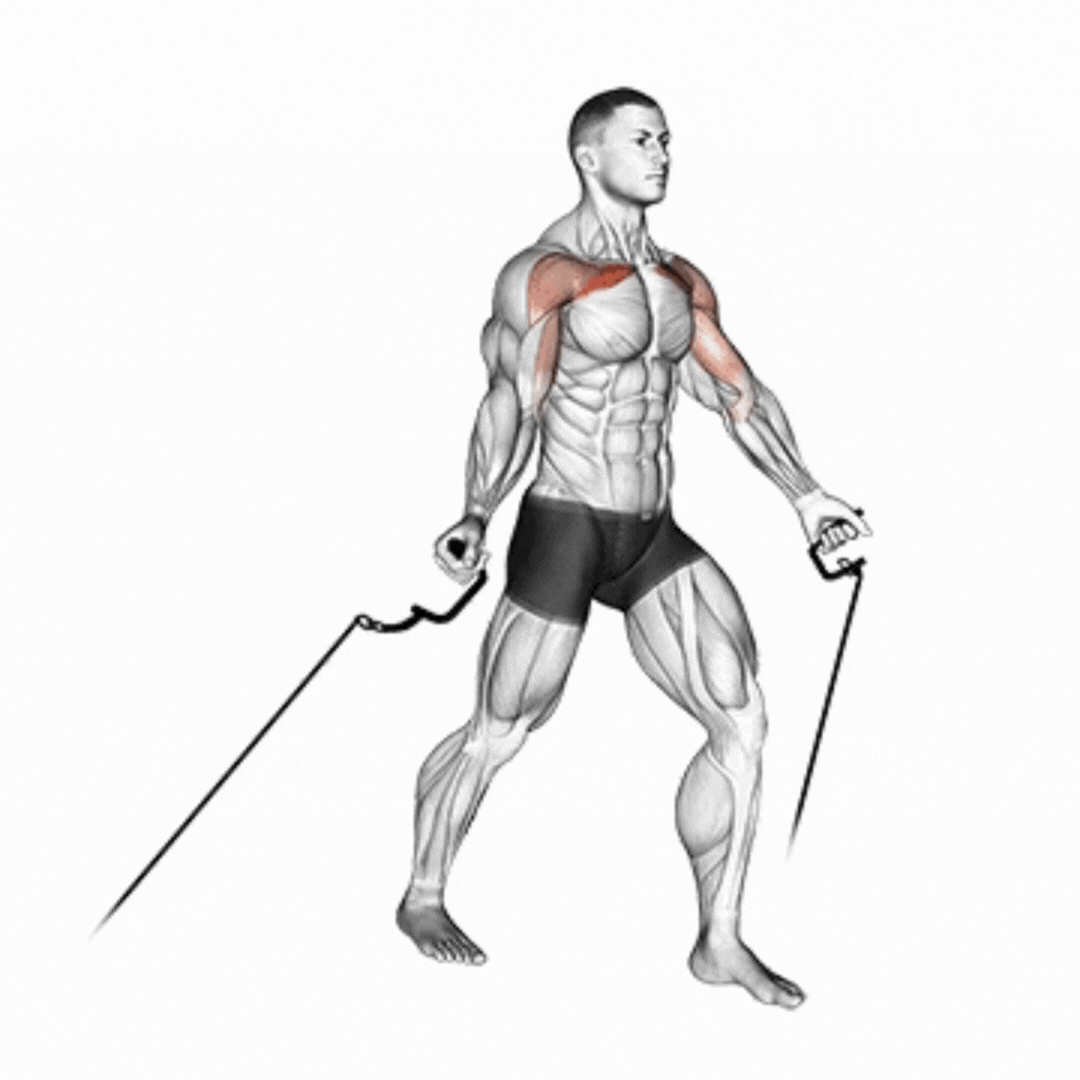
Upper Chest
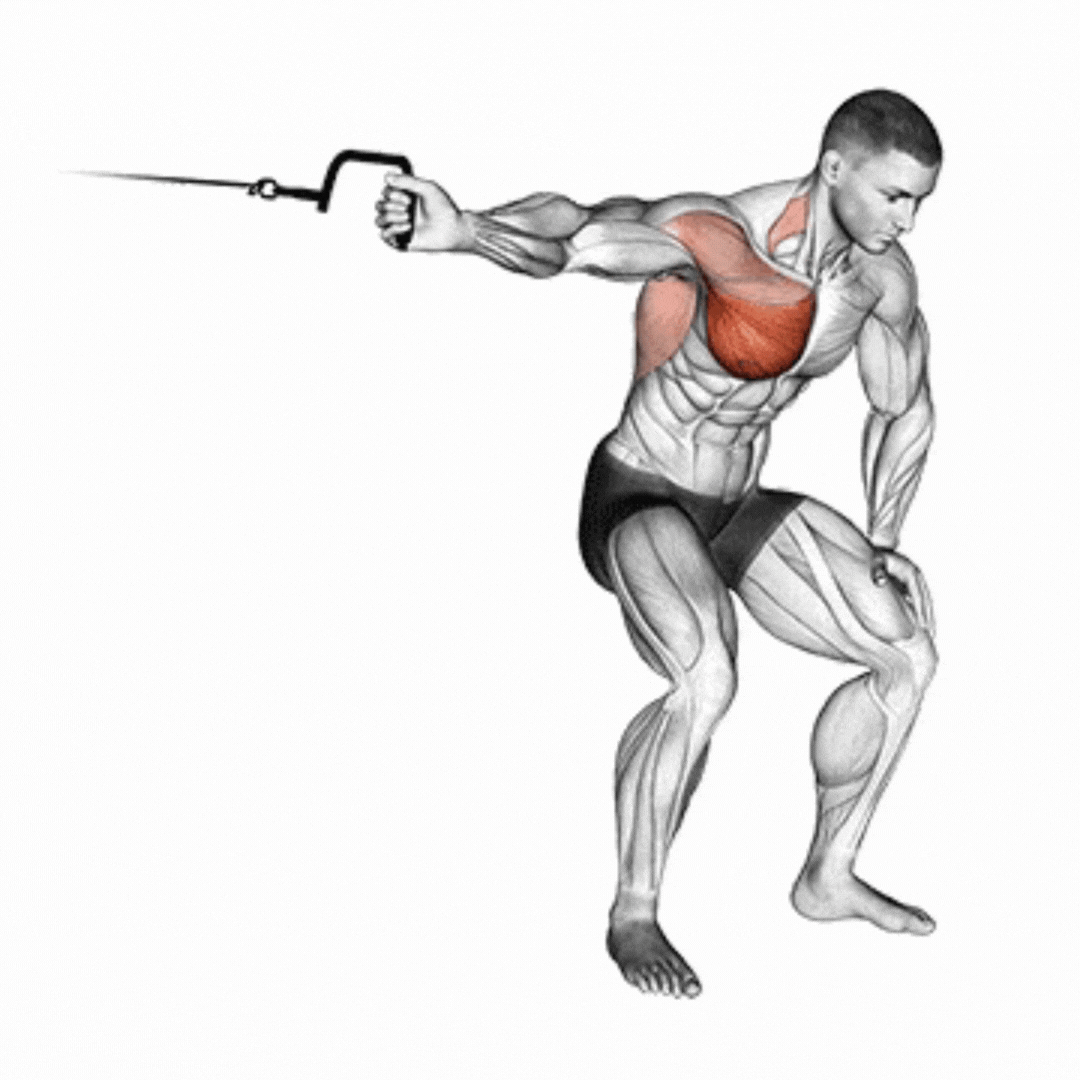
Lower Chest
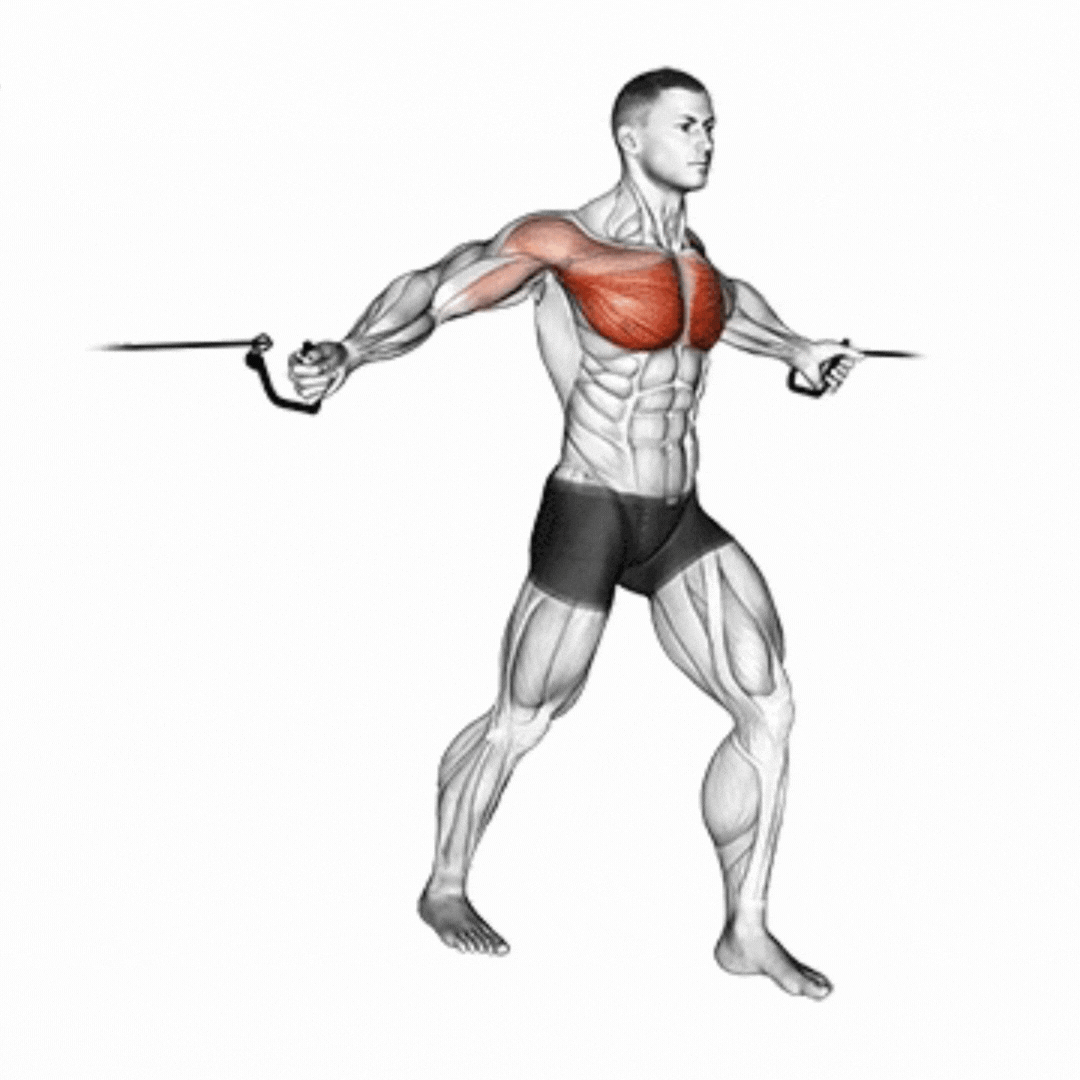
Lower Chest
Lower Chest
Lower Chest
Lower Chest
Lower Chest
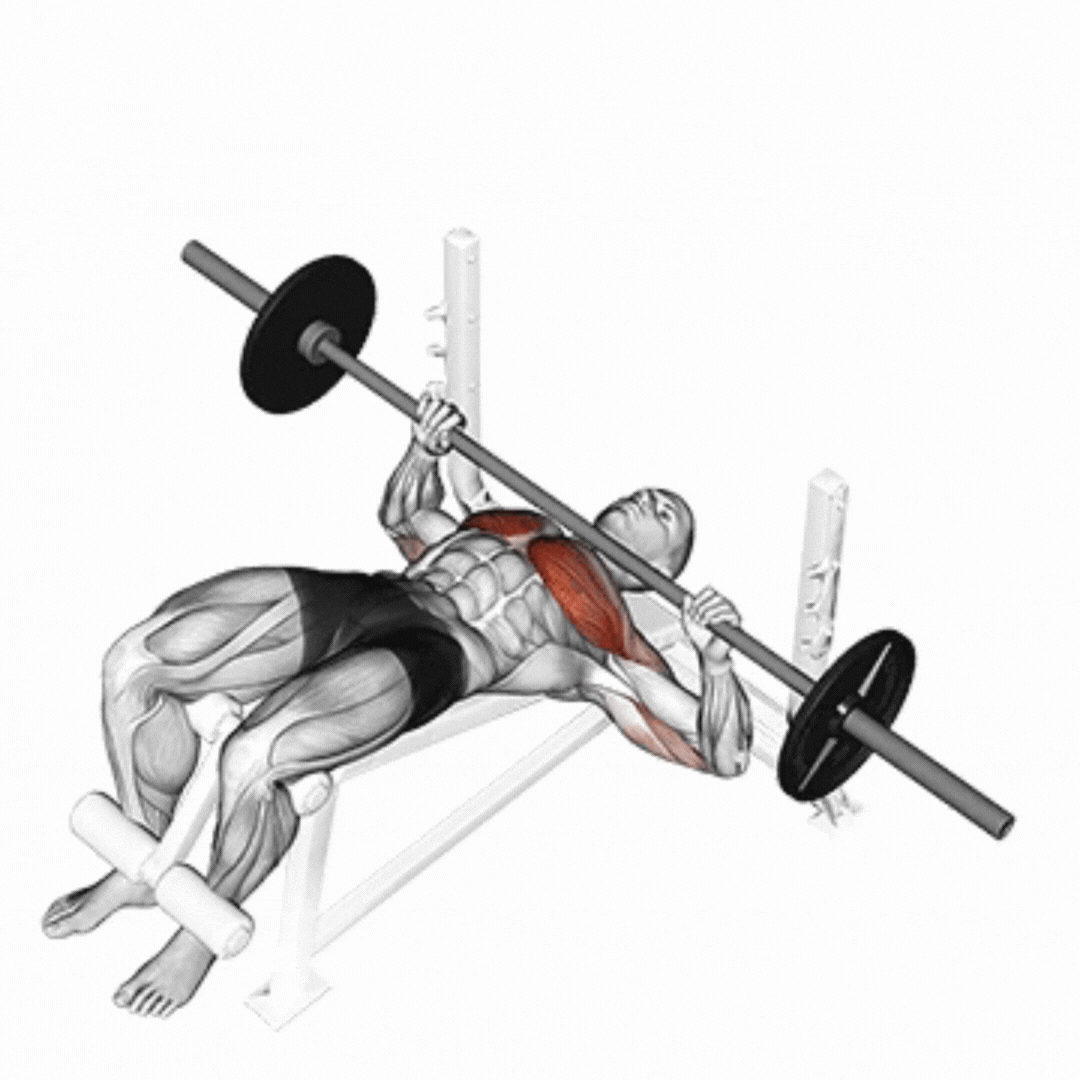
Lower Chest
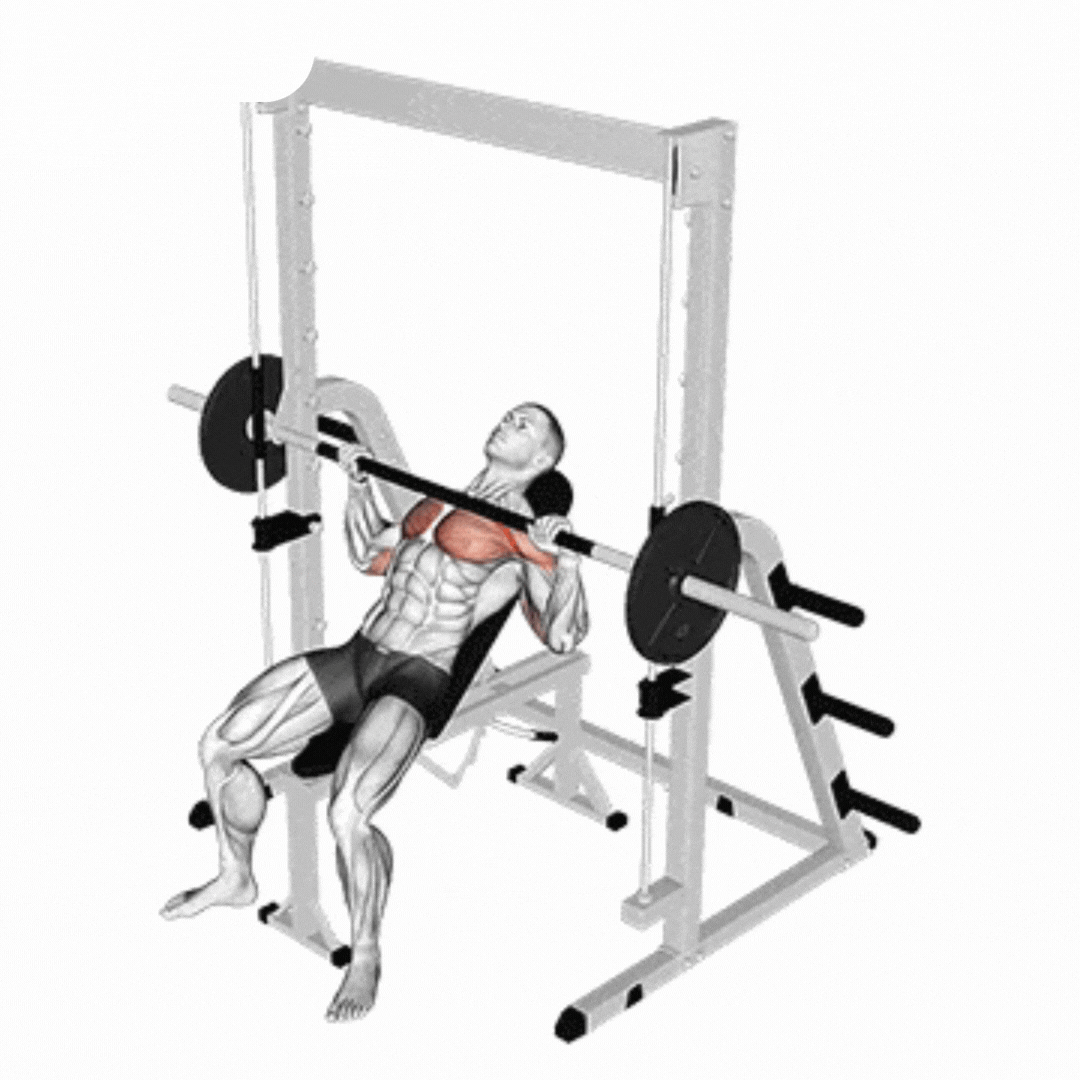
Upper Chest
- ✓Works chest and back muscles simultaneously
- ✓Contributes to posture improvement by expanding the rib cage
- ✓Increases shoulder flexibility and mobility
- ✓Strengthens the serratus anterior muscle