.gif)
Description
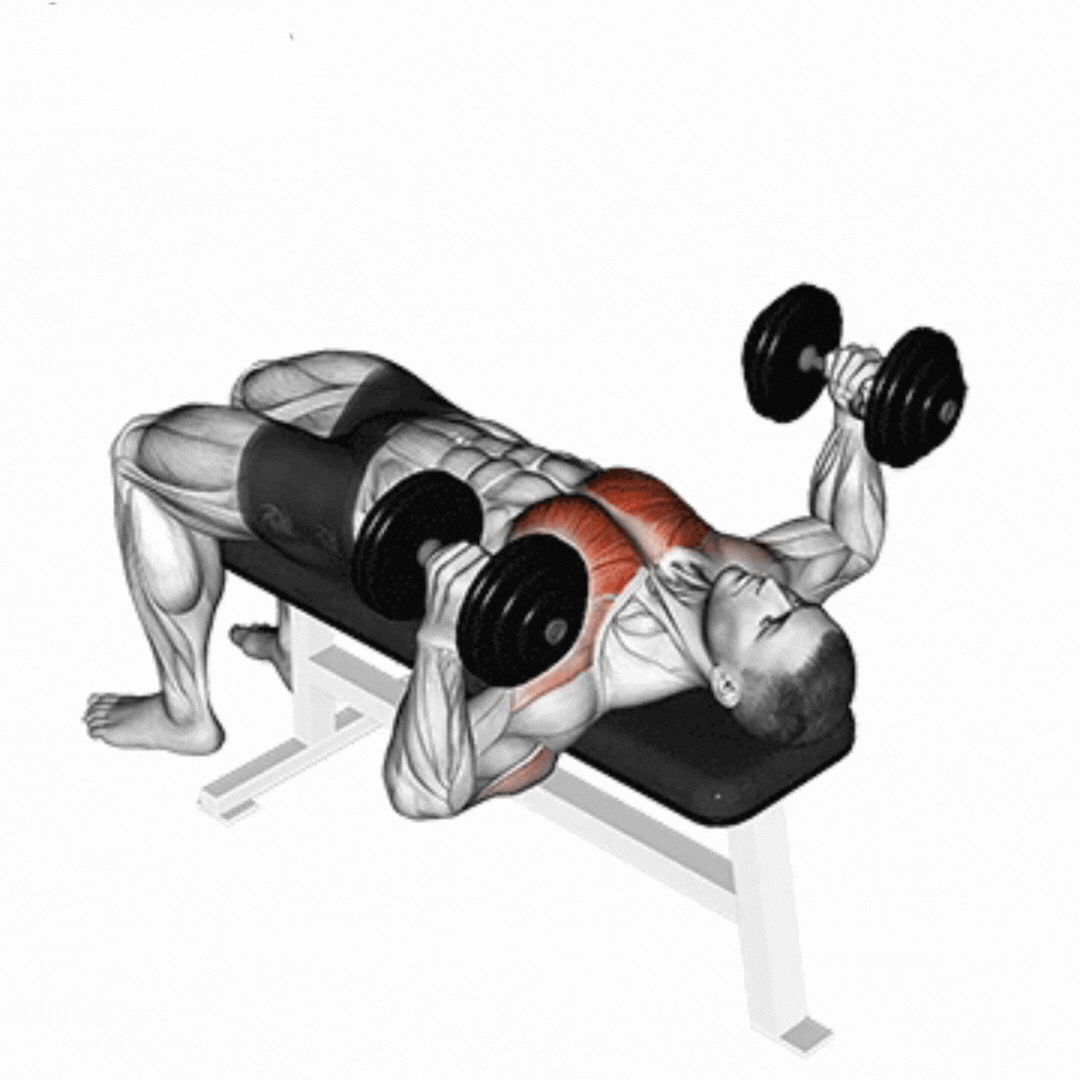
Dumbbell Fly is a classic chest isolation exercise performed with dumbbells on a flat bench. This exercise works the entire chest muscles, specifically targeting the outer and inner regions of the chest. It provides excellent muscle tension by stretching and contracting the chest muscles through a wide range of motion. Unlike compound movements, it minimizes triceps involvement and isolates the chest. In addition to increasing muscle mass, it contributes to shaping and widening the chest muscles. It is a highly effective complementary exercise for intermediate and advanced athletes.
Dumbbell Fly How-To Guide
- 1
Lie flat on your back on the bench, plant your feet firmly on the ground, and hold a dumbbell in each hand
- 2
Lift the dumbbells above your chest with arms slightly bent, palms facing each other
- 3
Inhale and slowly open your arms to the sides, continuing to keep elbows slightly bent
- 4
Lower until you feel the stretch in your chest muscles, avoid going below shoulder level
- 5
Exhale and bring the dumbbells back up in a hugging motion and squeeze the chest
- 6
Keep your elbow angle fixed throughout the movement and manage the weight in a controlled manner
Key Points
- ✓Press your back completely against the flat bench, plant your feet firmly on the ground
- ✓Keep elbows slightly bent and maintain this angle throughout the movement
- ✓When bringing dumbbells together over the chest, palms should face each other
- ✓Pull shoulder sockets downward, shoulders should not rise to ear level
- ✓Feel the tension in chest muscles when opening arms to the sides
Common Mistakes
- ✗Bending elbows too much or opening completely - reduces movement effectiveness
- ✗Lowering weights too much - can lead to shoulder impingement
- ✗Lifting back off the bench - increases lower back injury risk
- ✗Choosing too heavy weight - causes form breakdown and injury
Breathing
Exhale when lifting weights up and bringing them together, inhale deeply when opening to the sides. Avoid holding your breath.
Muscle Activation
Safety
Precautions
- Those with shoulder injuries should be careful
- Get doctor approval if you have rotator cuff problems
- Those with a history of chest muscle tears must get doctor approval
- Those with elbow tendonitis should be careful
Safety Tips
- Don't fully extend arms and overstretch shoulders
- Start with light weights and maintain form
- Keep elbows slightly bent
- Perform the negative phase slowly
Frequently Asked Questions
Which muscles does Dumbbell Fly work?
Dumbbell Fly primarily works these muscles: Chest. It also engages: Shoulders.
Is Dumbbell Fly suitable for beginners?
Dumbbell Fly is a Intermediate level exercise. Learning difficulty: Moderate.
Can Dumbbell Fly be done at home?
Yes, Dumbbell Fly can easily be done at home.
What are common mistakes when doing Dumbbell Fly?
One of the most common mistakes: Bending elbows too much or opening completely - reduces movement effectiveness
How many sets and reps for Dumbbell Fly?
Recommended: 3-4 sets and 10-15 reps.
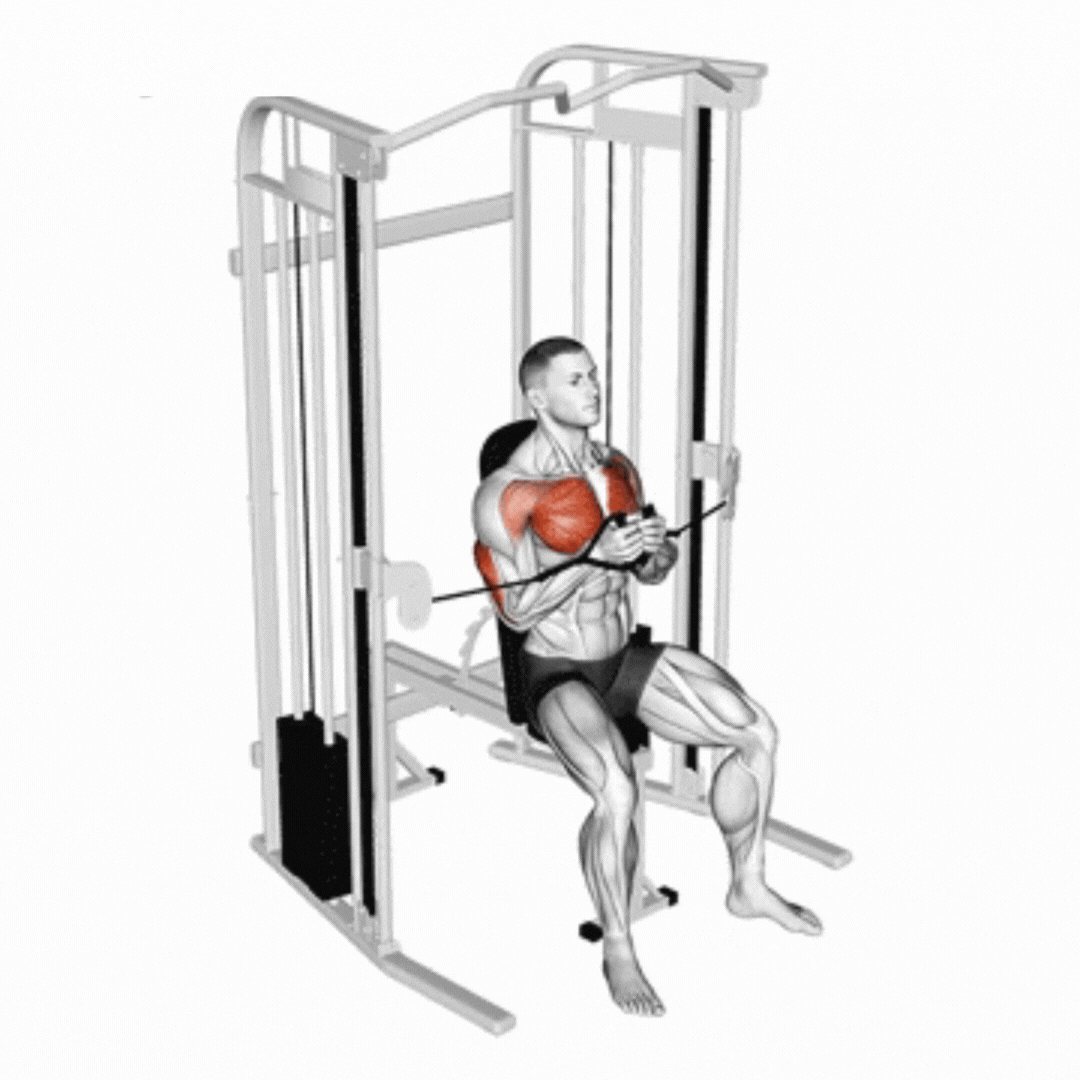
Lower Chest
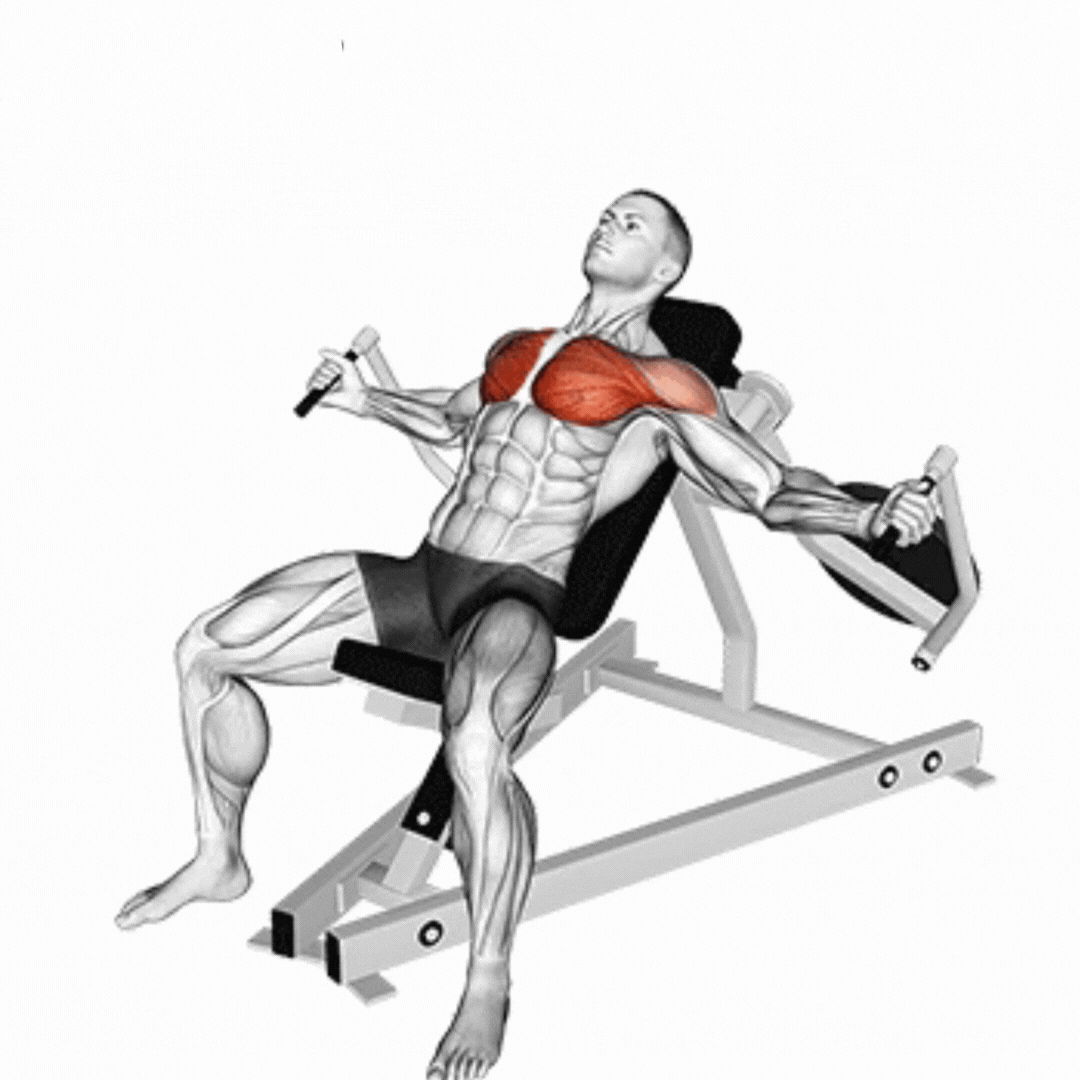
Upper Chest
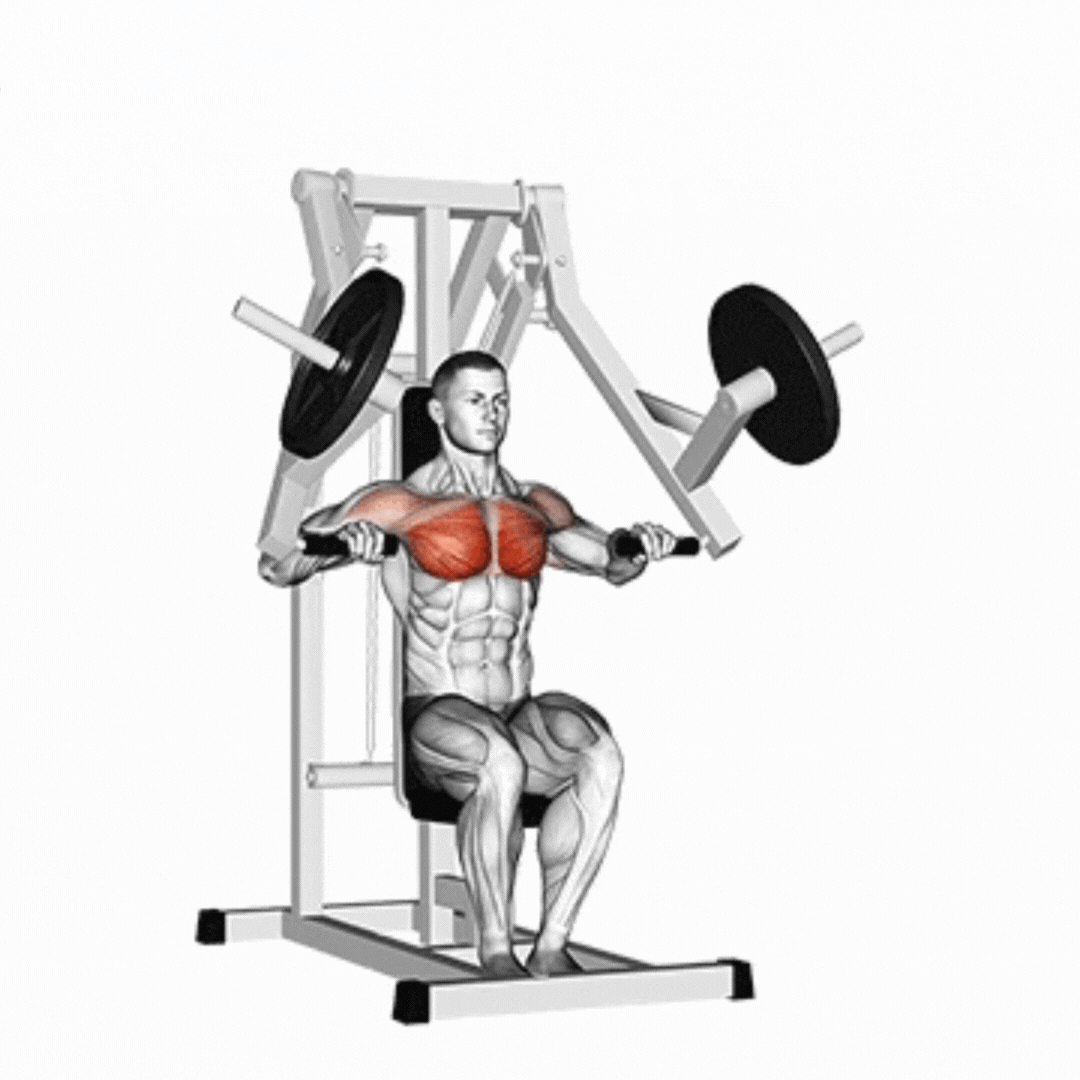
Upper Chest
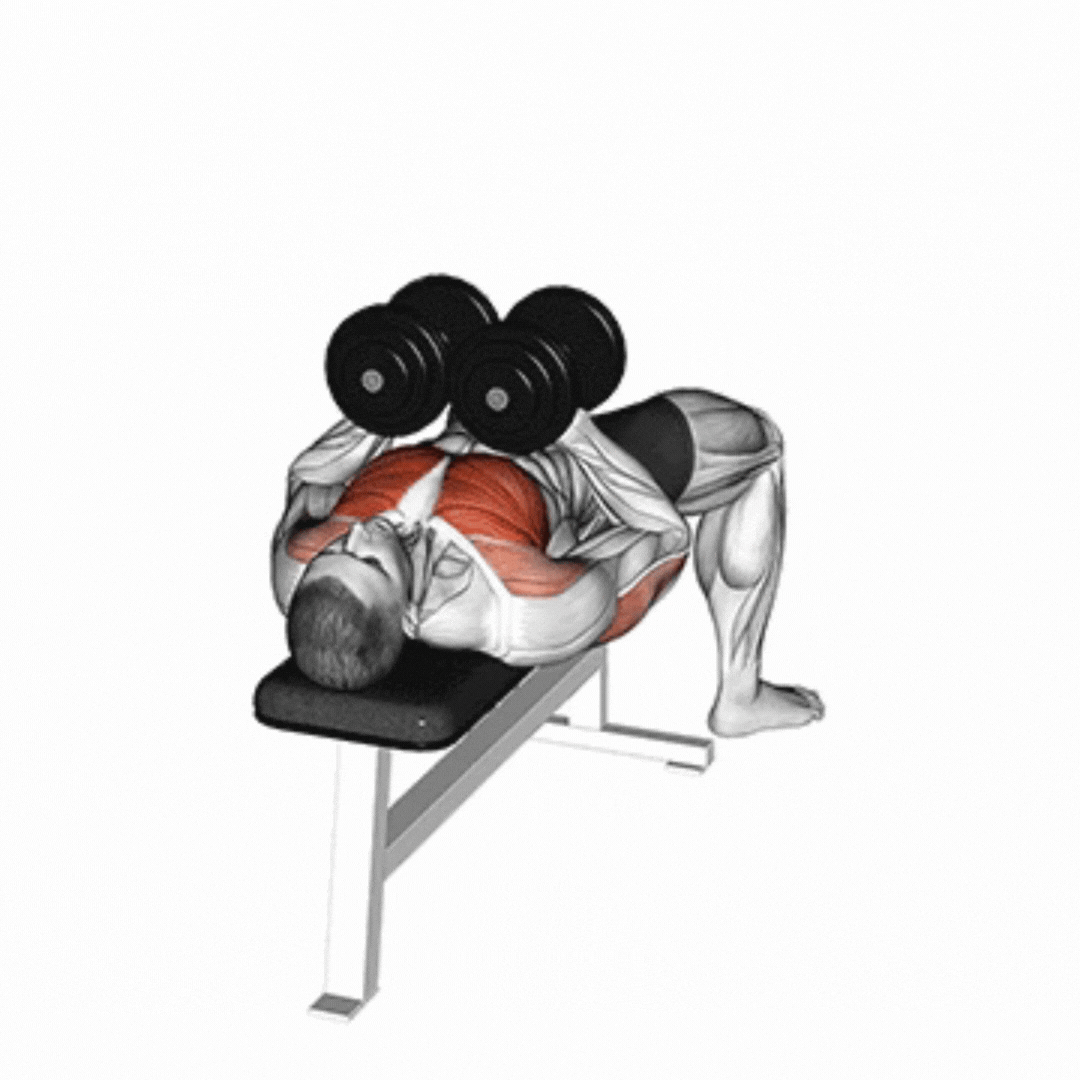
Lower Chest
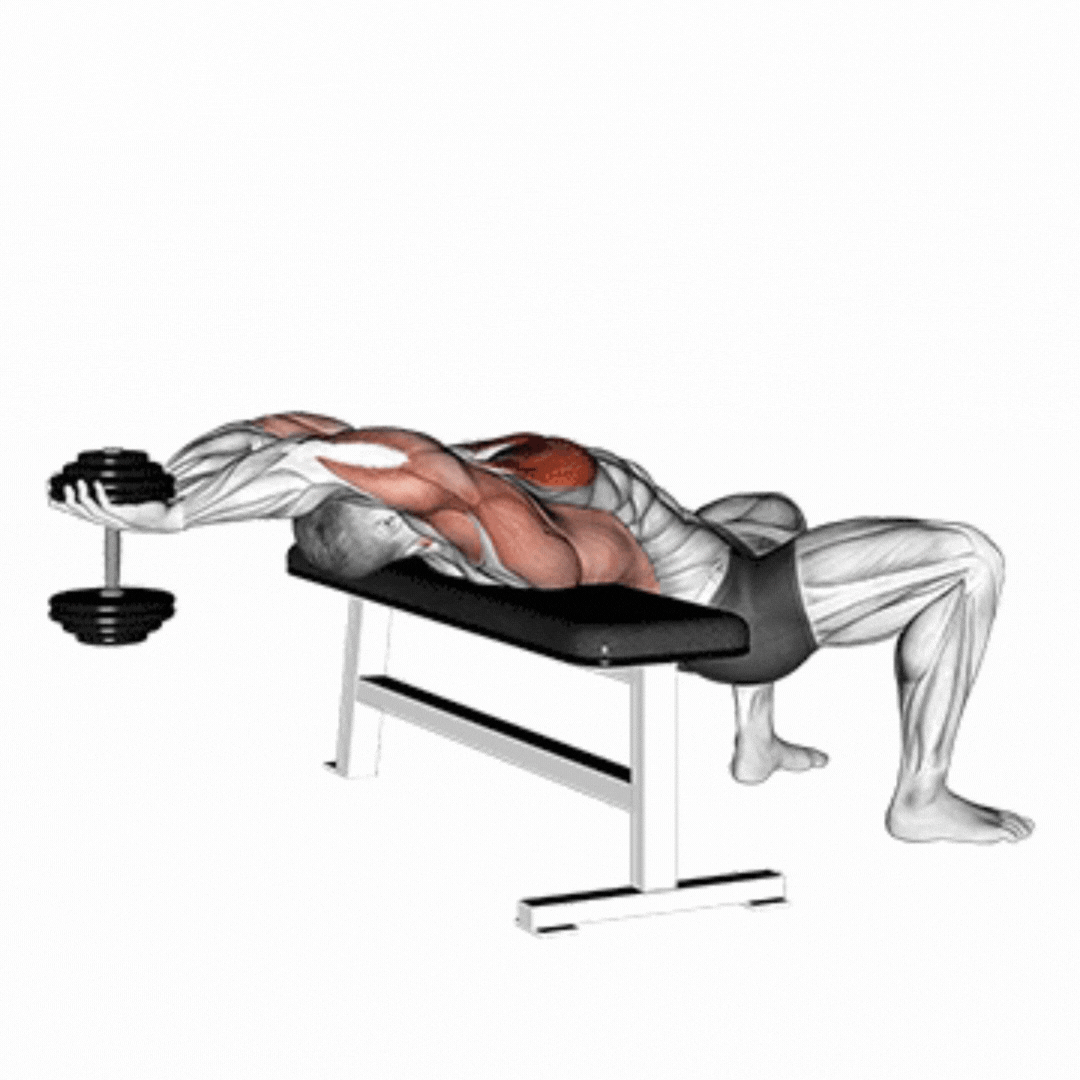
Lower Chest
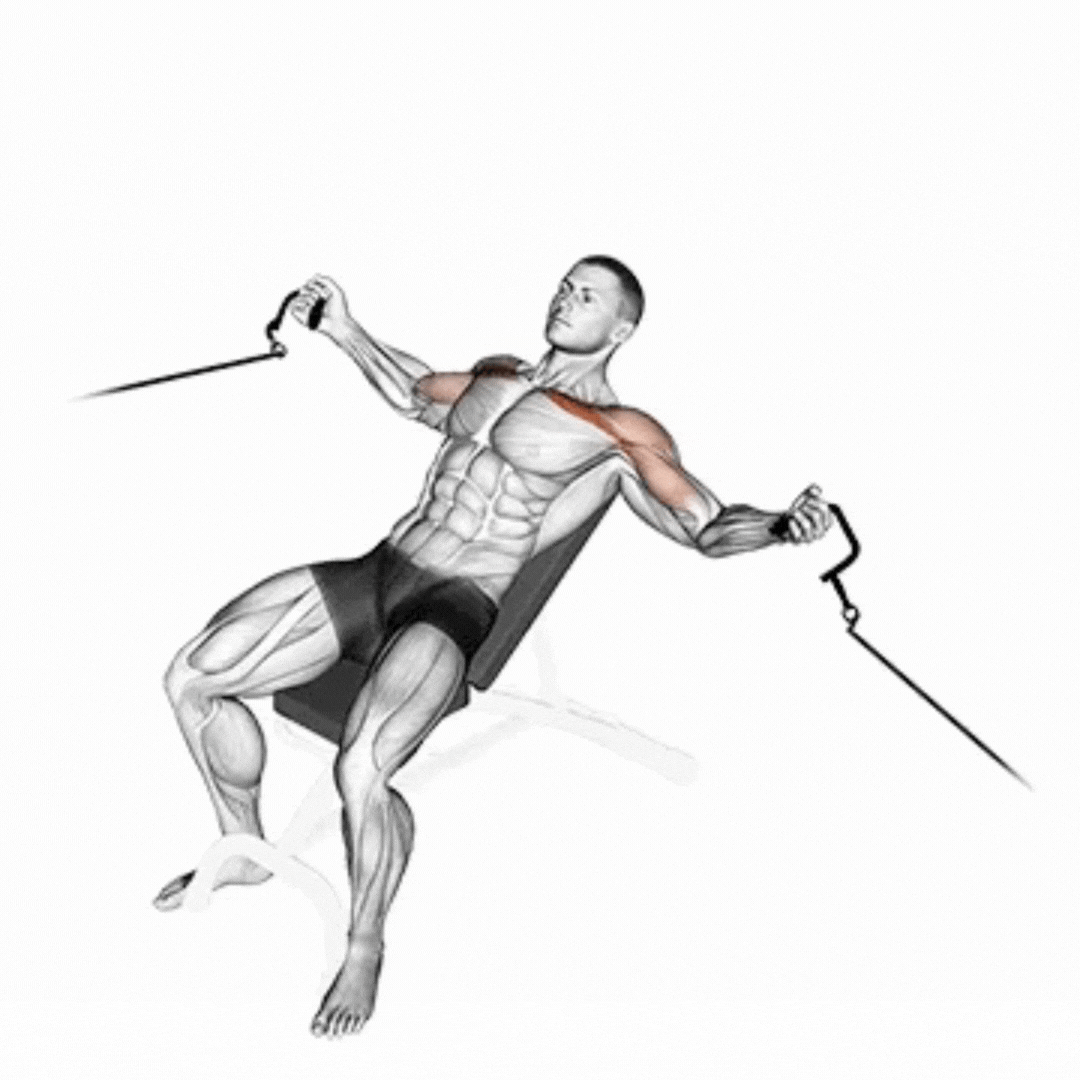
Upper Chest
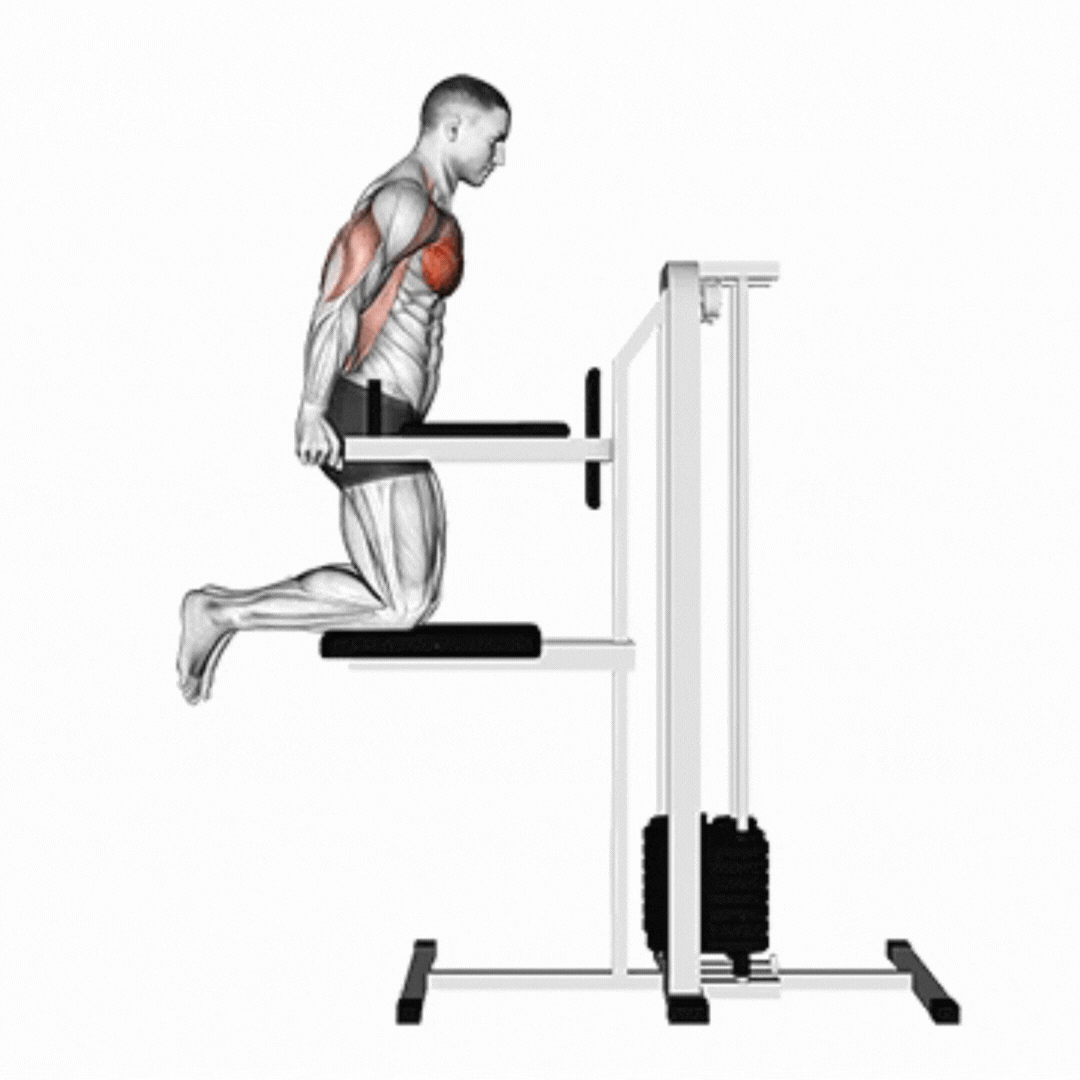
Lower Chest
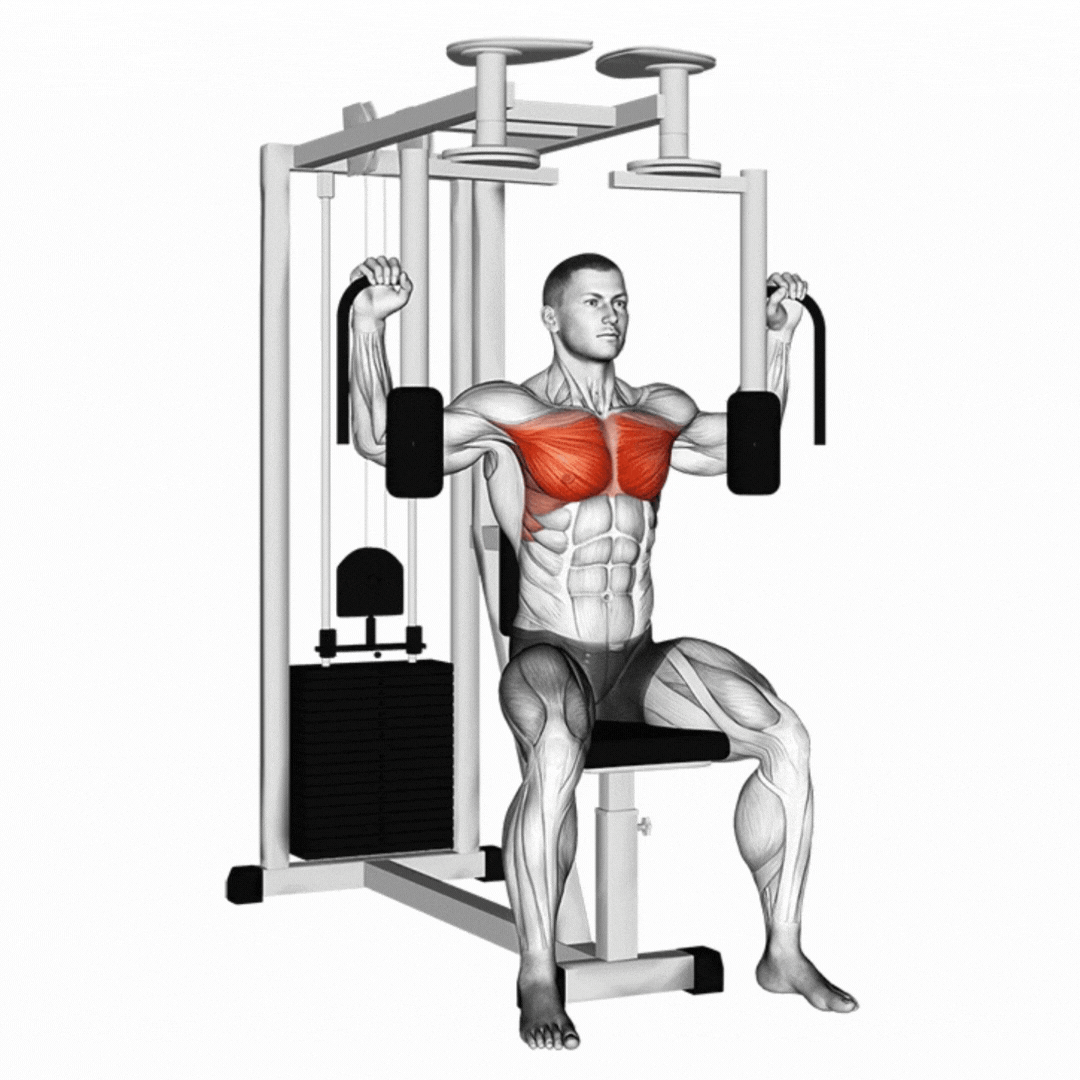
Lower Chest
Lower Chest
Lower Chest
- ✓Stretches and develops chest muscles through a wide range of motion
- ✓Effectively targets inner and outer chest regions
- ✓Increases muscle fiber activation and supports hypertrophy
- ✓Improves shoulder joint stability