.gif)
Description
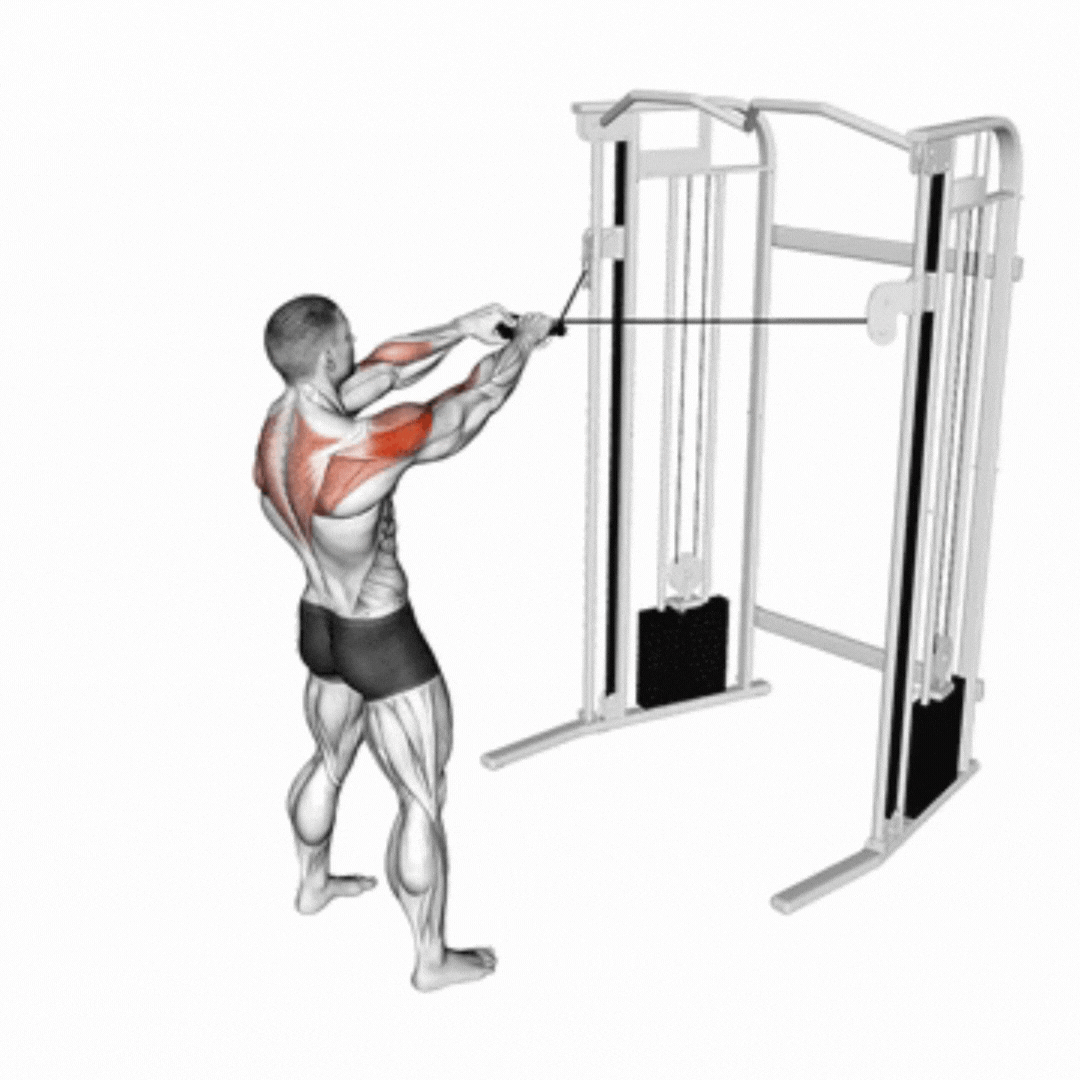
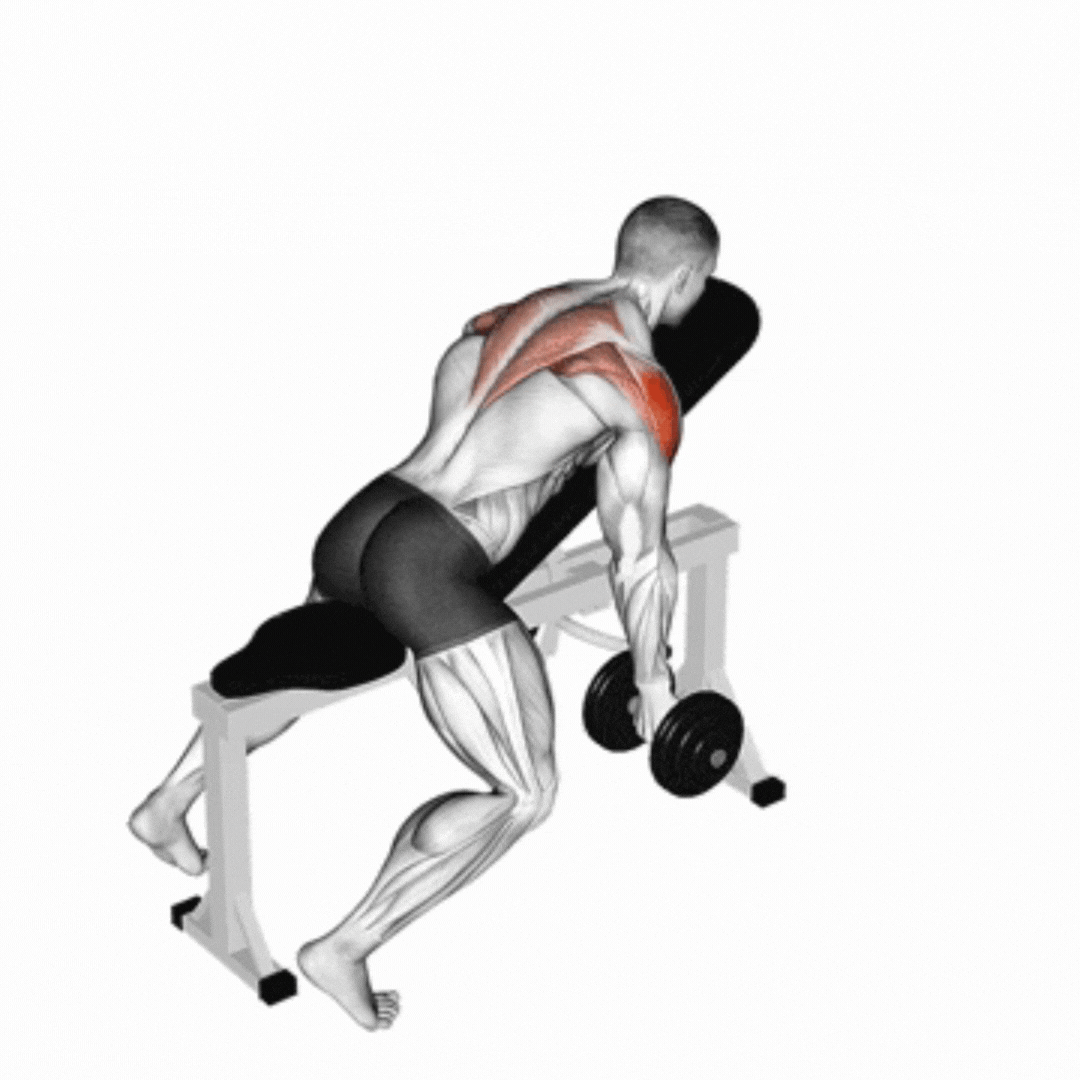
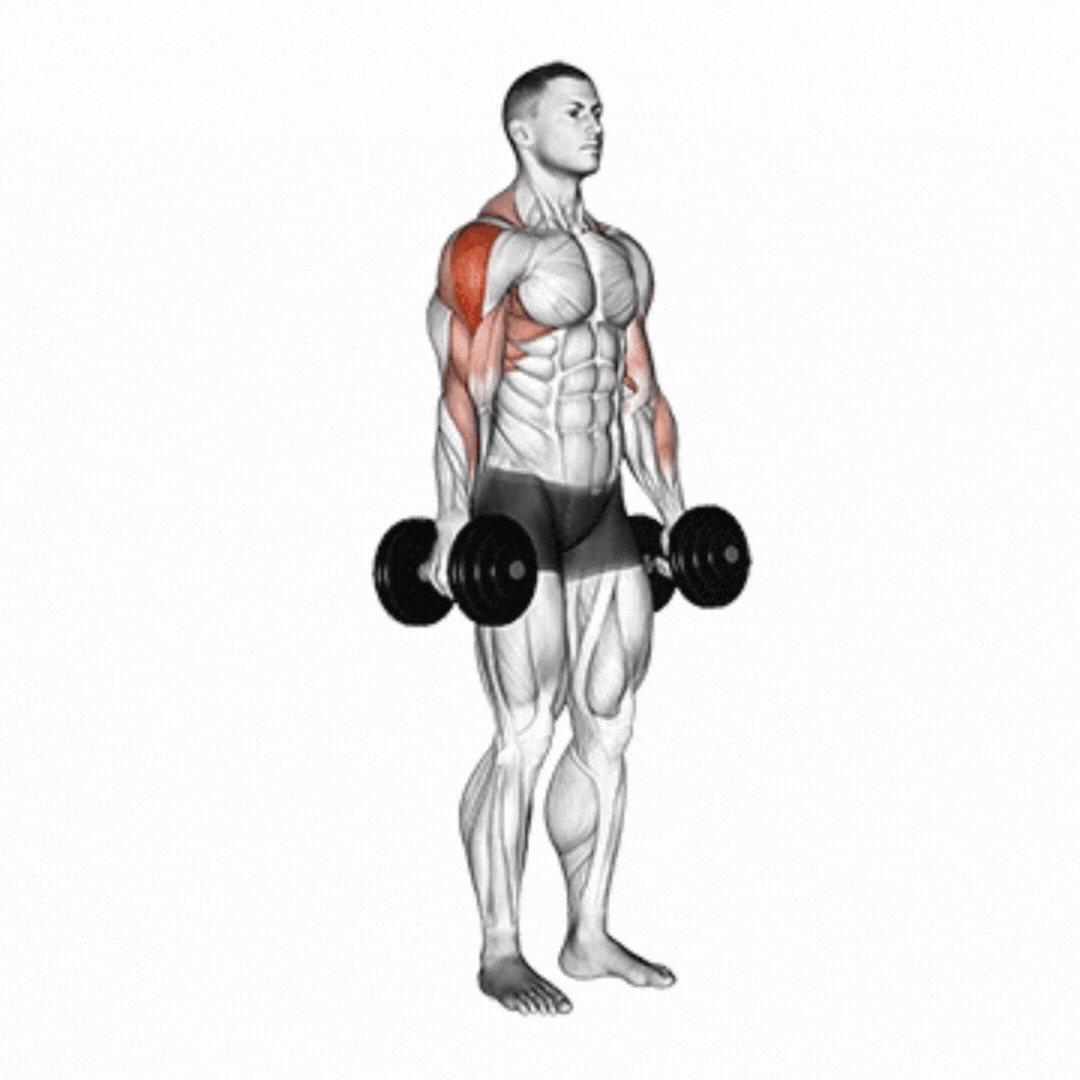
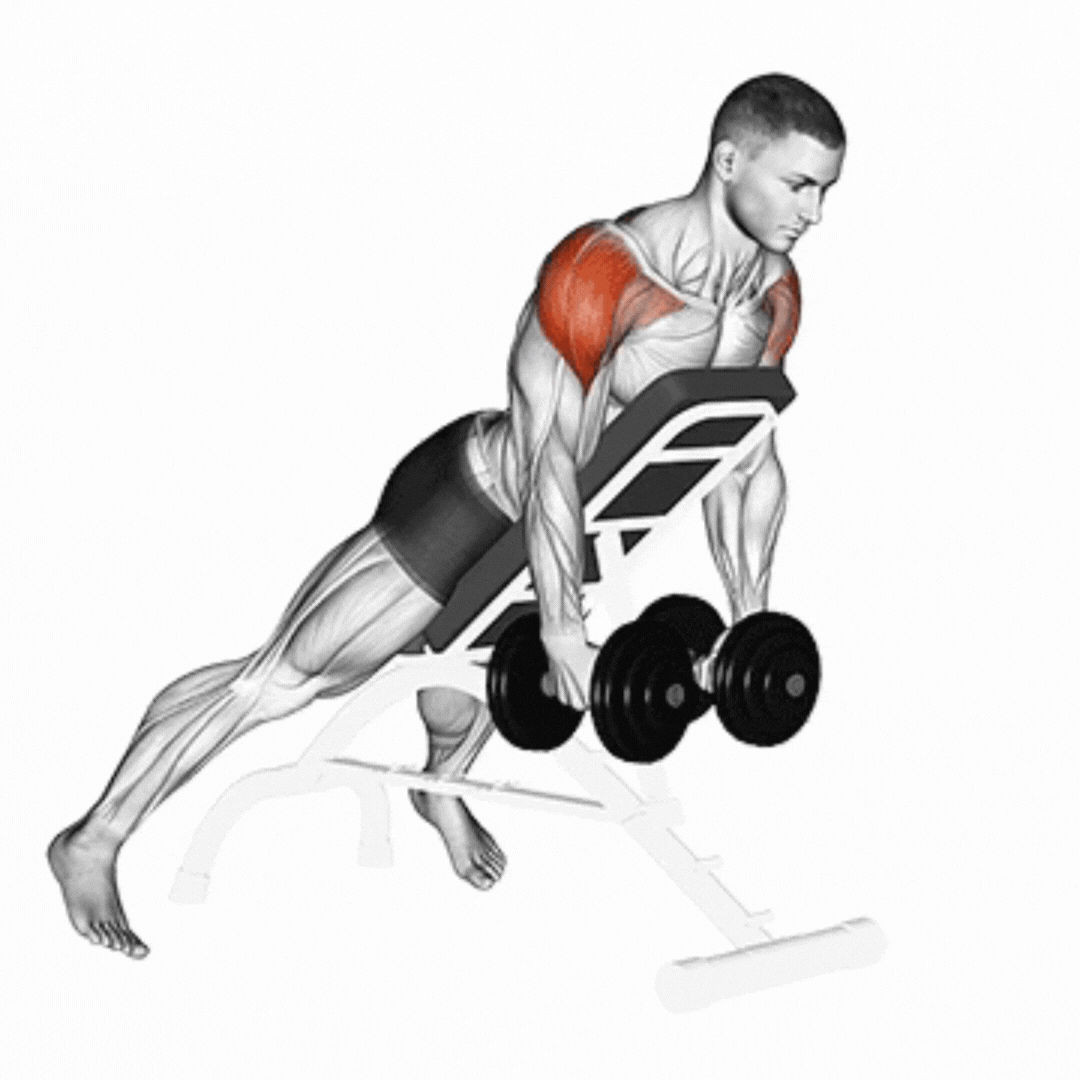
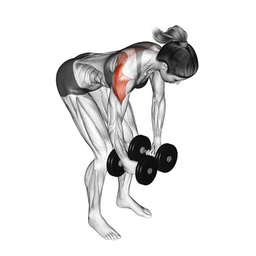
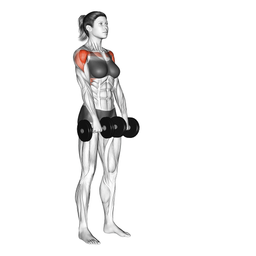
Lever Seated Reverse Fly is an isolation exercise performed seated on a machine that targets the rear shoulder muscles. This movement effectively works the posterior deltoid muscle, rhomboids, and middle trapezius muscles. Machine support provides constant resistance throughout the movement and makes maintaining proper form easier. It's especially beneficial for correcting posture issues and increasing shoulder stability. Since the rear shoulders are typically a neglected area, this exercise is critically important for balanced shoulder development. Both beginners and advanced athletes can perform it safely.
Lever Seated Reverse Fly How-To Guide
- 1
Sit on the machine with your chest against the support pad and feet firmly planted on the floor
- 2
Reach forward with your arms and grasp the machine handles, palms facing each other or downward
- 3
Keeping your elbows slightly bent, slowly open your arms to the sides and back, squeezing your shoulder blades together
- 4
Hold for one second at the widest point of the movement, feeling the contraction in your rear shoulder muscles
- 5
Return to the starting position in a controlled manner and repeat the movement
Key Points
- ✓Sit so your chest is against the machine pad, press chest fully against the pad
- ✓Keep arms slightly bent and grasp the handles
- ✓Squeeze your shoulder blades together as you open your arms backward
- ✓Pull shoulders back at the end of the movement, open the chest
- ✓Return to the starting position in a controlled manner
Common Mistakes
- ✗Lifting chest off the pad - momentum is used instead of back muscles
- ✗Pulling arms back too quickly - rear shoulder isolation is lost
- ✗Raising shoulders upward - trapezius becomes dominant
- ✗Not performing full range of motion - muscle development remains limited
- ✗Bending elbows excessively - range of motion shortens
Breathing
Exhale as you open your arms backward, inhale as you bring them forward. Squeeze your shoulder blades together as you exhale.
Muscle Activation
Safety
Precautions
- Those with shoulder pain should start with light weight
- Those with rotator cuff injuries should limit range of motion
- Those with shoulder instability should be cautious
- Those with neck problems should pay attention to head position
Safety Tips
- Adjust machine settings to fit your height
- Perform the movement controlledly, don't use momentum
- Squeeze your shoulder blades together
- Keep elbows slightly bent when lowering the weight
Frequently Asked Questions
Which muscles does Lever Seated Reverse Fly work?
Lever Seated Reverse Fly primarily works these muscles: Posterior deltoid. It also engages: Trapezius, Rhomboids.
Is Lever Seated Reverse Fly suitable for beginners?
Lever Seated Reverse Fly is a Beginner level exercise. Learning difficulty: Easy.
Can Lever Seated Reverse Fly be done at home?
Lever Seated Reverse Fly usually requires gym equipment, so it can be hard to do at home.
What are common mistakes when doing Lever Seated Reverse Fly?
One of the most common mistakes: Lifting chest off the pad - momentum is used instead of back muscles
How many sets and reps for Lever Seated Reverse Fly?
Recommended: 3-4 sets and 10-15 reps.
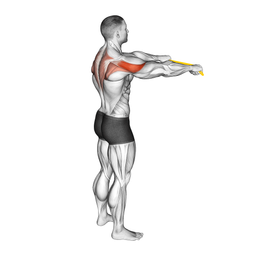
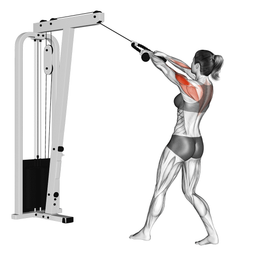
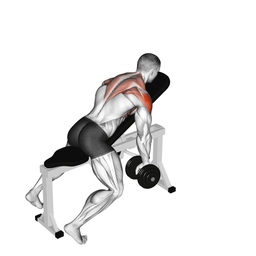
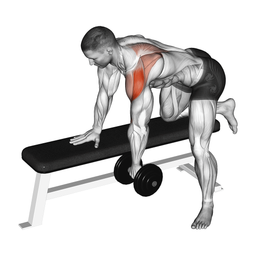
- ✓Effectively isolates the rear shoulder muscles
- ✓Improves shoulder stability and postural balance
- ✓Strengthens upper back muscles
- ✓Provides safe and controlled movement with machine support