.gif)
Description
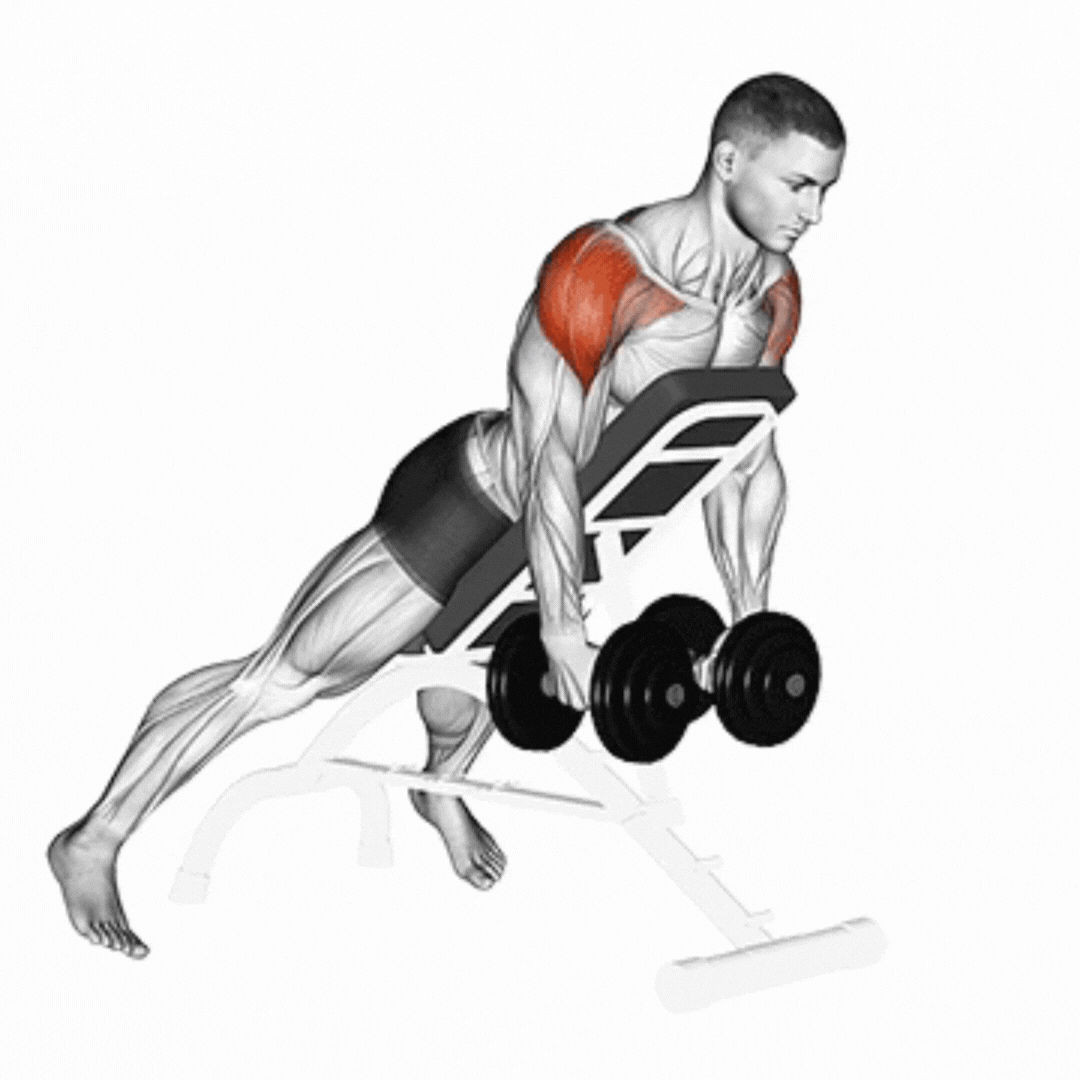
Dumbbell Chest Supported Lateral Raise is a lateral raise variation performed by leaning your chest against an inclined bench. This position completely eliminates body sway and momentum use, providing maximum isolation of the lateral deltoid muscle. This variation is extremely effective as it prevents the cheating movements frequently made in the standard lateral raise exercise. It also partially affects the rear shoulder fibers, offering a more comprehensive shoulder workout. Even with light weights, an intense muscle burn is felt, which is an indicator of the movement's effectiveness. It is an excellent choice for athletes who want to focus on form and are experiencing a plateau in shoulder development.
Dumbbell Chest Supported Lateral Raise How-To Guide
- 1
Set an inclined bench to approximately a 30-45 degree angle and assume a face-down position by leaning your chest against the bench
- 2
Hold a light dumbbell in each hand with your arms hanging downward and palms facing each other
- 3
Keeping your elbows slightly bent, lift the dumbbells to the sides until they reach shoulder level
- 4
Squeeze your lateral deltoid muscles at the top point and hold for one to two seconds
- 5
Lower the weights slowly and controllably to the starting position
- 6
Throughout the movement, do not lift your chest off the bench and keep your torso stable
Key Points
- ✓Lie face down on an inclined bench, chest should be in full contact
- ✓Hold dumbbells with neutral grip, arms hanging freely below
- ✓Lift dumbbells to the side until they reach shoulder level
- ✓Keep elbows slightly bent, perform movement slowly
- ✓Press shoulders against the bench, don't lift them
Common Mistakes
- ✗Lifting the chest off the bench - trapezius muscles engage
- ✗Choosing too much weight - shoulder isolation breaks down, momentum is used
- ✗Lifting dumbbells too high - risk of shoulder impingement
- ✗Keeping arms completely straight - excessive stress on the joint
- ✗Moving too fast - muscle control is lost, injury risk increases
Breathing
Exhale as you lift the dumbbells up, inhale as you lower them down. Maintain breath control by pressing your chest against the bench.
Muscle Activation
Safety
Precautions
- Those with shoulder impingement should limit range of motion
- Those with rotator cuff injuries should be cautious
- Those with chest discomfort should adjust bench support
- Those with neck problems should pay attention to head position
Safety Tips
- Adjust the bench angle appropriately, find a comfortable position
- Don't raise arms above shoulder height
- Perform movement controllably, don't use momentum
- Squeeze by bringing your shoulder blades closer together
Frequently Asked Questions
Which muscles does Dumbbell Chest Supported Lateral Raise work?
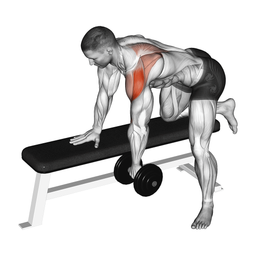
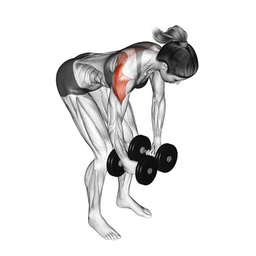
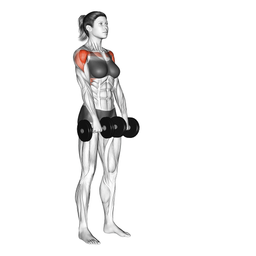
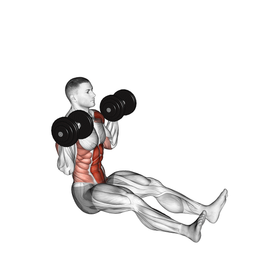
Dumbbell Chest Supported Lateral Raise primarily works these muscles: Lateral deltoid. It also engages: Posterior deltoid, Trapezius.
Is Dumbbell Chest Supported Lateral Raise suitable for beginners?
Dumbbell Chest Supported Lateral Raise is a Beginner level exercise. Learning difficulty: Easy.
Can Dumbbell Chest Supported Lateral Raise be done at home?
Yes, Dumbbell Chest Supported Lateral Raise can easily be done at home.
What are common mistakes when doing Dumbbell Chest Supported Lateral Raise?
One of the most common mistakes: Lifting the chest off the bench - trapezius muscles engage
How many sets and reps for Dumbbell Chest Supported Lateral Raise?
Recommended: 3-4 sets and 12-15 reps.
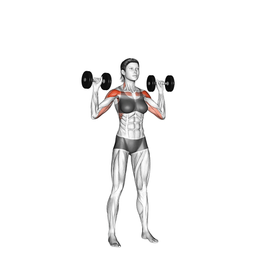
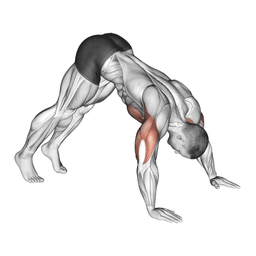
- ✓Works the lateral deltoid muscle with tight isolation
- ✓Minimizes cheating thanks to chest support
- ✓Provides intense muscle hypertrophy in shoulder muscles
- ✓Protects the shoulder joint with controlled movement