.gif)
Description
The Dumbbell Incline Y Raise is a shoulder exercise performed lying prone on an incline bench with dumbbells, where the arms form a Y shape. The incline position is ideal for maximally activating the rear deltoids, lower trapezius, and rhomboid muscles. The Y shape (arms at a 45-degree angle above the head) intensely works the lower trapezius, which is critical for posture. It also improves shoulder stability, posture, and overall shoulder health. The bench support prevents body sway and increases movement isolation. It is frequently used by athletes and fitness enthusiasts for shoulder balance. When performed regularly, it provides significant improvements in rear delt hypertrophy, lower trap development, posture correction, and shoulder health.
Dumbbell Incline Y Raise How-To Guide
- 1
Set an incline bench to a 30-45 degree angle.
- 2
Lie prone (chest on the bench) on the incline bench.
- 3
Grab a light dumbbell in each hand.
- 4
Use a neutral grip with your palms facing each other.
- 5
Let your arms hang straight down; this is your starting position.
- 6
Brace your core and stabilize your shoulders.
- 7
Raise the dumbbells out and up overhead.
- 8
Your arms should form a Y shape (at a 45-degree angle above your head).
- 9
Maximally squeeze your rear delts and lower traps.
- 10
Hold the squeeze at the top position for 1-2 seconds.
- 11
Lower the weights back to the starting position in a controlled manner.
- 12
Keep your arms straight throughout the entire movement.
Key Points
- ✓The bench angle should be 30-45 degrees.
- ✓Maintain a prone position (chest supported on the bench).
- ✓Arms must form a Y shape (45 degrees overhead).
- ✓Use a full range of motion.
- ✓Squeeze the rear delts and lower traps at the top.
Common Mistakes
- ✗Choosing dumbbells that are too heavy - compromises form.
- ✗Not keeping the arms at the correct Y angle - shifts the target muscle focus.
- ✗Swinging the weights - relies on momentum instead of muscle.
- ✗Craning the neck up - strains the neck.
- ✗Inadequate range of motion - prevents full muscle activation.
Breathing
Exhale as you raise the dumbbells, inhale as you lower them.
Muscle Activation
Safety
Precautions
- Individuals with acute shoulder injuries should exercise caution.
Safety Tips
- Start with light dumbbells (1-3 kg or 2-5 lbs is usually sufficient).
- Set the bench angle correctly.
- Stop the exercise if your form breaks down.
Frequently Asked Questions
Which muscles does Dumbbell Incline Y Raise work?
Dumbbell Incline Y Raise primarily works these muscles: Arka Omuz. It also engages: Trapez, Alt Trapez, Romboid, Üst sırt.
Is Dumbbell Incline Y Raise suitable for beginners?
Dumbbell Incline Y Raise is a Intermediate level exercise. Learning difficulty: Moderate.
Can Dumbbell Incline Y Raise be done at home?
Yes, Dumbbell Incline Y Raise can easily be done at home.
What are common mistakes when doing Dumbbell Incline Y Raise?
One of the most common mistakes: Choosing dumbbells that are too heavy - compromises form.
How many sets and reps for Dumbbell Incline Y Raise?
Recommended: 3-4 sets and 12-15 reps.
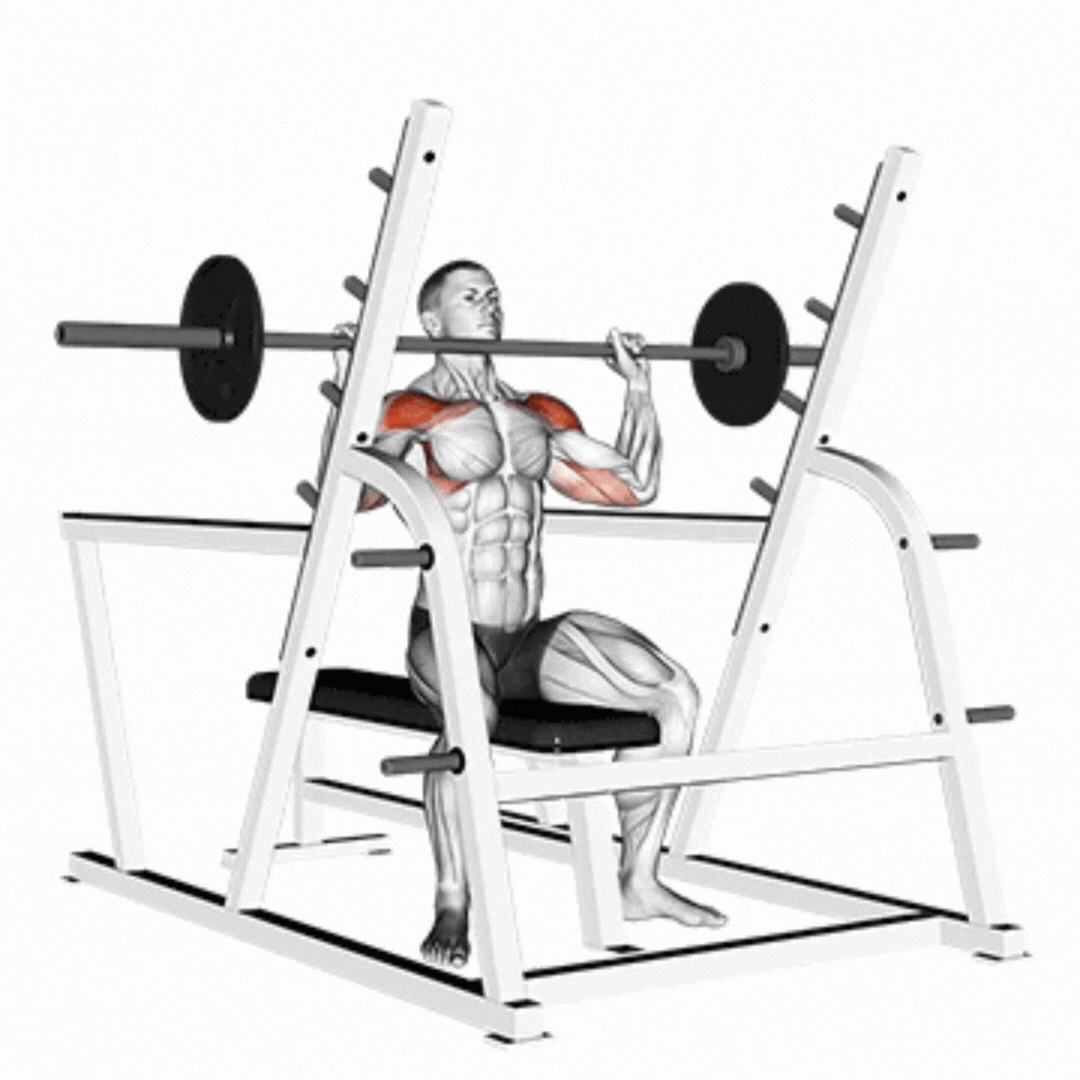
Front Delts
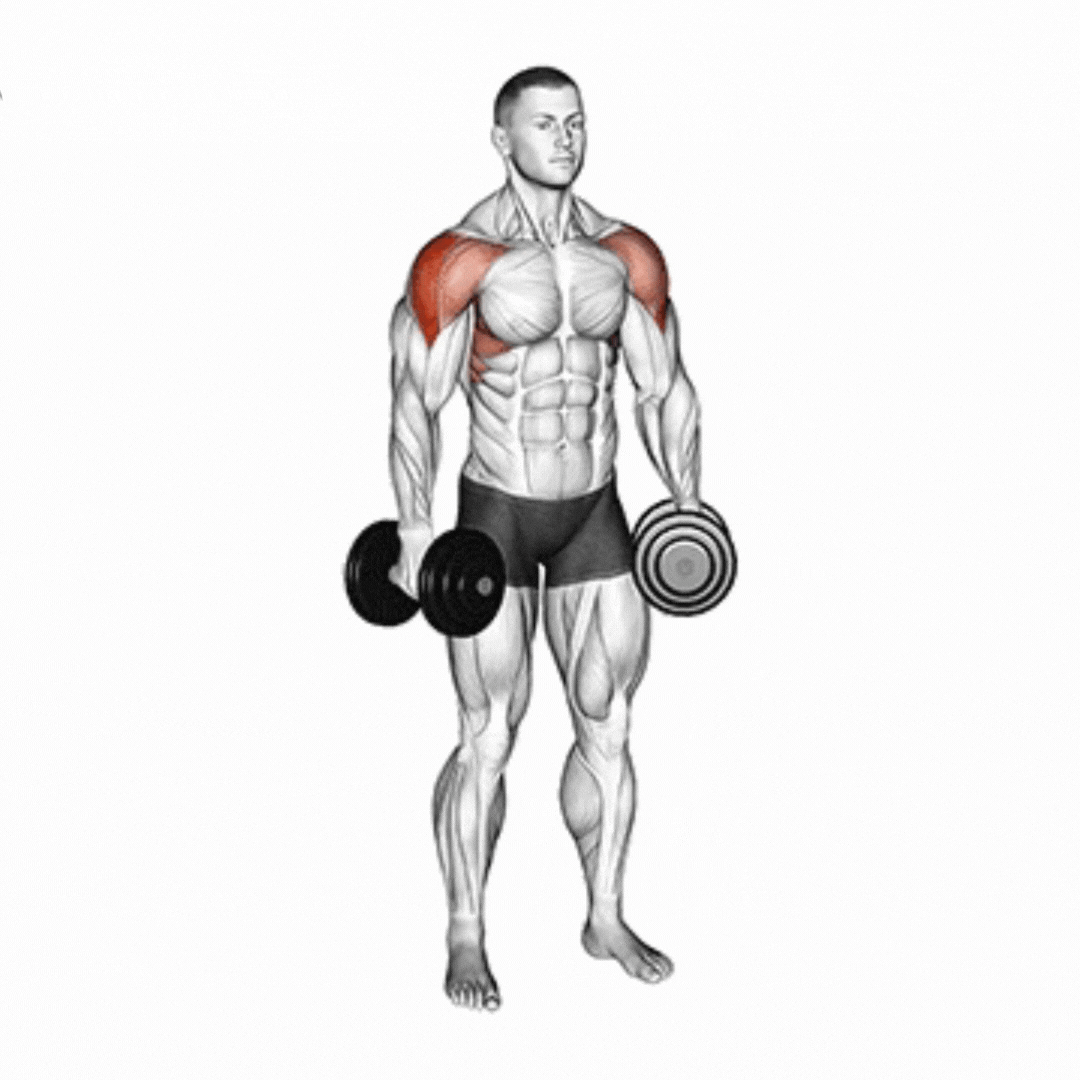
Side Delts
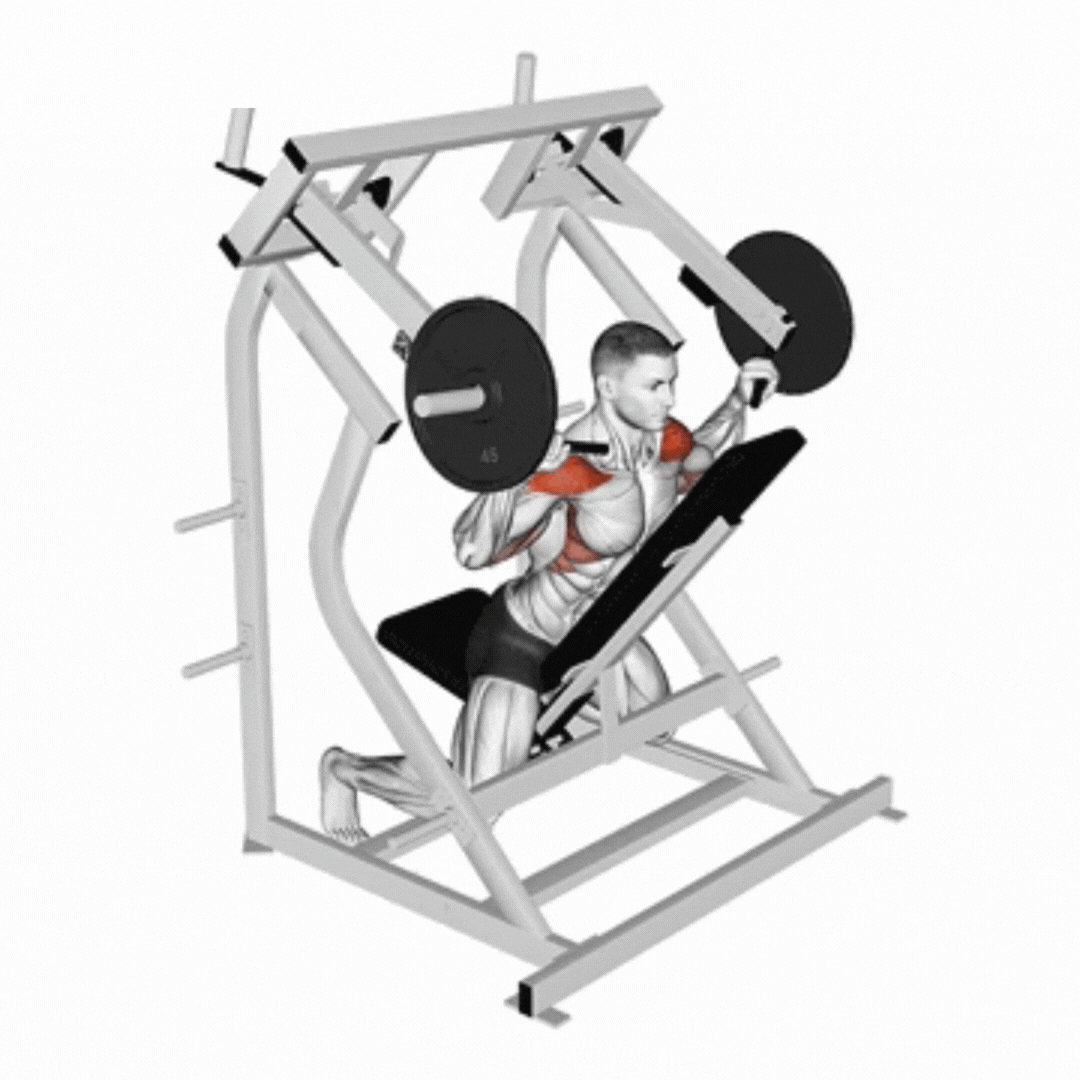
Front Delts
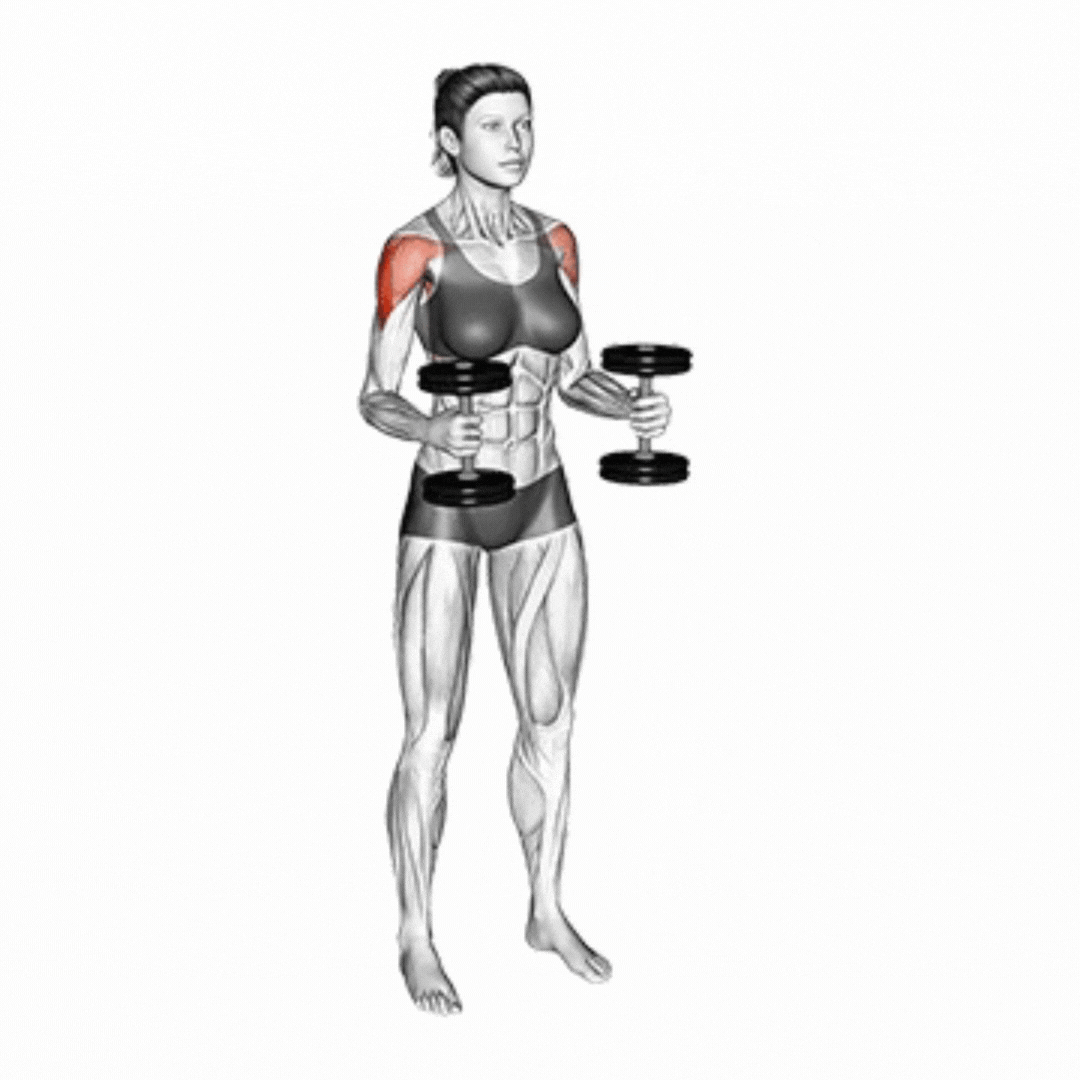
Side Delts
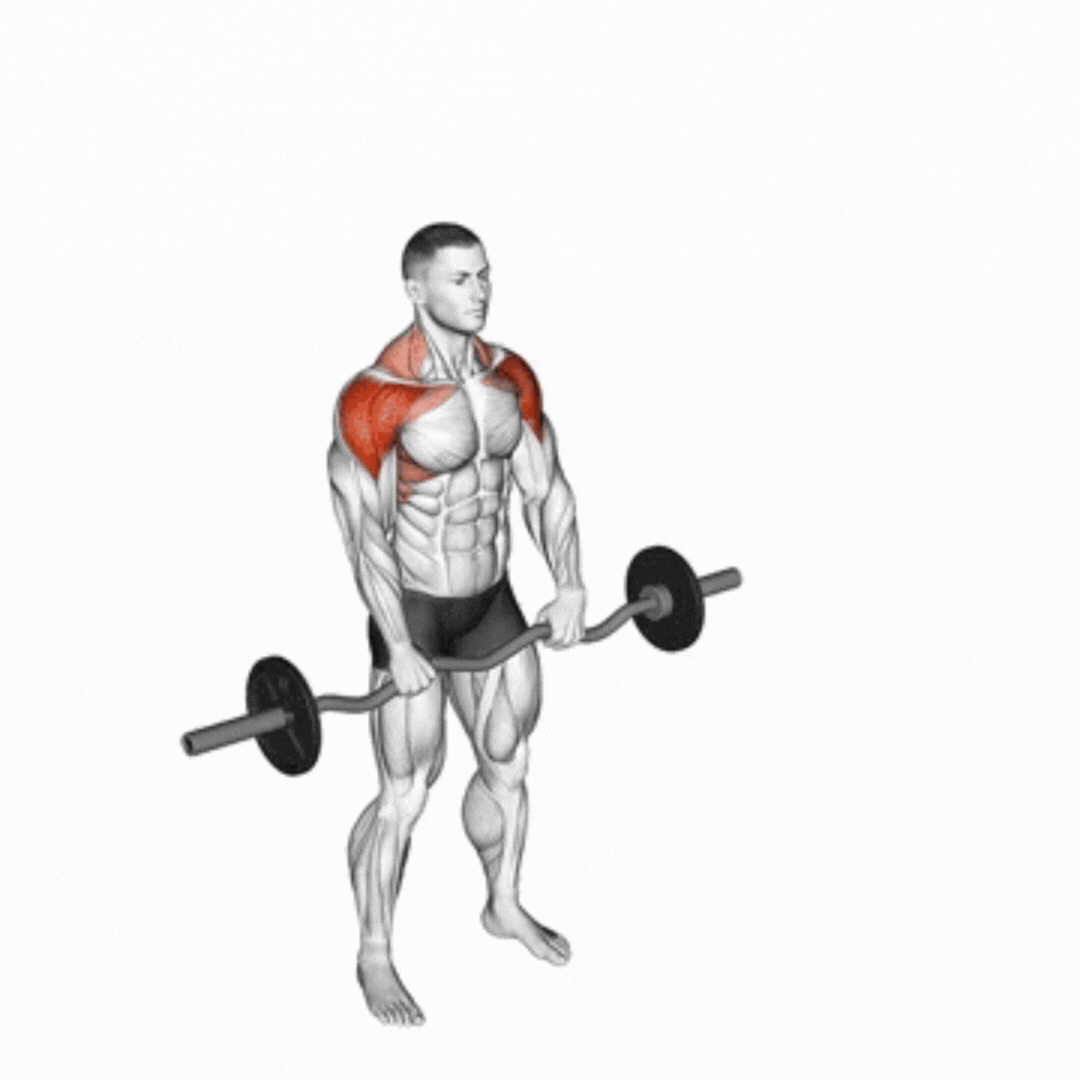
Front Delts
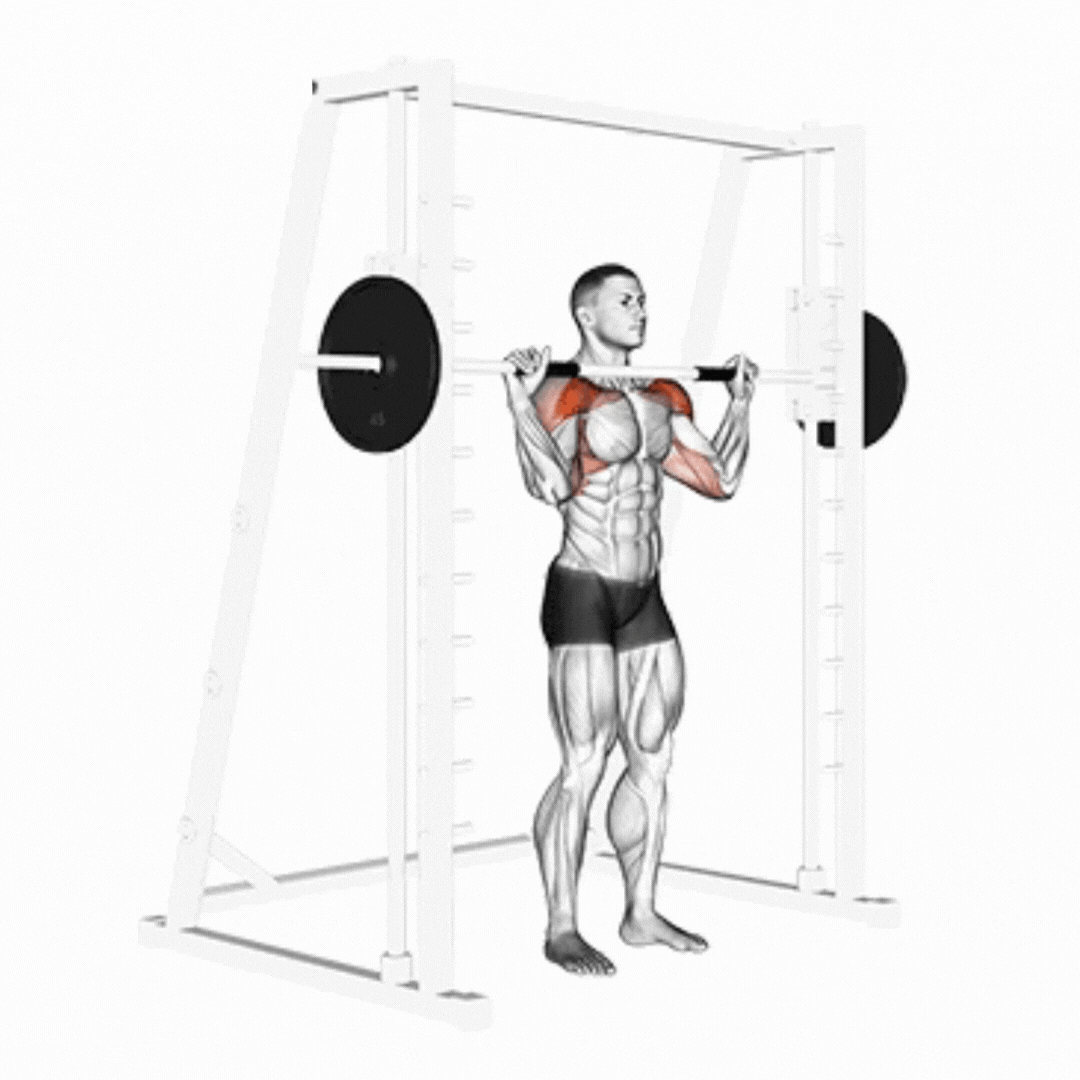
Front Delts
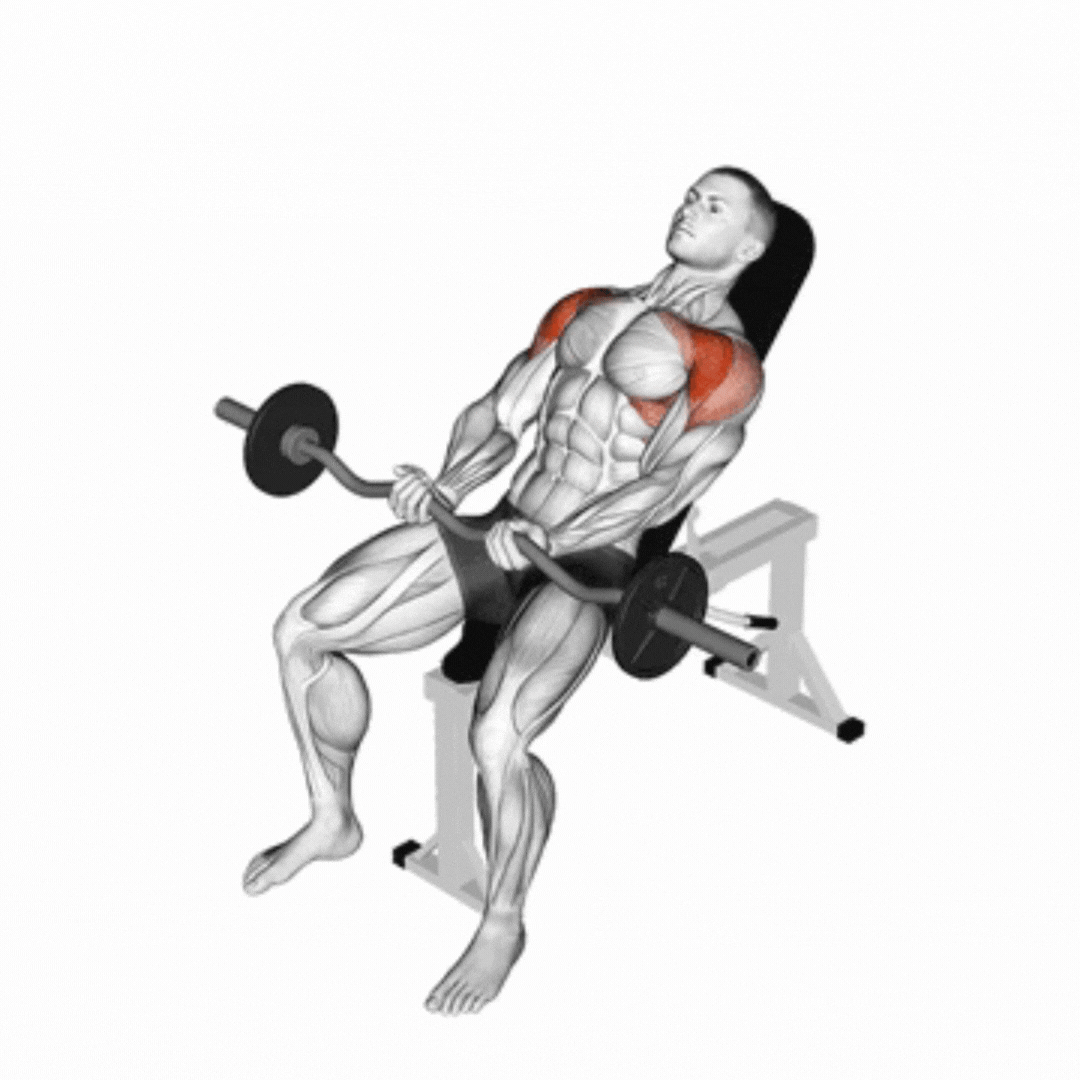
Front Delts
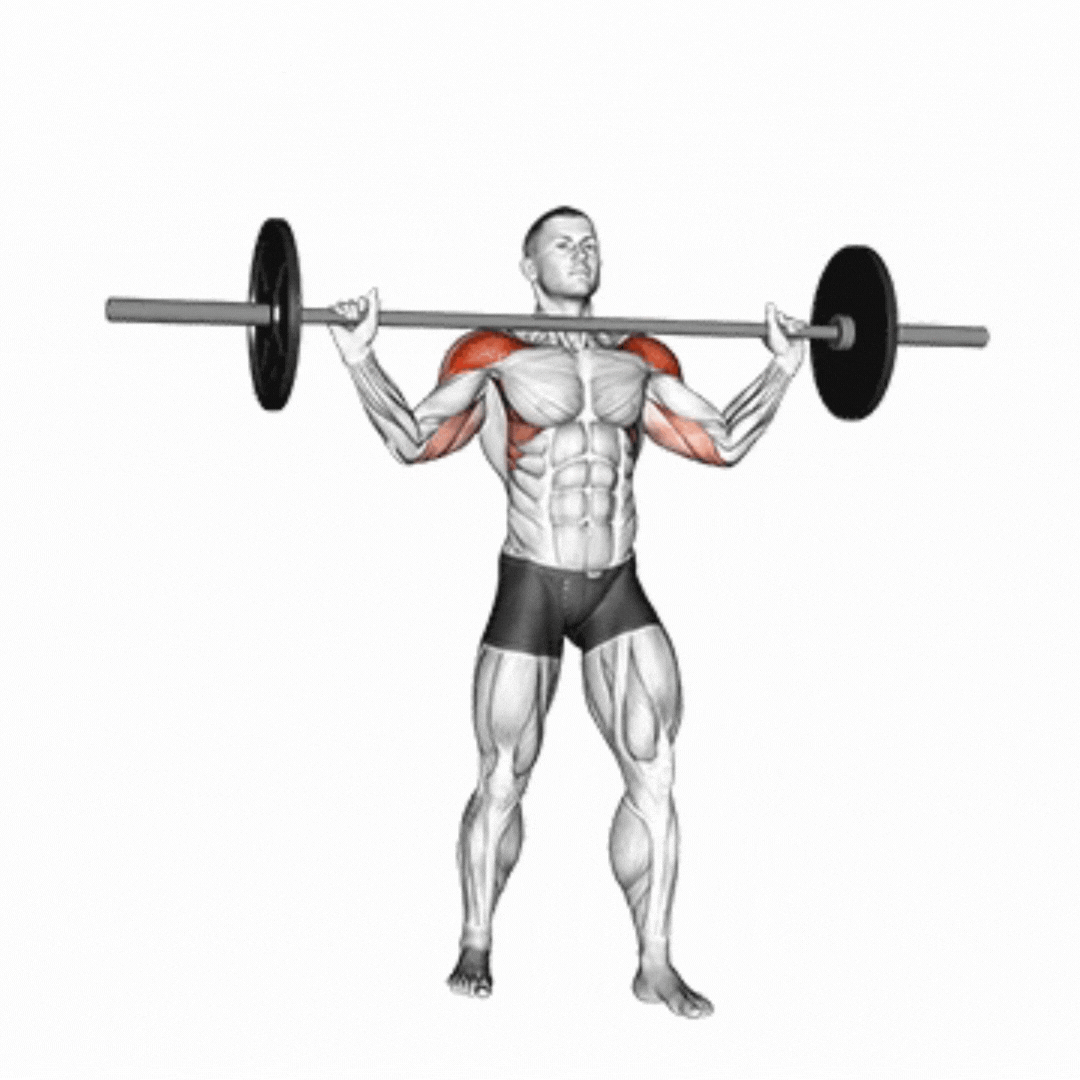
Front Delts
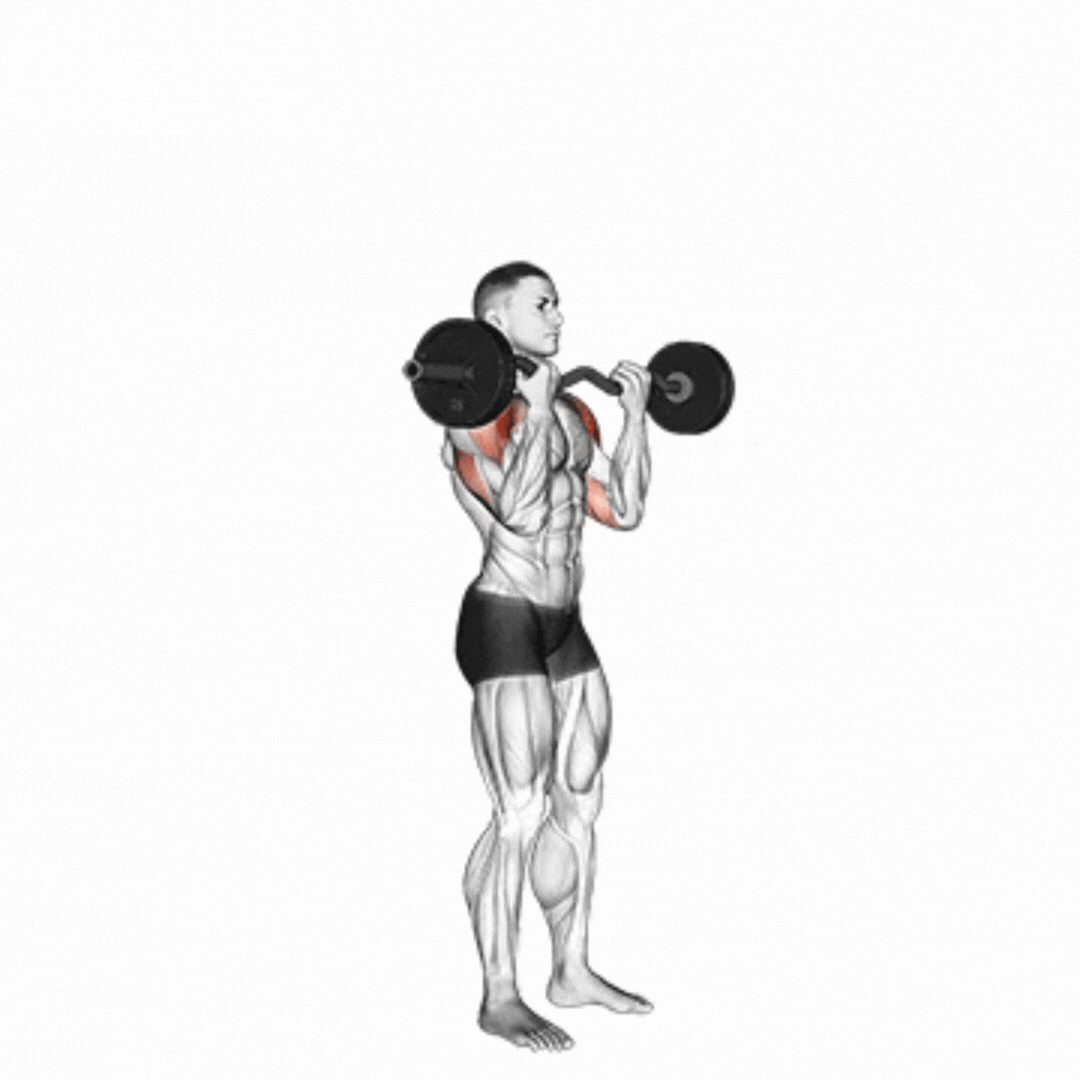
Front Delts
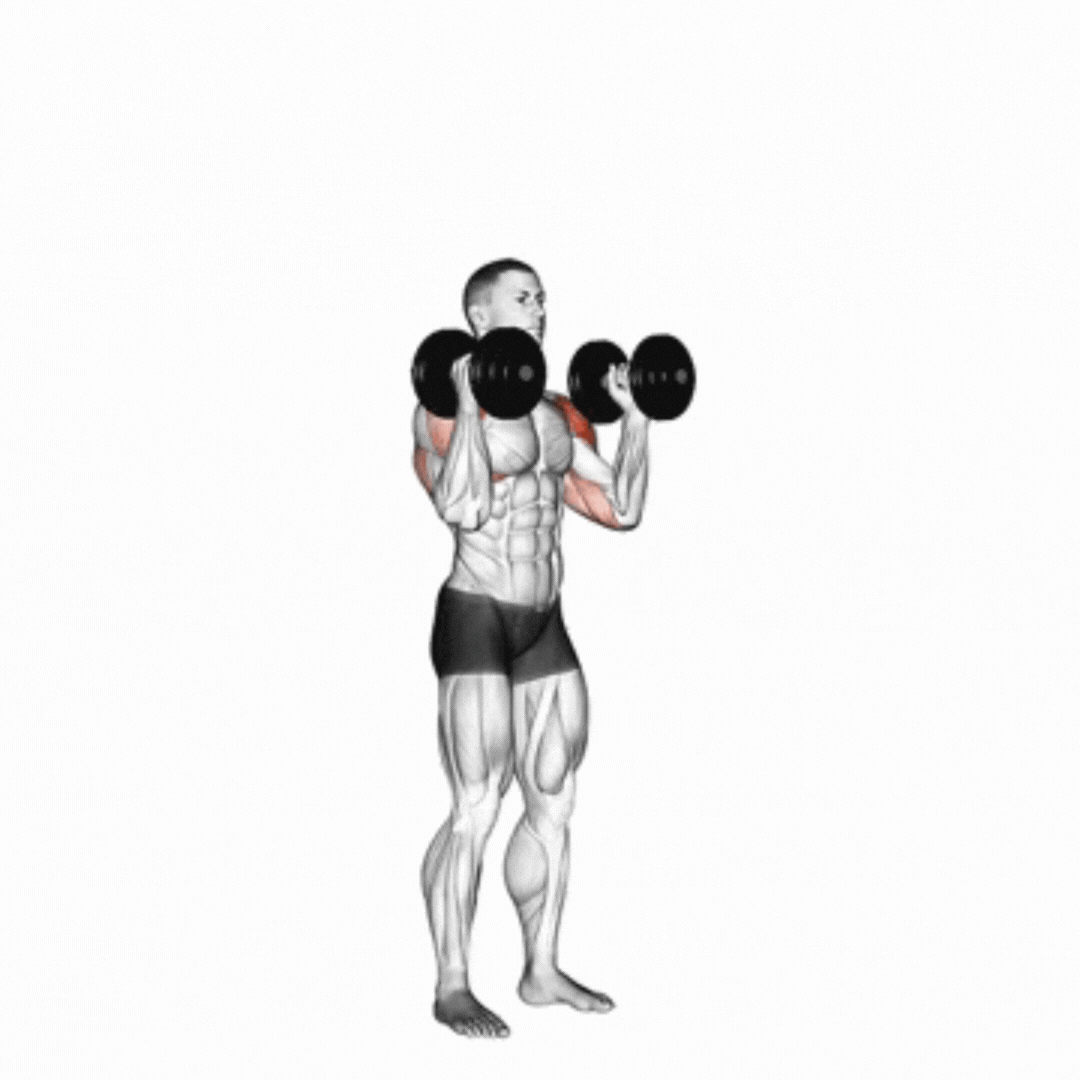
Front Delts
- ✓Maximally isolates the rear delts and lower traps.
- ✓Improves posture.
- ✓Enhances shoulder balance.
- ✓Ideal for overall shoulder health.
- ✓Contributes to athletic performance.
- ✓Excellent for desk workers.