.gif)
Description
The bent-over lateral raise is an isolation exercise that targets the posterior deltoid and upper back muscles. This exercise is critically important for developing the rear shoulders and completing the three-dimensional appearance of the shoulders. The bent-over position allows for better isolation of the posterior deltoid muscles. It also engages the rhomboid and trapezius muscles. Using dumbbells provides a joint-friendly range of motion. This exercise can be particularly helpful in correcting the rounded shoulder posture commonly seen in desk workers.
Bent-over Lateral Raise How-To Guide
- 1
Stand with your feet shoulder-width apart, holding dumbbells in both hands
- 2
Hinge slightly at the hips and lean forward, keeping your back flat and your chest open
- 3
Raise the dumbbells out to the sides and behind you, squeezing your rear shoulder muscles
- 4
When your arms are parallel to the floor, hold briefly
- 5
Return to the starting position in a controlled manner
- 6
Keep your back straight throughout the movement and avoid using momentum
Key Points
- ✓Stand with feet shoulder-width apart and lean forward with a slight bend in the knees
- ✓Your back should be flat, not rounded at the lower back
- ✓Arms should hang perpendicular to the floor with elbows slightly bent
- ✓Feel the posterior deltoid working as you raise the arms out to the sides
- ✓Squeeze and hold the contraction for 1–2 seconds at the top of the movement
Common Mistakes
- ✗Rounding the back — increases the risk of lower back injury
- ✗Moving too fast — using momentum reduces muscle engagement
- ✗Swinging the weight — bypasses the target muscle
- ✗Leaning the body over too far — creates lower back stress
- ✗Fully extending the elbows — increases joint pressure
Breathing
Exhale as you raise the arms up, inhale as you lower them. Try not to hold your breath.
Muscle Activation
Safety
Precautions
- Those with a herniated disc or lower back pain should avoid this exercise
- Those with limited hamstring flexibility should exercise caution
- Those with high blood pressure should avoid the head-down position
- Those with shoulder injuries should use light weights
Safety Tips
- Keep your lower back and spine straight; do not hunch over
- Lean forward with a slight bend in your knees
- Do not use too heavy a weight; form is what matters
- Do not keep your head down for extended periods; watch for dizziness
Frequently Asked Questions
Which muscles does Bent-over Lateral Raise work?
Bent-over Lateral Raise primarily works these muscles: Posterior deltoid. It also engages: Middle deltoid, Trapezius, Rhomboids.
Is Bent-over Lateral Raise suitable for beginners?
Bent-over Lateral Raise is a Intermediate level exercise. Learning difficulty: Moderate.
Can Bent-over Lateral Raise be done at home?
Yes, Bent-over Lateral Raise can easily be done at home.
What are common mistakes when doing Bent-over Lateral Raise?
One of the most common mistakes: Rounding the back — increases the risk of lower back injury
How many sets and reps for Bent-over Lateral Raise?
Recommended: 3-4 sets and 10-15 reps.

Front Delts

Front Delts
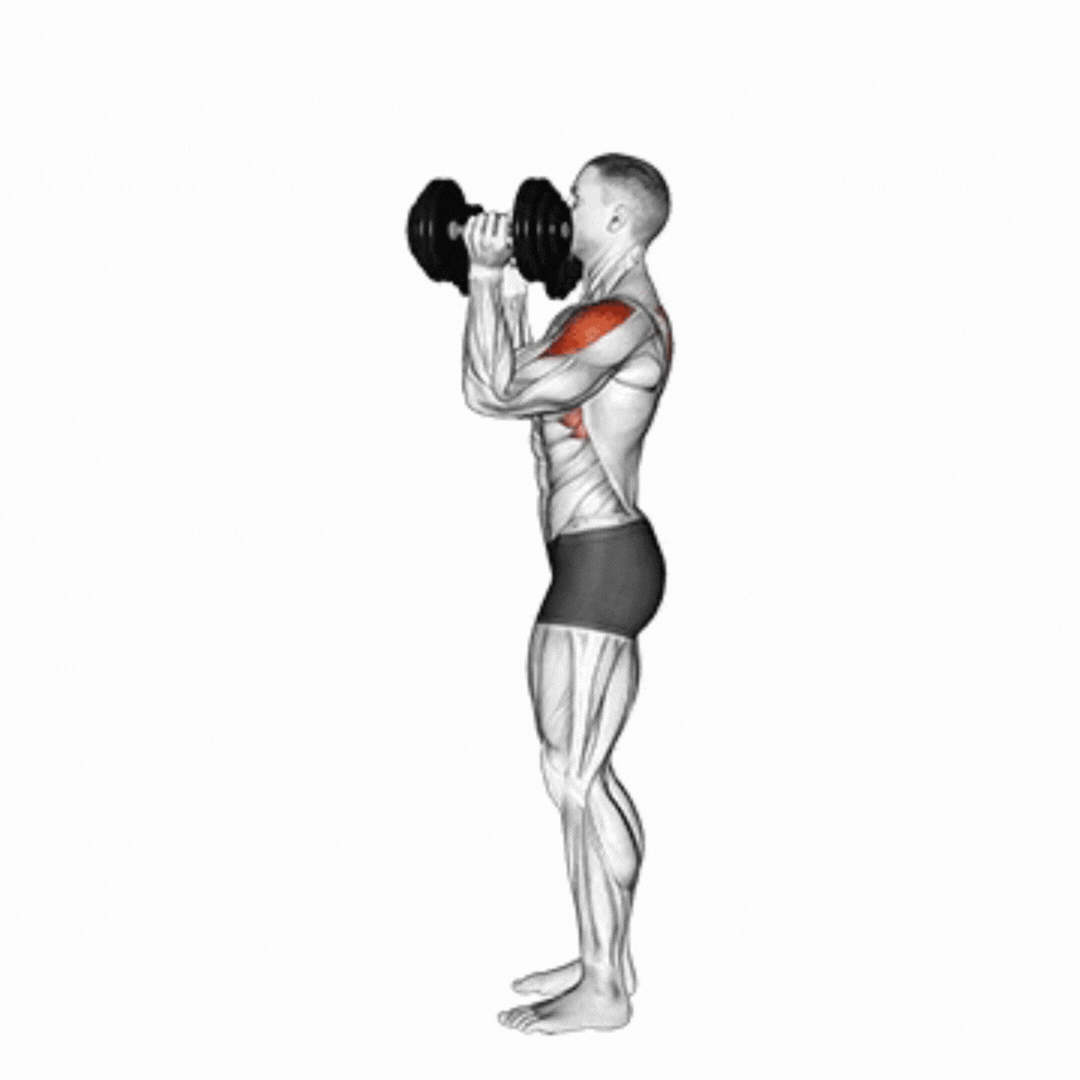
Front Delts

Front Delts
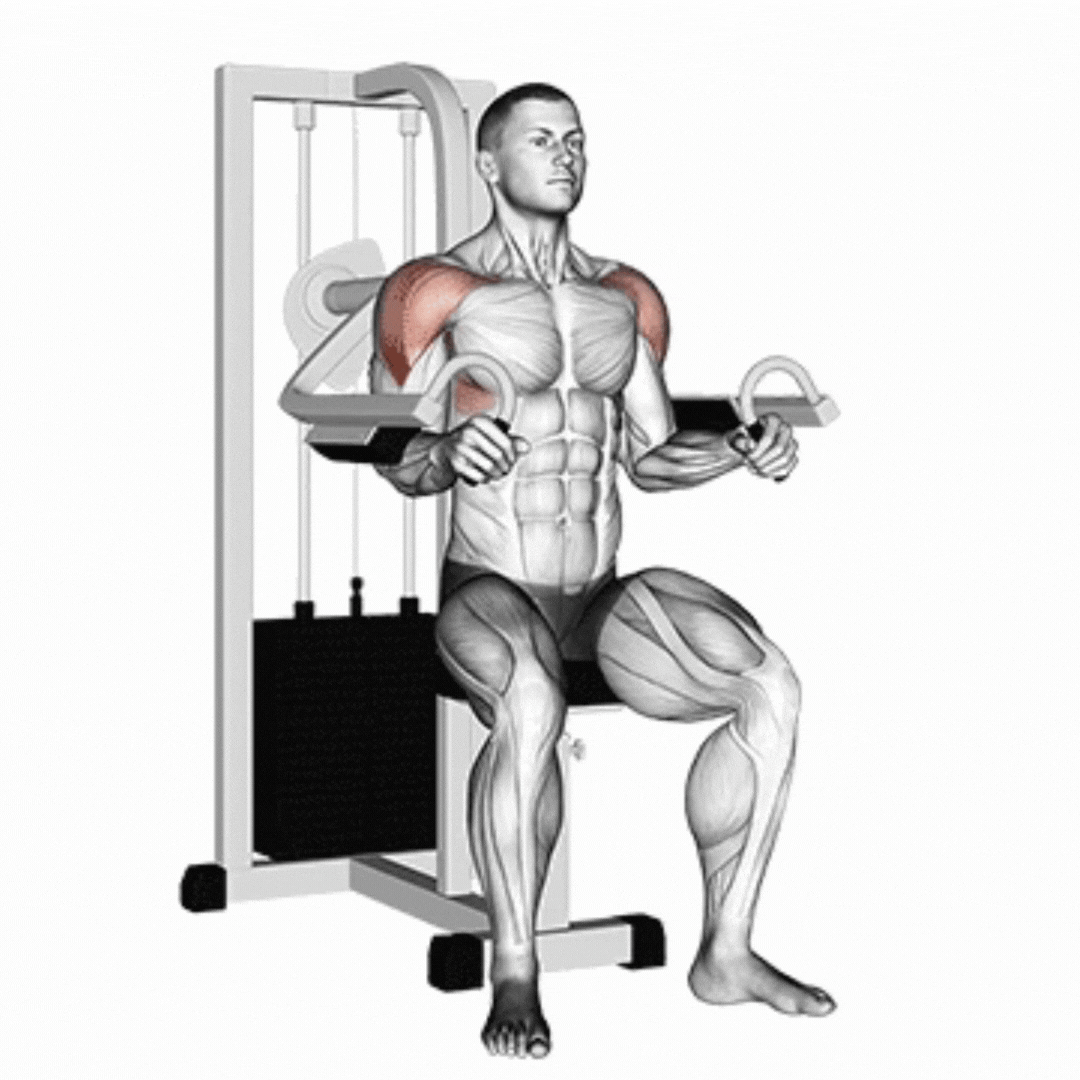
Side Delts
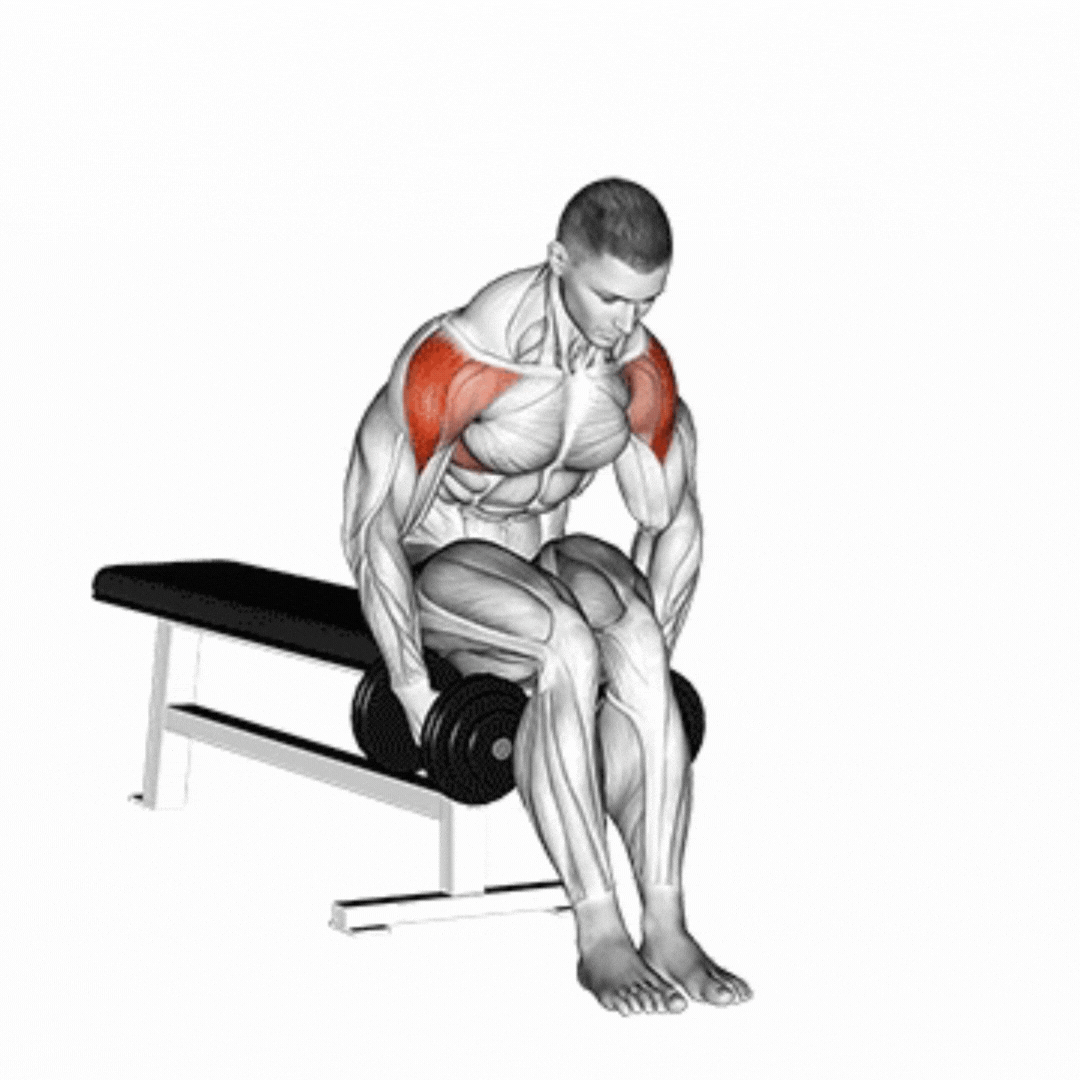
Rear Delts
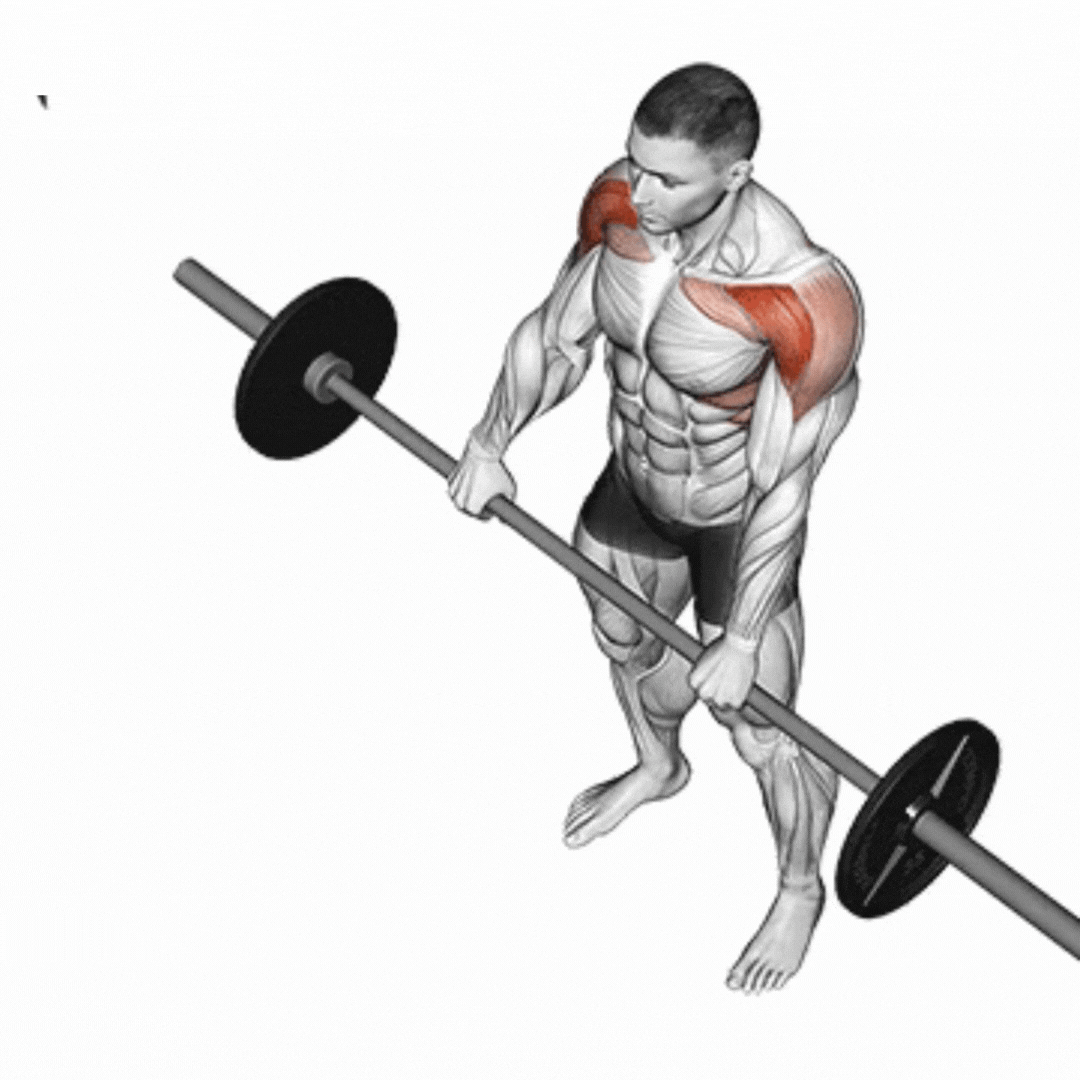
Front Delts
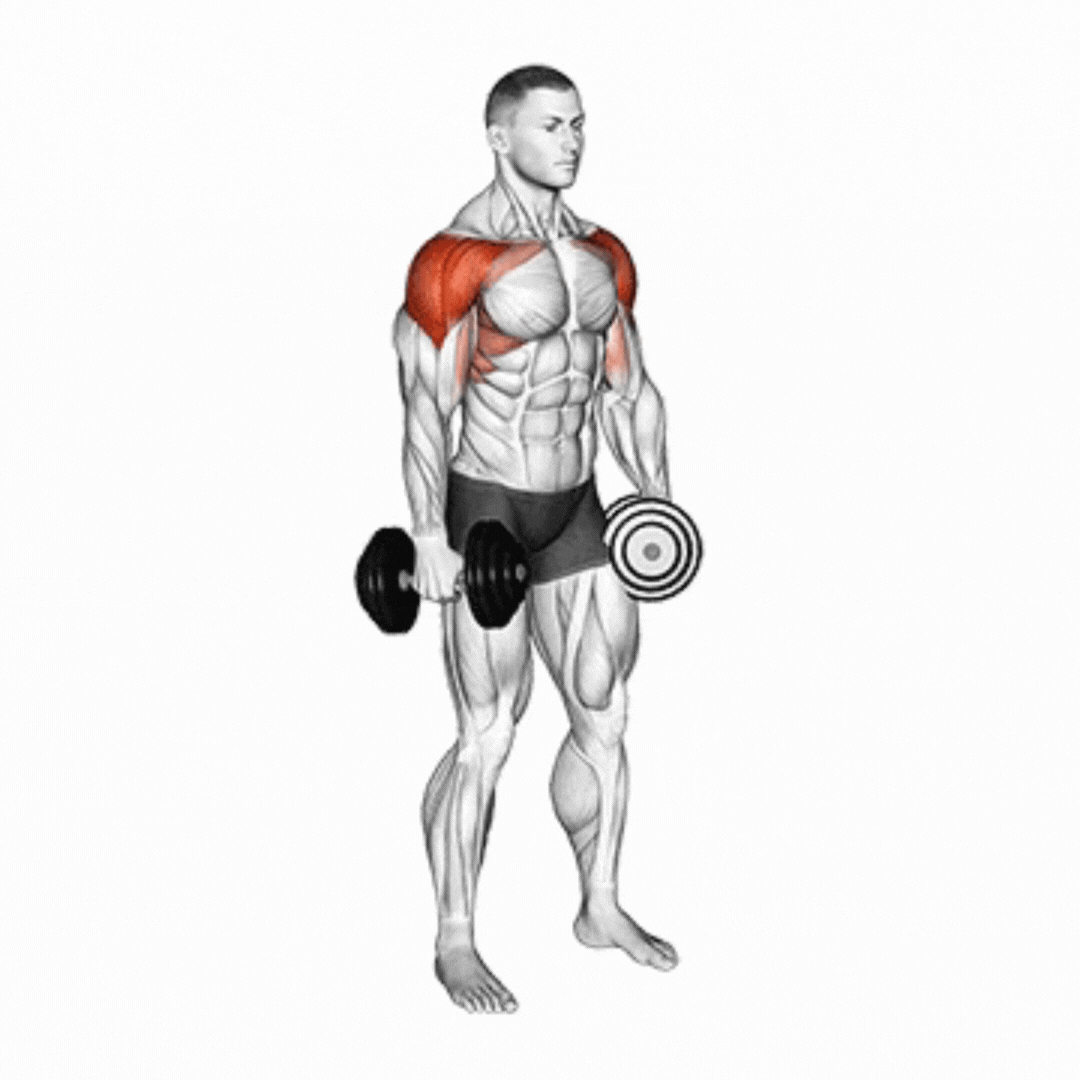
Front Delts
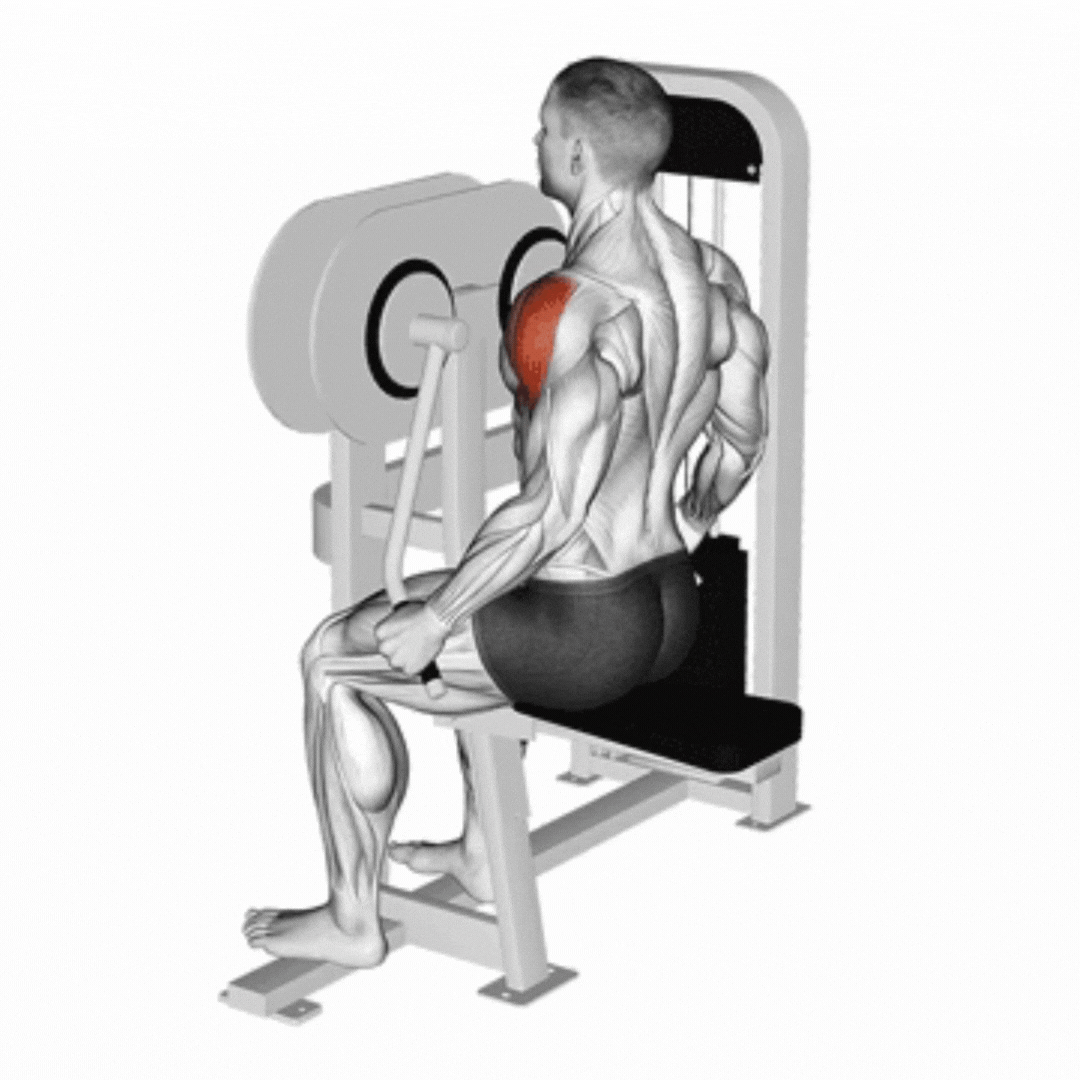
Side Delts

Side Delts
- ✓Develops the rear shoulder muscles (posterior deltoid)
- ✓Also works the upper back muscles
- ✓Helps correct rounded posture
- ✓Supports overall shoulder health