.gif)
Description
Leaning Single Arm Dumbbell Lateral Raise is a single-arm lateral raise movement performed by holding onto a pole or stable surface and leaning the body to the side. This exercise specifically isolates and targets the lateral (side) deltoid muscle. Thanks to the tilted body position, greater tension is created at the peak of the movement and the muscle is worked through a full range of motion. Compared to the standard lateral raise, it minimizes momentum usage and provides more effective muscle activation. It's ideal for those seeking shoulder width and a rounded shoulder appearance. Being performed unilaterally also helps eliminate muscle imbalances.
Leaning Single Arm Dumbbell Lateral Raise How-To Guide
- 1
Hold onto a pole or stable surface with one hand and slightly lean your body away from the side you're holding
- 2
Hold the dumbbell with your free hand at the side of your body, palm facing inward
- 3
Keeping your elbow slightly bent, slowly and controlledly raise the dumbbell laterally to shoulder height
- 4
Pause for one second at shoulder height and feel the muscle tension
- 5
Lower the weight controlledly to the starting position and switch to the other arm after completing the set number of repetitions
Key Points
- ✓Hold onto a stable pole or wall and lean your body to the side
- ✓Hold the dumbbell in the opposite hand of the supporting arm
- ✓Keep the elbow slightly bent and raise the dumbbell to shoulder height
- ✓Keep your body position stable during the movement, don't swing
- ✓Lower the dumbbell controlledly, don't drop the weight
Common Mistakes
- ✗Selecting too heavy a weight - trapezius muscles engage, shoulder isolation is compromised
- ✗Keeping the elbow completely straight - joint stress increases, injury risk develops
- ✗Raising the dumbbell too high - can cause shoulder impingement
- ✗Swinging the body - momentum usage reduces muscle activation
Breathing
Exhale as you raise the dumbbell upward, inhale as you lower it down. Continue breathing regularly throughout the movement.
Muscle Activation
Safety
Precautions
- Those with shoulder impingement syndrome should be cautious
- Those with rotator cuff injuries should obtain medical clearance
- Those with lower back problems should be careful in the leaning position
- Those with balance issues should use support
Safety Tips
- Don't overdo the leaning angle, start with light weight
- Take care not to pull your shoulders up toward your ears
- Lower controlledly, don't swing
- Maintain balance by keeping core muscles tight
Frequently Asked Questions
Which muscles does Leaning Single Arm Dumbbell Lateral Raise work?
Leaning Single Arm Dumbbell Lateral Raise primarily works these muscles: Lateral deltoid. It also engages: Anterior deltoid, Trapezius.
Is Leaning Single Arm Dumbbell Lateral Raise suitable for beginners?
Leaning Single Arm Dumbbell Lateral Raise is a Intermediate level exercise. Learning difficulty: Moderate.
Can Leaning Single Arm Dumbbell Lateral Raise be done at home?
Yes, Leaning Single Arm Dumbbell Lateral Raise can easily be done at home.
What are common mistakes when doing Leaning Single Arm Dumbbell Lateral Raise?
One of the most common mistakes: Selecting too heavy a weight - trapezius muscles engage, shoulder isolation is compromised
How many sets and reps for Leaning Single Arm Dumbbell Lateral Raise?
Recommended: 3-4 sets and 10-15 reps.
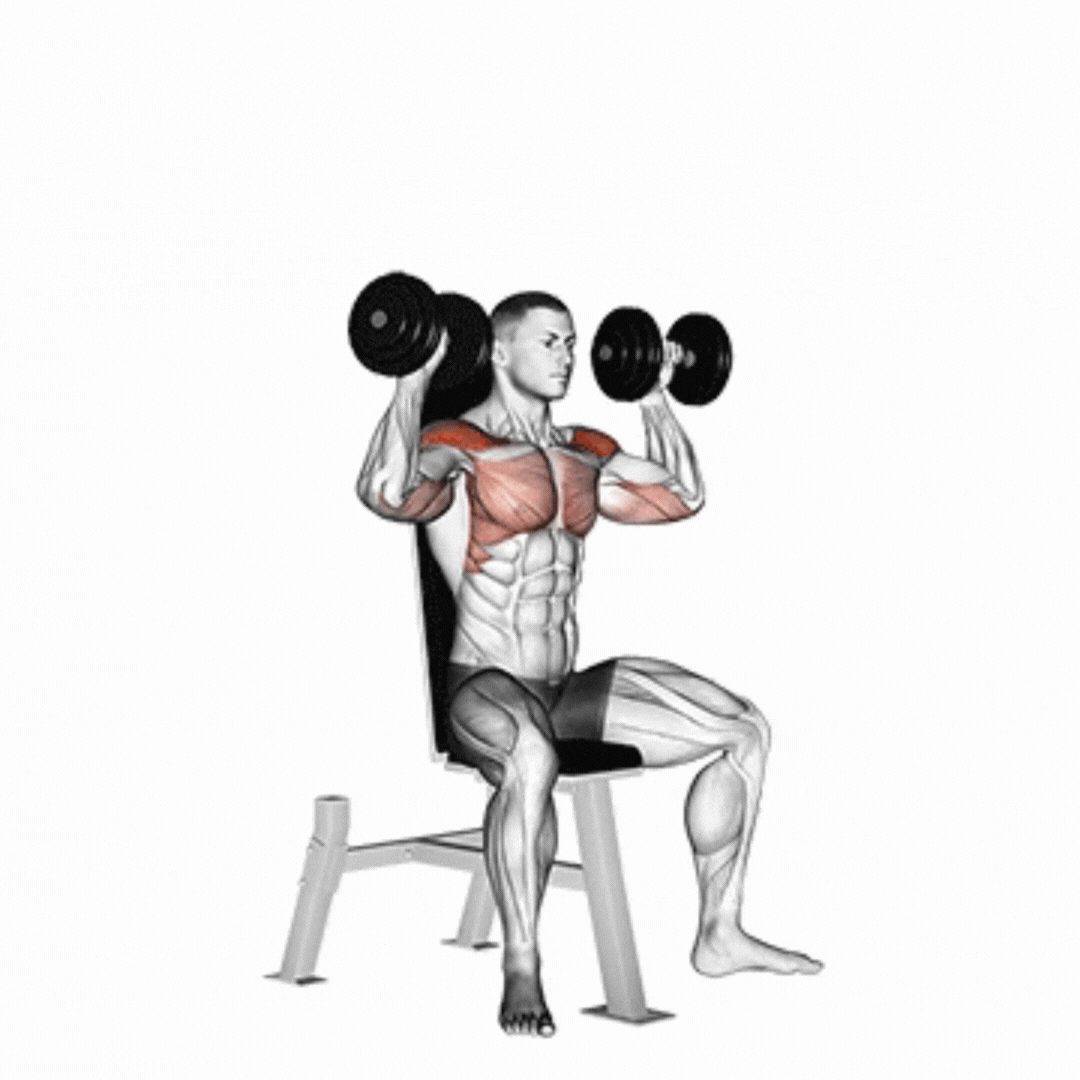
Front Delts
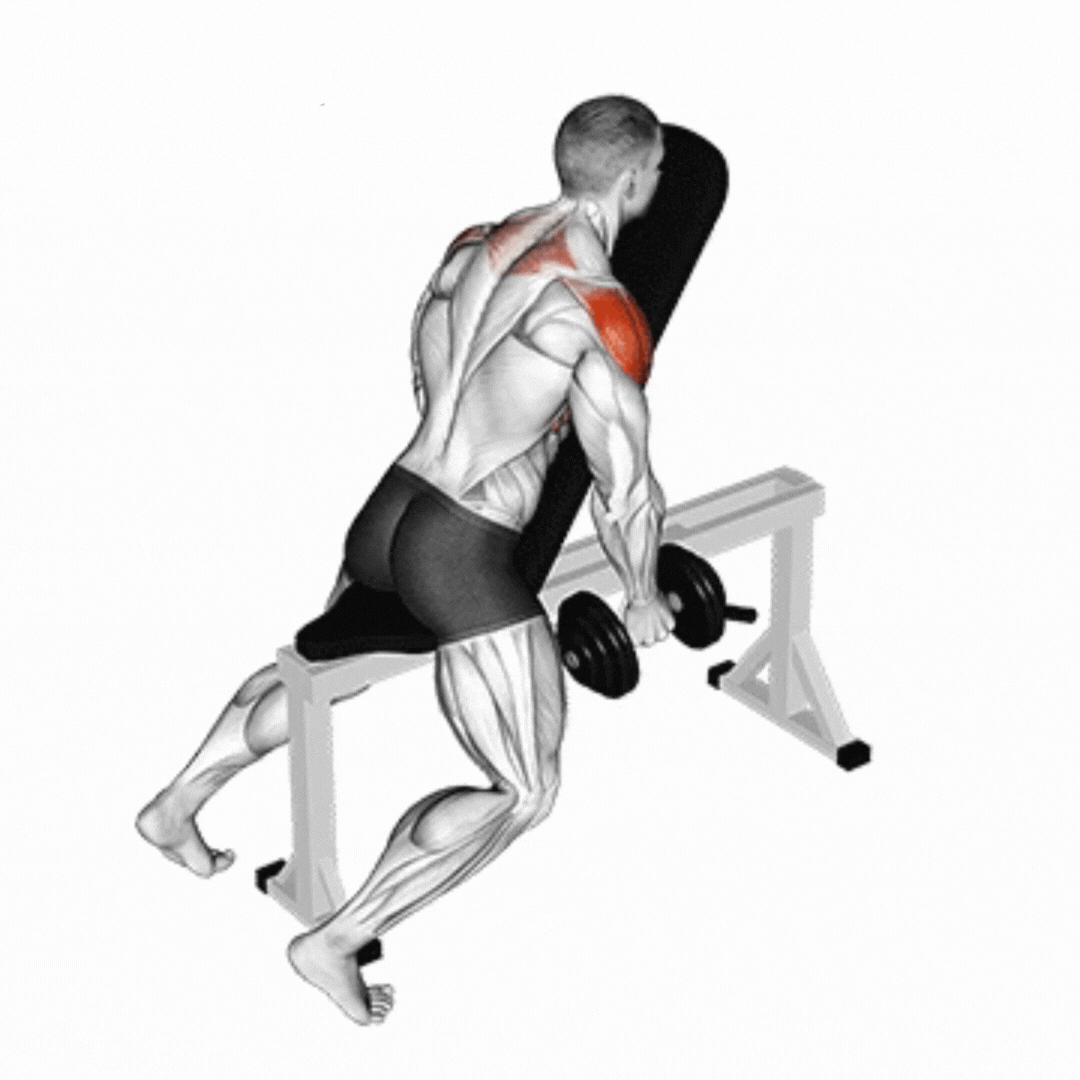
Side Delts
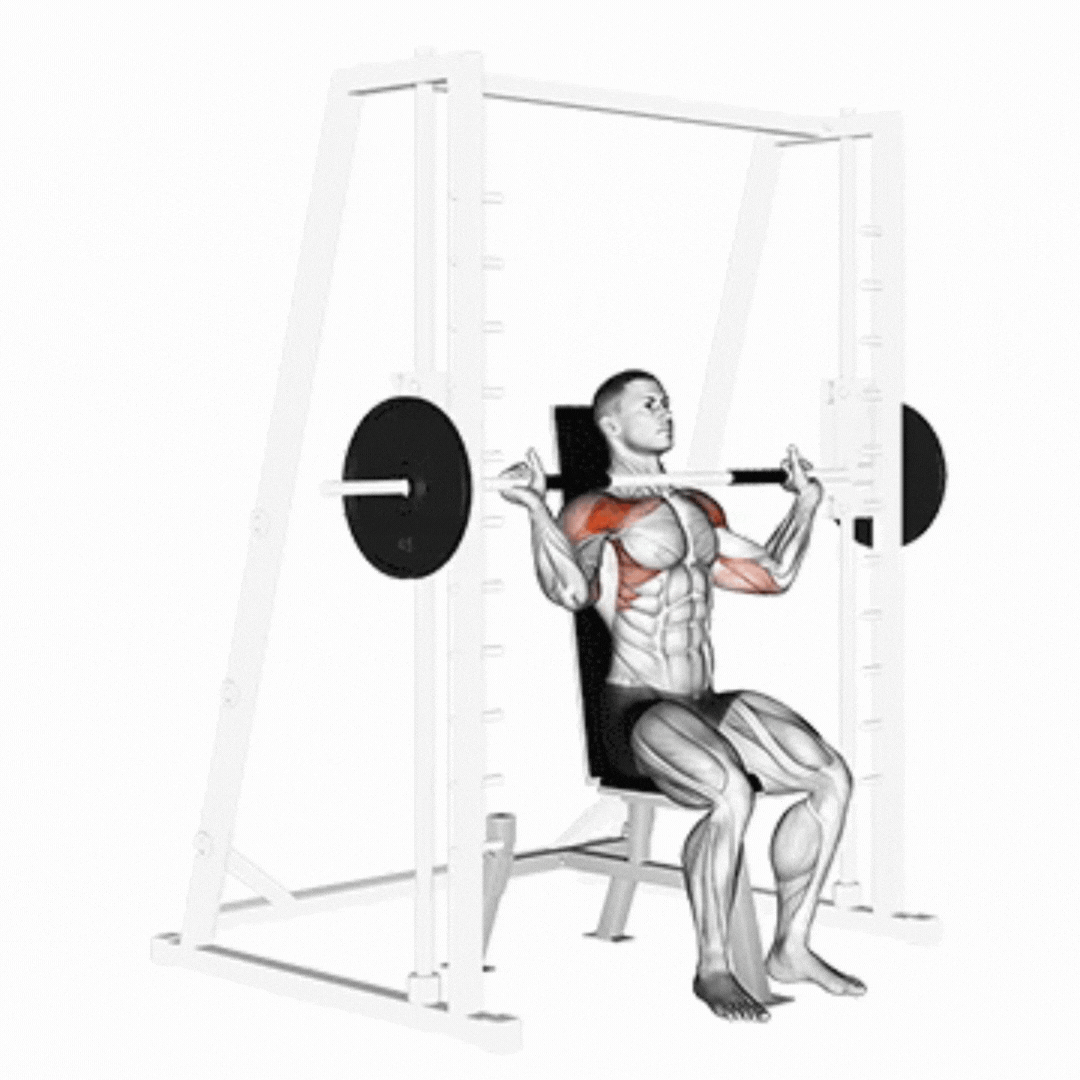
Front Delts
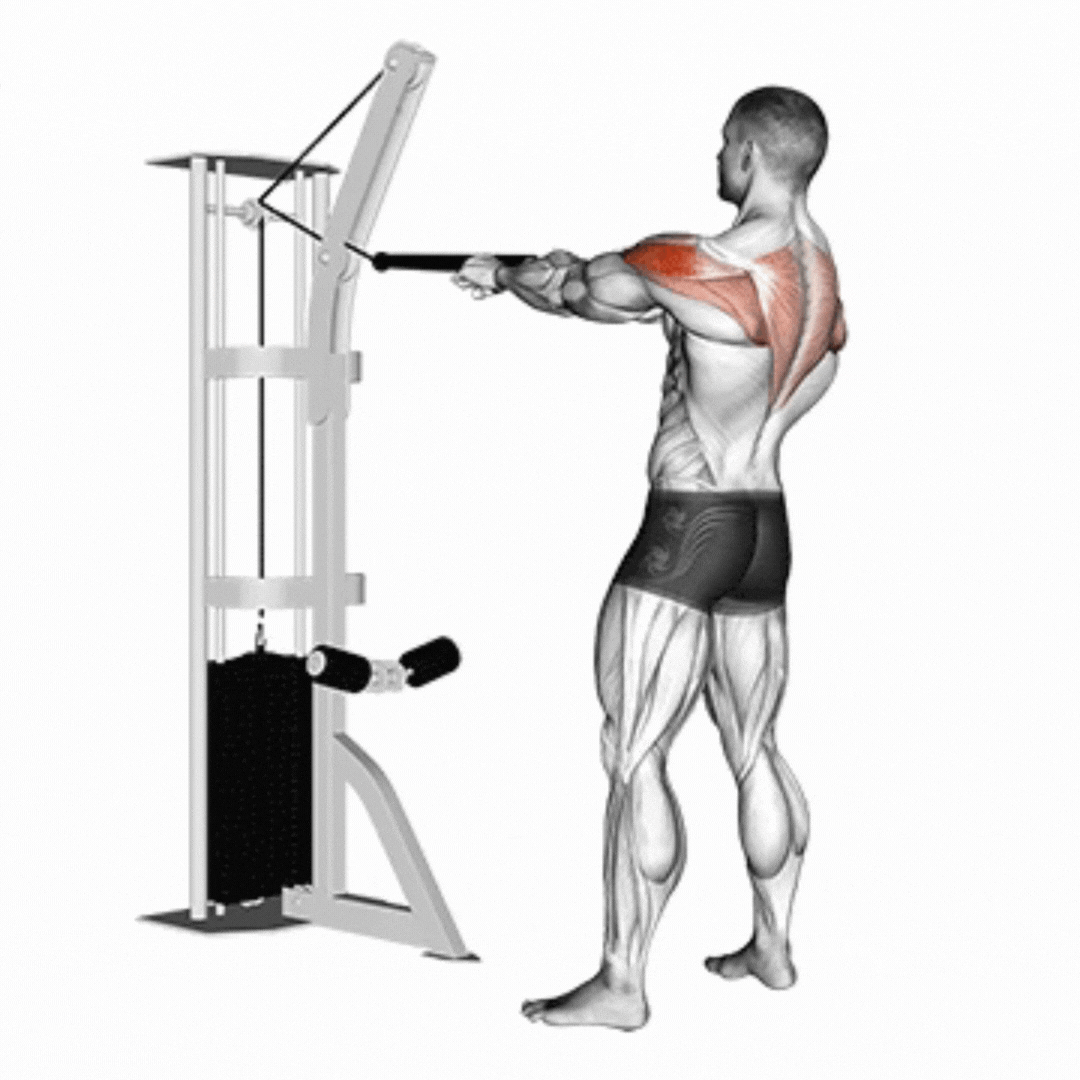
Rear Delts
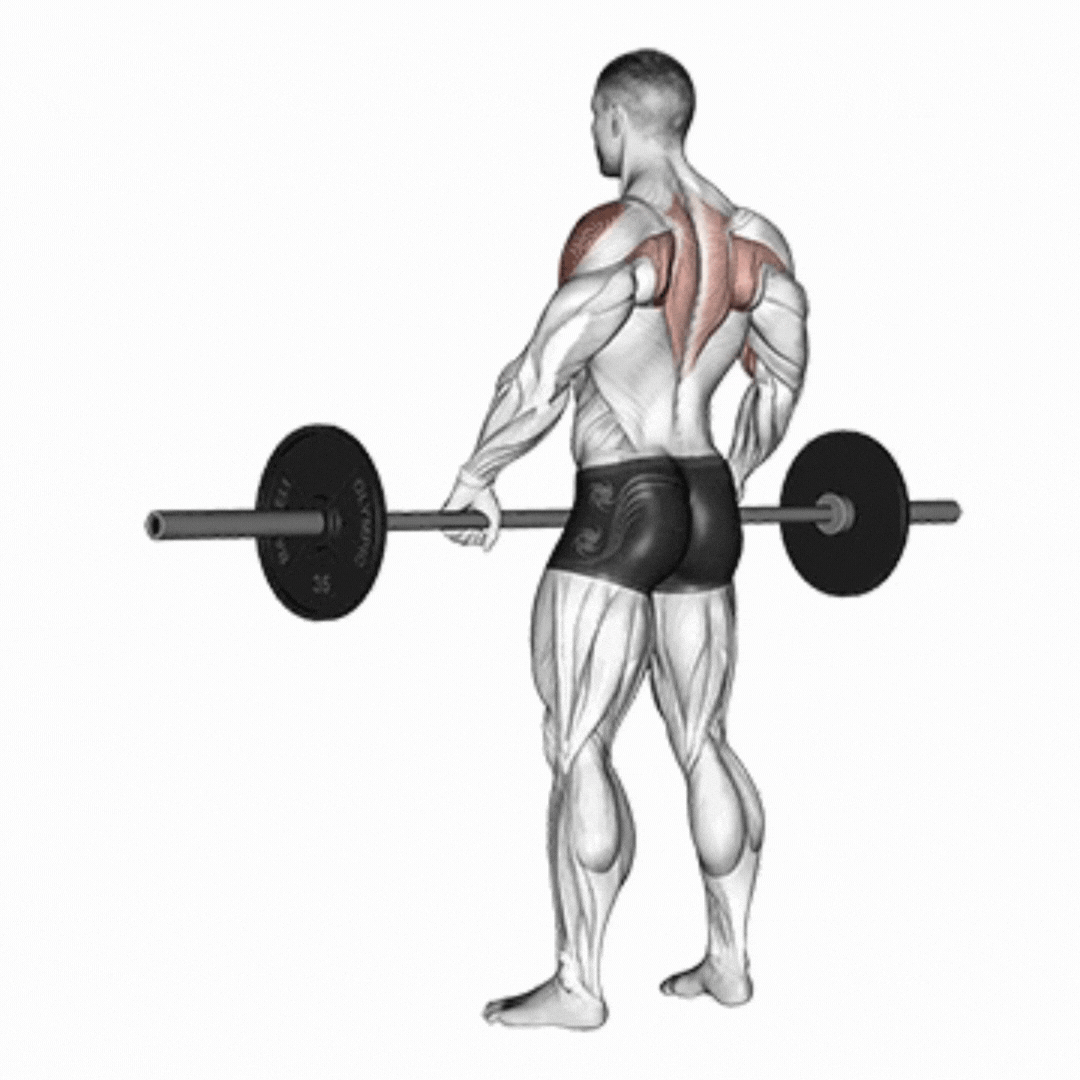
Side Delts
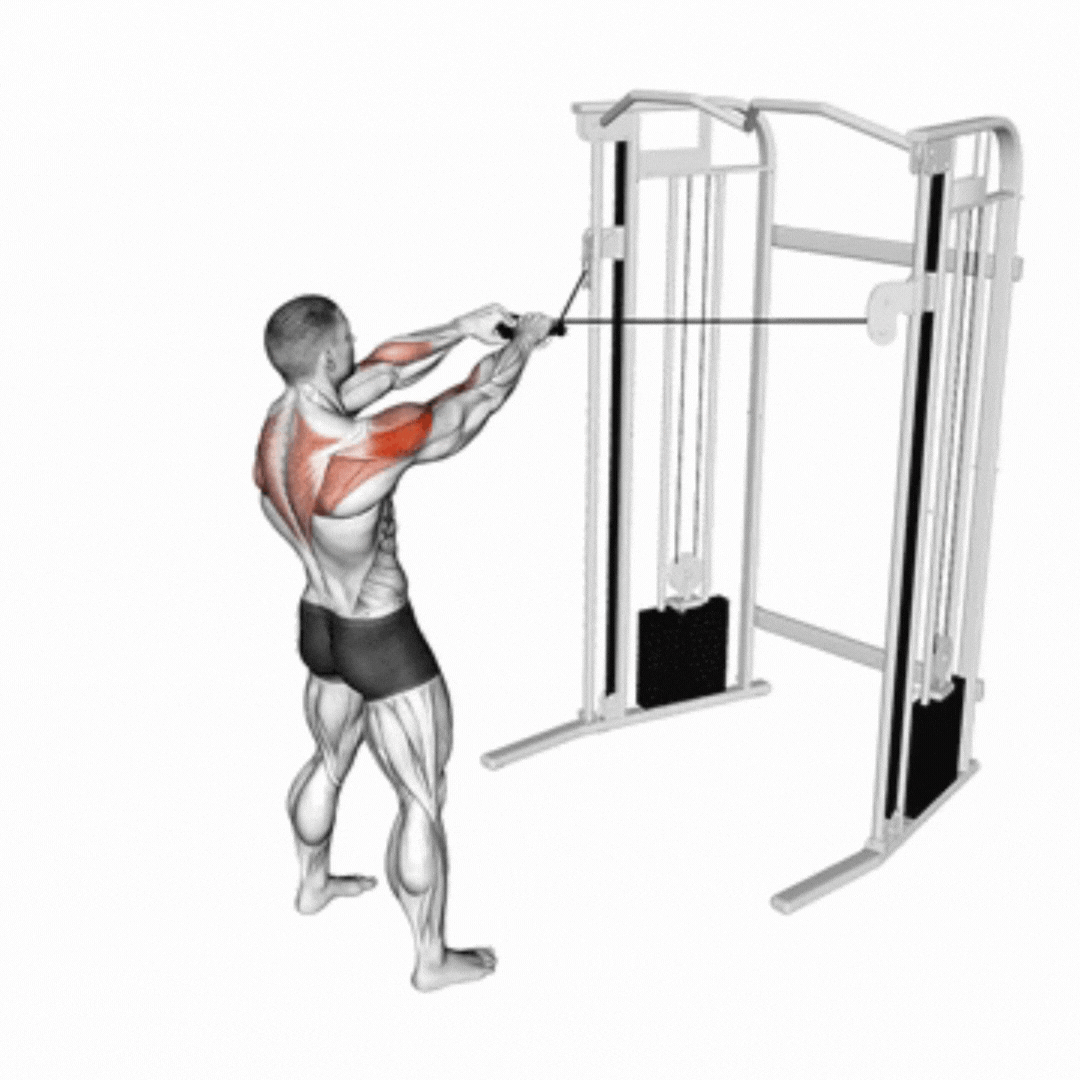
Rear Delts
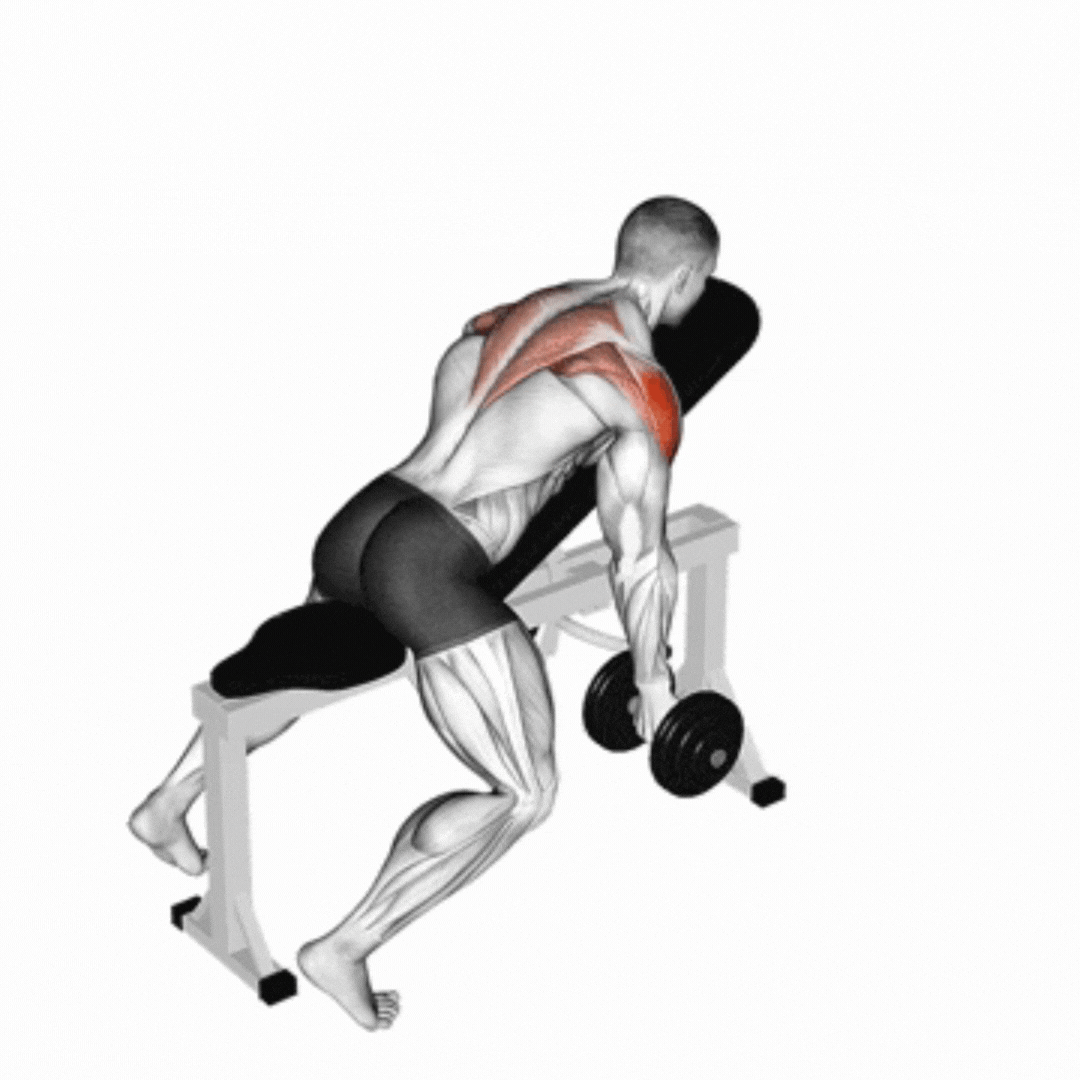
Rear Delts
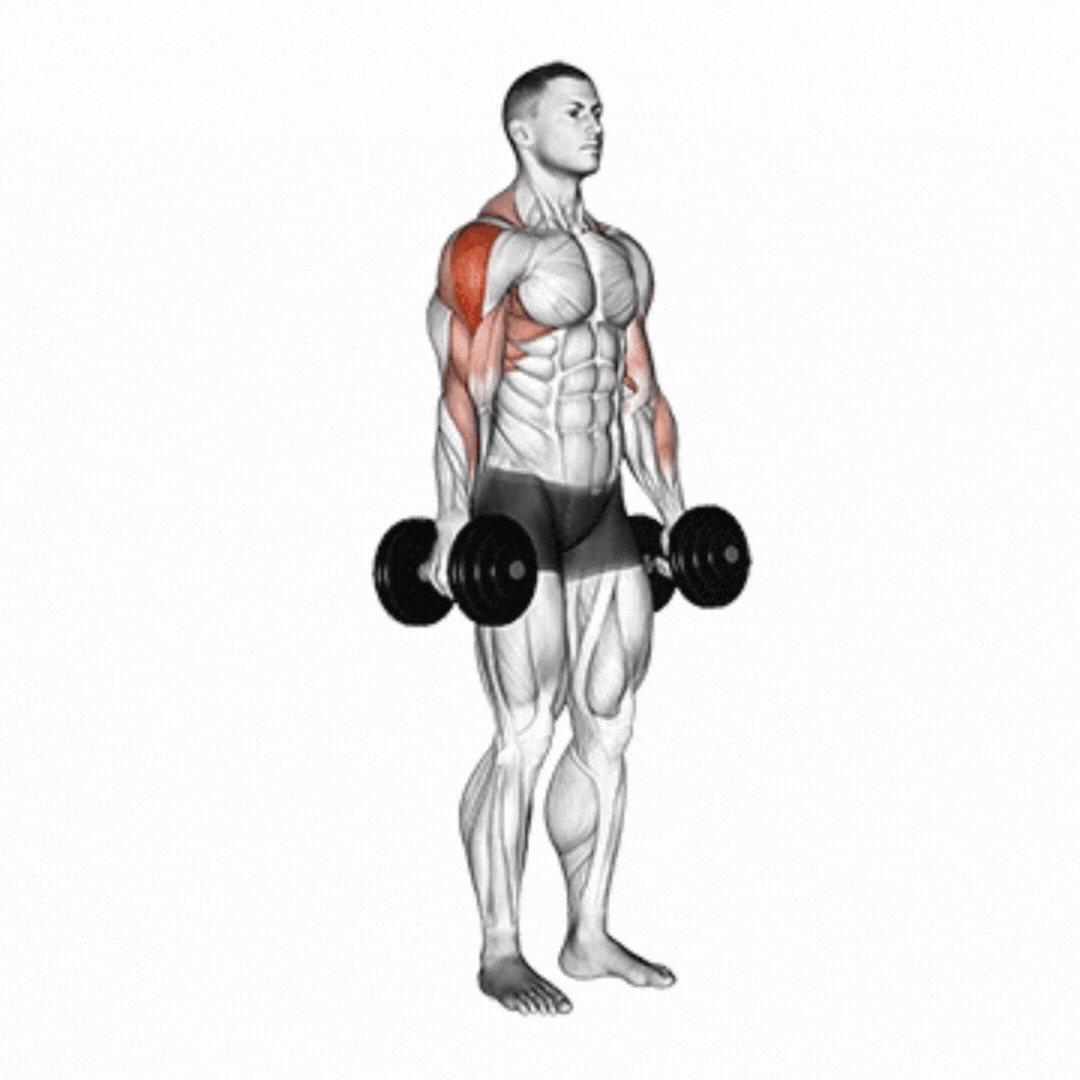
Rear Delts
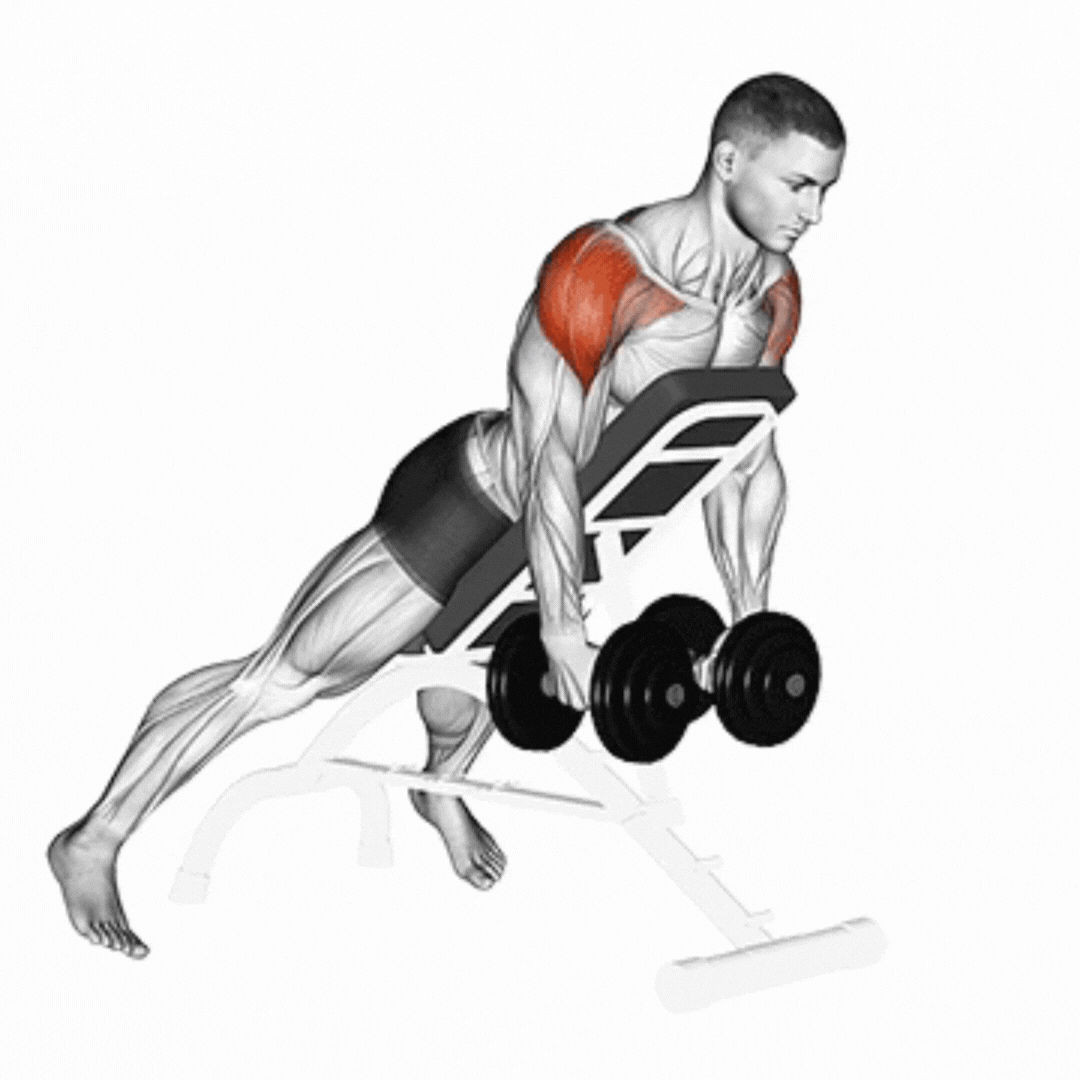
Rear Delts
Rear Delts
- ✓Targets and isolates the lateral deltoid muscle
- ✓Increases shoulder width and rounded appearance
- ✓Eliminates muscle imbalances through unilateral work
- ✓Provides greater range of motion thanks to the leaning position