BifitBifit
HomeExercisesBecome a Coach
Log In
HOMEEXERCISESBECOME A COACHLOG IN

Language

Legal

Terms of UsePrivacy PolicyDelete Account
BifitBifit

A modern and user-friendly mobile app that makes life easier for fitness enthusiasts. Tracking your workouts and progress is our priority.

Quick Links

  • Home
  • Exercises
  • Become a Coach
  • Download · Google Play
  • Download · App Store

Legal

  • Privacy Policy
  • Terms of Use
  • Support
  • Account Deletion

© 2026 Bifit. All rights reserved.

Designed for a healthy lifestyle

HomeExercisesBarbell Front Raise

Barbell Front Raise

Shoulders
Front Delts
Beginner
Isolation
3-4Set
10-15Reps
60sRest
3-1-2-0Tempo
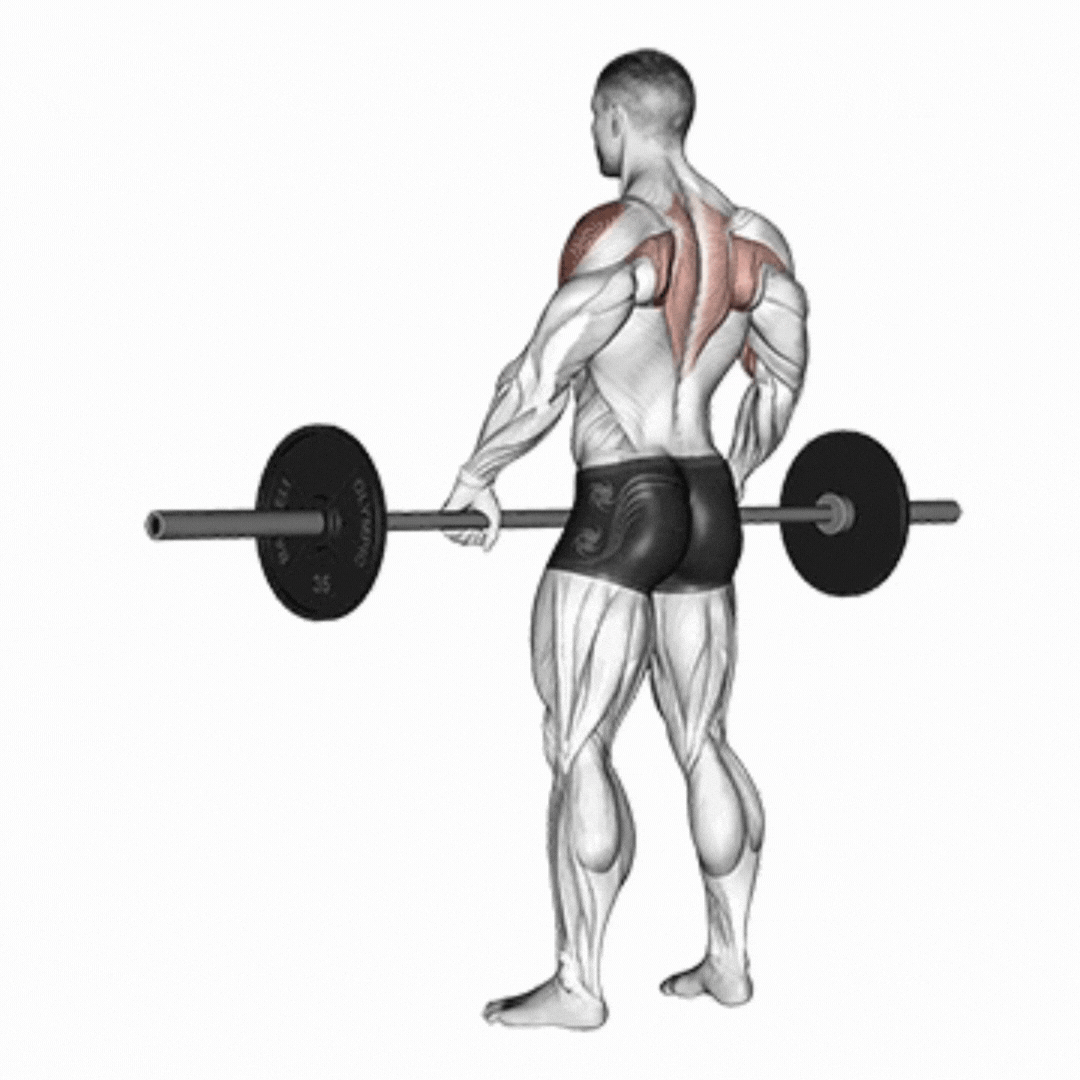
Barbell Front Raise
Animation

Description

Barbell Front Raise is an effective isolation exercise that strengthens the front shoulder muscles (anterior deltoid) through isolation. This movement is indispensable for athletes who want to create wide and defined shoulders. The barbell version allows you to use more weight compared to the dumbbell version, which supports muscle development. It's important to keep your core muscles active during the exercise to maintain balance. When performed with proper form, it increases shoulder stability and facilitates lifting movements in daily life. Additionally, it has a secondary effect on the upper chest muscles, contributing to upper body aesthetics.

Step-by-Step Instructions

  1. 1

    Position your feet at shoulder width apart, keep your chest open, and grip the barbell with an overhand grip (palms facing the body).

  2. 2

    Bring the barbell to the starting position in front of your thighs, keep your elbows slightly bent but fixed.

  3. 3

    Inhale and slowly lift the barbell to shoulder height in a controlled manner, your arms should be parallel to the floor.

  4. 4

    Hold at the top for 1-2 seconds, contract the front shoulder muscles, and exhale.

  5. 5

    Lower the barbell slowly and controlled to the starting position, don't let the weight drop.

  6. 6

    Complete the movement for 3-4 sets of 12-15 repetitions and rest 60-90 seconds between sets.

Key Points

  • ✓Grip the bar at shoulder width or slightly narrower, palms should face the legs
  • ✓Lift your arms forward with slight elbow bend, raise to shoulder level
  • ✓Keep your torso upright and stable, engage your abdominal muscles to provide lower back support
  • ✓Perform the movement at a controlled tempo, maintain muscle control during both lifting and lowering phases
  • ✓Keep your shoulders down, don't let them rise toward your ears

Common Mistakes

  • ✗Swinging the torso backward - places excessive load on the lower back and disrupts anterior deltoid isolation
  • ✗Lifting the bar far above shoulder level - increases risk of shoulder impingement syndrome and engages the trapezius
  • ✗Keeping elbows fully locked - applies unnecessary stress to the elbow joint
  • ✗Using too heavy weight and working with momentum - target muscle doesn't receive adequate stimulus and injury risk increases
  • ✗Lowering the bar too fast - loses the muscle-building potential of the eccentric phase

Breathing

Exhale as you lift the bar upward, inhale as you return to the starting position in a controlled manner.

Muscle Activation

shoulders0%
chest0%
traps0%

Safety

Precautions

  • Those with shoulder impingement syndrome should be cautious
  • Those with rotator cuff injuries should try alternative exercises
  • Those with lower back pain should keep abdominal muscles tight
  • Those with neck problems should pay attention to head position

Safety Tips

  • Don't lift the weight with sudden movements
  • Keep your elbows slightly bent throughout the movement
  • Keep your back straight, don't lean forward
  • Choose appropriate weight, don't compromise form

Frequently Asked Questions

Which muscles does Barbell Front Raise work?

Barbell Front Raise primarily works these muscles: Anterior deltoids. It also engages: Upper chest, Traps, Lateral deltoids.

Is Barbell Front Raise suitable for beginners?

Barbell Front Raise is a Beginner level exercise. Learning difficulty: Easy.

Can Barbell Front Raise be done at home?

Barbell Front Raise usually requires gym equipment, so it can be hard to do at home.

What are common mistakes when doing Barbell Front Raise?

One of the most common mistakes: Swinging the torso backward - places excessive load on the lower back and disrupts anterior deltoid isolation

How many sets and reps for Barbell Front Raise?

Recommended: 3-4 sets and 10-15 reps.
Related Exercises

Exercises targeting similar muscle groups

Shoulders Exercises
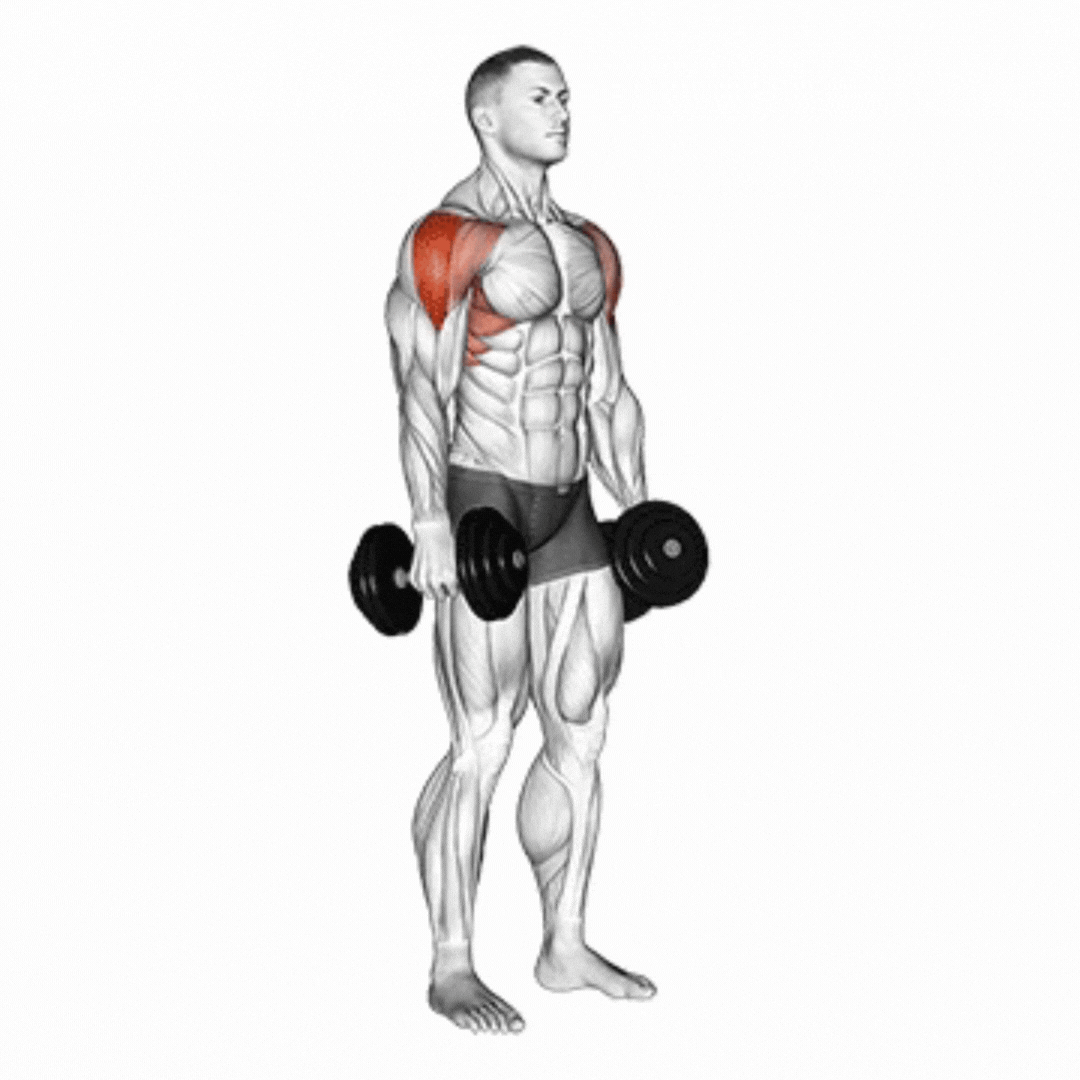
Seated High Fly Machine

Seated High Fly Machine

Side Delts

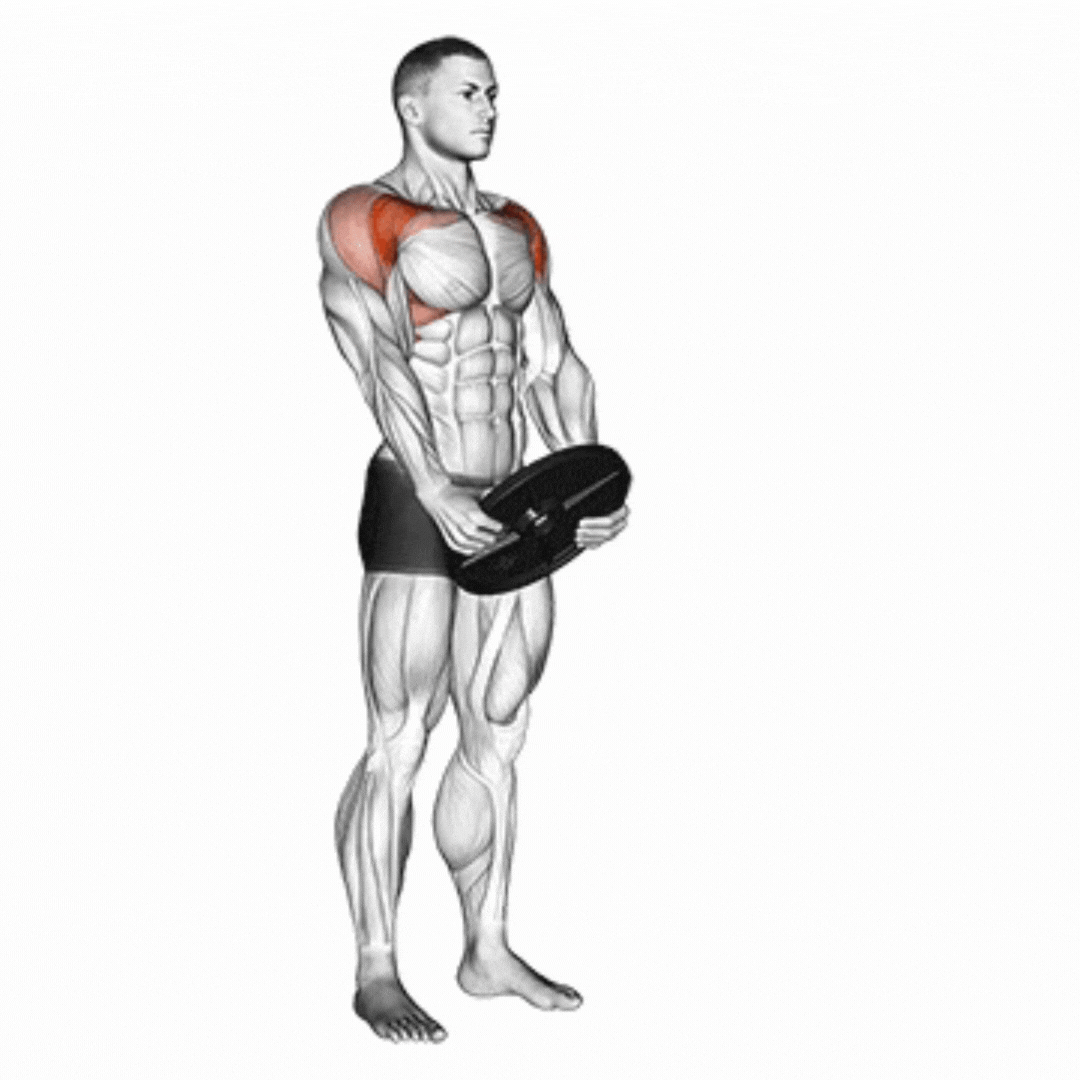
Kneeling Cable Press

Kneeling Cable Press

Front Delts

Dumbbell Arnold Press

Dumbbell Arnold Press

Front Delts

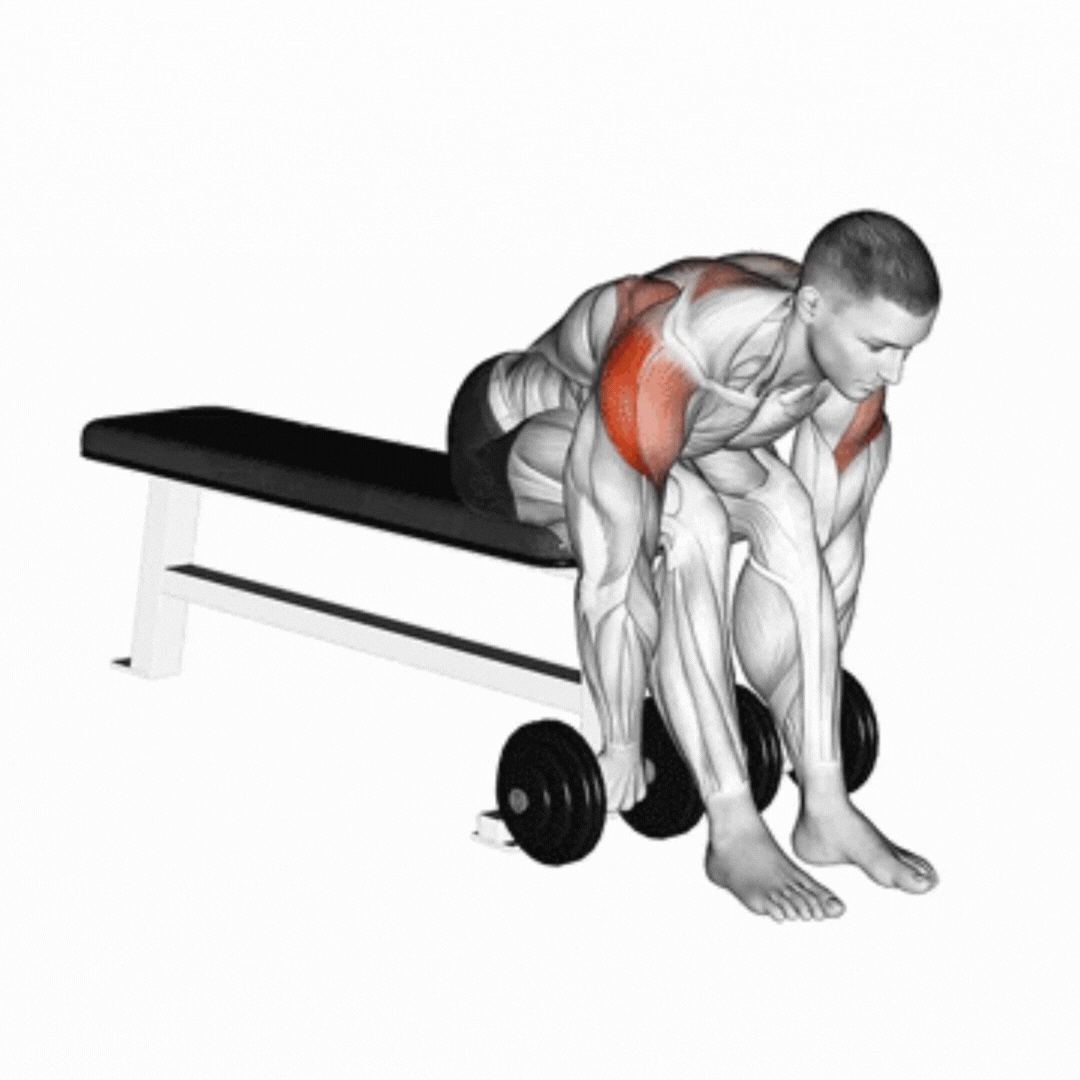
Dumbbell Seated Cuban Press

Dumbbell Seated Cuban Press

Rear Delts

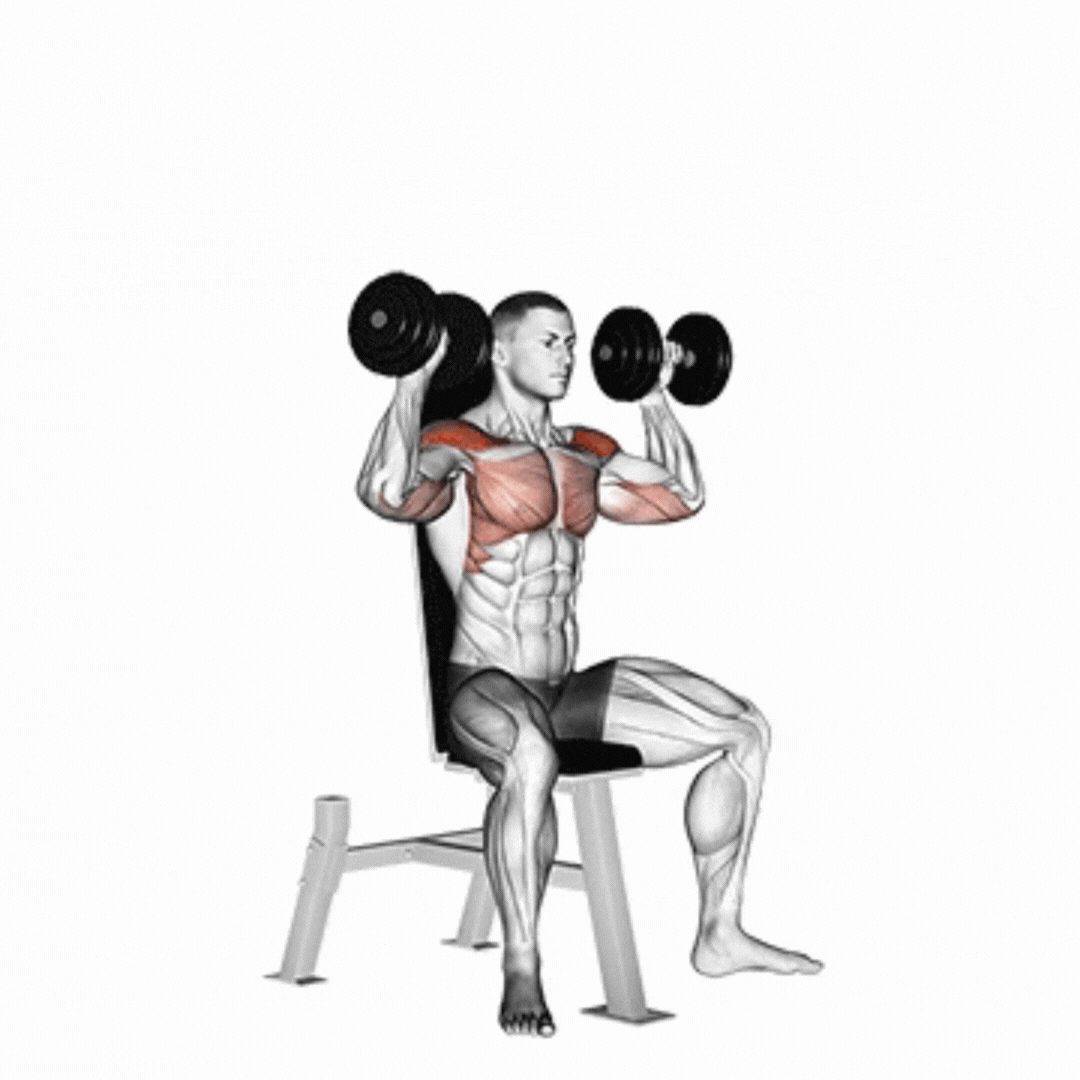
Seated Dumbbell Palms in Shoulder Press

Seated Dumbbell Palms in Shoulder Press

Front Delts

Dumbbell Alternate Shoulder Press

Dumbbell Alternate Shoulder Press

Front Delts

Exercise Information

DifficultyBeginner
Movement TypeIsolation
FocusHypertrophy
Injury RiskMedium
Set3-4
Reps10-15
Rest60 seconds
Tempo3-1-2-0
Spotter RequiredNo
Home / Gym
NoYes
Effectiveness3.7 / 5
Popularity5.8 / 10
Learning DifficultyEasy

Equipment

barbell

Primary Muscles

Anterior deltoids

Secondary Muscles

Upper chestTrapsLateral deltoids

Benefits

  • ✓Strengthens the anterior deltoid muscles
  • ✓Develops the upper body front area
  • ✓Offers intensive training opportunity with barbell
  • ✓Increases shoulder definition

Goals

Muscle GainStrength
Back to All Exercises
Barbell Front Raise
Animation

Description

Barbell Front Raise is an effective isolation exercise that strengthens the front shoulder muscles (anterior deltoid) through isolation. This movement is indispensable for athletes who want to create wide and defined shoulders. The barbell version allows you to use more weight compared to the dumbbell version, which supports muscle development. It's important to keep your core muscles active during the exercise to maintain balance. When performed with proper form, it increases shoulder stability and facilitates lifting movements in daily life. Additionally, it has a secondary effect on the upper chest muscles, contributing to upper body aesthetics.

Step-by-Step Instructions

  1. 1

    Position your feet at shoulder width apart, keep your chest open, and grip the barbell with an overhand grip (palms facing the body).

  2. 2

    Bring the barbell to the starting position in front of your thighs, keep your elbows slightly bent but fixed.

  3. 3

    Inhale and slowly lift the barbell to shoulder height in a controlled manner, your arms should be parallel to the floor.

  4. 4

    Hold at the top for 1-2 seconds, contract the front shoulder muscles, and exhale.

  5. 5

    Lower the barbell slowly and controlled to the starting position, don't let the weight drop.

  6. 6

    Complete the movement for 3-4 sets of 12-15 repetitions and rest 60-90 seconds between sets.

Key Points

  • ✓Grip the bar at shoulder width or slightly narrower, palms should face the legs
  • ✓Lift your arms forward with slight elbow bend, raise to shoulder level
  • ✓Keep your torso upright and stable, engage your abdominal muscles to provide lower back support
  • ✓Perform the movement at a controlled tempo, maintain muscle control during both lifting and lowering phases
  • ✓Keep your shoulders down, don't let them rise toward your ears

Common Mistakes

  • ✗Swinging the torso backward - places excessive load on the lower back and disrupts anterior deltoid isolation
  • ✗Lifting the bar far above shoulder level - increases risk of shoulder impingement syndrome and engages the trapezius
  • ✗Keeping elbows fully locked - applies unnecessary stress to the elbow joint
  • ✗Using too heavy weight and working with momentum - target muscle doesn't receive adequate stimulus and injury risk increases
  • ✗Lowering the bar too fast - loses the muscle-building potential of the eccentric phase

Breathing

Exhale as you lift the bar upward, inhale as you return to the starting position in a controlled manner.

Back to All Exercises

Related Exercises

Exercises targeting similar muscle groups

Shoulders Exercises
Seated High Fly Machine

Seated High Fly Machine

Side Delts

Kneeling Cable Press

Kneeling Cable Press

Front Delts

Dumbbell Arnold Press

Dumbbell Arnold Press

Front Delts

Dumbbell Seated Cuban Press

Dumbbell Seated Cuban Press

Rear Delts

Seated Dumbbell Palms in Shoulder Press

Seated Dumbbell Palms in Shoulder Press

Front Delts

Dumbbell Alternate Shoulder Press

Dumbbell Alternate Shoulder Press

Front Delts