.gif)
Description
Plate Front Raise is an isolation exercise performed using a weight plate that targets the front shoulder muscles (anterior deltoid). This movement also secondarily works the upper chest muscles and forearm muscles. The plate grip keeps the hands in a fixed position and adds a different grip angle to the movement. It helps increase shoulder joint stability and create definition in the front shoulders. It adds variety to training programs as an alternative to dumbbell or barbell front raise movements. Grasping the plate with both hands makes controlling the movement easier and therefore is suitable for beginners as well.
Plate Front Raise How-To Guide
- 1
Stand upright, grasp a weight plate with both hands at the 10 and 2 o'clock positions with arms extended downward
- 2
Keeping your torso stable and elbows slightly bent, raise the plate forward to shoulder height
- 3
At the top of the movement your arms should be parallel to the floor, hold for one second at this point
- 4
Lower the plate slowly and controlledly to the starting position
- 5
Throughout the movement avoid swinging your torso and using momentum from the waist
Key Points
- ✓Grasp the plate with both hands, arms in front and slightly bent
- ✓Feet shoulder-width apart, keep core muscles active
- ✓Raise the plate to shoulder level or slightly above
- ✓Maintain straight back, chest open position
- ✓Lower the plate controlledly to the starting position
Common Mistakes
- ✗Raising the plate too high - unnecessary trapezius activation occurs
- ✗Leaning back - stress and injury risk in the lower back region
- ✗Keeping arms completely straight - excessive load on elbow joints
- ✗Using momentum - front deltoid isolation is lost
- ✗Raising shoulders upward - trapezius engages, shoulder fatigue increases
Breathing
Exhale as you raise the plate upward, inhale as you lower it down. Keep abdominal muscles tight throughout the movement.
Muscle Activation
Safety
Precautions
- Those with shoulder impingement syndrome should be cautious
- Those with rotator cuff injuries should obtain medical clearance
- Those with herniated discs should keep abdominal muscles tight
- Those with neck problems should pay attention to head position
Safety Tips
- Increase weight gradually, use a light plate initially
- Don't keep arms completely straight, have slight bend in elbows
- Raise the plate from chest level to eye level
- Keep abdominal muscles tight throughout the movement
Frequently Asked Questions
Which muscles does Plate Front Raise work?
Plate Front Raise primarily works these muscles: Anterior deltoid. It also engages: Lateral deltoid, Upper chest.
Is Plate Front Raise suitable for beginners?
Plate Front Raise is a Beginner level exercise. Learning difficulty: Easy.
Can Plate Front Raise be done at home?
Yes, Plate Front Raise can easily be done at home.
What are common mistakes when doing Plate Front Raise?
One of the most common mistakes: Raising the plate too high - unnecessary trapezius activation occurs
How many sets and reps for Plate Front Raise?
Recommended: 3-4 sets and 10-15 reps.
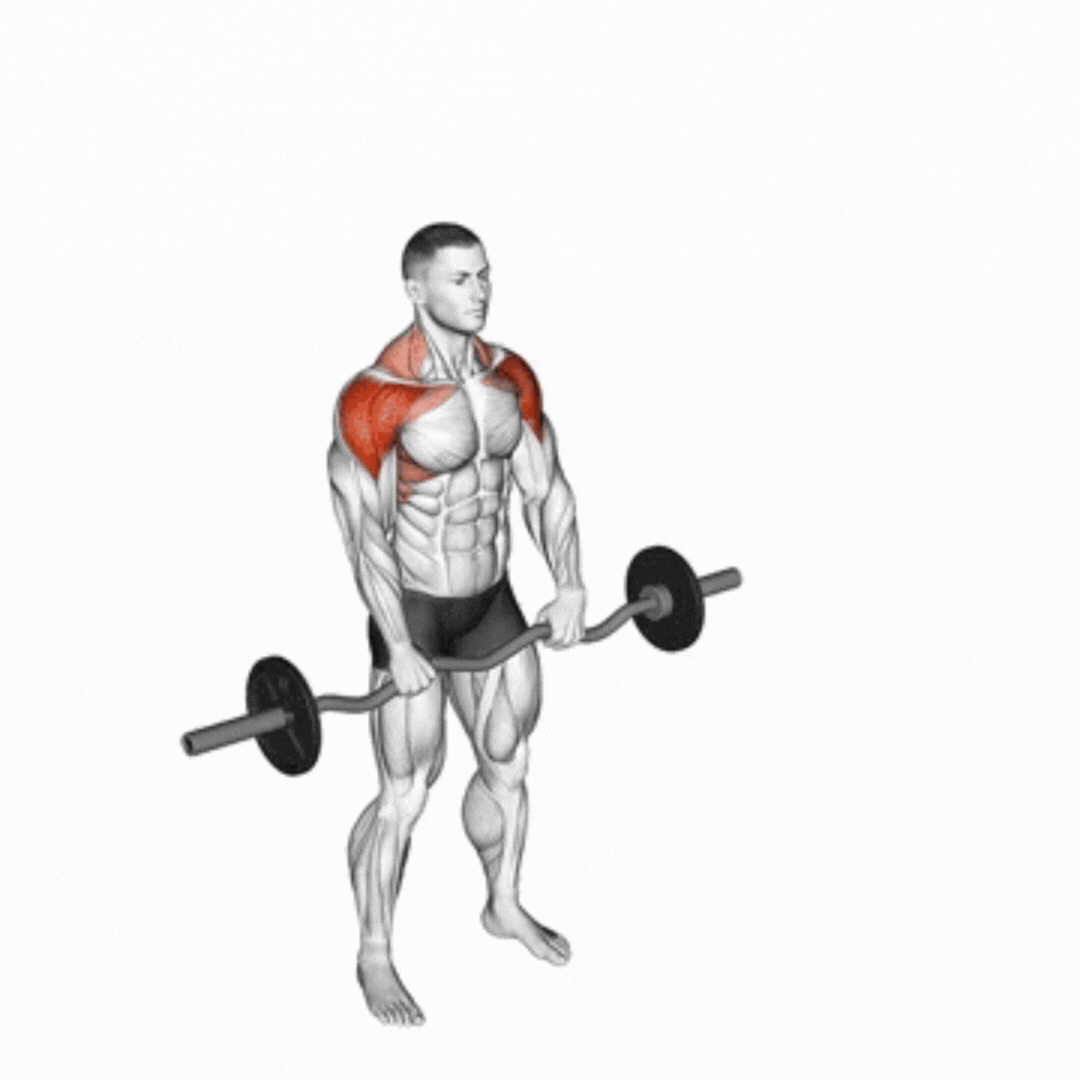
Front Delts
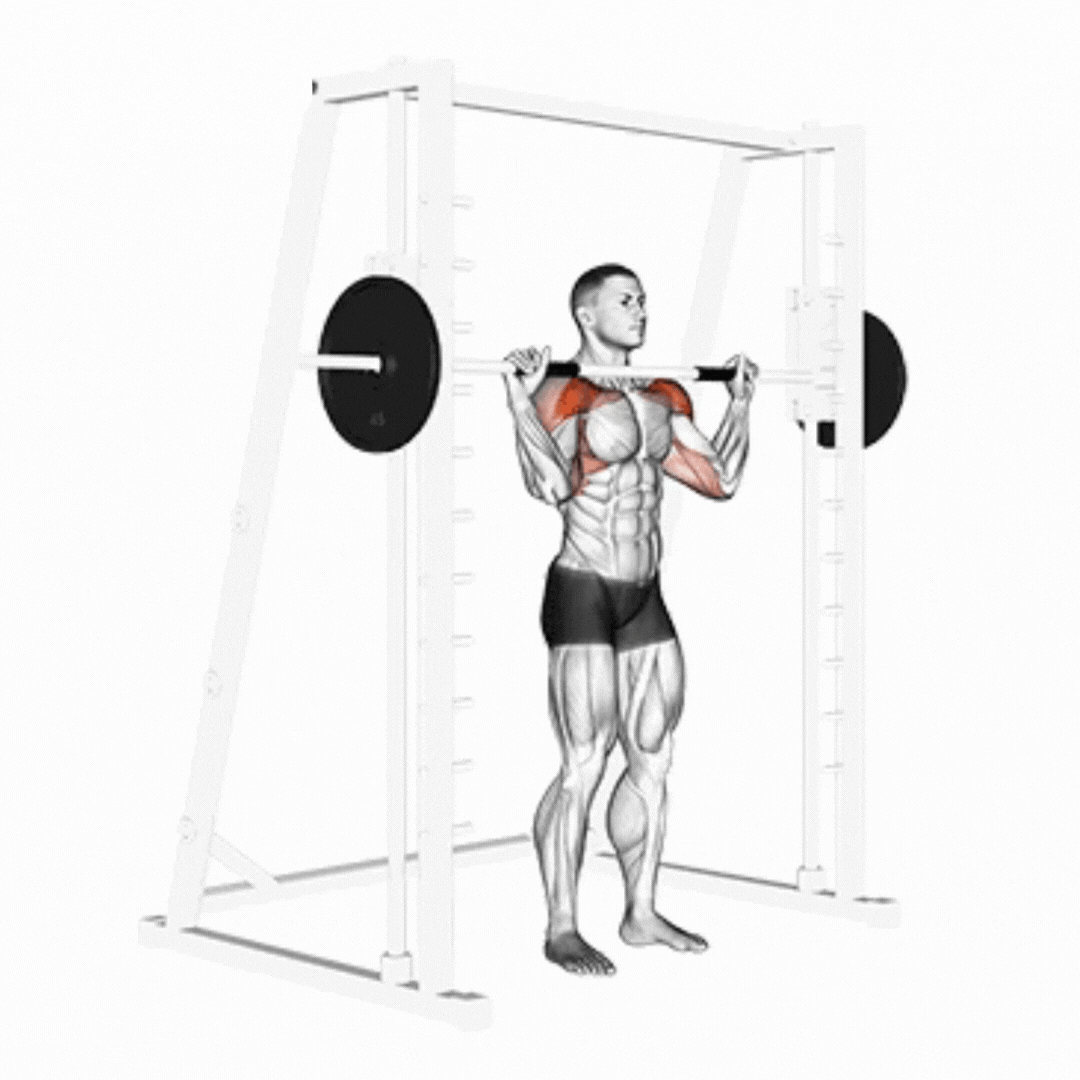
Front Delts
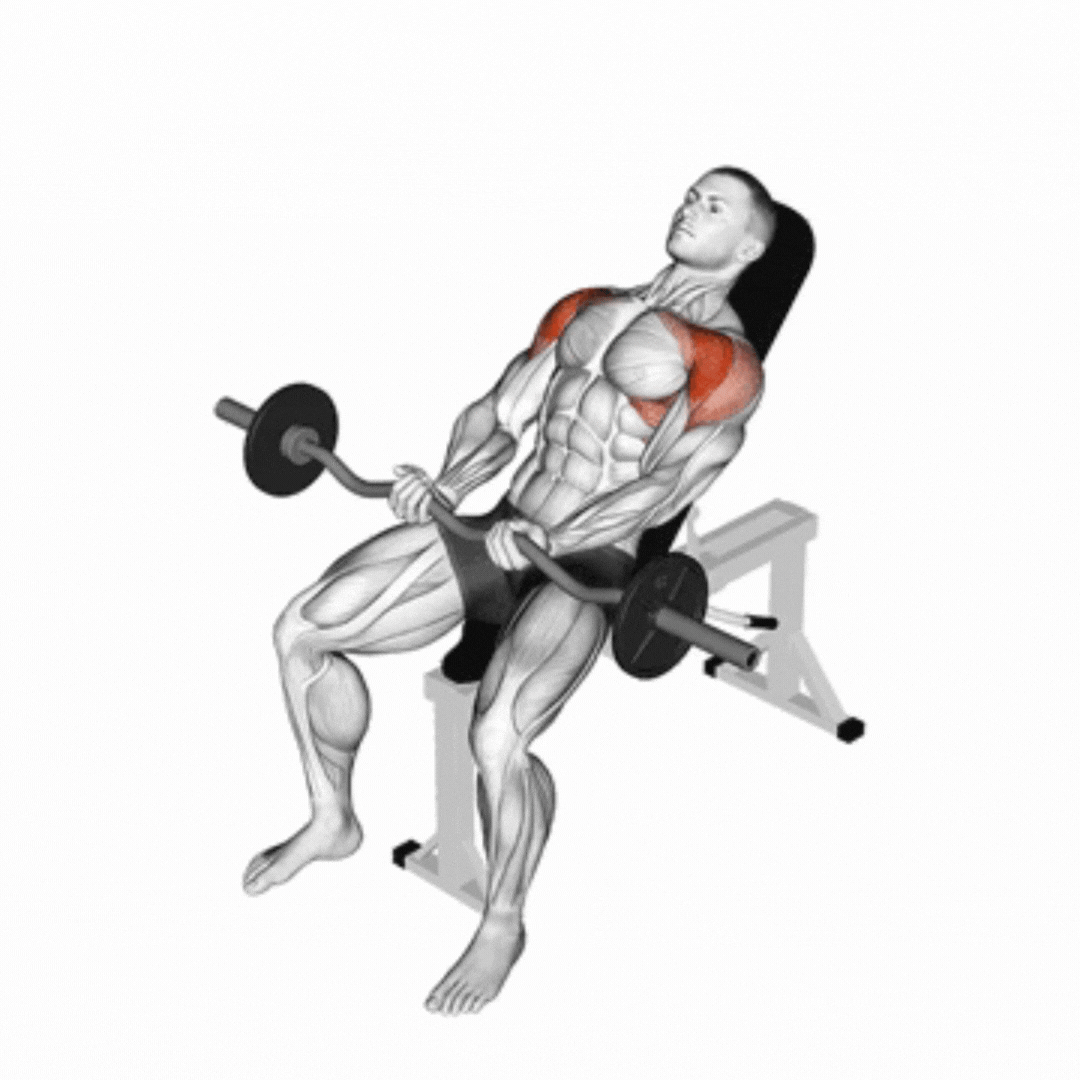
Front Delts
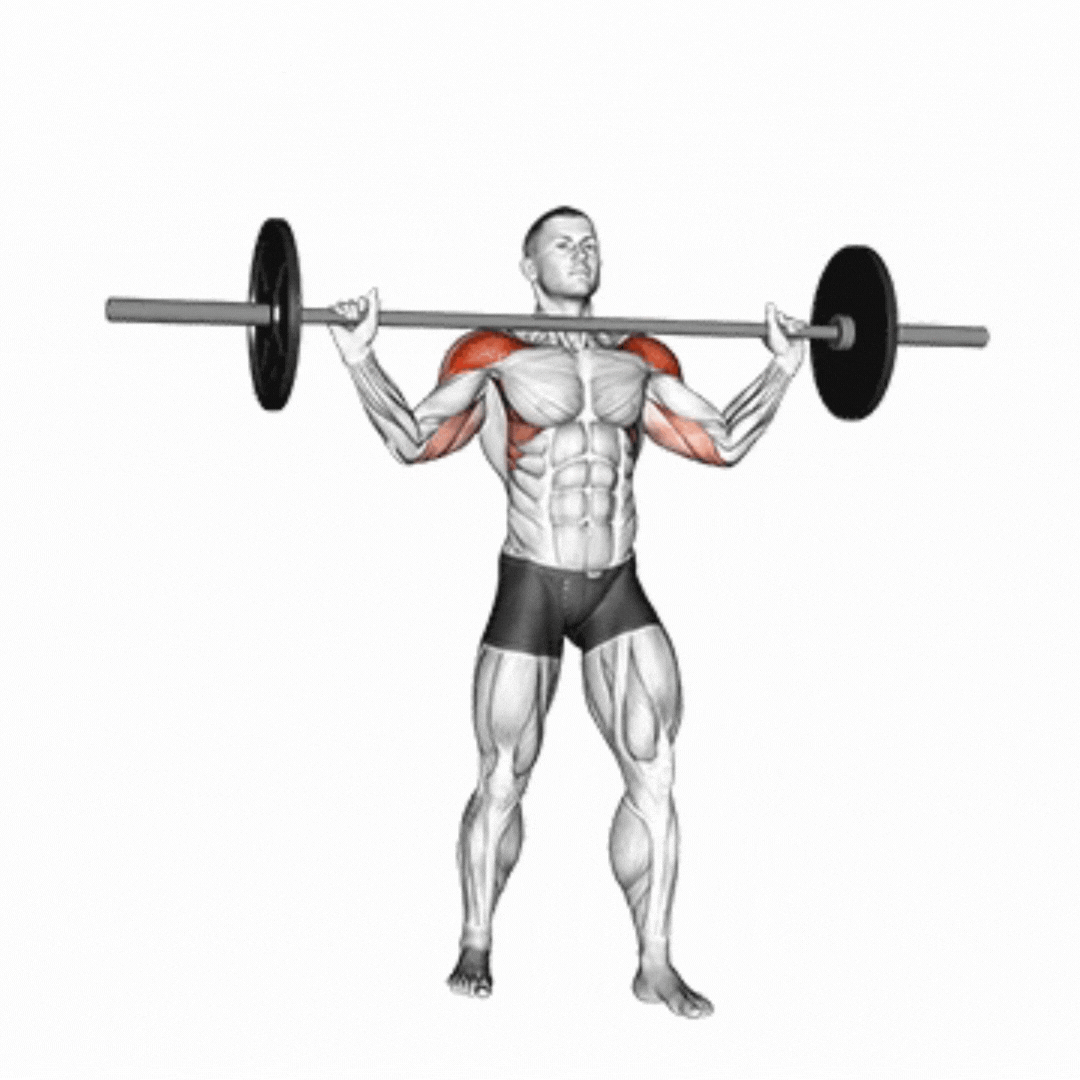
Front Delts
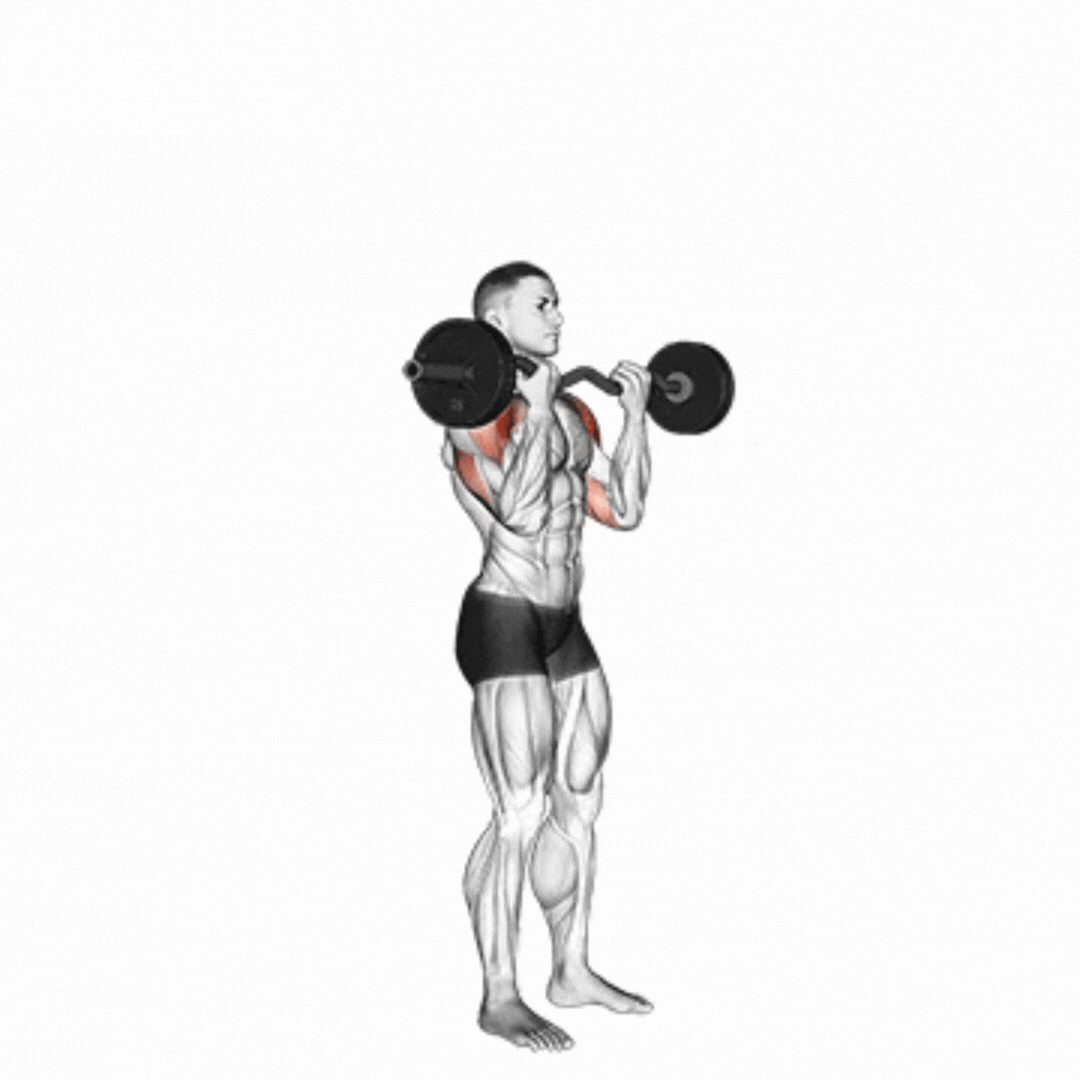
Front Delts
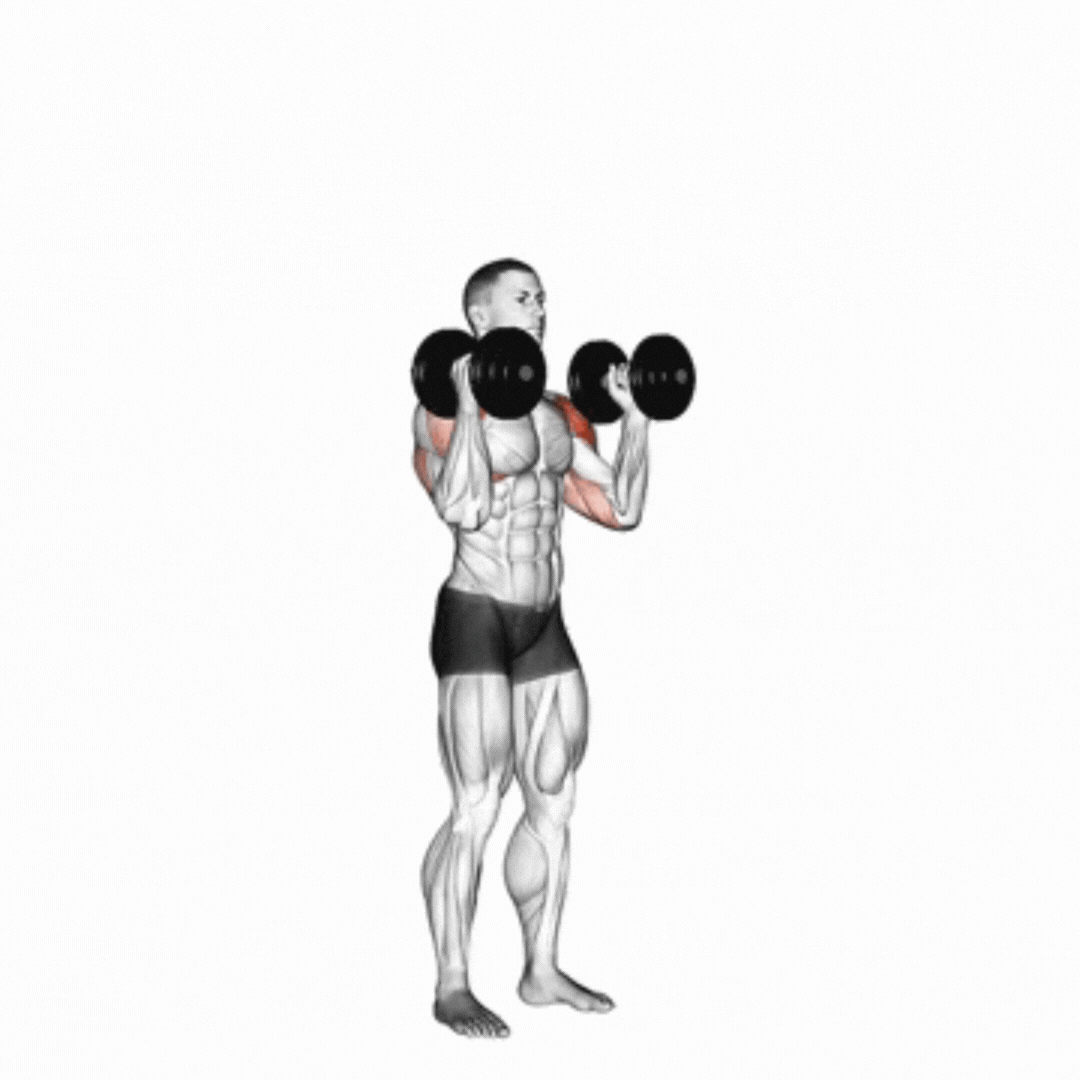
Front Delts
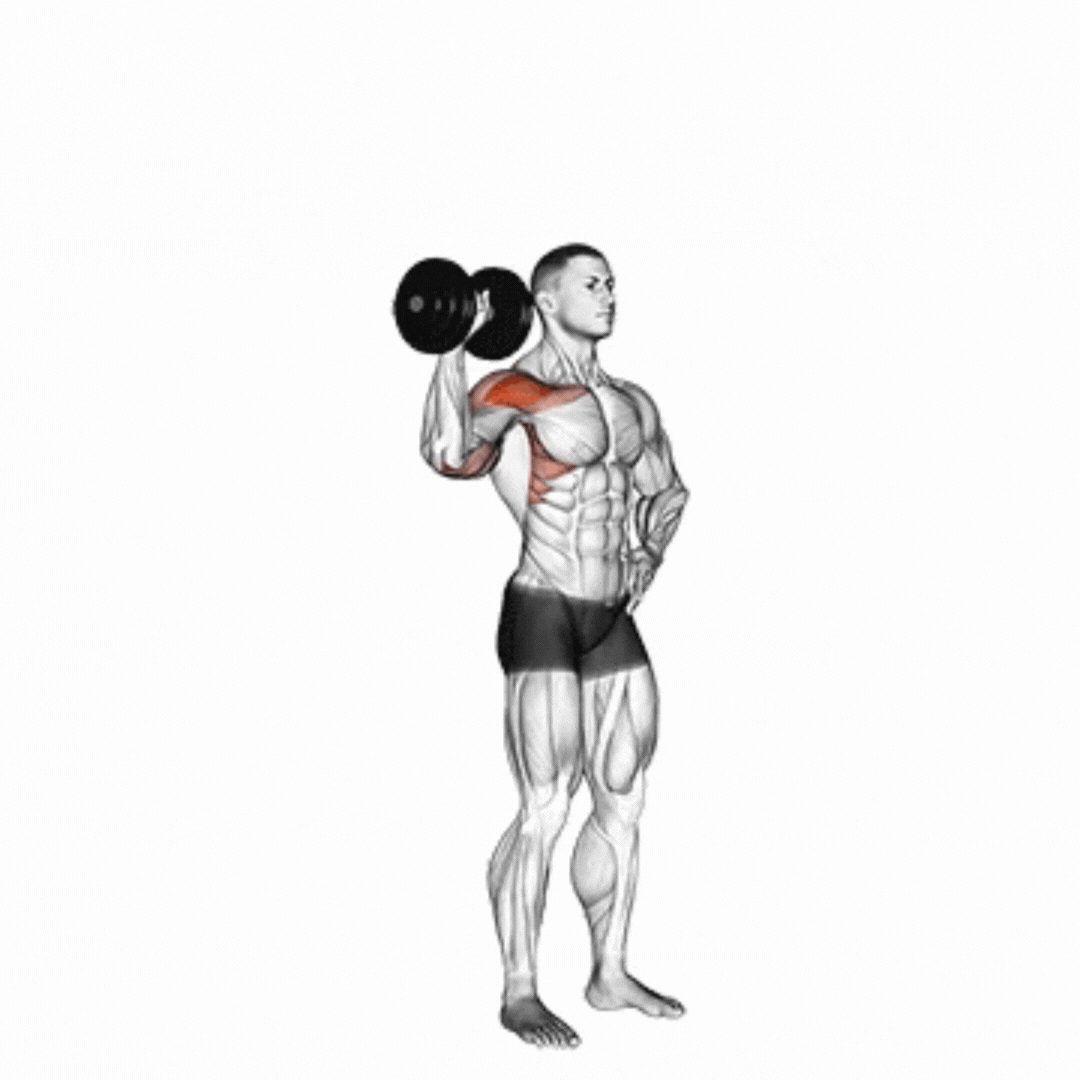
Front Delts
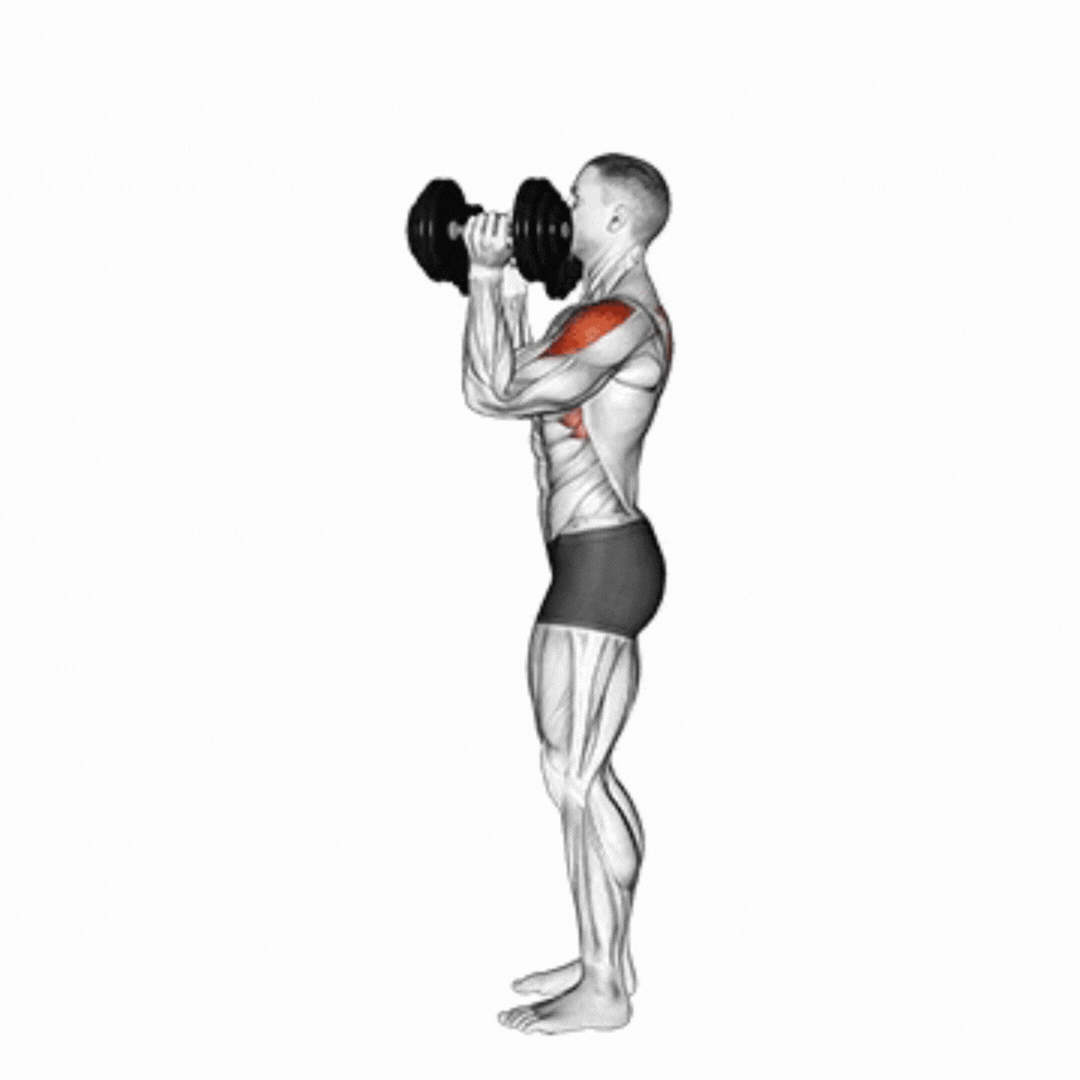
Front Delts
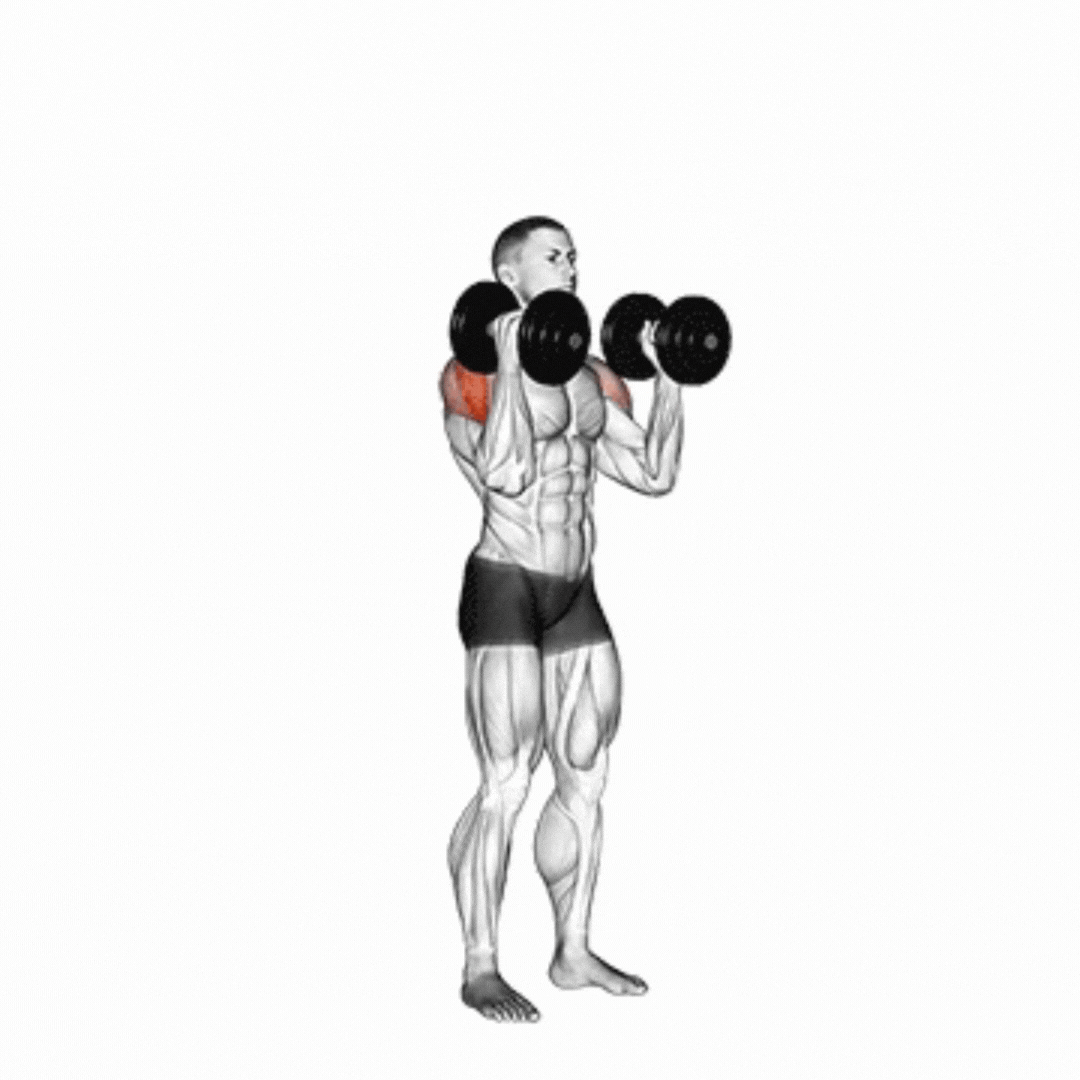
Front Delts
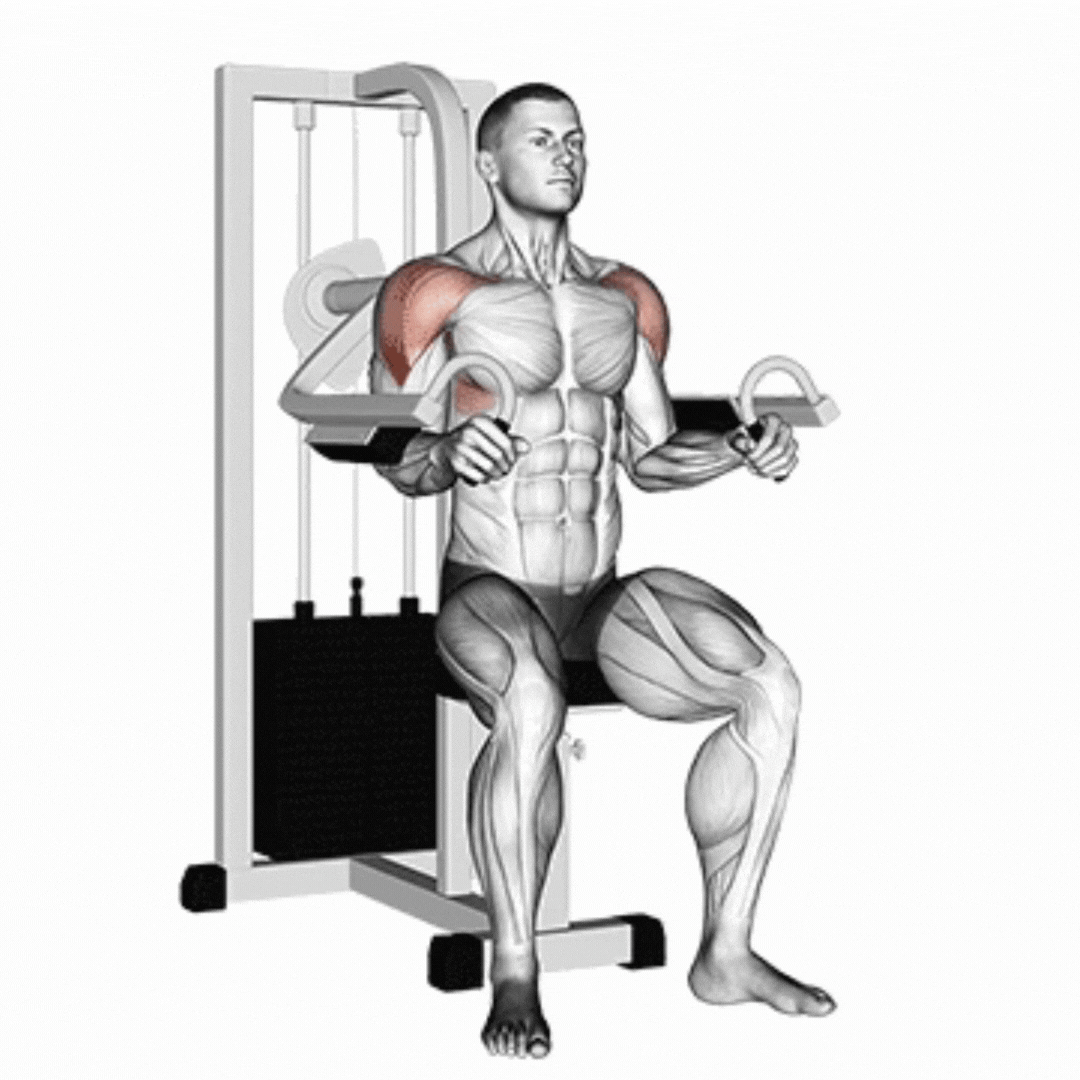
Side Delts
- ✓Effectively works the front deltoid muscle
- ✓Increases shoulder flexion strength
- ✓Develops grip strength and forearm muscles
- ✓Can be performed with simple equipment