.gif)
Description
Dumbbell W-press is an effective isolation exercise targeting the shoulder muscles. This movement strengthens the anterior and middle deltoid muscles while also working the upper chest muscles. The exercise name comes from the W-shape formed by the arms during the movement, which form balances the load on the shoulder joint. This press variation performed with dumbbells ensures both arms work symmetrically and helps eliminate strength imbalances. When performed regularly, it contributes to shoulder width and aesthetics.
Dumbbell W-press How-To Guide
- 1
Hold dumbbells in both hands and lie supine on a flat bench. Your feet should be firmly planted on the floor and your back fully against the bench.
- 2
Bring the dumbbells to chest level in the starting position. Your elbows should be close to your body and palms facing forward.
- 3
Exhale and push the dumbbells upward. When your arms are fully extended, your hands should form a W-shape on either side of your head.
- 4
Hold the position at the top for 1-2 seconds and squeeze your deltoid muscles.
- 5
Inhale and return to the starting position in a controlled manner. Perform the negative phase of the movement slowly.
- 6
Perform 4 sets of 12-15 repetitions and rest 60-90 seconds between sets.
Key Points
- ✓Initially elbows are bent downward and arms are in W-shape position
- ✓As you push the weights upward, keep your elbows open to the sides and generate pushing power from the shoulders
- ✓At the bottom of the movement, bring your shoulder blades together to activate the rear deltoid and rotator cuff
- ✓Work at a controlled tempo, especially be slow when returning to W position
- ✓Performing seated increases torso stability and prevents cheating
Common Mistakes
- ✗Not keeping elbows down and converting to standard shoulder press - loses the rotator cuff benefit of the movement
- ✗Not forming the W position correctly - target muscle groups don't activate sufficiently
- ✗Choosing too heavy weight - rotator cuff muscles are small muscles and can easily be injured
- ✗Shrugging shoulders toward ears - engages the trapezius muscle, reduces deltoid isolation
- ✗Pushing quickly without pausing at the bottom position - loses eccentric phase benefit and muscle control
Breathing
Exhale as you push from W position upward, inhale as you return with control to W position.
Muscle Activation
Safety
Precautions
- Those with shoulder injuries should be cautious
- Those with rotator cuff problems should limit range of motion
- Those with neck pain should pay attention to head position
- Those with shoulder stability issues should start with light weights
Safety Tips
- Maintain elbow angle during the movement
- Lower the weights in a controlled manner
- Bring your shoulder blades together
- Pay attention to breathing, don't hold your breath
Frequently Asked Questions
Which muscles does Dumbbell W-press work?
Dumbbell W-press primarily works these muscles: Anterior deltoids, Lateral deltoids. It also engages: Triceps, Rotator cuff, Traps.
Is Dumbbell W-press suitable for beginners?
Dumbbell W-press is a Intermediate level exercise. Learning difficulty: Moderate.
Can Dumbbell W-press be done at home?
Yes, Dumbbell W-press can easily be done at home.
What are common mistakes when doing Dumbbell W-press?
One of the most common mistakes: Not keeping elbows down and converting to standard shoulder press - loses the rotator cuff benefit of the movement
How many sets and reps for Dumbbell W-press?
Recommended: 3-5 sets and 8-12 reps.
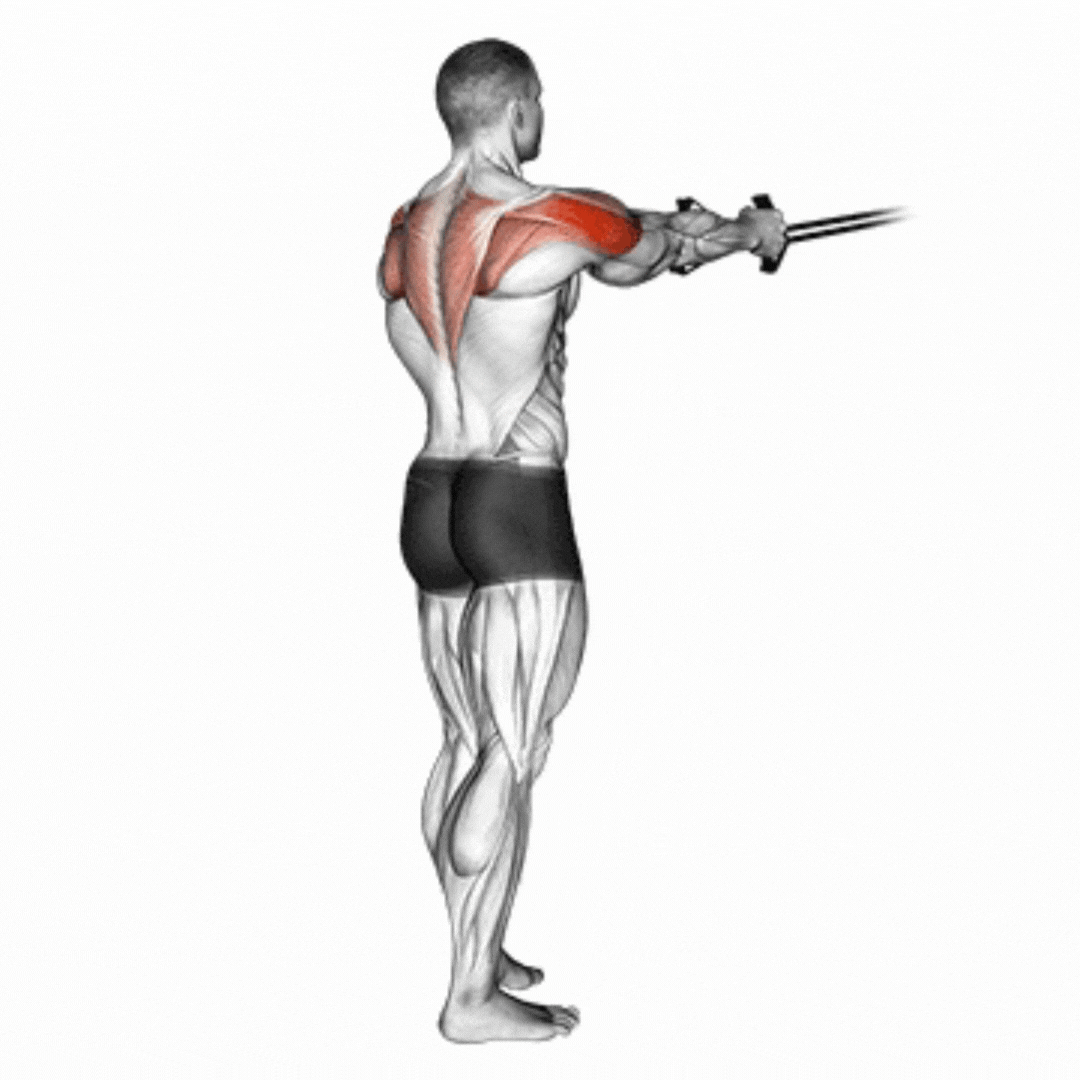
Rear Delts
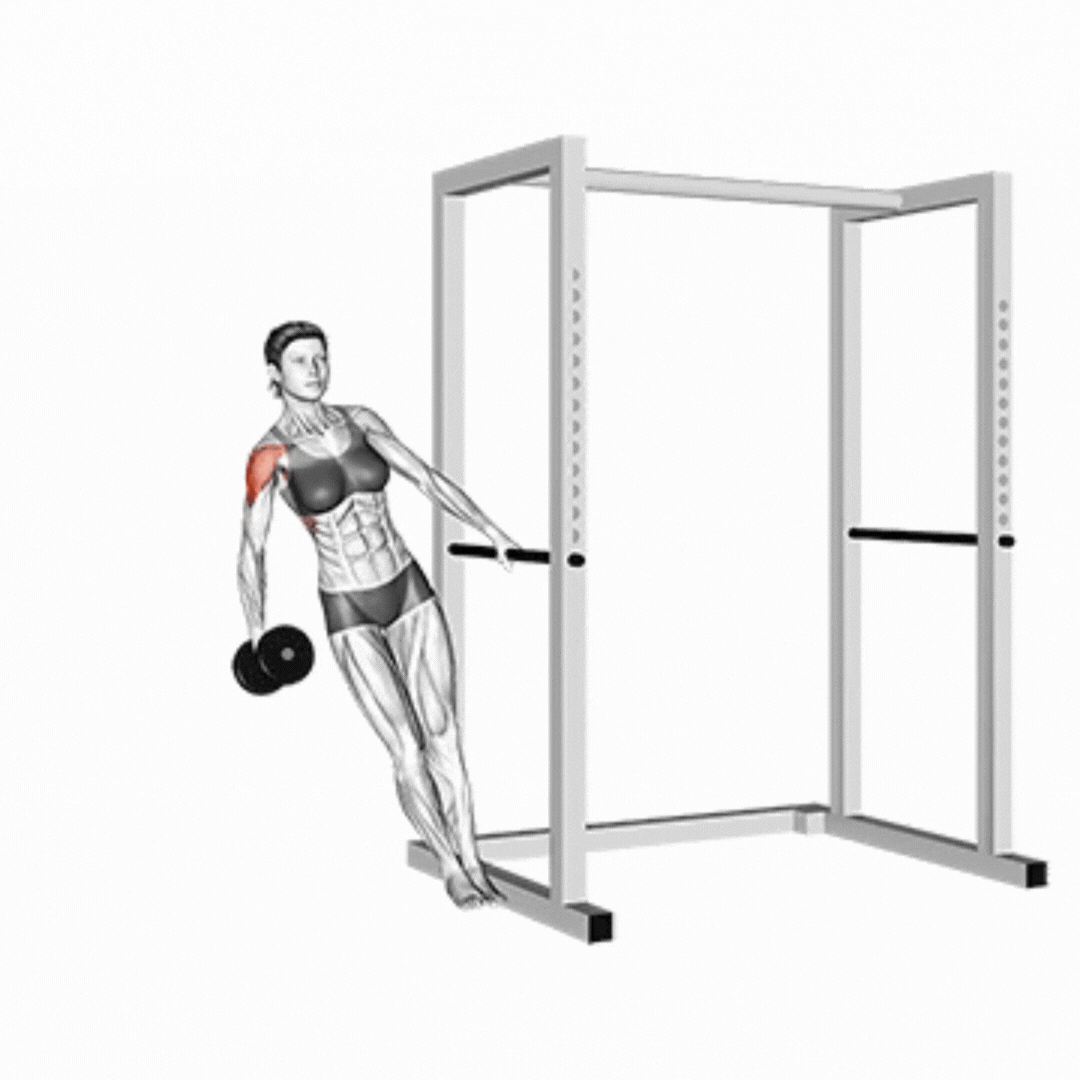
Side Delts
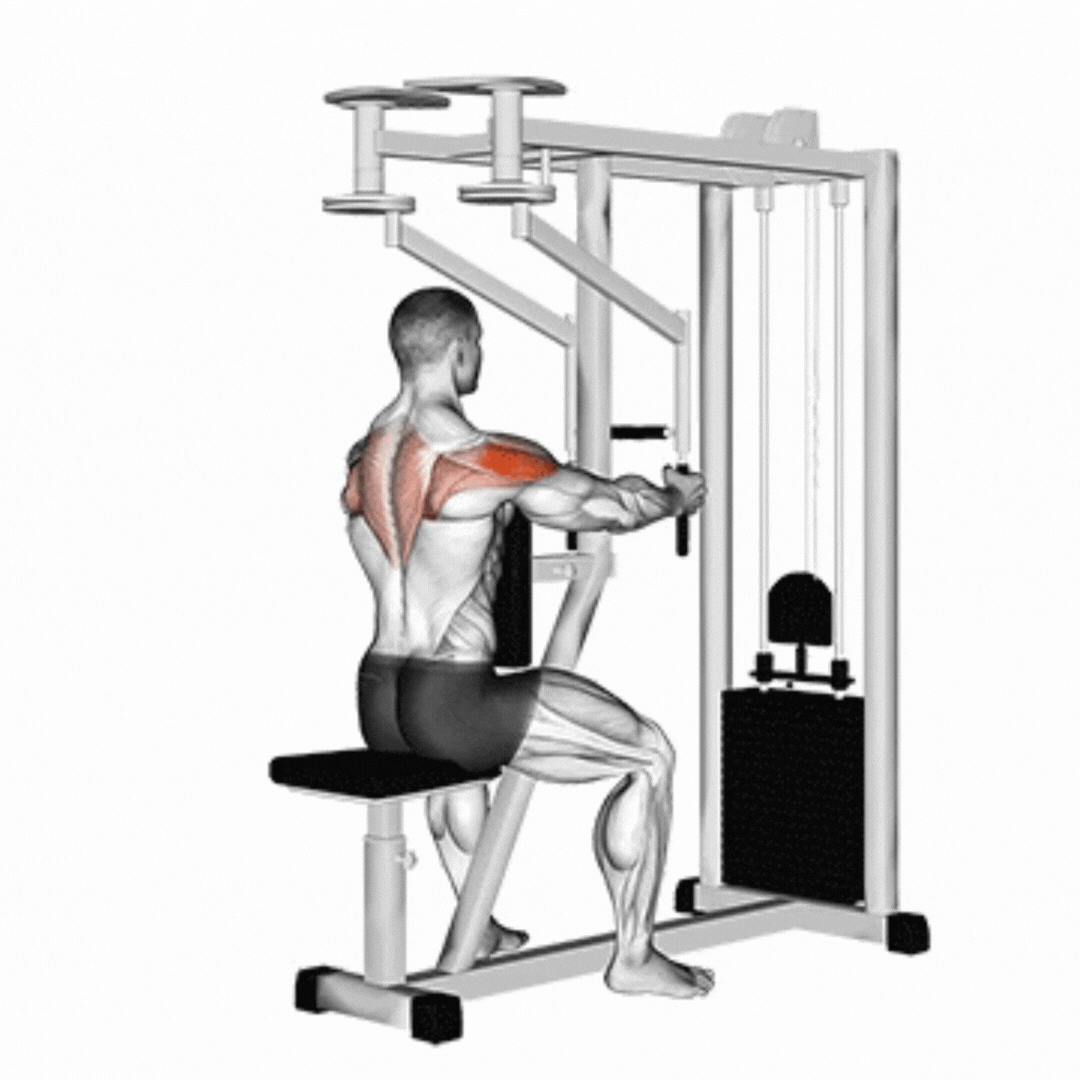
Rear Delts
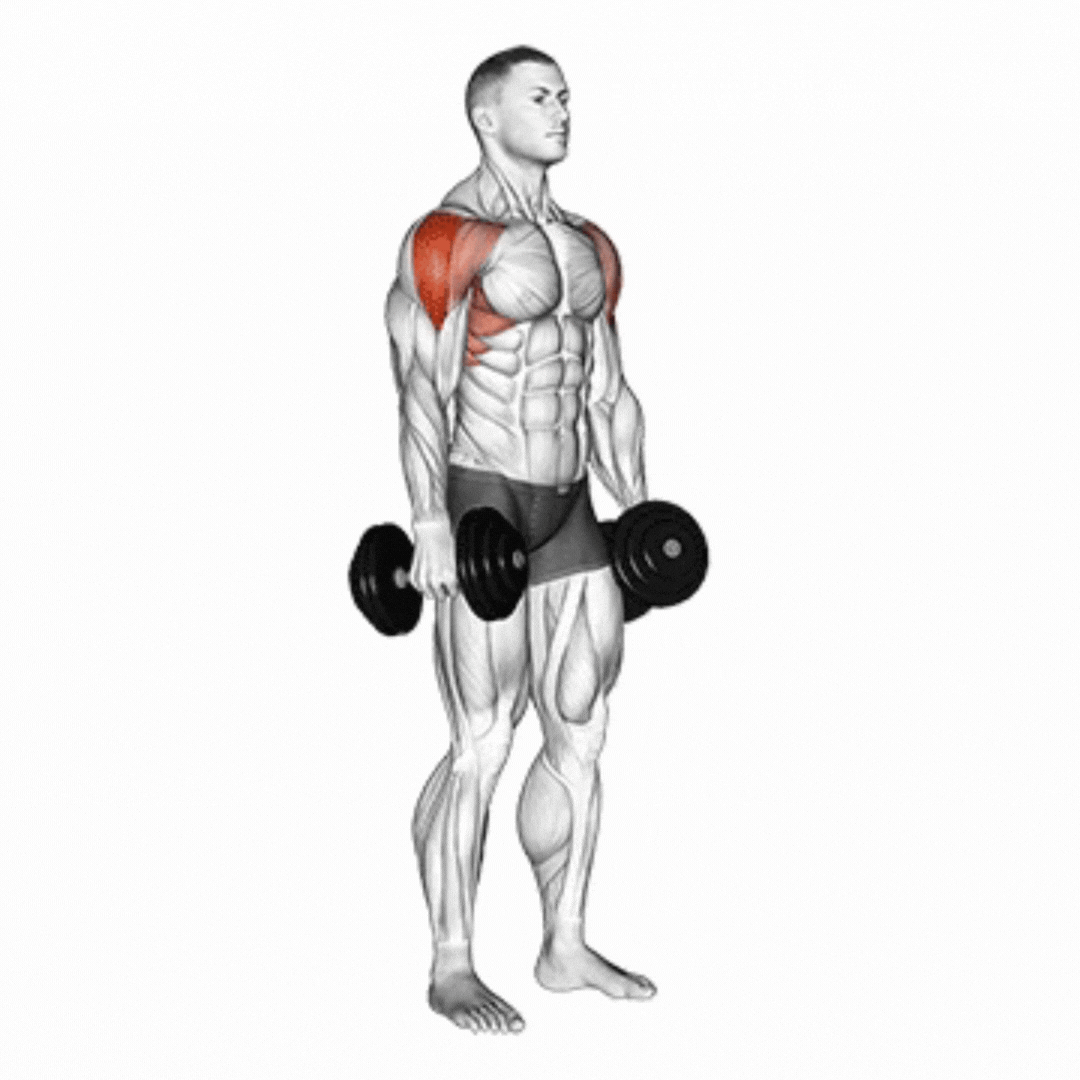
Side Delts
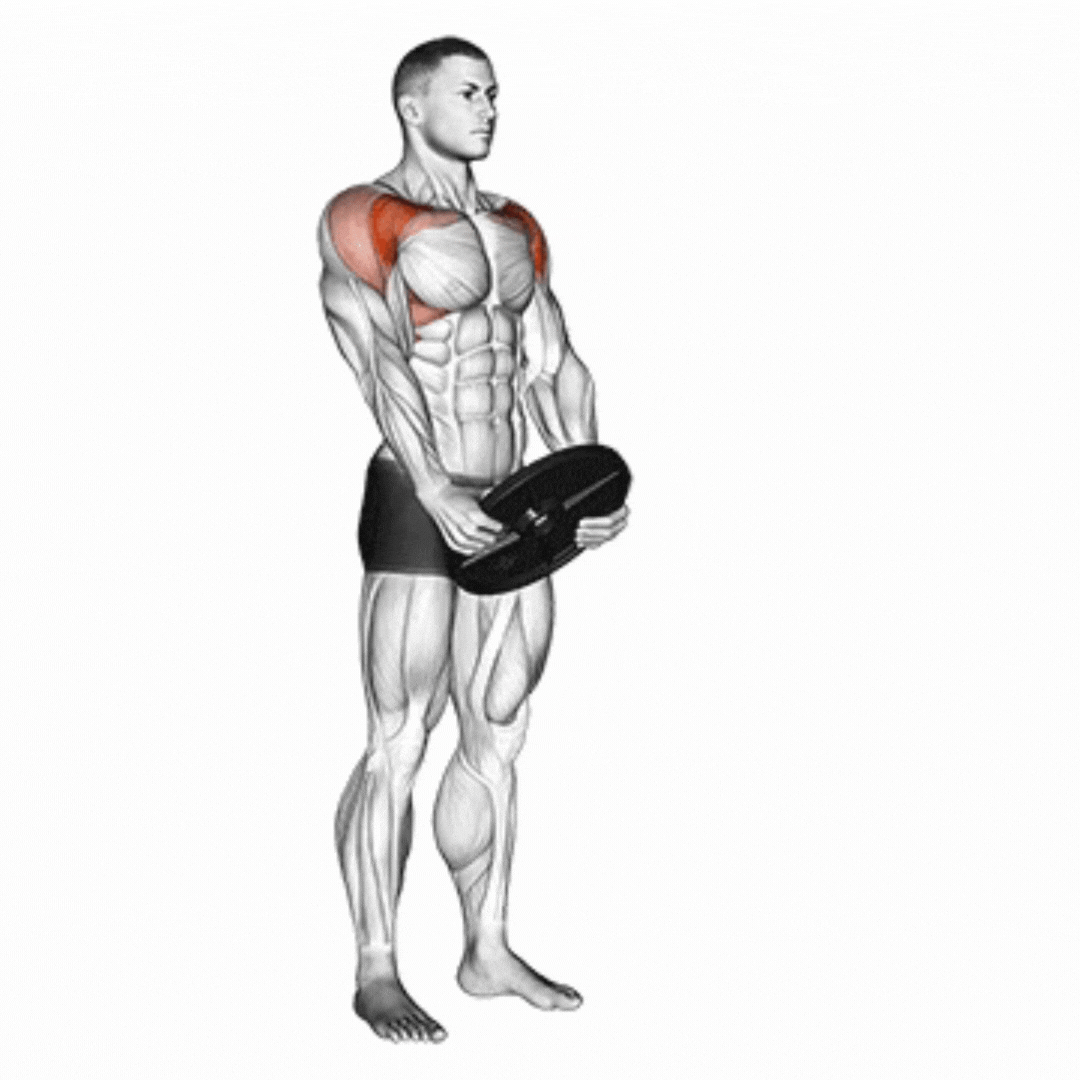
Front Delts
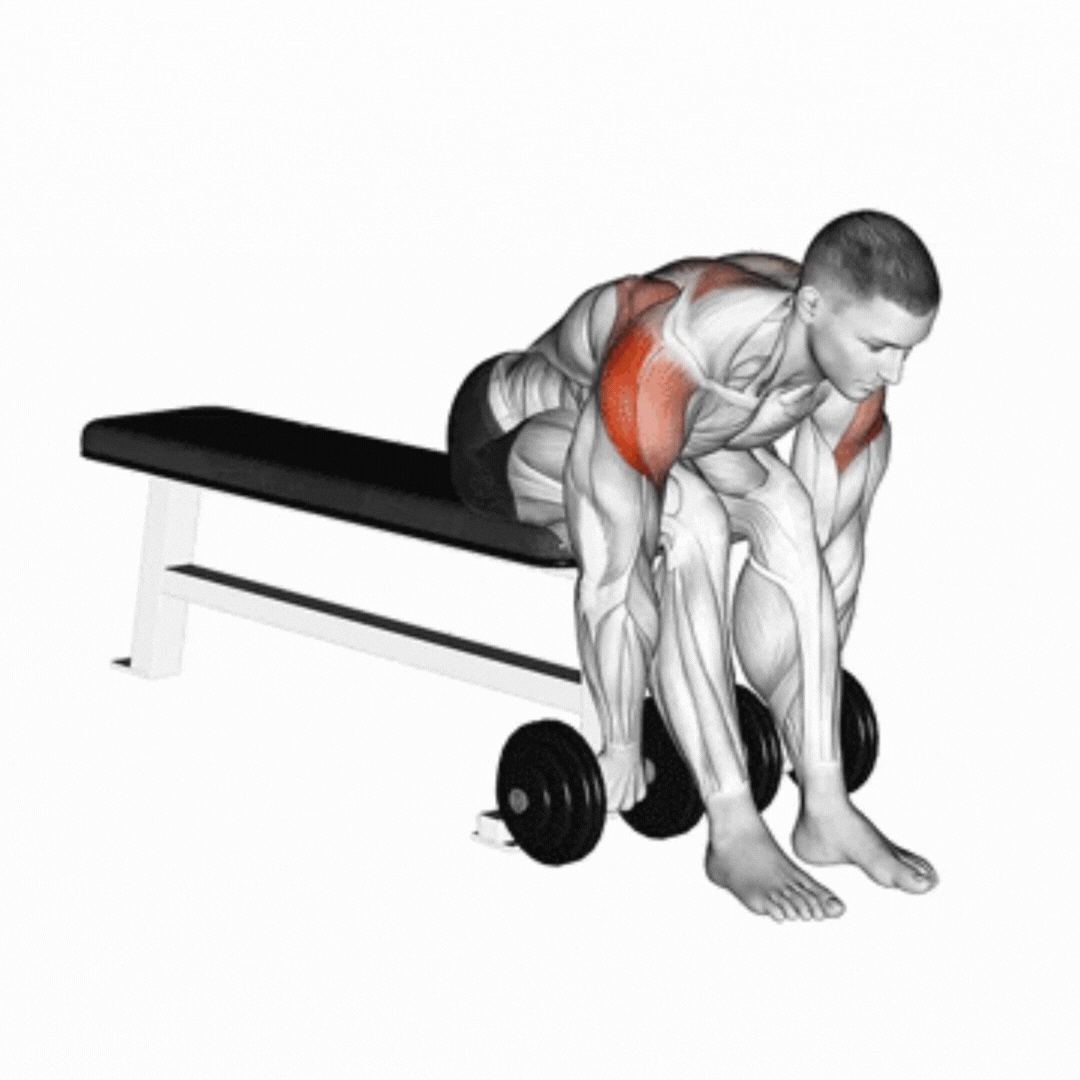
Rear Delts
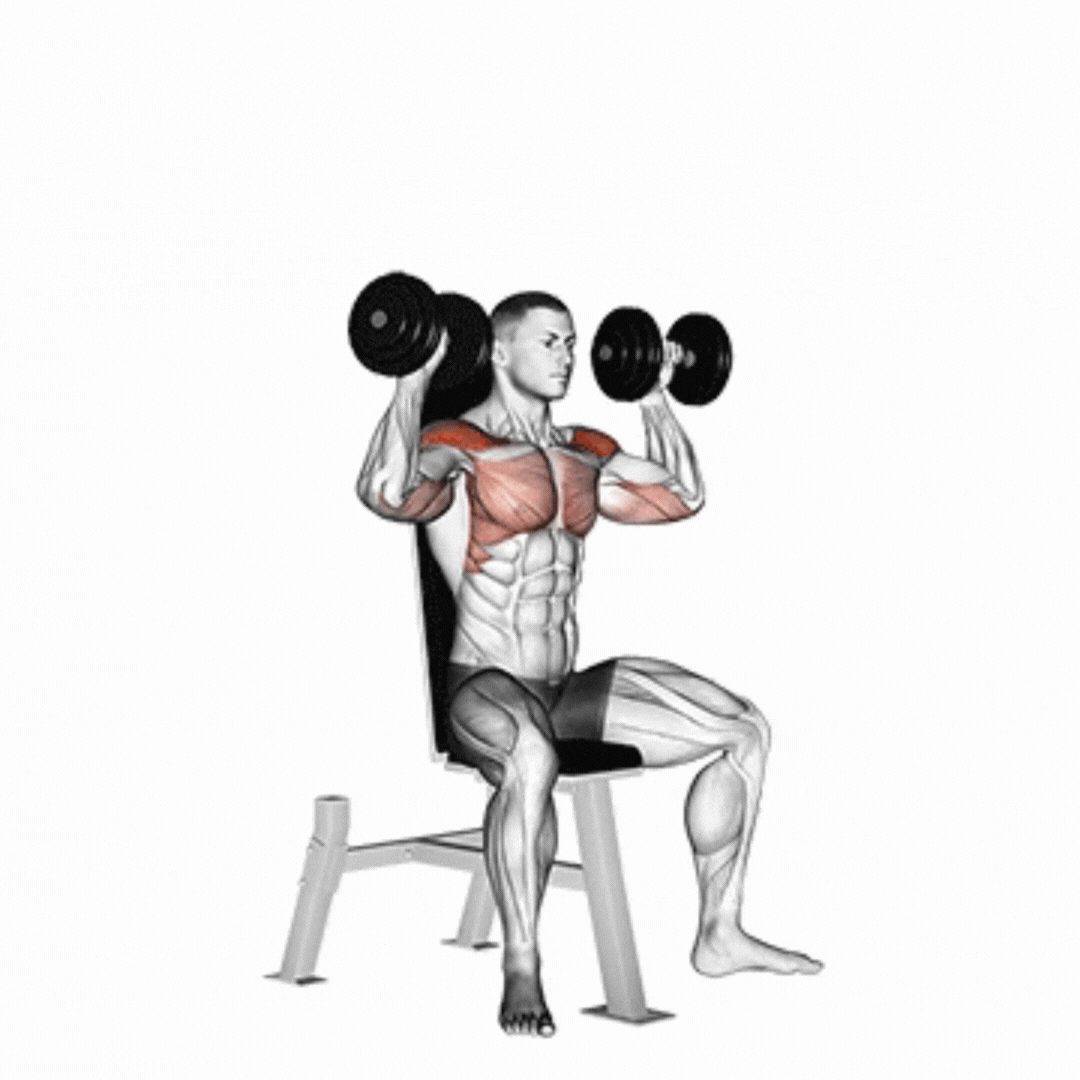
Front Delts
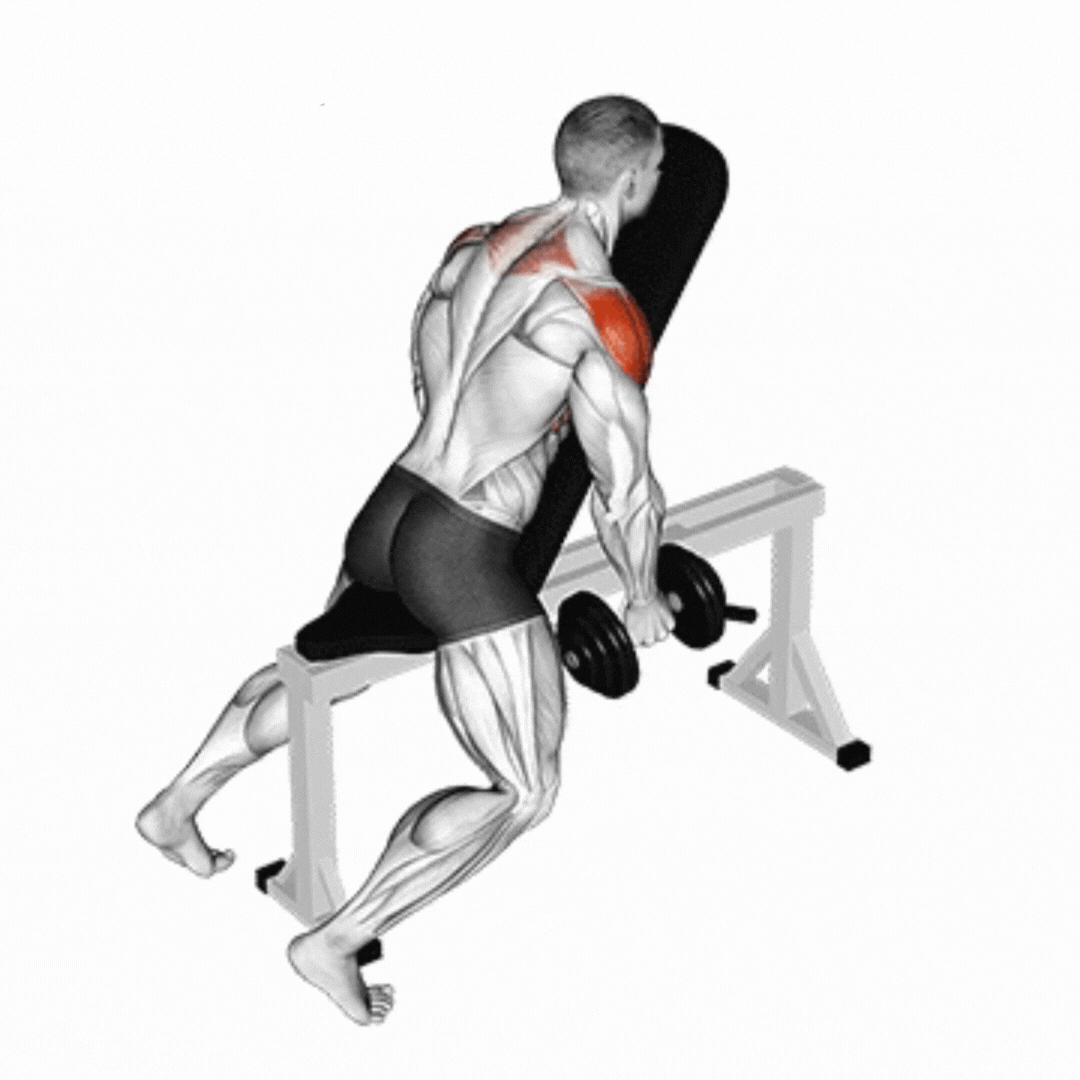
Side Delts
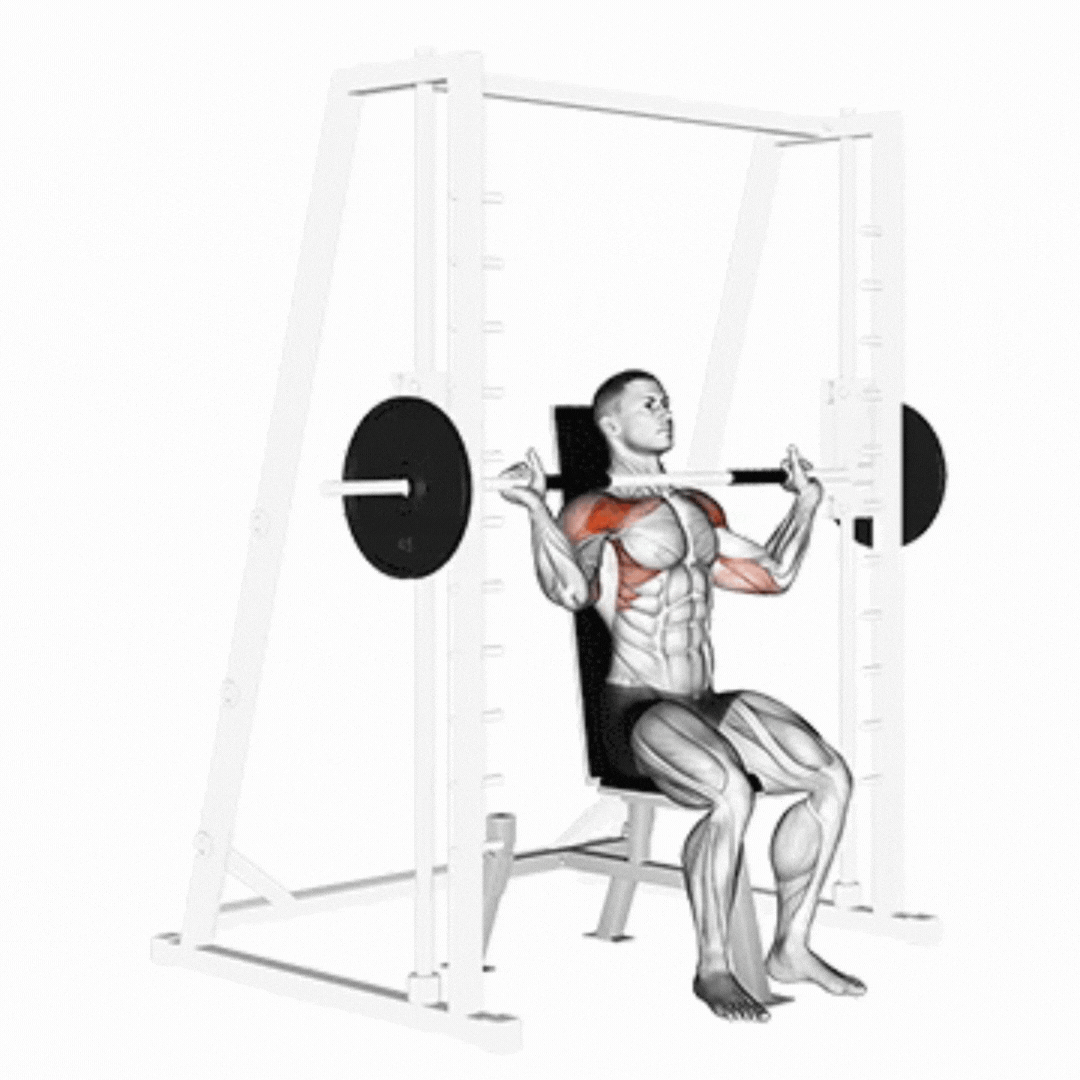
Front Delts
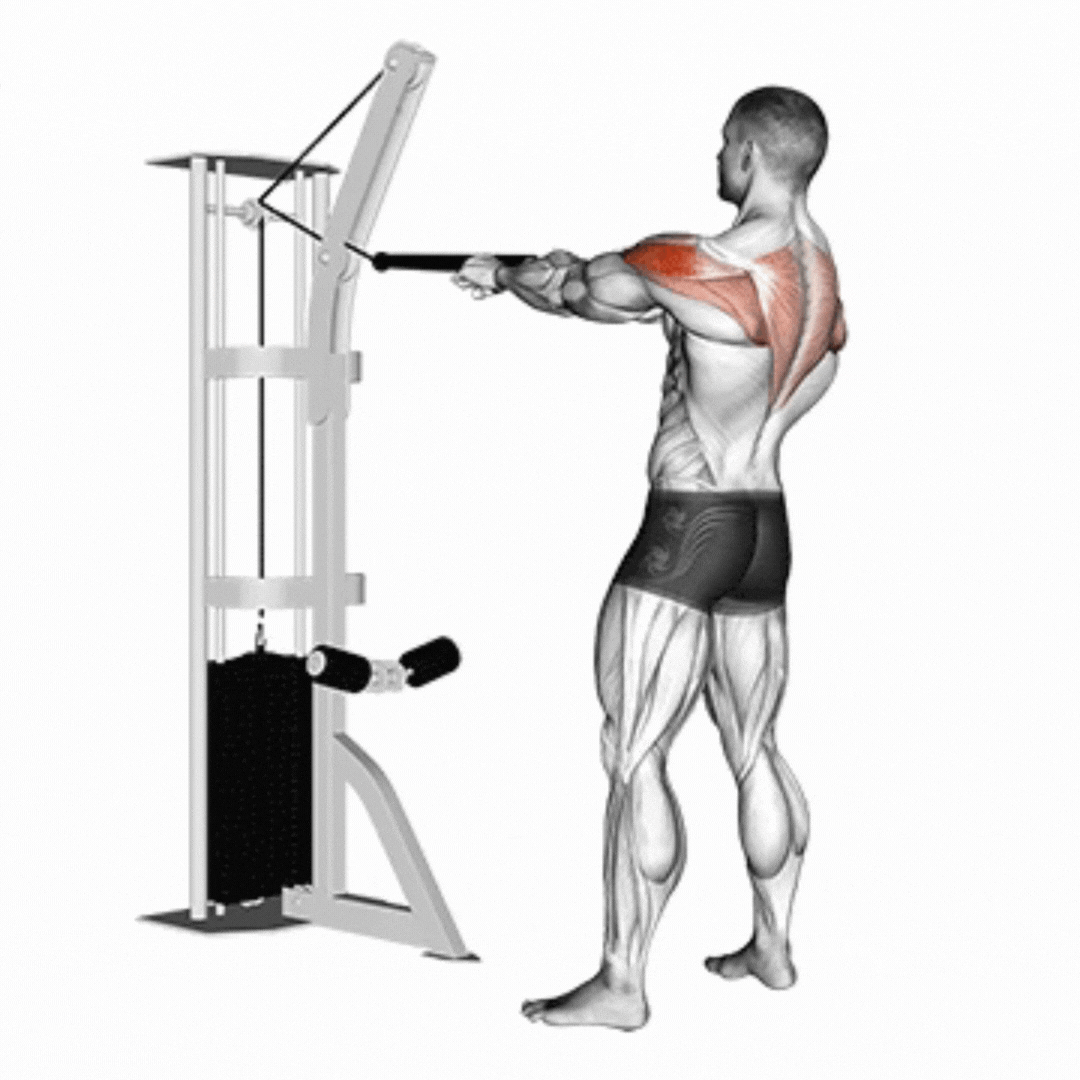
Rear Delts
- ✓Develops the lateral shoulder muscles
- ✓Provides movement variety
- ✓Targets the medial deltoid
- ✓Offers functional training opportunity with dumbbells