.gif)
Description
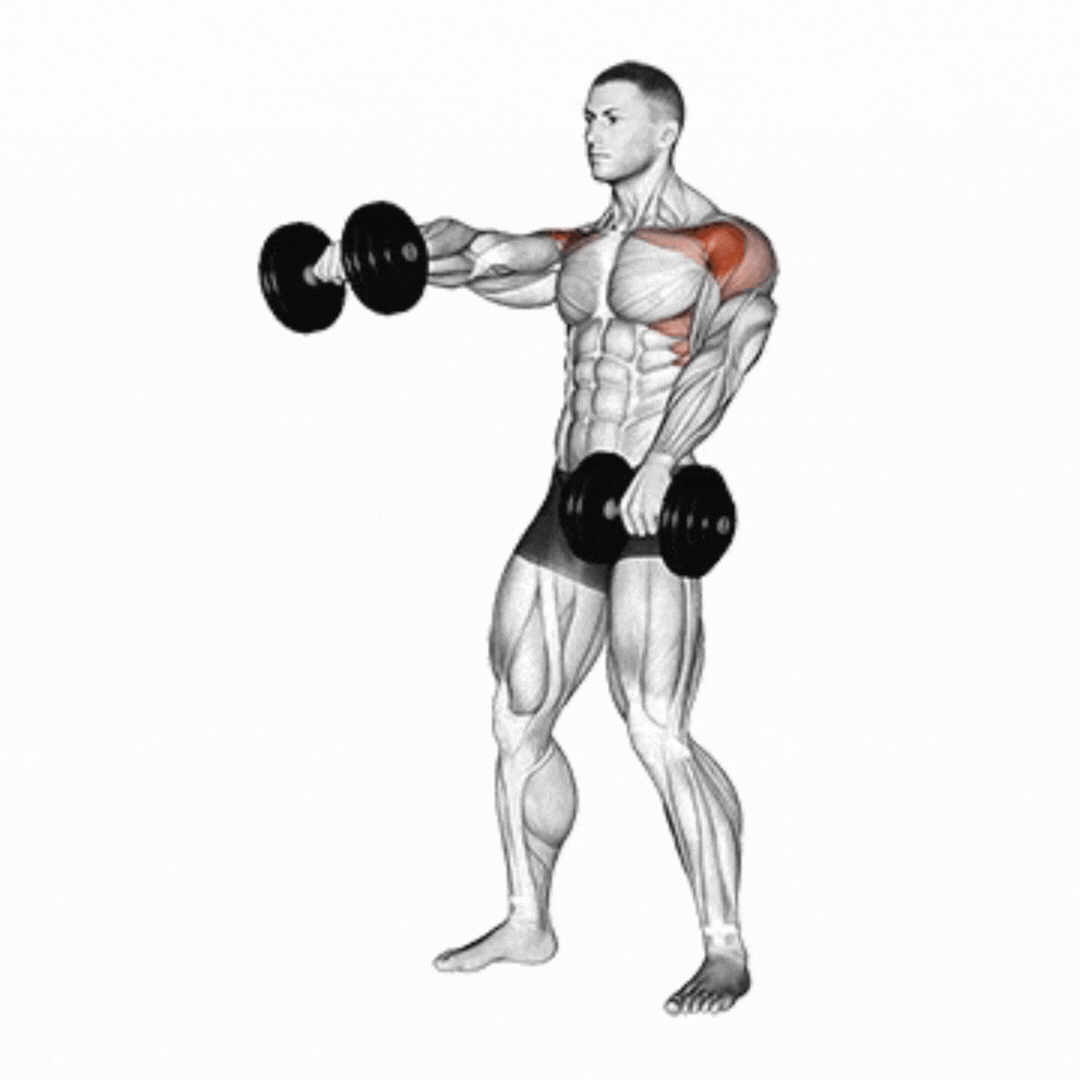
The 3-Way Dumbbell Raise is an effective isolation exercise that targets the front shoulder muscles. This movement specifically targets the anterior deltoid and contributes to the development of the front portion of the shoulder. Since it is performed one arm at a time, it helps address asymmetric strength imbalances and ensures each arm works independently. Because it also requires core stabilization, it lightly engages the abdominal muscles as well. Using a dumbbell is joint-friendly and allows for a natural range of motion. This exercise plays an important role in shoulder width and aesthetics.
3-Way Dumbbell Raise How-To Guide
- 1
Stand upright with your feet shoulder-width apart, holding a dumbbell in one hand
- 2
Brace your core and maintain your posture by keeping your back straight
- 3
Raise the dumbbell in a controlled manner with your forearm straight up to chest level
- 4
Pause briefly at the top of the movement and feel your front shoulder muscle working
- 5
Return slowly and in a controlled manner to the starting position
- 6
Throughout the entire set, make sure your body does not sway and avoid using momentum
Key Points
- ✓Feet should be shoulder-width apart with the core engaged
- ✓Start with the dumbbell with your palm facing your body
- ✓The arm should only move at the shoulder joint, with the elbow kept slightly bent
- ✓Pause for 1–2 seconds at the top of the movement
- ✓Return to the starting position in a controlled manner
Common Mistakes
- ✗Swinging during the movement — using momentum reduces muscle engagement
- ✗Fully locking out the elbow — increases joint pressure
- ✗Lowering the weight too quickly — you miss out on the negative phase
- ✗Rocking the body back and forth — increases the risk of shoulder injury
- ✗Raising the weight above head level — creates unnecessary stress
Breathing
Exhale as you raise the weight up, inhale as you lower it. Maintain rhythmic breathing throughout the movement.
Muscle Activation
Safety
Precautions
- Those with shoulder injuries or rotator cuff problems should exercise caution
- Those with cervical disc herniation or cervical spine issues should obtain medical clearance
- If you have acute shoulder pain, postpone this exercise
Safety Tips
- Increase the weight gradually; start light
- Do not raise your arm above shoulder level
- Keep your torso stable and avoid swinging
- Ensure equal work on both shoulders
Frequently Asked Questions
Which muscles does 3-Way Dumbbell Raise work?
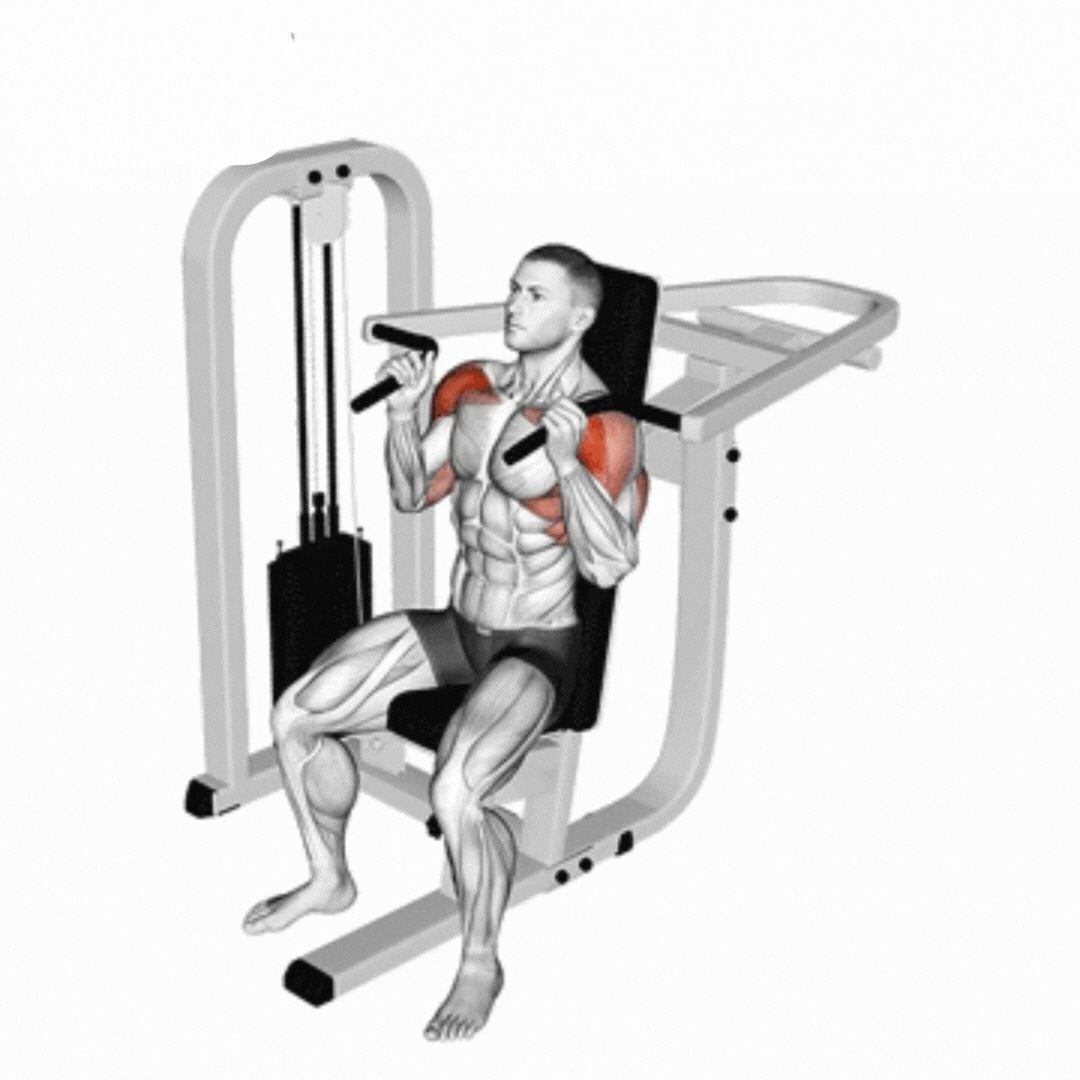
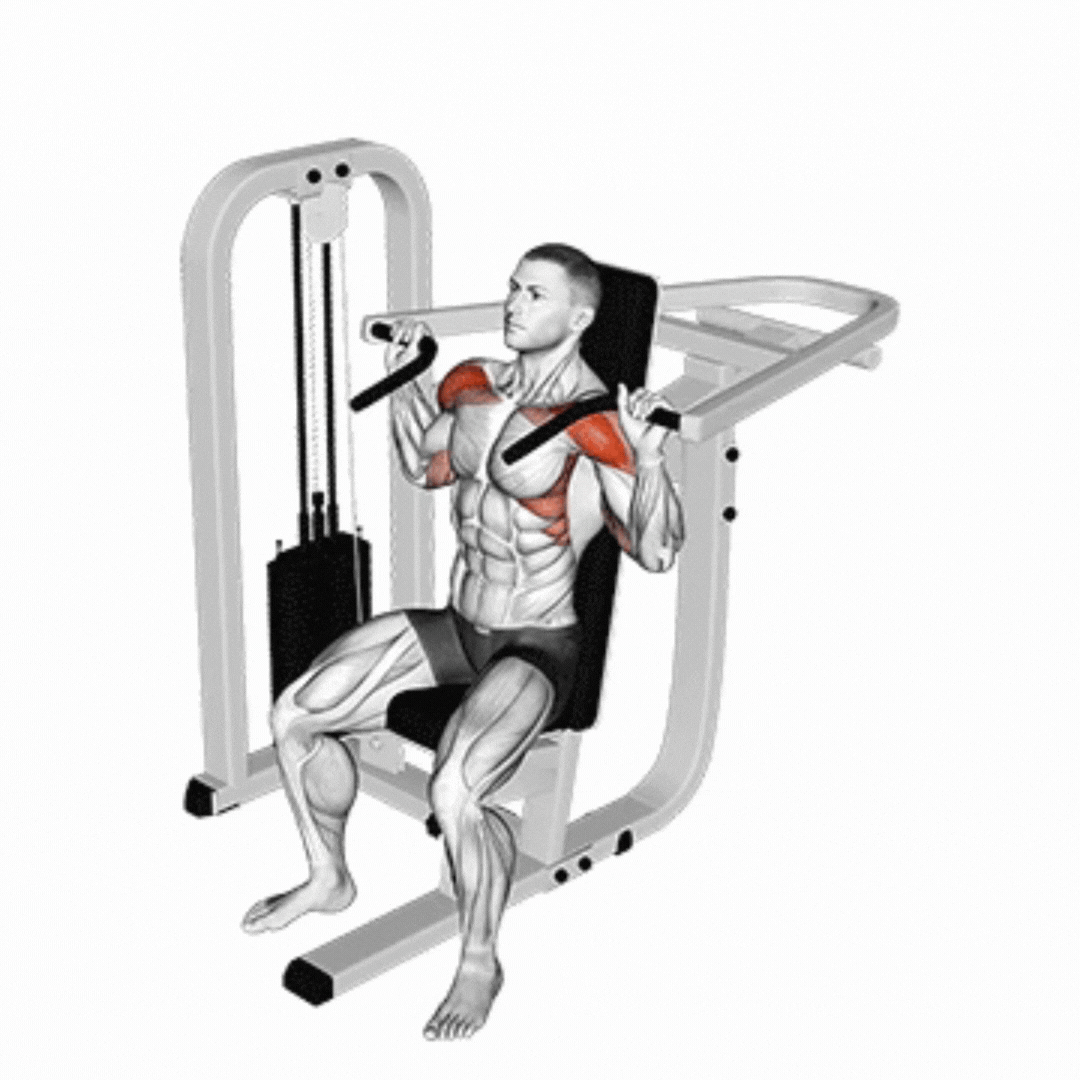
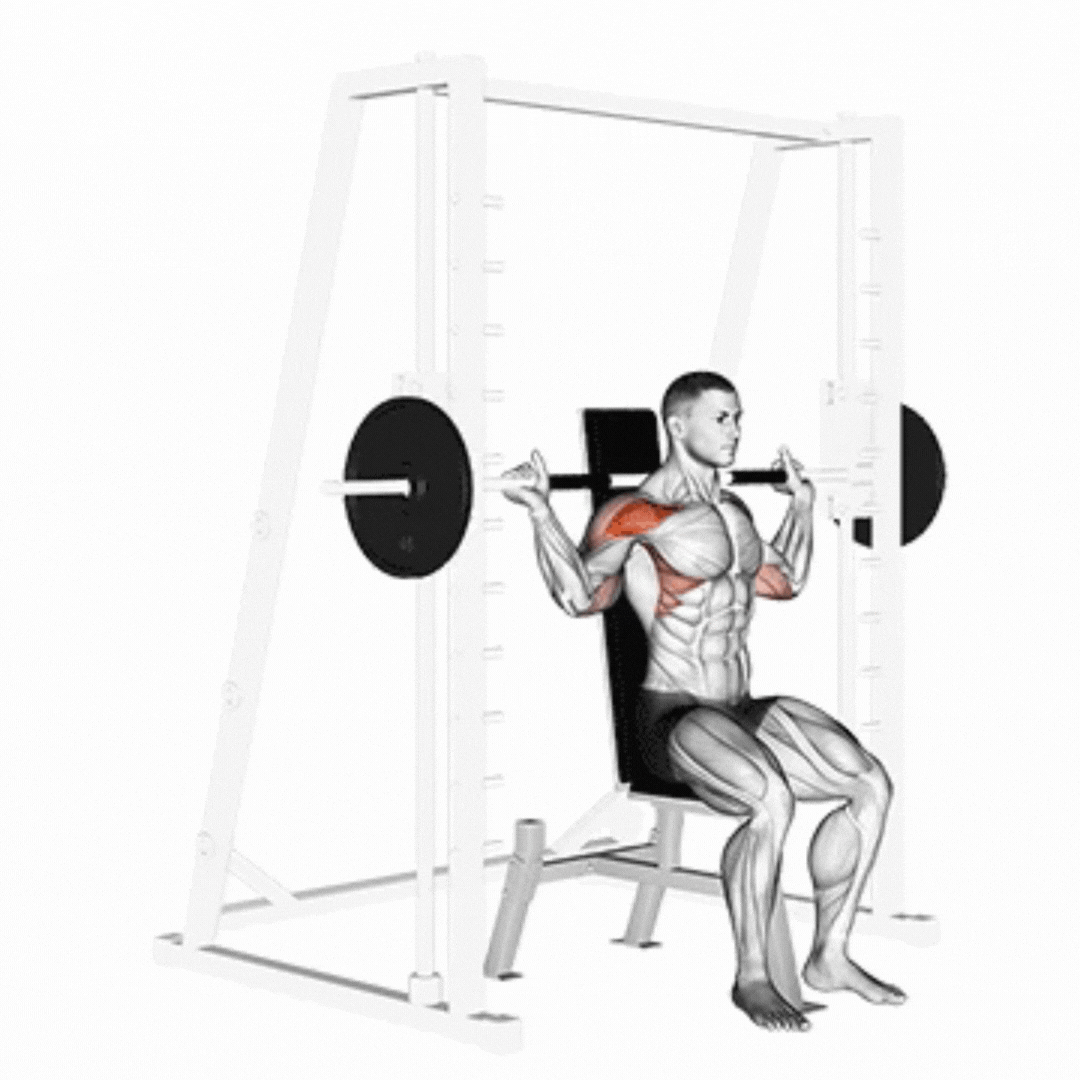
3-Way Dumbbell Raise primarily works these muscles: Anterior deltoid. It also engages: Middle deltoid, Upper chest.
Is 3-Way Dumbbell Raise suitable for beginners?
3-Way Dumbbell Raise is a Beginner level exercise. Learning difficulty: Easy.
Can 3-Way Dumbbell Raise be done at home?
Yes, 3-Way Dumbbell Raise can easily be done at home.
What are common mistakes when doing 3-Way Dumbbell Raise?
One of the most common mistakes: Swinging during the movement — using momentum reduces muscle engagement
How many sets and reps for 3-Way Dumbbell Raise?
Recommended: 3-4 sets and 10-15 reps.
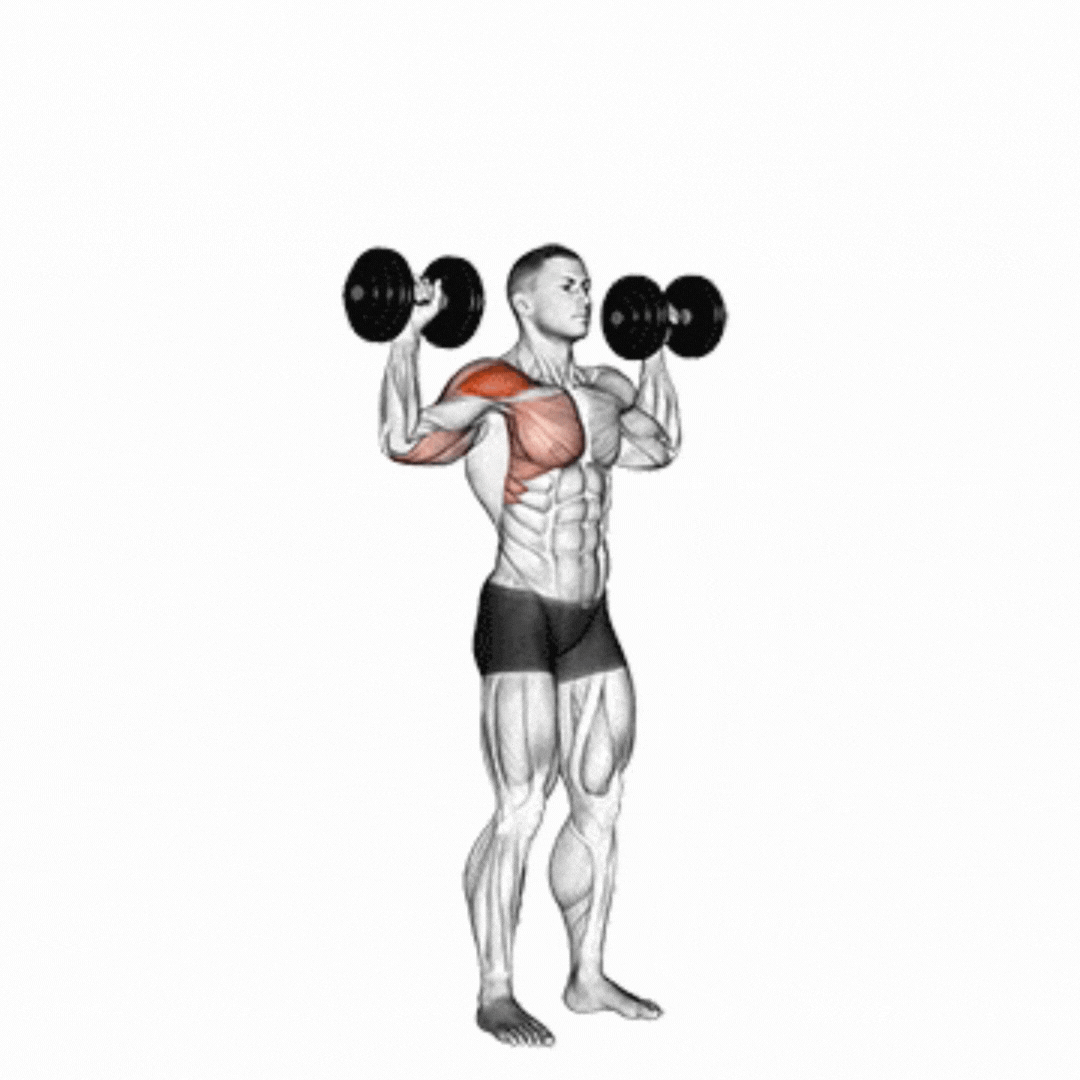
Front Delts
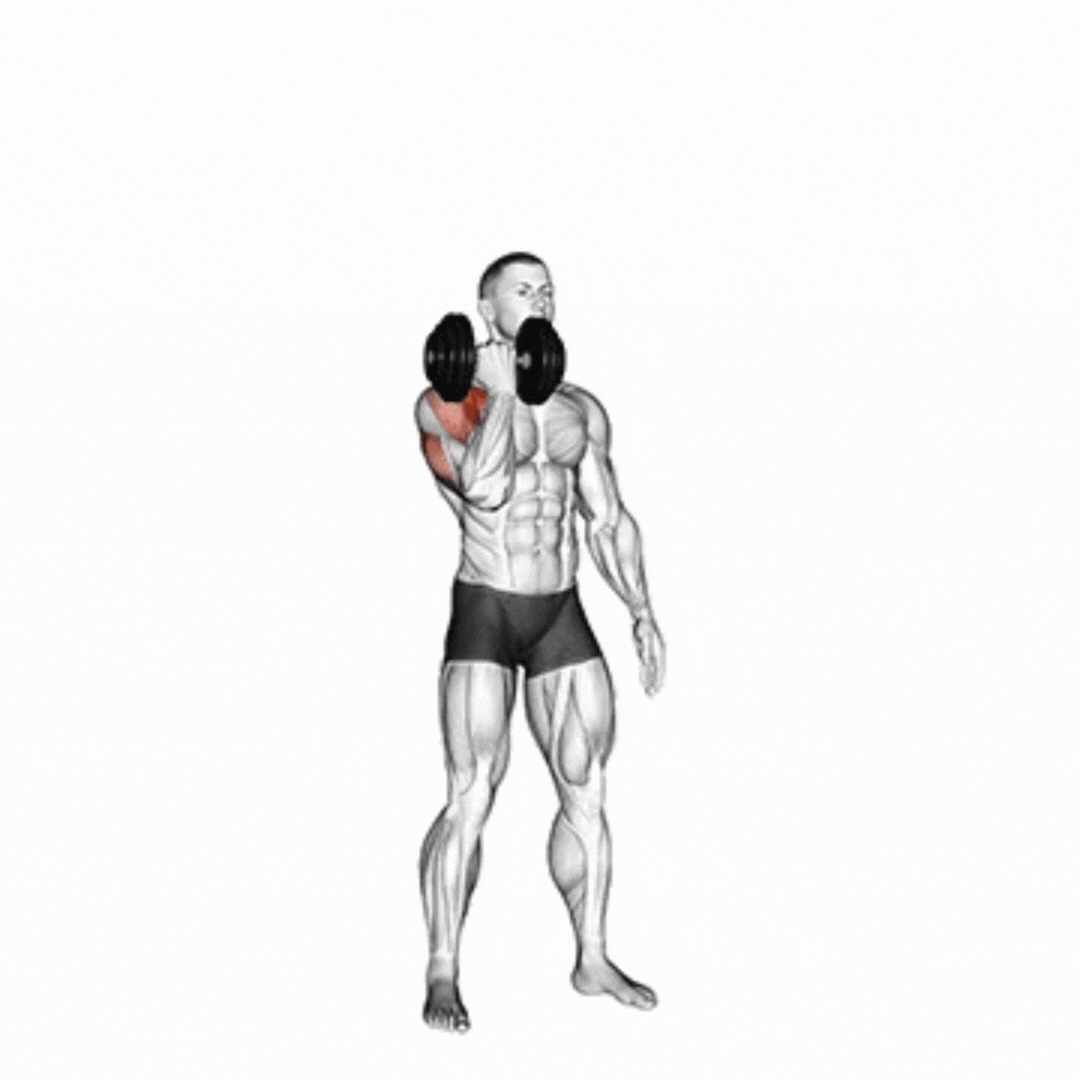
Front Delts
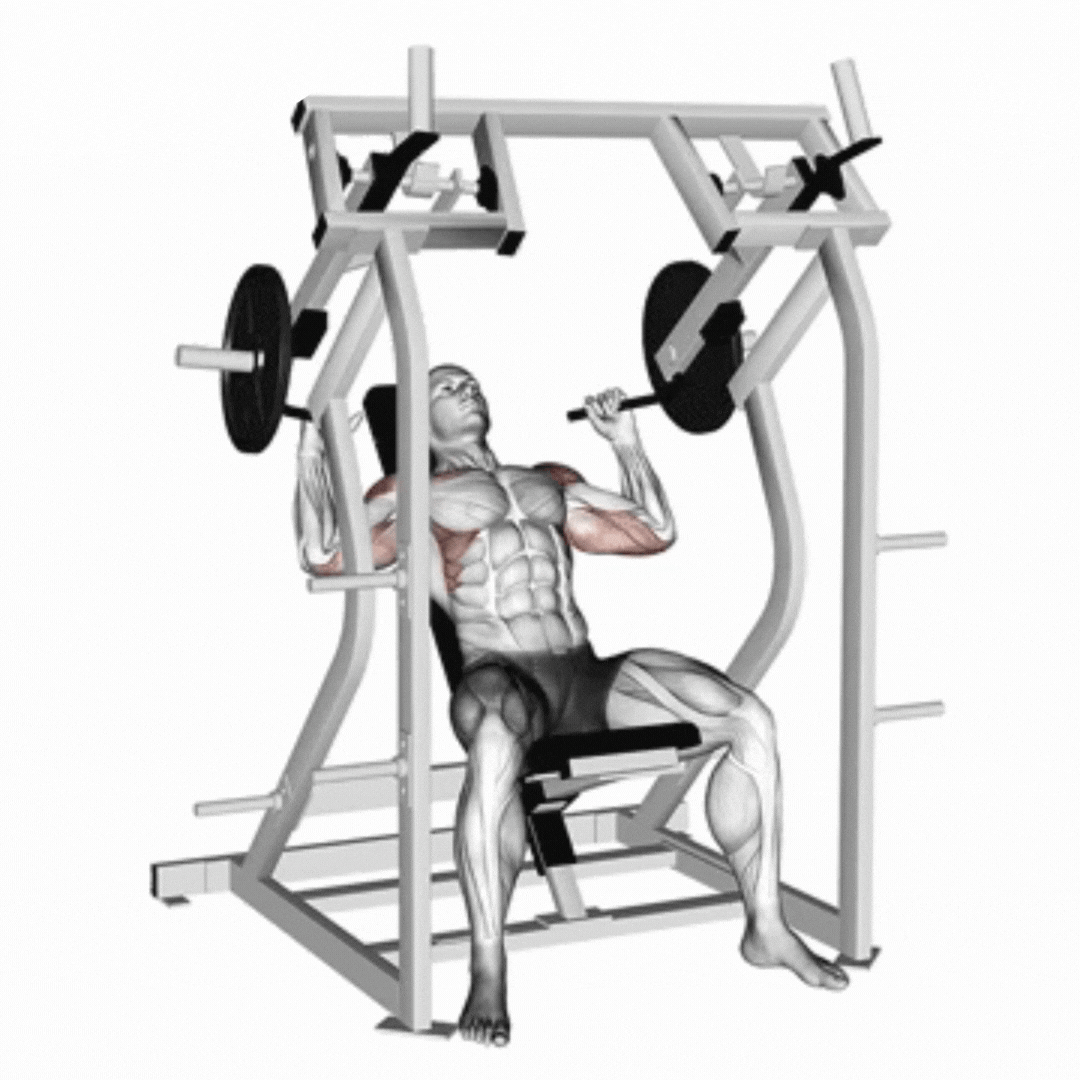
Front Delts
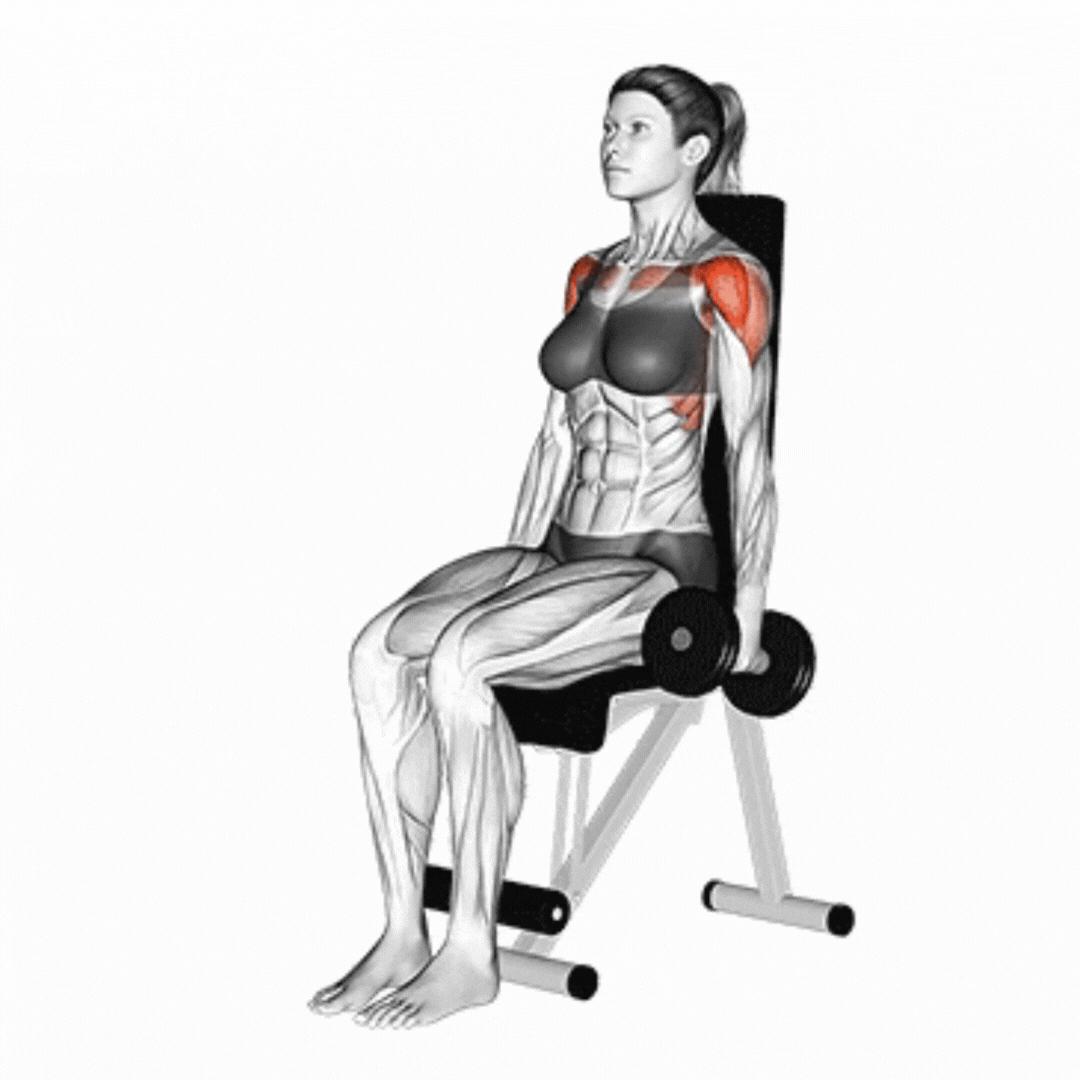
Front Delts
Front Delts
Front Delts
Front Delts
Front Delts
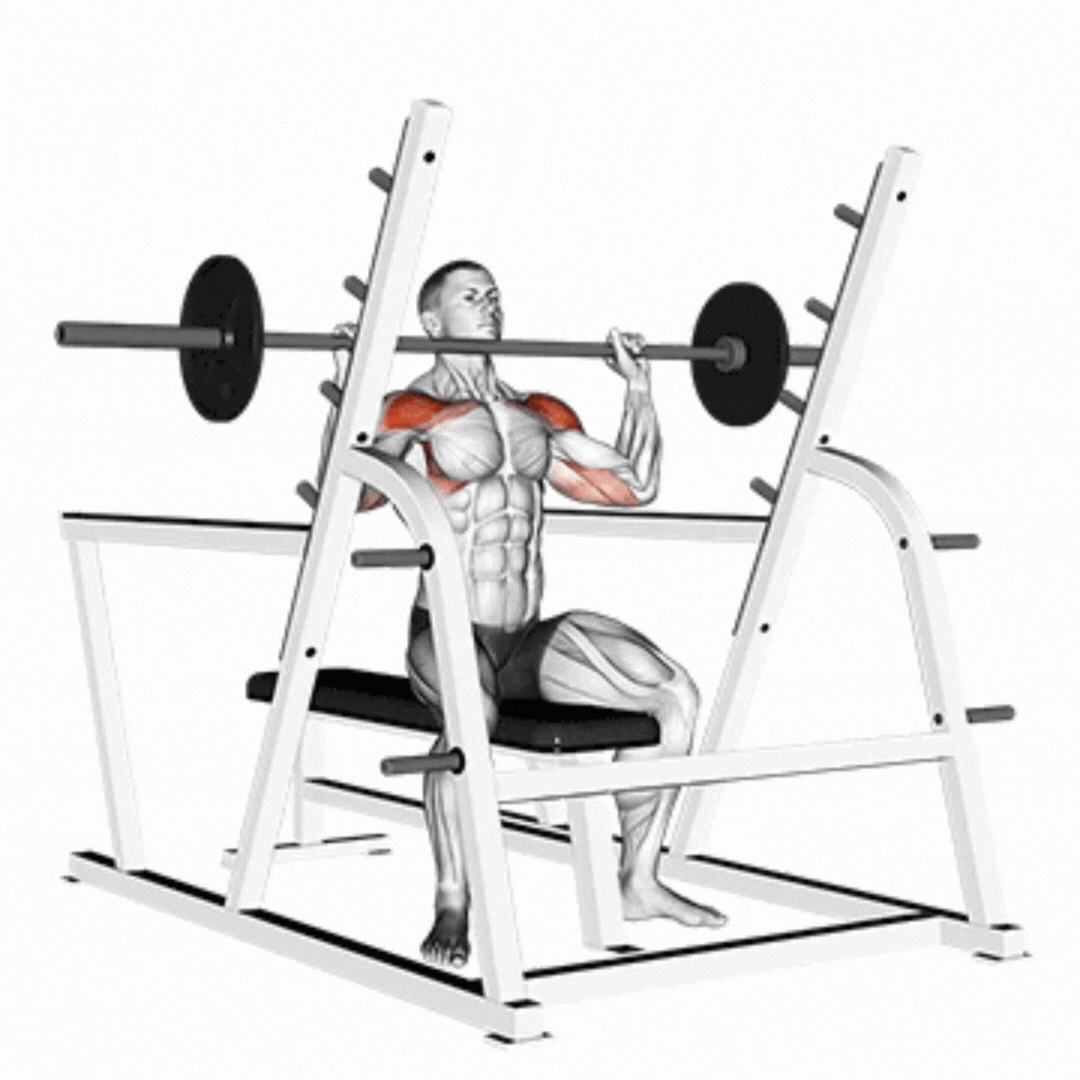
Front Delts
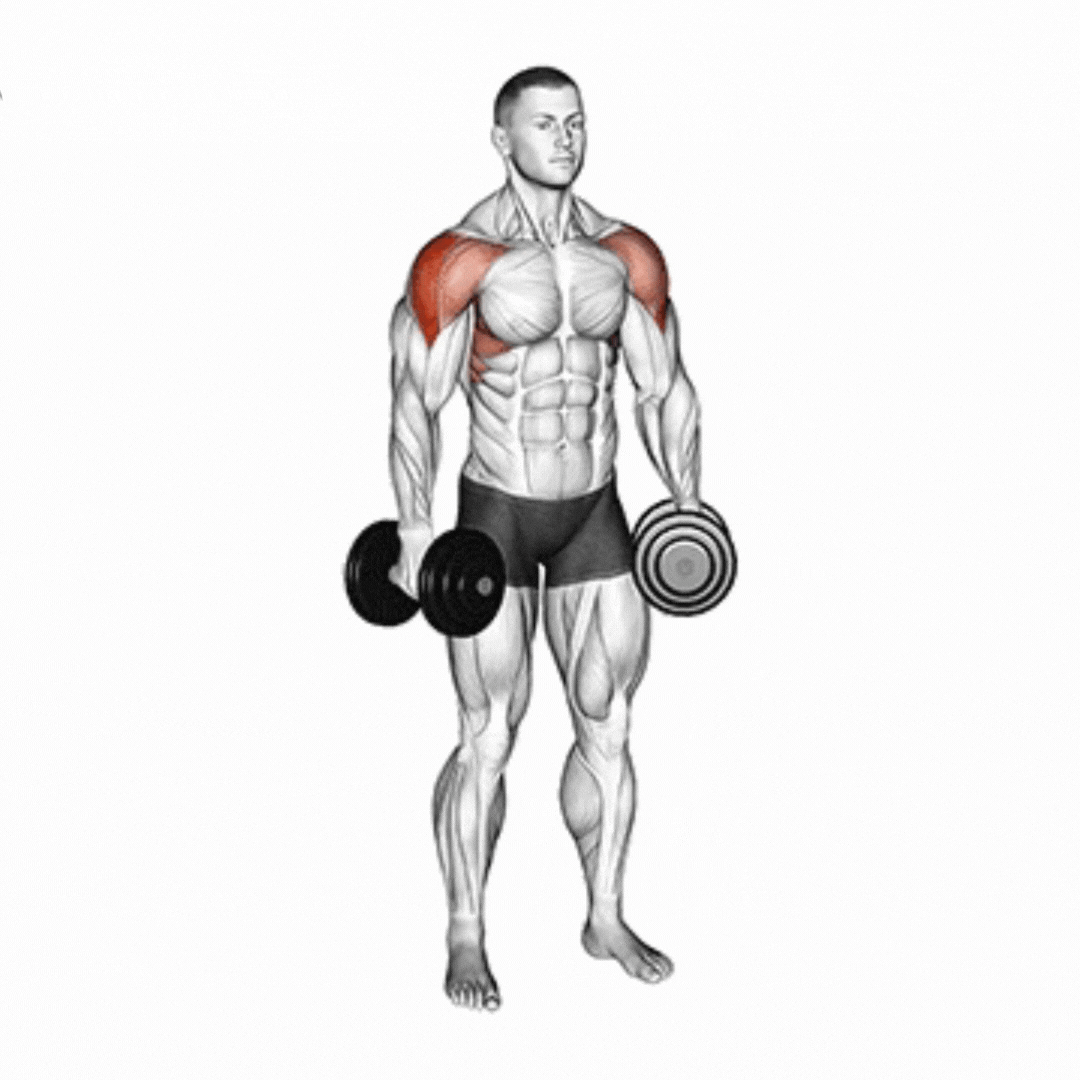
Side Delts
- ✓Develops the front shoulder muscles (anterior deltoid) in an isolated manner
- ✓Contributes to shoulder width
- ✓Improves core stabilization through unilateral movement
- ✓Helps correct asymmetric strength imbalances