BifitBifit
HomeExercisesBecome a Coach
Log In
HOMEEXERCISESBECOME A COACHLOG IN

Language

Legal

Terms of UsePrivacy PolicyDelete Account
BifitBifit

A modern and user-friendly mobile app that makes life easier for fitness enthusiasts. Tracking your workouts and progress is our priority.

Quick Links

  • Home
  • Exercises
  • Become a Coach
  • Download · Google Play
  • Download · App Store

Legal

  • Privacy Policy
  • Terms of Use
  • Support
  • Account Deletion

© 2026 Bifit. All rights reserved.

Designed for a healthy lifestyle

HomeExercisesSeated Dumbbell Lateral Raise

Seated Dumbbell Lateral Raise

Shoulders
Side Delts
Beginner
Isolation
3-4Set
10-15Reps
60sRest
2-1-2-0Tempo
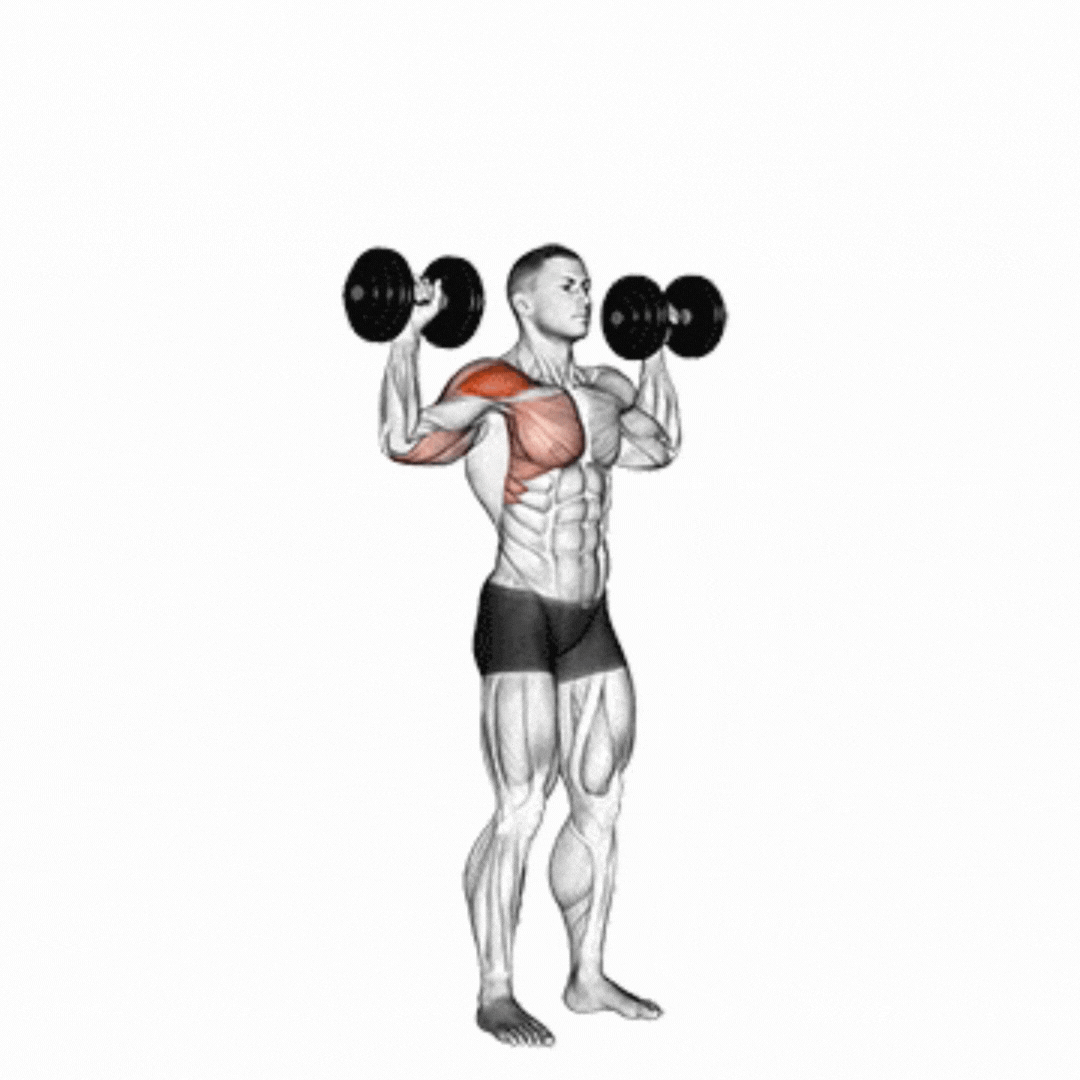
Seated Dumbbell Lateral Raise
Animation

Description

The seated dumbbell lateral raise is a highly effective exercise for isolating the medial deltoid. Because it is performed in a seated position, stress on the lower back is reduced and the likelihood of cheating is minimized. This exercise plays a critical role in developing the lateral part of the shoulders, which creates a wider shoulder appearance. The seated position reduces the need for core stabilization, allowing full focus on the shoulder muscles. Using dumbbells provides a natural range of motion and is suitable for joint health. Working both arms simultaneously promotes symmetrical development.

Step-by-Step Instructions

  1. 1

    Sit on a bench and assume the starting position with a dumbbell in each hand

  2. 2

    Plant your feet firmly on the floor and brace your core

  3. 3

    Raise the dumbbells out to the sides up to shoulder level with slightly bent elbows

  4. 4

    At the top of the movement, squeeze the medial deltoid and hold for one second

  5. 5

    Return slowly and in a controlled manner to the starting position

  6. 6

    Keep the elbow angle fixed throughout the movement and use only the shoulders

Key Points

  • ✓Sit on the bench with your back straight and core engaged
  • ✓Start with the dumbbells with palms facing your body
  • ✓Maintain a 10–15 degree bend in the arms, keeping it constant throughout the movement
  • ✓Raise the arms only to the sides, not forward
  • ✓Stop at or slightly below shoulder level, not higher

Common Mistakes

  • ✗Throwing the weights forward — engages the anterior deltoid more
  • ✗Shrugging the shoulders upward — increases trapezius involvement
  • ✗Using too heavy a weight — form breaks down and injury risk increases
  • ✗Straightening the elbows — increases joint pressure
  • ✗Performing the movement too fast — reduces muscle development

Breathing

Exhale as you raise the weights up, inhale as you lower them. Maintain steady breathing throughout the movement.

Muscle Activation

middle deltoid0%
traps0%
anterior deltoid0%

Safety

Precautions

  • Those with shoulder impingement syndrome should exercise caution
  • If you have rotator cuff problems, use light weights
  • Those with neck and back pain should pay attention to back support

Safety Tips

  • Keep your back upright; do not lean forward
  • Keep your elbows slightly bent; do not lock them out
  • Raise the weight only up to shoulder level, not higher
  • Do not use momentum; perform the movement in a controlled manner

Frequently Asked Questions

Which muscles does Seated Dumbbell Lateral Raise work?

Seated Dumbbell Lateral Raise primarily works these muscles: Middle deltoid. It also engages: Anterior deltoid, Trapezius.

Is Seated Dumbbell Lateral Raise suitable for beginners?

Seated Dumbbell Lateral Raise is a Beginner level exercise. Learning difficulty: Easy.

Can Seated Dumbbell Lateral Raise be done at home?

Yes, Seated Dumbbell Lateral Raise can easily be done at home.

What are common mistakes when doing Seated Dumbbell Lateral Raise?

One of the most common mistakes: Throwing the weights forward — engages the anterior deltoid more

How many sets and reps for Seated Dumbbell Lateral Raise?

Recommended: 3-4 sets and 10-15 reps.
Related Exercises

Exercises targeting similar muscle groups

Shoulders Exercises
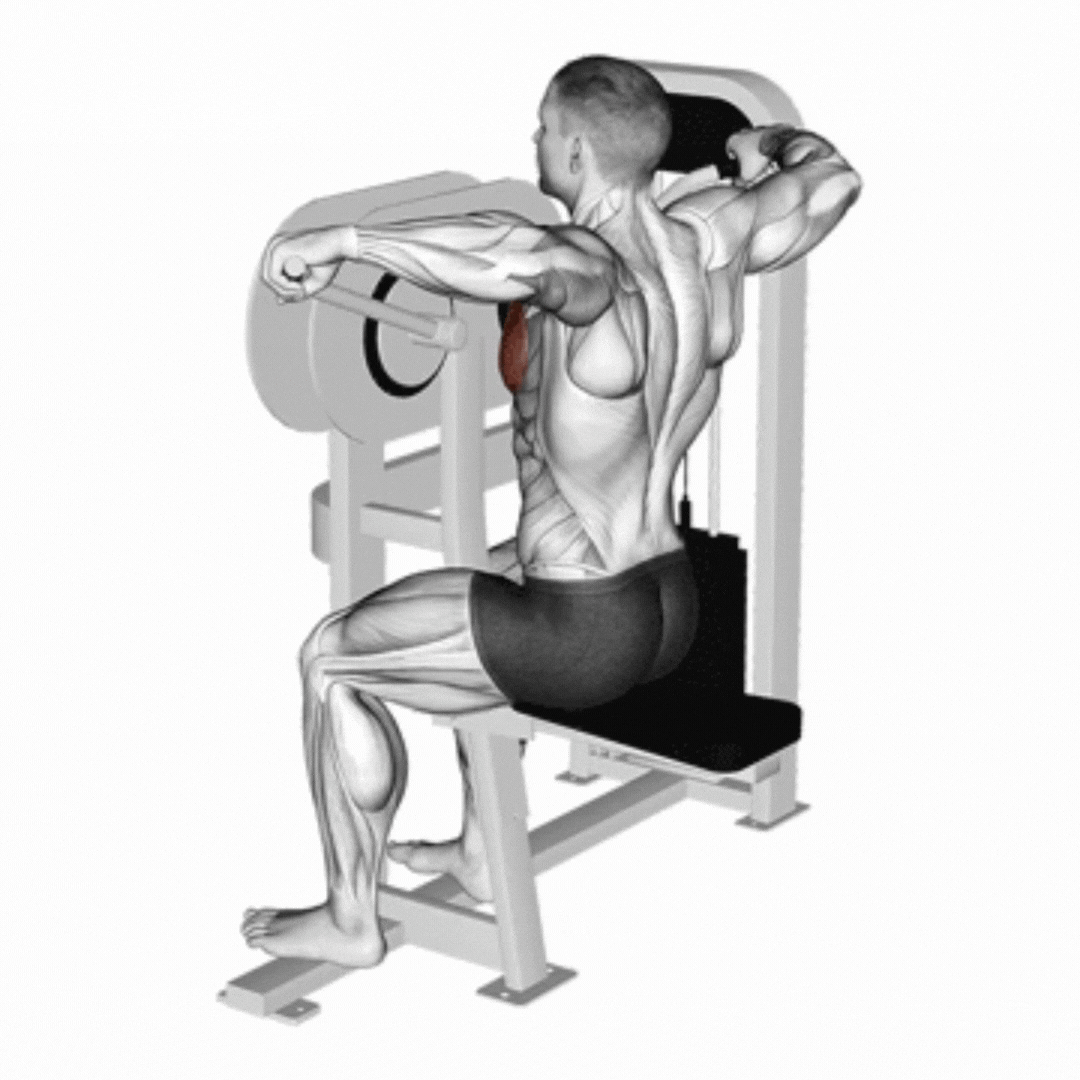
Seated High Fly Machine

Seated High Fly Machine

Side Delts

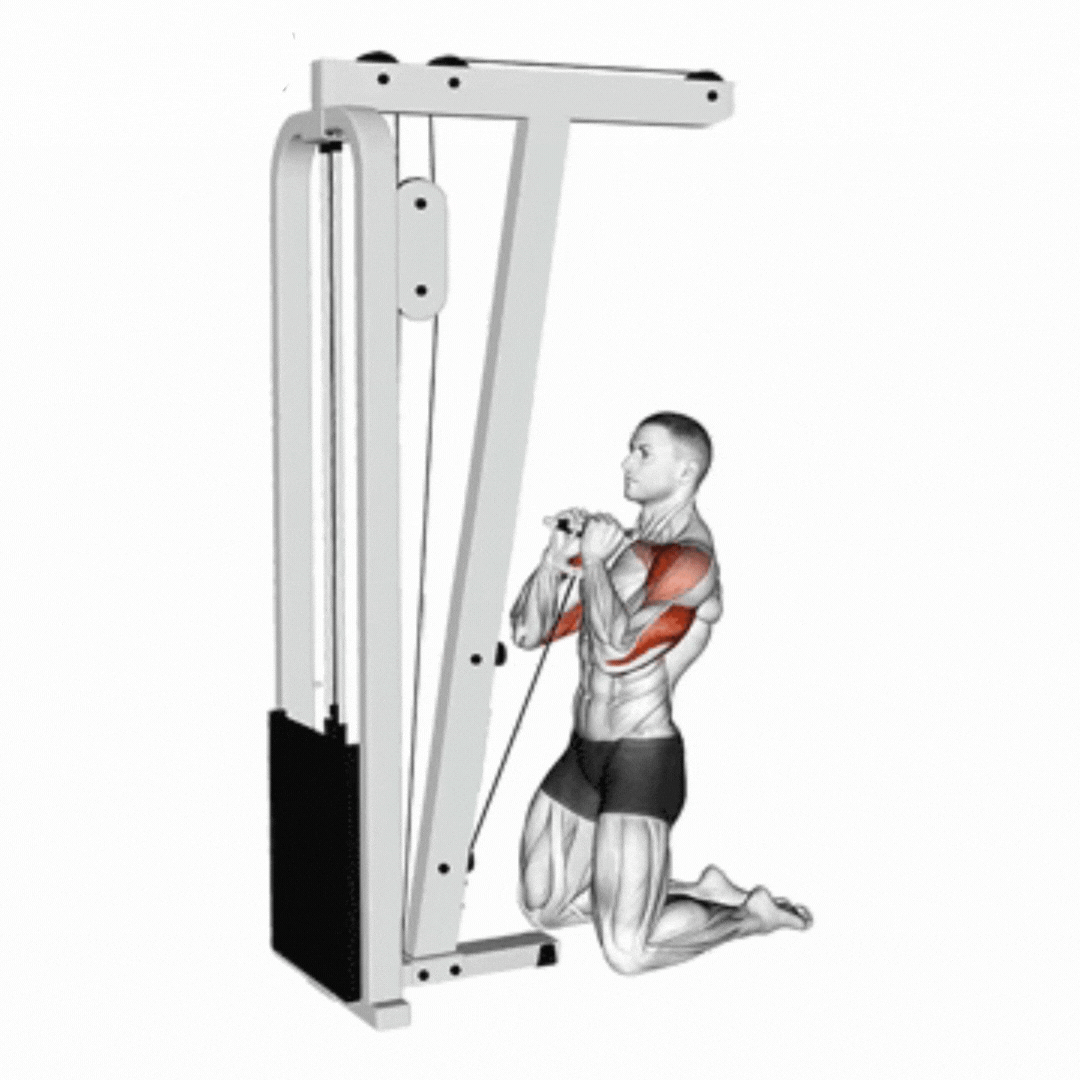
Kneeling Cable Press

Kneeling Cable Press

Front Delts

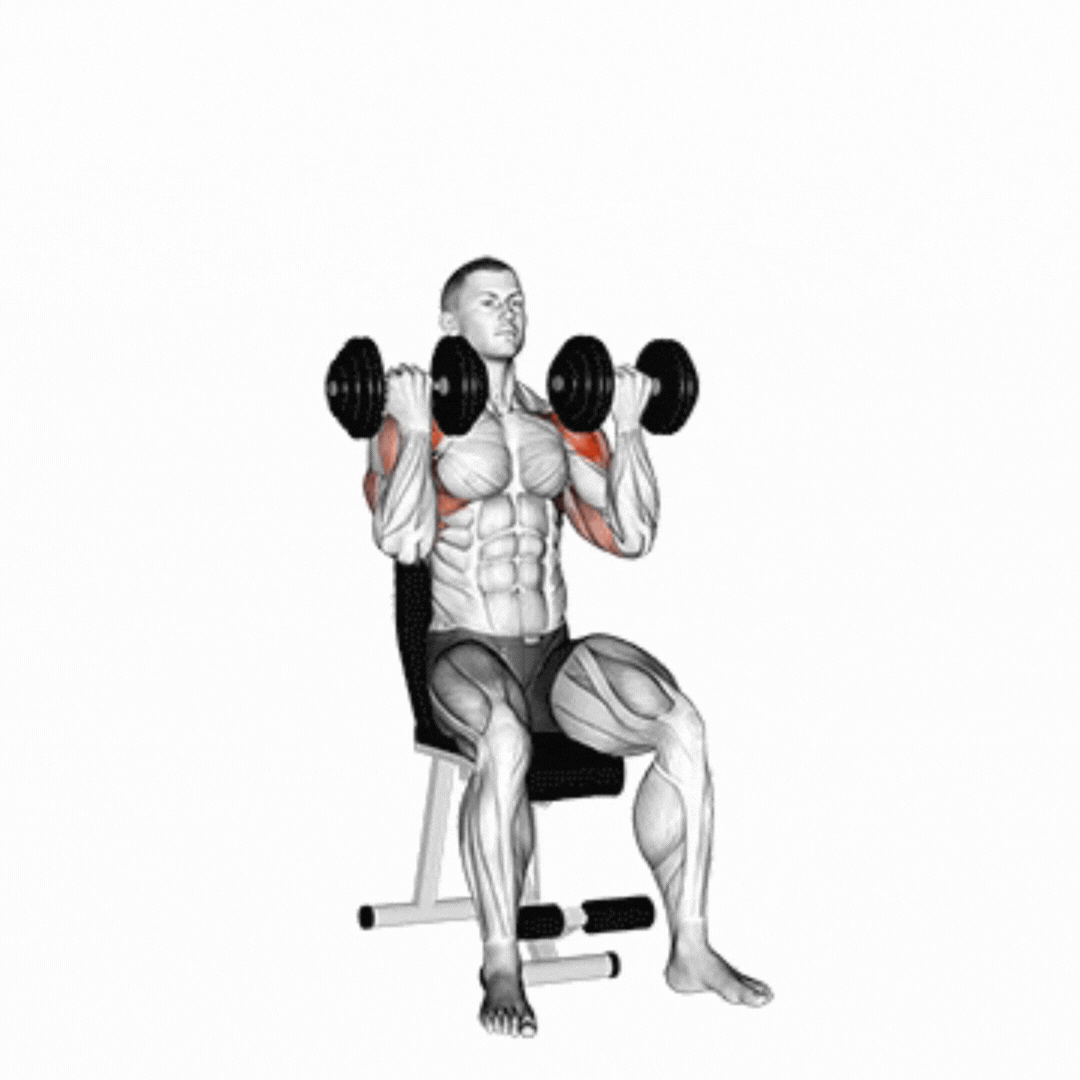
Dumbbell Arnold Press

Dumbbell Arnold Press

Front Delts

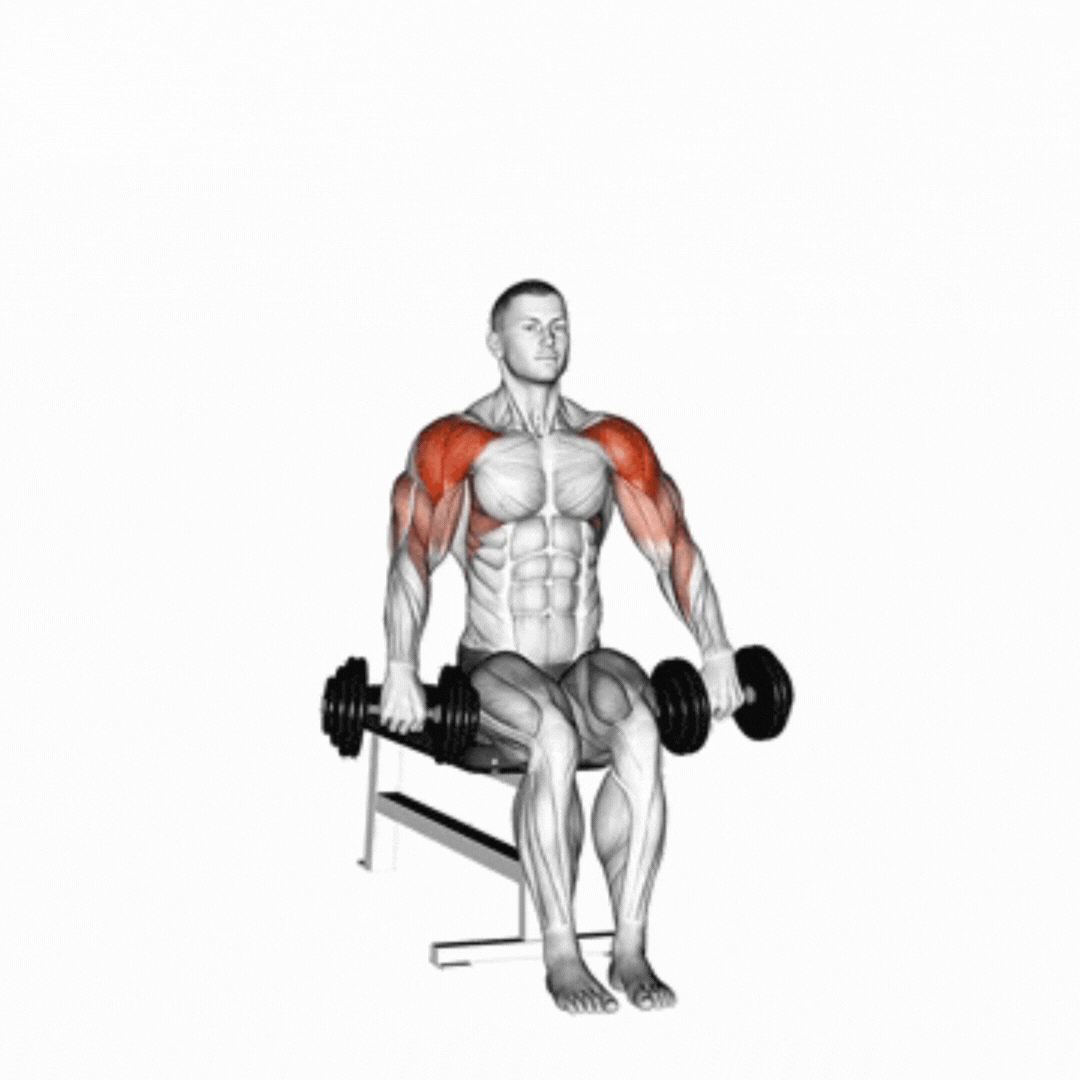
Dumbbell Seated Cuban Press

Dumbbell Seated Cuban Press

Rear Delts

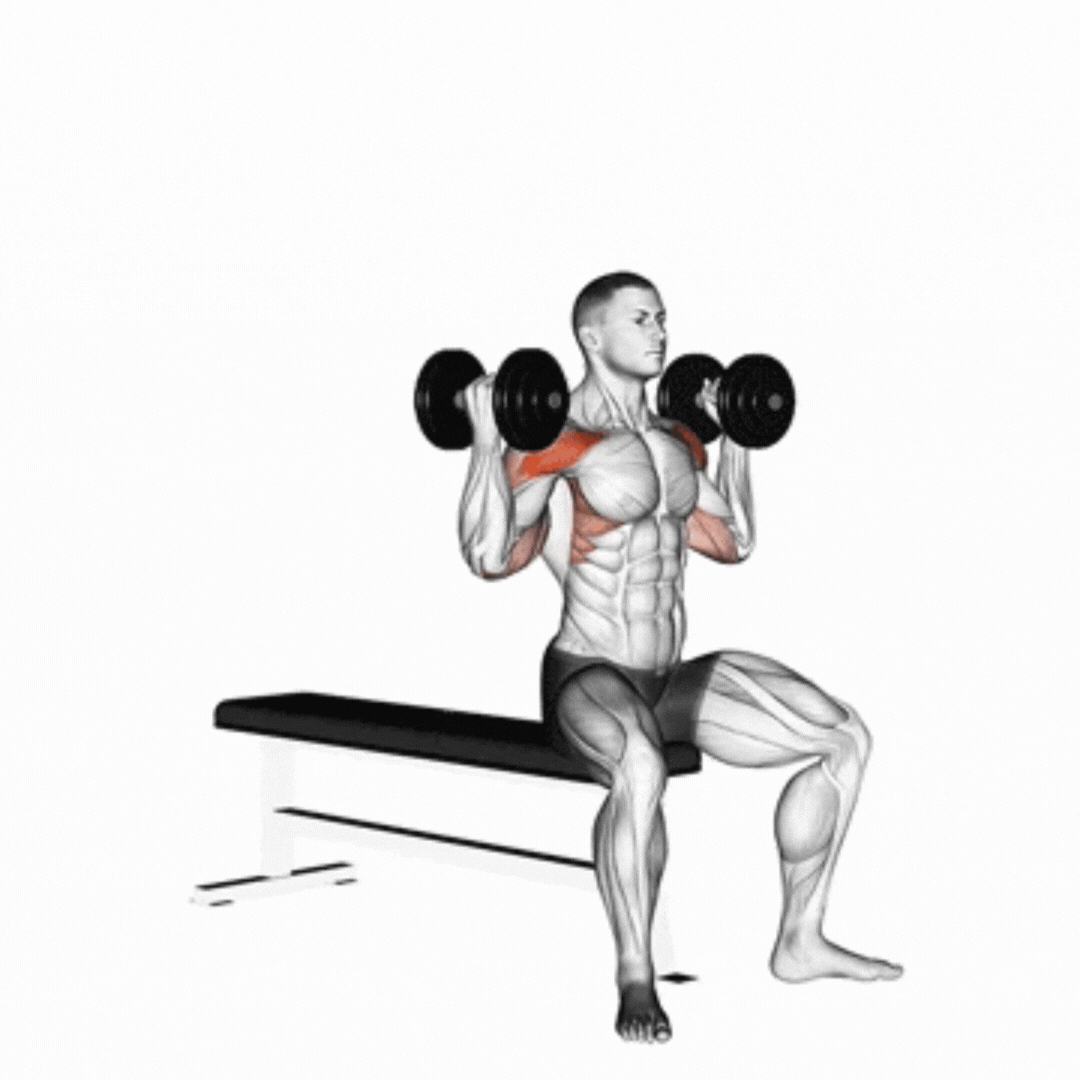
Seated Dumbbell Palms in Shoulder Press

Seated Dumbbell Palms in Shoulder Press

Front Delts

Dumbbell Alternate Shoulder Press

Dumbbell Alternate Shoulder Press

Front Delts

Exercise Information

DifficultyBeginner
Movement TypeIsolation
FocusHypertrophy
Injury RiskLow
Set3-4
Reps10-15
Rest60 seconds
Tempo2-1-2-0
Spotter RequiredNo
Home / Gym
YesYes
Effectiveness4.4 / 5
Popularity8.7 / 10
Learning DifficultyEasy

Equipment

dumbbell

Primary Muscles

Middle deltoid

Secondary Muscles

Anterior deltoidTrapezius

Benefits

  • ✓Targets the lateral shoulder muscles (medial deltoid)
  • ✓The seated position reduces momentum and increases isolation
  • ✓Contributes to shoulder width
  • ✓Offers a more controlled movement pattern

Goals

Muscle GainStrength
Back to All Exercises
Seated Dumbbell Lateral Raise
Animation

Description

The seated dumbbell lateral raise is a highly effective exercise for isolating the medial deltoid. Because it is performed in a seated position, stress on the lower back is reduced and the likelihood of cheating is minimized. This exercise plays a critical role in developing the lateral part of the shoulders, which creates a wider shoulder appearance. The seated position reduces the need for core stabilization, allowing full focus on the shoulder muscles. Using dumbbells provides a natural range of motion and is suitable for joint health. Working both arms simultaneously promotes symmetrical development.

Step-by-Step Instructions

  1. 1

    Sit on a bench and assume the starting position with a dumbbell in each hand

  2. 2

    Plant your feet firmly on the floor and brace your core

  3. 3

    Raise the dumbbells out to the sides up to shoulder level with slightly bent elbows

  4. 4

    At the top of the movement, squeeze the medial deltoid and hold for one second

  5. 5

    Return slowly and in a controlled manner to the starting position

  6. 6

    Keep the elbow angle fixed throughout the movement and use only the shoulders

Key Points

  • ✓Sit on the bench with your back straight and core engaged
  • ✓Start with the dumbbells with palms facing your body
  • ✓Maintain a 10–15 degree bend in the arms, keeping it constant throughout the movement
  • ✓Raise the arms only to the sides, not forward
  • ✓Stop at or slightly below shoulder level, not higher

Common Mistakes

  • ✗Throwing the weights forward — engages the anterior deltoid more
  • ✗Shrugging the shoulders upward — increases trapezius involvement
  • ✗Using too heavy a weight — form breaks down and injury risk increases
  • ✗Straightening the elbows — increases joint pressure
  • ✗Performing the movement too fast — reduces muscle development

Breathing

Exhale as you raise the weights up, inhale as you lower them. Maintain steady breathing throughout the movement.

Back to All Exercises

Related Exercises

Exercises targeting similar muscle groups

Shoulders Exercises
Seated High Fly Machine

Seated High Fly Machine

Side Delts

Kneeling Cable Press

Kneeling Cable Press

Front Delts

Dumbbell Arnold Press

Dumbbell Arnold Press

Front Delts

Dumbbell Seated Cuban Press

Dumbbell Seated Cuban Press

Rear Delts

Seated Dumbbell Palms in Shoulder Press

Seated Dumbbell Palms in Shoulder Press

Front Delts

Dumbbell Alternate Shoulder Press

Dumbbell Alternate Shoulder Press

Front Delts