.gif)
Description
The Barbell Narrow Stance Squat is a classic squat variation where the feet are placed narrower than shoulder-width apart, intensely targeting the quadriceps, particularly the vastus medialis (inner quad). Unlike the standard squat, the narrow stance increases the range of motion and maximizes the load on the quadriceps. The adductor muscles are less activated, which increases the isolation of the target muscles. Ideal for vastus medialis development, this movement also improves knee stability because the VMO muscle is responsible for proper knee alignment. It also enhances functional performance as it requires balance and mobility. It is frequently used by bodybuilders to bring out quadriceps detail and the teardrop muscle. It is ideal for individuals with good ankle flexibility.
Barbell Narrow Stance Squat How-To Guide
- 1
Set up in the squat rack and place the barbell across the upper part of your shoulders in a high-bar position.
- 2
Grip the bar with hands shoulder-width apart, elbows pointing forward.
- 3
Unrack the bar and take a few steps back.
- 4
Position your feet hip-width apart or slightly narrower, with your toes pointing forward or slightly outward.
- 5
Brace your core, keep your back straight, and keep your chest up.
- 6
Lower yourself in a controlled manner by pushing your hips back and bending your knees.
- 7
Descend until your thighs are parallel to the floor or lower, ensuring your knees track in the same direction as your toes.
- 8
Drive up powerfully through your heels, squeezing your quadriceps.
- 9
At the top position, your hips should be fully extended and your knees straight.
Key Points
- ✓Feet should be positioned narrower than shoulder-width.
- ✓Knees must track over the toes and should not cave inward.
- ✓The movement requires an upright torso position.
- ✓Power should be generated by driving through the heels.
- ✓Core engagement and a straight back must be maintained throughout the entire movement.
- ✓Adequate ankle flexibility is required.
Common Mistakes
- ✗Lifting the heels off the floor - indicates insufficient ankle flexibility; mobility work is needed.
- ✗Leaning the torso too far forward - unnecessary in a narrow stance; the back should remain straight.
- ✗Letting the knees cave inward - reduces VMO activation and causes joint stress.
- ✗Rounding the back - increases the risk of lower back injury.
- ✗Inadequate range of motion - prevents full quadriceps activation.
- ✗Breaking form with excessively heavy loads - balance is more difficult in a narrow stance.
Breathing
Inhale and brace your core as you descend, and exhale powerfully as you drive up.
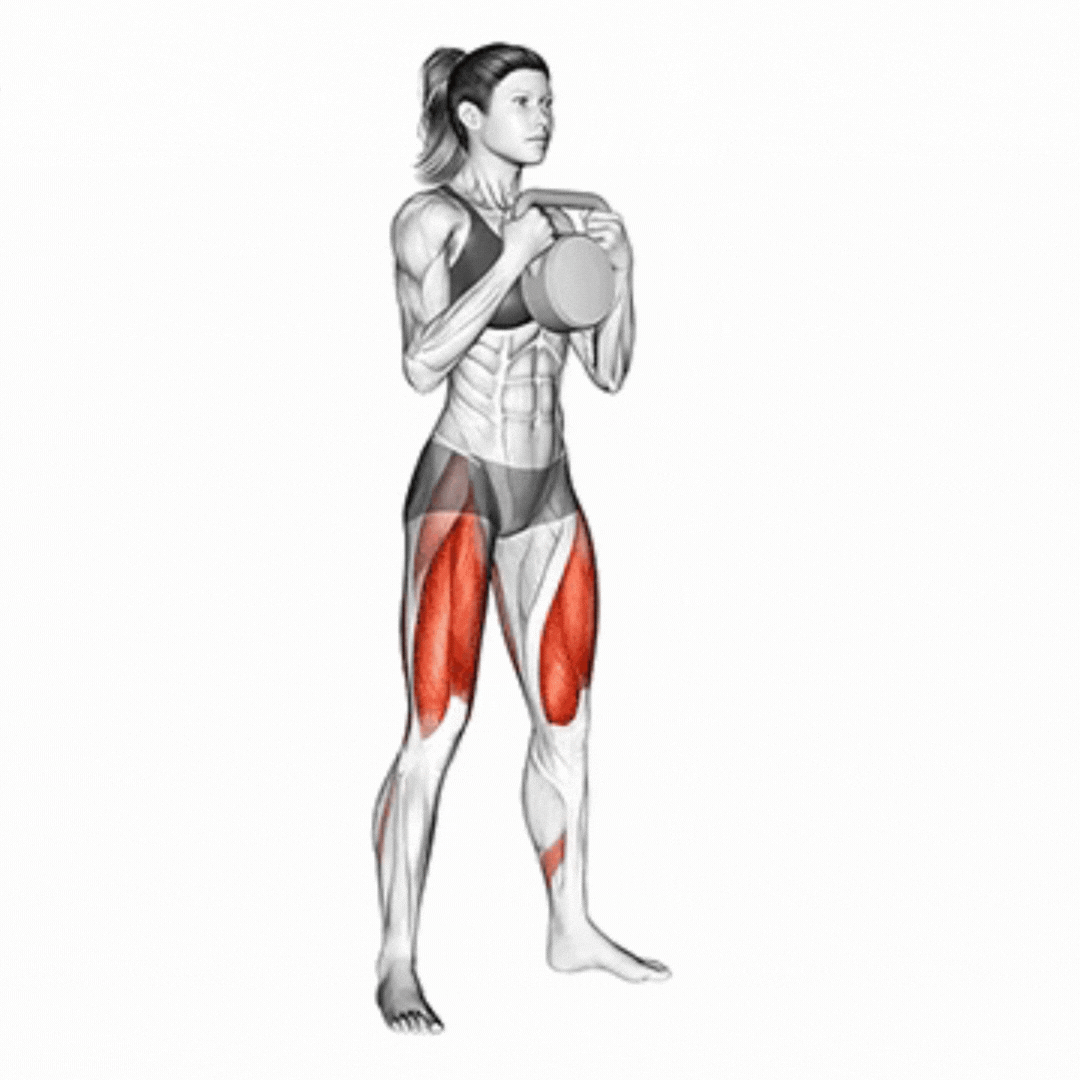
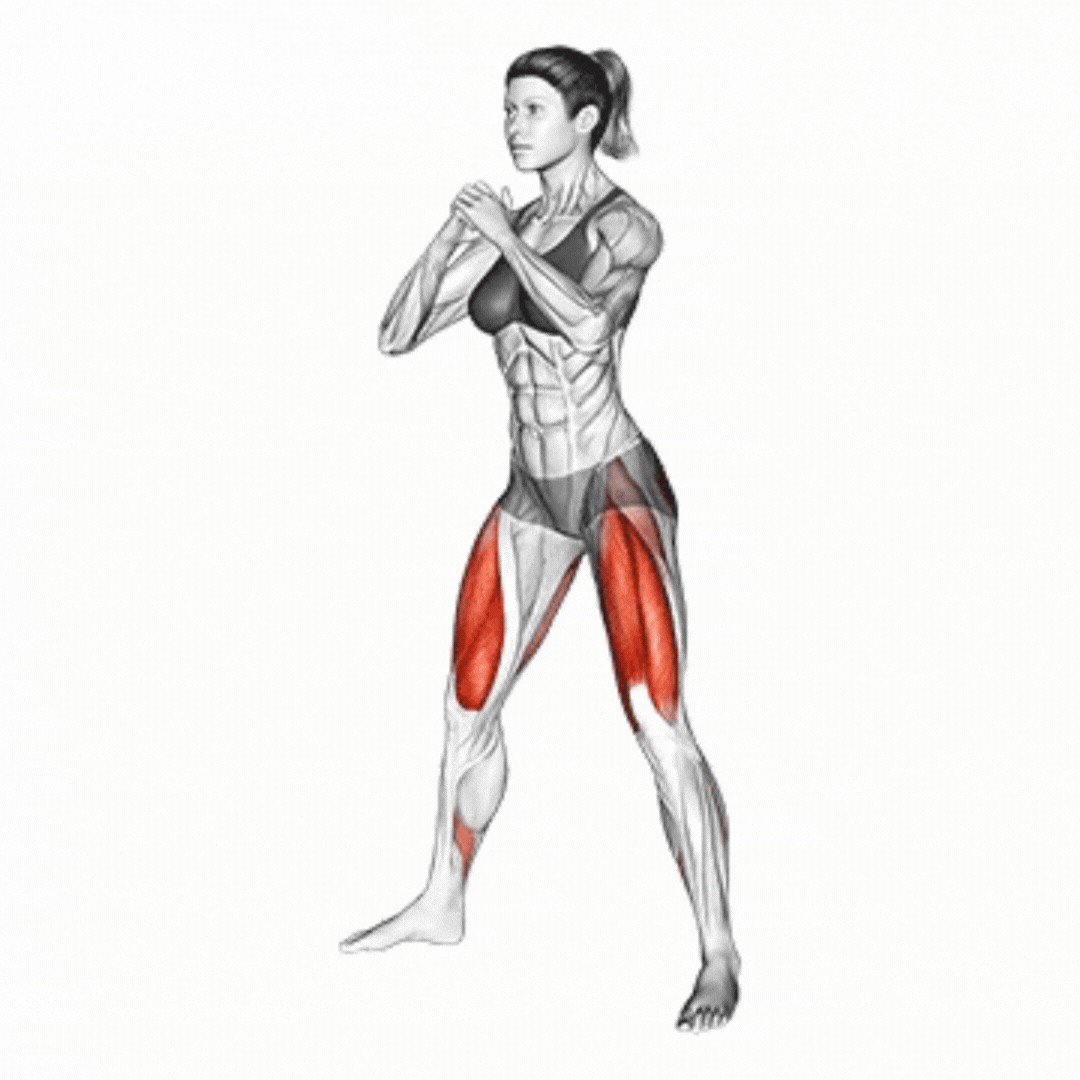
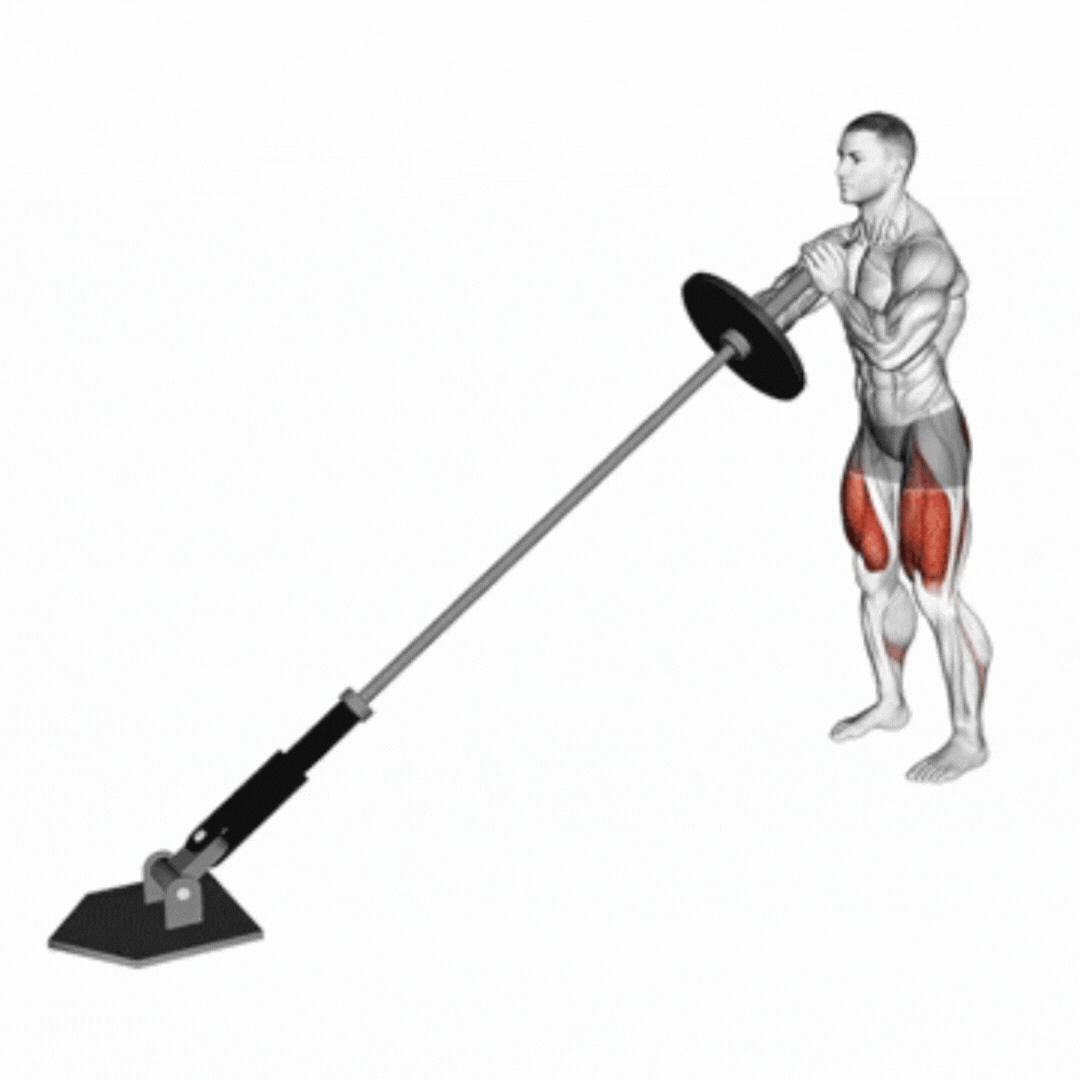
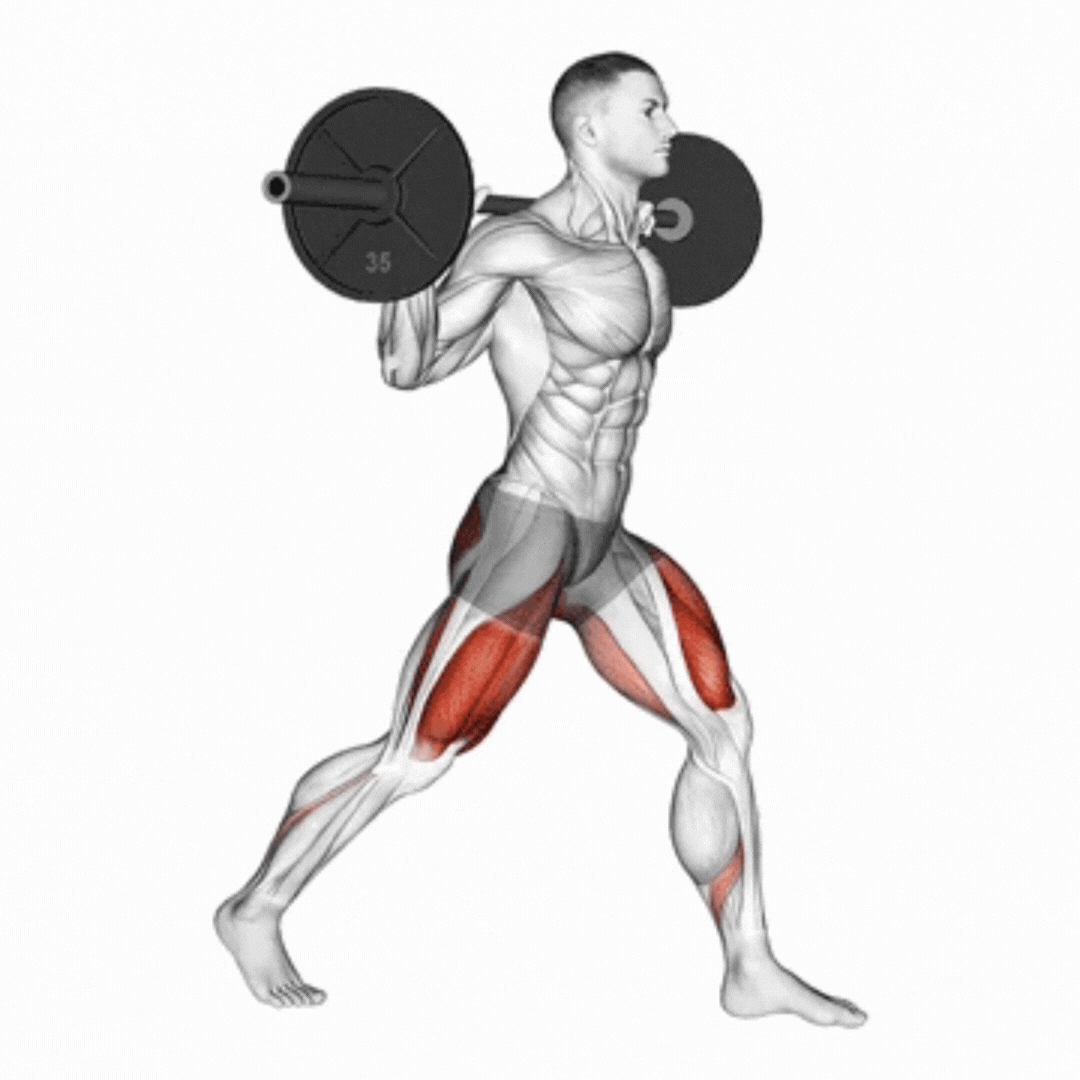
Muscle Activation
Safety
Precautions
- Individuals with knee injuries should limit their range of motion.
- Those with insufficient ankle flexibility should use a heel wedge.
- Individuals with acute lower back pain should avoid this exercise.
- Those with disc problems should consult a doctor before performing.
Safety Tips
- Master the traditional squat technique first.
- Improve ankle mobility during your warm-up.
- Using a heel wedge is beneficial if ankle flexibility is lacking.
- Start with light weights to ensure proper form.
- Use a spotter or safety bars.
- Check your knee alignment by looking in a mirror.
Frequently Asked Questions
Which muscles does Barbell Narrow Stance Squat work?
Barbell Narrow Stance Squat primarily works these muscles: Quadriceps, Vastus medialis. It also engages: Gluteus maximus, Hamstring, Erector spinae, Core kasları, Kalf.
Is Barbell Narrow Stance Squat suitable for beginners?
Barbell Narrow Stance Squat is a Intermediate level exercise. Learning difficulty: Moderate.
Can Barbell Narrow Stance Squat be done at home?
Barbell Narrow Stance Squat usually requires gym equipment, so it can be hard to do at home.
What are common mistakes when doing Barbell Narrow Stance Squat?
One of the most common mistakes: Lifting the heels off the floor - indicates insufficient ankle flexibility; mobility work is needed.
How many sets and reps for Barbell Narrow Stance Squat?
Recommended: 3-4 sets and 8-12 reps.
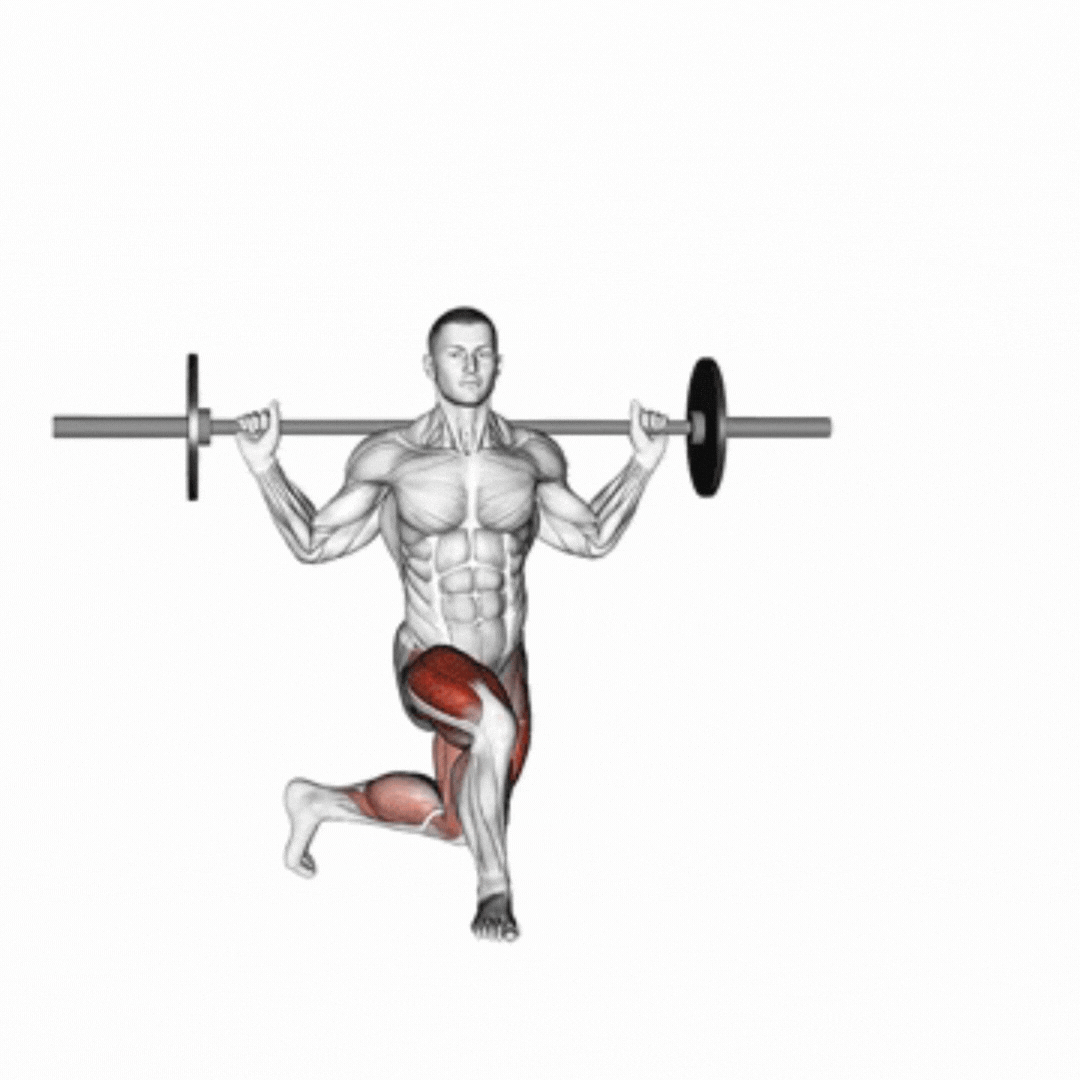
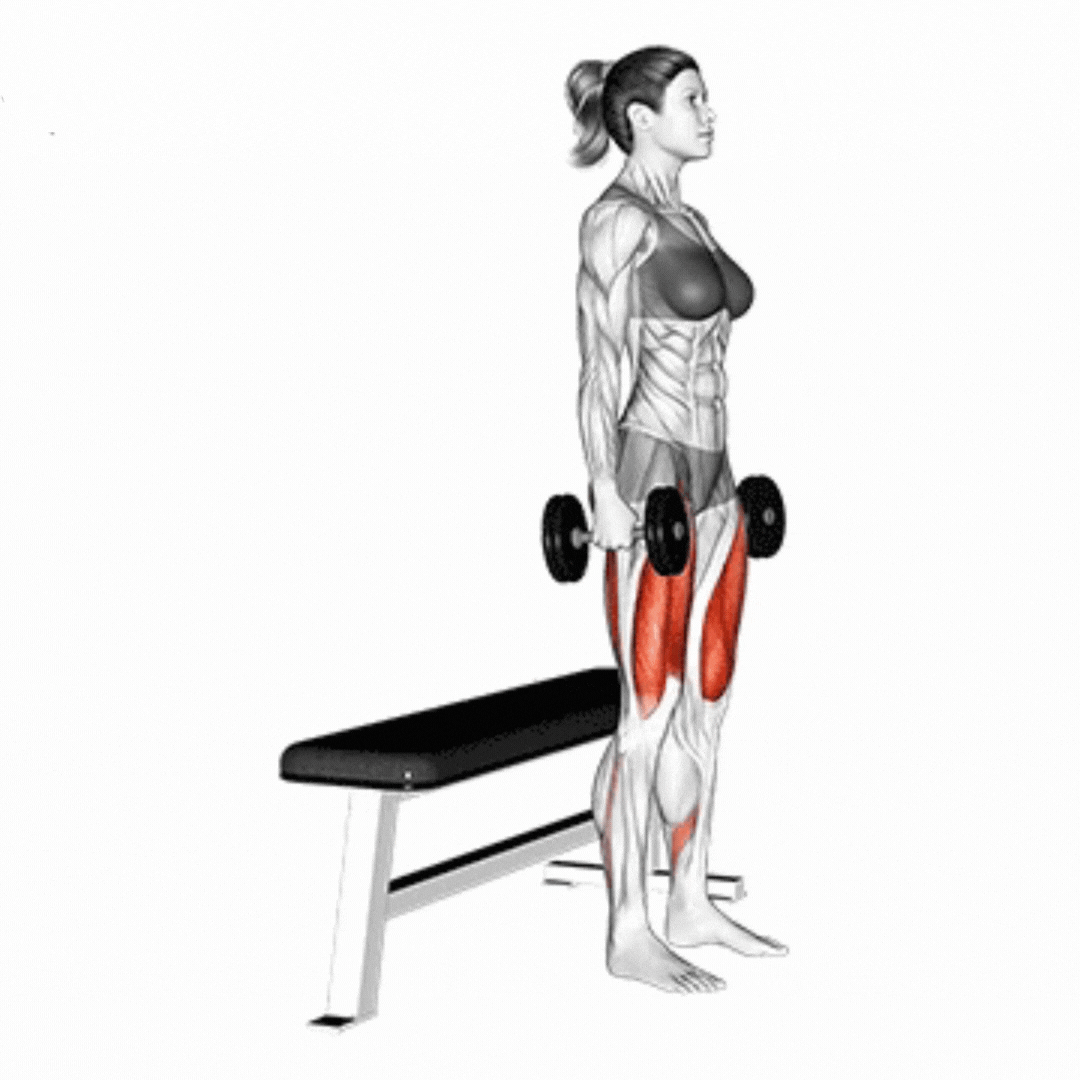
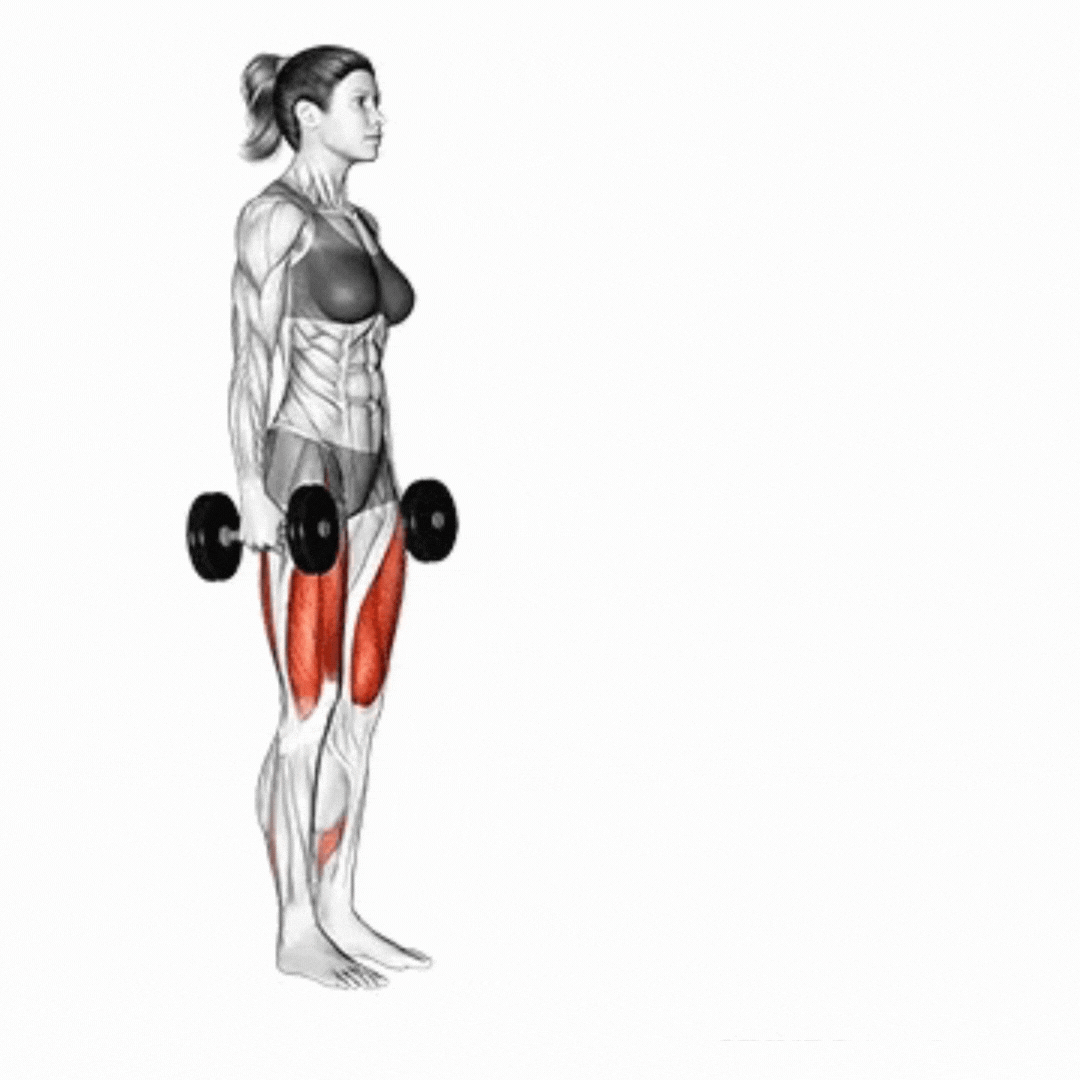
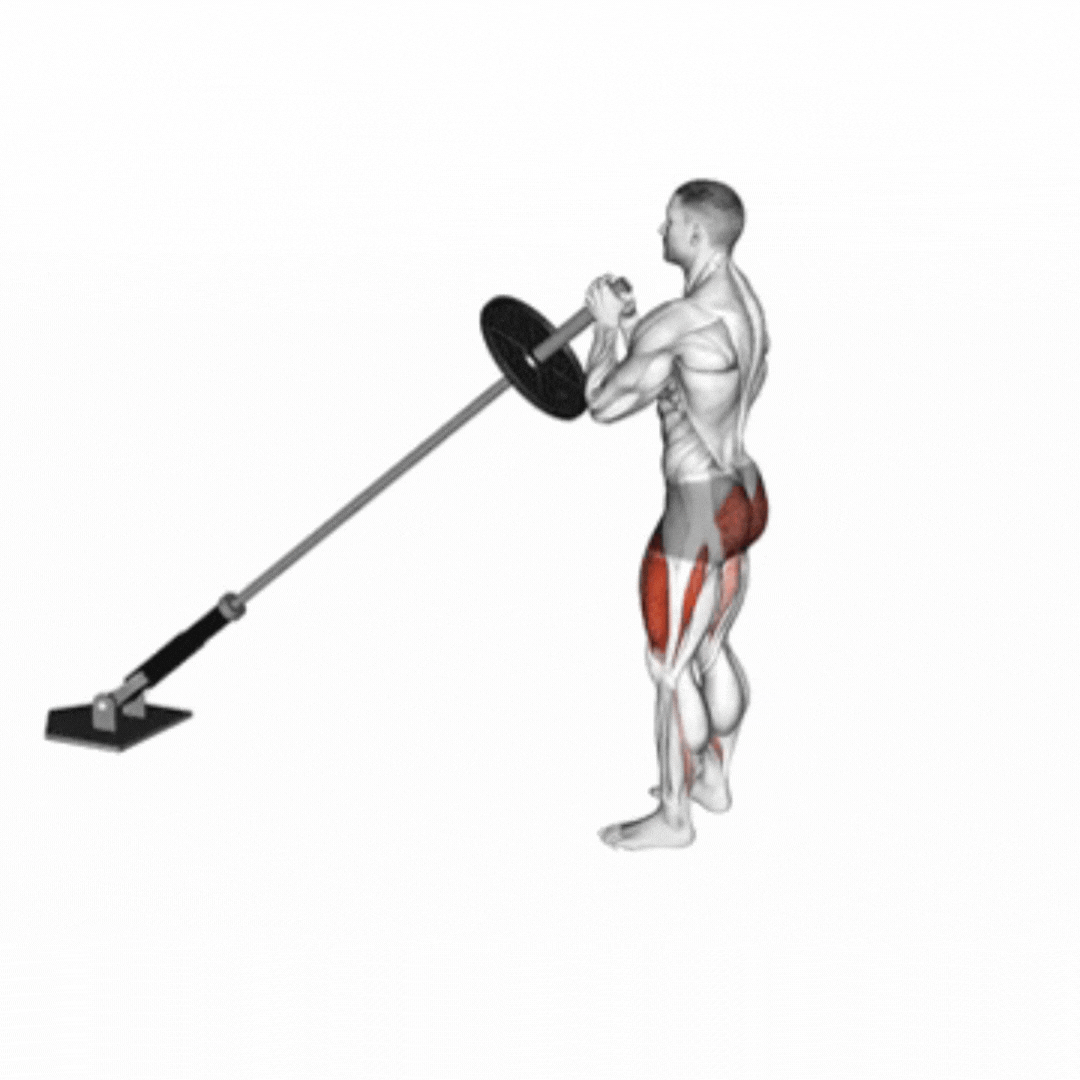
- ✓Develops the quadriceps in an isolated manner.
- ✓Ideal for vastus medialis (VMO) development.
- ✓Improves knee stability.
- ✓Enhances quadriceps detail and brings out the teardrop muscle.
- ✓Improves ankle mobility.
- ✓Adds variety to your squat variations.
- ✓Helps prevent knee pain and increases joint protection.