.gif)
Description
Dumbbell Lunge is a fundamental compound exercise that develops the lower body muscles. This movement simultaneously works the quadriceps, glutes, hamstrings, and core muscles. Thanks to the dumbbells, balance and coordination improve, and less load is placed on the shoulders compared to a barbell. It is highly beneficial for functional strength gains and everyday activities. It can be performed by athletes of all levels and allows for easy progression. It is an indispensable exercise for lower body mass and strength.
Dumbbell Lunge How-To Guide
- 1
Hold a dumbbell in each hand with your arms at your sides and feet shoulder-width apart
- 2
Keep your chest upright, shoulders back, and core engaged
- 3
Begin squatting by pushing your hips back and downward
- 4
Your knees should not pass beyond the toe line; descend until your thighs are parallel to the floor
- 5
Without lifting your heels off the ground, push through your heels to rise back up
- 6
Do not fully lock out your knees at the top and proceed to the next repetition
Key Points
- ✓Position your feet shoulder-width apart with toes slightly pointed outward
- ✓Hold the dumbbells in both hands and keep your arms close to your body
- ✓Push your hips back as you lower into the squat position
- ✓Keep your knees aligned with your toes; do not let them cave inward
- ✓Keep your torso upright, chest open, and shoulders pulled back
Common Mistakes
- ✗Leaning the torso forward — increases stress on the lower back
- ✗Turning the knees excessively inward — increases the risk of knee injury
- ✗Performing the squat too shallow — prevents full muscle activation
- ✗Lifting the heels off the ground — creates instability
- ✗Swinging the dumbbells during the movement — causes loss of control
Breathing
Inhale as you lower into the squat, exhale as you push back up.
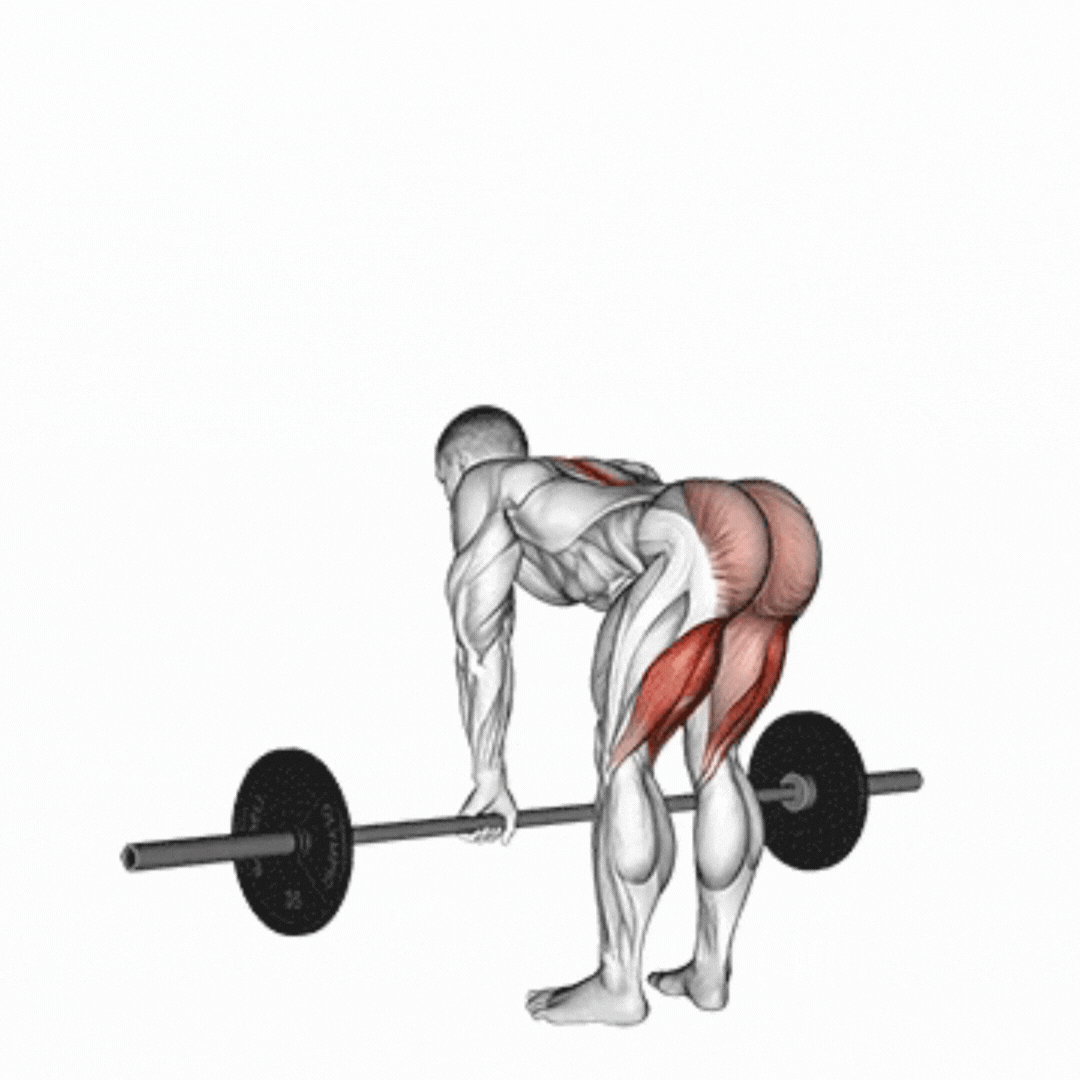
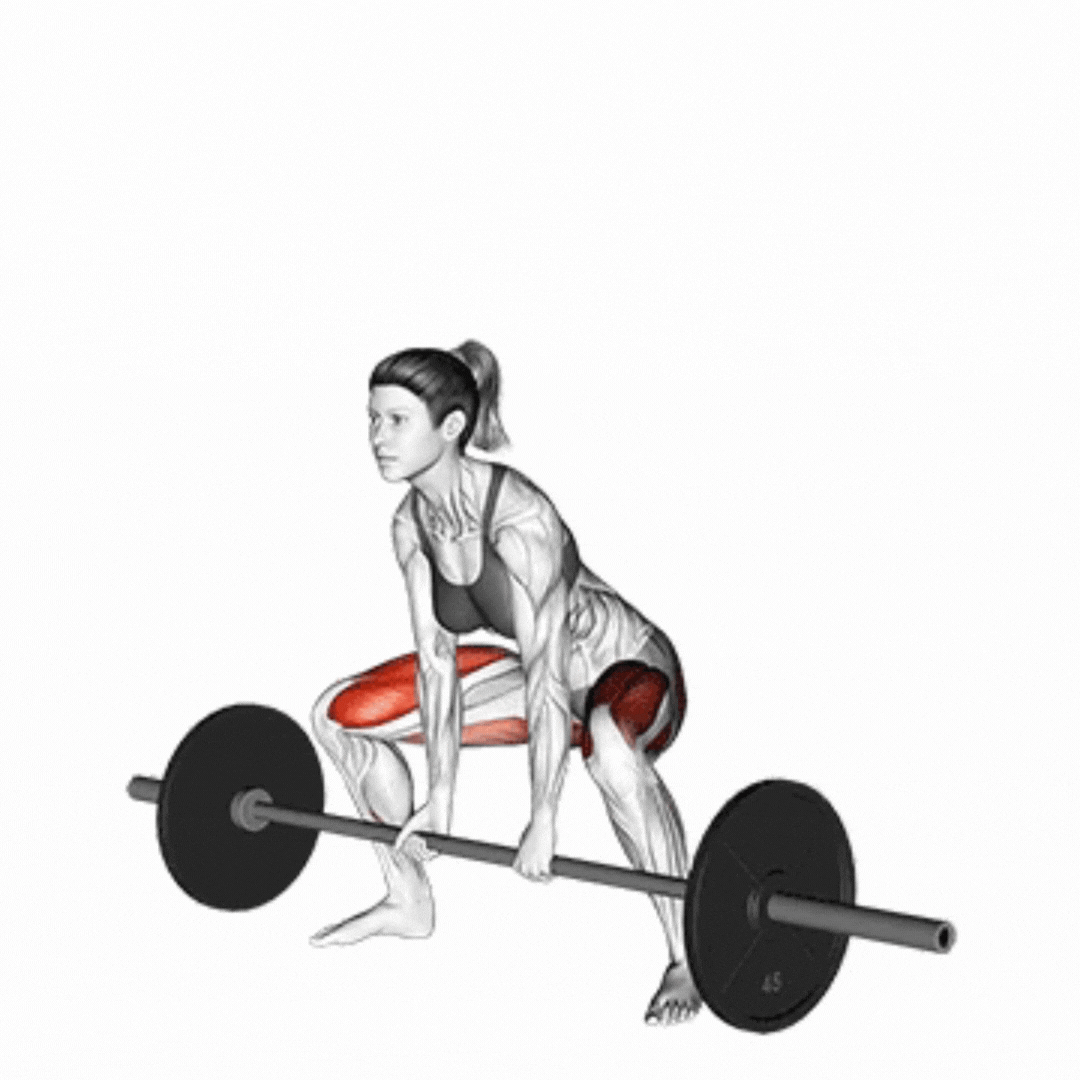
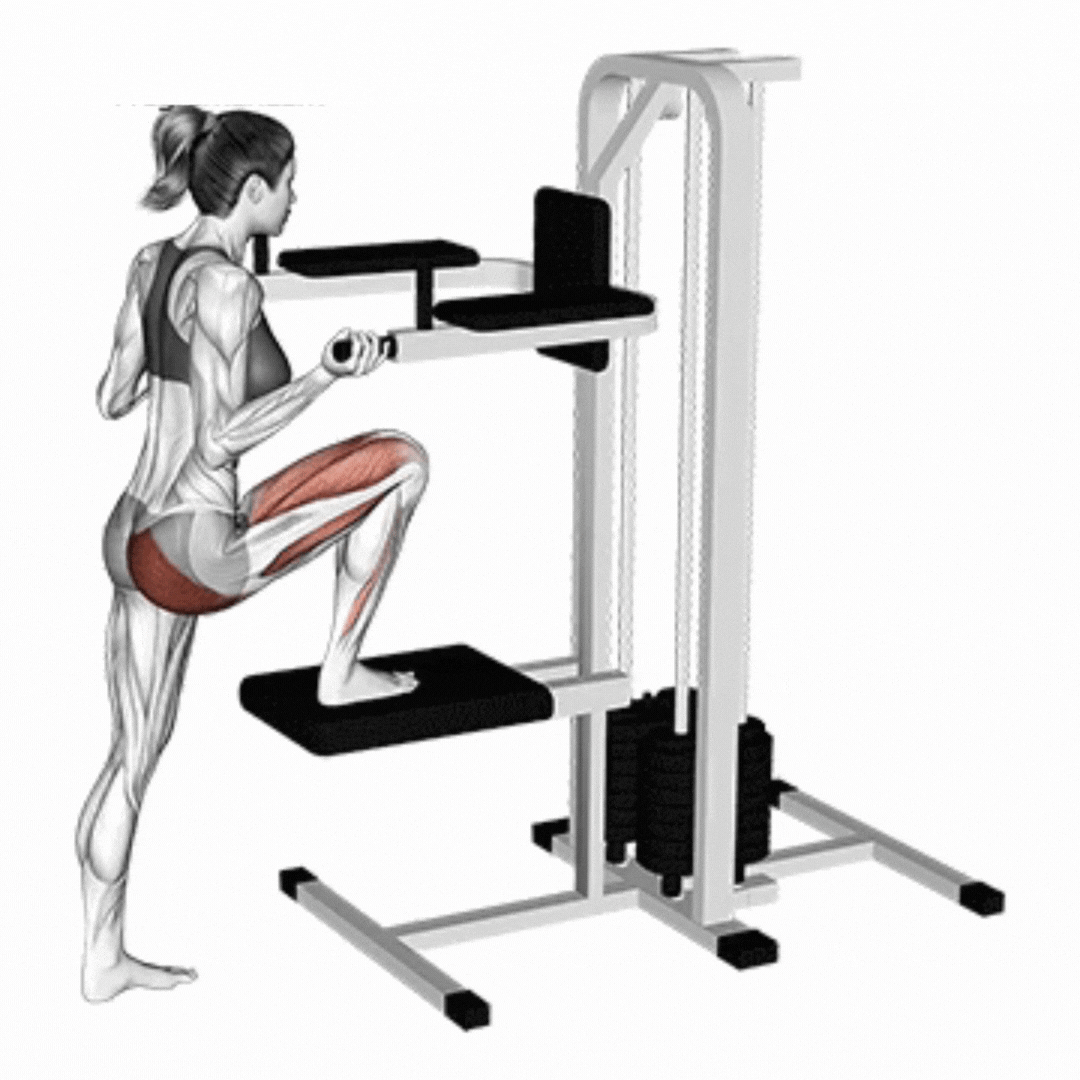
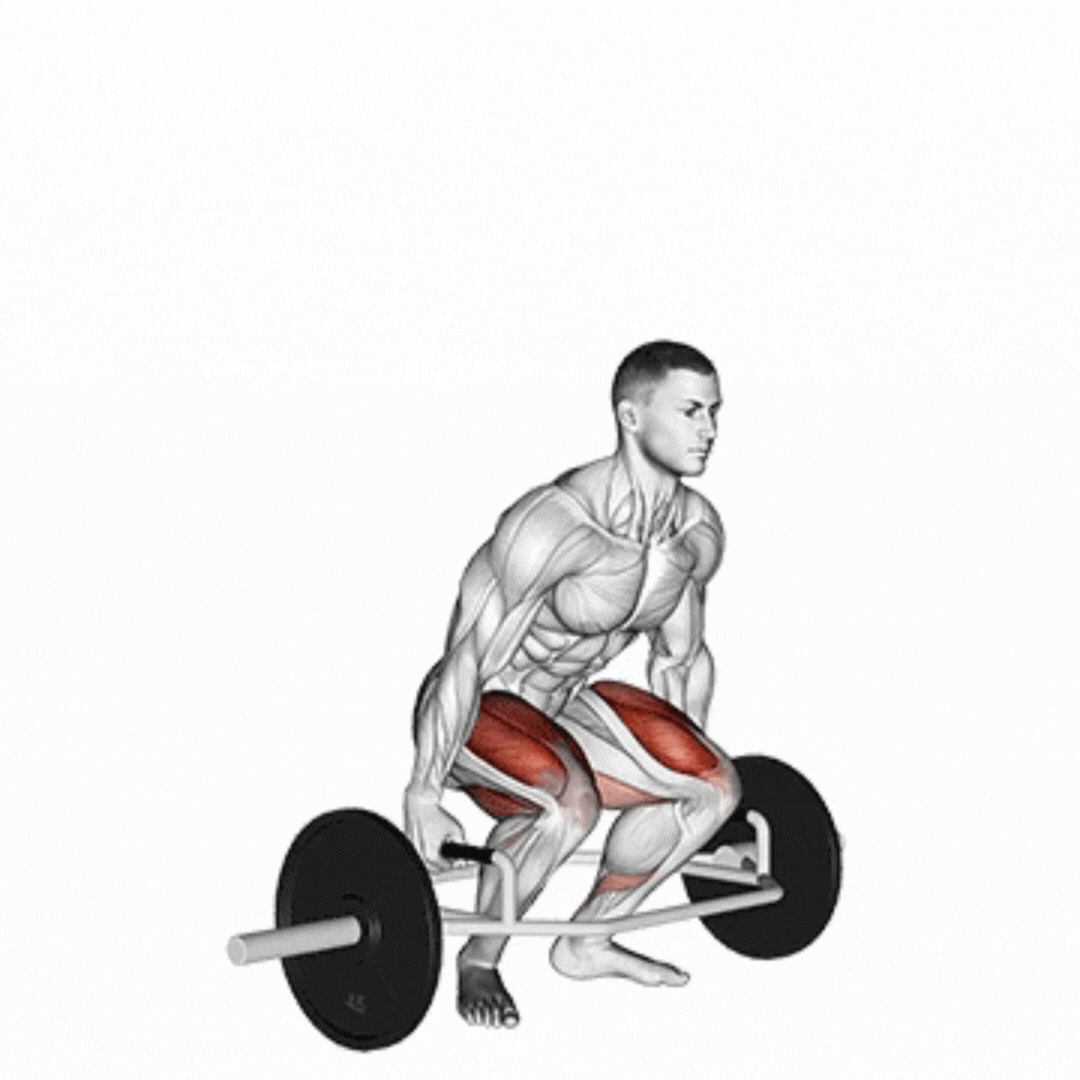
Muscle Activation
Safety
Precautions
- Those with knee problems should pay attention to their range of motion
- Those with lower back pain should maintain torso stability
- Those with wrist or shoulder injuries should pay attention to their dumbbell grip
- Those with significant hip restrictions should adjust the depth
Safety Tips
- Make sure the knees point in the same direction as the toes
- Perform the squat without lifting your heels off the ground
- Increase the weight gradually
- Pay attention to breathing control: inhale on the way down, exhale on the way up
Frequently Asked Questions
Which muscles does Dumbbell Lunge work?
Dumbbell Lunge primarily works these muscles: Quadriceps, Glutes. It also engages: Hamstrings, Calves, Erector spinae.
Is Dumbbell Lunge suitable for beginners?
Dumbbell Lunge is a Beginner level exercise. Learning difficulty: Easy.
Can Dumbbell Lunge be done at home?
Yes, Dumbbell Lunge can easily be done at home.
What are common mistakes when doing Dumbbell Lunge?
One of the most common mistakes: Leaning the torso forward — increases stress on the lower back
How many sets and reps for Dumbbell Lunge?
Recommended: 4-6 sets and 5-8 reps.
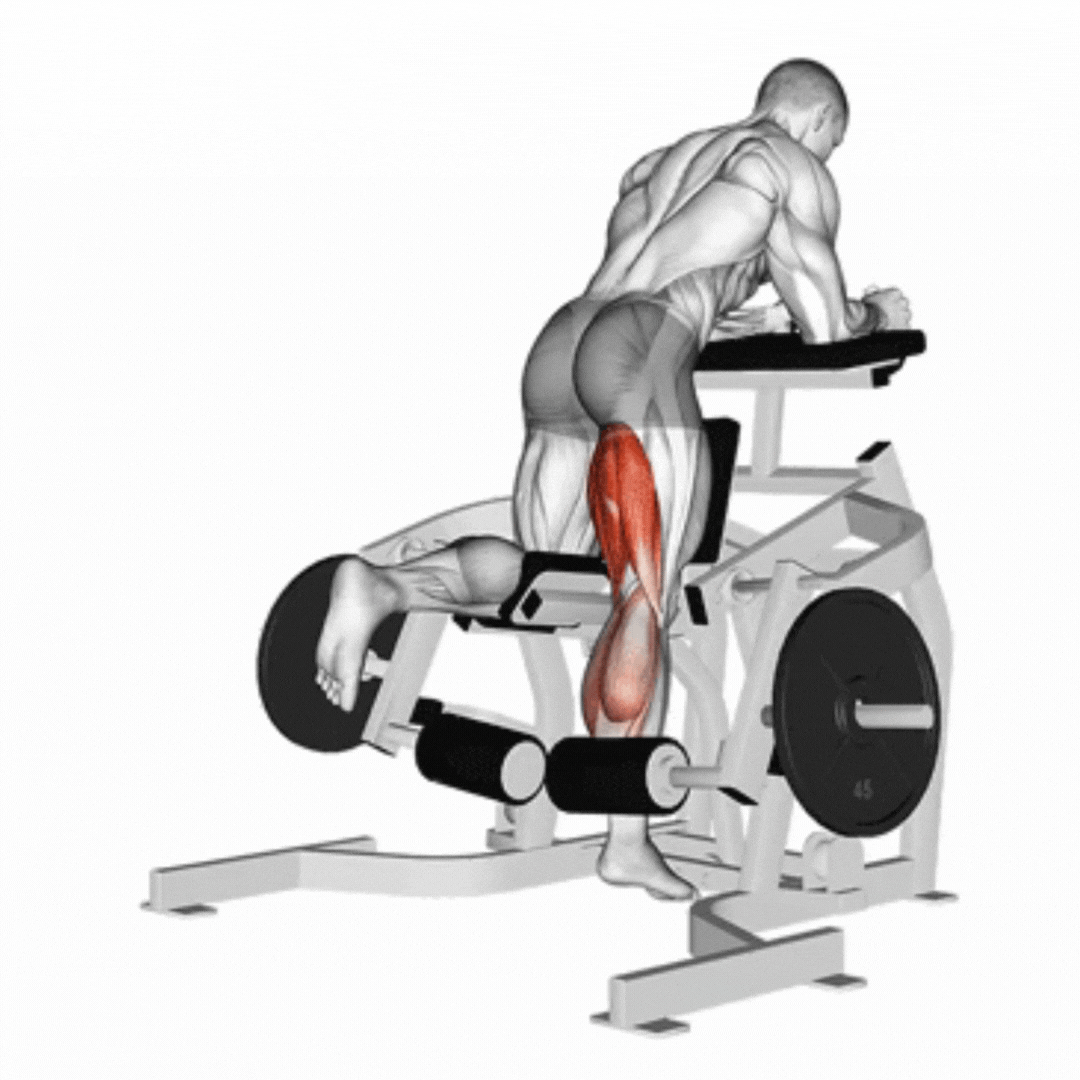
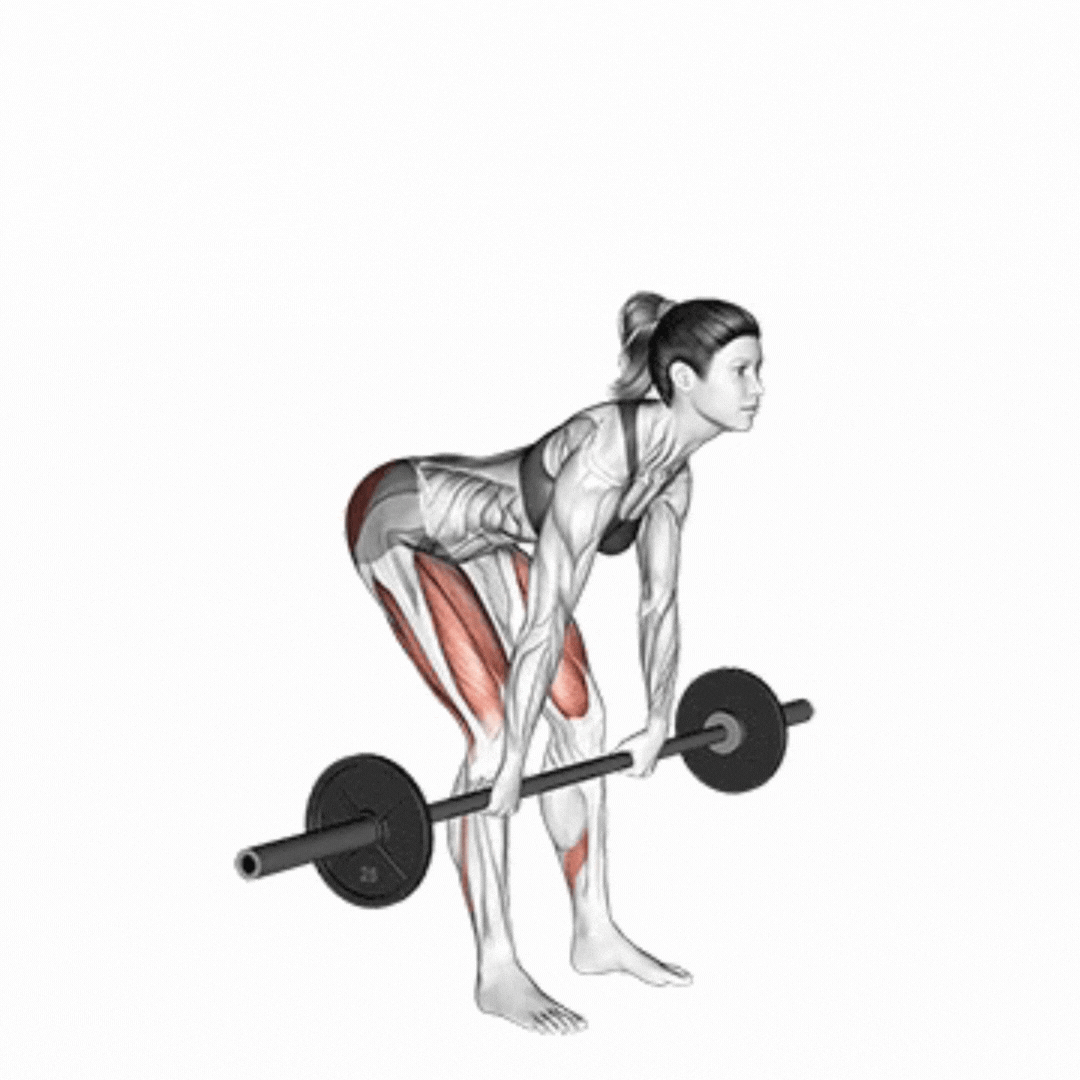
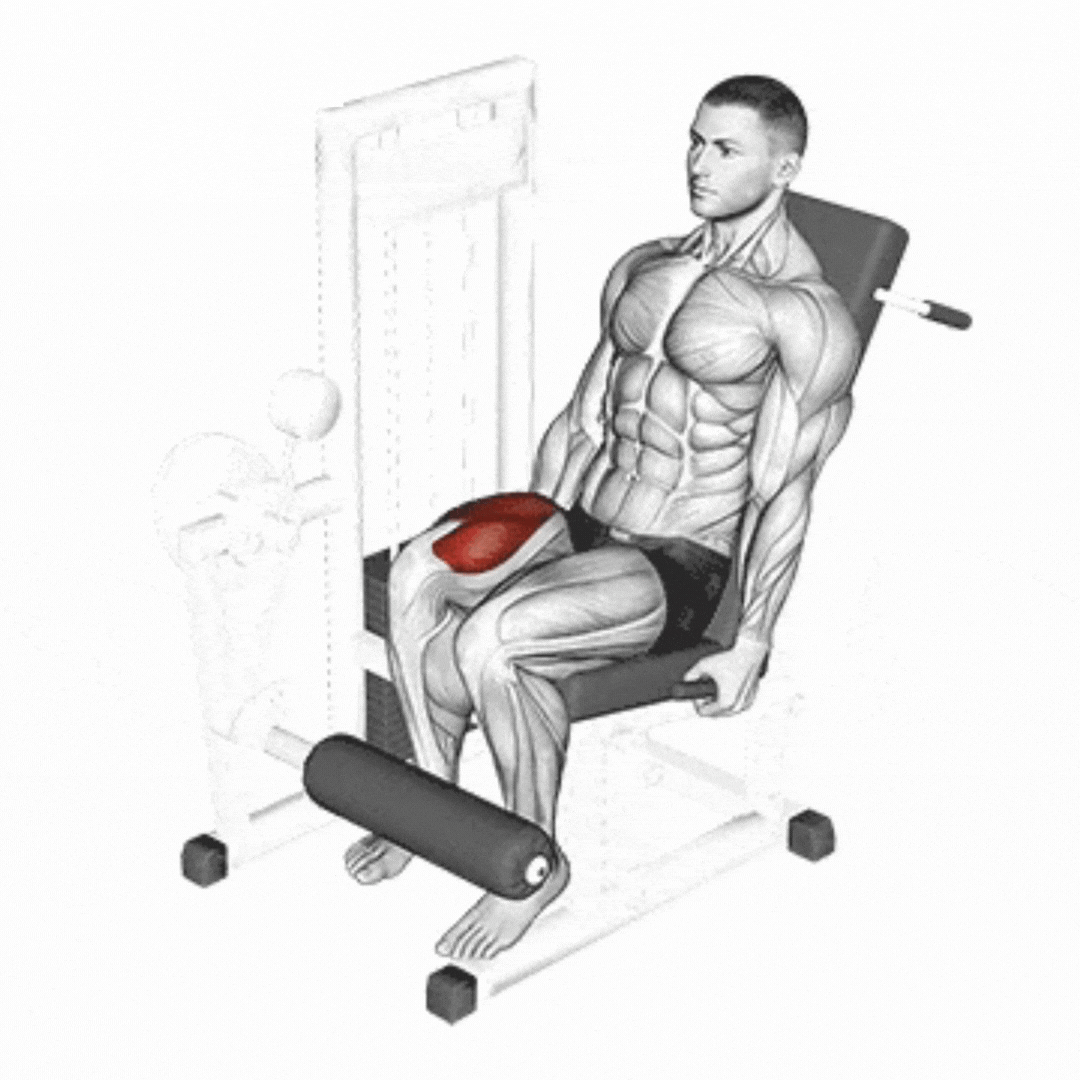
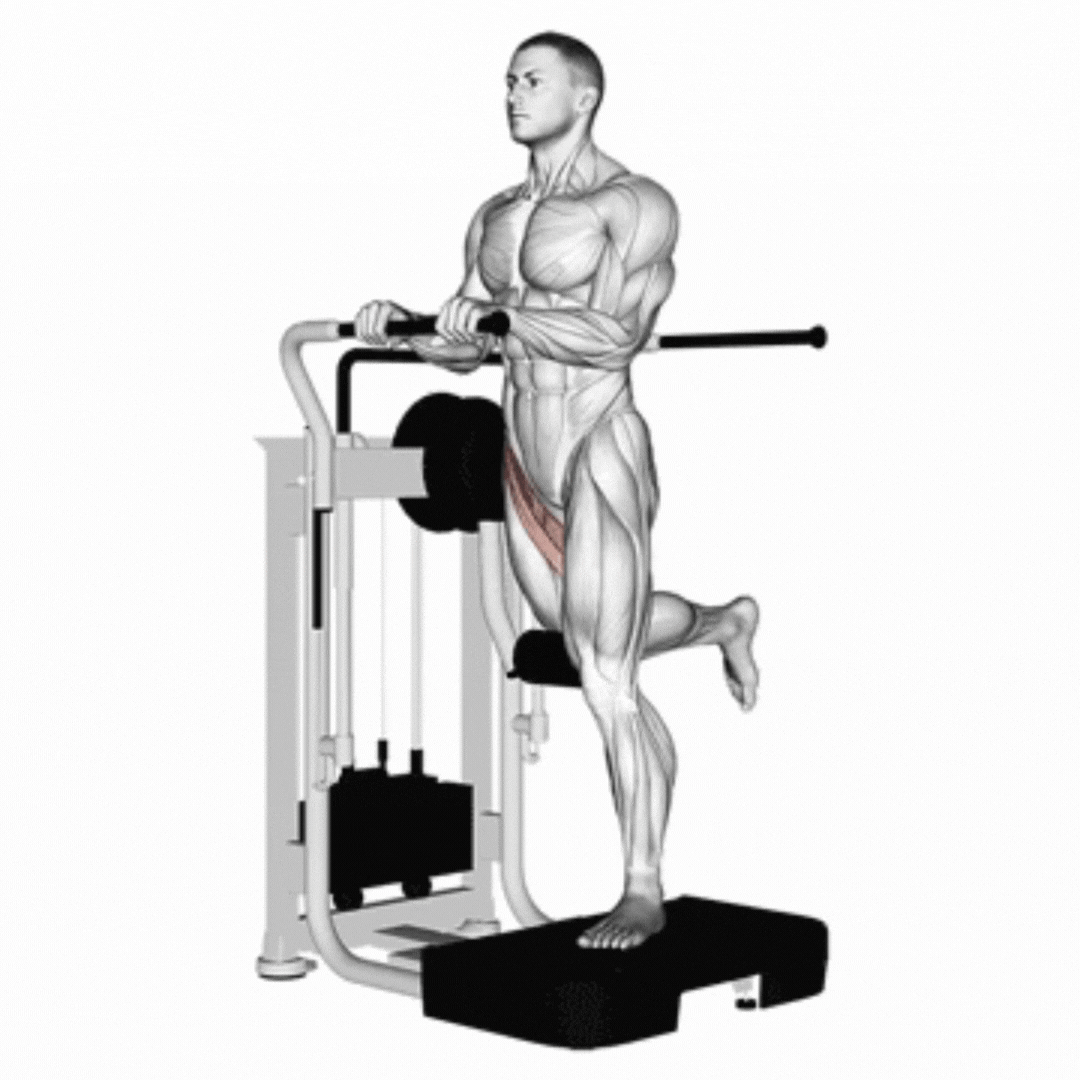
- ✓Comprehensively works all leg muscles
- ✓Increases lower body strength and muscle mass
- ✓Improves core stabilization
- ✓Builds functional strength and athletic performance