.gif)
Description
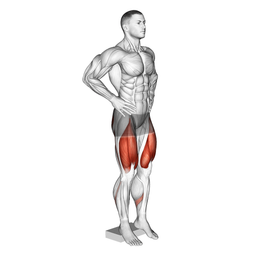
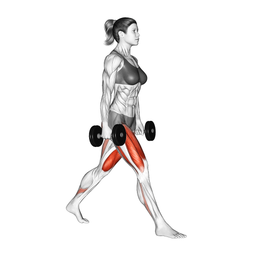
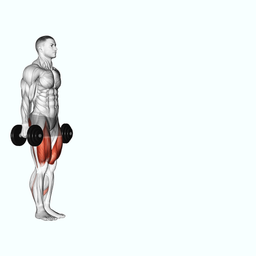
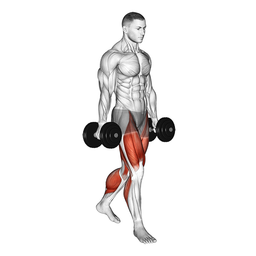
Dumbbell Bench Squat is an ideal beginner exercise for learning the squat movement. This exercise safely works the quadriceps, glutes, and hamstrings. The bench behind you provides a depth reference and teaches proper squat form. It allows beginners to safely get accustomed to squat depth. The dumbbells make the movement easier to control and contribute to balance development. As you progress, muscle development can be continued by gradually increasing the weight.
Dumbbell Bench Squat How-To Guide
- 1
Stand in front of the bench holding a dumbbell in each hand with your feet shoulder-width apart
- 2
With your back facing the bench, step a few paces forward
- 3
Lower yourself in a controlled manner by pushing your hips back
- 4
Descend until your hips lightly touch the bench without fully sitting down
- 5
Push through your heels to stand up and lock out your knees
- 6
Throughout the movement, keep your back straight, chest open, and core engaged
Key Points
- ✓Stand behind the bench and place one leg on top of the bench
- ✓Lower into a squat position with the other leg, bending the knee to 90 degrees
- ✓Keep your torso upright, chest open, and shoulders pulled back
- ✓Hold the dumbbells in both hands and keep your arms close to your body
- ✓Keep your abdominal muscles tight to stabilize the core
Common Mistakes
- ✗Leaning the torso forward — increases stress on the lower back
- ✗Turning the knees excessively inward — increases the risk of knee injury
- ✗Performing the squat too shallow — prevents full muscle activation
- ✗Positioning the leg on the bench too short — creates instability
- ✗Swinging the dumbbells during the movement — causes loss of control
Breathing
Inhale as you lower into the squat, exhale as you push back up.
Muscle Activation
Safety
Precautions
- Those with knee pain should adjust the sitting depth
- Those with lower back problems should focus on keeping the torso upright
- Those with hip injuries should limit the range of motion
- Those who have had lower extremity surgery should obtain medical clearance
Safety Tips
- Choose a bench height appropriate for your level
- Sit down onto the bench in a controlled manner; do not drop yourself
- Keep your back straight and your chest upright
- Start with light dumbbells to learn proper form
Frequently Asked Questions
Which muscles does Dumbbell Bench Squat work?
Dumbbell Bench Squat primarily works these muscles: Quadriceps, Glutes. It also engages: Hamstrings, Calves.
Is Dumbbell Bench Squat suitable for beginners?
Dumbbell Bench Squat is a Beginner level exercise. Learning difficulty: Easy.
Can Dumbbell Bench Squat be done at home?
Yes, Dumbbell Bench Squat can easily be done at home.
What are common mistakes when doing Dumbbell Bench Squat?
One of the most common mistakes: Leaning the torso forward — increases stress on the lower back
How many sets and reps for Dumbbell Bench Squat?
Recommended: 3-4 sets and 10-12 reps.
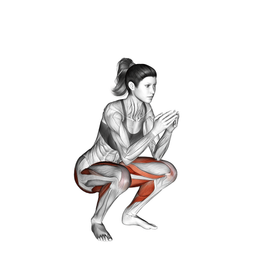
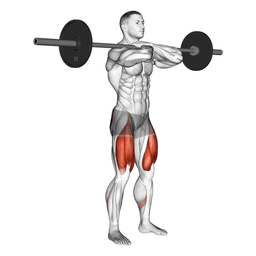
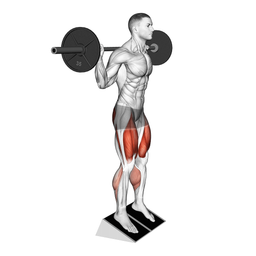
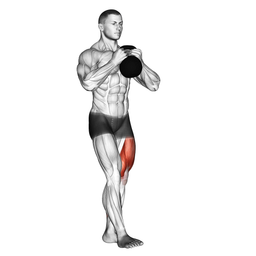
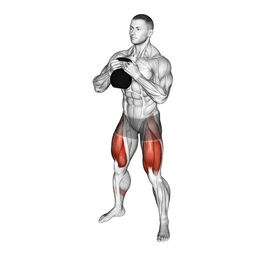
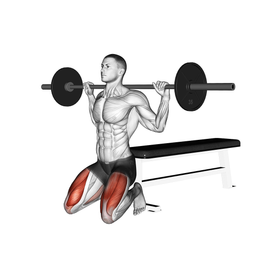
- ✓Safely works the quadriceps and glute muscles
- ✓Teaches how to control squat depth
- ✓Increases lower body muscle mass
- ✓Ideal for beginners