.gif)
Description
The Weighted Calf Raise is an advanced variation of the classic calf raise performed using additional weight such as dumbbells, a barbell, or kettlebells. It is used to sustain hypertrophy and strength development when body weight becomes insufficient. It intensely activates both the gastrocnemius and soleus muscles. The weight can be held at the sides with the hands, on one shoulder, or across the shoulders with a barbell. The extra load applies maximum stress to the calf muscles, triggering hypertrophy. It also contributes to grip strength and posture development. Performing it on a step or elevated surface ensures a full range of motion. When done regularly, it provides significant improvements in calf thickness, strength, and overall lower body performance.
Weighted Calf Raise How-To Guide
- 1
Hold a dumbbell in each hand (or place a barbell across your shoulders).
- 2
Stand on a step or elevated surface with your heels hanging off the edge.
- 3
Place your feet shoulder-width apart and parallel to each other.
- 4
Keep your back straight, shoulders back, and engage your core.
- 5
Lower your heels in a controlled manner (feel the stretch).
- 6
Raise your heels by pushing up onto the balls of your feet.
- 7
Squeeze your calf muscles at the top position for 1-2 seconds.
- 8
Lower back to the starting position in a controlled manner.
- 9
Your knees can be slightly bent throughout the movement.
Key Points
- ✓Use a full range of motion (all the way down and up).
- ✓Squeeze the calves at the top position.
- ✓Maintain a slow and controlled tempo.
- ✓Keep your back straight and torso upright.
- ✓Maintain your balance.
Common Mistakes
- ✗Inadequate range of motion - muscles are not fully engaged.
- ✗Bouncing - relying on momentum.
- ✗Choosing too heavy a weight - compromises form.
- ✗Not squeezing at the top - reduces the hypertrophy effect.
- ✗Moving too fast - loss of control.
Breathing
Exhale and squeeze your calves as you rise, inhale as you lower your heels.
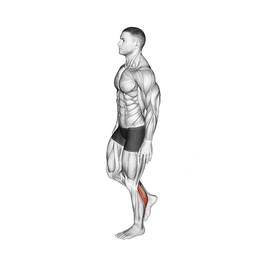
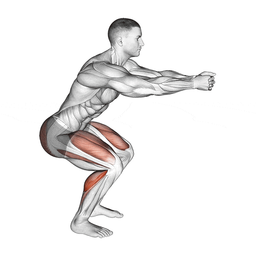
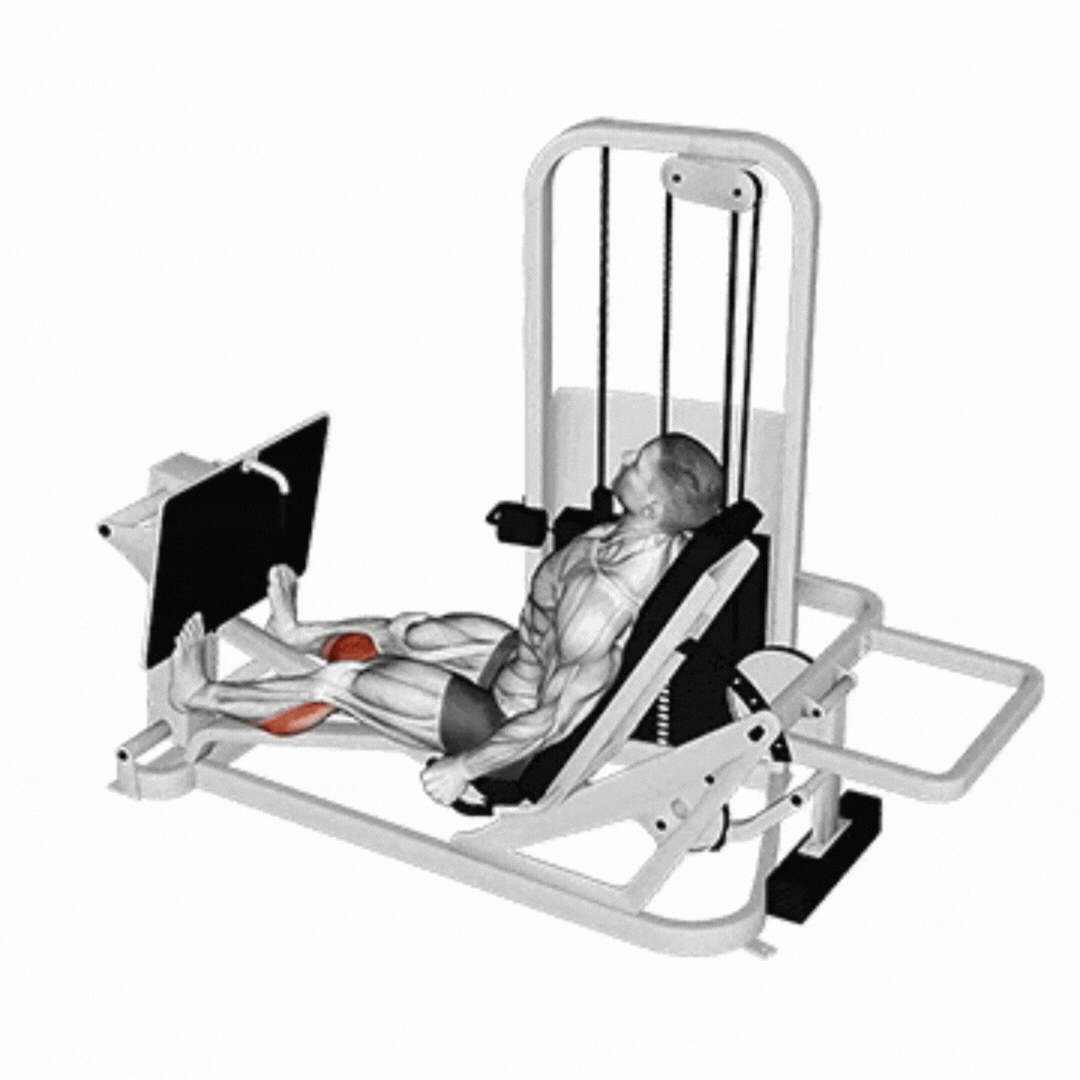
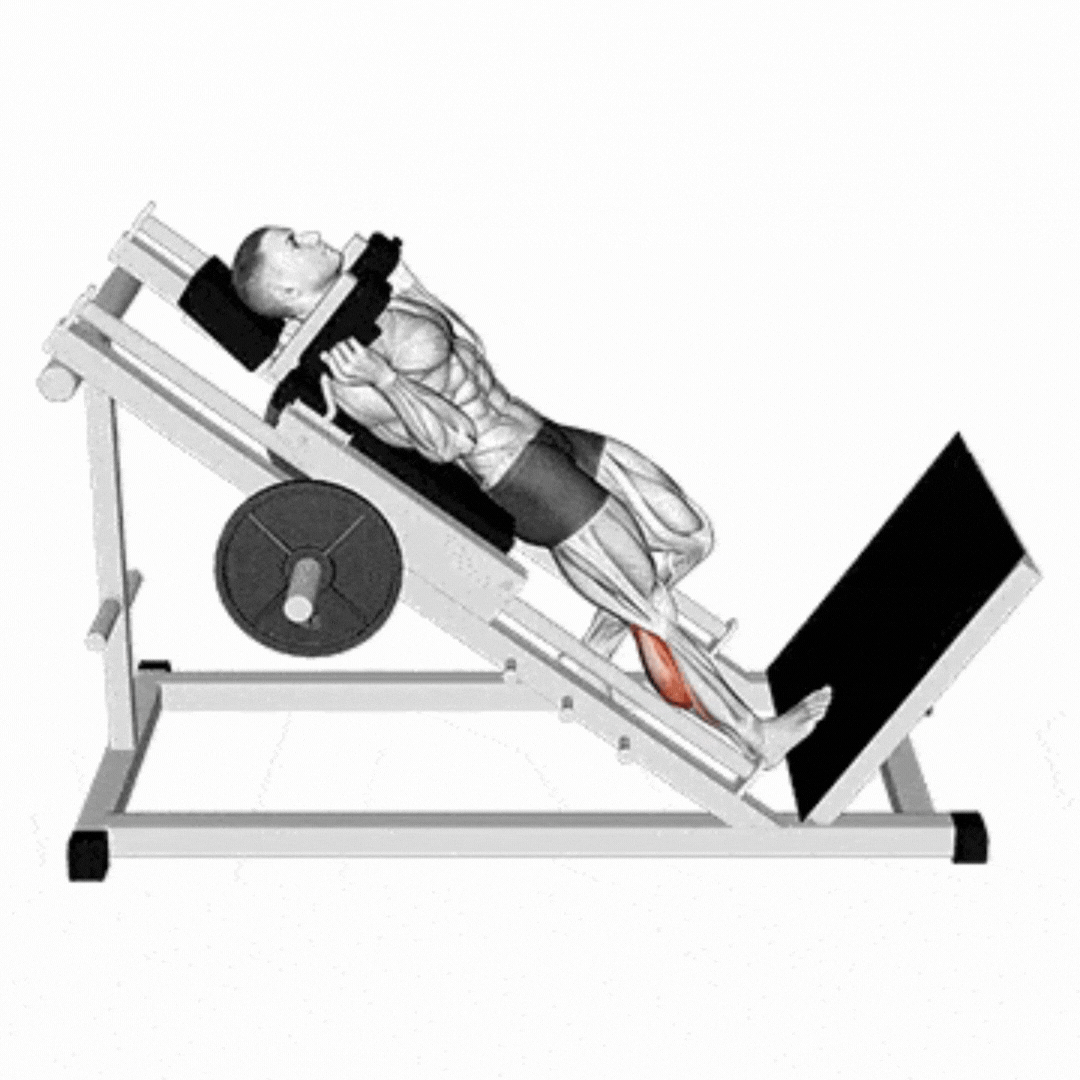
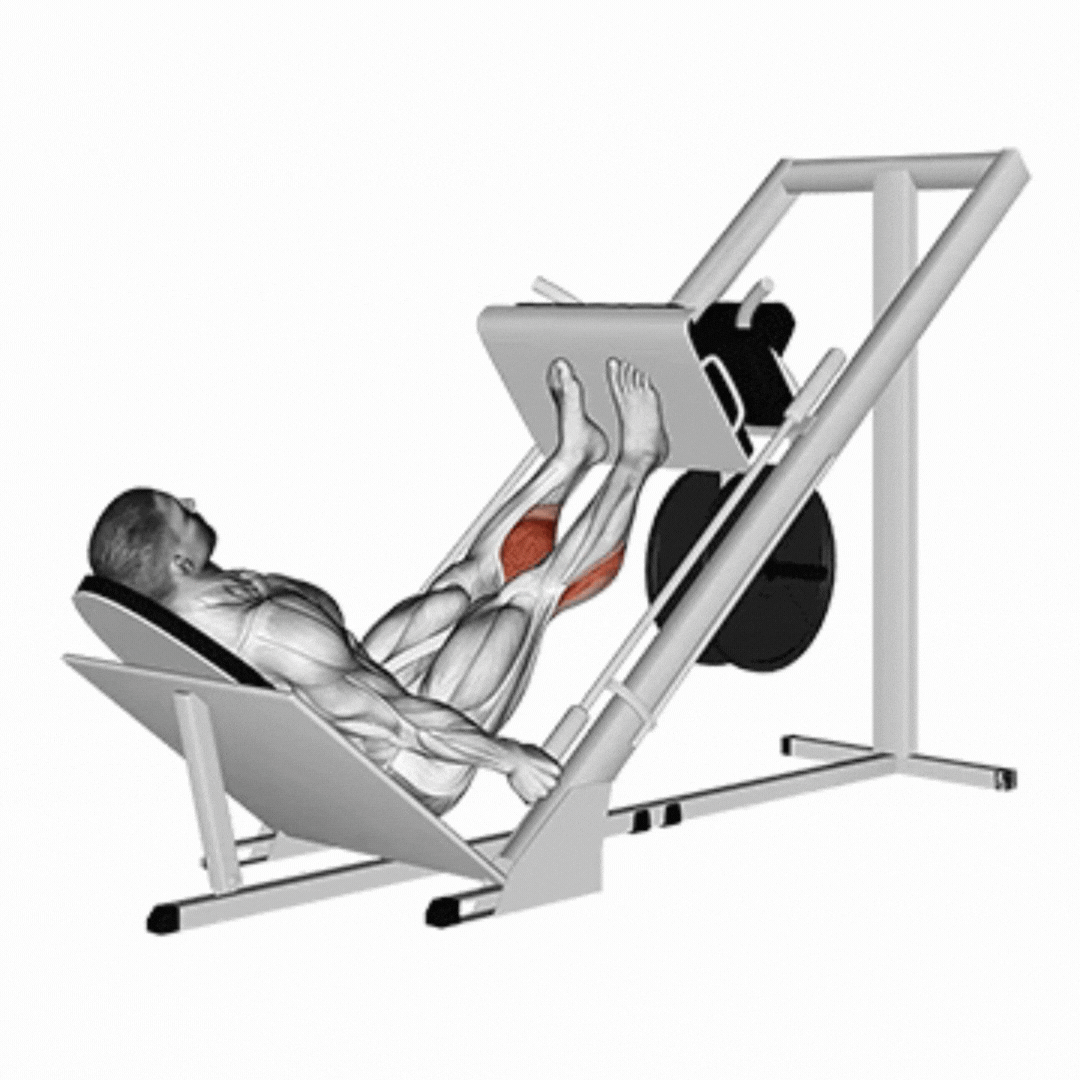
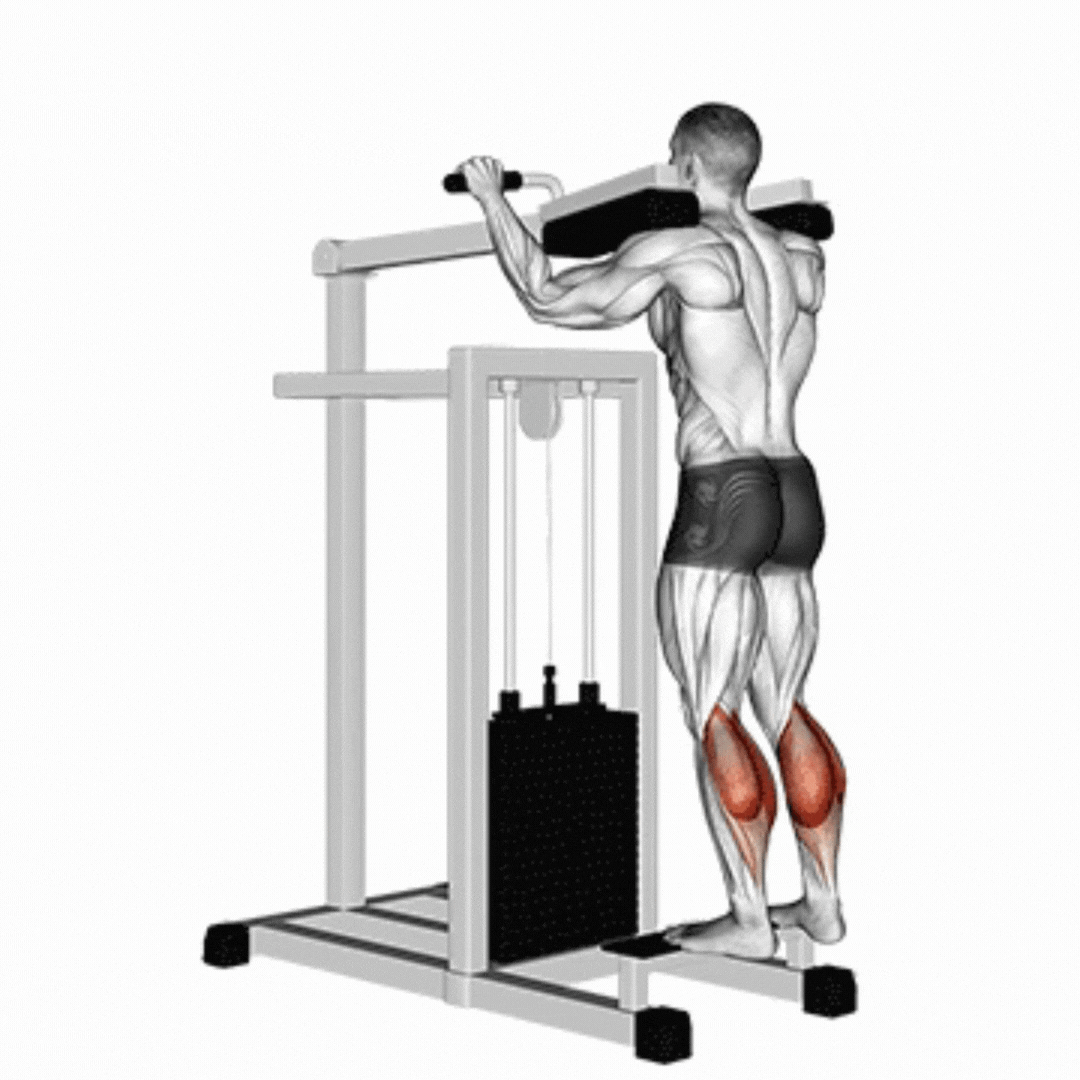
Muscle Activation
Safety
Precautions
- Individuals with acute Achilles injuries should avoid this exercise.
- Individuals with acute ankle injuries should exercise caution.
- Those with wrist injuries may find it difficult to hold dumbbells.
Safety Tips
- Master the classic bodyweight calf raise first.
- Start with light loads and gradually increase the weight.
- Use a sturdy step or platform.
- You can use lifting straps if your grip strength is insufficient.
- Perform an Achilles tendon warm-up.
- Reduce the weight if your form breaks down.
Frequently Asked Questions
Which muscles does Weighted Calf Raise work?
Weighted Calf Raise primarily works these muscles: Baldır, Gastrocnemius. It also engages: Soleus, Ayak bileği stabilizatörleri, Core kasları, Ön kol.
Is Weighted Calf Raise suitable for beginners?
Weighted Calf Raise is a Intermediate level exercise. Learning difficulty: Easy.
Can Weighted Calf Raise be done at home?
Yes, Weighted Calf Raise can easily be done at home.
What are common mistakes when doing Weighted Calf Raise?
One of the most common mistakes: Inadequate range of motion - muscles are not fully engaged.
How many sets and reps for Weighted Calf Raise?
Recommended: 3-4 sets and 10-15 reps.
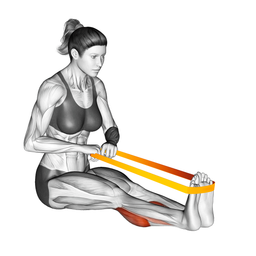
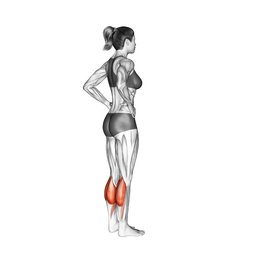
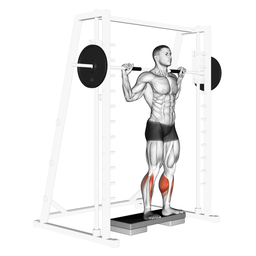
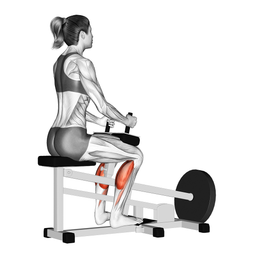
- ✓Provides additional load for calf hypertrophy.
- ✓Allows progression when body weight becomes insufficient.
- ✓Develops both the gastrocnemius and soleus muscles.
- ✓Supports grip strength.
- ✓Improves posture.
- ✓Can be performed at the gym or at home.