.gif)
Description
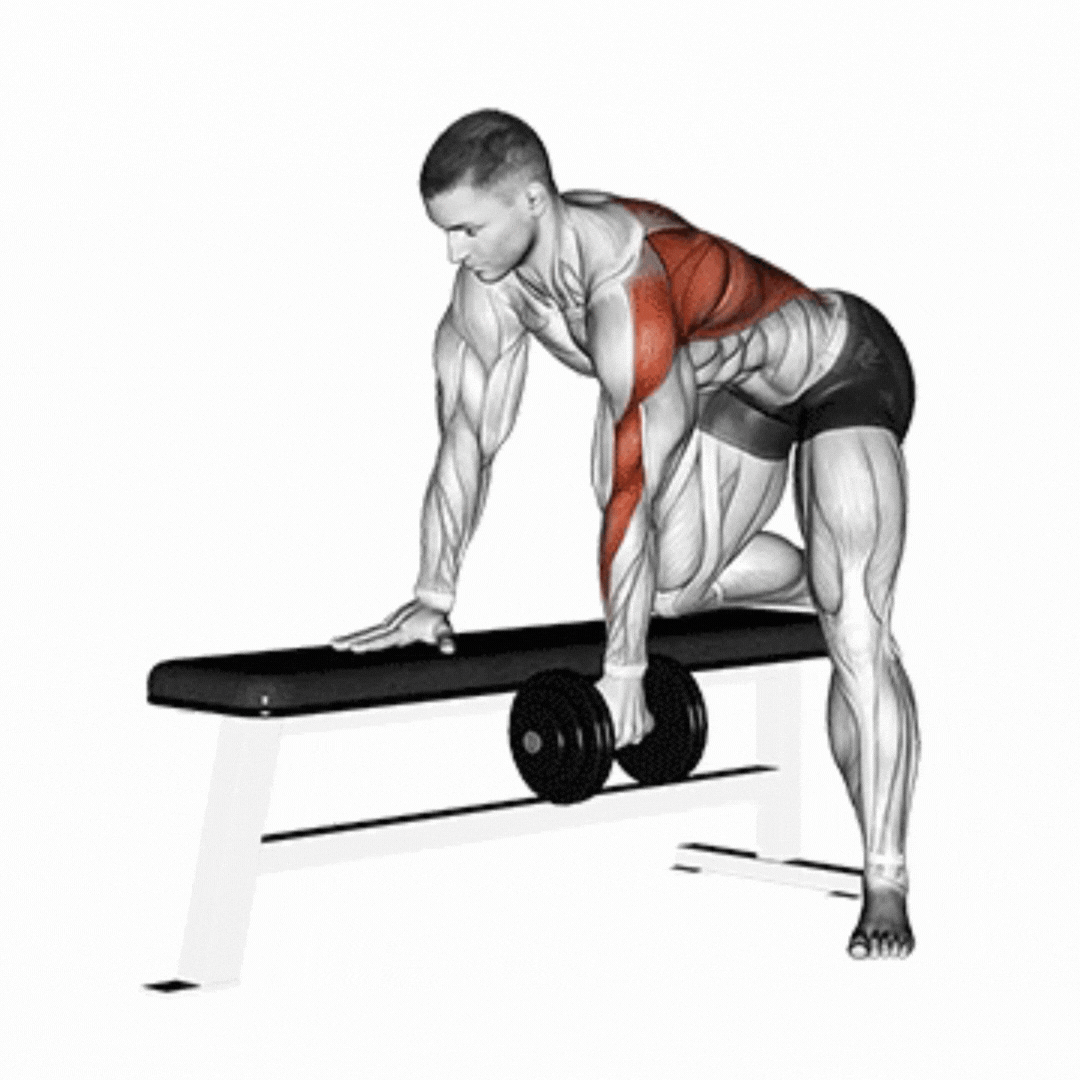
The Smith Machine Single Arm Row is an effective unilateral variation performed with one hand on the Smith machine, targeting the back muscles. The fixed path of the Smith machine makes stabilization easier, allowing the lifter to focus entirely on movement quality. Since it is performed with one arm, it allows each side of the back to work independently, making it highly effective for correcting muscle imbalances. It engages the latissimus dorsi, rhomboids, biceps, and rear deltoids. When performed regularly, it promotes lat hypertrophy, corrects muscular imbalances, and significantly improves back thickness.
Smith Machine Single Arm Row How-To Guide
- 1
Stand next to the bar of the Smith machine.
- 2
Adjust the bar to approximately knee height.
- 3
Standing next to the Smith bar, place one knee on a bench or take a staggered stance.
- 4
Grip the bar with one hand (using an overhand or neutral grip).
- 5
Place your other hand on the bench or your knee for support.
- 6
Keep your back straight, with your torso parallel or close to parallel to the floor.
- 7
Start with your arm fully extended.
- 8
Engage your core muscles.
- 9
Pull the bar toward your hip, keeping your elbow close to your body.
- 10
Squeeze your lats at the top of the movement.
- 11
Lower the bar back to the starting position in a controlled manner.
- 12
Complete the desired number of repetitions, then switch to the other arm.
Key Points
- ✓Utilizes the fixed path of the Smith machine.
- ✓Each arm works independently.
- ✓The non-working arm provides support.
- ✓The back must be kept straight.
- ✓The lats should be squeezed at the top.
Common Mistakes
- ✗Rounding the back - puts excessive strain on the lower back.
- ✗Using too much weight - compromises form.
- ✗Swinging the weight - relies on momentum instead of muscle.
- ✗Flaring the elbow out - shifts the focus away from the target muscles.
Breathing
Exhale as you pull the weight, inhale as you lower it.
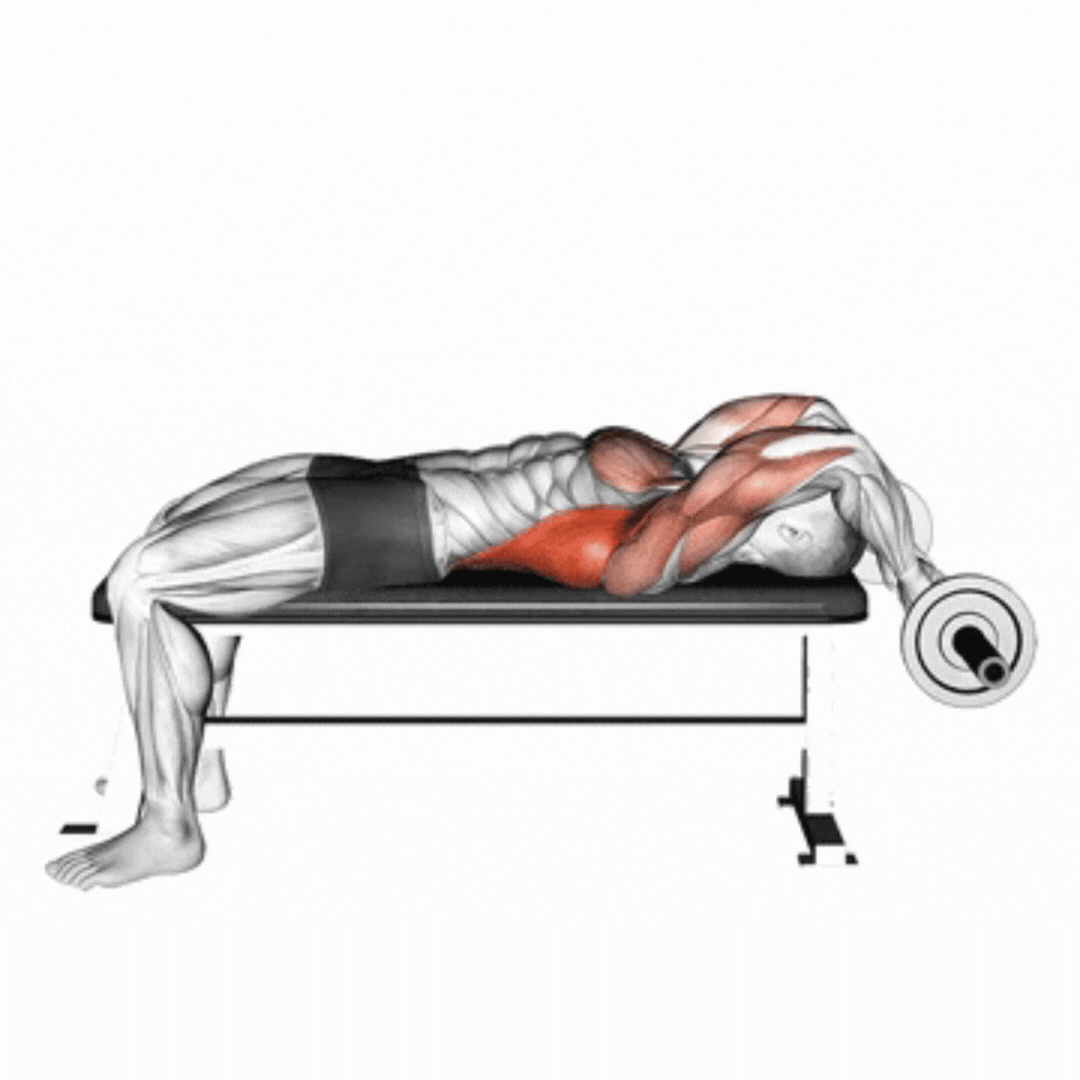
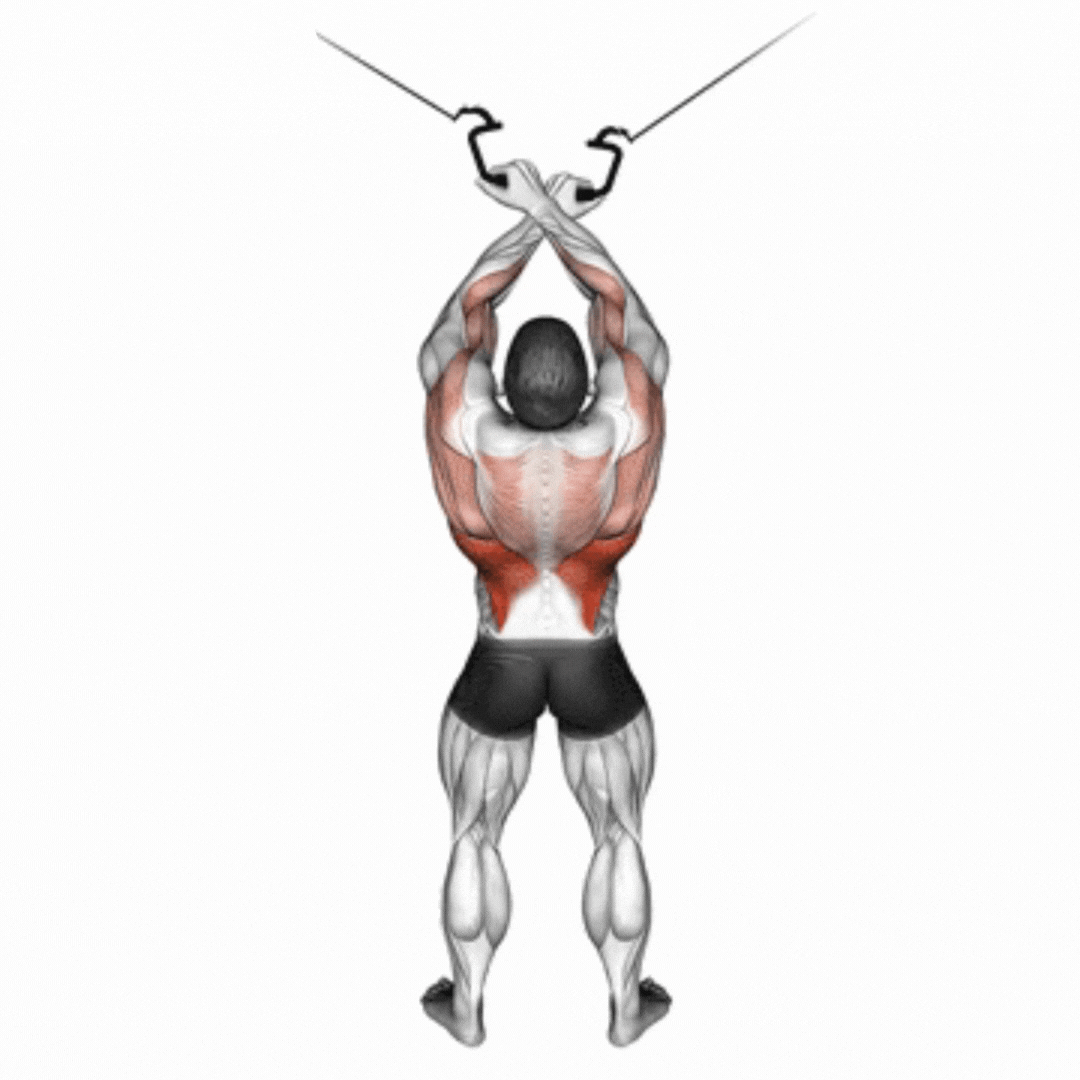
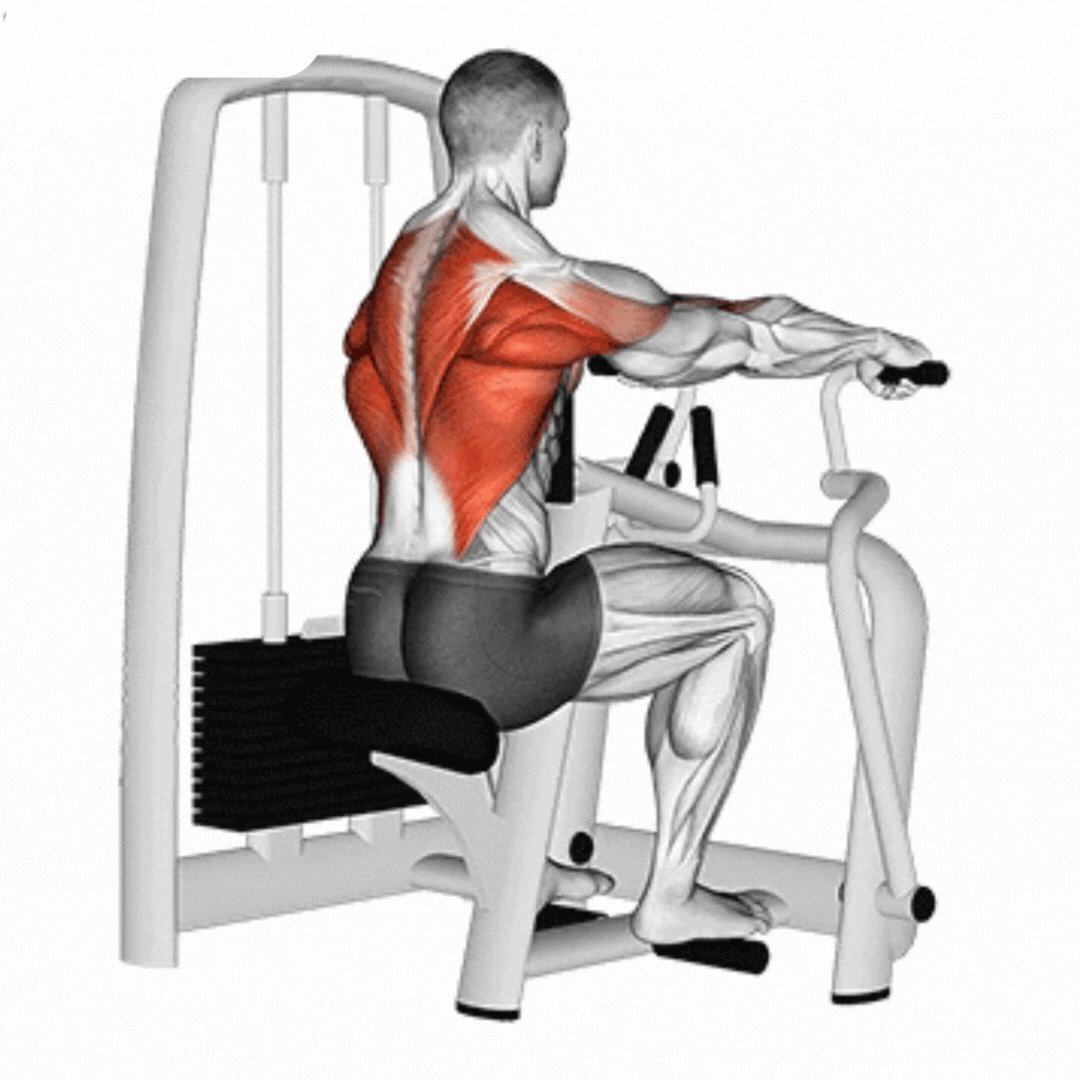
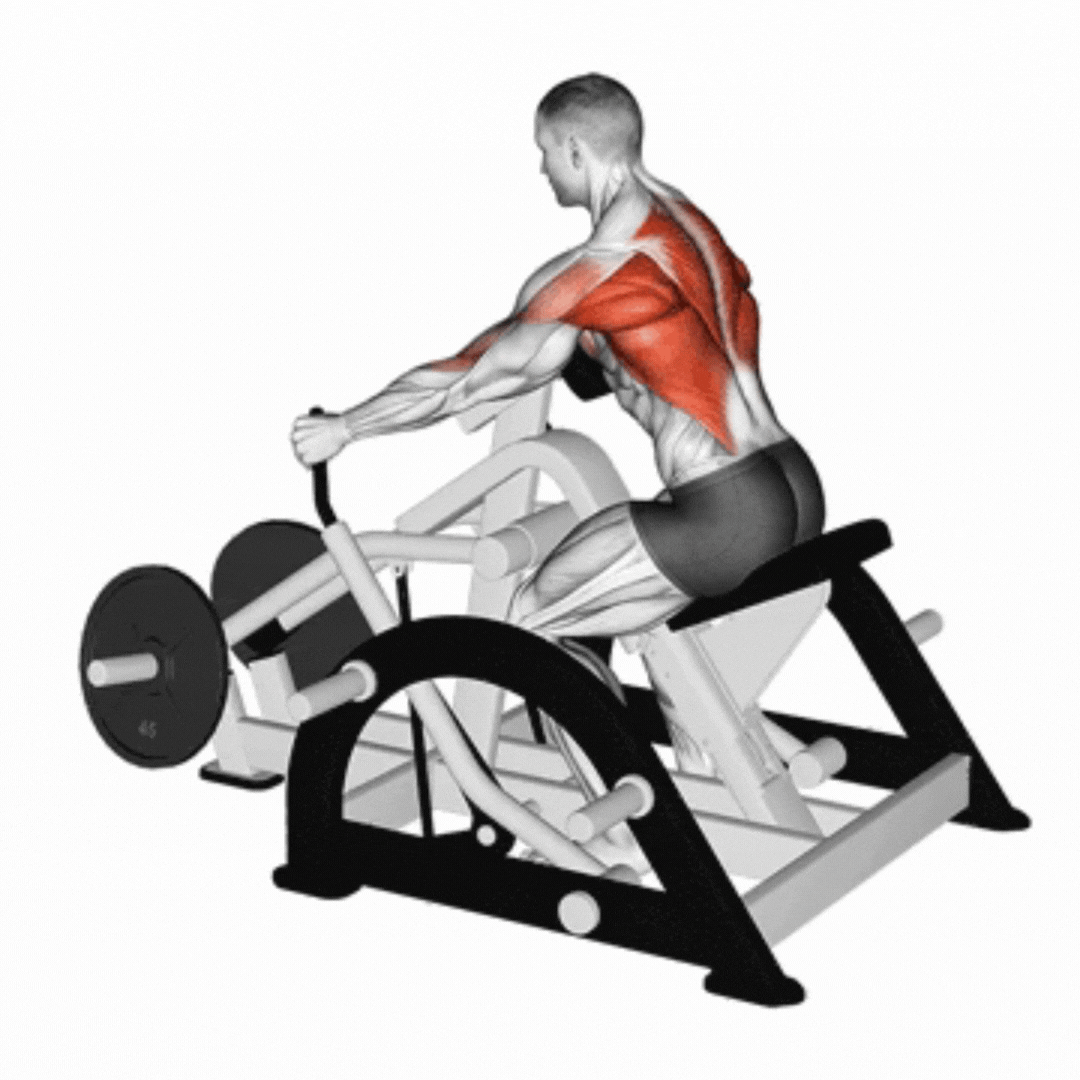
Muscle Activation
Safety
Precautions
- Individuals with acute lower back pain should exercise caution.
- Individuals with acute shoulder injuries should exercise caution.
Safety Tips
- Start with a light weight.
- Keep your back straight.
- Stop the exercise if your form breaks down.
Frequently Asked Questions
Which muscles does Smith Machine Single Arm Row work?
Smith Machine Single Arm Row primarily works these muscles: Kanatlar, Lats. It also engages: Romboid, Trapez, Biceps, Arka Omuz, Core kasları.
Is Smith Machine Single Arm Row suitable for beginners?
Smith Machine Single Arm Row is a Intermediate level exercise. Learning difficulty: Moderate.
Can Smith Machine Single Arm Row be done at home?
Smith Machine Single Arm Row usually requires gym equipment, so it can be hard to do at home.
What are common mistakes when doing Smith Machine Single Arm Row?
One of the most common mistakes: Rounding the back - puts excessive strain on the lower back.
How many sets and reps for Smith Machine Single Arm Row?
Recommended: 3-4 sets and 8-12 reps.
- ✓Corrects unilateral muscle imbalances.
- ✓Provides the stability of the Smith machine.
- ✓Ideal for building back thickness.
- ✓Great for learning proper rowing form.
- ✓Promotes lat hypertrophy.