.gif)
Description
Pull-Up is a gold standard exercise for measuring upper body strength. This movement works the latissimus dorsi, biceps, and upper back muscles together. It increases upper body strength using only your body weight. Although difficult to perform, it is one of the most effective back exercises. With regular practice it becomes achievable and increases back width. It is a fundamental movement that athletes and fitness enthusiasts should definitely include in their program.
Pull-Up How-To Guide
- 1
Grasp the bar slightly wider than shoulder-width, palms facing you
- 2
Hang from the bar and engage your abdominal muscles
- 3
Pull yourself up to bring your chin above the bar
- 4
Open your elbows to the sides and use your back muscles
- 5
Return to starting position in a controlled manner
- 6
Perform the movement for 3-4 sets to maximum repetitions
Key Points
- ✓Grip should be wide, palms facing forward (pronated)
- ✓Try to bring your chin above the bar
- ✓Pull shoulders down and back, feel the scapula movement
- ✓Body should not hang loose, core muscles should stay active
- ✓Perform controlled descent, do not drop
Common Mistakes
- ✗Using momentum (kipping) - reduces muscle development
- ✗Not doing full range - limited muscle development
- ✗Not touching chin to bar - full muscle activation not achieved
- ✗Letting body hang loose - you lose core stability
- ✗Descending too fast - increases injury risk
Breathing
Exhale while pulling up, inhale while lowering down. Focus on exhaling at the most difficult point of the movement.
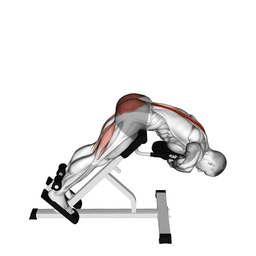
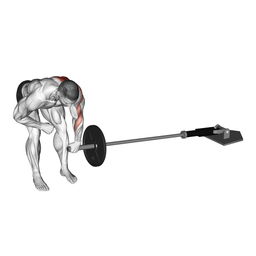
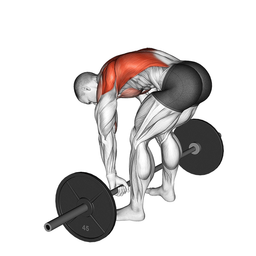
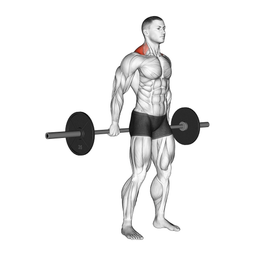
Muscle Activation
Safety
Precautions
- Those with shoulder injuries or history of dislocation should be careful
- Those with elbow tendinitis or tendon problems should get doctor approval
- Those with herniated disc or serious back pain should be careful not to load the spine
- Those with high blood pressure or heart problems should perform under doctor supervision
Safety Tips
- If you lack sufficient upper body strength, start with band-assisted or negative pull-ups
- Do not shrug shoulders to ears, maintain scapula control
- If you feel tension in shoulders at full bottom position, perform partial movement
- Do not use momentum by swinging, move with control
Frequently Asked Questions
Which muscles does Pull-Up work?
Pull-Up primarily works these muscles: Lats, Teres major. It also engages: Biceps, Rear delts, Forearms, Rhomboids, Core.
Is Pull-Up suitable for beginners?
Pull-Up is a Intermediate level exercise. Learning difficulty: Moderate.
Can Pull-Up be done at home?
Yes, Pull-Up can easily be done at home.
What are common mistakes when doing Pull-Up?
One of the most common mistakes: Using momentum (kipping) - reduces muscle development
How many sets and reps for Pull-Up?
Recommended: 4-6 sets and 4-6 reps.
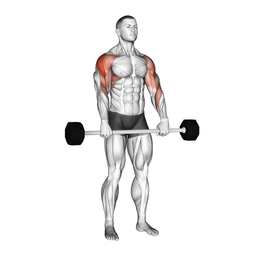
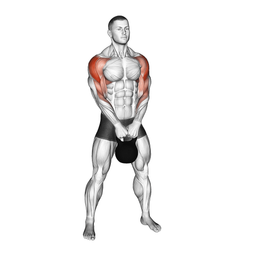
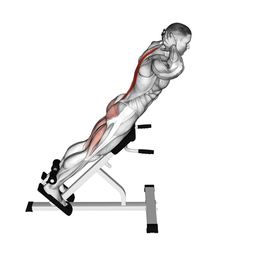
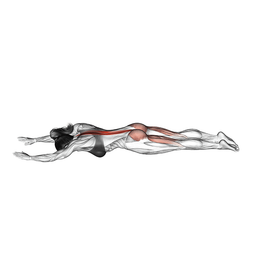
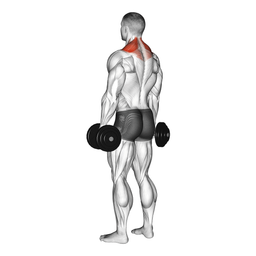
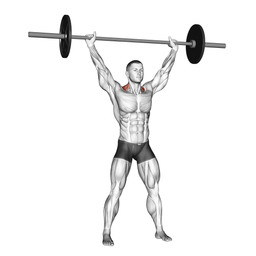
- ✓Comprehensively develops back and shoulder muscles
- ✓Increases upper body relative strength
- ✓Improves grip strength
- ✓Builds functional pulling power