.gif)
Description
The Single Leg Standing Calf Raise is a classic calf exercise performed standing on one leg, subjecting the calf muscles to maximum load. With the entire body weight resting on a single calf, it provides a much more intense stimulus compared to the bilateral version. It heavily activates the gastrocnemius (especially when the knee is straight) and soleus muscles. It also significantly improves ankle stability, balance, and proprioception. As a unilateral movement, it is highly effective in correcting muscle imbalances. For athletes, it enhances performance in sprinting, jumping, and change-of-direction movements. Since it requires no equipment, it is practical for home workouts. The range of motion can be increased by performing it on a step. When done regularly, it provides significant improvements in calf strength, gastrocnemius hypertrophy, and functional performance.
Single Leg Standing Calf Raise How-To Guide
- 1
Stand on one leg on a step or a flat surface.
- 2
Bend your other knee and hold that foot in the air behind you.
- 3
Hold onto a wall or a support point with one hand to maintain balance.
- 4
Keep the knee of the working leg straight or slightly bent.
- 5
Lower the heel of the working leg in a controlled manner (if using a step).
- 6
Push through the balls of your feet to raise your heel upward.
- 7
Squeeze the calf muscle for 1-2 seconds at the top position.
- 8
Lower back to the starting position in a controlled manner.
- 9
After completing the desired number of repetitions, switch to the other leg.
Key Points
- ✓The knee of the working leg should be straight or very slightly bent.
- ✓The opposite leg should not touch the ground.
- ✓Use a full range of motion.
- ✓Squeeze for 1-2 seconds at the top.
- ✓Maintain balance using a support point.
- ✓Use a slow and controlled tempo.
Common Mistakes
- ✗Resting the opposite leg on the working leg, which provides unintended support.
- ✗Bending the working knee too much, which disengages the gastrocnemius.
- ✗Using an insufficient range of motion, preventing full muscle activation.
- ✗Performing the movement too fast, leading to a loss of control.
- ✗Failing to squeeze at the top, which reduces hypertrophy.
Breathing
Exhale and squeeze the calf as you rise up, inhale as you lower down.
Muscle Activation
Safety
Precautions
- Individuals with acute ankle injuries should avoid this exercise.
- Individuals with acute Achilles injuries should avoid this exercise.
- Individuals with balance issues should perform it with support.
Safety Tips
- Start by holding onto a support point.
- Use a sturdy and stable step.
- Master the bilateral calf raise first.
- Perform a proper Achilles warm-up.
- Gradually build your balance.
Frequently Asked Questions
Which muscles does Single Leg Standing Calf Raise work?
Single Leg Standing Calf Raise primarily works these muscles: Baldır, Gastrocnemius. It also engages: Soleus, Ayak bileği stabilizatörleri, Core kasları.
Is Single Leg Standing Calf Raise suitable for beginners?
Single Leg Standing Calf Raise is a Intermediate level exercise. Learning difficulty: Easy.
Can Single Leg Standing Calf Raise be done at home?
Yes, Single Leg Standing Calf Raise can easily be done at home.
What are common mistakes when doing Single Leg Standing Calf Raise?
One of the most common mistakes: Resting the opposite leg on the working leg, which provides unintended support.
How many sets and reps for Single Leg Standing Calf Raise?
Recommended: 3-4 sets and 10-15 reps.
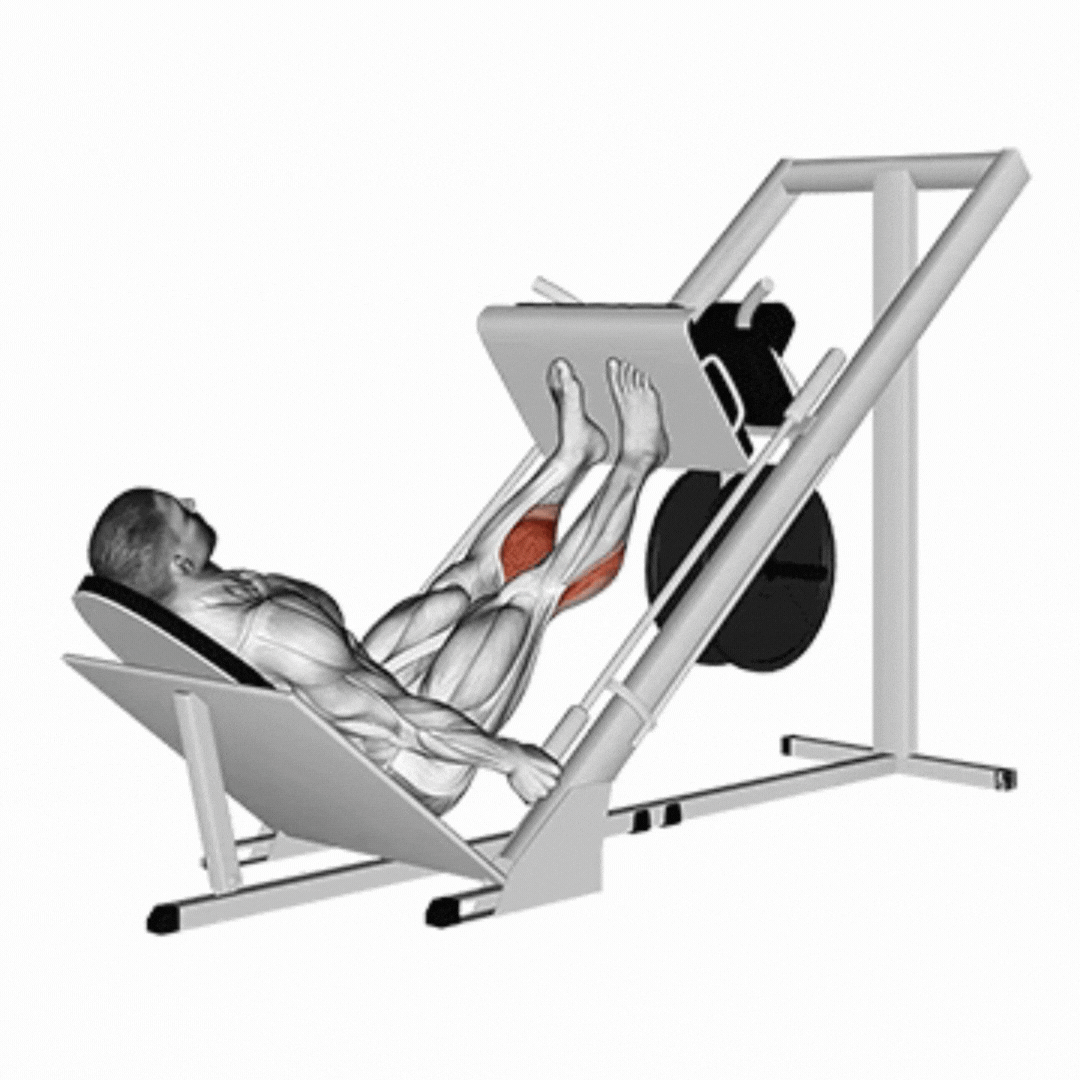
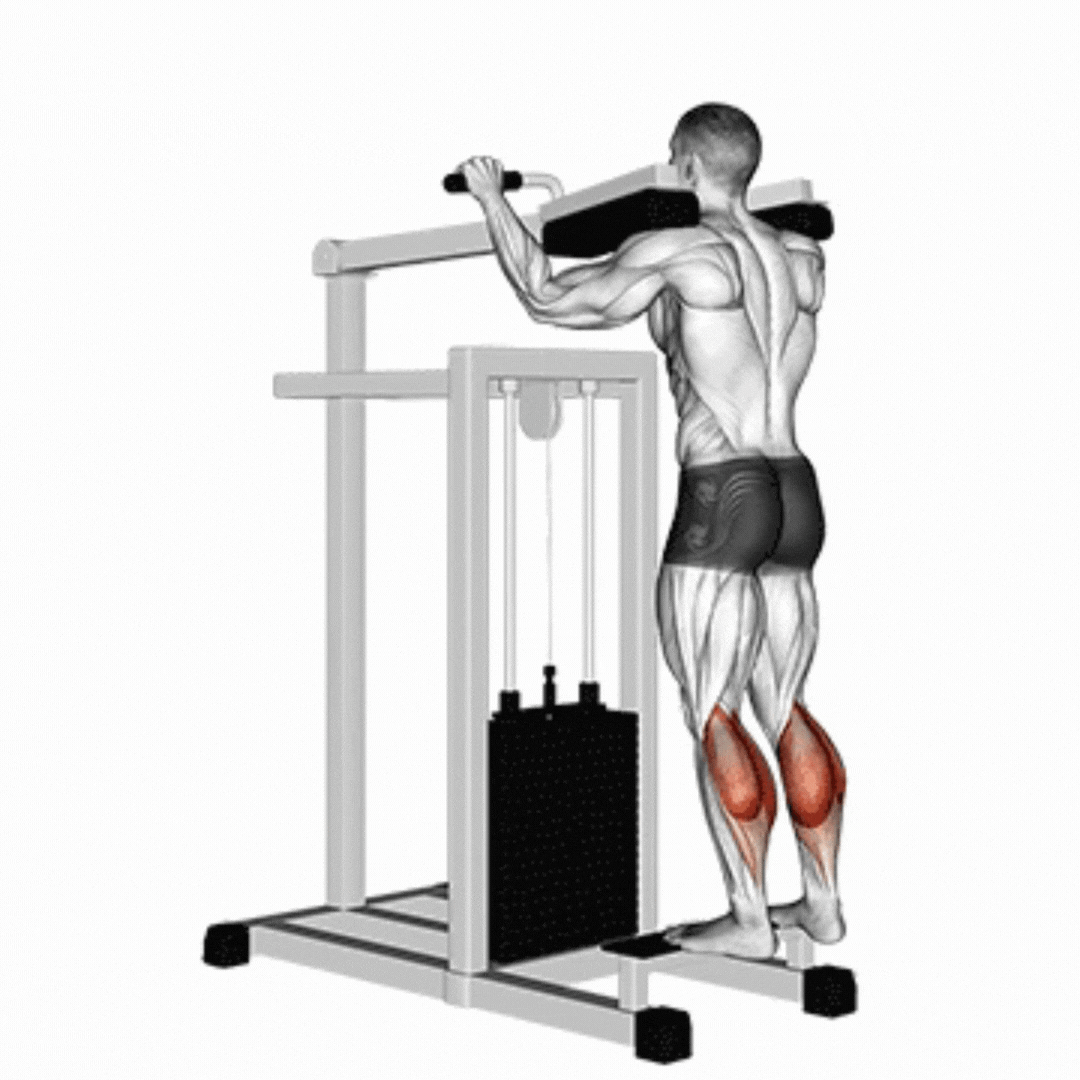
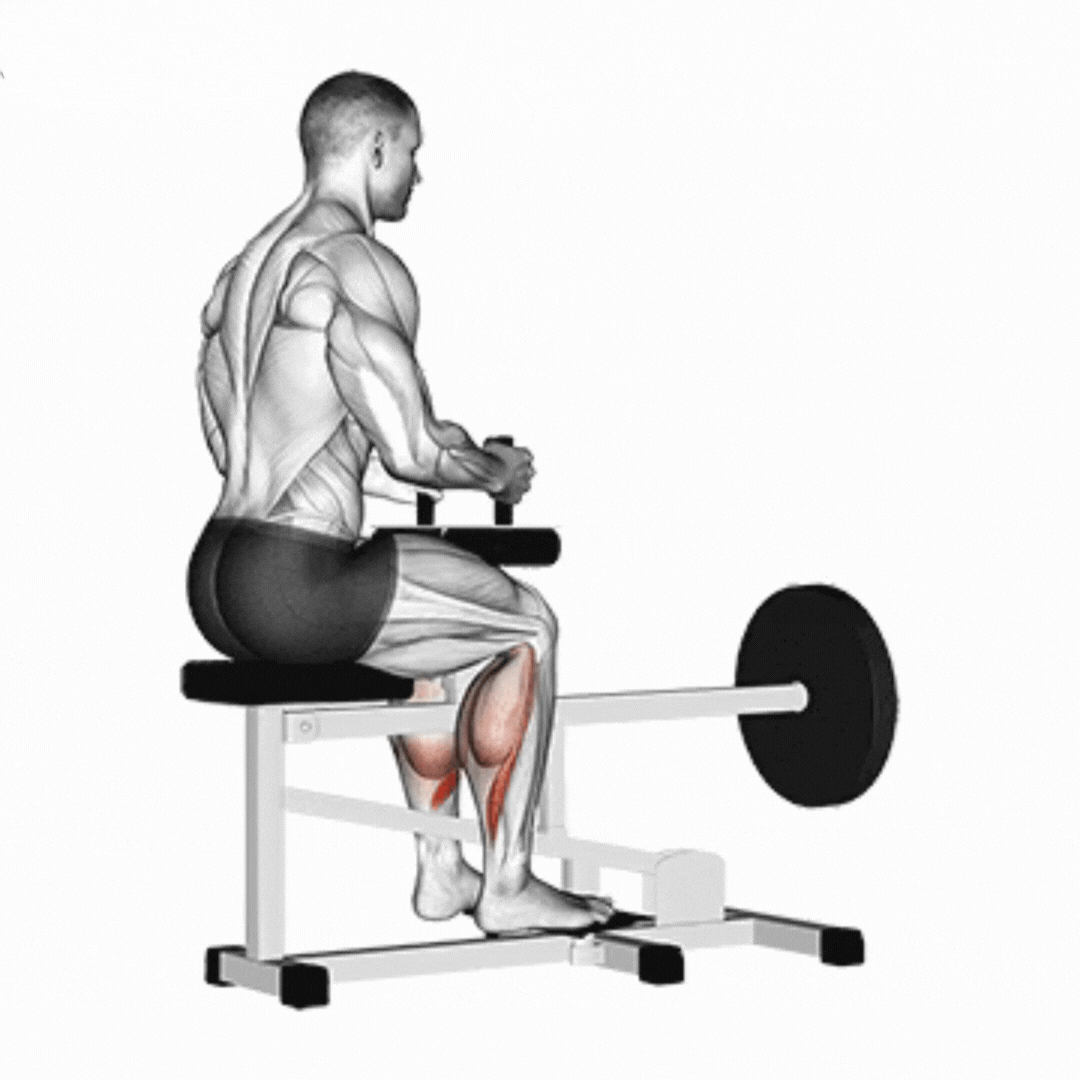
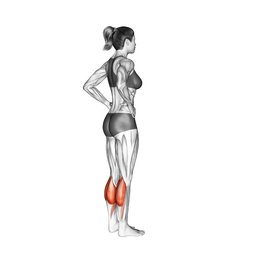
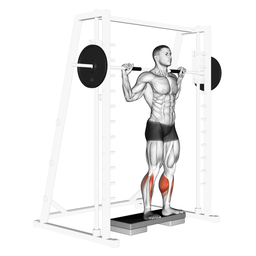
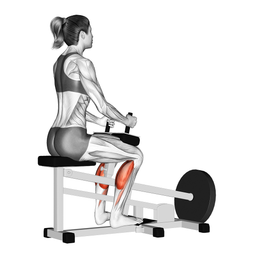
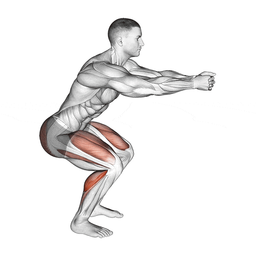
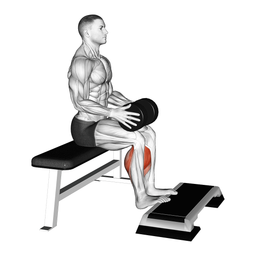
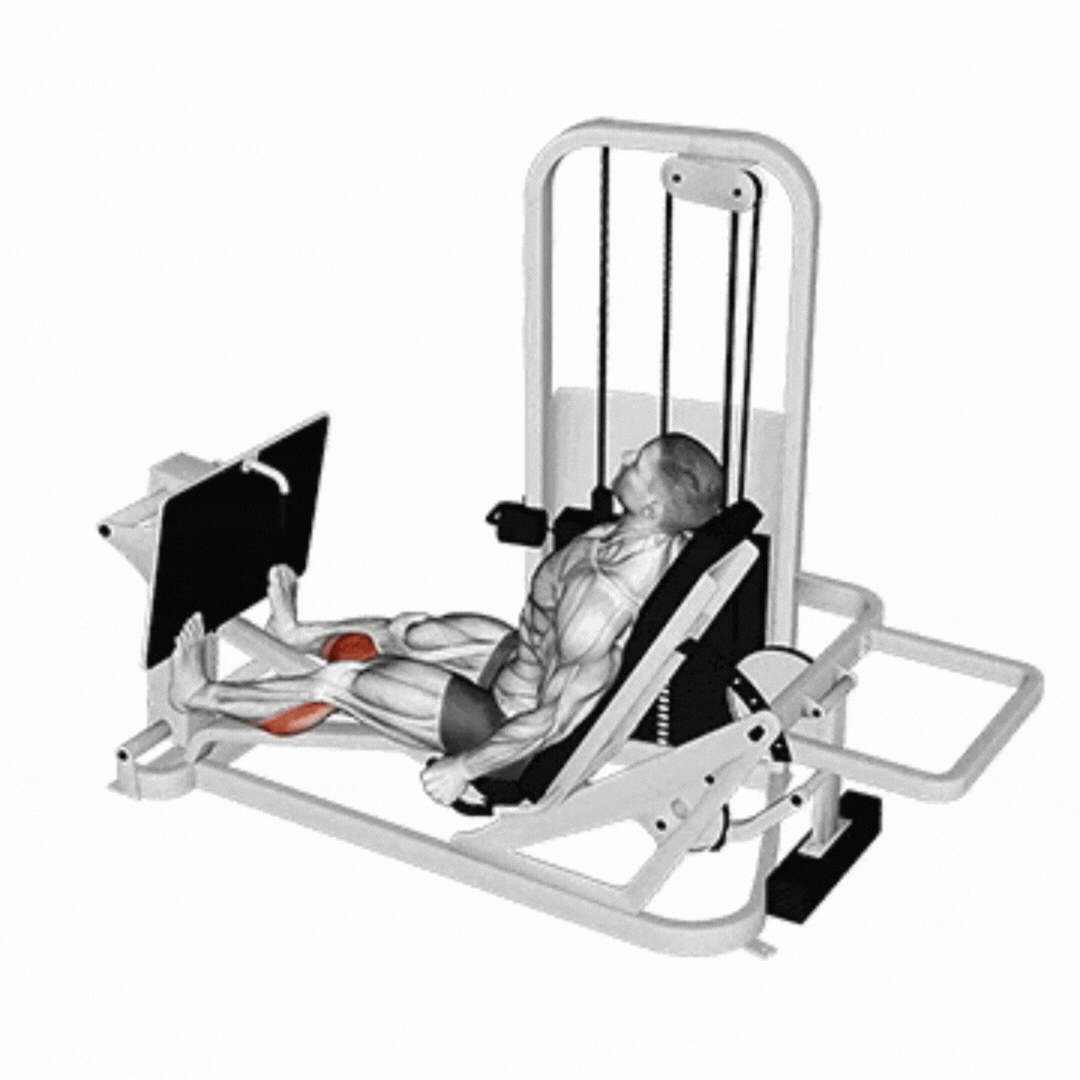
- ✓Maximum calf loading on a single leg.
- ✓Gastrocnemius hypertrophy.
- ✓Improves ankle stability.
- ✓Corrects unilateral muscle imbalances.
- ✓Enhances balance and proprioception.
- ✓Increases athletic performance.
- ✓Requires no equipment.