.gif)
Description
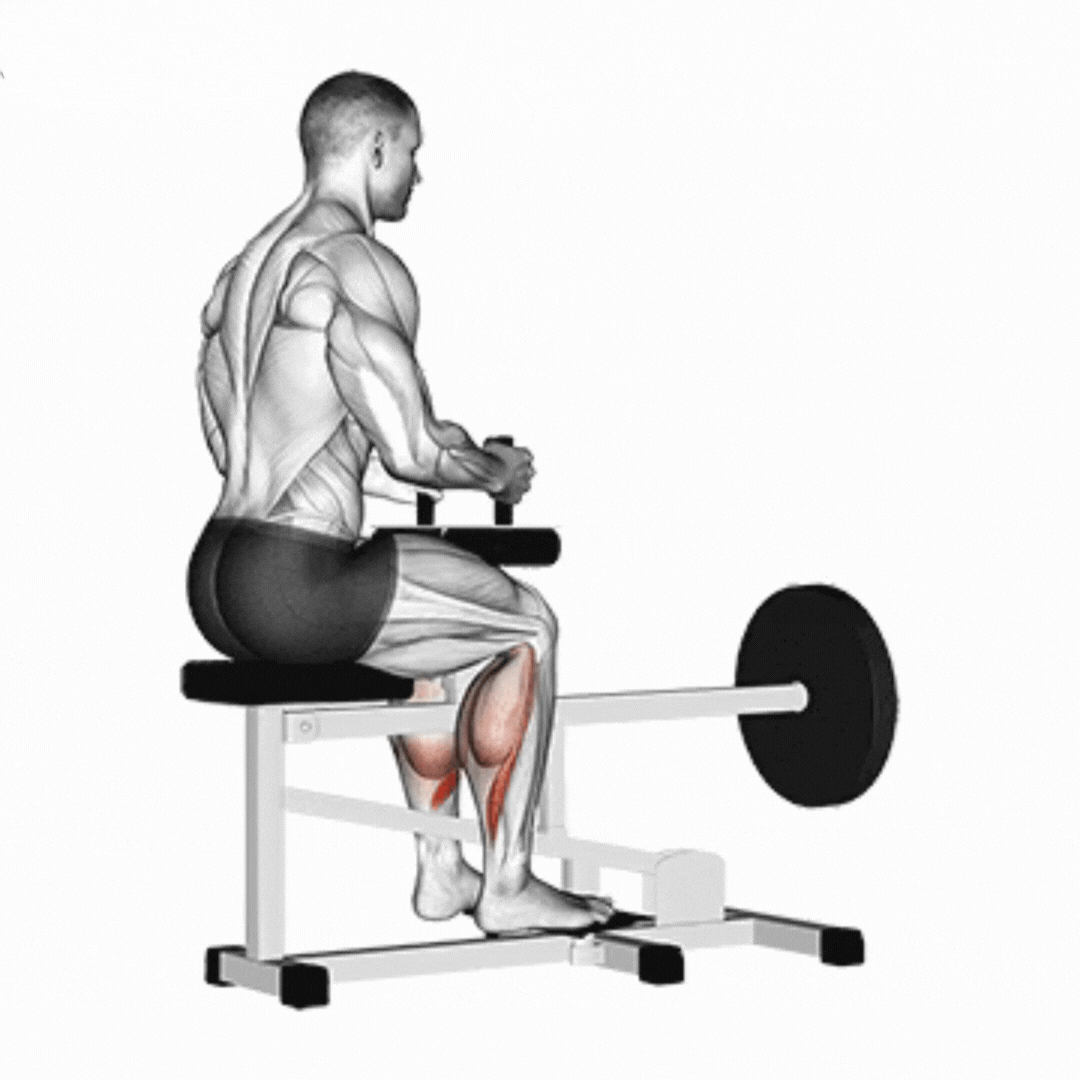
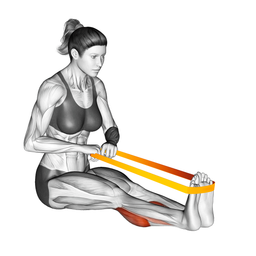
The Seated Calf Raise is a classic calf exercise performed in a seated position with bent knees, specifically isolating the soleus muscle. Because the knees are bent, the gastrocnemius muscle is at a mechanical disadvantage, allowing the soleus to dominate the movement. The soleus is a critical muscle for calf development and endurance. It is performed using a dedicated seated calf raise machine, or on a bench with a dumbbell or weight plate. Thanks to the seated position, there is no stress placed on the lower back and shoulders, providing comfort during long sets. It is included in training programs as a complement to the standing calf raise. When performed regularly, calf thickness, soleus development, and overall calf strength increase significantly.
Seated Calf Raise How-To Guide
- 1
Sit on the seated calf raise machine or sit on a bench and place a dumbbell/weight plate on your lower thighs.
- 2
Place the balls of your feet on the step or elevated surface, allowing your heels to hang off.
- 3
Your knee angle should be at 90 degrees (bent).
- 4
Keep your hands on your knees or the machine handles to balance the weight.
- 5
Keep your back straight.
- 6
Lower your heels in a controlled manner until you feel a deep stretch in your calves.
- 7
Press through the balls of your feet to raise your heels as high as possible.
- 8
Squeeze your calf muscles for 1-2 seconds at the top position.
- 9
Lower back to the starting position in a controlled manner.
Key Points
- ✓The knee angle should remain at 90 degrees.
- ✓The movement must come exclusively from the ankle joint.
- ✓Use a full range of motion (from a deep stretch to a full contraction).
- ✓Squeeze for 1-2 seconds at the top of the movement.
- ✓Maintain a slow and controlled tempo throughout.
Common Mistakes
- ✗Using an insufficient range of motion - the soleus is not fully engaged.
- ✗Bouncing the weight - relies on momentum and under-stimulates the muscles.
- ✗Lifting the knees using the hip flexors - breaks proper form.
- ✗Performing the reps too fast - leads to a loss of control.
- ✗Failing to squeeze at the top - reduces the hypertrophy effect.
Breathing
Exhale as you raise your heels, and inhale as you lower them.
Muscle Activation
Safety
Precautions
- Individuals with acute Achilles tendon injuries should exercise caution.
- Individuals with acute knee pain should avoid this exercise.
- Individuals with ankle arthritis should be cautious.
Safety Tips
- Practice your form with light weight first.
- Ensure the weight placed on your thighs is safely balanced.
- Warm up your Achilles tendons properly before starting.
- Reduce the weight if your form begins to break down.
Frequently Asked Questions
Which muscles does Seated Calf Raise work?
Seated Calf Raise primarily works these muscles: Baldır, Soleus. It also engages: Ayak bileği stabilizatörleri.
Is Seated Calf Raise suitable for beginners?
Seated Calf Raise is a Beginner level exercise. Learning difficulty: Easy.
Can Seated Calf Raise be done at home?
Yes, Seated Calf Raise can easily be done at home.
What are common mistakes when doing Seated Calf Raise?
One of the most common mistakes: Using an insufficient range of motion - the soleus is not fully engaged.
How many sets and reps for Seated Calf Raise?
Recommended: 3-4 sets and 12-20 reps.
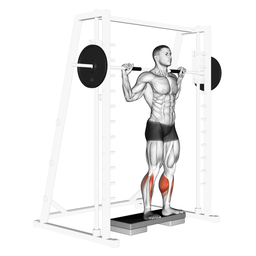
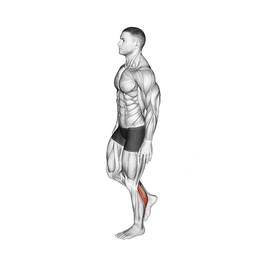
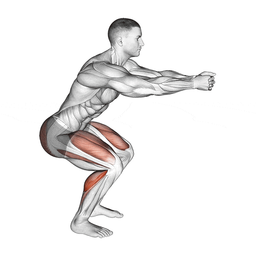
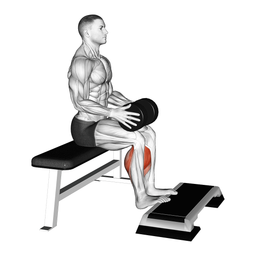
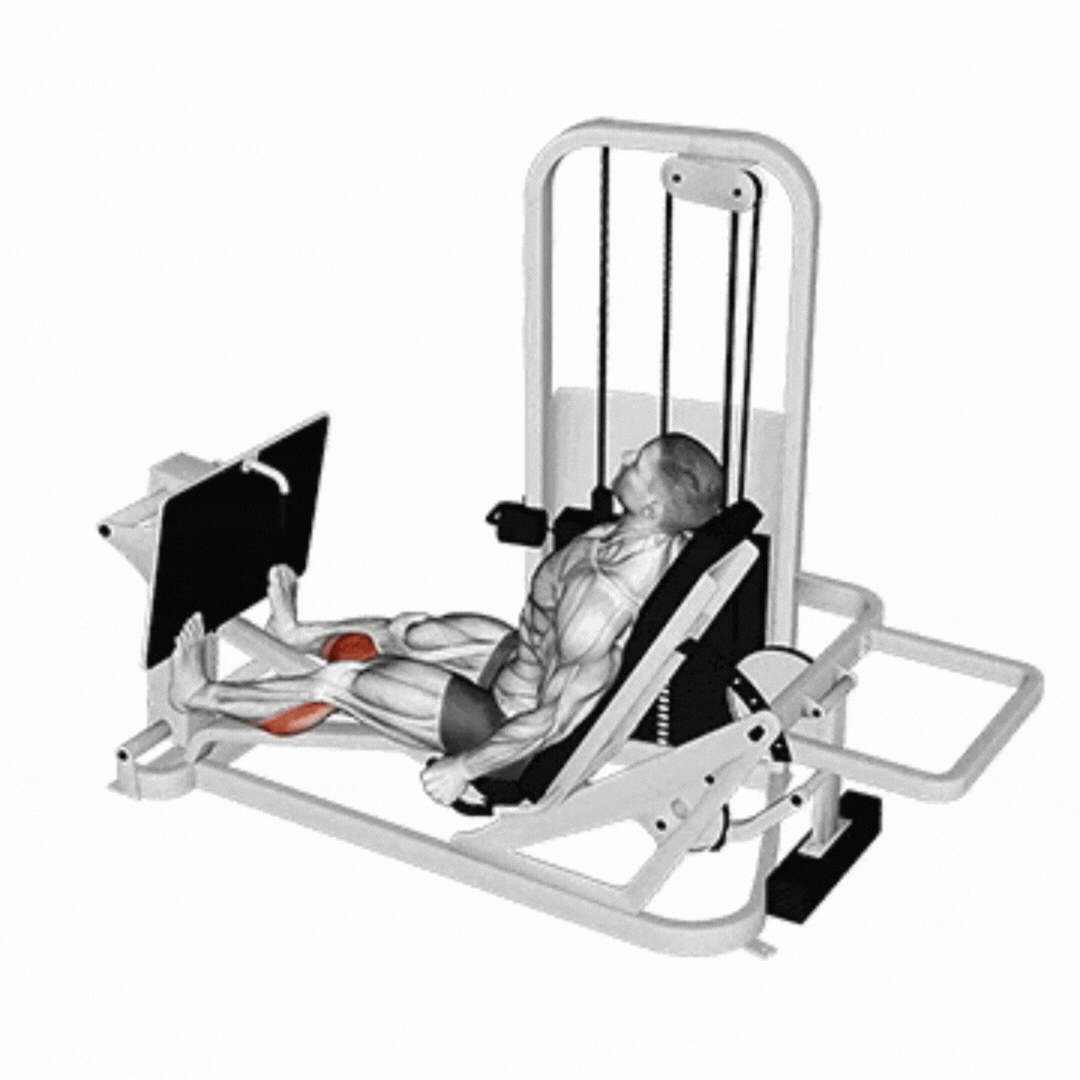
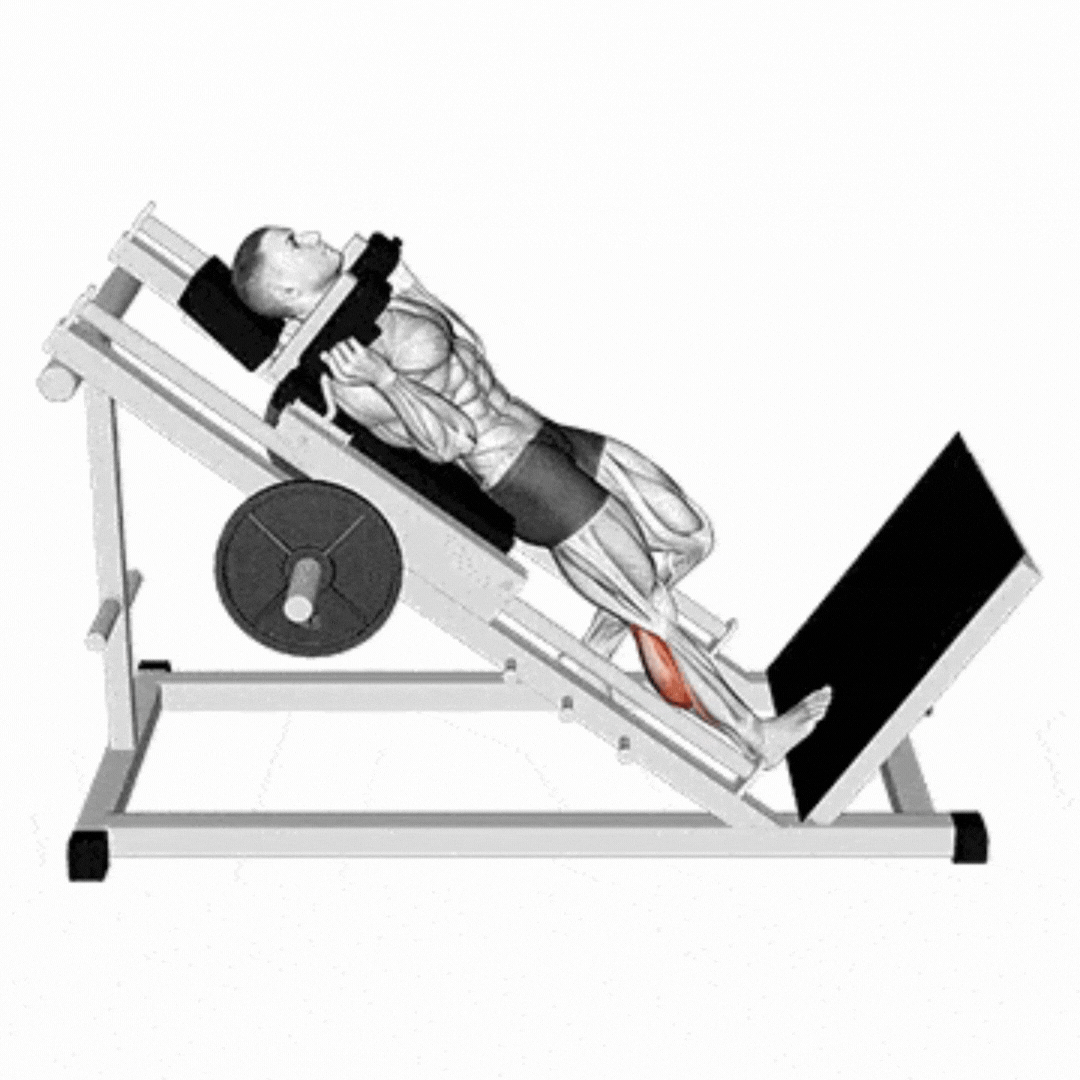
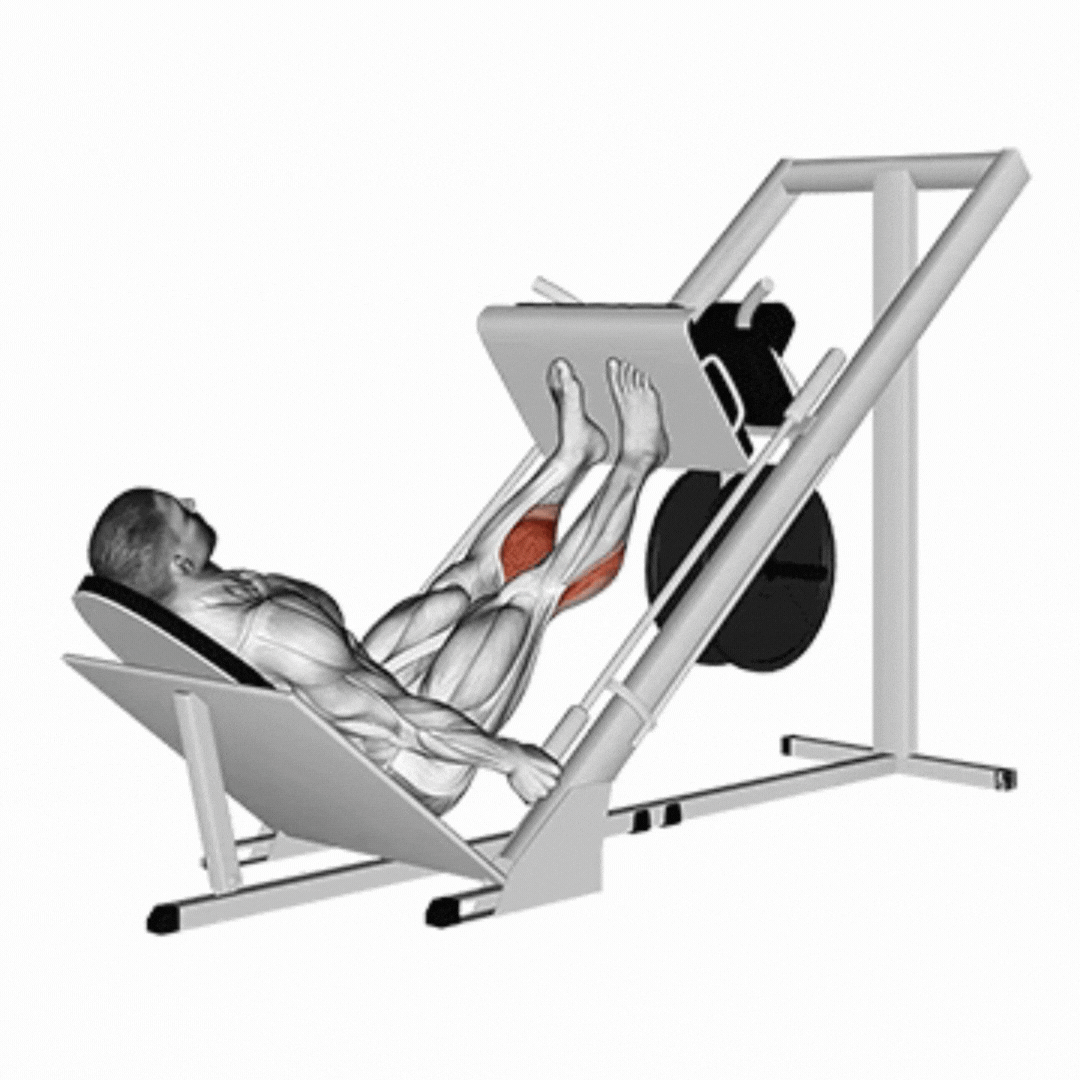
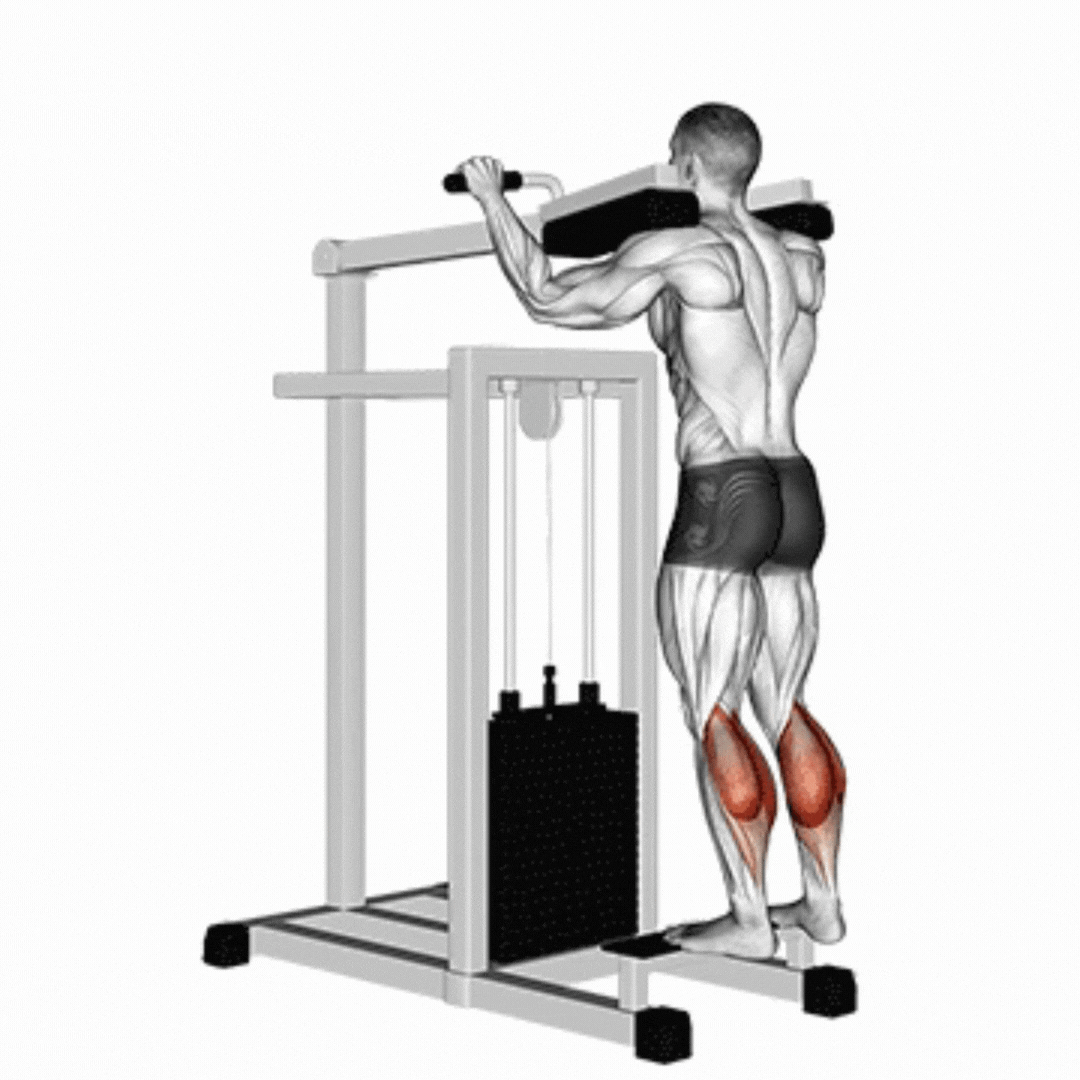
- ✓Maximally works the soleus muscle in isolation.
- ✓Increases overall calf thickness.
- ✓Serves as a perfect complement to the standing calf raise.
- ✓Places zero stress on the lower back or shoulders.
- ✓Ideal for building lower leg endurance and hypertrophy.