.gif)
Description
Seated Cable Row is a dynamic back exercise performed with a rope attachment. It intensely activates the mid-back muscles, rhomboids, trapezius, and rear deltoids. The rope attachment provides a more natural range of motion and wrist position. The cable system keeps the muscles under constant tension throughout the movement and reduces the use of momentum. It is extremely effective for developing back thickness and improving posture. It is a suitable exercise for athletes of all levels.
Seated Cable Row How-To Guide
- 1
Sit at the cable machine, place your feet on the platform, and grasp the rope attachment
- 2
Begin with your knees slightly bent, back upright, and arms extended forward
- 3
Pull the rope toward the center of your chest while spreading the ends of the rope apart to each side
- 4
Fully squeeze your shoulder blades together and drive your elbows back
- 5
Hold the fully contracted position for 1–2 seconds, squeezing the muscles
- 6
Return to the starting position in a controlled manner, keeping your back upright and engaged
Key Points
- ✓Keep your back upright, chest open, and shoulders pulled back
- ✓Pull the rope toward the center of your chest while driving your elbows back
- ✓Keep your torso stationary during the movement; only the arms should move
- ✓Squeeze your shoulder blades together at the end of the movement
Common Mistakes
- ✗Swinging the torso back and forth — using momentum reduces muscle engagement
- ✗Performing a short range of motion — prevents a full muscle stretch
- ✗Keeping the elbows too far from the body — reduces back muscle engagement
- ✗Performing the movement too fast — causes you to lose control
Breathing
Exhale while pulling the rope, inhale while returning to the starting position.
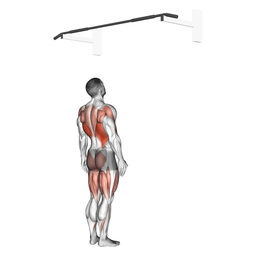
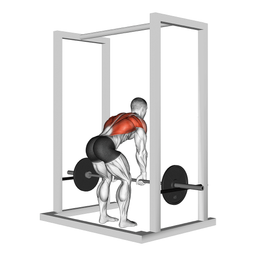
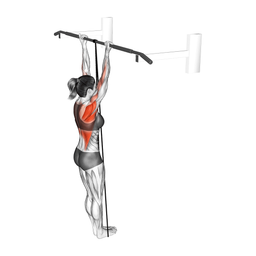
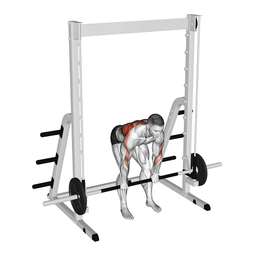
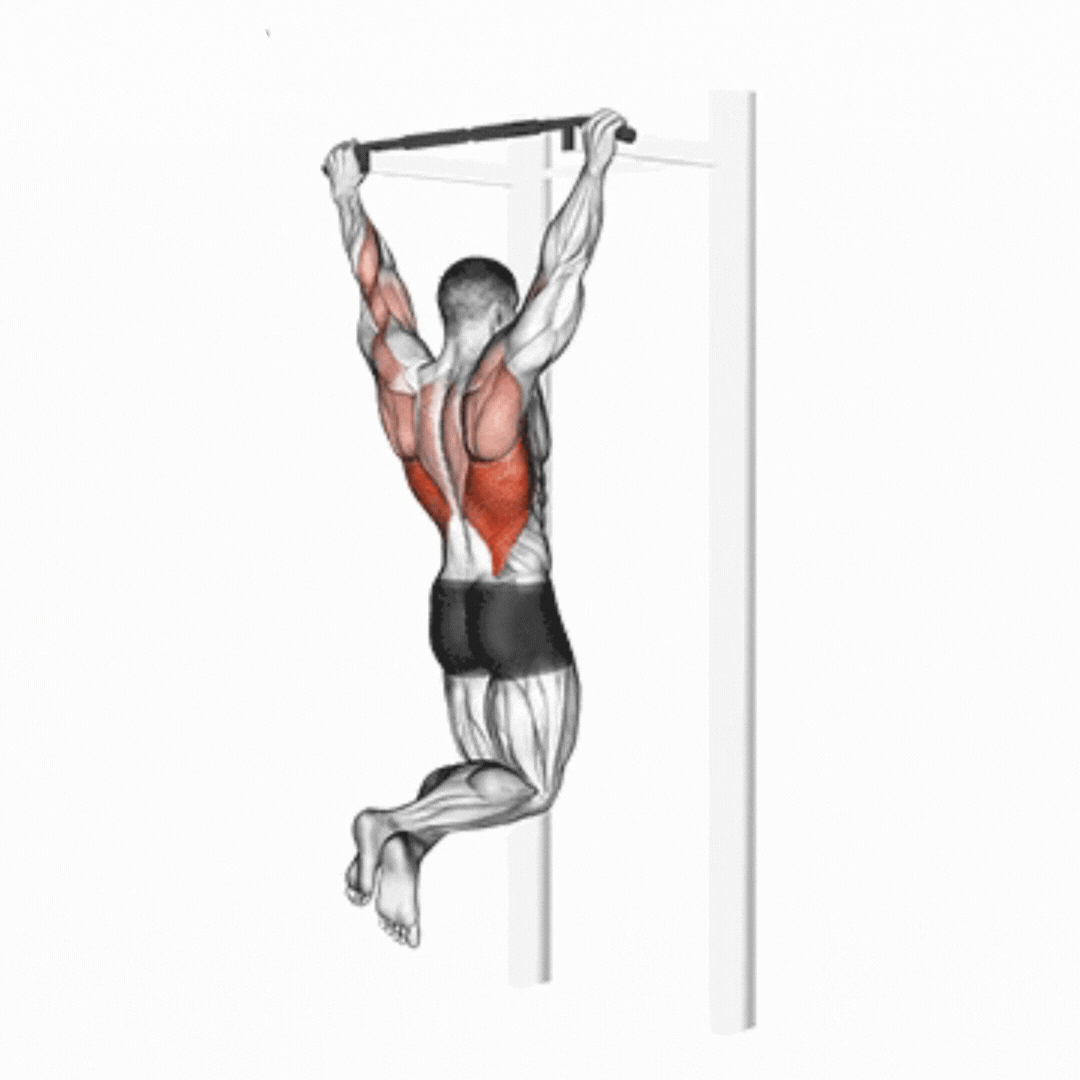
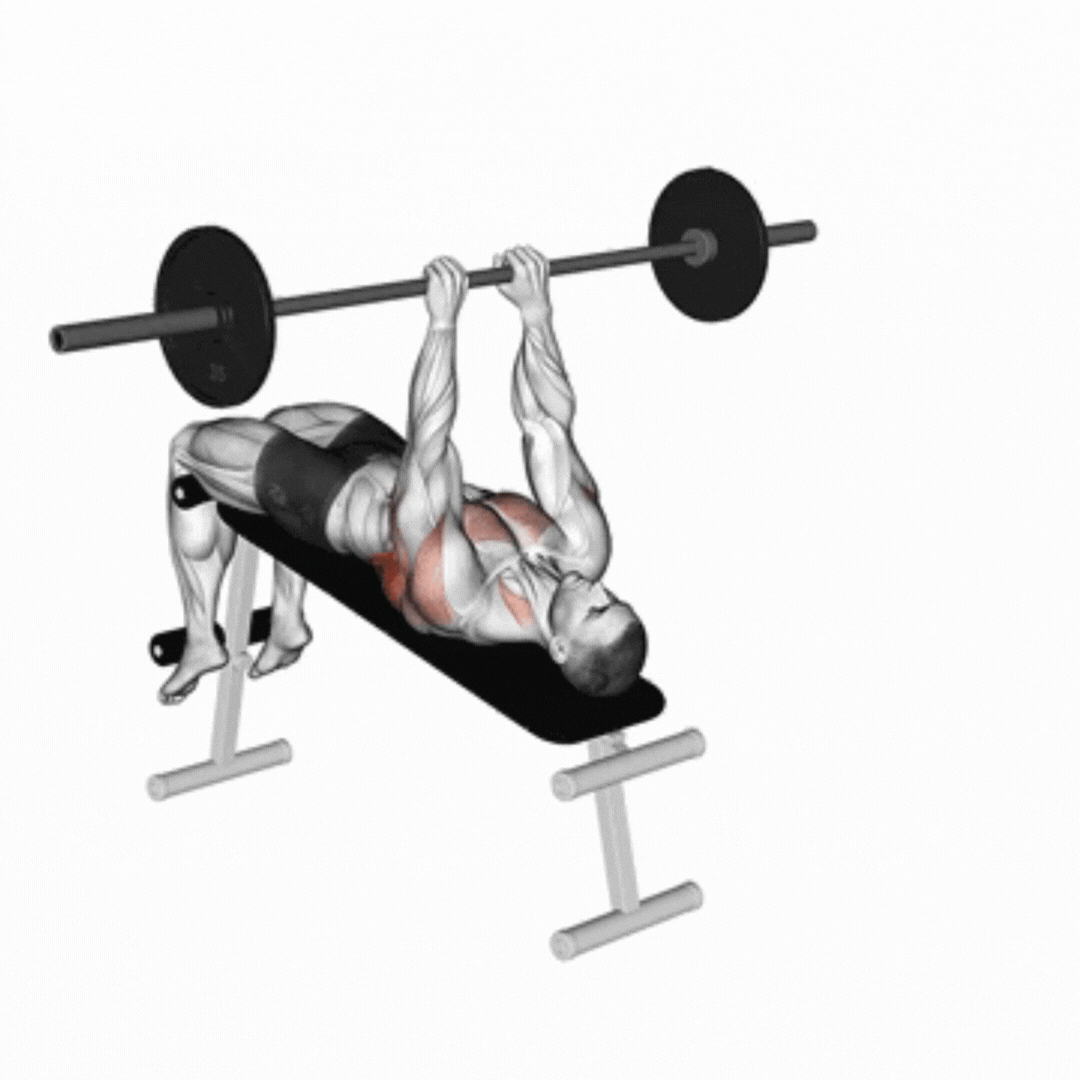
Muscle Activation
Safety
Precautions
- Those with herniated discs should take care to keep the torso upright
- Those with shoulder injuries should limit the range of motion
- Those with wrist tendinitis should pay attention to their grip
- Those with disc displacement should obtain medical clearance
Safety Tips
- Keep your back upright and open your chest forward
- Drive the movement with your back muscles, not by pulling with your arms
- Do not swing your torso back and forth; work in a controlled manner
- Start with a light warm-up set
Frequently Asked Questions
Which muscles does Seated Cable Row work?
Seated Cable Row primarily works these muscles: Lats, Rhomboids, Middle trapezius. It also engages: Biceps, Rear deltoids.
Is Seated Cable Row suitable for beginners?
Seated Cable Row is a Beginner level exercise. Learning difficulty: Easy.
Can Seated Cable Row be done at home?
Seated Cable Row usually requires gym equipment, so it can be hard to do at home.
What are common mistakes when doing Seated Cable Row?
One of the most common mistakes: Swinging the torso back and forth — using momentum reduces muscle engagement
How many sets and reps for Seated Cable Row?
Recommended: 3-5 sets and 8-12 reps.
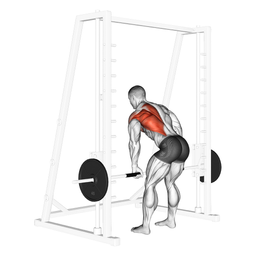
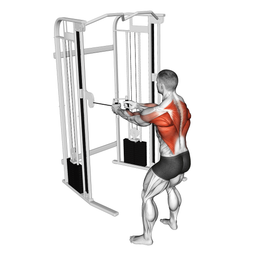
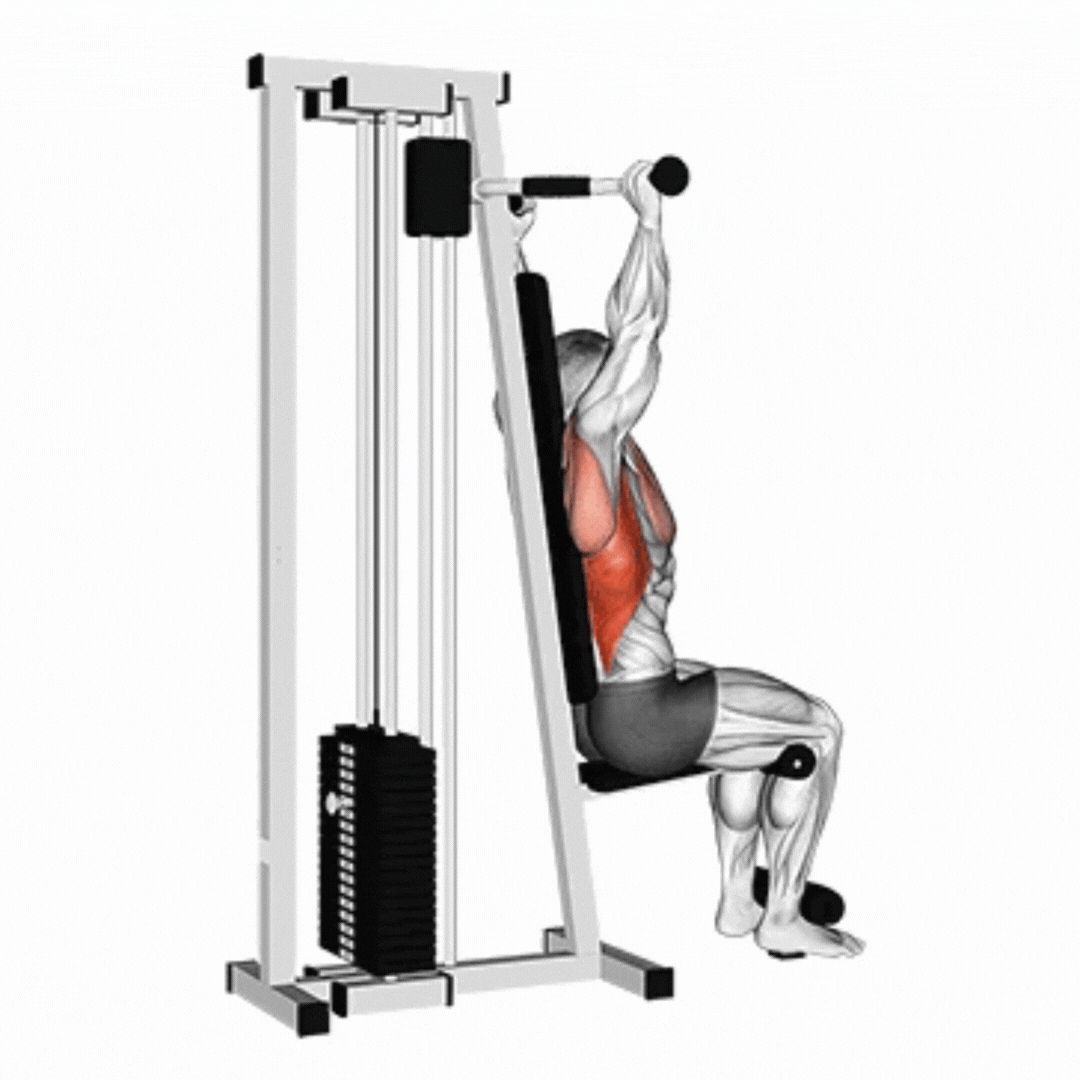
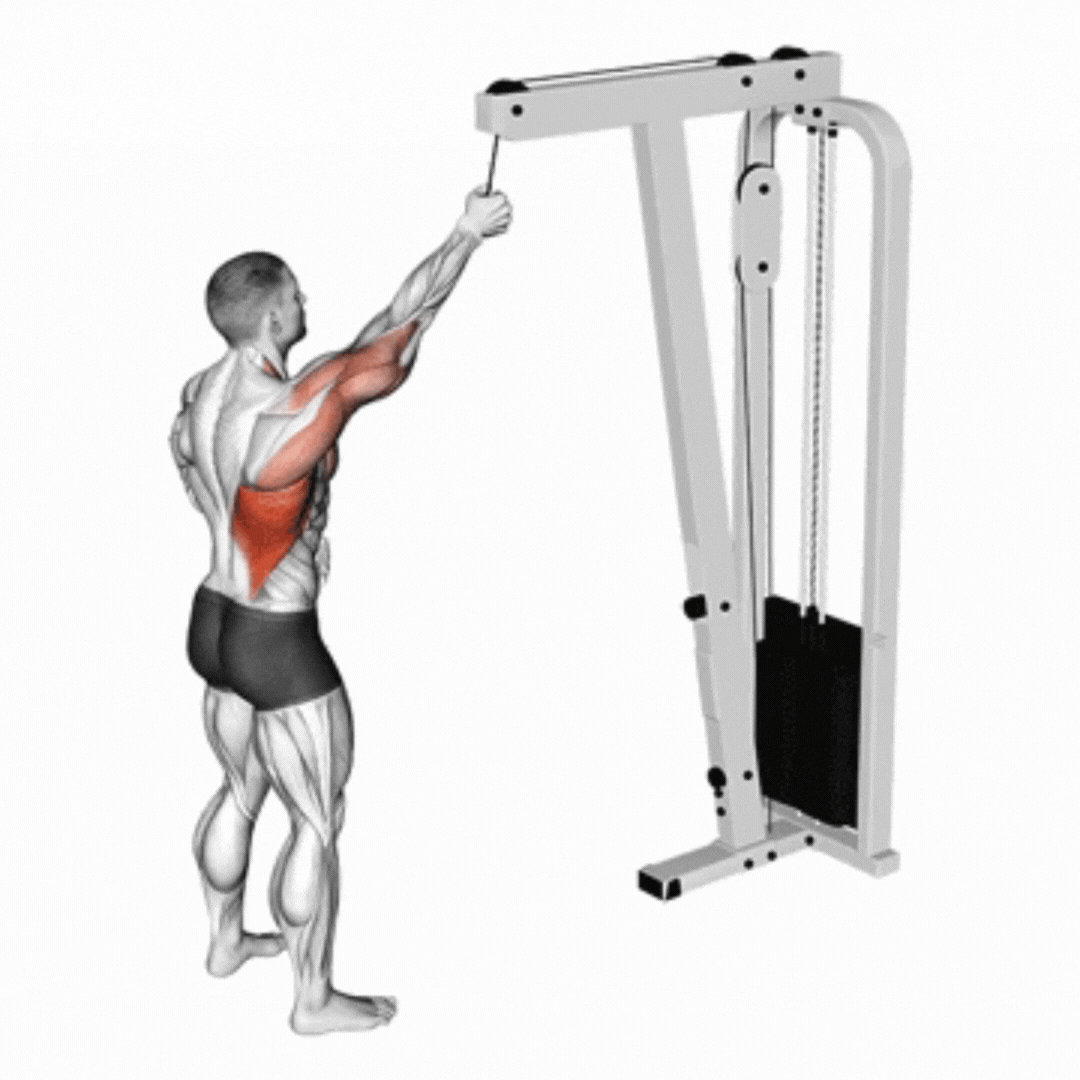
- ✓Provides constant tension on the back muscles
- ✓Works the rhomboid and trapezius muscles
- ✓Increases back thickness
- ✓Improves scapular control