.gif)
Description
The Negative Calf Raise is a specialized exercise focusing on the eccentric (negative) phase of the calf raise movement. By lowering the heels in a slow and controlled manner, the calf muscles are overloaded. Eccentric loading significantly improves Achilles tendon health and calf muscle hypertrophy. It is considered the gold standard technique in tendinopathy (Achilles tendinitis) rehabilitation. It also causes maximum micro-damage to the gastrocnemius and soleus muscles, which triggers hypertrophy. Performing it on a step or elevated surface ensures a full range of motion. It can be done by raising up with both legs and lowering down with one leg. When done regularly, it provides significant improvements in calf strength, Achilles health, and calf hypertrophy.
Negative Calf Raise How-To Guide
- 1
Stand on a step or elevated surface with your heels hanging off the edge.
- 2
Raise up using both legs, squeezing your calf muscles.
- 3
Lift one foot off the ground (balance on a single leg).
- 4
Lower your heel on the single leg as far down as possible in a very slow and controlled manner.
- 5
The descent should take 4-6 seconds (eccentric loading).
- 6
Feel the stretch in your Achilles tendon at the bottom position.
- 7
Place your other foot back on the step and raise back up using both legs.
- 8
After completing the designated number of repetitions, switch to the other leg.
Key Points
- ✓The descent must be slow and controlled (4-6 seconds).
- ✓Use a full range of motion (the heel should drop below the level of the step).
- ✓Raise up with two legs, lower down with one leg.
- ✓A stretch in the Achilles should be felt at the bottom position.
- ✓The knee can be slightly bent throughout the movement.
Common Mistakes
- ✗Descending too fast - loses the benefit of eccentric loading.
- ✗Insufficient range of motion - fails to utilize Achilles flexibility.
- ✗Raising up with a single leg - risks starting the eccentric phase fatigued.
- ✗Failing to maintain balance - hold onto a support.
- ✗Adding too much weight - increases the risk of injury.
Breathing
Breathe in steadily during the descent, and breathe out during the ascent.
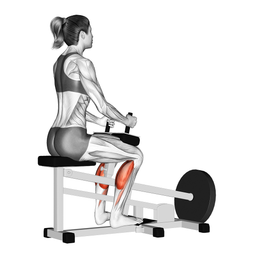
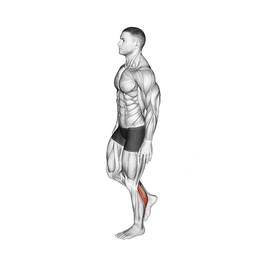
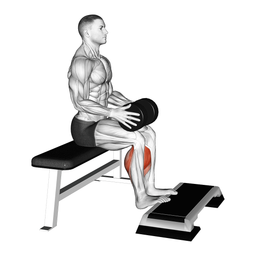
Muscle Activation
Safety
Precautions
- Individuals with acute Achilles injuries (acute phase) should avoid this.
- Individuals with untreated Achilles tears should avoid this.
- Individuals with acute ankle injuries should exercise caution.
Safety Tips
- Use a sturdy and stable step.
- Learn the movement at a normal speed first.
- Gradually increase the duration of the eccentric phase (3 → 4 → 5 → 6 seconds).
- You can hold onto a support point for balance.
- Stop the exercise if you feel any pain.
Frequently Asked Questions
Which muscles does Negative Calf Raise work?
Negative Calf Raise primarily works these muscles: Baldır. It also engages: Achilles tendonu, Ayak bileği stabilizatörleri.
Is Negative Calf Raise suitable for beginners?
Negative Calf Raise is a Intermediate level exercise. Learning difficulty: Moderate.
Can Negative Calf Raise be done at home?
Yes, Negative Calf Raise can easily be done at home.
What are common mistakes when doing Negative Calf Raise?
One of the most common mistakes: Descending too fast - loses the benefit of eccentric loading.
How many sets and reps for Negative Calf Raise?
Recommended: 3-4 sets and 8-12 reps.
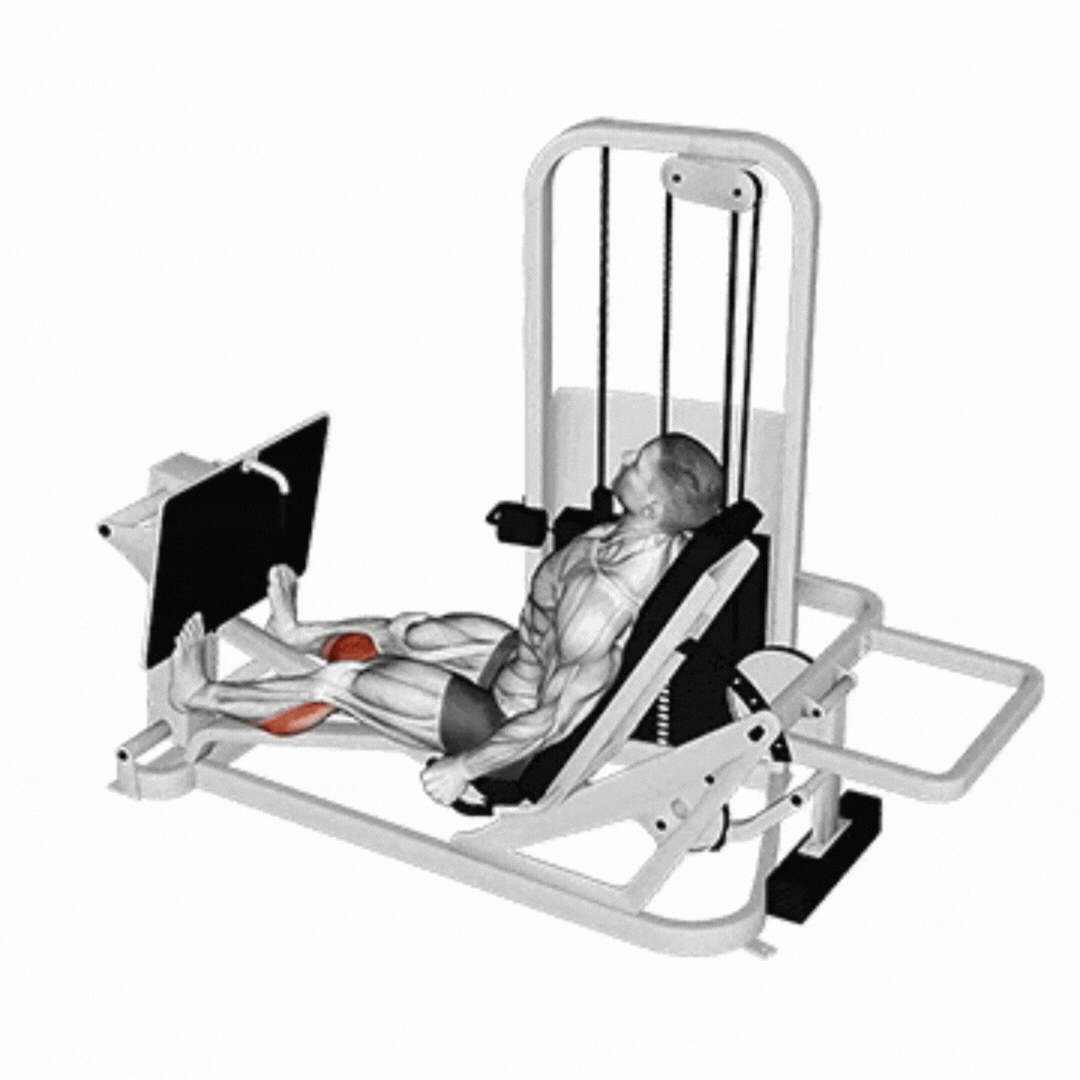
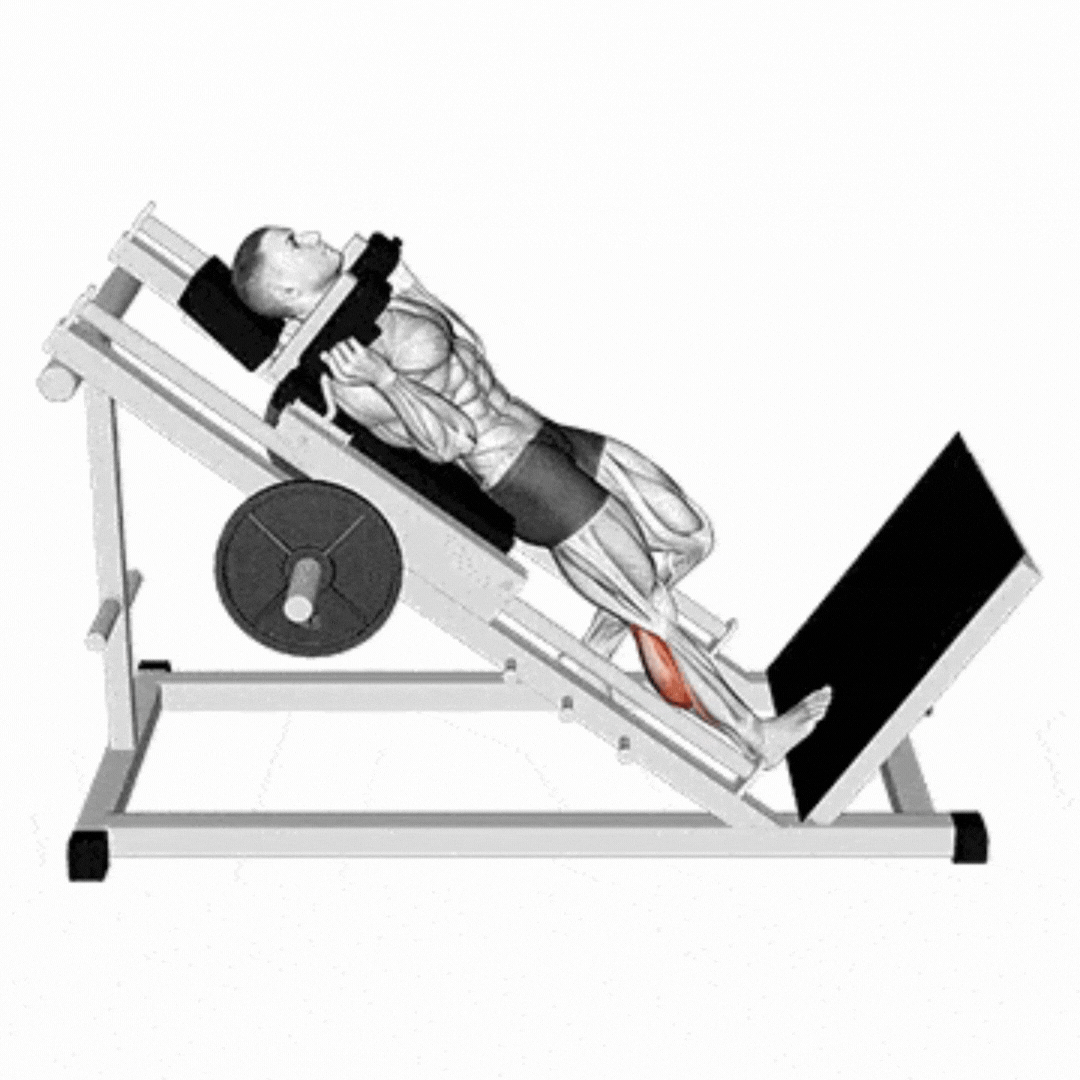
- ✓Maximally effective for calf hypertrophy.
- ✓Improves Achilles tendon health.
- ✓Gold standard for Achilles tendinopathy rehabilitation.
- ✓Increases eccentric strength.
- ✓Enhances jumping and sprinting performance.
- ✓Helps in injury prevention.