.gif)
Description
The Kettlebell Single Arm Deadlift is a one-handed deadlift variation performed with a kettlebell, providing anti-rotation core strength and unilateral posterior chain development. Unlike the double-arm deadlift, the core muscles are heavily engaged to prevent the torso from rotating. This strengthens the rectus abdominis, obliques, and quadratus lumborum. It also develops the lower back, gluteus maximus, and hamstrings. It is an excellent exercise for correcting unilateral muscle imbalances and increasing functional core strength. For athletes, it plays a critical role in enhancing power for sprinting, jumping, and change-of-direction movements. Grip strength is also intensely challenged due to the one-handed hold.
Kettlebell Single Arm Deadlift How-To Guide
- 1
Place the kettlebell on the floor between your feet, with your feet shoulder-width apart.
- 2
Hinge at the hips by pushing them back, keeping your knees slightly bent.
- 3
Firmly grip the kettlebell handle with one hand, and extend your other arm to the side or keep it on your hip.
- 4
Keep your chest up, back straight, and core tight, not allowing any rotation.
- 5
Drive through your heels and squeeze your glutes to lift the kettlebell upward.
- 6
Throughout the movement, your shoulders should remain parallel to the floor, and your torso should not lean to the side.
- 7
At the top position, your hips should be fully extended, and your shoulders should be level.
- 8
Lower the kettlebell to the floor in a controlled manner, and switch to the other arm after completing the designated number of reps.
Key Points
- ✓The movement must come from a hip hinge, not the lower back.
- ✓Shoulders must remain level throughout the entire movement, without leaning to the side.
- ✓The torso must not rotate; anti-rotation core control is critical.
- ✓The back must be kept straight, and the kettlebell should remain close to the body.
- ✓Symmetry between the pulling arm and the opposite arm should be maintained.
Common Mistakes
- ✗Leaning the torso to the side - loses core control and strains the lower back.
- ✗Allowing the shoulders to rotate - disrupts the target muscle pattern.
- ✗Rounding the back - increases the risk of lower back injury.
- ✗Choosing a kettlebell that is too heavy - the asymmetrical load compromises form.
- ✗Positioning the opposite arm randomly - affects balance.
Breathing
Inhale and brace your core as you hinge down, exhale as you lift the kettlebell. Core tightness must be maintained for anti-rotation control.
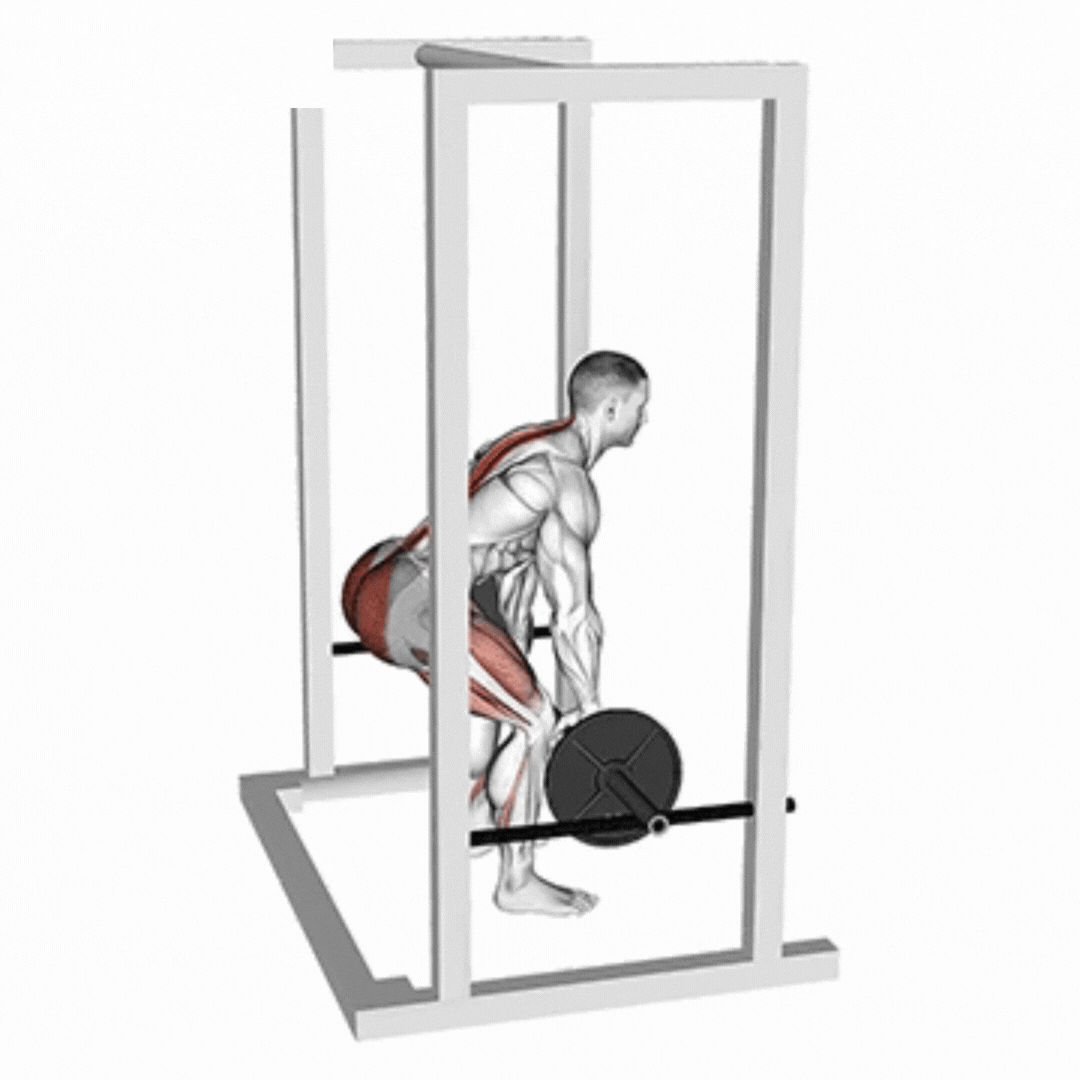
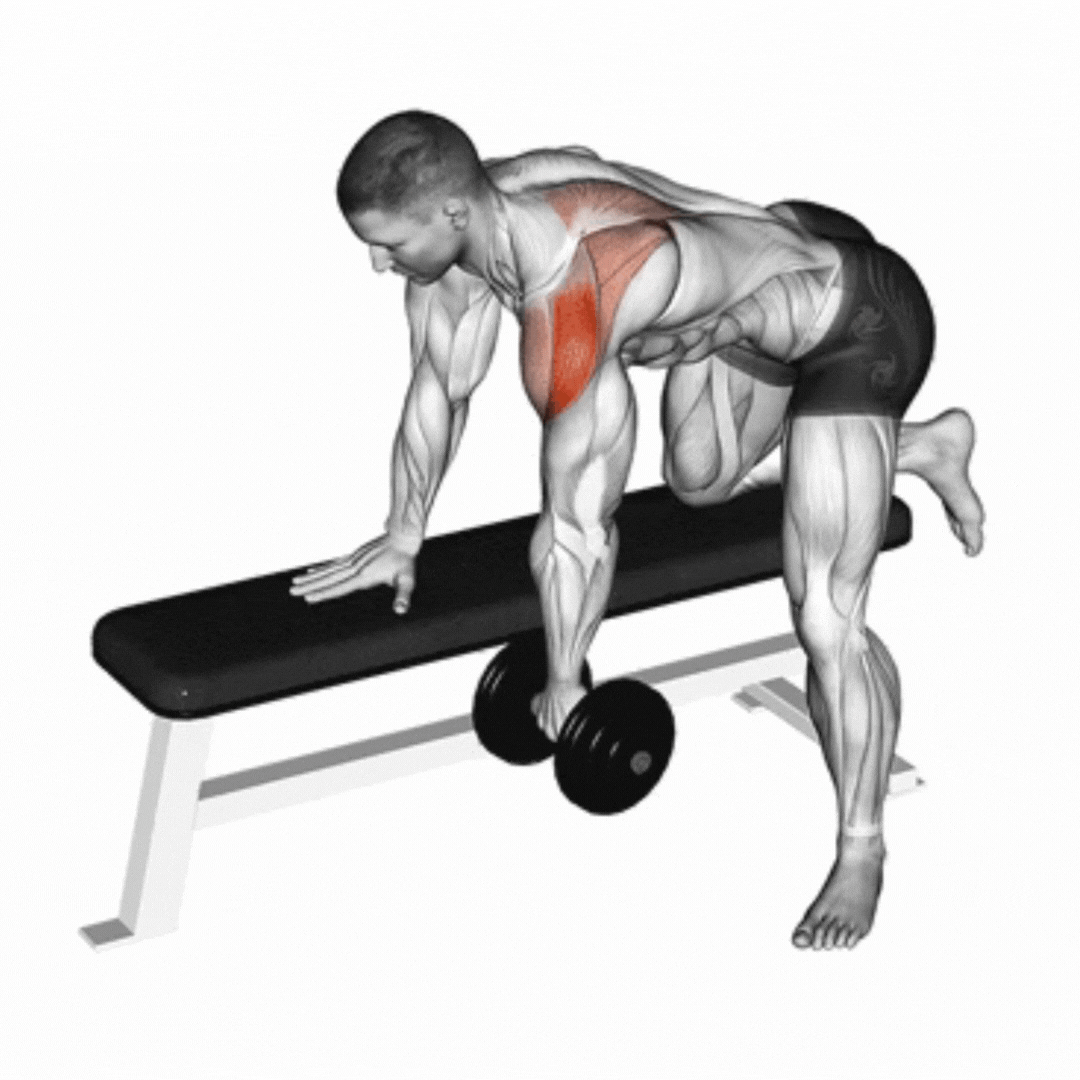
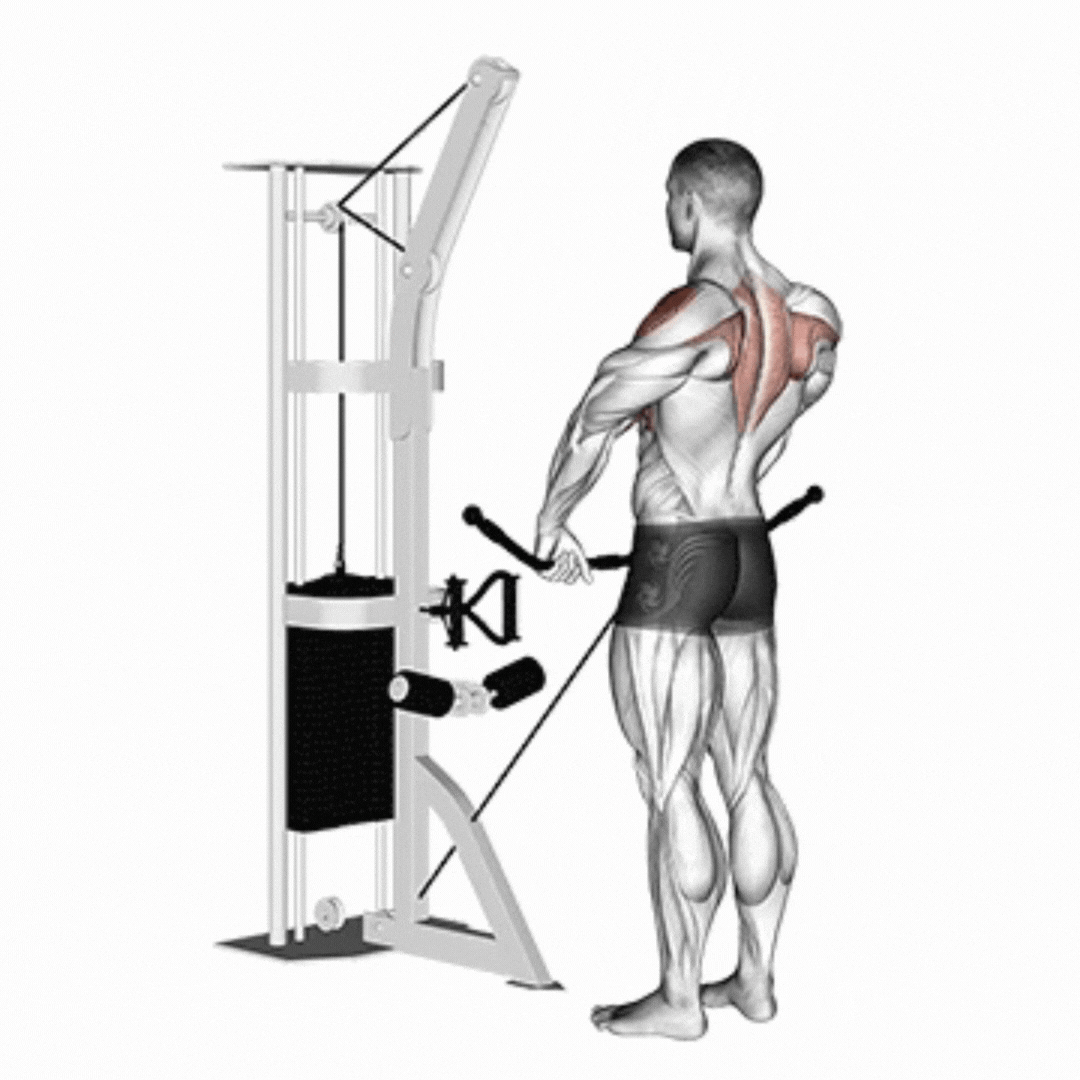
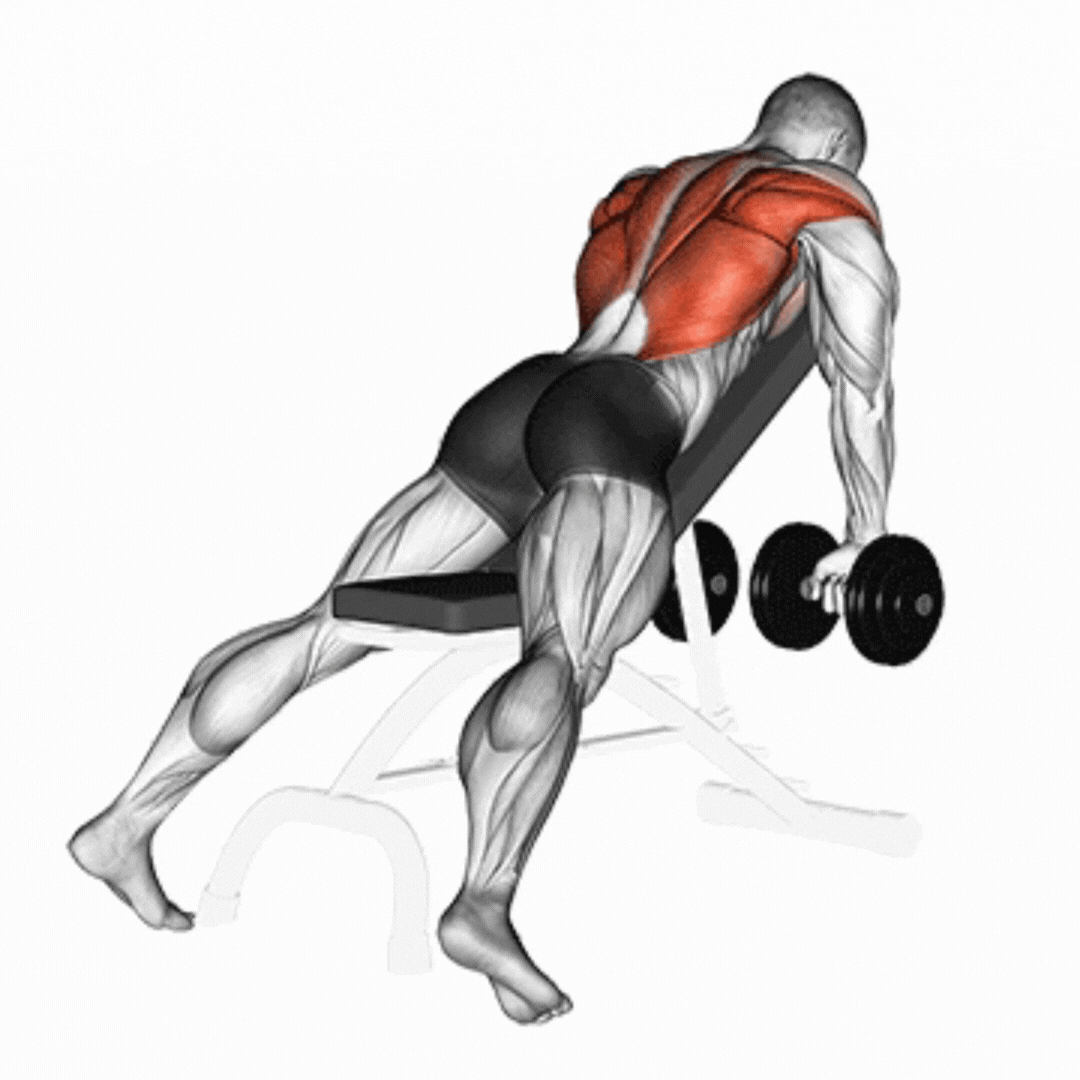
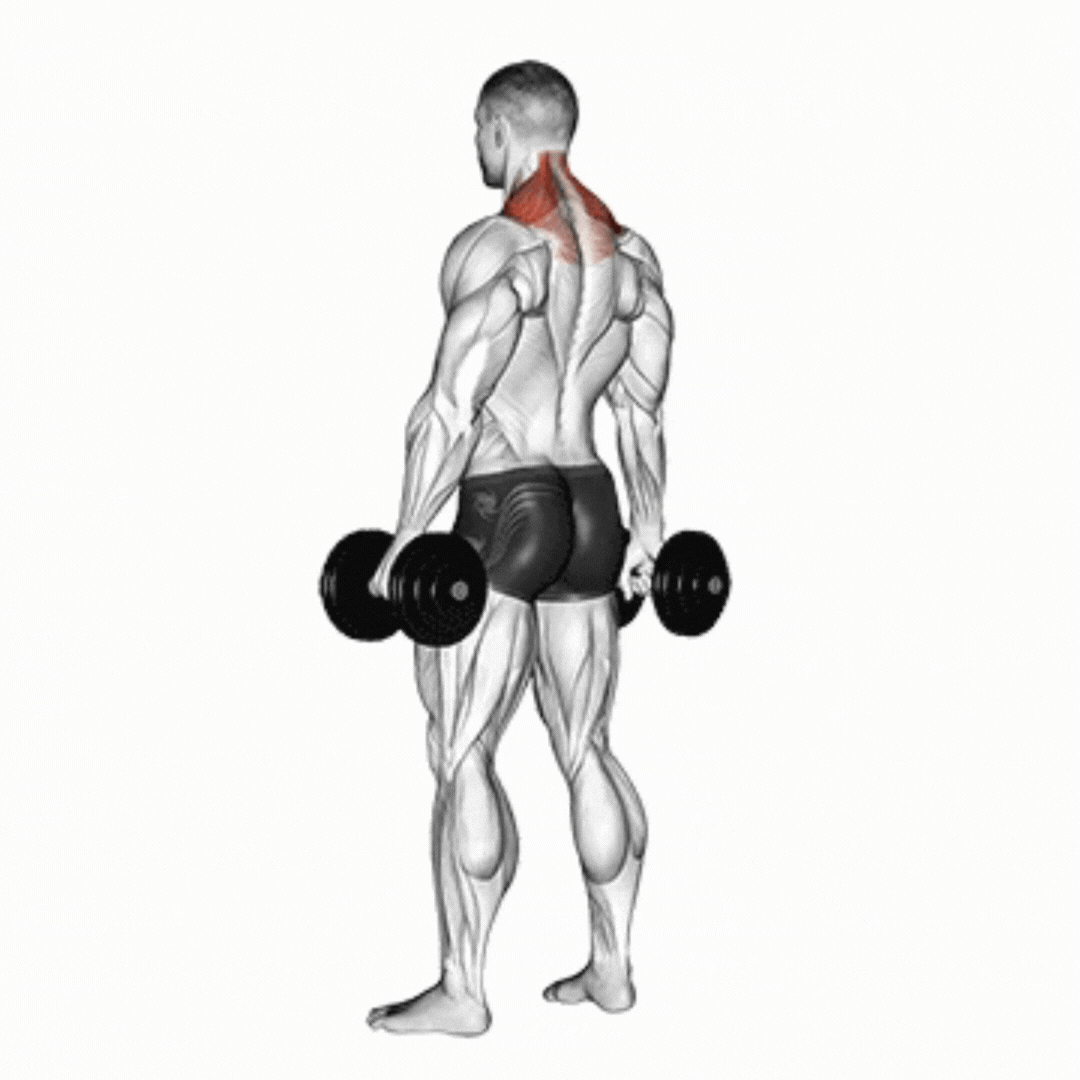
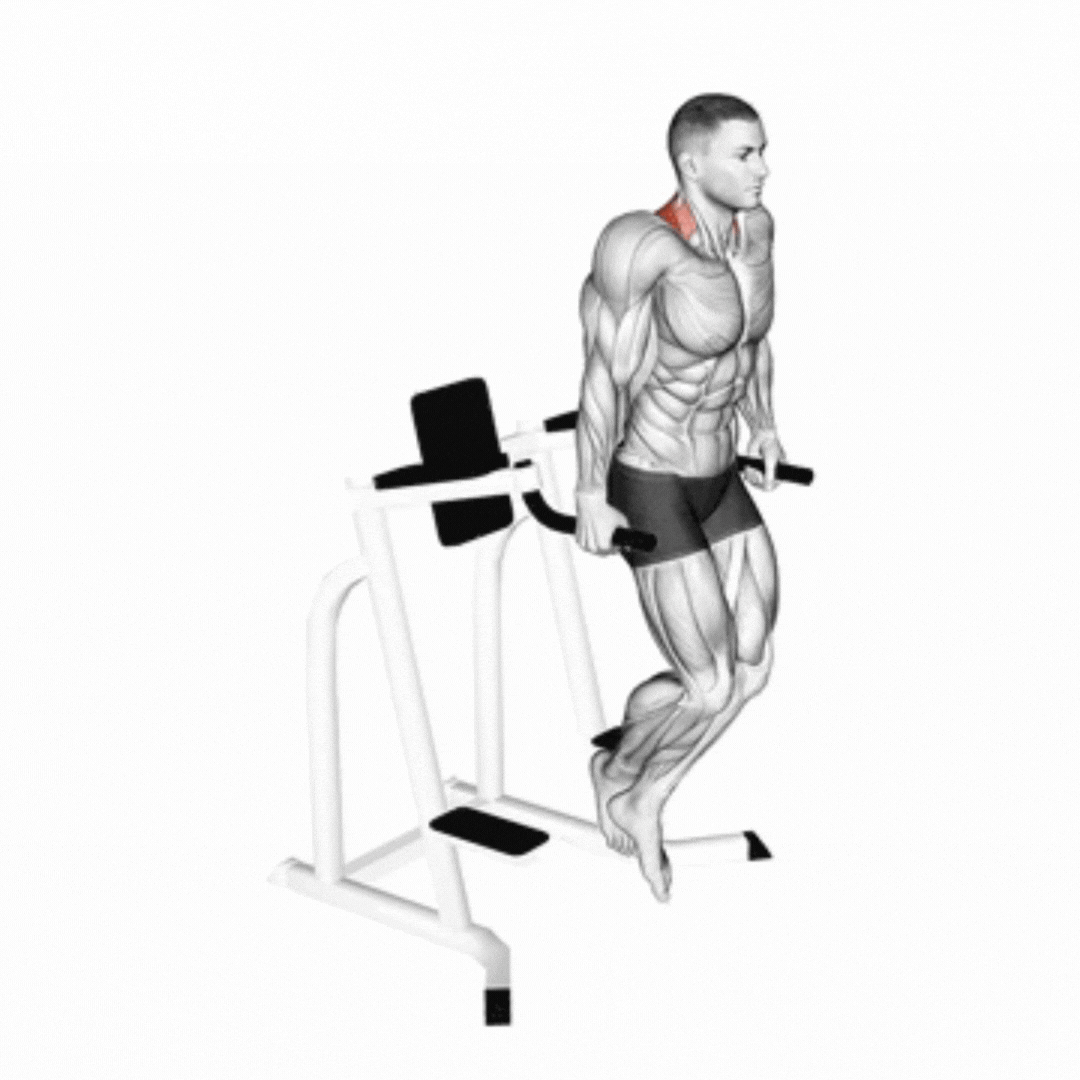
Muscle Activation
Safety
Precautions
- Individuals with acute lower back pain or a herniated disc should avoid this.
- Those with disc problems should seek medical clearance.
- Individuals with shoulder injuries should exercise caution.
- Patients with high blood pressure should be careful.
Safety Tips
- Master the double-arm kettlebell deadlift first.
- Start with a light kettlebell to learn anti-rotation control.
- Check your shoulder alignment by looking in a mirror.
- Re-brace your core before every repetition.
- Stop the movement and reduce the weight if your form breaks down.
Frequently Asked Questions
Which muscles does Kettlebell Single Arm Deadlift work?
Kettlebell Single Arm Deadlift primarily works these muscles: Alt sırt, Gluteus maximus, Hamstring. It also engages: Oblik kaslar, Core kasları, Trapez, Ön kol, Quadratus lumborum.
Is Kettlebell Single Arm Deadlift suitable for beginners?
Kettlebell Single Arm Deadlift is a Intermediate level exercise. Learning difficulty: Moderate.
Can Kettlebell Single Arm Deadlift be done at home?
Yes, Kettlebell Single Arm Deadlift can easily be done at home.
What are common mistakes when doing Kettlebell Single Arm Deadlift?
One of the most common mistakes: Leaning the torso to the side - loses core control and strains the lower back.
How many sets and reps for Kettlebell Single Arm Deadlift?
Recommended: 3-4 sets and 8-10 reps.
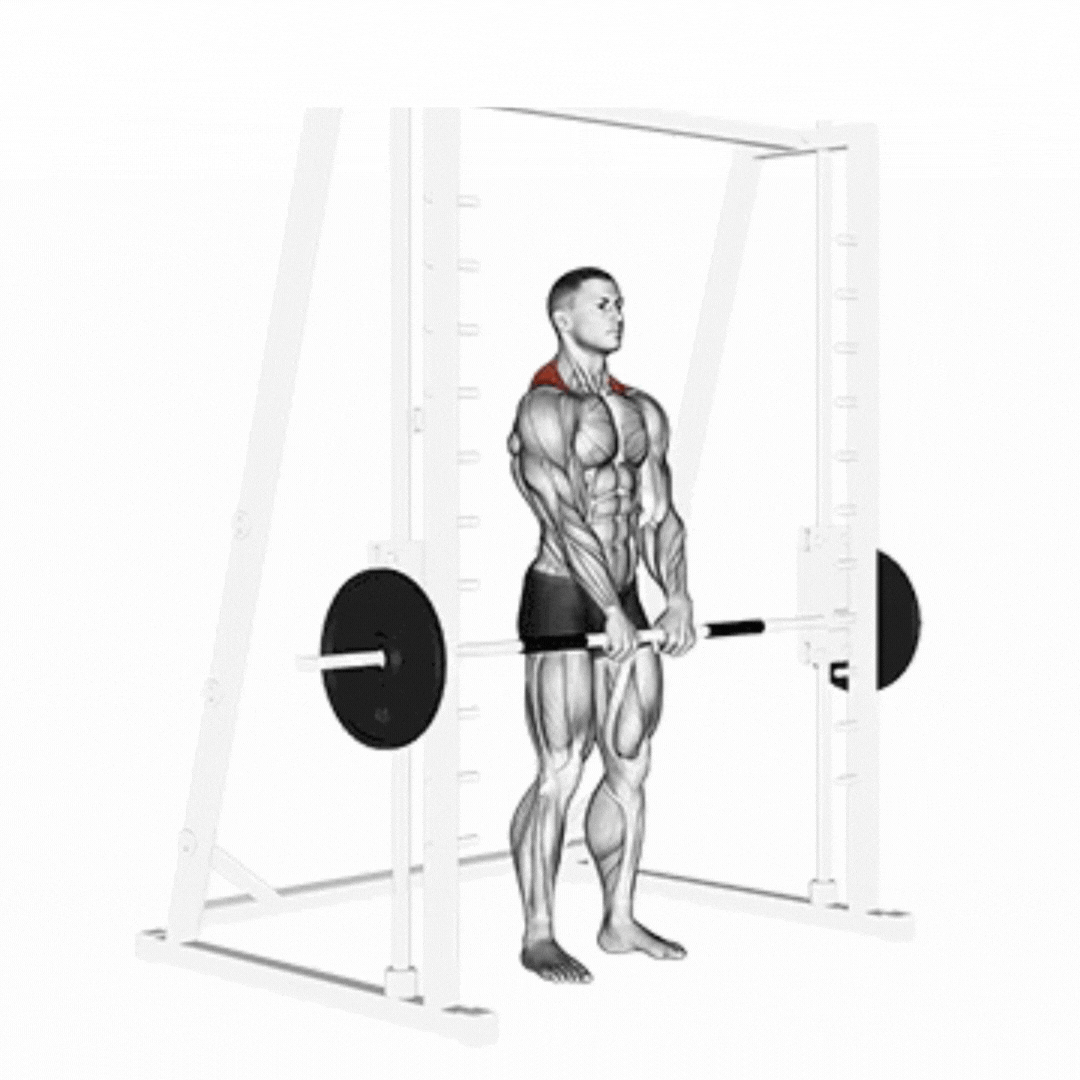
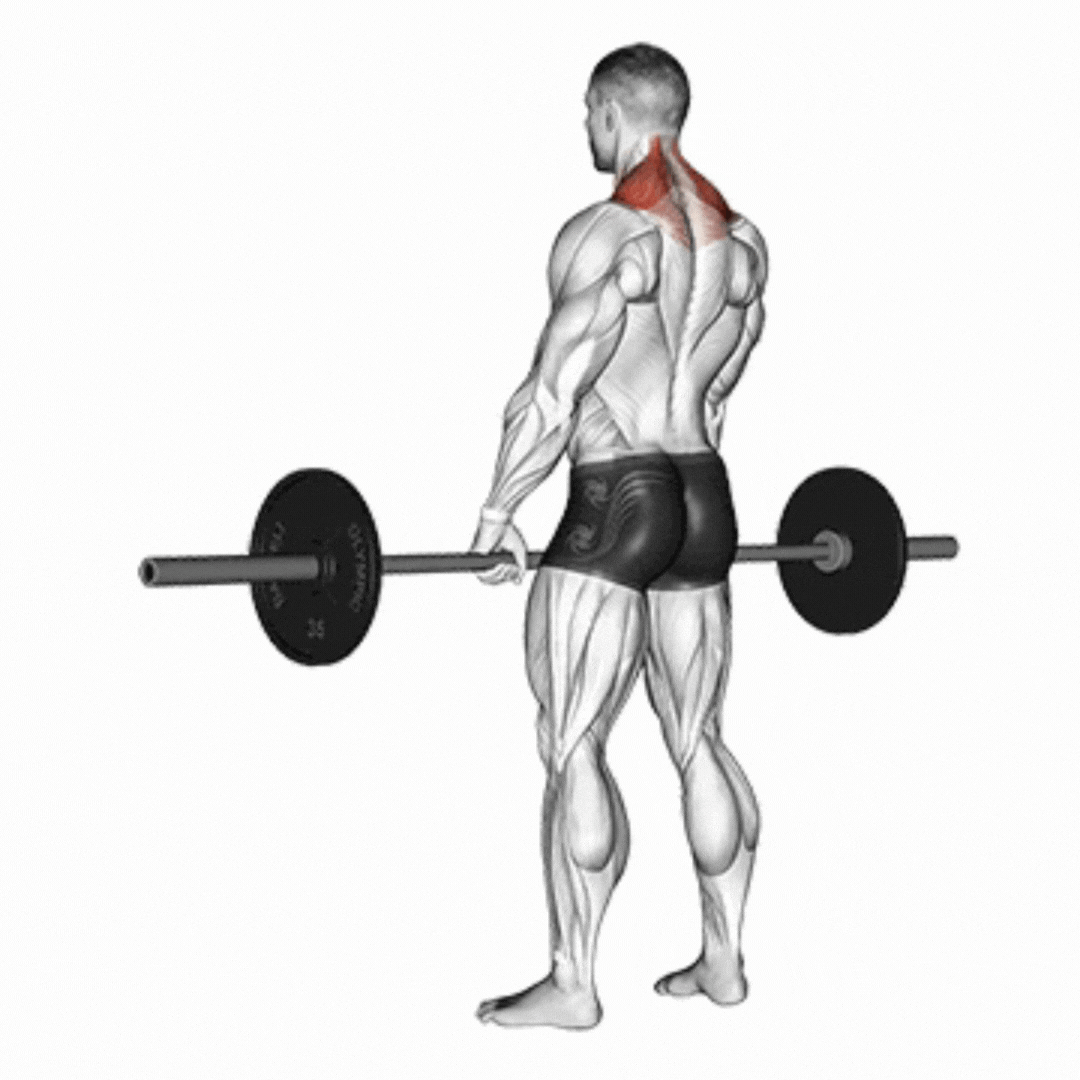
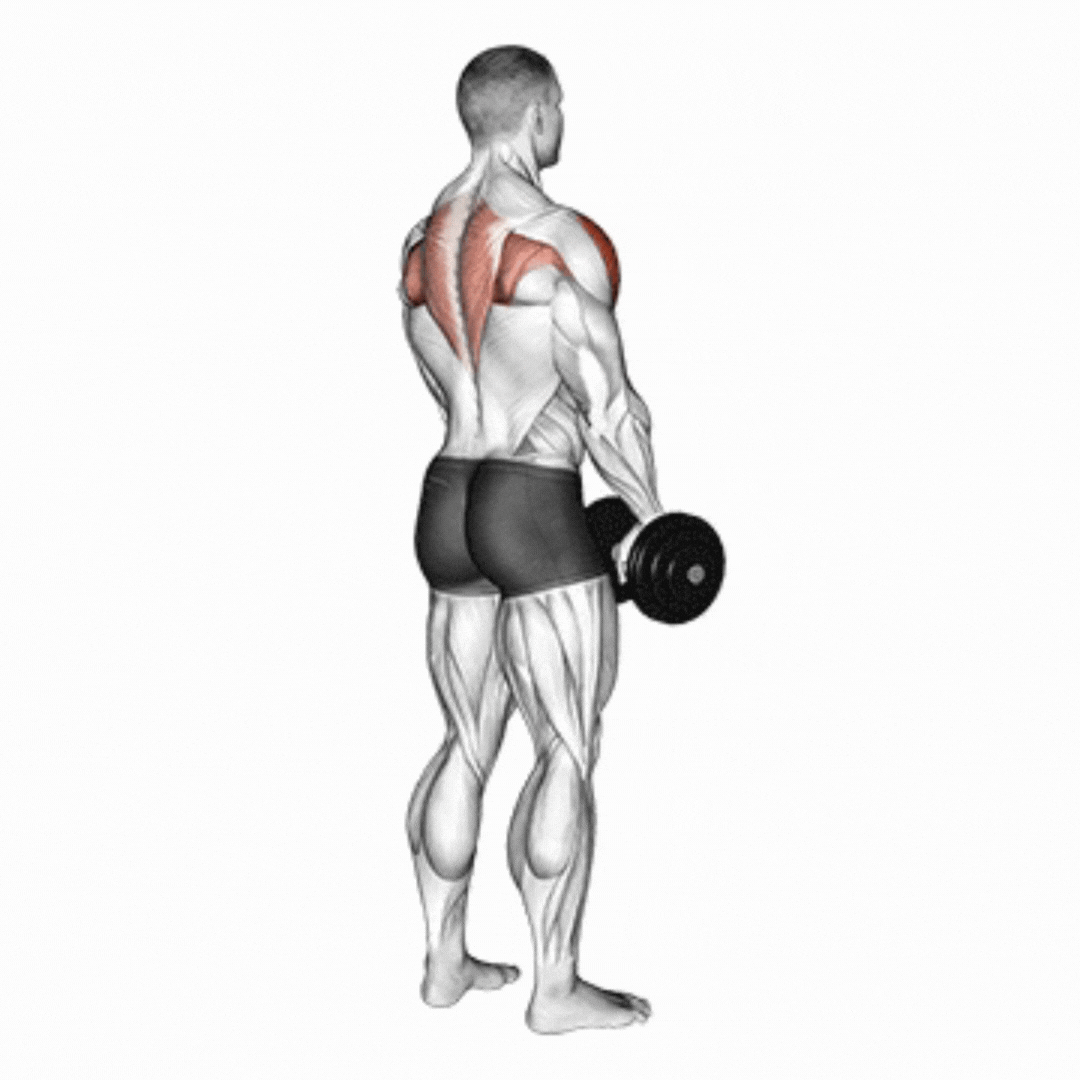
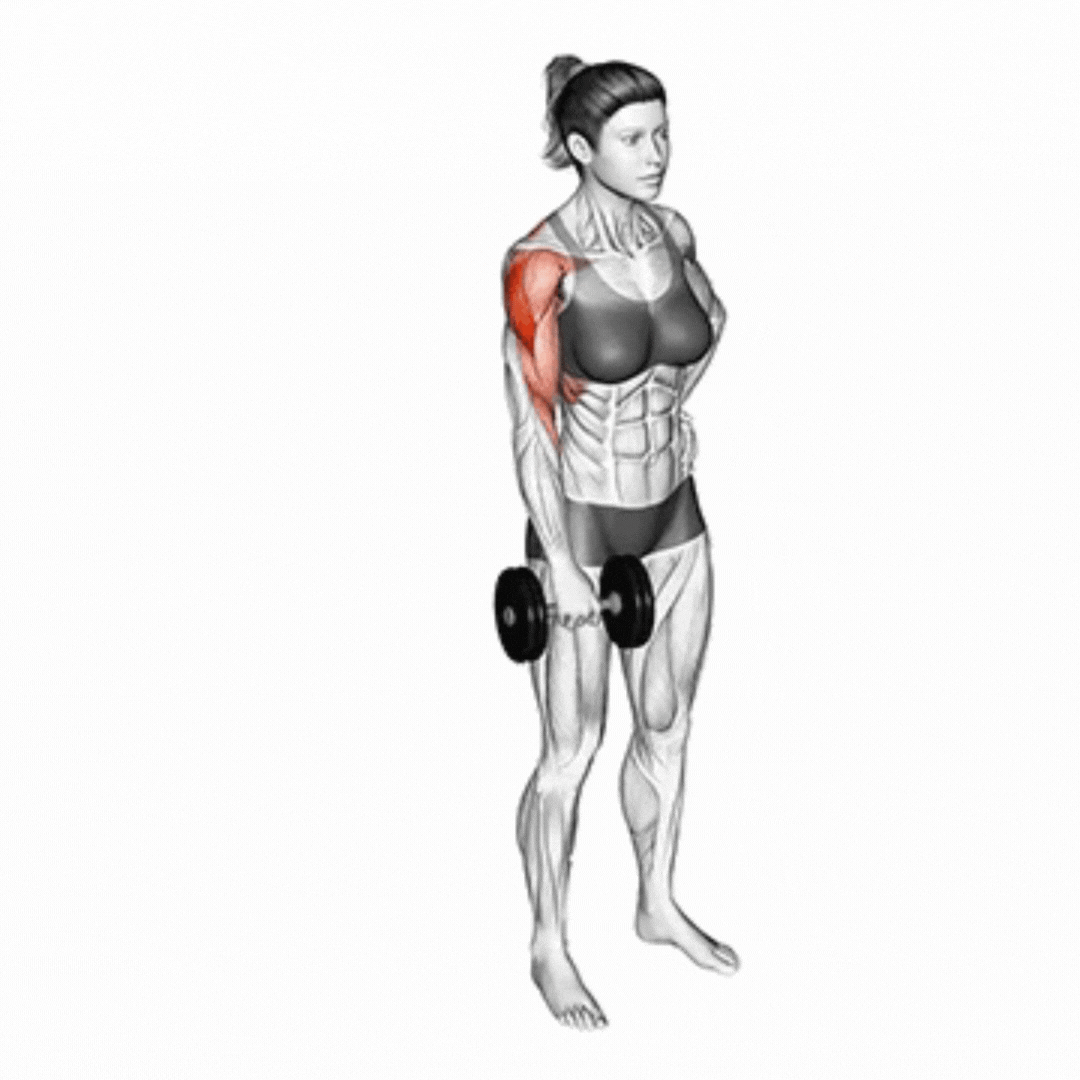
- ✓Develops unilateral posterior chain strength.
- ✓Increases anti-rotation core strength.
- ✓Corrects muscle imbalances.
- ✓Strengthens the obliques and quadratus lumborum muscles.
- ✓Intensely develops grip strength through a one-handed hold.
- ✓Enhances functional athletic performance.