.gif)
Description
Kettlebell Deadlift is an effective compound movement performed using a kettlebell that works the entire posterior chain. It is a simpler and more joint-friendly variation of the traditional barbell deadlift. It specifically targets the lower back, gluteus maximus, and hamstring muscles. Thanks to the compact nature of the kettlebell, the movement stays close to the body, reducing leverage stress on the lower back. It is an excellent transition exercise for beginners wanting to learn the deadlift movement pattern. It also improves performance in daily life activities by developing functional lifting mechanics. This exercise, which also improves grip strength and core stabilization, is practical for both home and gym workouts.
Kettlebell Deadlift How-To Guide
- 1
Place the kettlebell on the floor between your feet, with your feet shoulder-width apart.
- 2
Hinge at the hips by pushing your glutes back, keeping your knees slightly bent.
- 3
Grip the kettlebell handle firmly with both hands; shoulders should be back and down.
- 4
Keep your chest up, maintain a straight back, and brace your core.
- 5
Drive through your heels and squeeze your glutes to lift the kettlebell up.
- 6
At the top position, your hips should reach full extension with your shoulders pulled back.
- 7
Lower the kettlebell to the floor in a controlled manner; the movement must again come from the hip hinge.
- 8
Keep the kettlebell close to your body throughout the movement.
Key Points
- ✓The movement must come from a hip hinge, not the lower back.
- ✓The back must be kept straight at all times.
- ✓The kettlebell should remain close to the body throughout the movement.
- ✓Hips must reach full extension at the top position.
- ✓Core muscles must be kept tight throughout the entire movement.
Common Mistakes
- ✗Rounding the back - the biggest risk for lower back injury.
- ✗Bending the knees excessively and turning it into a squat - fails to work the target muscles.
- ✗Lifting the kettlebell far from the body - creates leverage stress on the lower back.
- ✗Hyperextending at the top - damages the spine.
- ✗Compromising form with a kettlebell that is too heavy - technique must be prioritized.
Breathing
Inhale and brace your core as you hinge down, exhale as you lift the kettlebell.
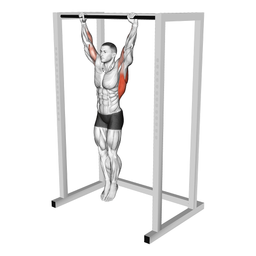
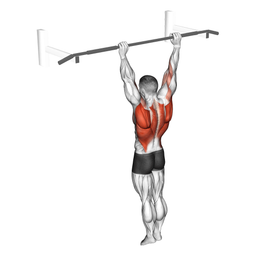
Muscle Activation
Safety
Precautions
- Individuals with acute lower back pain or a herniated disc should avoid this exercise.
- Those with disc problems must get a doctor's approval.
- Individuals with hamstring injuries should limit their range of motion.
- Patients with high blood pressure should pay attention to breath control.
Safety Tips
- Practice your form with a light kettlebell first.
- Always keep your core braced to maintain a straight back.
- Ensure your grip on the kettlebell handle is secure and not slipping.
- Check your form by looking in a mirror or working with a trainer.
- Learn the proper breathing routine and braced core technique.
Frequently Asked Questions
Which muscles does Kettlebell Deadlift work?
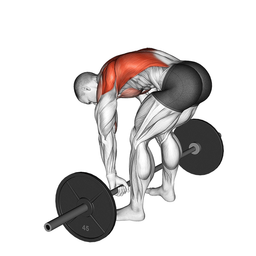
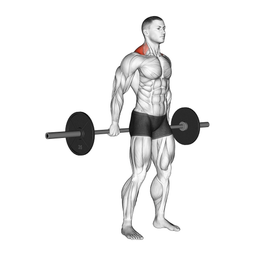
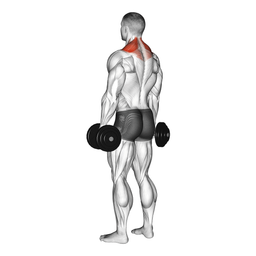
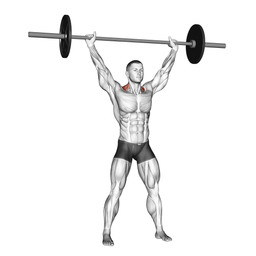
Kettlebell Deadlift primarily works these muscles: Alt sırt, Gluteus maximus, Hamstring. It also engages: Core kasları, Trapez, Ön kol, Quadriceps.
Is Kettlebell Deadlift suitable for beginners?
Kettlebell Deadlift is a Beginner level exercise. Learning difficulty: Easy.
Can Kettlebell Deadlift be done at home?
Yes, Kettlebell Deadlift can easily be done at home.
What are common mistakes when doing Kettlebell Deadlift?
One of the most common mistakes: Rounding the back - the biggest risk for lower back injury.
How many sets and reps for Kettlebell Deadlift?
Recommended: 3-4 sets and 8-12 reps.
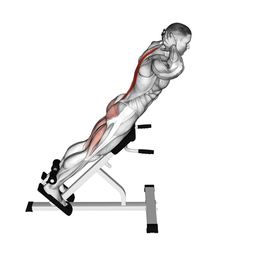
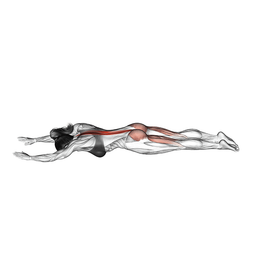
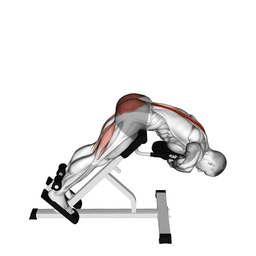
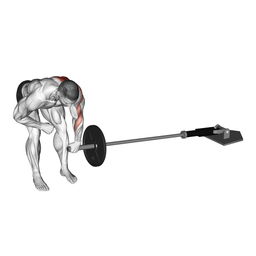
- ✓Strengthens the entire posterior chain.
- ✓Isolates and develops the lower back muscles.
- ✓Teaches the functional hip hinge pattern.
- ✓Serves as an ideal preparatory movement for transitioning to the barbell deadlift.
- ✓Increases grip strength and core stability.
- ✓Improves posture and elevates daily activity performance.