.gif)
Description
Heel Raises are one of the most fundamental and classic bodyweight exercises performed standing to target the calf muscles. It is based on the principle of lifting the heels off the ground in a controlled manner and lowering them back down. It activates both the gastrocnemius (upper calf) and soleus (lower calf) muscles. It is an ideal starting movement for beginners, and is used as a warm-up or high-rep endurance exercise for experienced athletes. Since it requires no equipment, it can be done anywhere—at home, in the office, at the park, or while traveling. It also improves ankle stability, balance, and circulation. For those sitting in an office for long periods, it helps stimulate leg circulation. When done regularly, calf endurance, strength, and overall conditioning improve significantly. The range of motion can be increased by performing it on a step or elevated surface.
Heel Raises How-To Guide
- 1
Stand upright with your feet shoulder-width apart.
- 2
Keep your back straight, pull your shoulders back, and engage your core.
- 3
Keep your hands on your hips or lightly hold onto a surface for balance.
- 4
Shift your weight to the balls of your feet and lift your heels off the ground.
- 5
Rise up as high as possible, squeezing your calf muscles.
- 6
Hold the squeeze at the top position for 1-2 seconds.
- 7
Lower your heels back to the ground in a controlled manner.
- 8
Rise back up; your knees can be slightly bent or straight throughout the movement.
Key Points
- ✓Feet should be shoulder-width apart and parallel.
- ✓The movement should come solely from the ankles.
- ✓Achieve maximum calf squeeze at the top.
- ✓Controlled descent, full range of motion.
- ✓Keep your back straight and torso upright.
Common Mistakes
- ✗Inadequate range of motion - muscles are not fully engaged.
- ✗Bending the knees too much - breaks calf isolation.
- ✗Bouncing quickly - loss of control, reduces hypertrophy.
- ✗Not squeezing at the top - limits muscle development.
- ✗Failing to find balance - leads to sloppy form.
Breathing
Exhale and squeeze your calves as you rise, inhale as you lower them.
Muscle Activation
Safety
Precautions
- Those with acute ankle injuries should be careful.
- Those with acute Achilles injuries should avoid this.
- Those with balance issues should perform it with support.
Safety Tips
- Perform on a flat and stable surface.
- You can hold onto a support point to maintain balance.
- Perform the movement slowly and with control.
- Warm up your Achilles tendons.
Frequently Asked Questions
Which muscles does Heel Raises work?
Heel Raises primarily works these muscles: Baldır. It also engages: Ayak bileği stabilizatörleri.
Is Heel Raises suitable for beginners?
Heel Raises is a Beginner level exercise. Learning difficulty: Easy.
Can Heel Raises be done at home?
Yes, Heel Raises can easily be done at home.
What are common mistakes when doing Heel Raises?
One of the most common mistakes: Inadequate range of motion - muscles are not fully engaged.
How many sets and reps for Heel Raises?
Recommended: 3-4 sets and 15-25 reps.
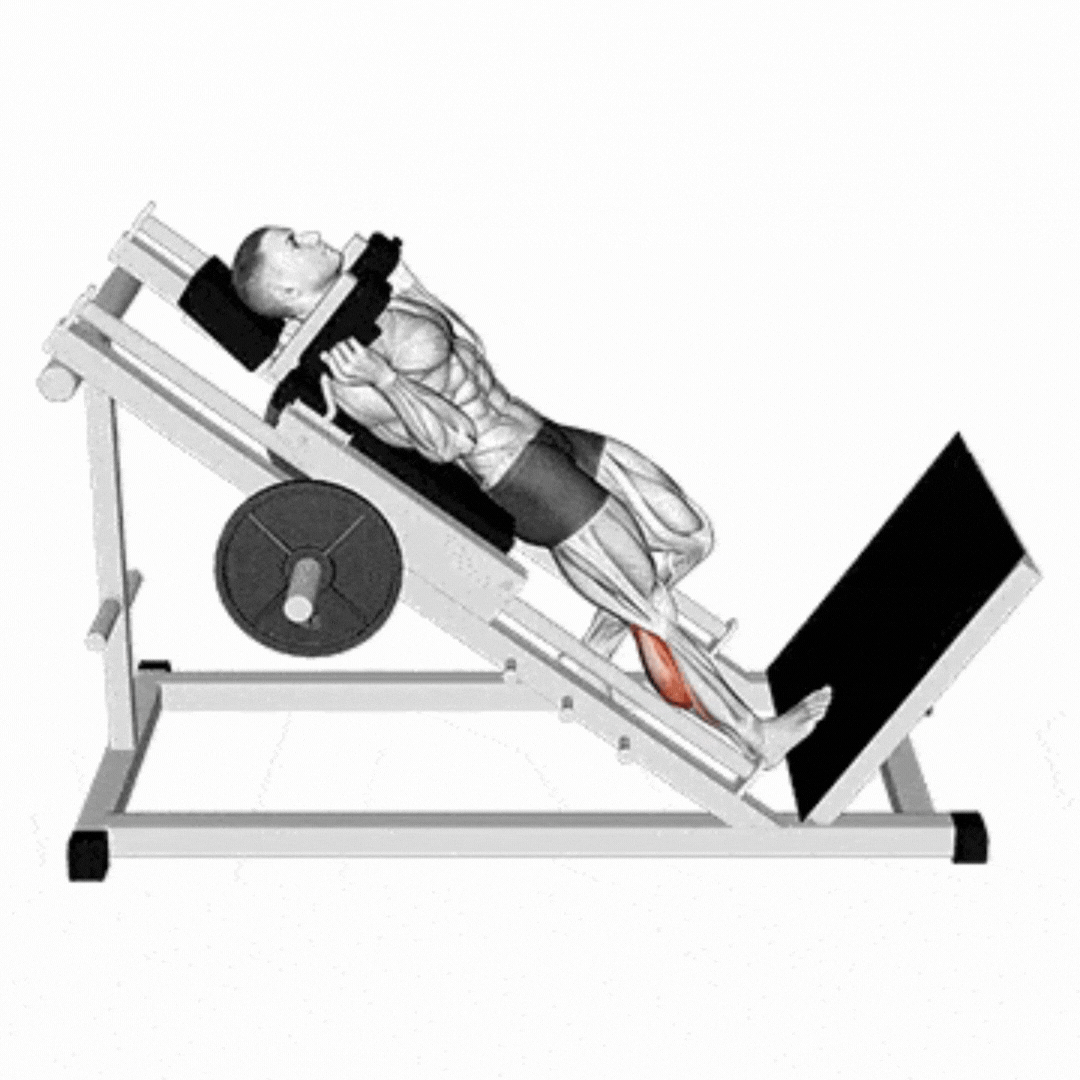
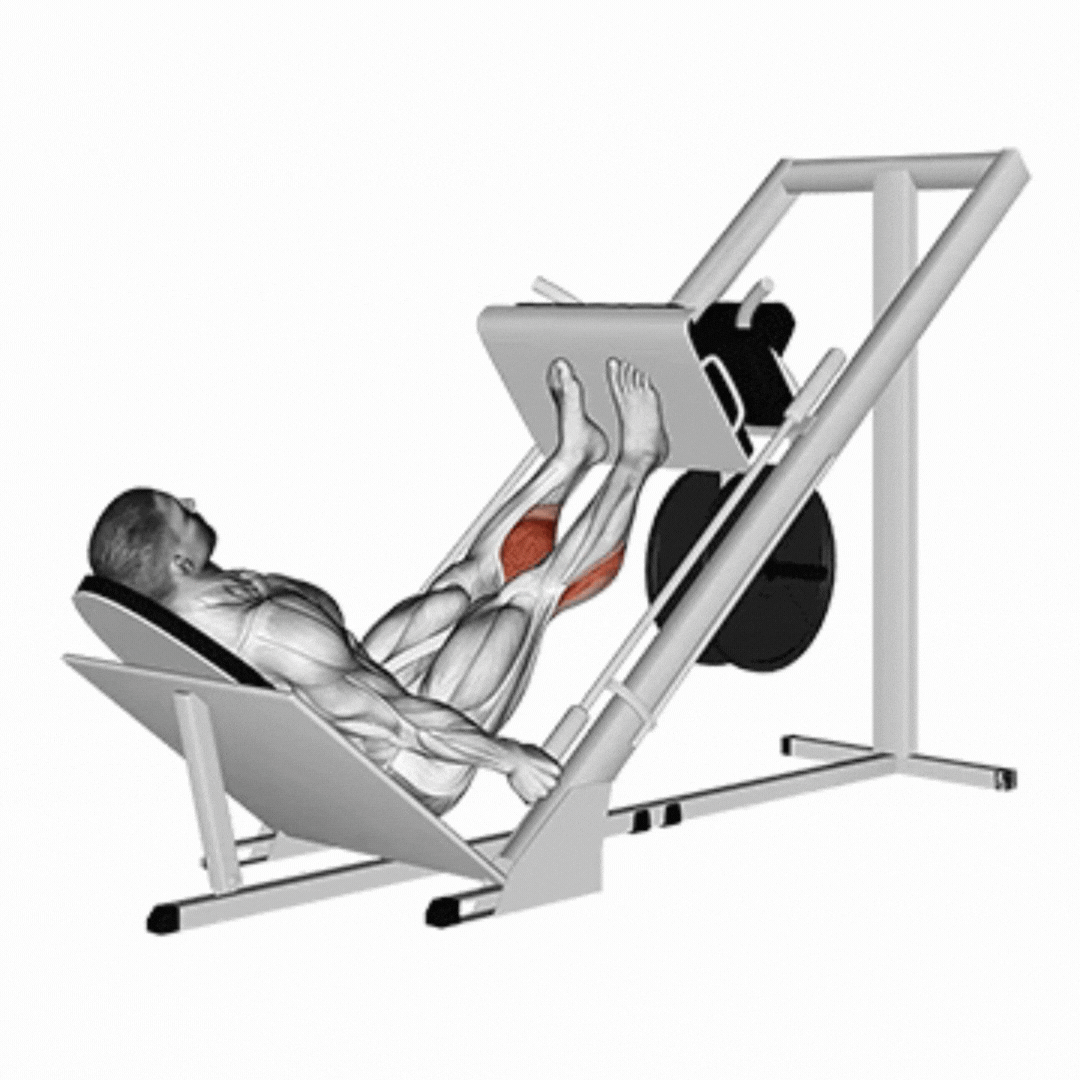
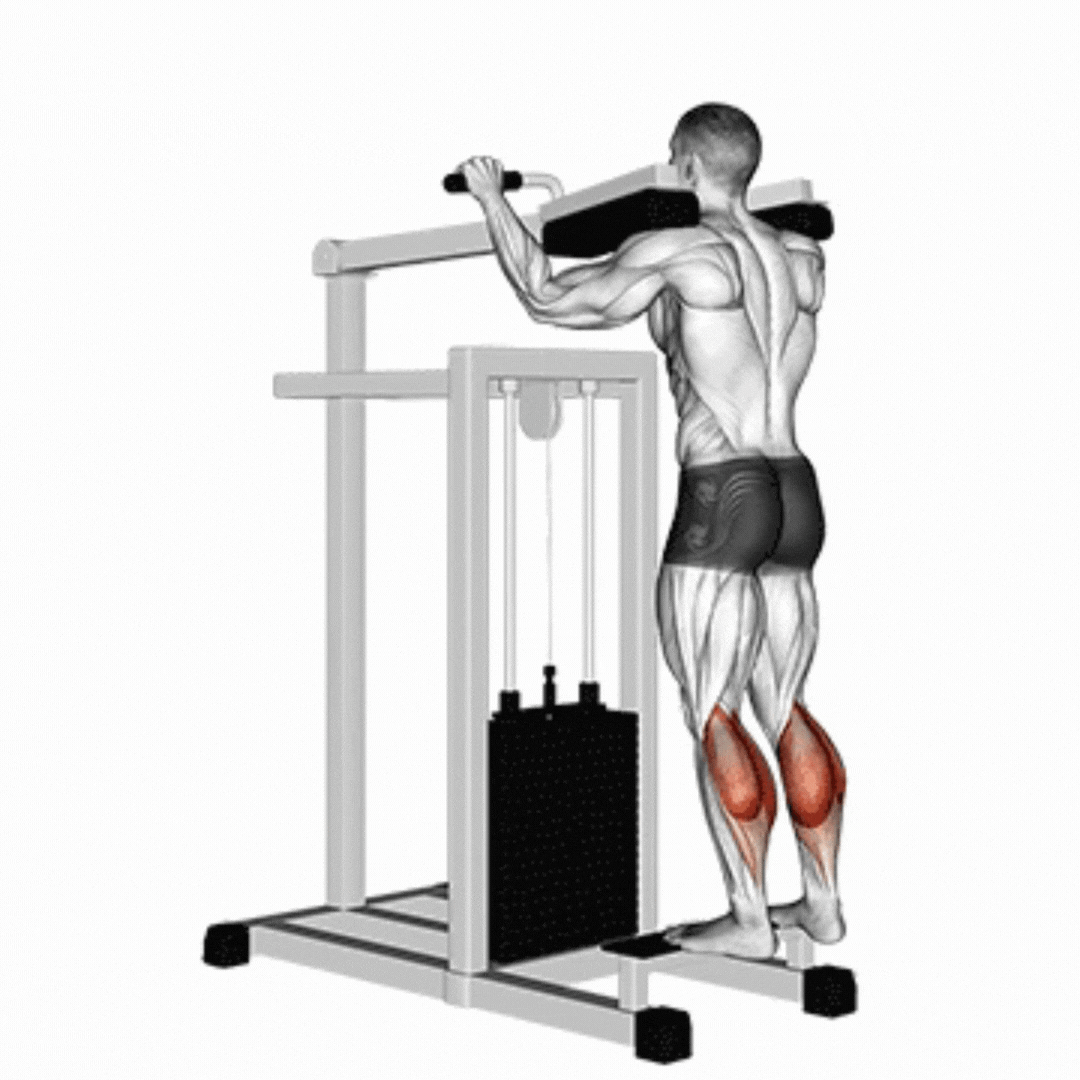
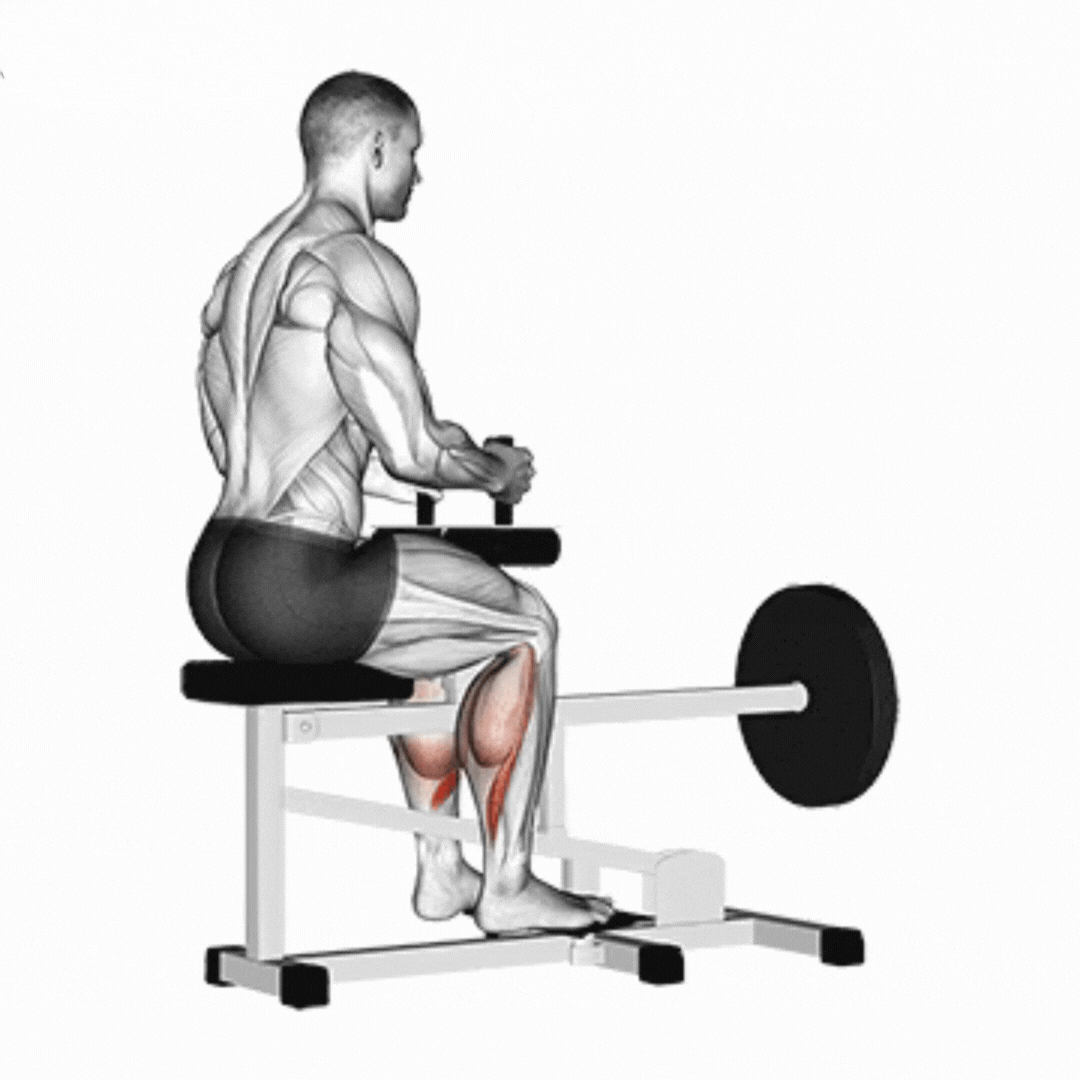
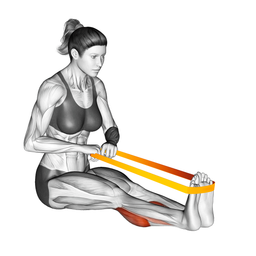
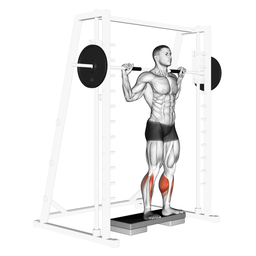
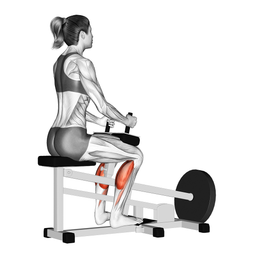
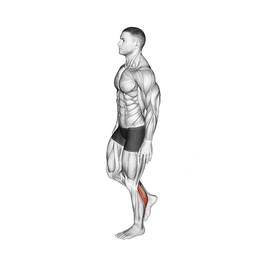
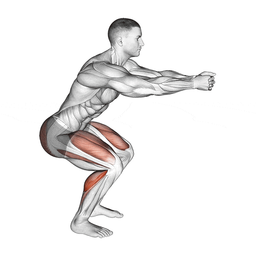
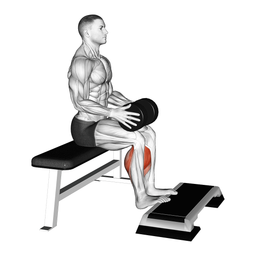
- ✓Develops calf muscles at a foundational level.
- ✓Increases ankle stability.
- ✓Stimulates leg circulation.
- ✓Requires no equipment, can be done anywhere.
- ✓Improves balance.
- ✓Ideal for beginners.