.gif)
Description
Dumbbell Kickback is an effective shaping exercise that isolates the triceps muscle using dumbbells. This exercise specifically targets the lateral and medial heads of the triceps to give distinct definition to the back of the arms. It works on the principle of extending the arm backward while keeping the torso parallel to the ground. It yields the best results when performed with light weight and high repetitions because maintaining proper form is crucial. Both single-arm and double-arm versions can be performed, with the single-arm version providing greater concentration. It is frequently preferred as a finishing movement at the end of triceps training.
Dumbbell Kickback How-To Guide
- 1
Take a dumbbell in one hand, place your other hand and knee on the bench to bring your torso parallel to the ground
- 2
Position the upper arm of the dumbbell-holding hand parallel to your body and parallel to the ground, with elbow bent at 90 degrees
- 3
Keeping your elbow stationary, fully extend your forearm backward and squeeze your triceps
- 4
After holding for one second at the top position, return the weight to the starting position in a controlled manner
- 5
Your upper arm should remain stationary throughout the movement, avoid swinging motions
Key Points
- ✓Support yourself by placing one knee and hand on the bench, torso should be parallel to the ground
- ✓Elbow should stay close to the body and stationary, at shoulder level
- ✓Fully extend the arm backward and contract the triceps at the top point
- ✓Wrist should remain in neutral position, not bent
- ✓Movement should occur only at the elbow joint, shoulder should not move
Common Mistakes
- ✗Changing elbow position during the movement - shoulders engage
- ✗Using momentum to swing the dumbbell - triceps isolation is lost
- ✗Lifting the torso and arching the back - increases risk of back injury
- ✗Not fully extending the arm backward - full triceps contraction is not achieved
Breathing
Exhale as you extend the arm backward, inhale as you bring it forward. You can hold your breath for 1 second at the top point and contract.
Muscle Activation
Safety
Precautions
- Those with back pain should be cautious and use support
- Those with shoulder problems should limit range of motion
- Those with elbow joint sensitivity should use light weights
Safety Tips
- Keep your back straight during the movement, don't arch
- Stabilize your upper torso with the bench or support
- Only the forearm should move, keep the elbow stationary
- Don't increase the weight too much, maintain form
Frequently Asked Questions
Which muscles does Dumbbell Kickback work?
Dumbbell Kickback primarily works these muscles: Triceps.
Is Dumbbell Kickback suitable for beginners?
Dumbbell Kickback is a Beginner level exercise. Learning difficulty: Easy.
Can Dumbbell Kickback be done at home?
Yes, Dumbbell Kickback can easily be done at home.
What are common mistakes when doing Dumbbell Kickback?
One of the most common mistakes: Changing elbow position during the movement - shoulders engage
How many sets and reps for Dumbbell Kickback?
Recommended: 3-4 sets and 12-15 reps.
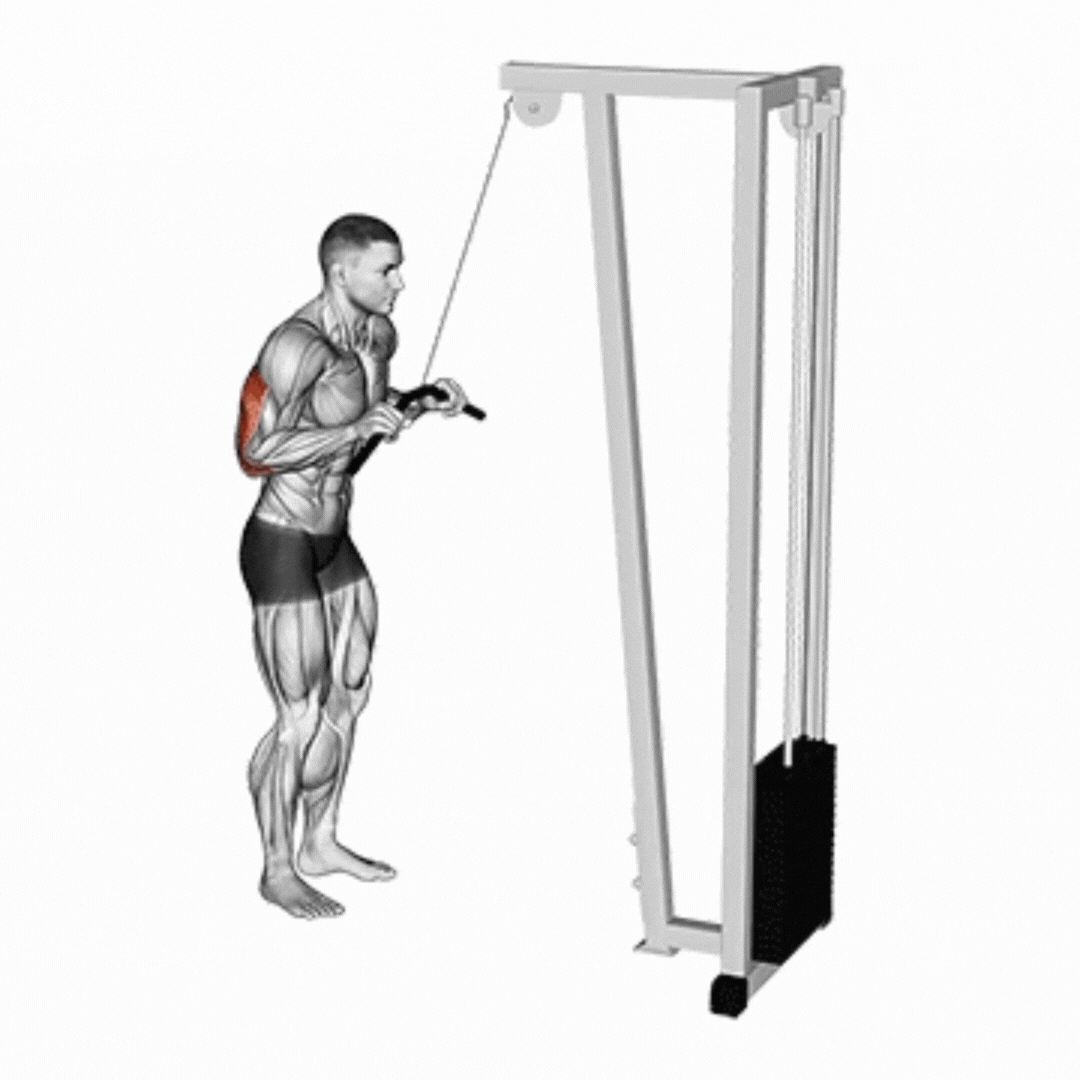
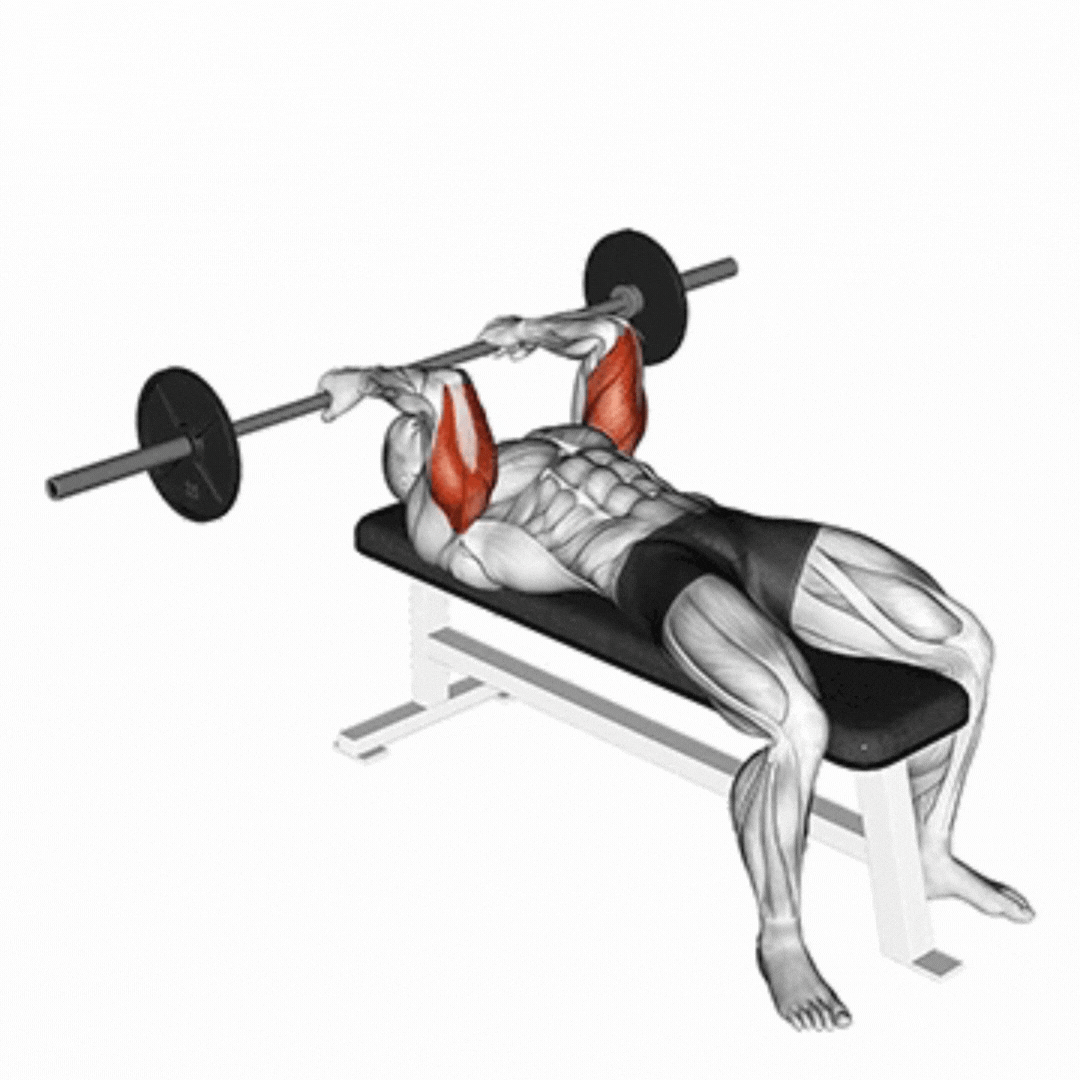
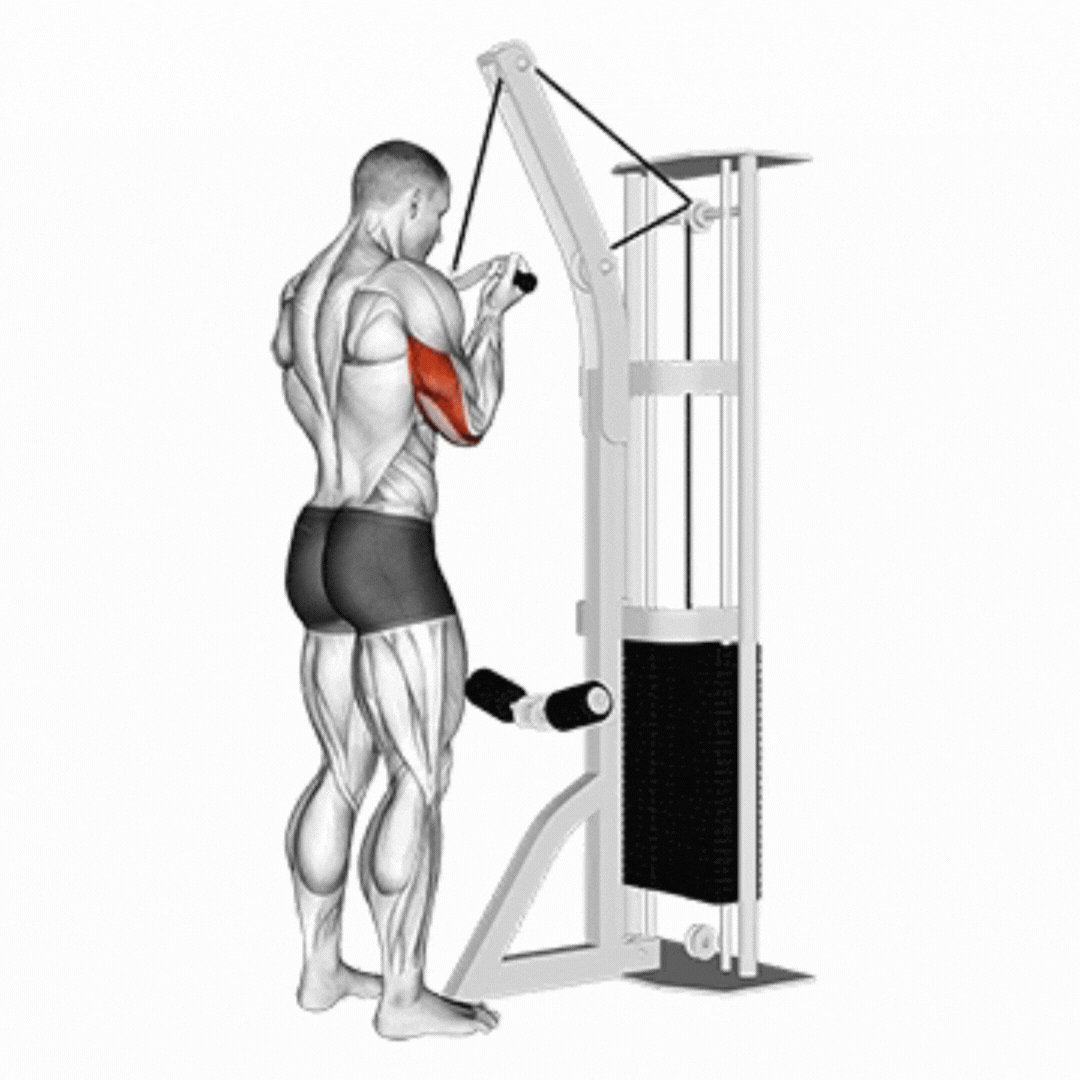
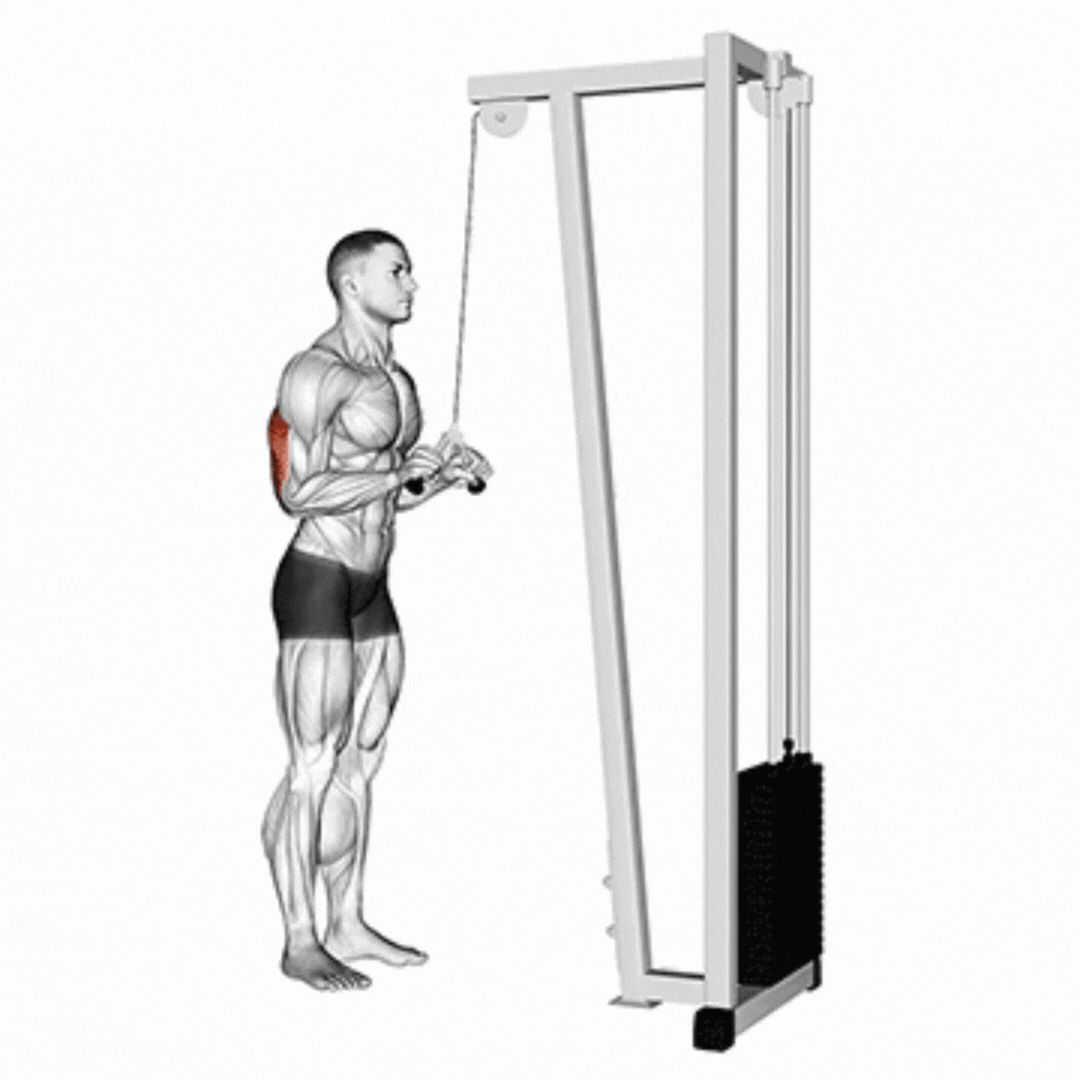
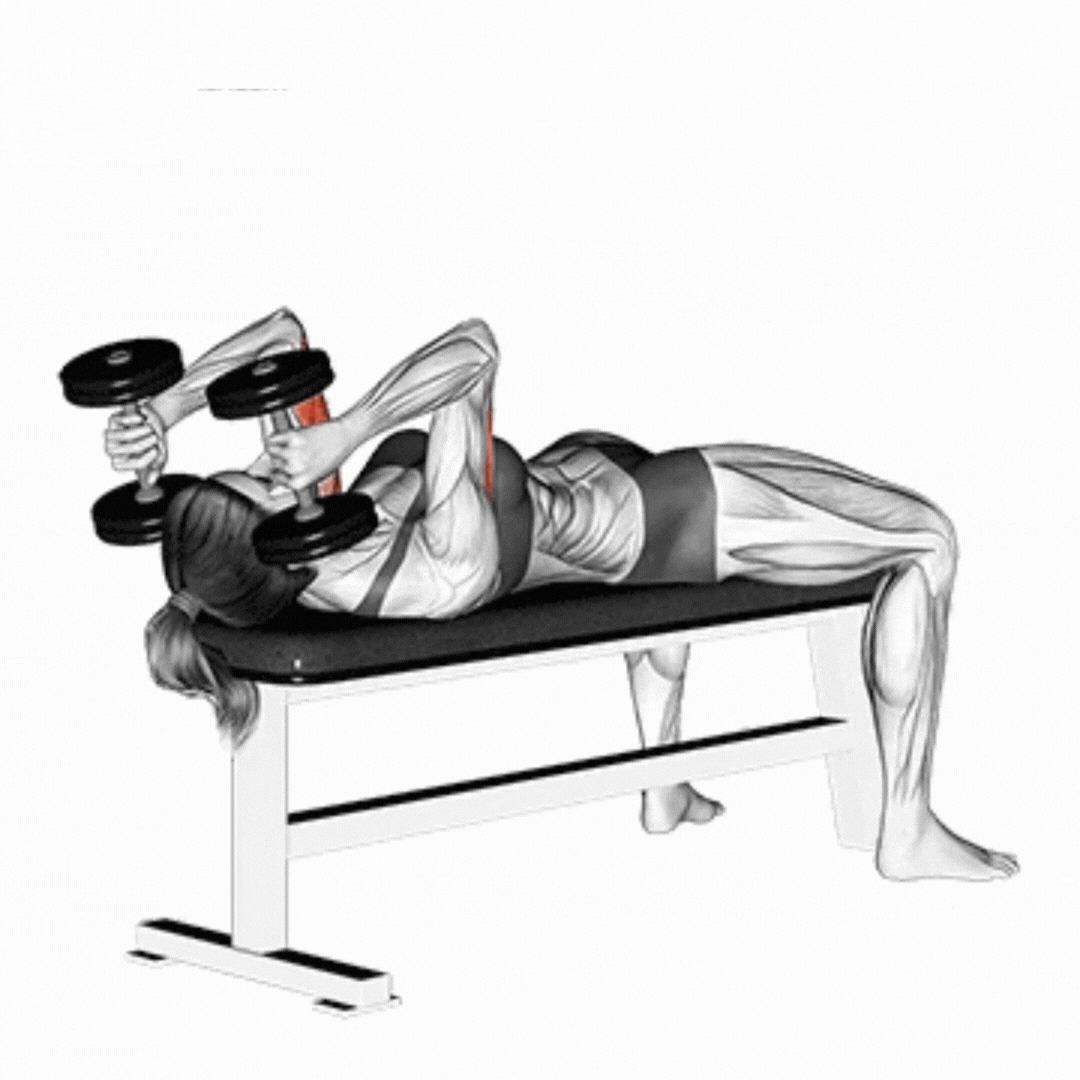
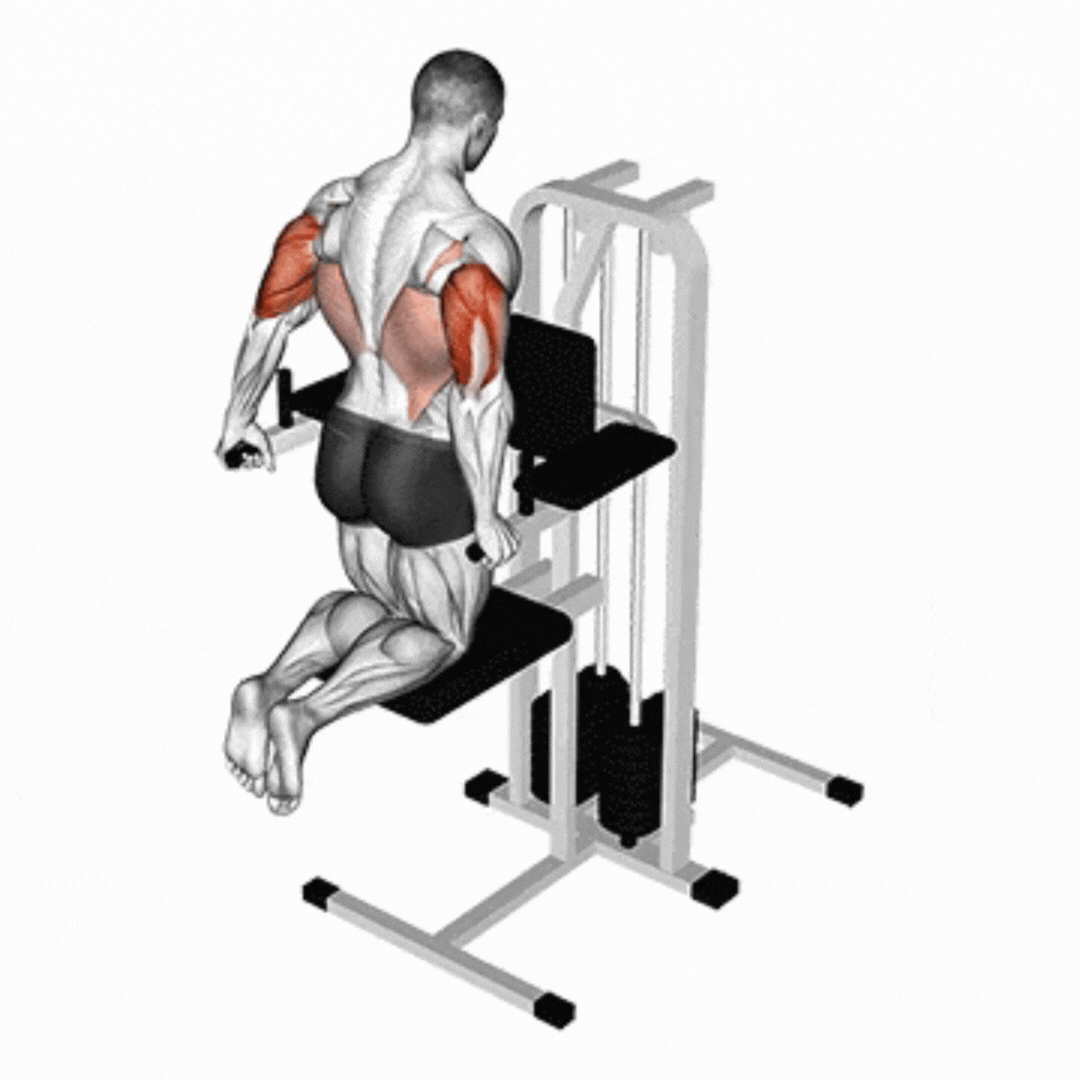
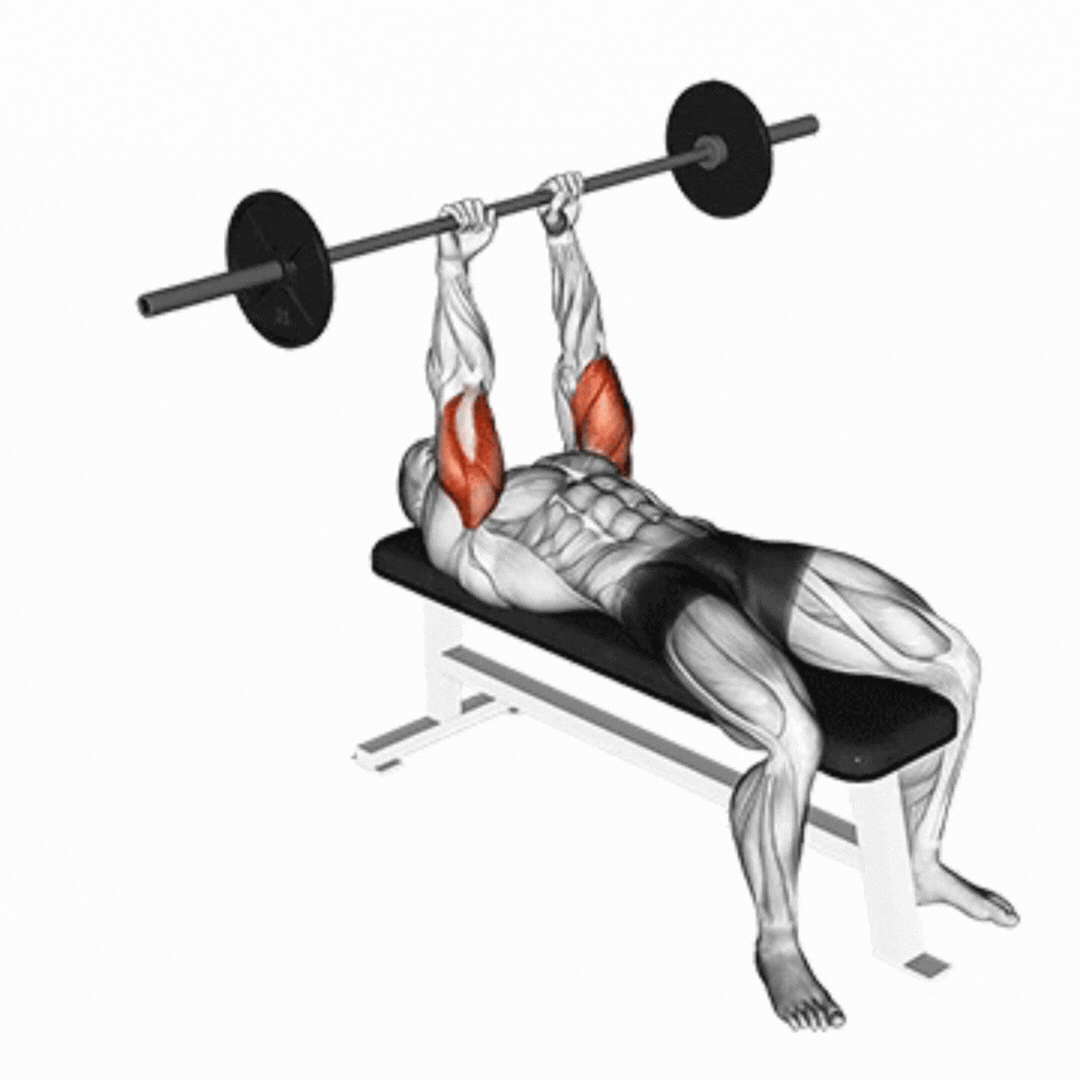
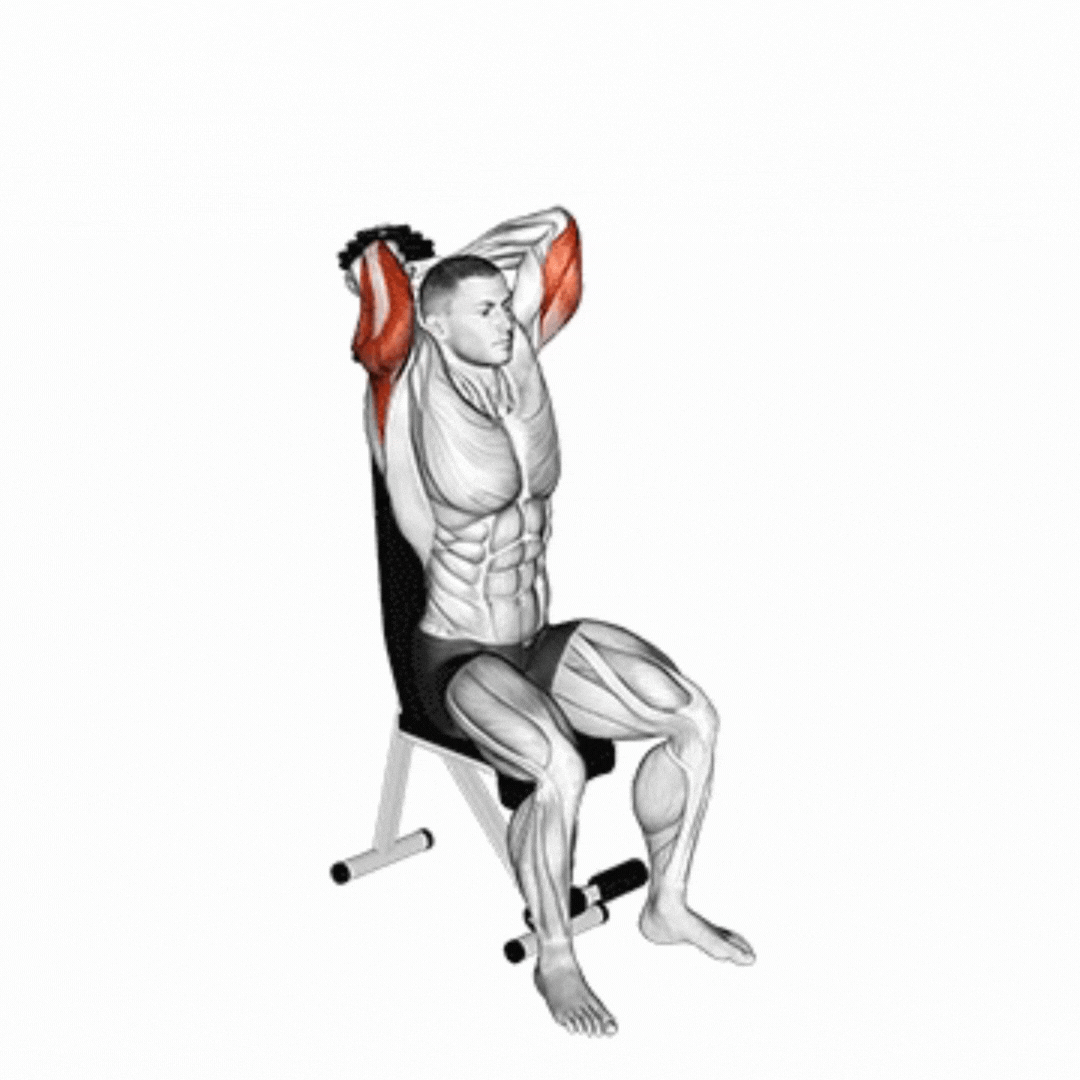
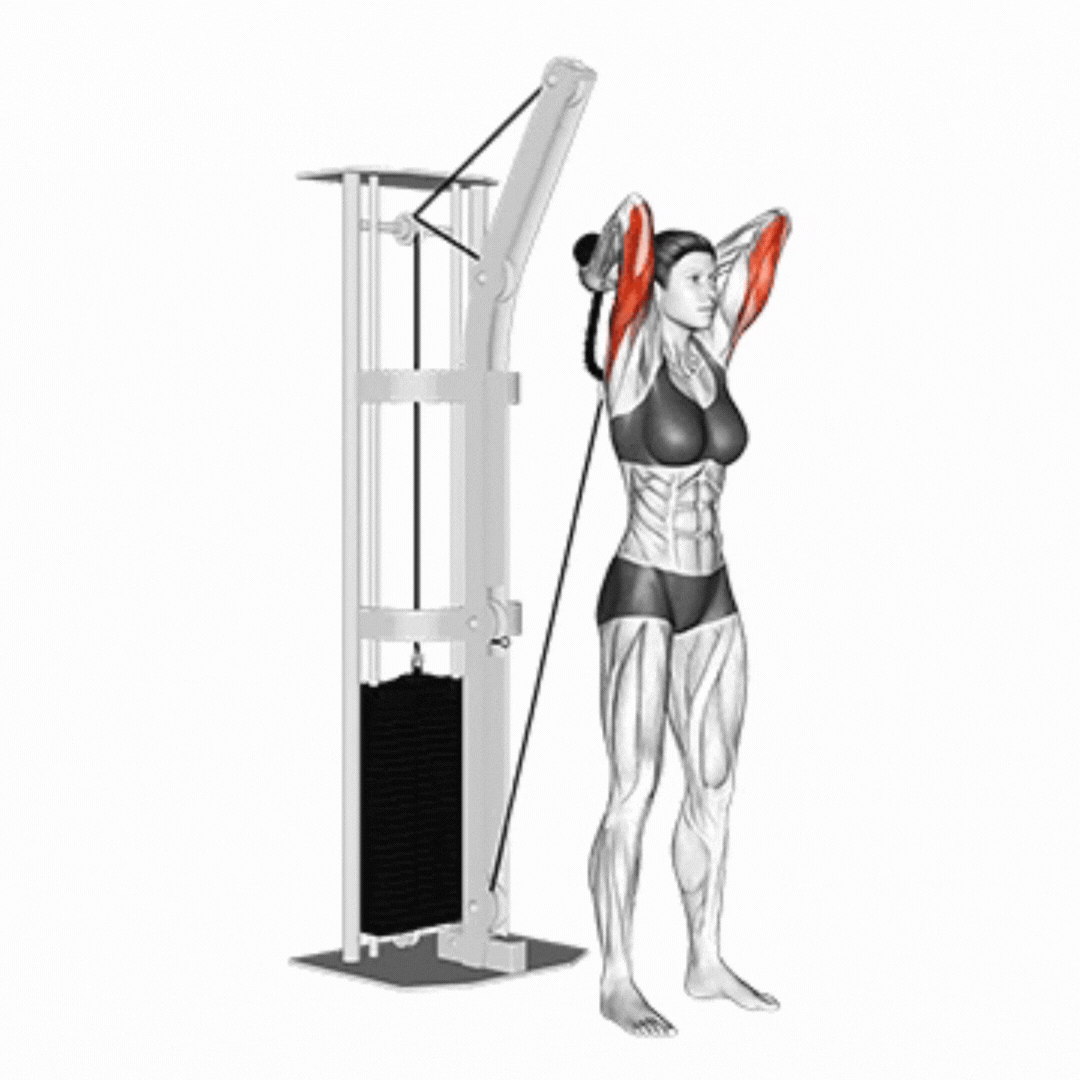
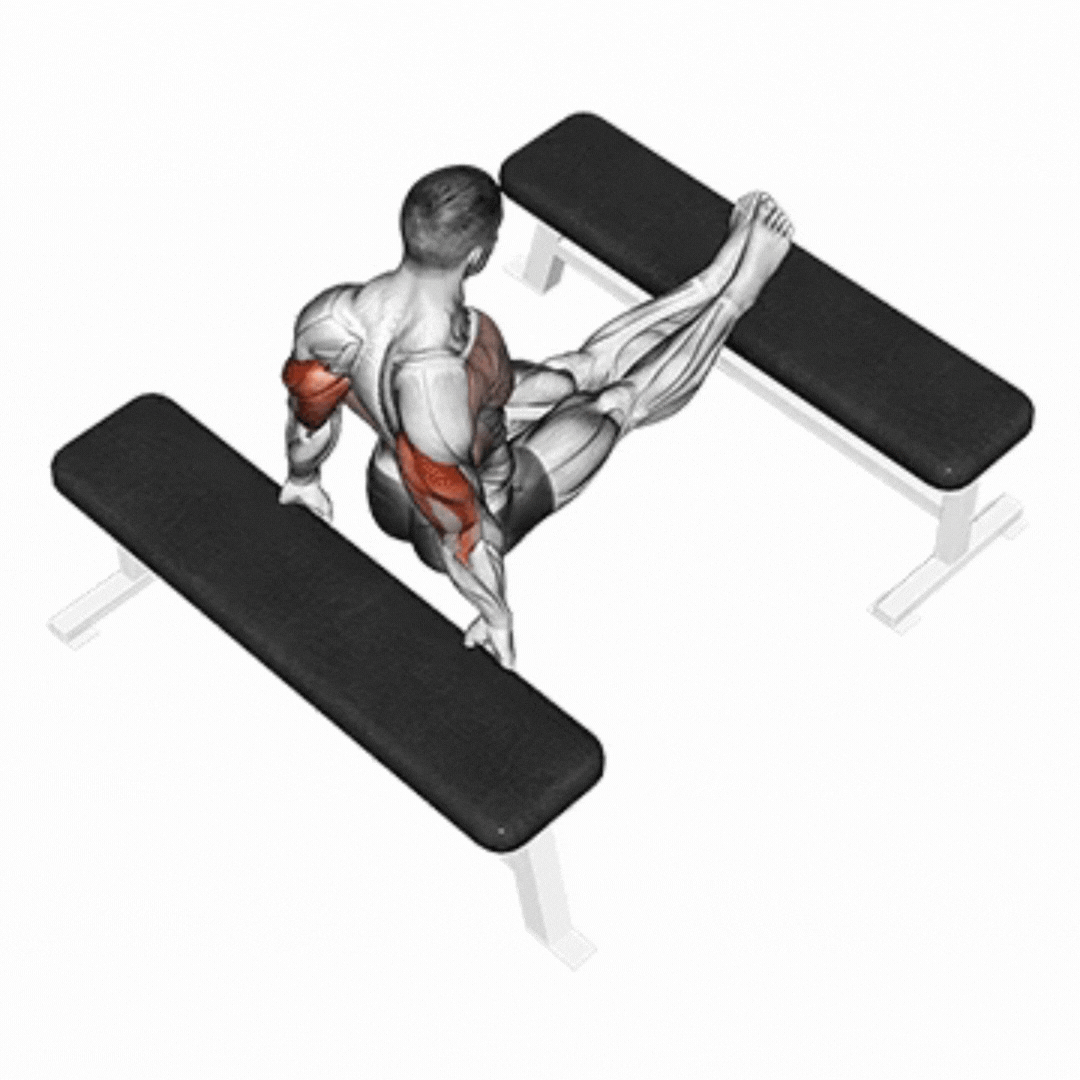
- ✓Shapes the lateral head of the triceps through isolation
- ✓Increases muscle definition and peak contraction
- ✓Provides effective isolation with light weight
- ✓Helps prevent sagging of the back of the arms