.gif)
Description
The Back Extension is a classic exercise performed using a hyperextension bench that isolates the lower back (erector spinae) muscles. The body is positioned face down on the bench, the hips are secured under the pad, and the torso is lowered before being raised by contracting the lower back. It works the erector spinae, gluteus maximus, and hamstring muscles. It is critical for lower back health, posture improvement, and functional strength. When performed regularly, it provides significant improvements in lower back hypertrophy and posture.
Back Extension How-To Guide
- 1
Position yourself face down on the hyperextension bench.
- 2
Secure your ankles under the footpads.
- 3
Position your hips at the edge of the bench, allowing your torso to hang freely downwards.
- 4
Cross your arms over your chest or place your hands behind your head.
- 5
Engage your core muscles.
- 6
Lower your torso downwards in a controlled manner.
- 7
Keep your back in a neutral position.
- 8
Raise your torso back up by squeezing your lower back and glute muscles.
- 9
At the top position, your torso should be parallel to the floor.
- 10
Avoid hyperextending your spine at the top.
- 11
Lower back down to the starting position in a controlled manner.
Key Points
- ✓Adjust the hyperextension bench correctly.
- ✓Maintain a neutral spine.
- ✓The movement should be driven by the lower back.
- ✓Do not hyperextend at the top of the movement.
- ✓Use a slow and controlled tempo.
Common Mistakes
- ✗Hyperextending at the top - increases the risk of lower back injury.
- ✗Performing the movement too fast - leads to a loss of control.
- ✗Rounding the back - places excessive strain on the spine.
- ✗Failing to secure the hips properly - compromises exercise form.
- ✗Inadequate range of motion - prevents full engagement of the lower back.
Breathing
Exhale as you raise your torso, inhale as you lower it.
Muscle Activation
Safety
Precautions
- Individuals with acute lower back pain or a herniated disc should avoid this exercise.
- Those with disc issues should consult a doctor before performing.
Safety Tips
- Practice your form with a light tempo first.
- Avoid hyperextending your lower back.
- Stop the exercise if your form breaks down.
Frequently Asked Questions
Which muscles does Back Extension work?
Back Extension primarily works these muscles: Alt sırt, Erector spinae. It also engages: Gluteus maximus, Hamstring, Core kasları.
Is Back Extension suitable for beginners?
Back Extension is a Beginner level exercise. Learning difficulty: Easy.
Can Back Extension be done at home?
Back Extension usually requires gym equipment, so it can be hard to do at home.
What are common mistakes when doing Back Extension?
One of the most common mistakes: Hyperextending at the top - increases the risk of lower back injury.
How many sets and reps for Back Extension?
Recommended: 3-4 sets and 12-15 reps.
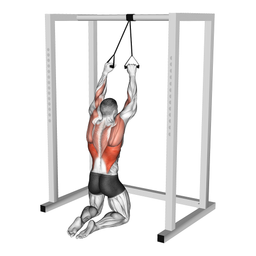
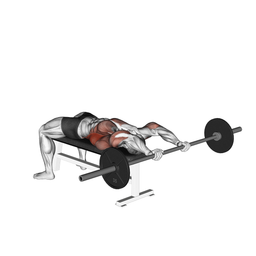
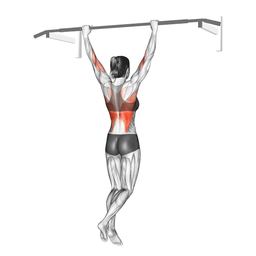
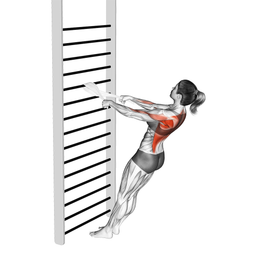
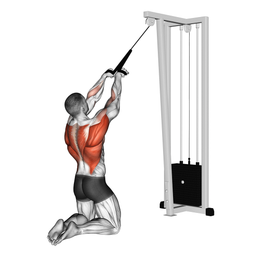
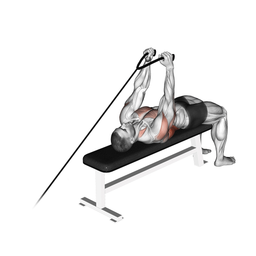
- ✓Isolates the lower back muscles.
- ✓Improves posture.
- ✓Supports lower back health.
- ✓Enhances deadlift performance.
- ✓Promotes erector spinae development.