.gif)
Description
Assisted Pull-up is an excellent introductory exercise for preparing for the classic pull-up movement. This exercise particularly targets the latissimus dorsi, trapezius, and rhomboid muscles. Thanks to the counterweight system provided by the machine, you can progress until you're ready to perform pull-ups with your own body weight. It is one of the most effective methods for increasing upper body pulling strength. It contributes to back width and the V-shaped appearance. Plays an important role in upper body development for both women and men.
Assisted Pull-up How-To Guide
- 1
Select the appropriate weight on the machine and hold the bar slightly wider than shoulder-width
- 2
Bring your body into a fully hanging position and engage your core muscles
- 3
Pull your chin up to bar level by drawing your elbows to the sides
- 4
Hold for one second at the top position and contract your back muscles
- 5
Return to the starting position in a controlled manner
- 6
Ensure your body does not swing throughout the movement
Key Points
- ✓Wide grip (palms facing outward) better targets the lat muscles
- ✓Pull your chest up and outward throughout the movement
- ✓Your elbows should come toward your chest, use your entire body not just arms
- ✓Don't fully extend arms on the way down, keep constant tension on muscles
- ✓Keep shoulders down, don't allow them to rise toward your ears
Common Mistakes
- ✗Using only arms, neglecting back muscles
- ✗Stopping halfway through the movement - doesn't achieve full range of motion
- ✗Swinging the body or using momentum - ineffective training
- ✗Raising shoulders up - risk of rotator cuff injury
- ✗Using too much weight - leads to form breakdown and injury
Breathing
Exhale while pulling up, inhale while lowering down. You should complete the exhalation at the most difficult point of the movement (at the top).
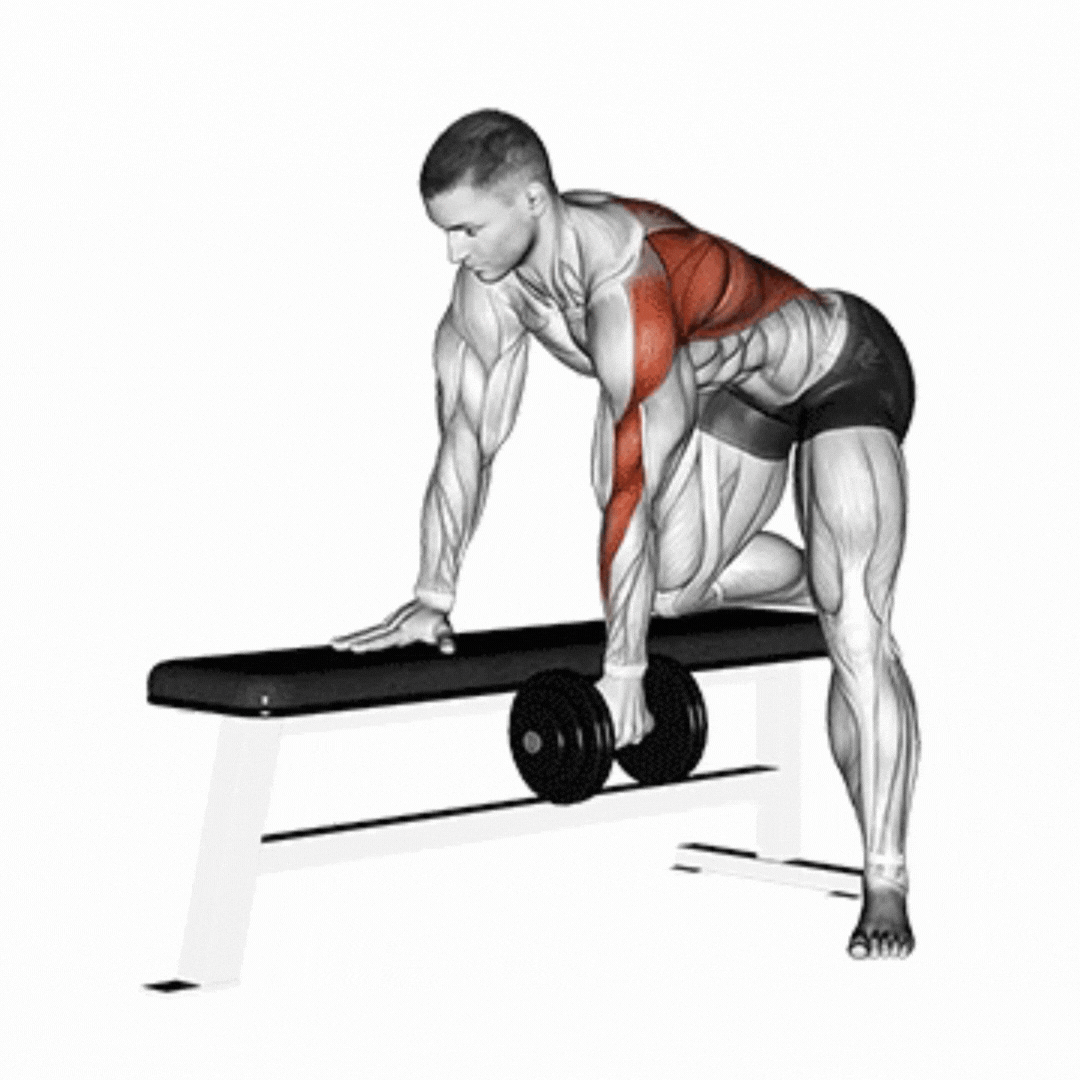
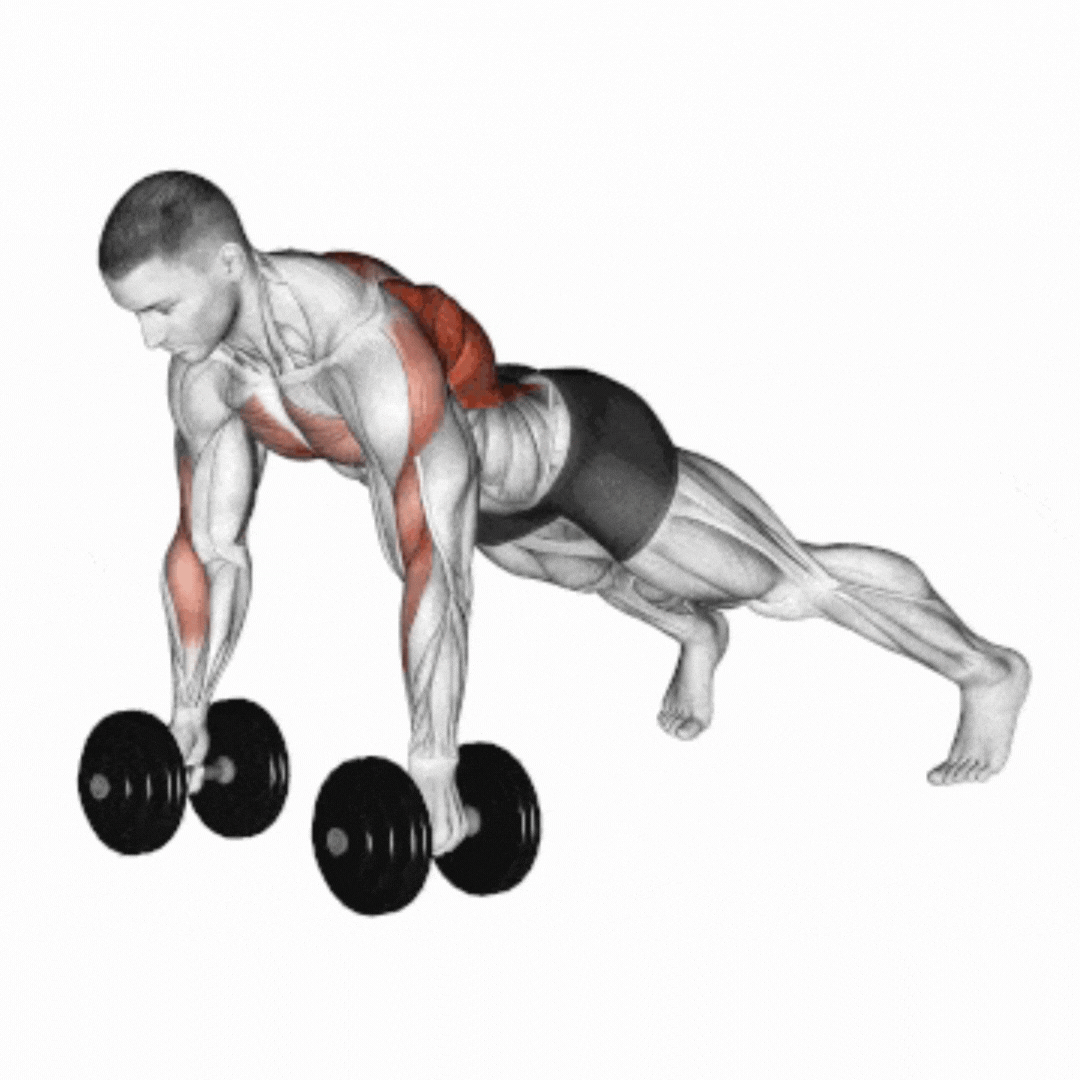
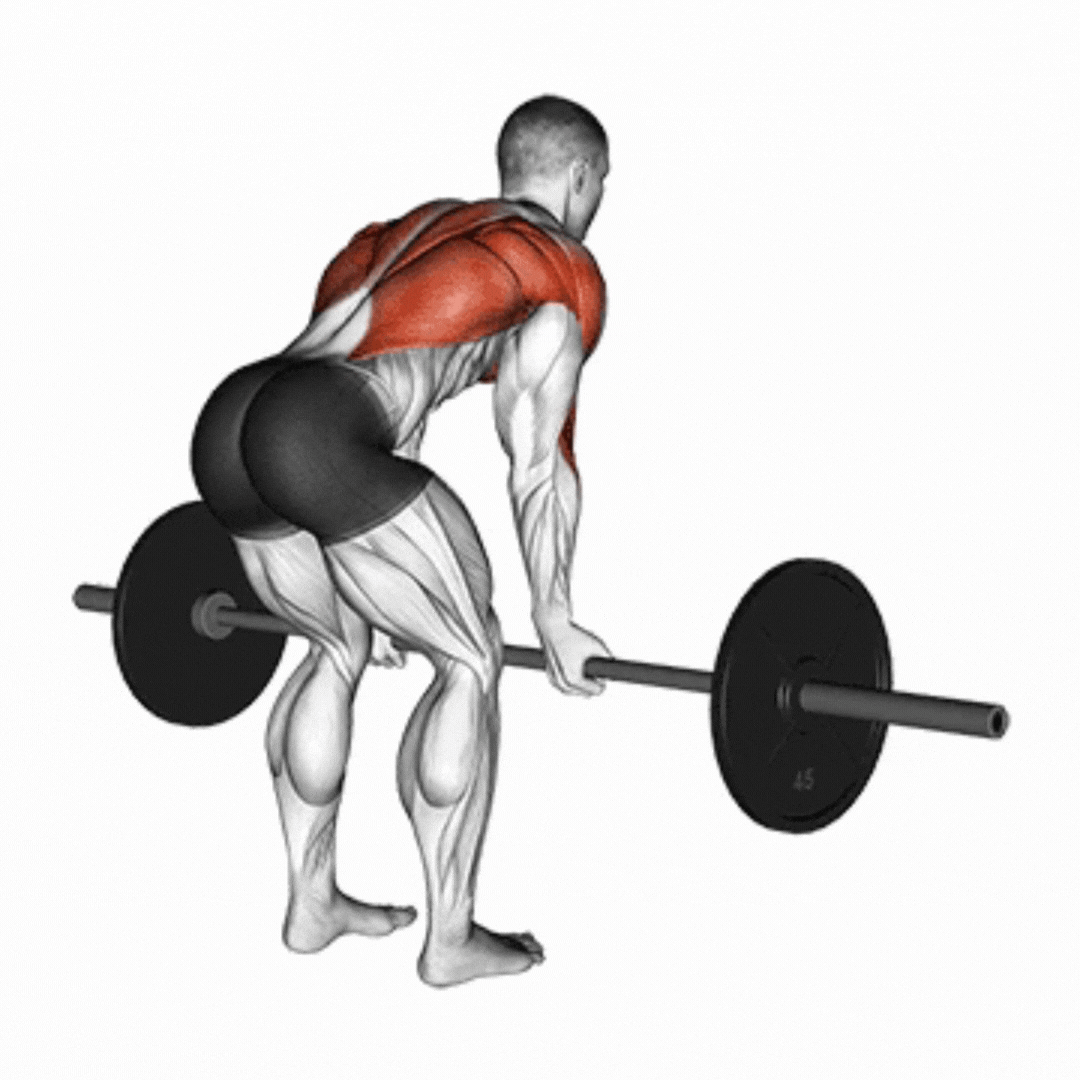
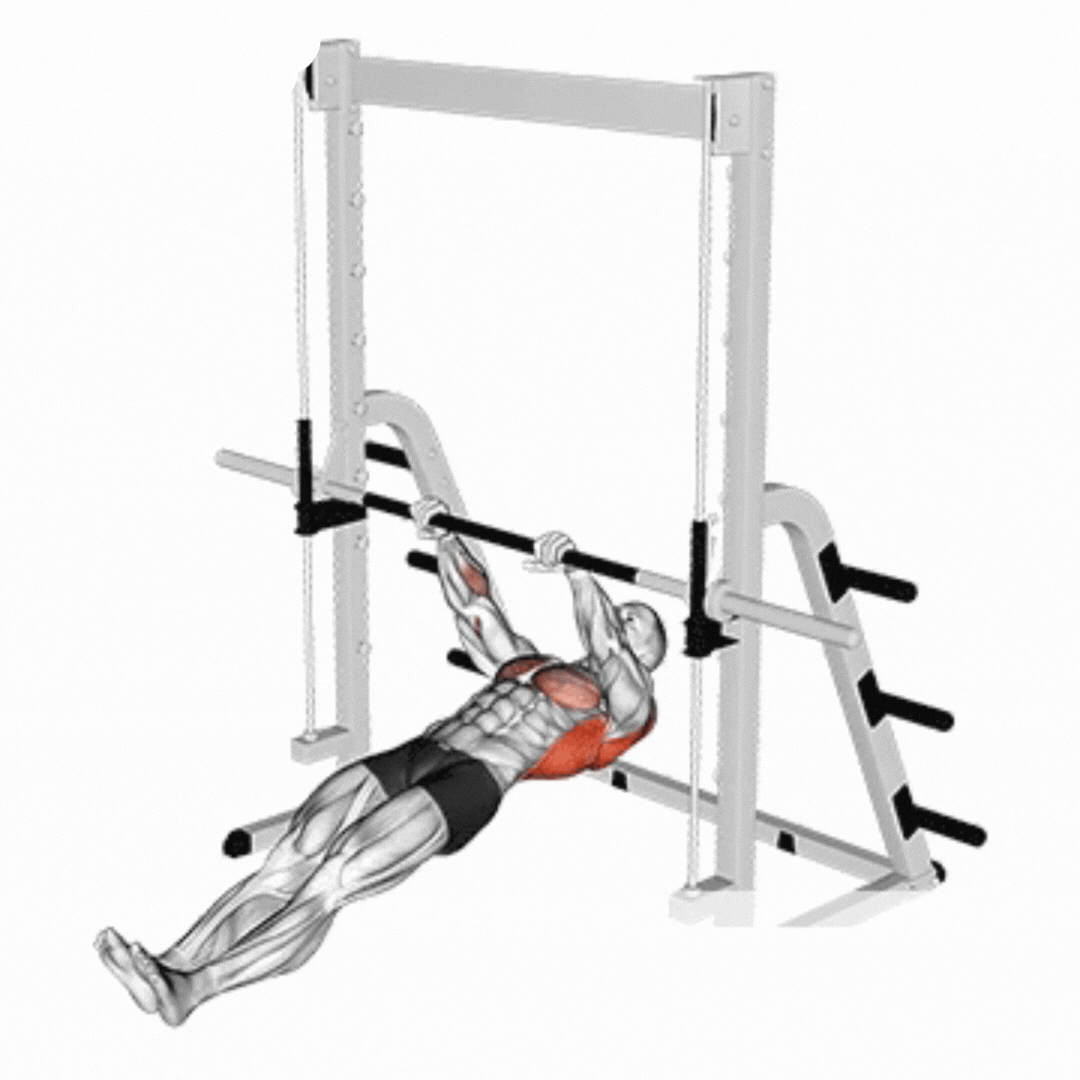
Muscle Activation
Safety
Precautions
- Those with shoulder impingement should be cautious
- If rotator cuff injury exists, start with light weight
- Those with wrist problems should adjust grip
- Those with severe shoulder pain should consult a doctor
Safety Tips
- Focus on full range of motion
- Lower down in a controlled manner
- Don't pull your shoulders toward your ears
- Keep your core muscles engaged
Frequently Asked Questions
Which muscles does Assisted Pull-up work?
Assisted Pull-up primarily works these muscles: Lats, Biceps. It also engages: Traps, Rhomboids, Forearms.
Is Assisted Pull-up suitable for beginners?
Assisted Pull-up is a Beginner level exercise. Learning difficulty: Easy.
Can Assisted Pull-up be done at home?
Assisted Pull-up usually requires gym equipment, so it can be hard to do at home.
What are common mistakes when doing Assisted Pull-up?
One of the most common mistakes: Using only arms, neglecting back muscles
How many sets and reps for Assisted Pull-up?
Recommended: 3-4 sets and 8-12 reps.
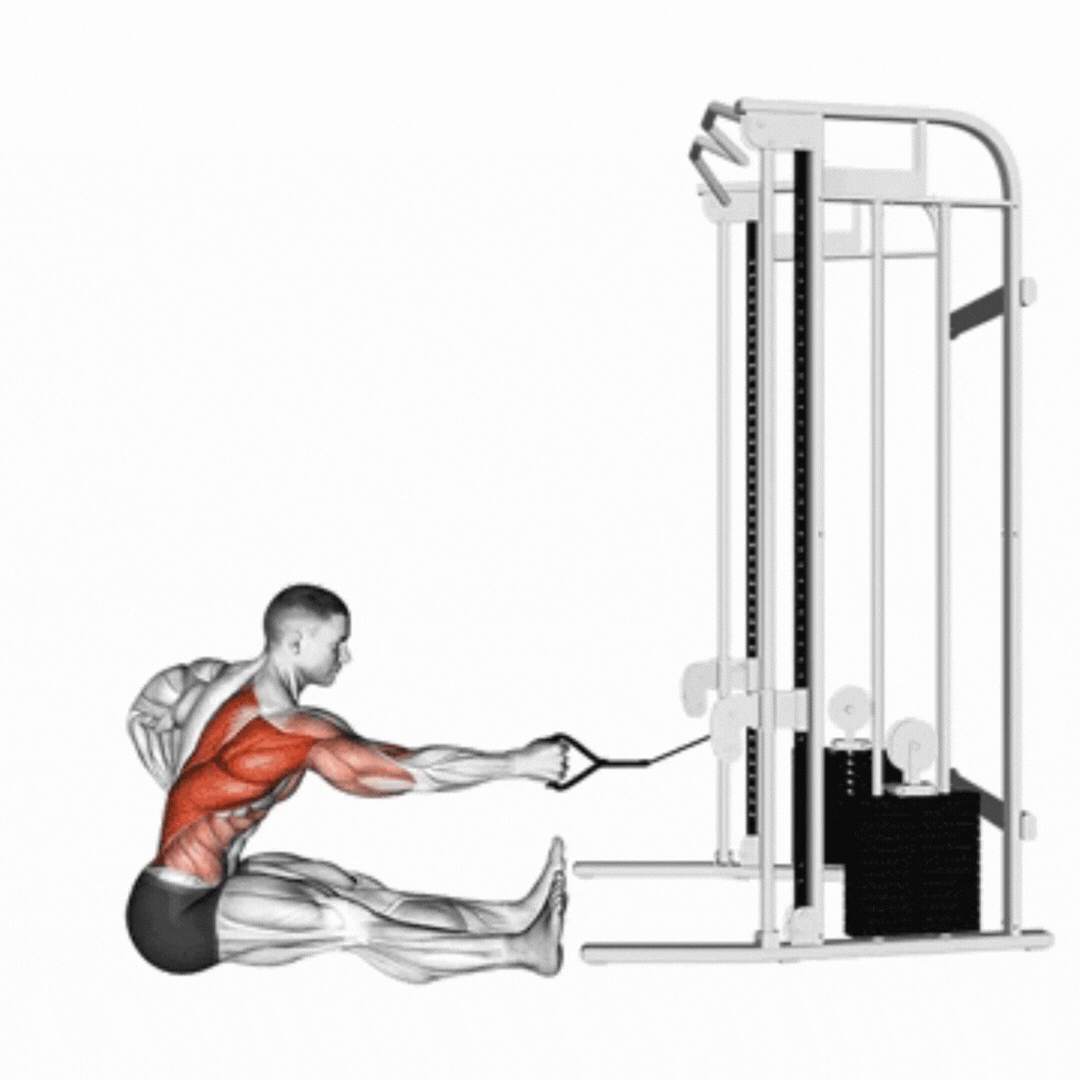
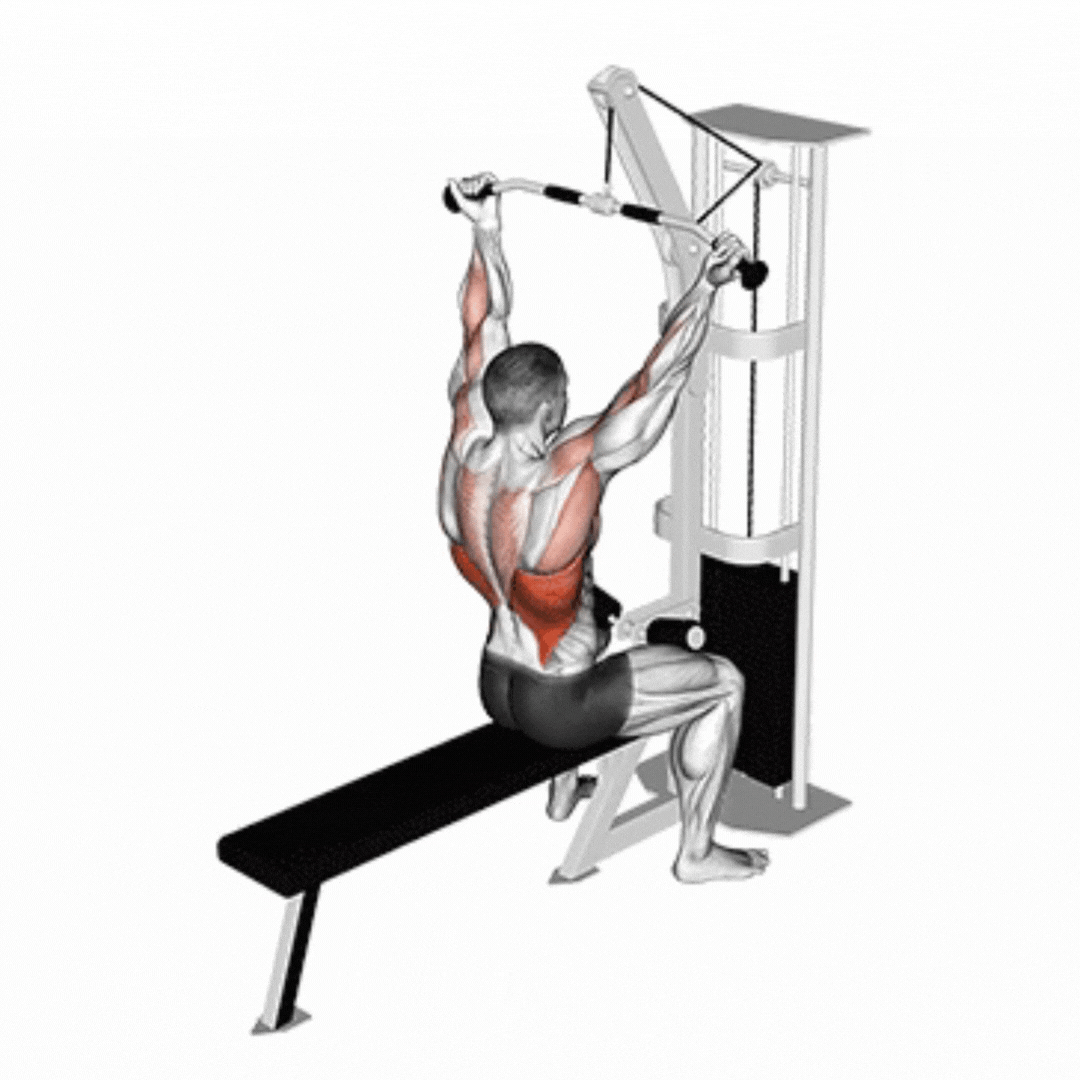
- ✓Effectively develops latissimus dorsi and back muscles
- ✓Increases upper body pulling strength
- ✓Develops pull-up ability
- ✓Strengthens core stabilization