.gif)
Description
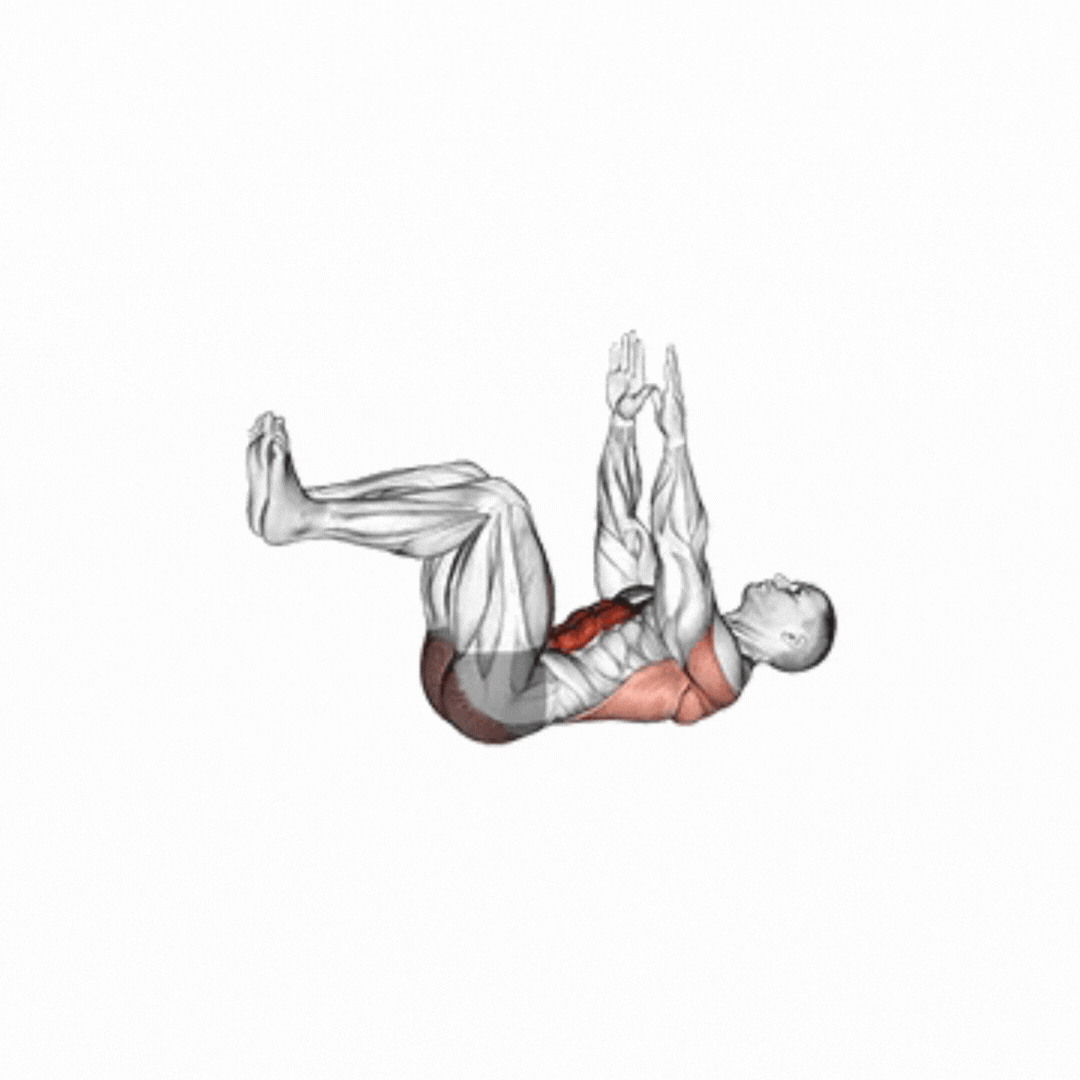
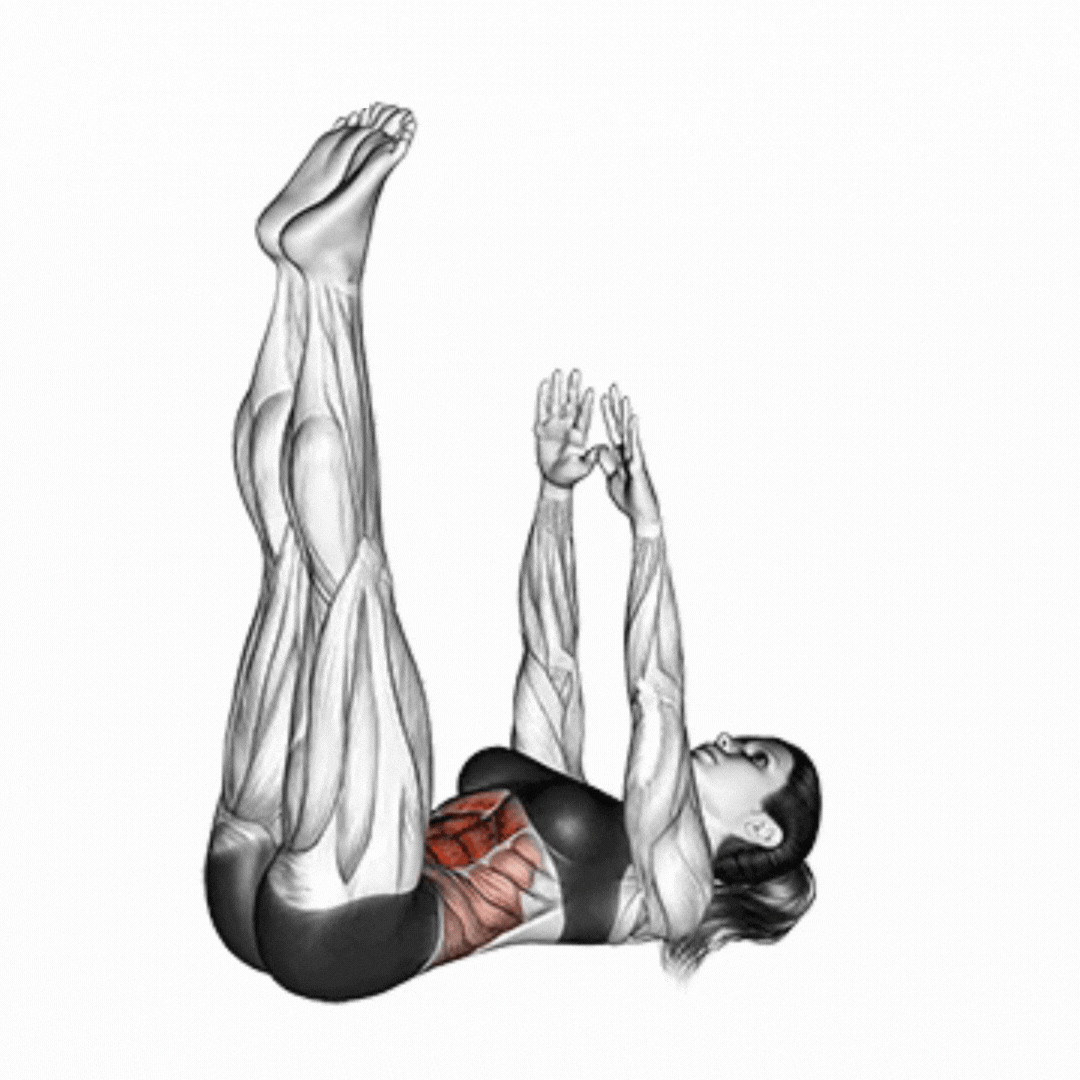
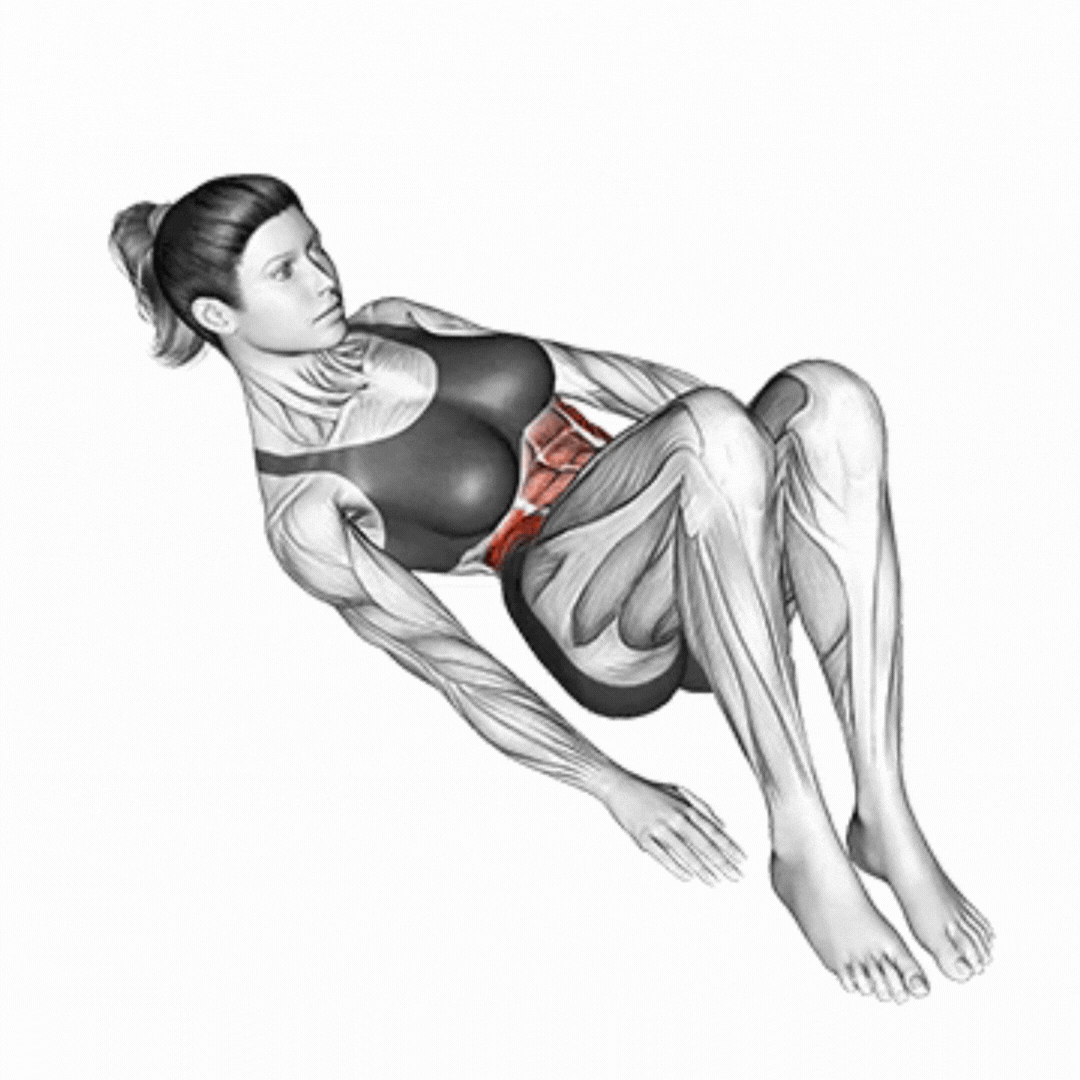
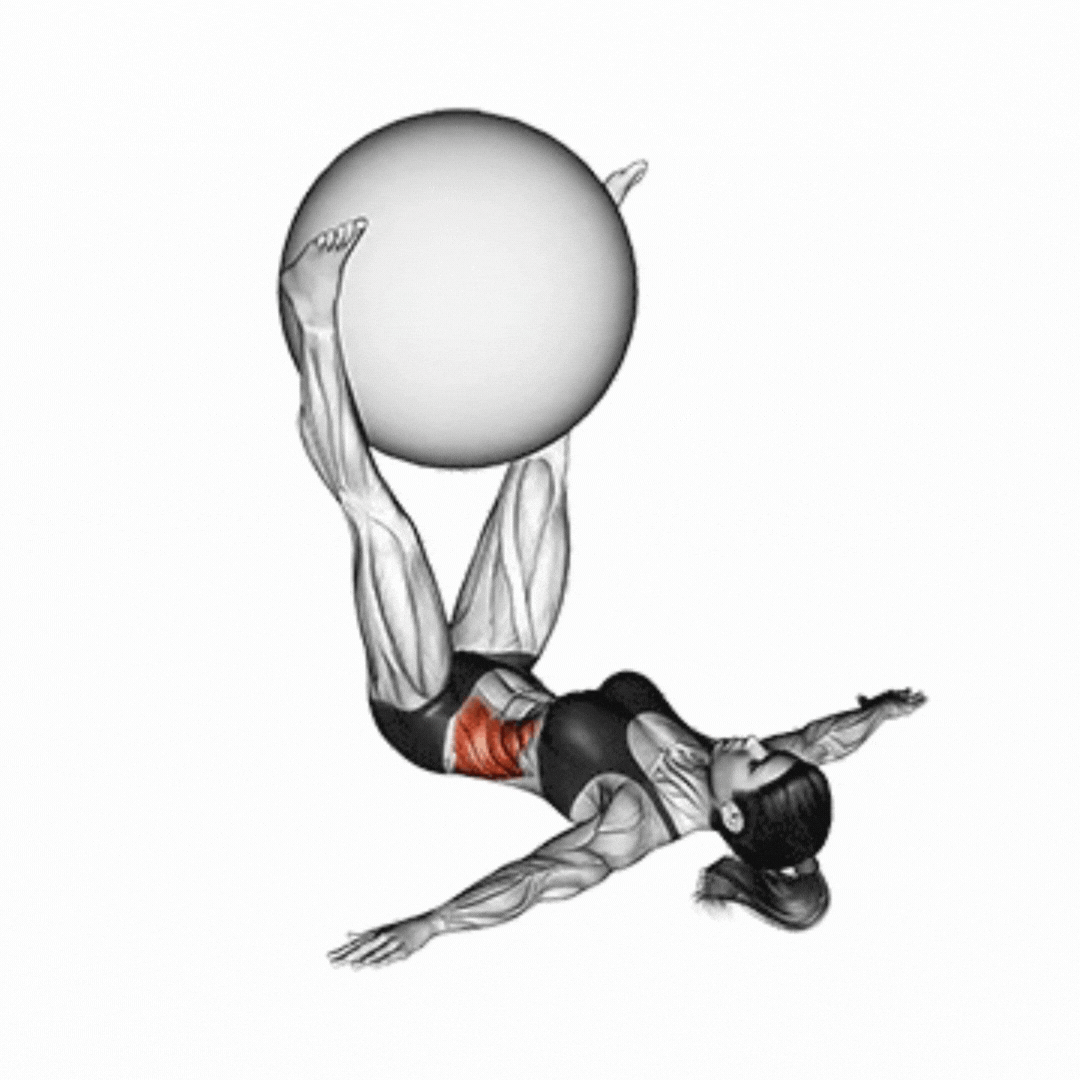
V-Up Down with Stability Ball is an advanced balance and strength exercise that works the entire core region. The use of a stability ball makes the movement more challenging and improves balance. This exercise simultaneously activates both upper and lower abdominal muscles. It is an excellent movement for functional strength and coordination. It develops core stabilization, balance, and muscular endurance all at once. For advanced athletes, it is an exercise that maximally challenges the abdominal muscles.
V-Up Down with Stability Ball How-To Guide
- 1
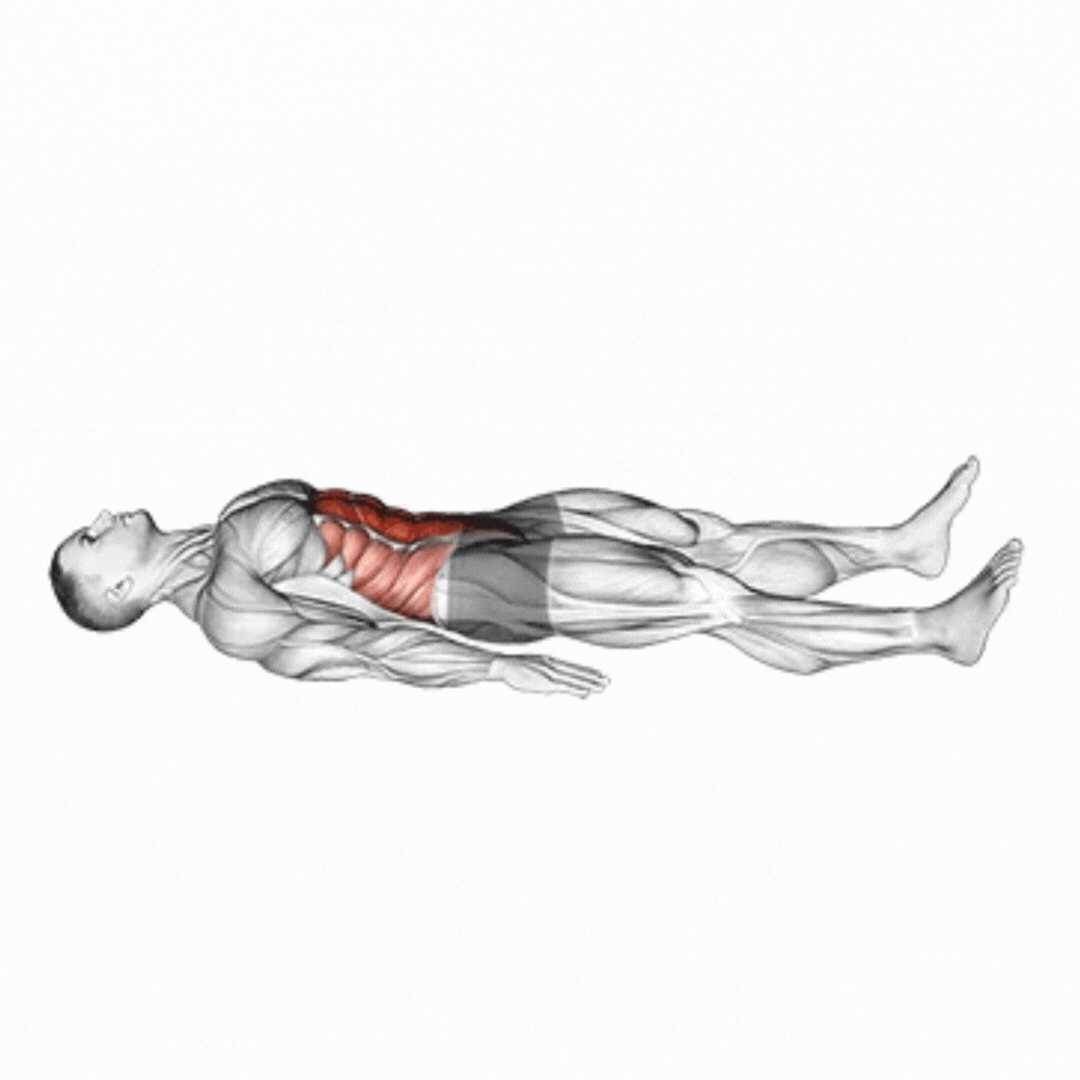
Lie on your back with your arms extended above your head and squeeze the ball between your feet
- 2
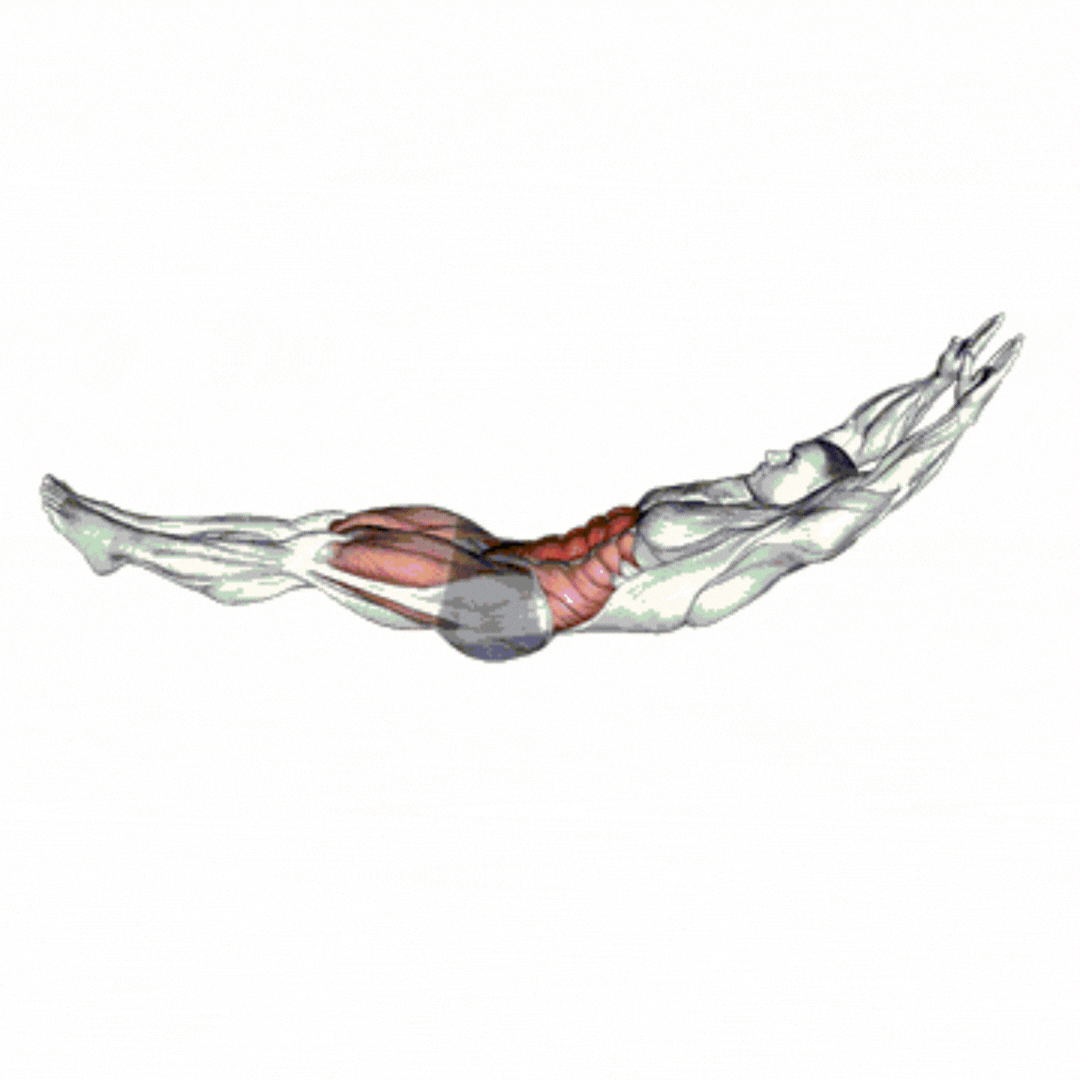
Using your abdominal muscles, lift both your upper body and legs simultaneously
- 3
When you reach the V position, transfer the ball to your hands
- 4
Return to the starting position in a controlled manner, this time keeping the ball in your hands
- 5
Return to the V position again and pass the ball back to your feet
- 6
Throughout the movement, do not lift your back completely off the floor, only lift the shoulder blades
Key Points
- ✓Place the stability ball at the center of your back
- ✓Extend your arms above your head or clasp them at your chest
- ✓Lift your torso and legs simultaneously to create the V shape
- ✓Maximally contract your abdominal muscles at the top of the movement
- ✓Return to the starting position slowly and with control
Common Mistakes
- ✗Performing the movement with momentum - works abdominal muscles less
- ✗Straining the neck - do not pull your head with your hands
- ✗Unable to keep the ball balanced - decreases core stabilization
- ✗Keeping legs straight - increases difficulty level, may be bent for beginners
- ✗Holding breath - reduces performance
Breathing
Exhale while moving up (into V position), inhale while lowering down.
Muscle Activation
Safety
Precautions
- Those with herniated discs or chronic lower back pain should not perform
- Those with balance problems should be careful with a stability ball
- Those with shoulder instability should be careful during ball transfer
- Those who have had abdominal surgery should get doctor approval
Safety Tips
- Master the V-Up movement without a ball first, then progress to using the ball
- Perform the movement slowly and with control, do not lose your balance
- Keep your abdominal muscles tight when lifting your lower back off the floor
- Stop the movement without losing form when you become fatigued
Frequently Asked Questions
Which muscles does V-Up Down with Stability Ball work?
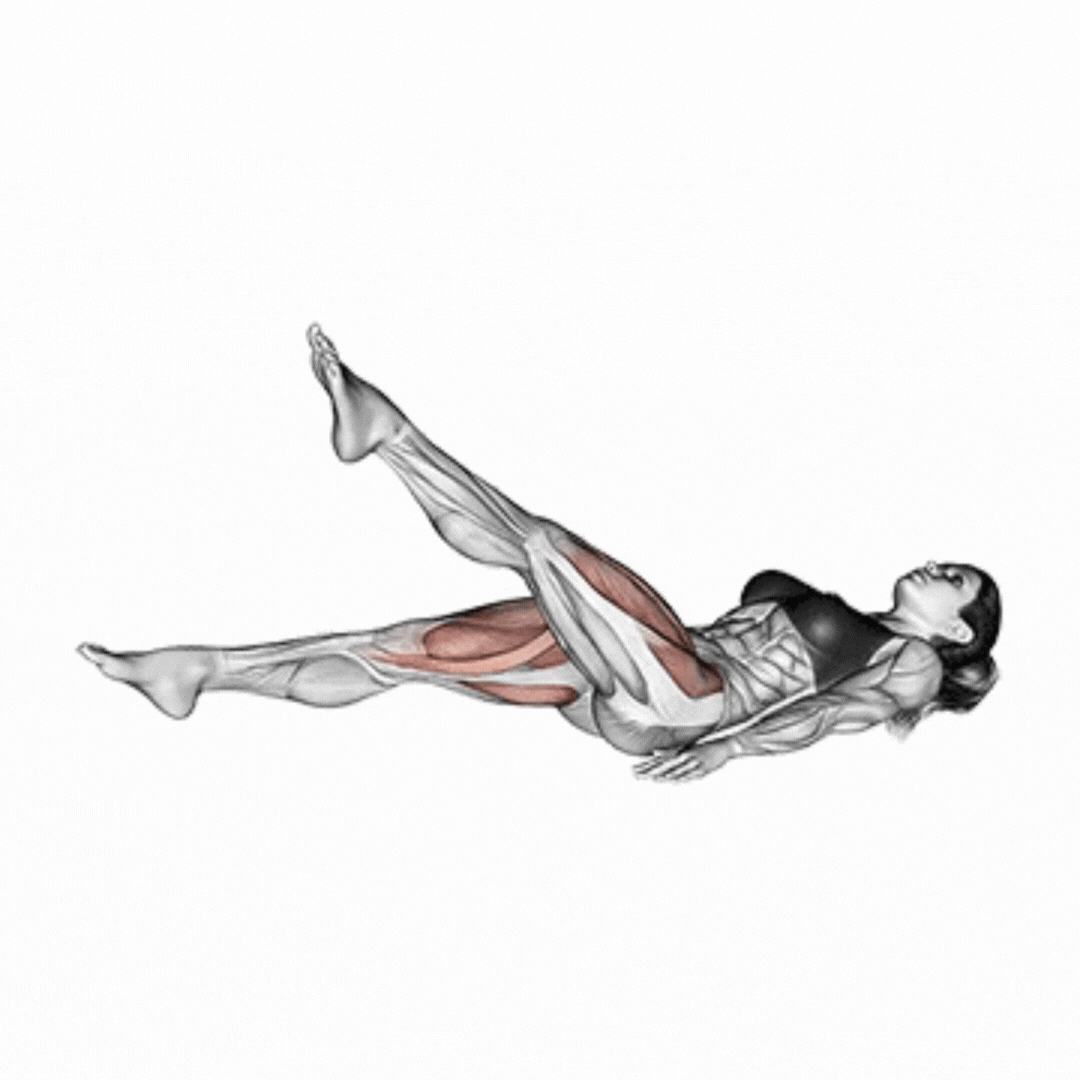
V-Up Down with Stability Ball primarily works these muscles: Rectus abdominis, Hip flexors. It also engages: Obliques, Quadriceps.
Is V-Up Down with Stability Ball suitable for beginners?
V-Up Down with Stability Ball is a Intermediate level exercise. Learning difficulty: Moderate.
Can V-Up Down with Stability Ball be done at home?
Yes, V-Up Down with Stability Ball can easily be done at home.
What are common mistakes when doing V-Up Down with Stability Ball?
One of the most common mistakes: Performing the movement with momentum - works abdominal muscles less
How many sets and reps for V-Up Down with Stability Ball?
Recommended: 3-5 sets and 6-10 reps.
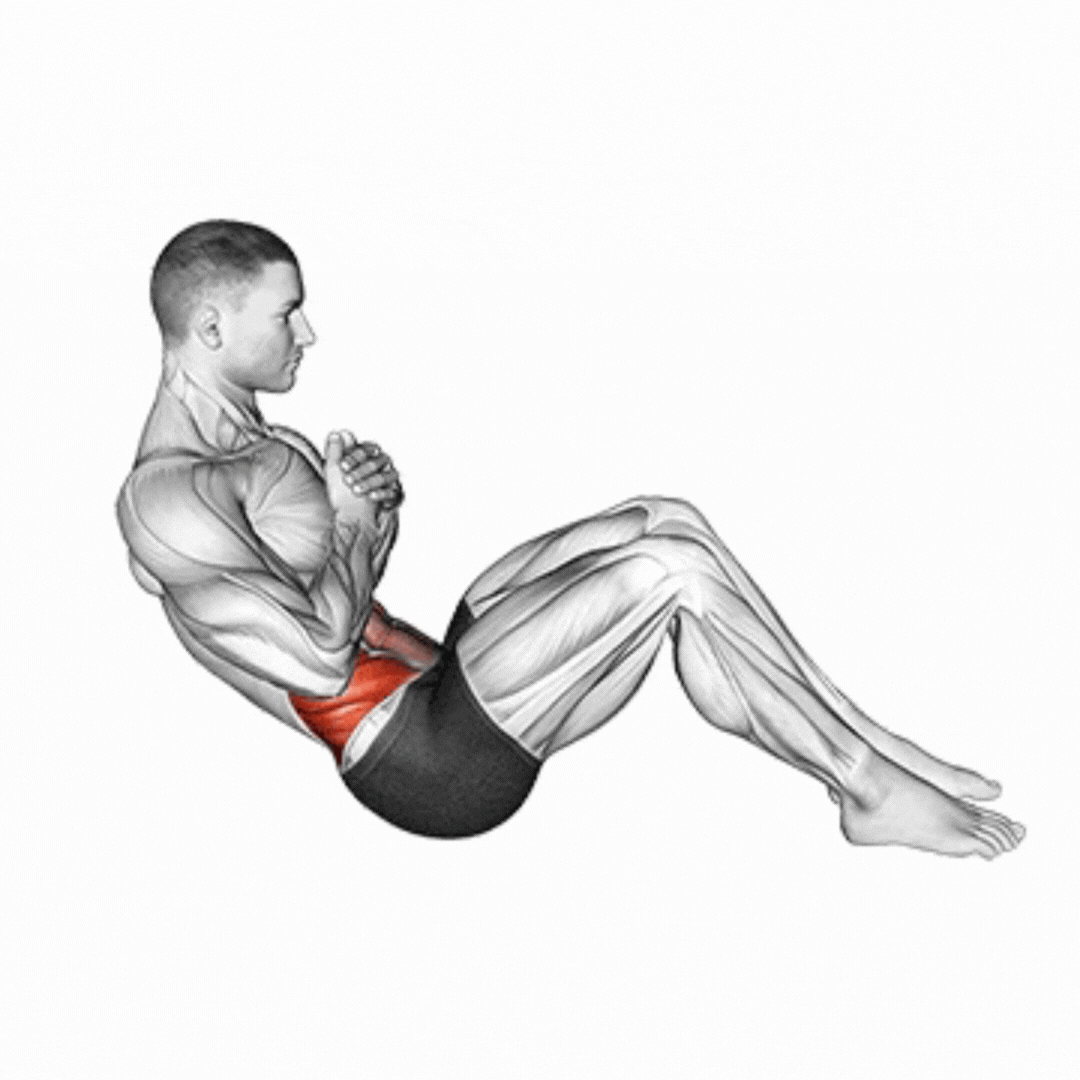
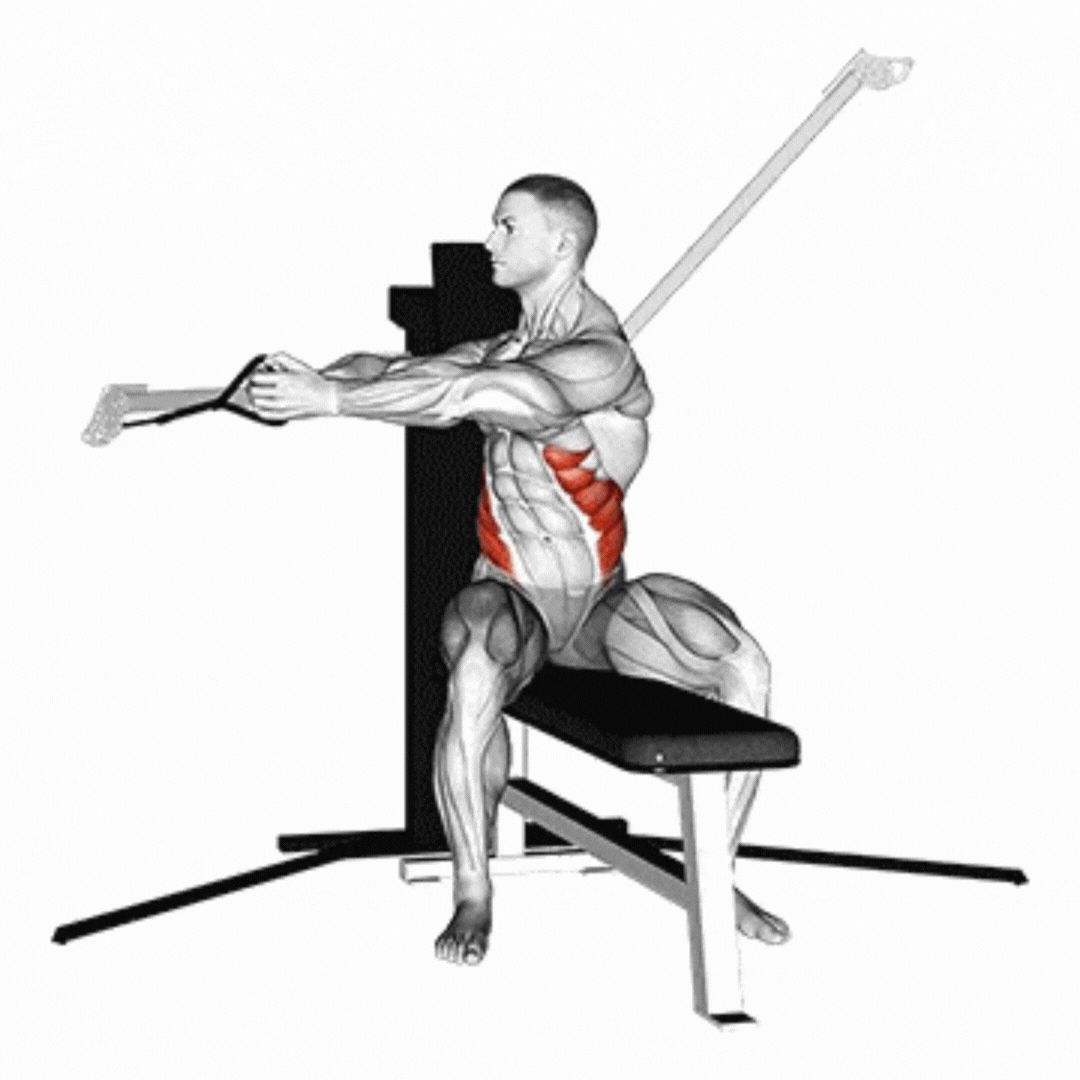
- ✓Works the entire abdominal region with a compound movement
- ✓Develops core strength and stabilization
- ✓Increases coordination and balance ability
- ✓Builds functional abdominal strength