.gif)
Description
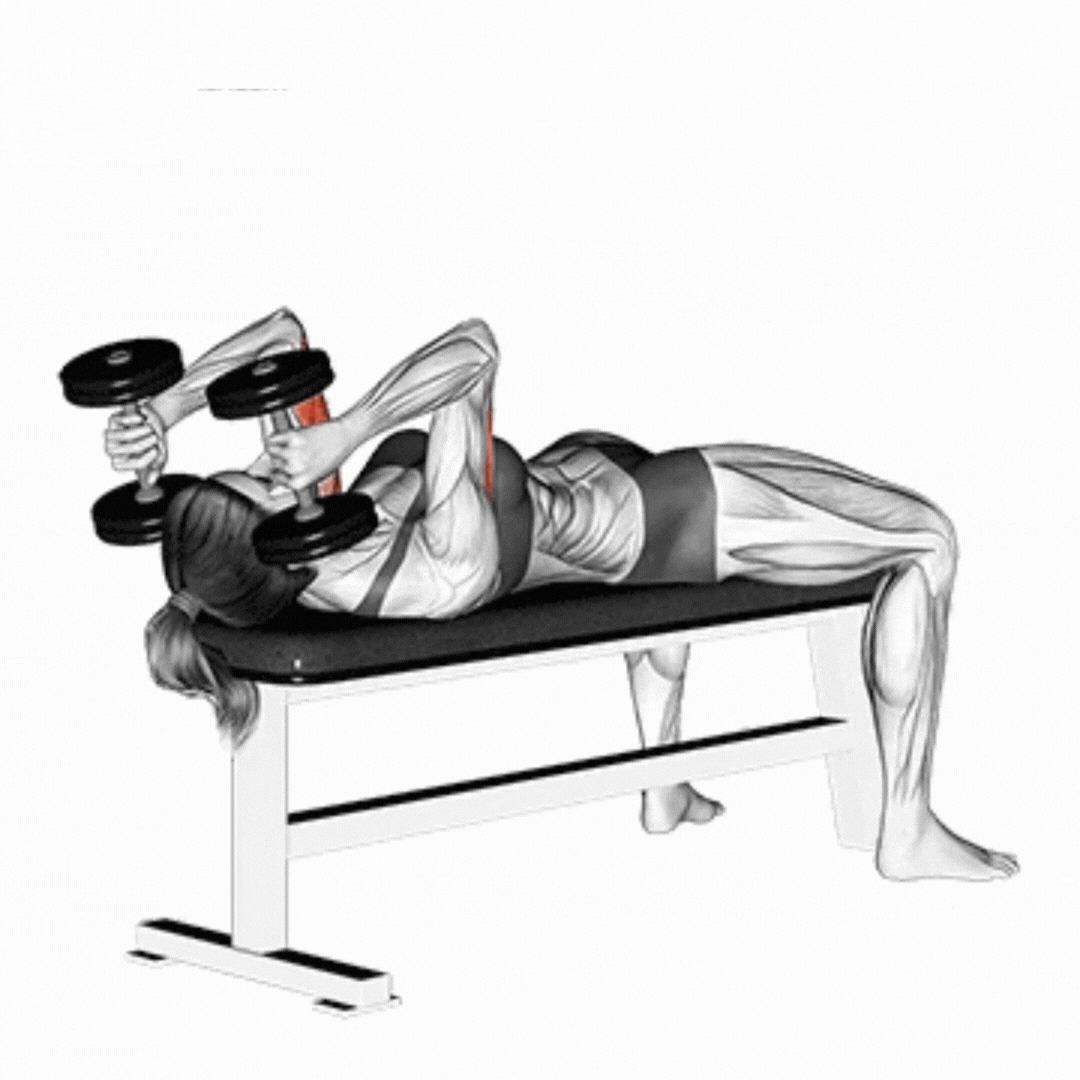
Triceps Overhead Extensions are a classic isolation exercise that maximizes the stretch and activation of the triceps, particularly the long head, by extending the arms overhead. It can be performed standing or seated. While keeping the upper arms vertical next to the head, only the elbows are bent to lower the dumbbell behind the head. This position places the long head of the triceps under a full stretch, maximizing the hypertrophy effect. It works all three heads of the triceps but focuses heavily on the long head. It can be performed with a dumbbell, barbell, or cable. When done regularly, it provides significant improvements in triceps long head hypertrophy, back-of-arm thickness, and overall triceps strength.
Triceps Overhead Extensions How-To Guide
- 1
Start by standing or sitting on a bench.
- 2
Hold a single dumbbell vertically at chest level with both hands (palms facing up, supporting one end of the dumbbell).
- 3
Alternatively, hold the dumbbell overhead with both hands.
- 4
Raise the dumbbell overhead until your arms are fully extended.
- 5
Keep your upper arms vertical and close to your ears.
- 6
Keep your back straight and brace your core.
- 7
Lower the dumbbell behind your head by bending only your elbows.
- 8
Feel a deep stretch in your triceps (especially the long head).
- 9
Squeeze your triceps to press the dumbbell back up to the starting position.
- 10
Squeeze the triceps hard at the top position.
Key Points
- ✓Keep your upper arms vertical and close to your ears.
- ✓Only the elbows should bend.
- ✓Use a full range of motion (deep stretch).
- ✓Keep your back straight and core tight.
- ✓Squeeze the triceps at the top.
Common Mistakes
- ✗Flaring the upper arms out - loses the triceps stretch.
- ✗Arching the back - strains the lower back.
- ✗Choosing a dumbbell that is too heavy - compromises form.
- ✗Inadequate range of motion - fails to fully engage the long head.
- ✗Locking out the elbows harshly - causes joint stress.
Breathing
Inhale as you lower the weight, exhale as you press it up.
Muscle Activation
Safety
Precautions
- Those with acute shoulder injuries should be cautious.
- Those with acute elbow injuries should avoid this exercise.
- Those with wrist injuries should be cautious.
Safety Tips
- Start with a light dumbbell.
- Improve shoulder mobility with a proper warm-up.
- Keep your back straight.
- Stop the exercise if your form breaks down.
Frequently Asked Questions
Which muscles does Triceps Overhead Extensions work?
Triceps Overhead Extensions primarily works these muscles: Triceps. It also engages: Ön Omuz, Core kasları.
Is Triceps Overhead Extensions suitable for beginners?
Triceps Overhead Extensions is a Beginner level exercise. Learning difficulty: Easy.
Can Triceps Overhead Extensions be done at home?
Yes, Triceps Overhead Extensions can easily be done at home.
What are common mistakes when doing Triceps Overhead Extensions?
One of the most common mistakes: Flaring the upper arms out - loses the triceps stretch.
How many sets and reps for Triceps Overhead Extensions?
Recommended: 3-4 sets and 10-15 reps.
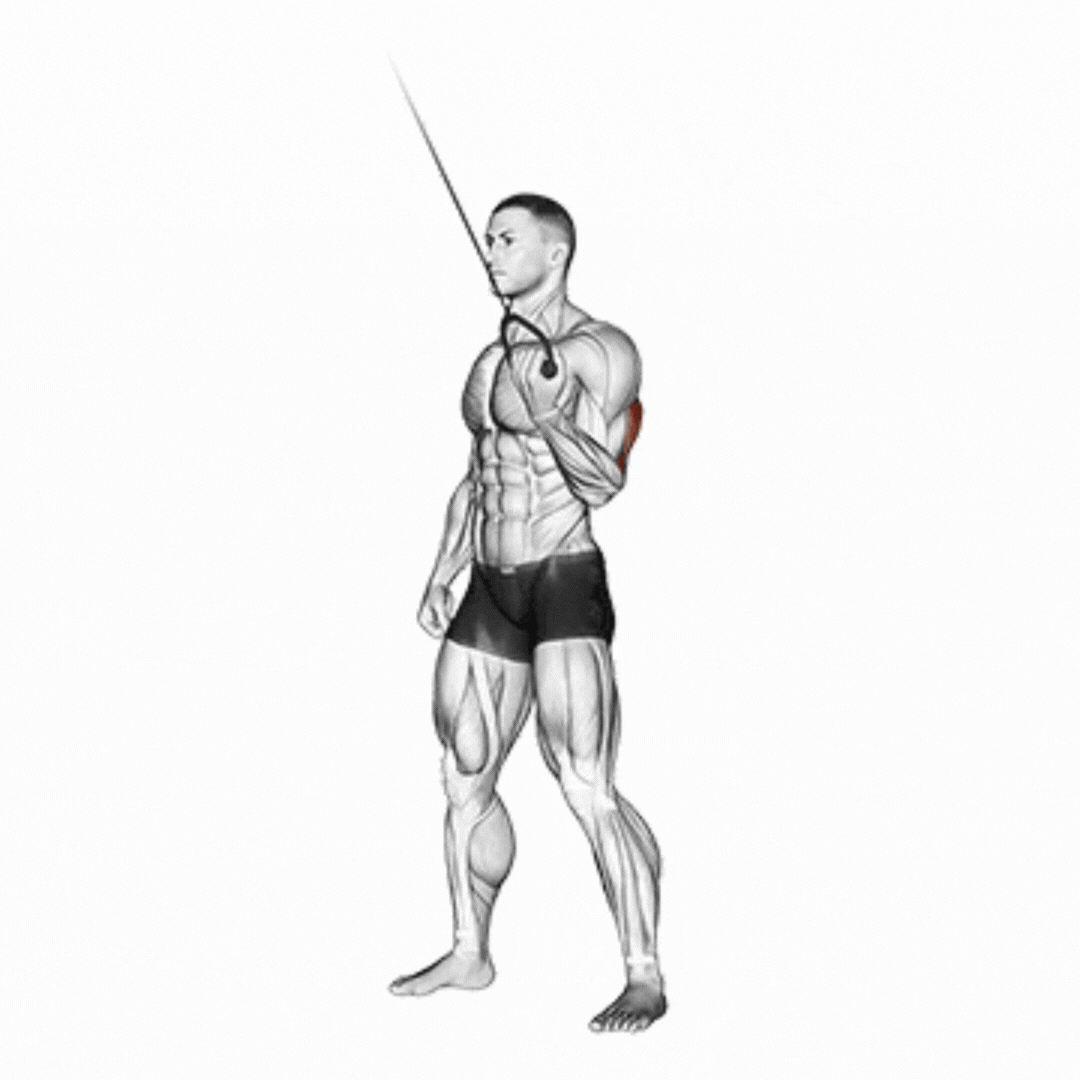
Triceps
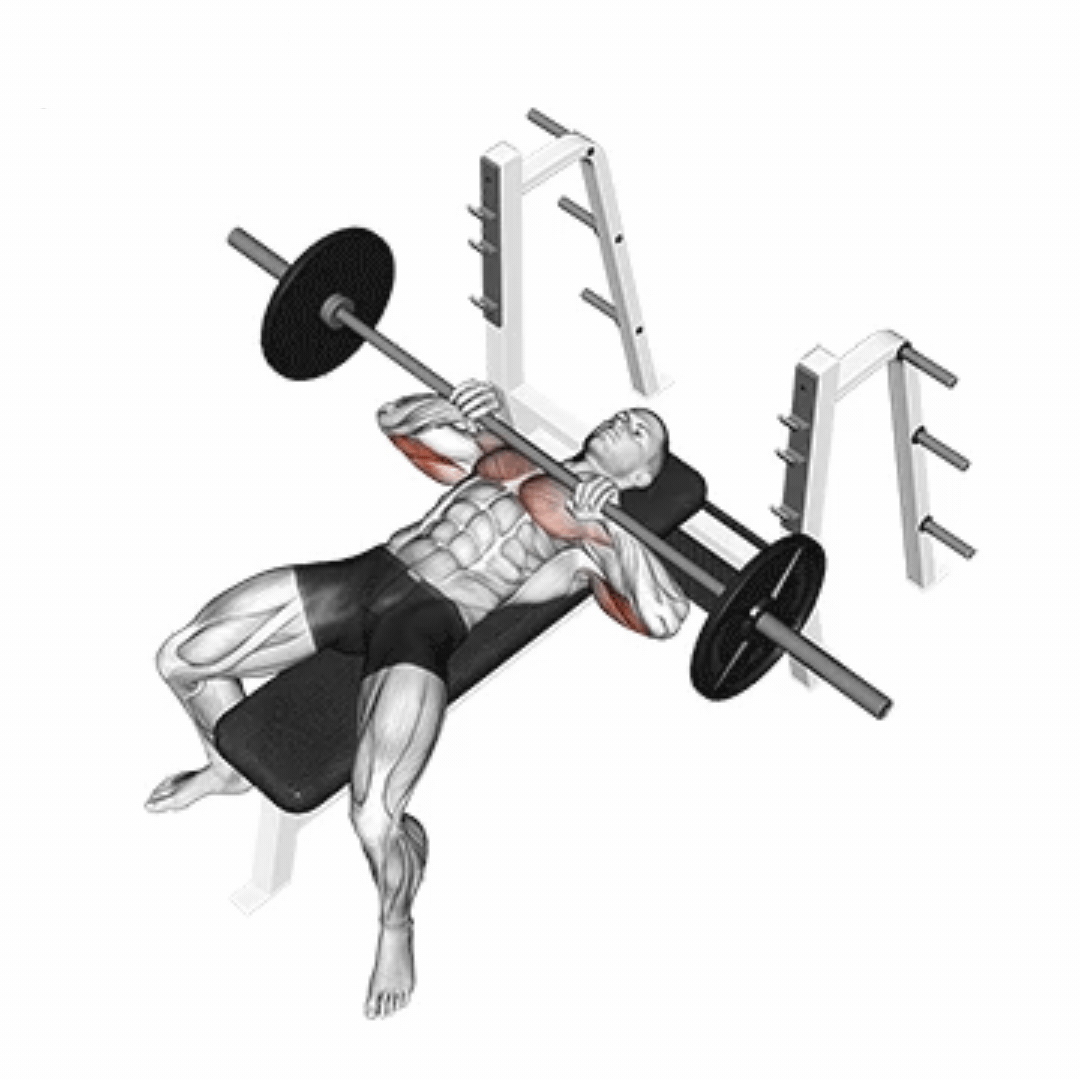
Triceps
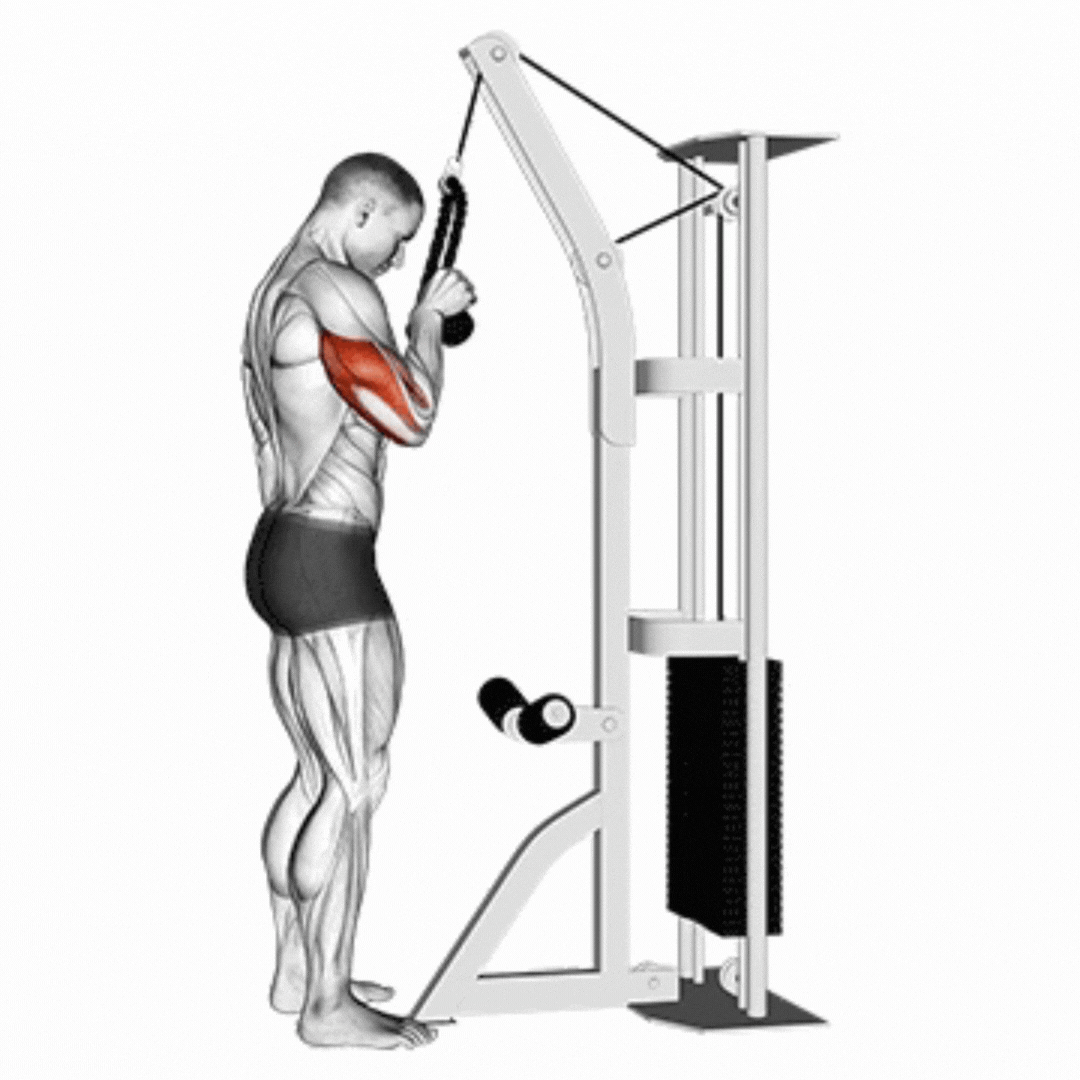
Triceps
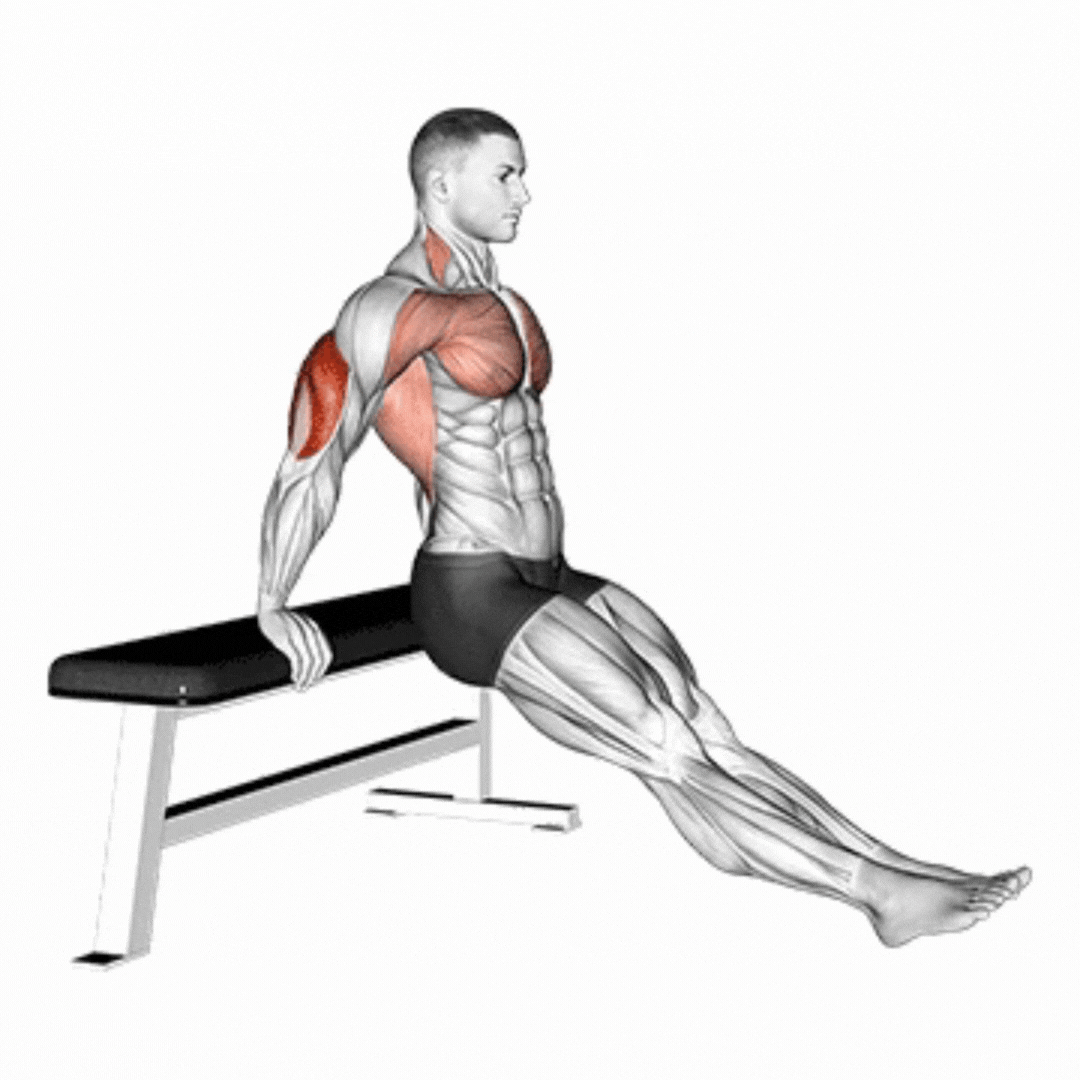
Triceps
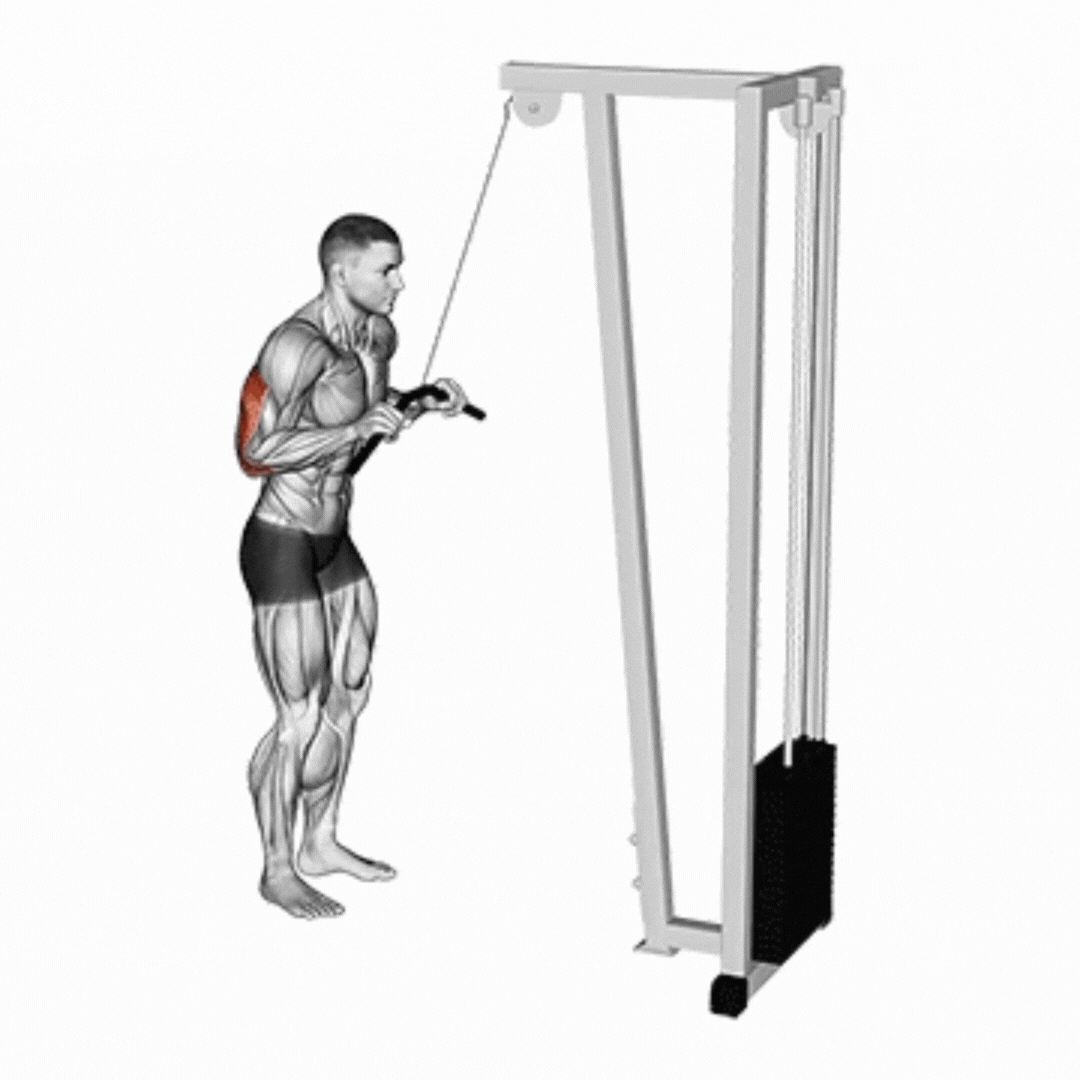
Triceps
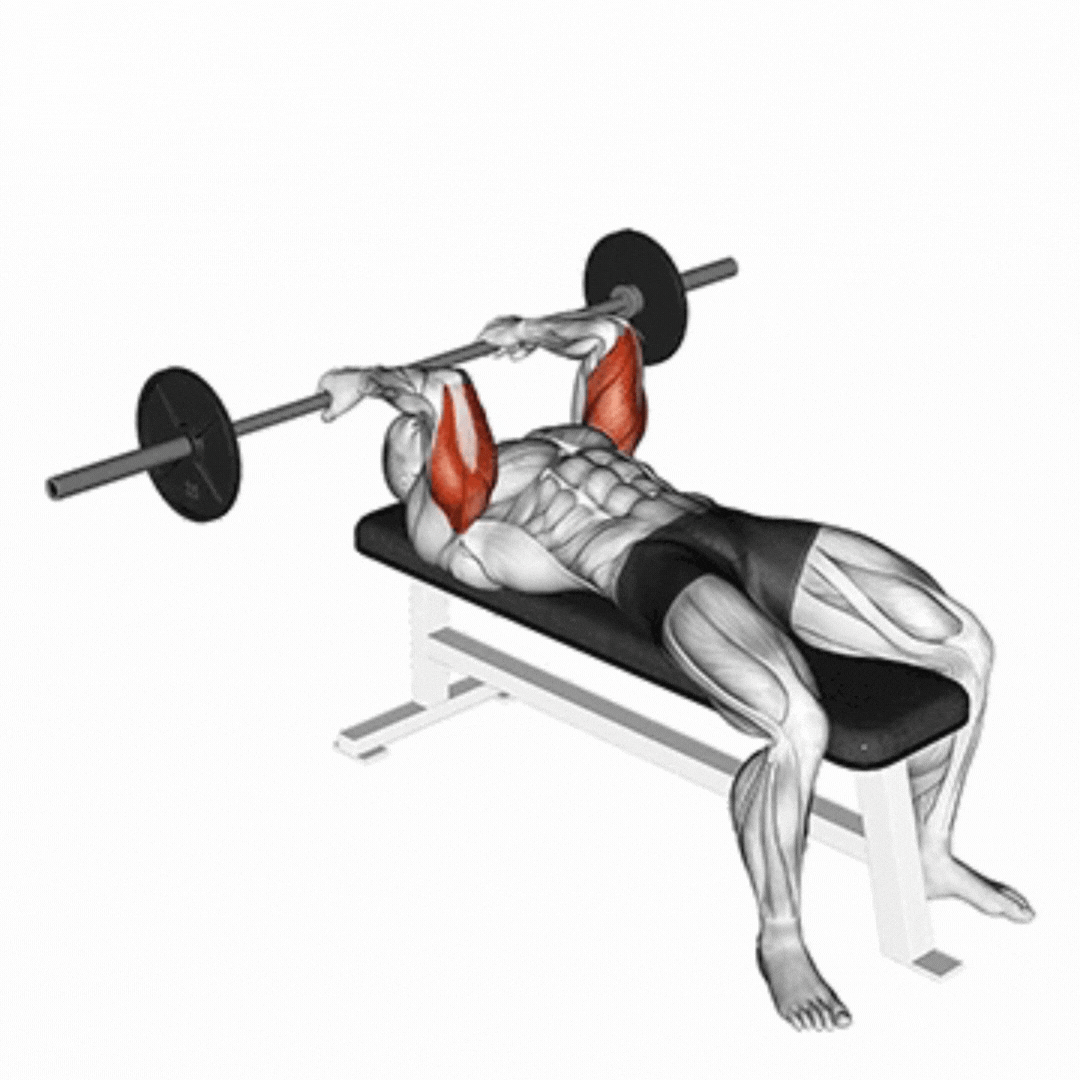
Triceps
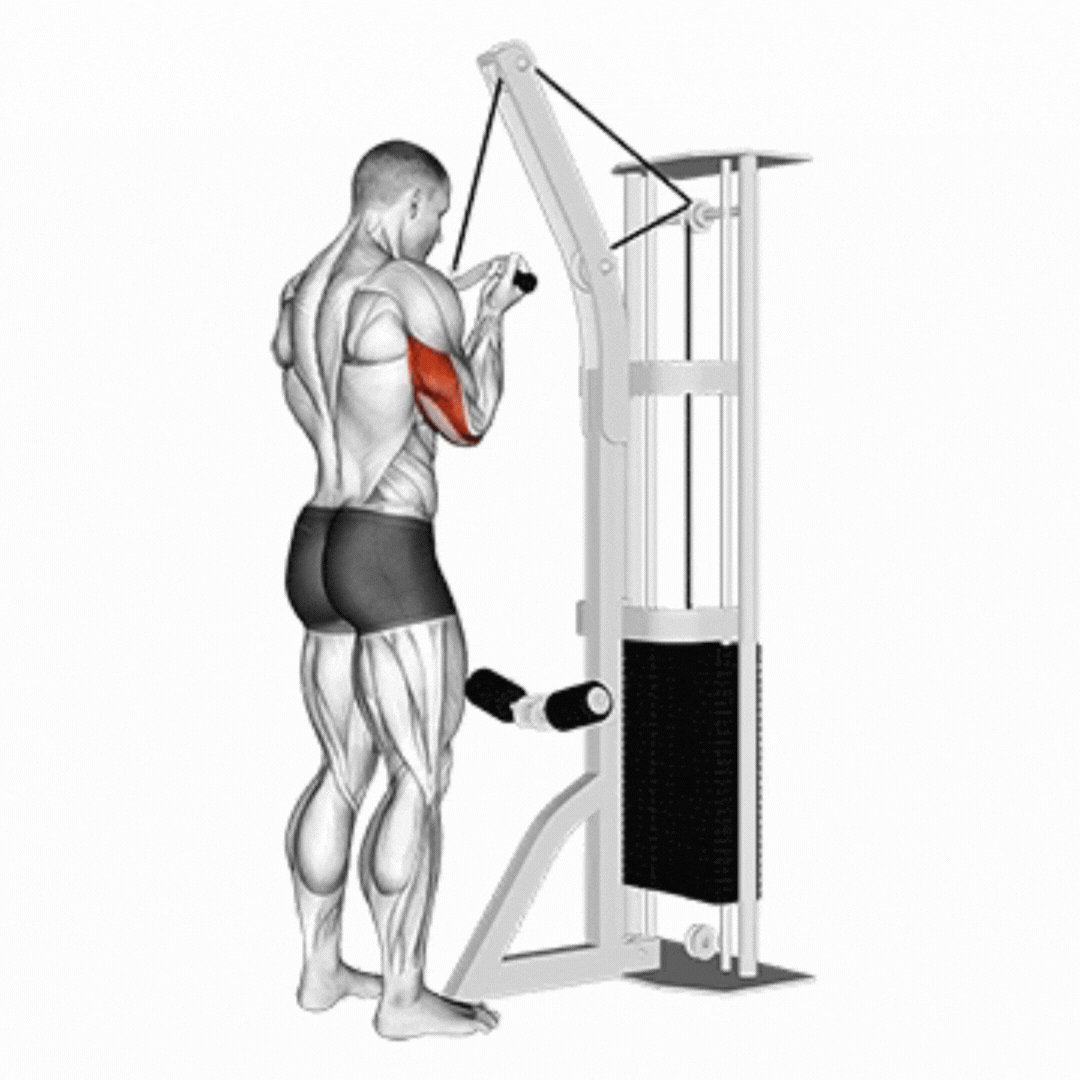
Triceps
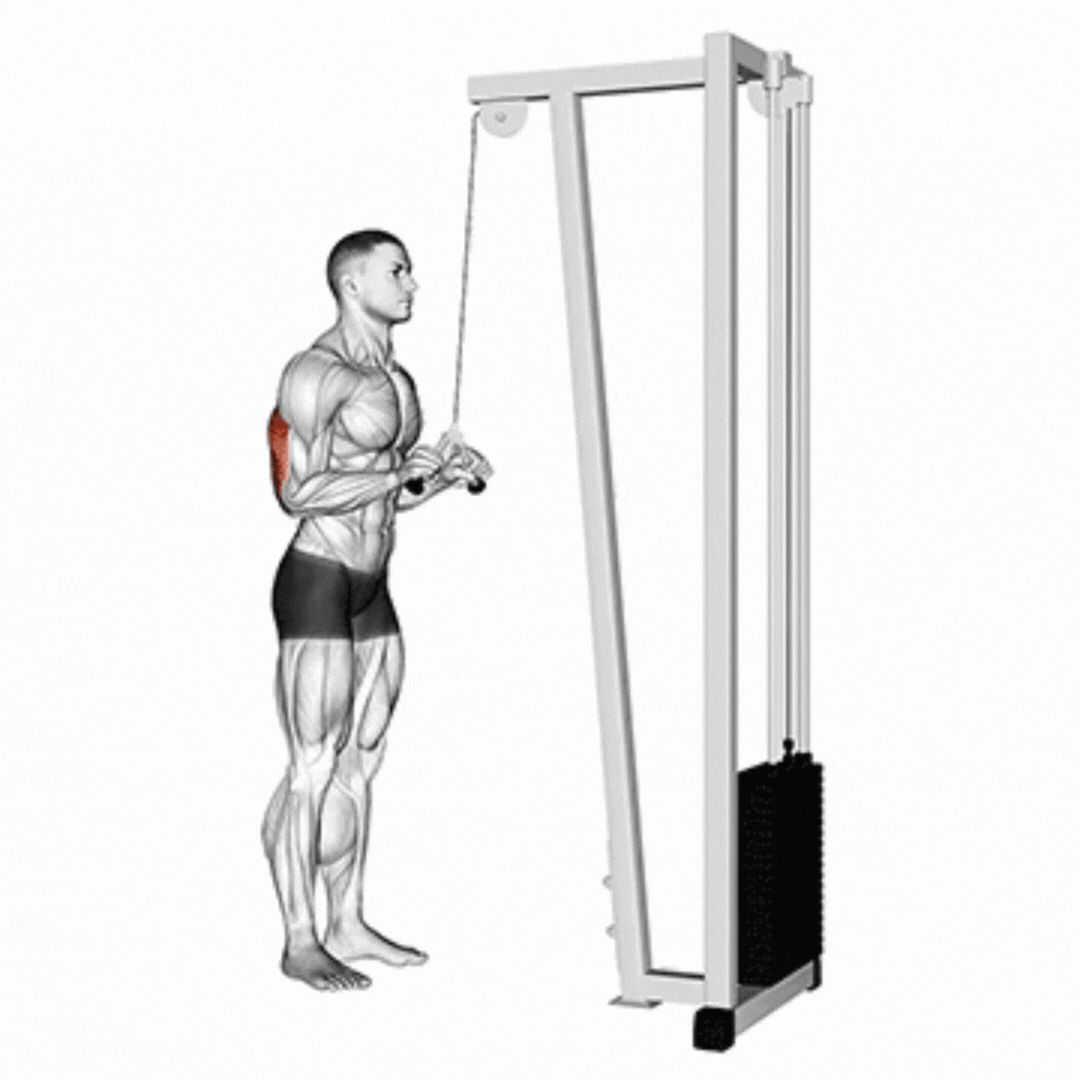
Triceps
Triceps
Triceps
- ✓Maximizes the stretch on the triceps long head.
- ✓Ideal for building back-of-arm thickness.
- ✓High hypertrophy effect due to the stretched position.
- ✓Can be performed standing or seated.
- ✓Practical for home workouts.