.gif)
Description
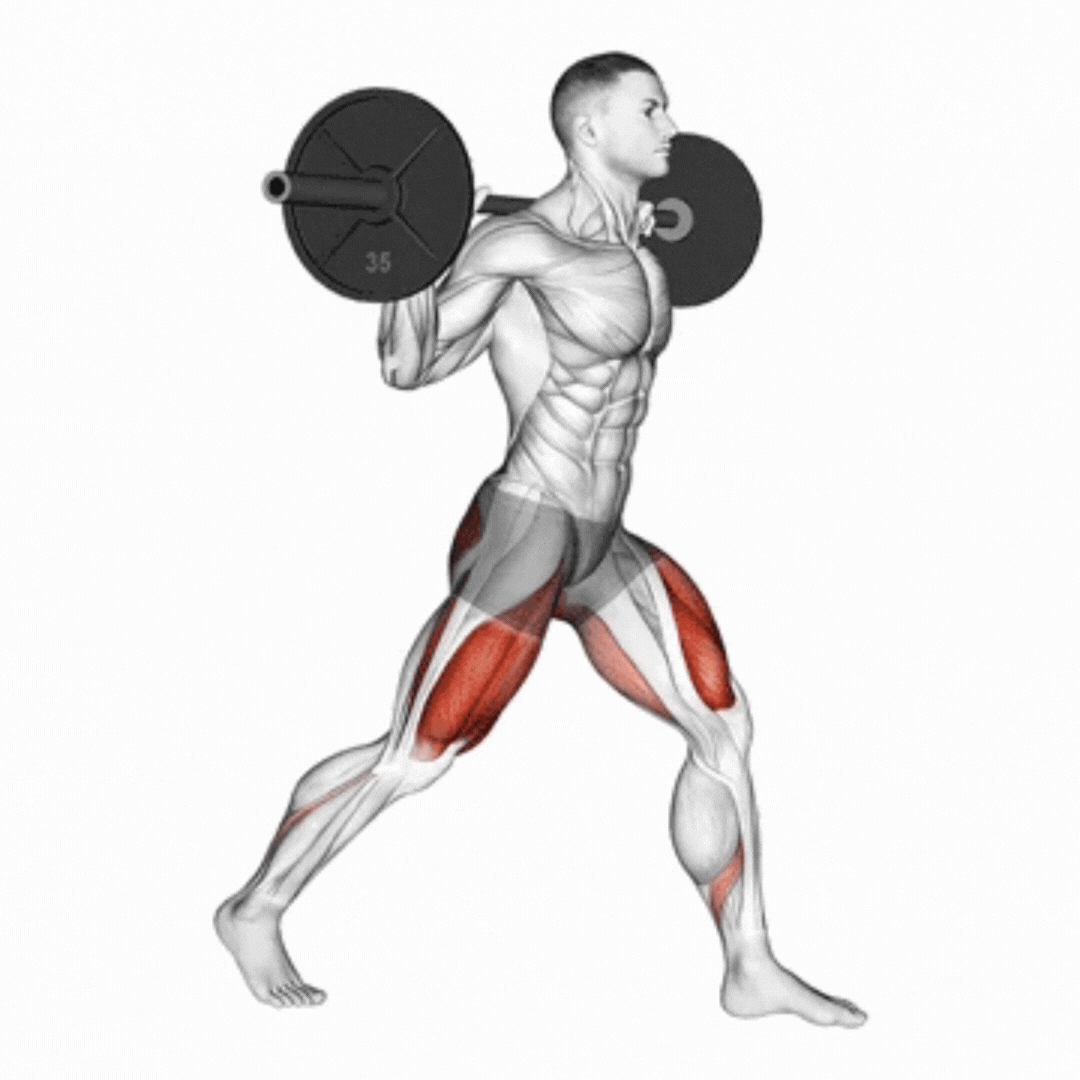
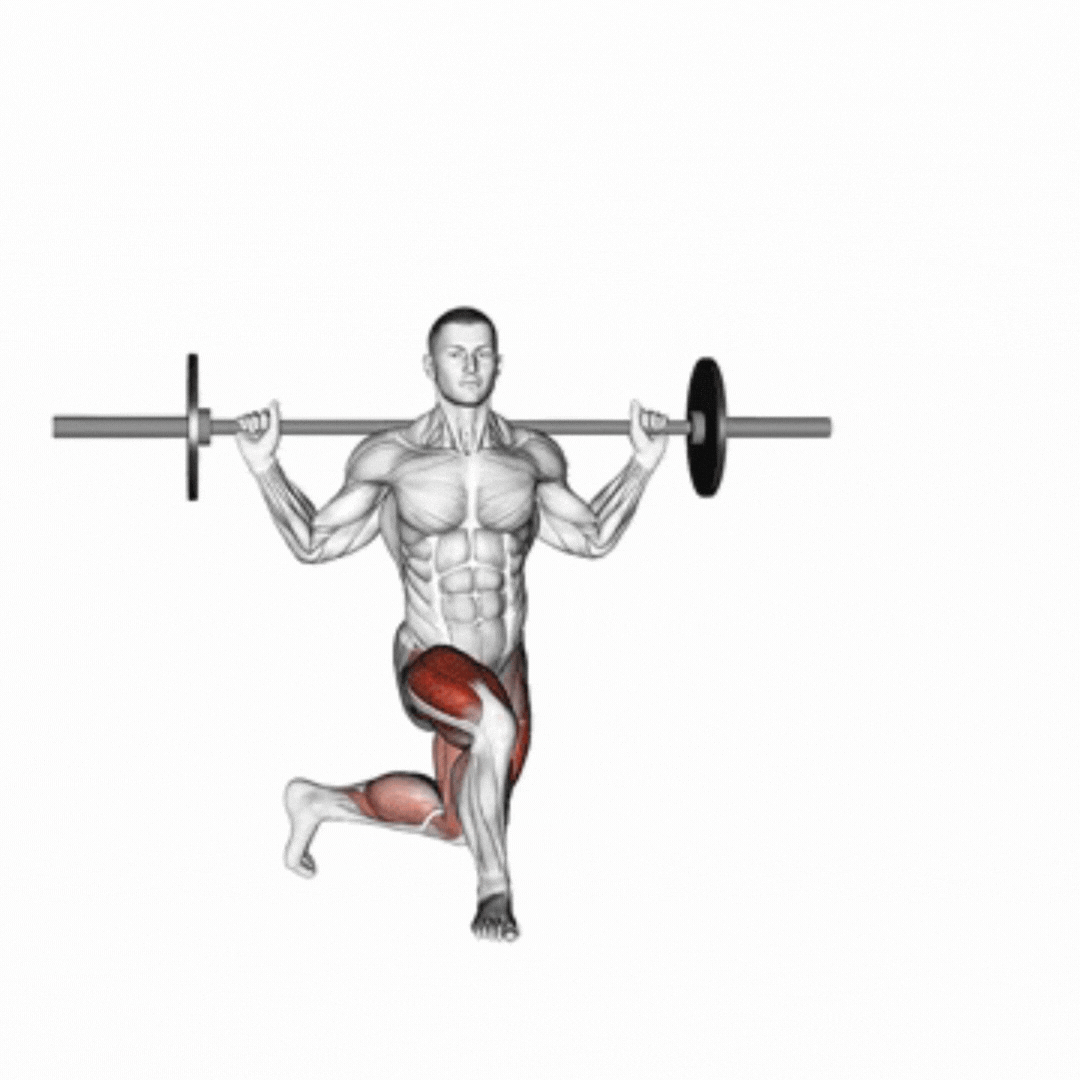
Trap Bar Jump Squat is an explosive power-focused squat variation performed using a hexagonal (trap) bar. This exercise works the quadriceps, glutes, hamstrings, and calf muscles while developing explosive power and speed. The trap bar allows the weight to be carried at the body's center, reducing load on the lower back and providing safer movement mechanics. It is an excellent exercise for improving athletic performance, vertical jump height, and sprint speed. It activates fast-twitch muscle fibers, making it frequently used in power sports and athletics training. Suitable for intermediate to advanced athletes, this movement is extremely effective when performed with proper technique.
Trap Bar Jump Squat How-To Guide
- 1
Step into the center of the trap bar with feet at shoulder width and grip both handles
- 2
Squat by pushing your hips backward, keep your back flat and chest upright, get into ready position with the bar off the ground
- 3
Explosively jump upward using power from your heels, fully extend your hips and knees
- 4
Land softly starting from the balls of your feet and immediately return to the squat position
- 5
Focus on producing maximum explosive power on each repetition and don't lose movement control
Key Points
- ✓Grip the trap bar handles firmly, hands at your sides
- ✓Store energy for explosive power as you descend into squat position
- ✓Jump with maximum power, fully extend the hips
- ✓Make a soft and controlled landing, knees should be slightly bent
- ✓Take a short pause between each repetition to ensure form control
Common Mistakes
- ✗Landing too hard - can lead to knee and ankle injuries
- ✗Losing back posture - increases risk of back injury
- ✗Working with too much weight - results in slow movement instead of explosive power
- ✗Landing with knees locked - high risk of joint damage
- ✗Doing consecutive repetitions too quickly - decreases quality and increases fatigue
Breathing
Inhale as you descend, exhale powerfully as you jump. Inhale during landing.
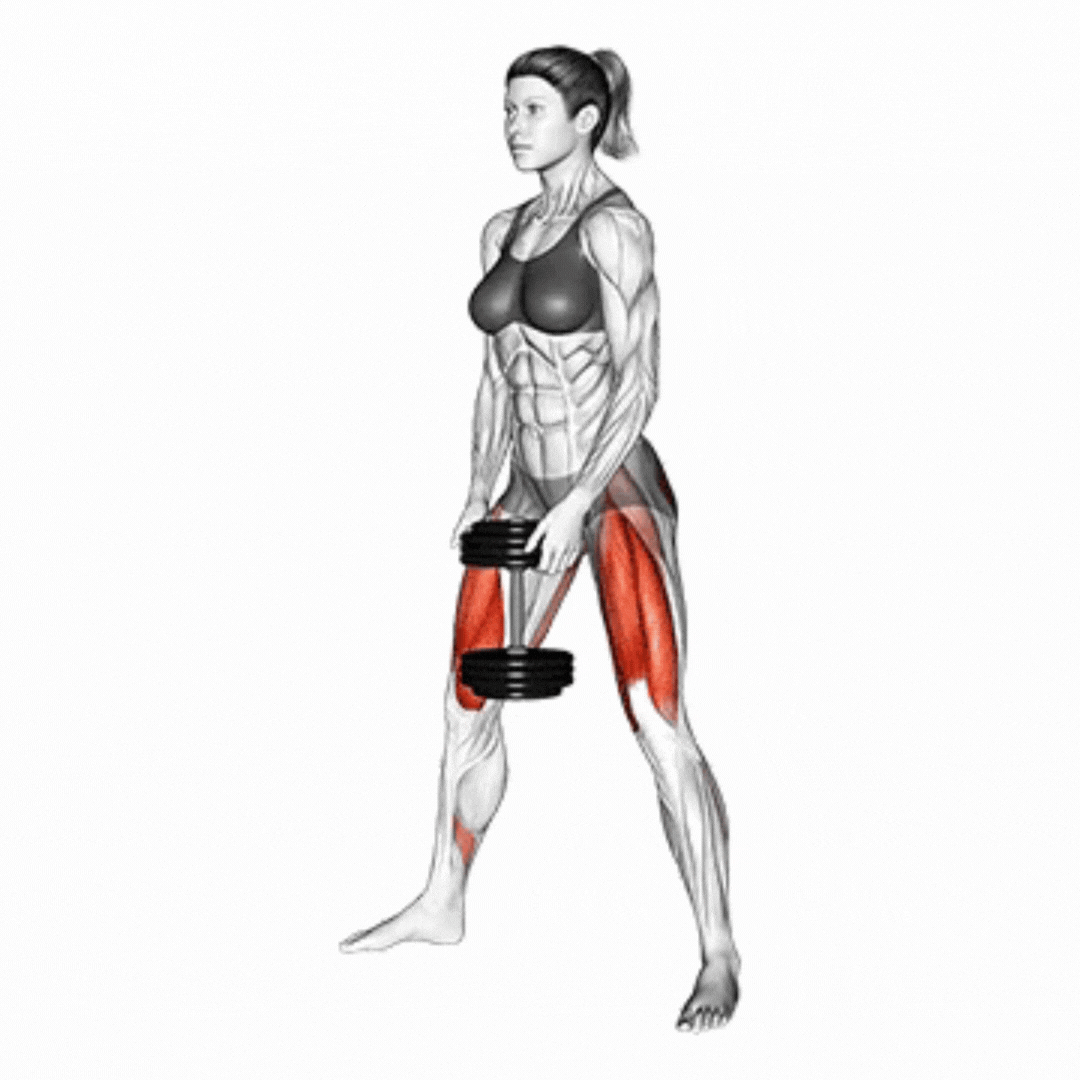
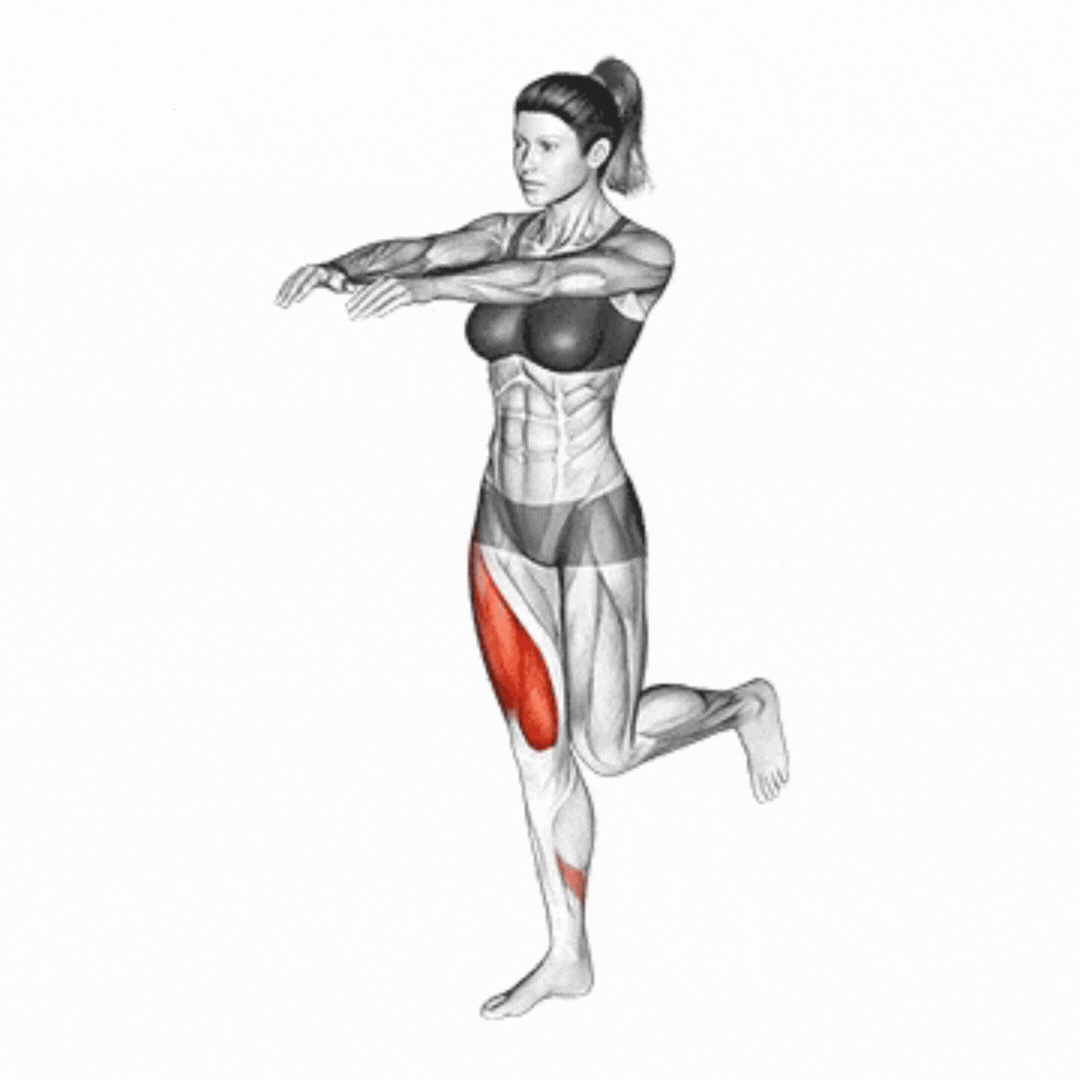
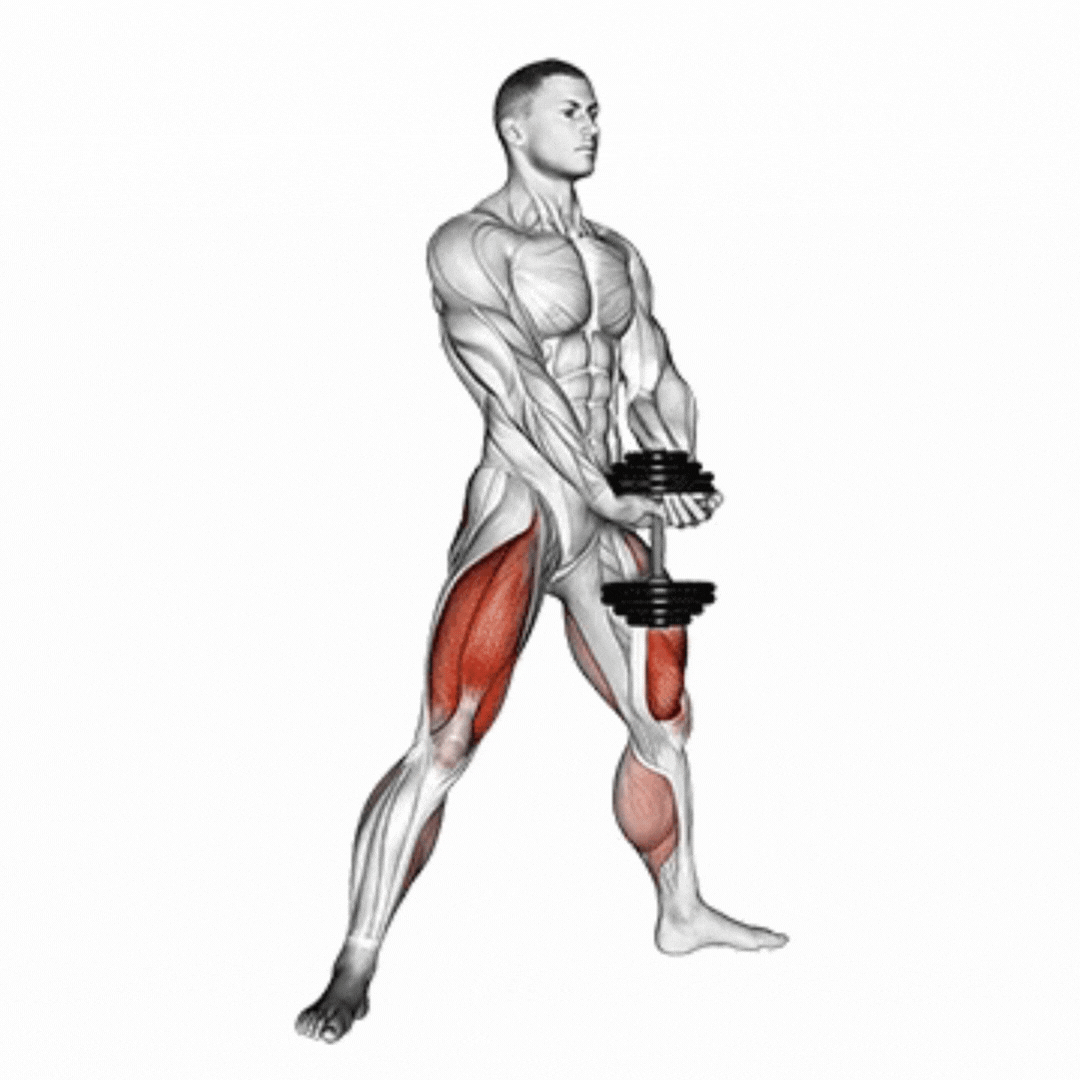
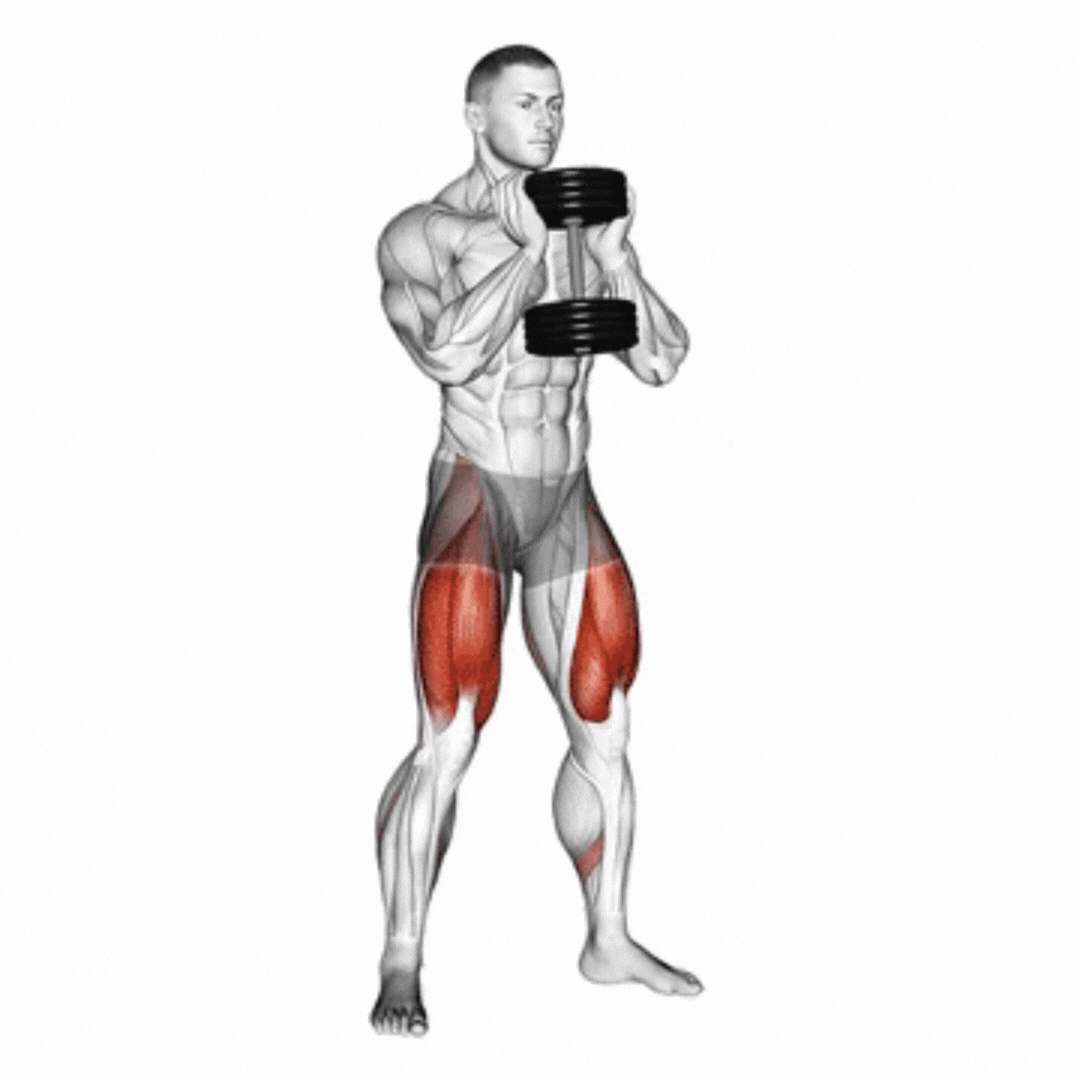
Muscle Activation
Safety
Precautions
- Those with knee problems should not perform this
- Those with herniated disc are at high risk
- Those with heart conditions should avoid intense exercise
- Those with balance issues should not choose this exercise
Safety Tips
- Perform on a soft surface
- Land softly on your knees
- Don't perform without adequate warm-up
- Don't use too much weight
Frequently Asked Questions
Which muscles does Trap Bar Jump Squat work?
Trap Bar Jump Squat primarily works these muscles: Quadriceps, Glutes. It also engages: Hamstrings, Calves, Core.
Is Trap Bar Jump Squat suitable for beginners?
Trap Bar Jump Squat is a Advanced level exercise. Learning difficulty: Hard.
Can Trap Bar Jump Squat be done at home?
Trap Bar Jump Squat usually requires gym equipment, so it can be hard to do at home.
What are common mistakes when doing Trap Bar Jump Squat?
One of the most common mistakes: Landing too hard - can lead to knee and ankle injuries
How many sets and reps for Trap Bar Jump Squat?
Recommended: 3-5 sets and 3-5 reps.
- ✓Develops explosive lower body power and speed
- ✓Increases athletic performance by activating fast-twitch muscle fibers
- ✓Simultaneously works quadriceps, glute, and hamstring muscles
- ✓Improves vertical jump and sprint performance