.gif)
Description
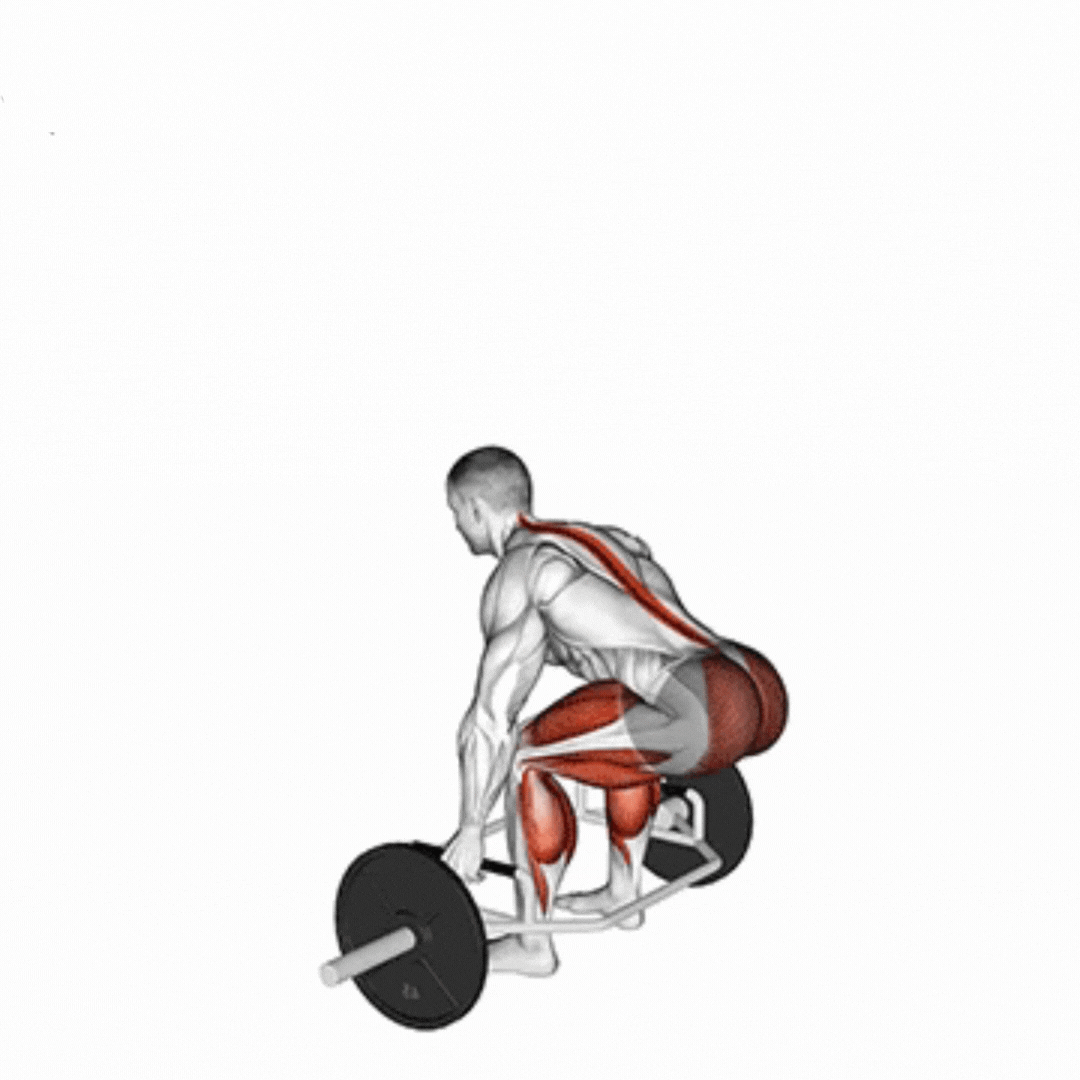
Trap Bar Deadlift is an effective compound exercise targeting primarily the lower body and posterior chain muscles. Performed using a specialized barbell known as a hex bar, this movement offers a more ergonomic grip position compared to traditional deadlifts. It fundamentally strengthens the quadriceps, gluteus, hamstrings, and lower back muscles while also developing core stabilization. The centered design of the trap bar aligns body weight with the center of movement, reducing load on the lumbar region. This feature makes it a safer movement to learn for beginner athletes while allowing maximum strength development for advanced lifters. Additionally, it provides the opportunity to work with higher weights since grip strength is not a limiting factor.
Trap Bar Deadlift How-To Guide
- 1
Position your feet shoulder-width apart in the center of the trap bar, keeping your chest open and shoulders positioned backward
- 2
Bend your knees slightly, hinge forward, and grasp the handles of the bar with both hands, engaging your core by tightening your abdominal muscles
- 3
Inhale and drive through your heels to push your hips upward while simultaneously opening your chest forward to assume an upright posture
- 4
At the top point, squeeze your gluteus muscles and maintain the position for 1-2 seconds by pushing your chest forward
- 5
Return to the starting position in a controlled manner by pushing your hips backward and bending your knees, allowing the weight to lightly touch the ground
Key Points
- ✓Step into the center of the trap bar, feet shoulder-width apart and parallel
- ✓Descend by pushing hips back and bending knees, grasp the handles
- ✓Keep chest upright, back flat, and shoulders slightly pulled back
- ✓Initiate movement with leg and hip power, push through feet to stand up
- ✓Squeeze glutes at top position and keep shoulders neutral, don't lean back
Common Mistakes
- ✗Rounding the back - even though trap bar is safer than conventional bar, form breakdown can still lead to injury
- ✗Keeping hips too low and making it like a squat - deadlift should be a hip hinge movement
- ✗Pulling the weight with arms - arms should only act as hooks, power should come from legs and glutes
- ✗Looking straight up - neck should remain neutral, look forward and slightly down
- ✗Dropping bar too quickly to ground - controlling eccentric phase is important for muscle development
Breathing
Take a deep breath before lifting the bar to create pressure in the core region, exhale when the lift is complete.
Muscle Activation
Safety
Precautions
- Those with herniated discs should still be careful
- Those with grip issues should strengthen their grip
- Those with high blood pressure should avoid breath holding
- Start light if you have previous back injuries
Safety Tips
- Trap bar doesn't fatigue the lower back as much as standard barbell but still stand upright
- Lift your hips and chest simultaneously when raising the weight
- Don't hold your breath, breathe throughout the movement
- Have a spotter for heavy sets
Frequently Asked Questions
Which muscles does Trap Bar Deadlift work?
Trap Bar Deadlift primarily works these muscles: Quadriceps, Glutes, Hamstrings. It also engages: Lower back, Traps, Forearms, Core.
Is Trap Bar Deadlift suitable for beginners?
Trap Bar Deadlift is a Intermediate level exercise. Learning difficulty: Moderate.
Can Trap Bar Deadlift be done at home?
Trap Bar Deadlift usually requires gym equipment, so it can be hard to do at home.
What are common mistakes when doing Trap Bar Deadlift?
One of the most common mistakes: Rounding the back - even though trap bar is safer than conventional bar, form breakdown can still lead to injury
How many sets and reps for Trap Bar Deadlift?
Recommended: 4-6 sets and 5-8 reps.
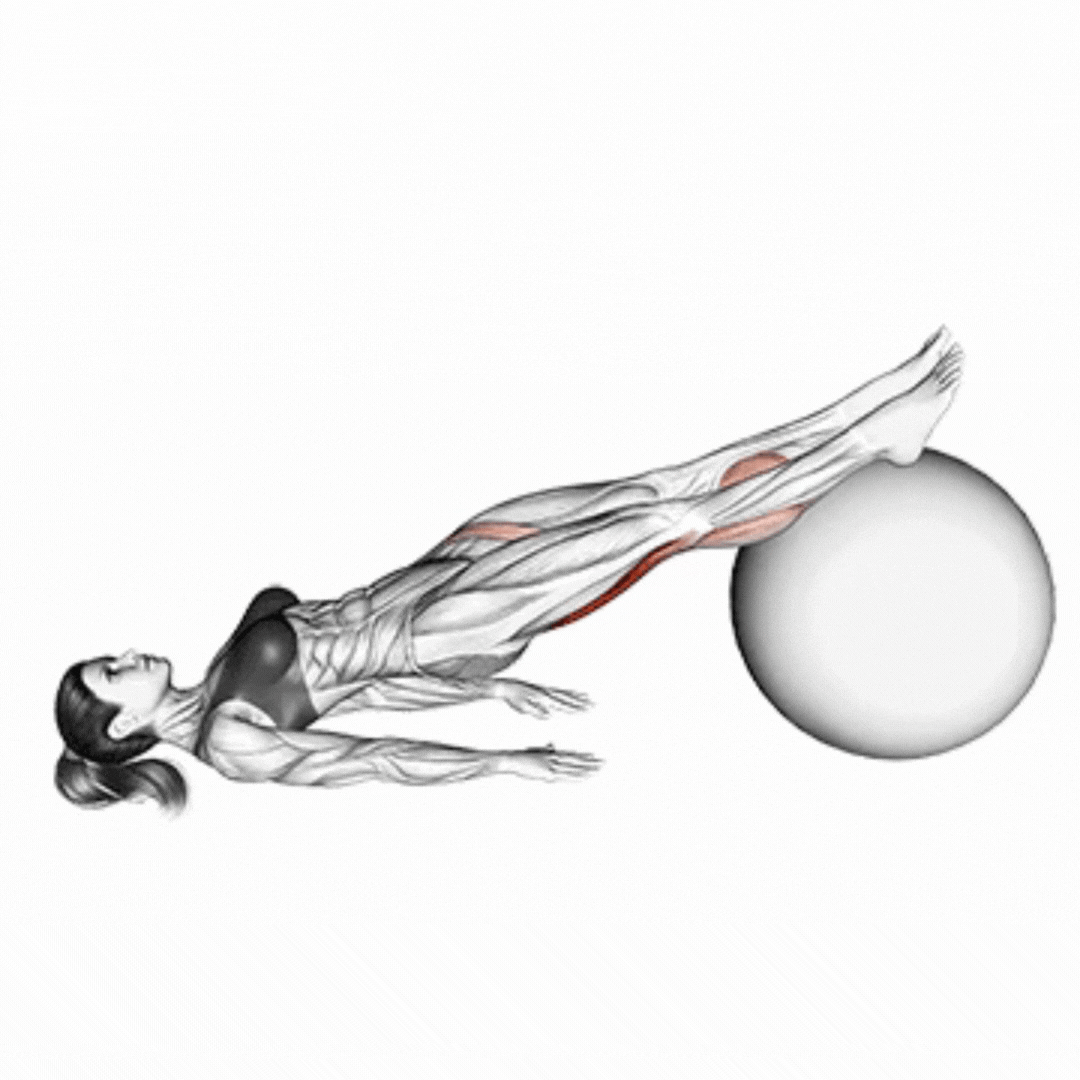
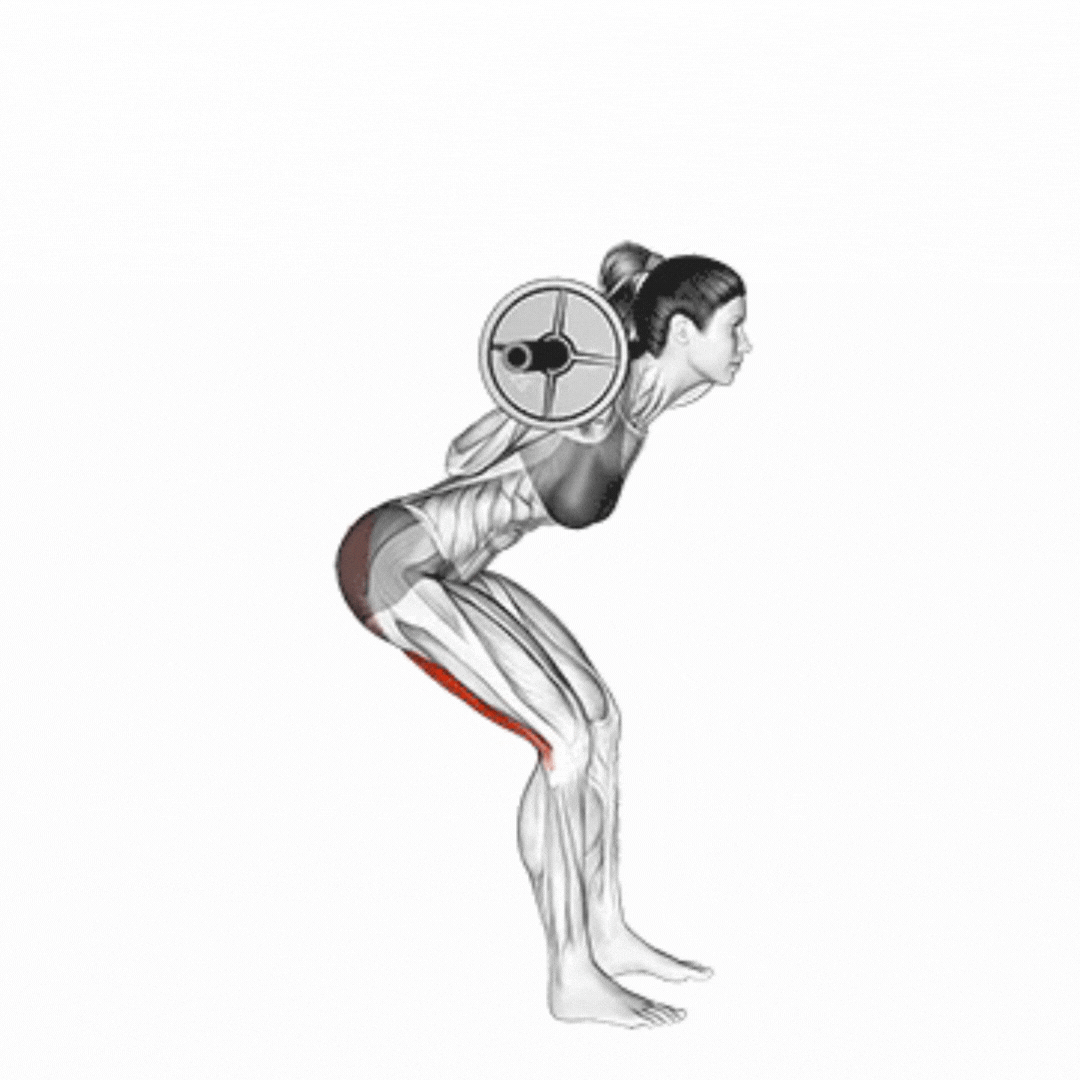
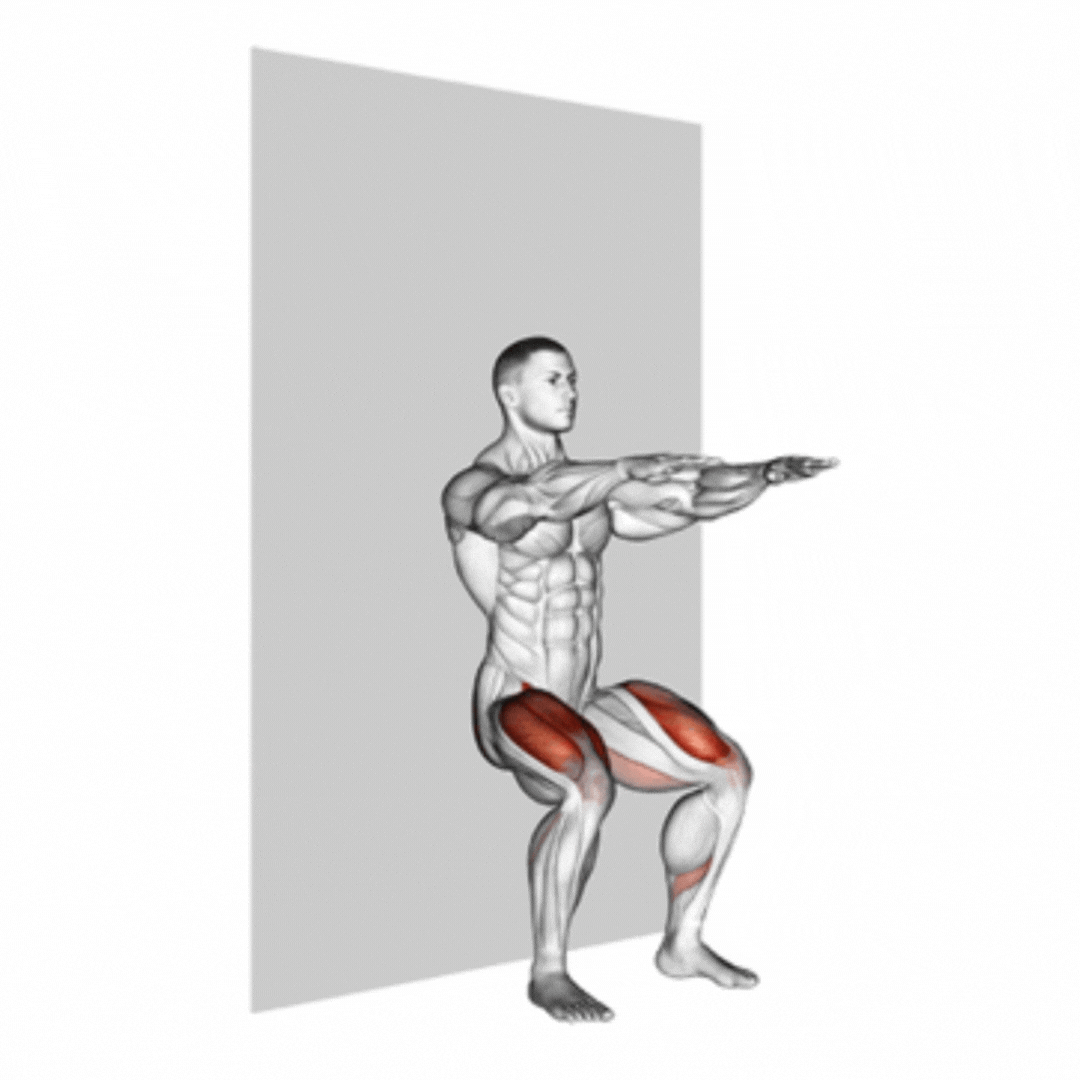
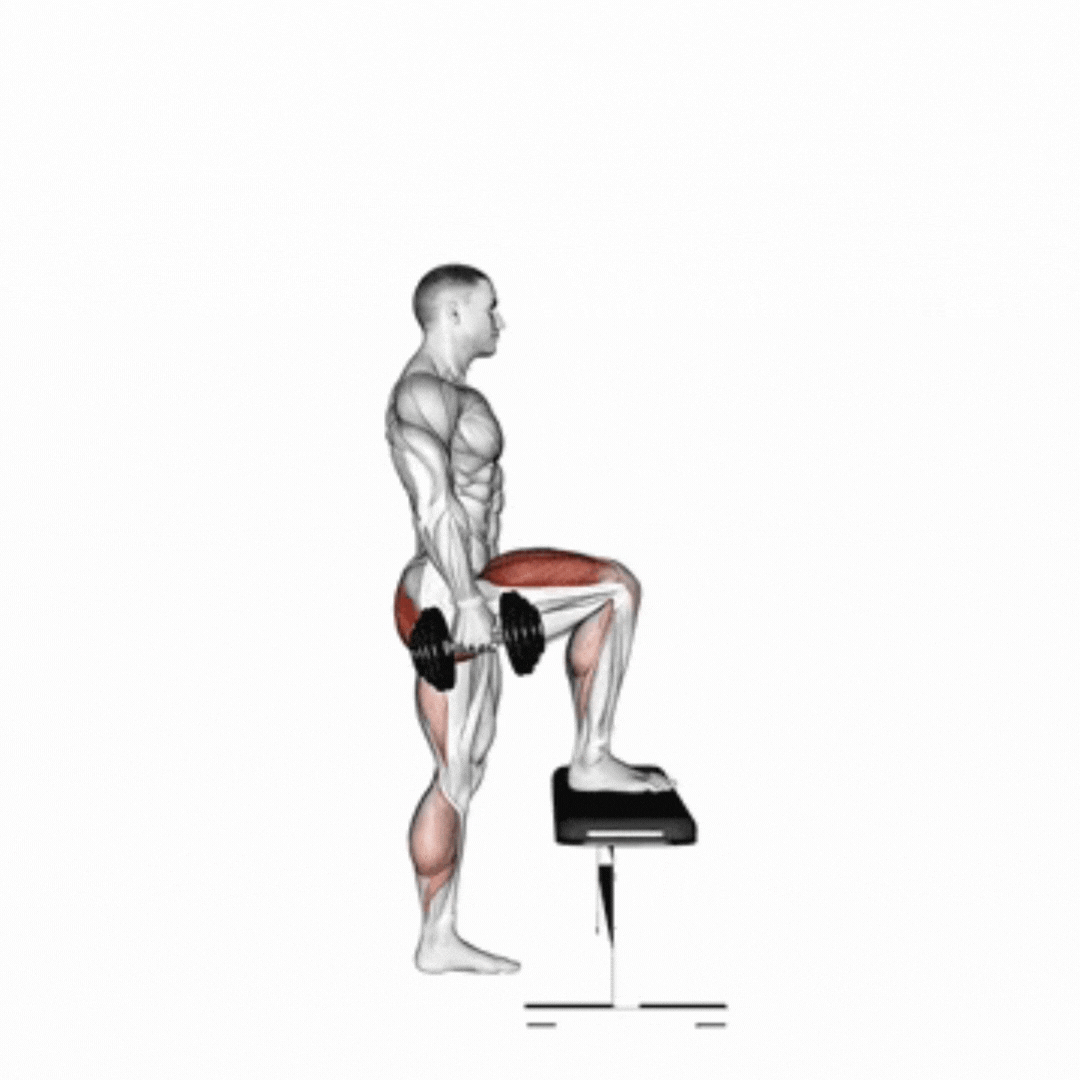
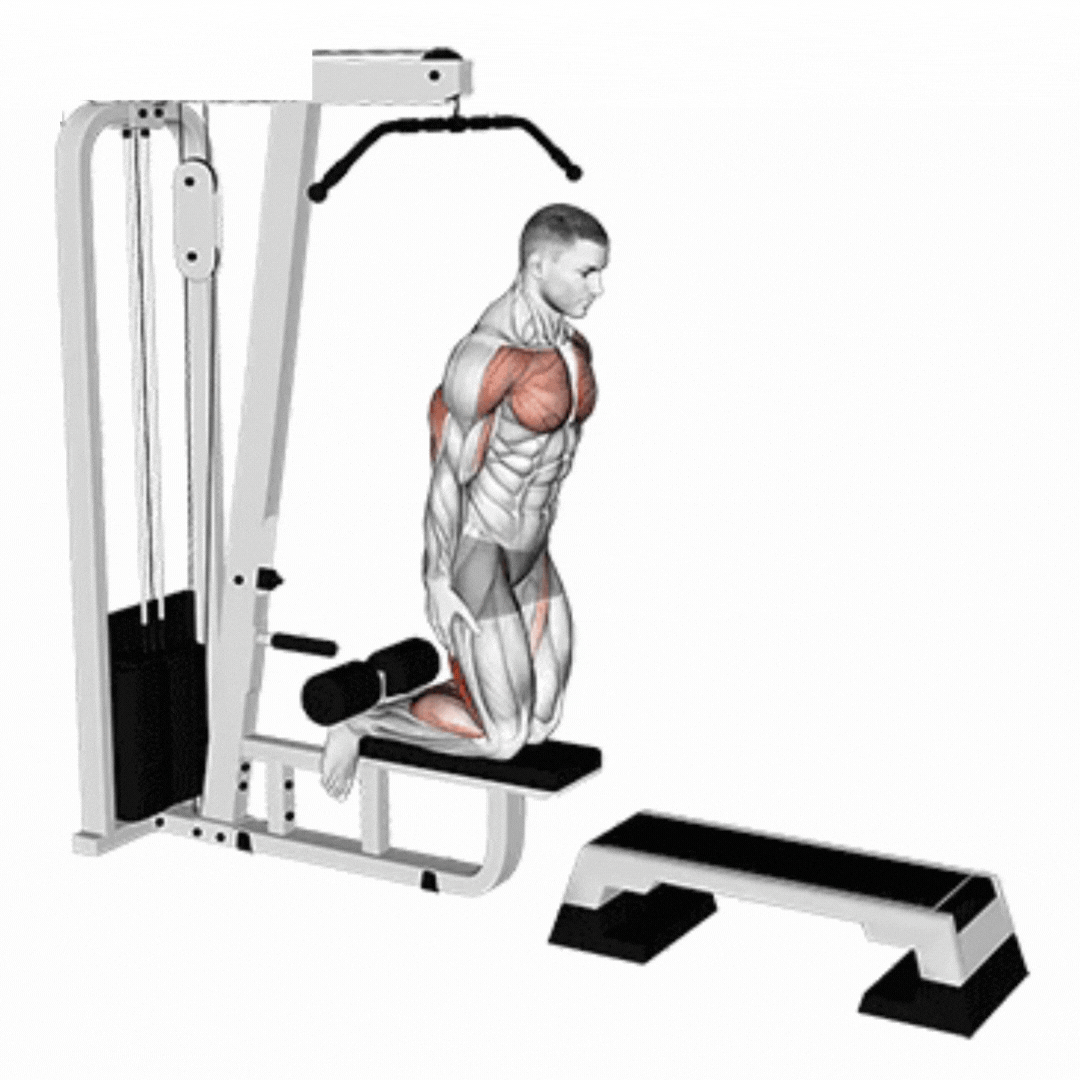
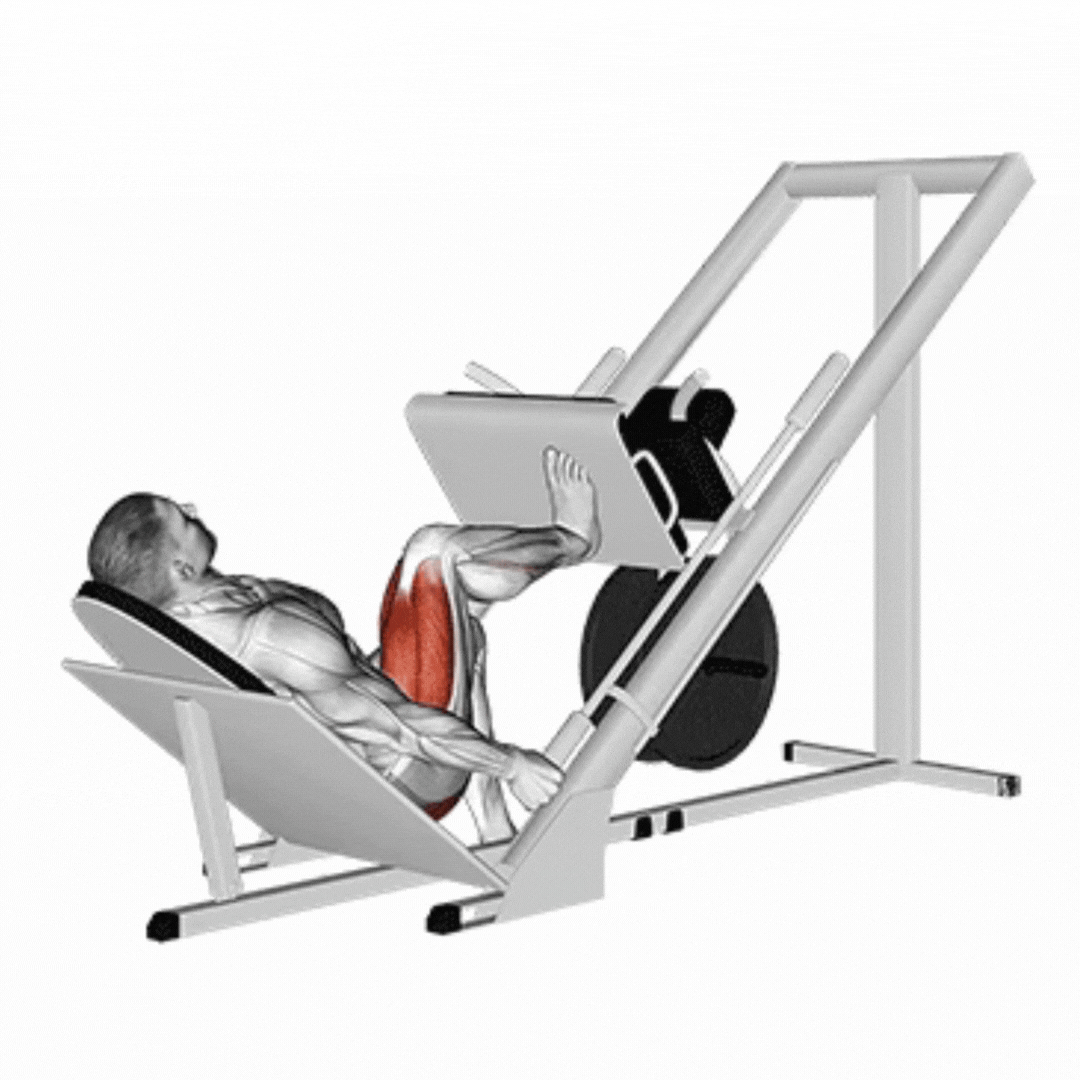
- ✓Develops quadriceps, gluteus, and hamstring muscles
- ✓Increases lower body strength
- ✓Reduces back pressure by working in a more upright position
- ✓Builds functional strength and power