BifitBifit
HomeExercisesBecome a Coach
Log In
HOMEEXERCISESBECOME A COACHLOG IN

Language

Legal

Terms of UsePrivacy PolicyDelete Account
BifitBifit

A modern and user-friendly mobile app that makes life easier for fitness enthusiasts. Tracking your workouts and progress is our priority.

Quick Links

  • Home
  • Exercises
  • Become a Coach
  • Download · Google Play
  • Download · App Store

Legal

  • Privacy Policy
  • Terms of Use
  • Support
  • Account Deletion

© 2026 Bifit. All rights reserved.

Designed for a healthy lifestyle

HomeExercisesStanding Cable Twist

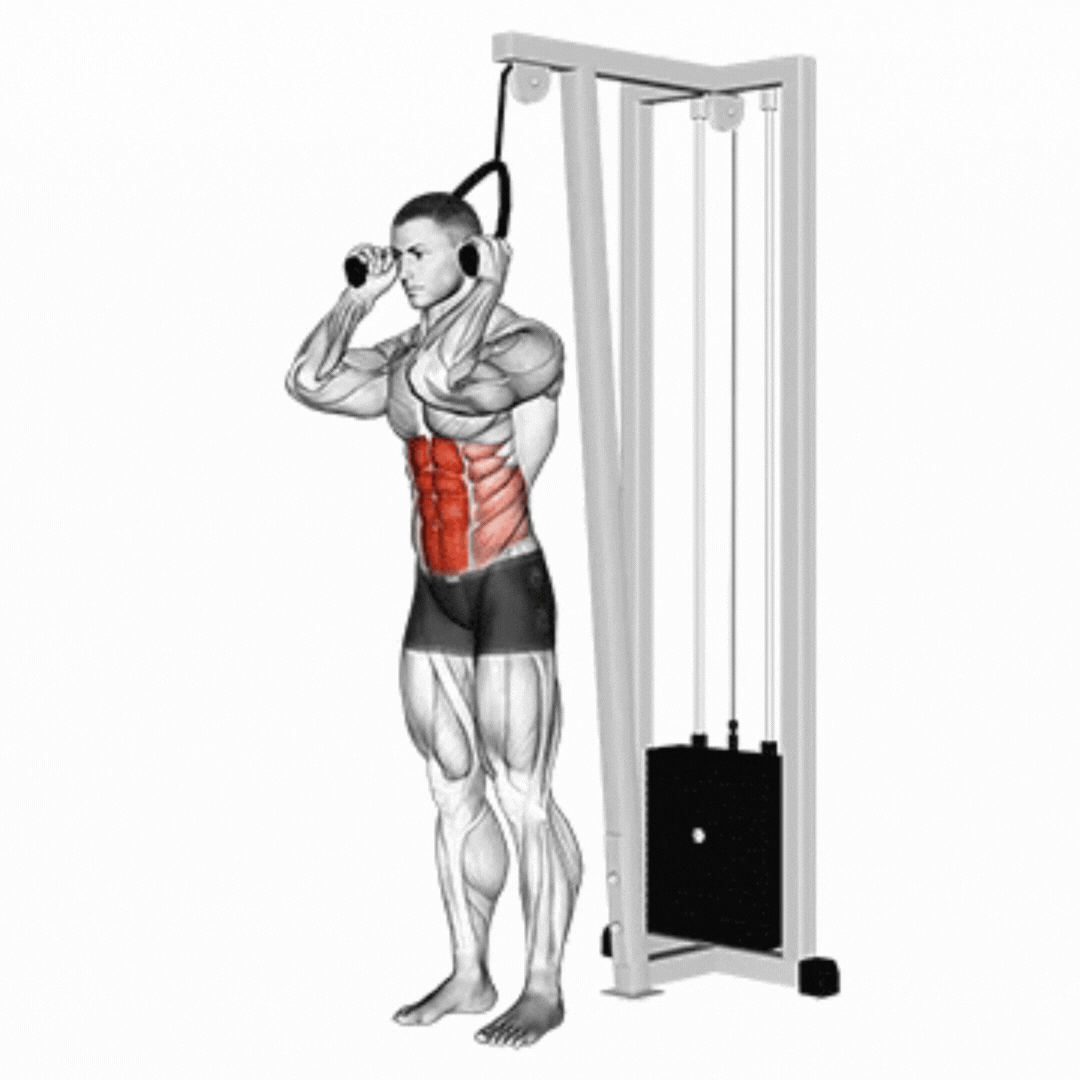
Standing Cable Twist

Abdominals
Obliques
Intermediate
Isolation
3-4Set
8-12Reps
60sRest
2-0-1-0Tempo
Standing Cable Twist
Animation

Description

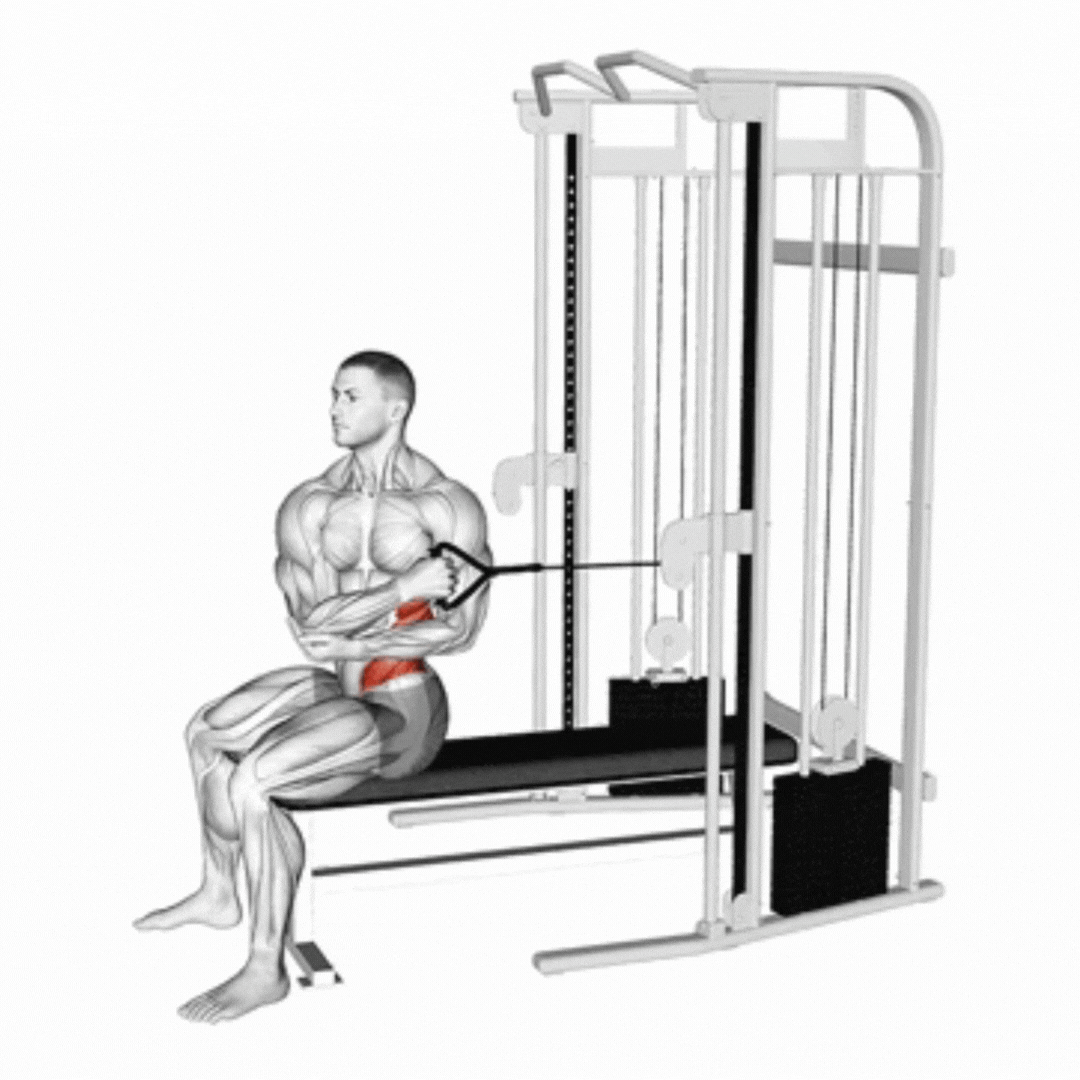
Standing Cable Twist is a cable exercise performed while standing that develops functional core strength. This movement mimics rotational movements in daily life and sports. The oblique muscles, transverse abdominis, and the entire core region are actively engaged. Since it is performed standing, lower body stabilization is also involved. It is an ideal exercise for those looking to improve athletic performance. It can be varied by performing at different angles and resistances.

Step-by-Step Instructions

  1. 1

    Stand next to the cable machine with the cable at shoulder height

  2. 2

    Position your feet shoulder-width apart and grip the cable with both hands

  3. 3

    Keeping your arms slightly bent, rotate toward the side away from the cable

  4. 4

    During rotation, minimize movement of your hips and legs - focus should be on the torso

  5. 5

    Hold for one second at maximum rotation and contract the muscles

  6. 6

    Slowly return to the starting position and maintain a controlled movement tempo

Key Points

  • ✓Take the cable from the side, stand away from the machine
  • ✓Position your feet shoulder-width apart with knees slightly bent
  • ✓Engage your abdominal muscles and keep your back straight
  • ✓Initiate rotation from the shoulder blades, do not just rotate your arms
  • ✓Your hips should remain stable throughout the movement

Common Mistakes

  • ✗Using only the arms - does not effectively work oblique muscles
  • ✗Moving the hips - reduces core stabilization
  • ✗Pulling the weight too quickly - should be controlled
  • ✗Not keeping feet stable - creates imbalance
  • ✗Arching the back - causes lower back pain

Breathing

Exhale while pulling the cable (rotating), inhale when returning to the starting position.

Muscle Activation

obliques0%
rectus abdominis0%
shoulders0%
hip flexors0%

Safety

Precautions

  • Those with herniated discs should be careful with rotational movements
  • Those who have undergone spine surgery should get doctor approval
  • Those with shoulder injuries should adjust cable height
  • Those with knee problems should pay attention to foot position

Safety Tips

  • Start with light weight to learn proper form
  • Keep hips stable, perform rotation from the torso
  • Position your feet shoulder-width apart and stand firmly
  • Perform the movement with control, do not let the cable pull you back

Frequently Asked Questions

Which muscles does Standing Cable Twist work?

Standing Cable Twist primarily works these muscles: Obliques, Rectus abdominis. It also engages: Hip flexors, Shoulders.

Is Standing Cable Twist suitable for beginners?

Standing Cable Twist is a Intermediate level exercise. Learning difficulty: Easy.

Can Standing Cable Twist be done at home?

Standing Cable Twist usually requires gym equipment, so it can be hard to do at home.

What are common mistakes when doing Standing Cable Twist?

One of the most common mistakes: Using only the arms - does not effectively work oblique muscles

How many sets and reps for Standing Cable Twist?

Recommended: 3-4 sets and 8-12 reps.
Related Exercises

Exercises targeting similar muscle groups

Abdominals Exercises
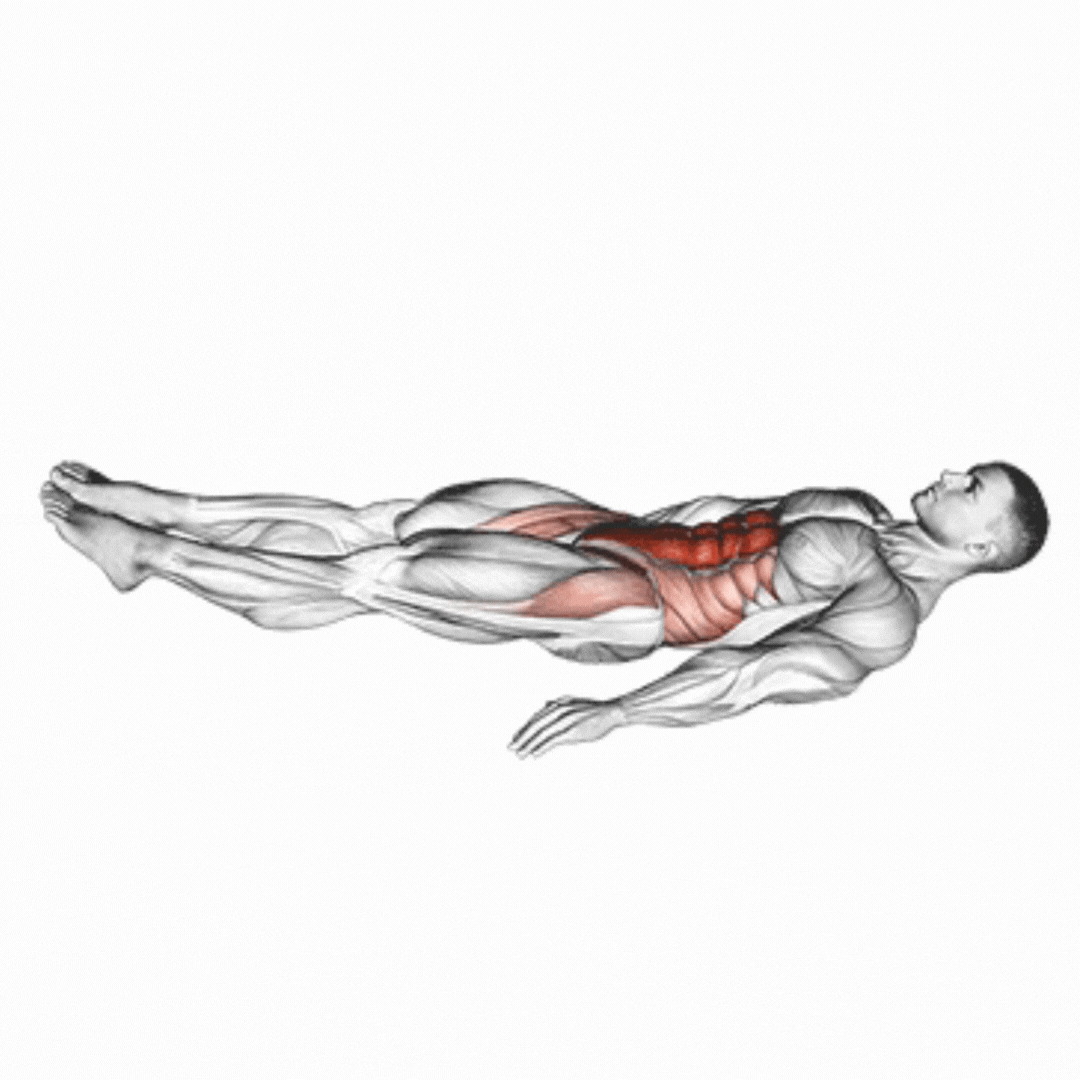
Long Arm Crunch

Long Arm Crunch

Upper Abs

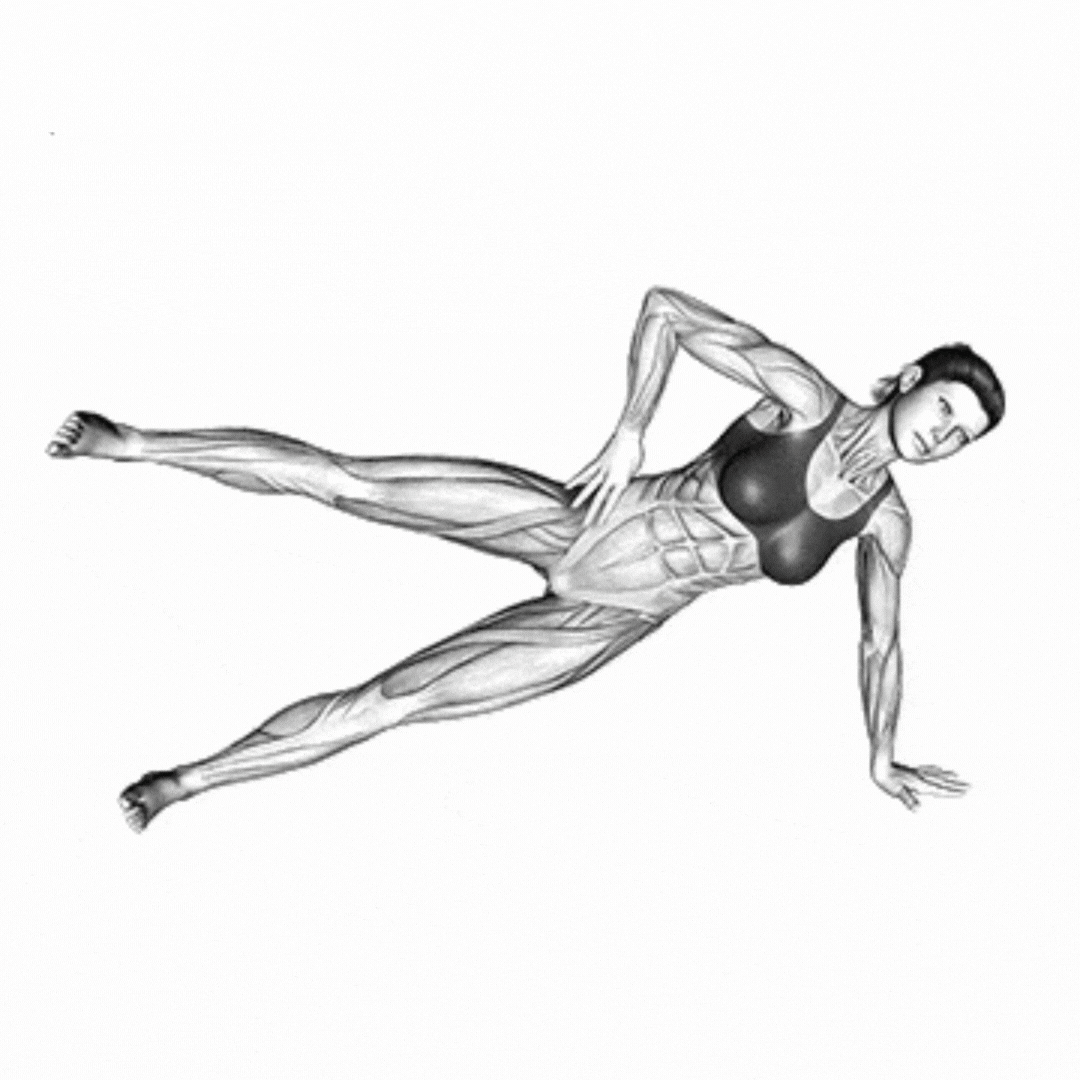
Figure-Four Crunch

Figure-Four Crunch

Obliques

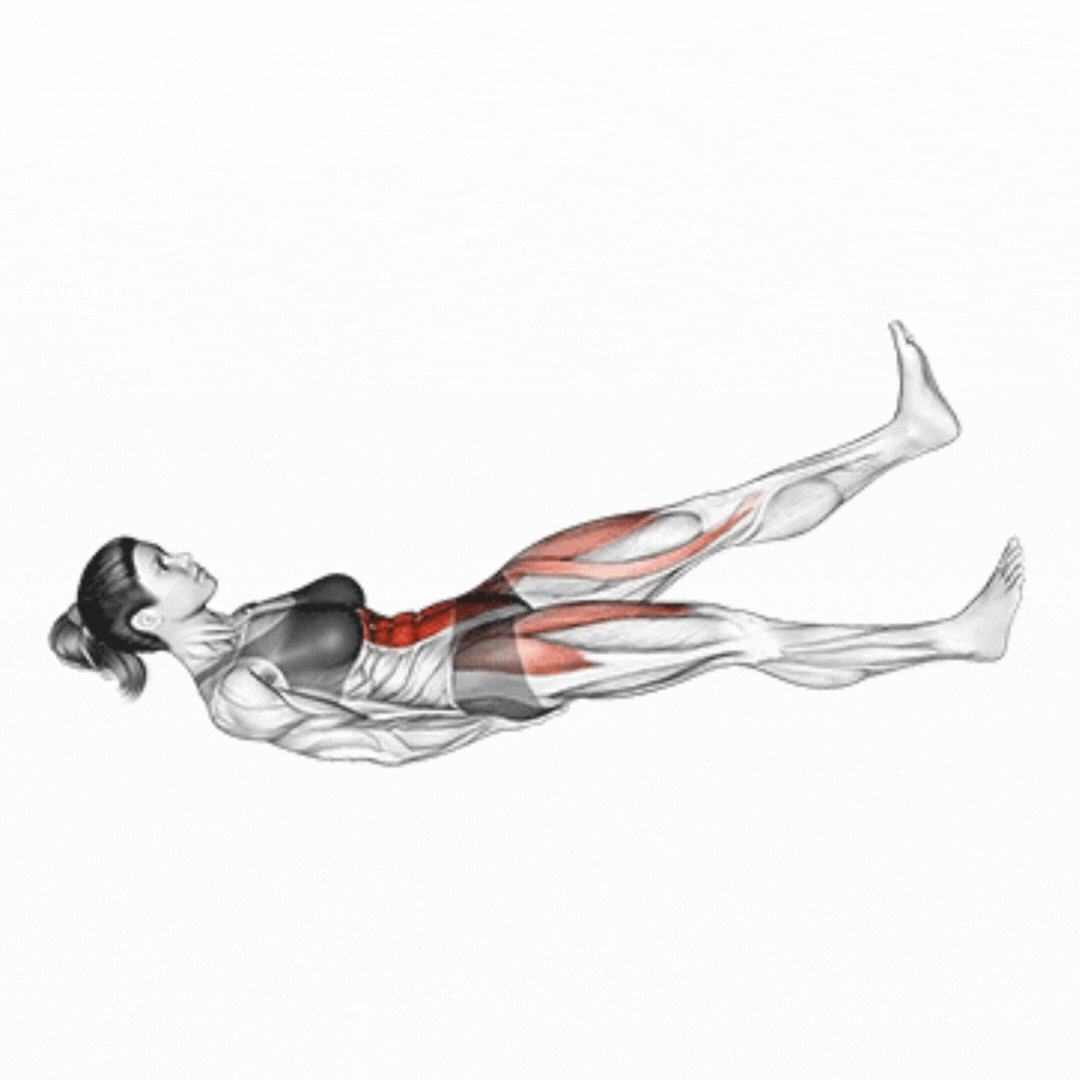
Seated Flutter Kick

Seated Flutter Kick

Lower Abs

Frog Crunches

Frog Crunches

Upper Abs

Alternate Leg Raises

Alternate Leg Raises

Lower Abs

Mountain Climber

Mountain Climber

Lower Abs

Exercise Information

DifficultyIntermediate
Movement TypeIsolation
FocusStrength
Injury RiskLow
Set3-4
Reps8-12
Rest60 seconds
Tempo2-0-1-0
Spotter RequiredNo
Home / Gym
NoYes
Effectiveness4.1 / 5
Popularity6.4 / 10
Learning DifficultyEasy

Equipment

cable

Primary Muscles

ObliquesRectus abdominis

Secondary Muscles

Hip flexorsShoulders

Benefits

  • ✓Develops rotational strength while standing
  • ✓Strengthens oblique muscles in a functional manner
  • ✓Works core stabilization while standing
  • ✓Builds rotational power for athletic performance

Goals

StrengthPower
Back to All Exercises
Standing Cable Twist
Animation

Description

Standing Cable Twist is a cable exercise performed while standing that develops functional core strength. This movement mimics rotational movements in daily life and sports. The oblique muscles, transverse abdominis, and the entire core region are actively engaged. Since it is performed standing, lower body stabilization is also involved. It is an ideal exercise for those looking to improve athletic performance. It can be varied by performing at different angles and resistances.

Step-by-Step Instructions

  1. 1

    Stand next to the cable machine with the cable at shoulder height

  2. 2

    Position your feet shoulder-width apart and grip the cable with both hands

  3. 3

    Keeping your arms slightly bent, rotate toward the side away from the cable

  4. 4

    During rotation, minimize movement of your hips and legs - focus should be on the torso

  5. 5

    Hold for one second at maximum rotation and contract the muscles

  6. 6

    Slowly return to the starting position and maintain a controlled movement tempo

Key Points

  • ✓Take the cable from the side, stand away from the machine
  • ✓Position your feet shoulder-width apart with knees slightly bent
  • ✓Engage your abdominal muscles and keep your back straight
  • ✓Initiate rotation from the shoulder blades, do not just rotate your arms
  • ✓Your hips should remain stable throughout the movement

Common Mistakes

  • ✗Using only the arms - does not effectively work oblique muscles
  • ✗Moving the hips - reduces core stabilization
  • ✗Pulling the weight too quickly - should be controlled
  • ✗Not keeping feet stable - creates imbalance
  • ✗Arching the back - causes lower back pain

Breathing

Exhale while pulling the cable (rotating), inhale when returning to the starting position.

Back to All Exercises

Related Exercises

Exercises targeting similar muscle groups

Abdominals Exercises
Long Arm Crunch

Long Arm Crunch

Upper Abs

Figure-Four Crunch

Figure-Four Crunch

Obliques

Seated Flutter Kick

Seated Flutter Kick

Lower Abs

Frog Crunches

Frog Crunches

Upper Abs

Alternate Leg Raises

Alternate Leg Raises

Lower Abs

Mountain Climber

Mountain Climber

Lower Abs