.gif)
Description
Standing Cable Crunch is an effective abdominal exercise performed while standing using a cable machine. This movement intensely targets the rectus abdominis, and standing upright also helps develop core stabilization. The cable resistance provides constant tension throughout every phase of the movement. It offers greater resistance and control compared to the traditional crunch. It is ideal for building strength and volume in the abdominal muscles. It is known as a popular and safe abdominal exercise in gyms.
Standing Cable Crunch How-To Guide
- 1
Stand facing the cable machine with a rope attachment connected to the high pulley
- 2
Grip the rope attachment and take a few steps back to create tension
- 3
Position your feet shoulder-width apart with knees slightly bent
- 4
Contract your abdominal muscles and bend forward, bringing your elbows toward your knees
- 5
At the bottom of the movement, squeeze your abdominal muscles tightly and hold for 1 second
- 6
Return to the starting position in a controlled manner and repeat the movement
Key Points
- ✓Hold the cables behind your head with elbows kept bent
- ✓Your hips should remain stationary; bend only with the upper torso
- ✓Perform a curling motion by contracting your abs; do not simply bend over
- ✓Keep your back straight and avoid rounding it
- ✓Squeeze your abdominal muscles for 1–2 seconds at the bottom of the movement
Common Mistakes
- ✗Using the hips to pull the weight – this reduces abdominal engagement
- ✗Bending only with the neck – this increases the risk of neck injury
- ✗Performing the entire movement with the back muscles – this misses the target muscle
- ✗Lowering the weight too quickly – this prevents controlled movement
- ✗Completing the movement without squeezing the abs – this results in ineffective work
Breathing
Inhale in the upright position and exhale as you perform the crunch. Continue to exhale as you squeeze the abdominal muscles.
Muscle Activation
Safety
Precautions
- Those with a herniated disc should obtain medical clearance
- Those with neck problems should exercise caution
- Those with spondylolisthesis should avoid this exercise
- Those who have had any abdominal surgery should exercise caution
Safety Tips
- Control the movement with your abdominal muscles, not your arms
- Increase the weight gradually and start with a light load
- Avoid excessive neck flexion and keep your gaze fixed
- Return to the starting position in a controlled manner; do not let the weight drop
Frequently Asked Questions
Which muscles does Standing Cable Crunch work?
Standing Cable Crunch primarily works these muscles: Rectus abdominis. It also engages: Obliques, Hip flexors.
Is Standing Cable Crunch suitable for beginners?
Standing Cable Crunch is a Intermediate level exercise. Learning difficulty: Moderate.
Can Standing Cable Crunch be done at home?
Standing Cable Crunch usually requires gym equipment, so it can be hard to do at home.
What are common mistakes when doing Standing Cable Crunch?
One of the most common mistakes: Using the hips to pull the weight – this reduces abdominal engagement
How many sets and reps for Standing Cable Crunch?
Recommended: 3-4 sets and 10-15 reps.
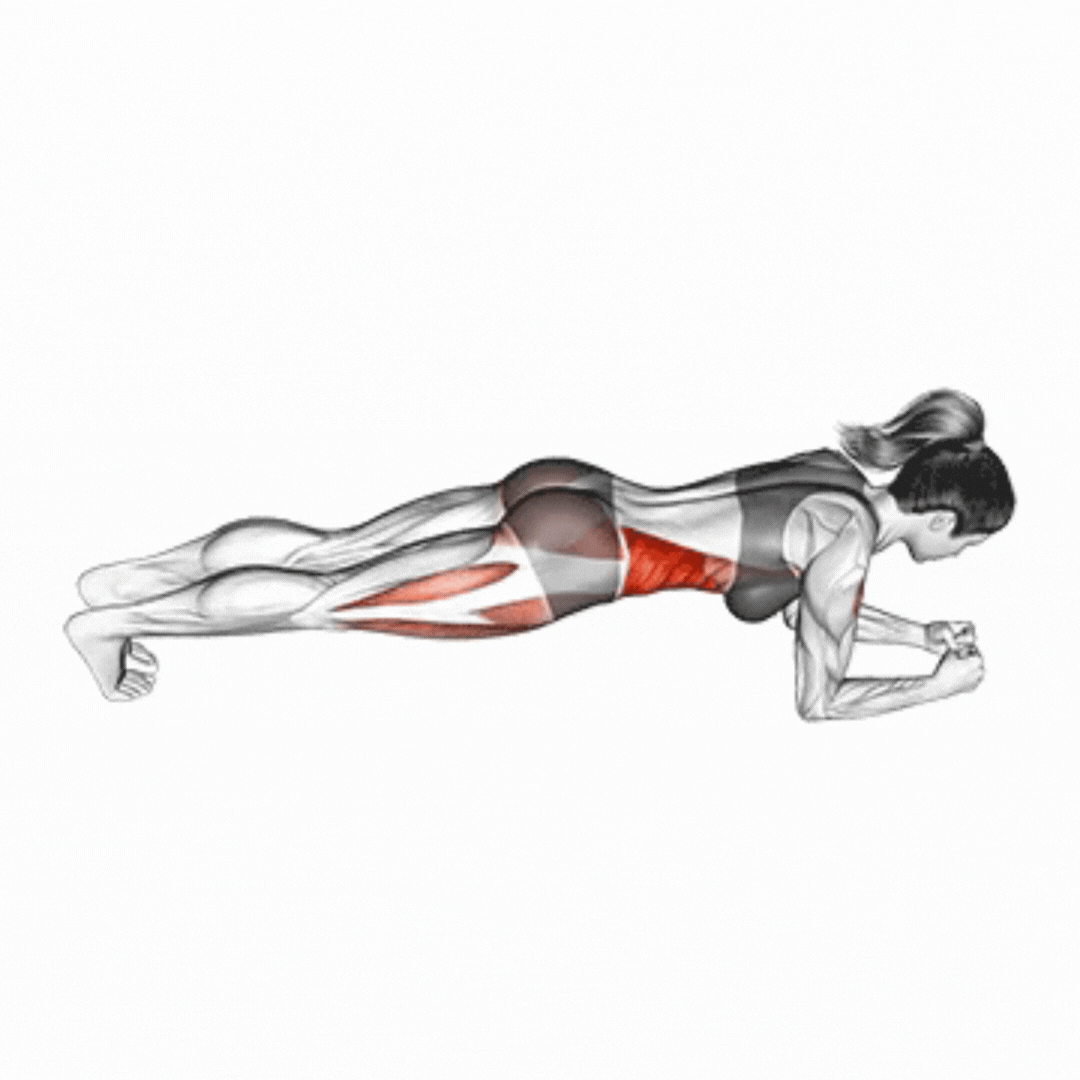
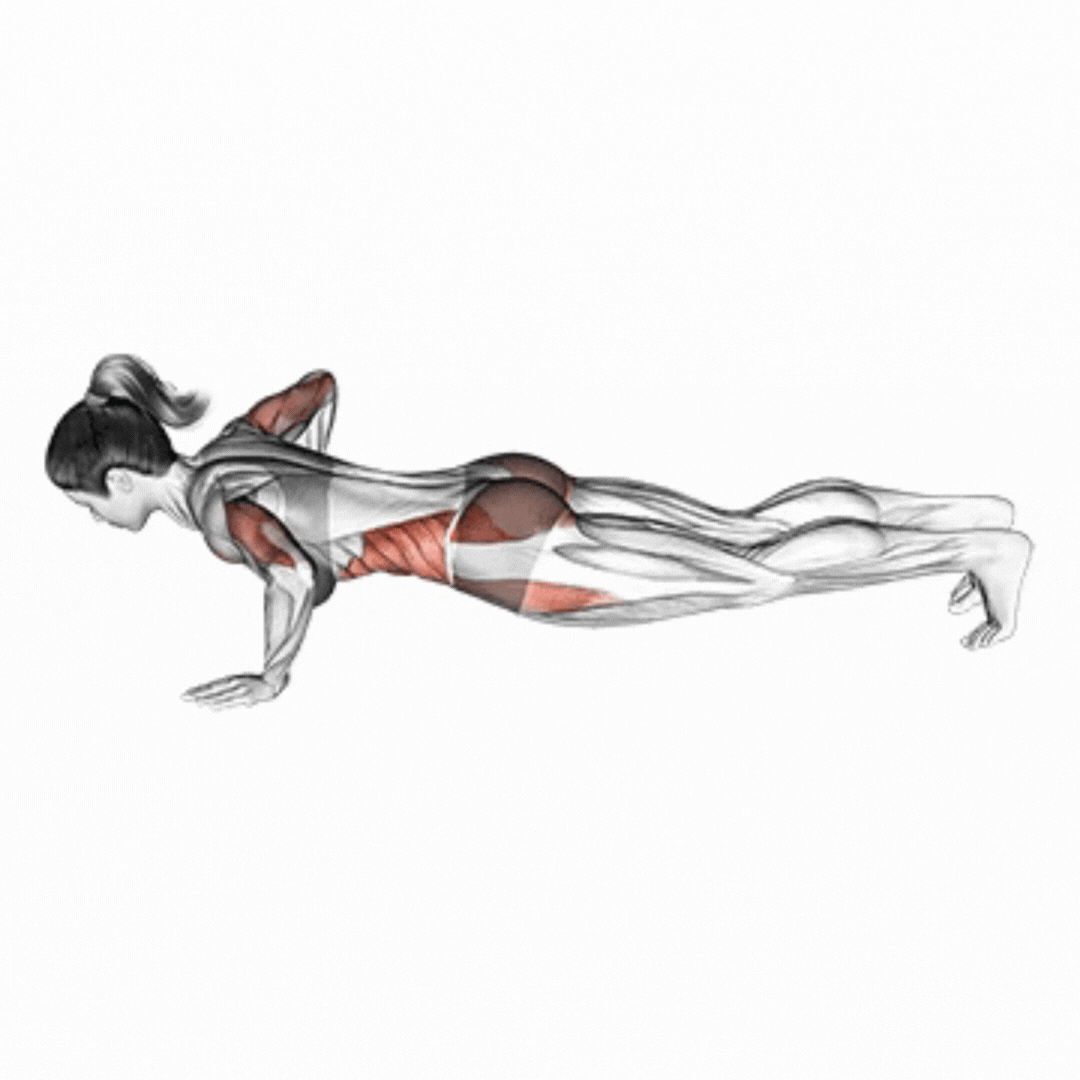
- ✓Effectively develops the abdominal muscles with resistance
- ✓Targets the upper abdominal region
- ✓Promotes muscle mass gains through progressive overload
- ✓Maximizes core strength