.gif)
Description
The Squat Jump is a fundamental plyometric exercise that combines the classic squat with an explosive jump. Performed with bodyweight, it intensely activates the quadriceps, gluteus maximus, hamstrings, and calves. As a plyometric movement, it targets Type II fast-twitch muscle fibers and promotes explosive power development. It also increases cardiovascular endurance and provides high calorie burn. For athletes, it directly improves performance in sprinting, jumping, changing directions, and other dynamic sports. Since it requires no equipment, it is practical for home workouts, outdoors, and travel. It is a staple in HIIT, CrossFit, and many metabolic conditioning programs. When performed regularly, it provides significant improvements in lower body explosive power, speed, and athletic performance.
Squat Jump How-To Guide
- 1
Stand with your feet shoulder-width apart, toes pointing slightly outward.
- 2
Keep your arms by your sides or in front of you to maintain balance.
- 3
Engage your core, keep your back straight, and keep your chest up.
- 4
Lower into a squat position in a controlled manner by pushing your hips back.
- 5
Descend until your thighs are parallel to the floor, ensuring your knees track in the same direction as your toes.
- 6
Jump up explosively by driving through your heels.
- 7
Swing your arms upward during the jump to generate momentum.
- 8
Your feet should leave the ground, and your body should reach full extension.
- 9
Land softly, bending your knees to absorb the impact.
- 10
Immediately transition into the squat position for the next repetition.
Key Points
- ✓Squat technique must be clean, with an emphasis on depth.
- ✓The jump should be explosive, and the landing soft and controlled.
- ✓Knees must track in the same direction as the toes and should not cave inward.
- ✓The core must be kept tight at all times.
- ✓Arms can be used to assist upward momentum during the jump.
- ✓Power should be generated by driving through the heels.
Common Mistakes
- ✗Landing hard - causes joint stress and increases injury risk.
- ✗Letting the knees cave inward - creates joint stress.
- ✗Inadequate range of motion - prevents full development of explosive power.
- ✗Rounding the back - strains the lower back.
- ✗Moving with uncontrolled speed - compromises form.
- ✗Failing to fully extend the body at the top - defeats the purpose of the exercise.
Breathing
Inhale as you lower down, exhale forcefully as you jump, and inhale again upon landing.
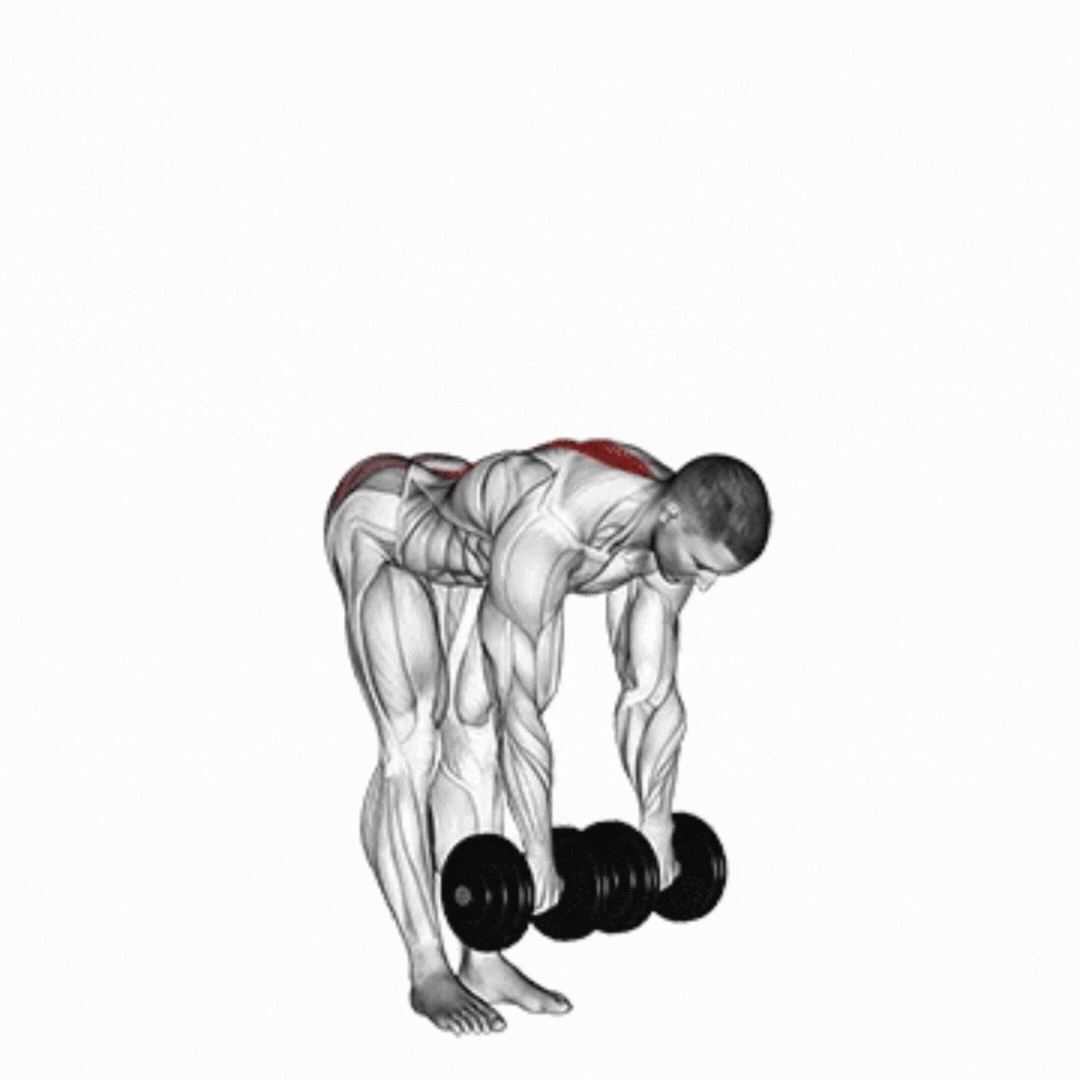
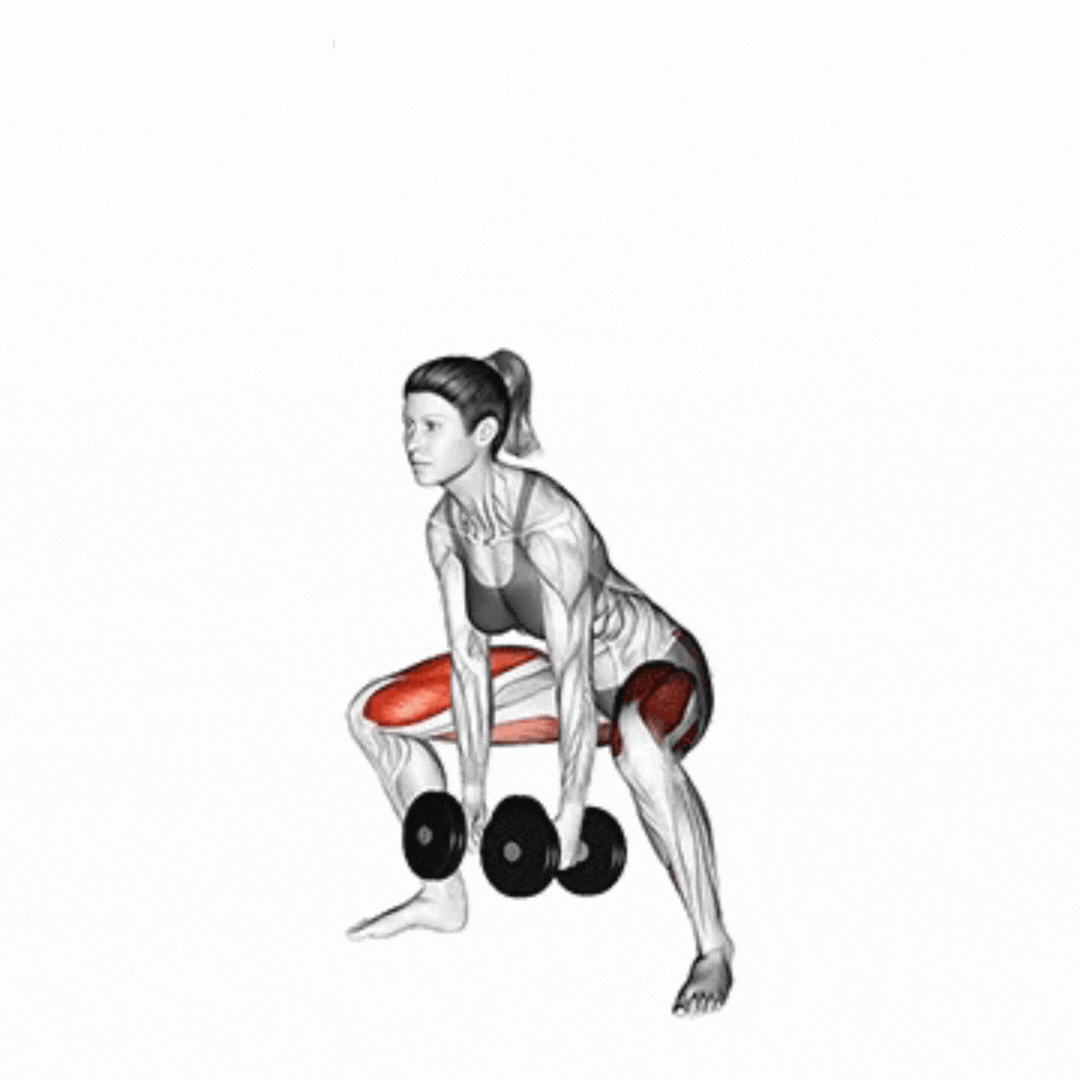
Muscle Activation
Safety
Precautions
- Individuals with acute knee injuries should avoid this.
- Individuals with acute lower back pain should be cautious.
- Individuals with ankle injuries should avoid this exercise.
- Individuals with heart problems should be cautious.
- Pregnant women should avoid this.
- Individuals with knee meniscus issues should avoid this.
Safety Tips
- Perform on a soft or forgiving surface.
- Master the classic squat technique first.
- Pay attention to landing technique; land softly by bending your knees.
- Stop the exercise when your form breaks down.
- Keep sets short if your conditioning is insufficient.
- Wear sturdy, shock-absorbing shoes.
Frequently Asked Questions
Which muscles does Squat Jump work?
Squat Jump primarily works these muscles: Quadriceps, Gluteus maximus. It also engages: Hamstring, Kalf, Core kasları, Adductor.
Is Squat Jump suitable for beginners?
Squat Jump is a Intermediate level exercise. Learning difficulty: Easy.
Can Squat Jump be done at home?
Yes, Squat Jump can easily be done at home.
What are common mistakes when doing Squat Jump?
One of the most common mistakes: Landing hard - causes joint stress and increases injury risk.
How many sets and reps for Squat Jump?
Recommended: 3-5 sets and 8-15 reps.
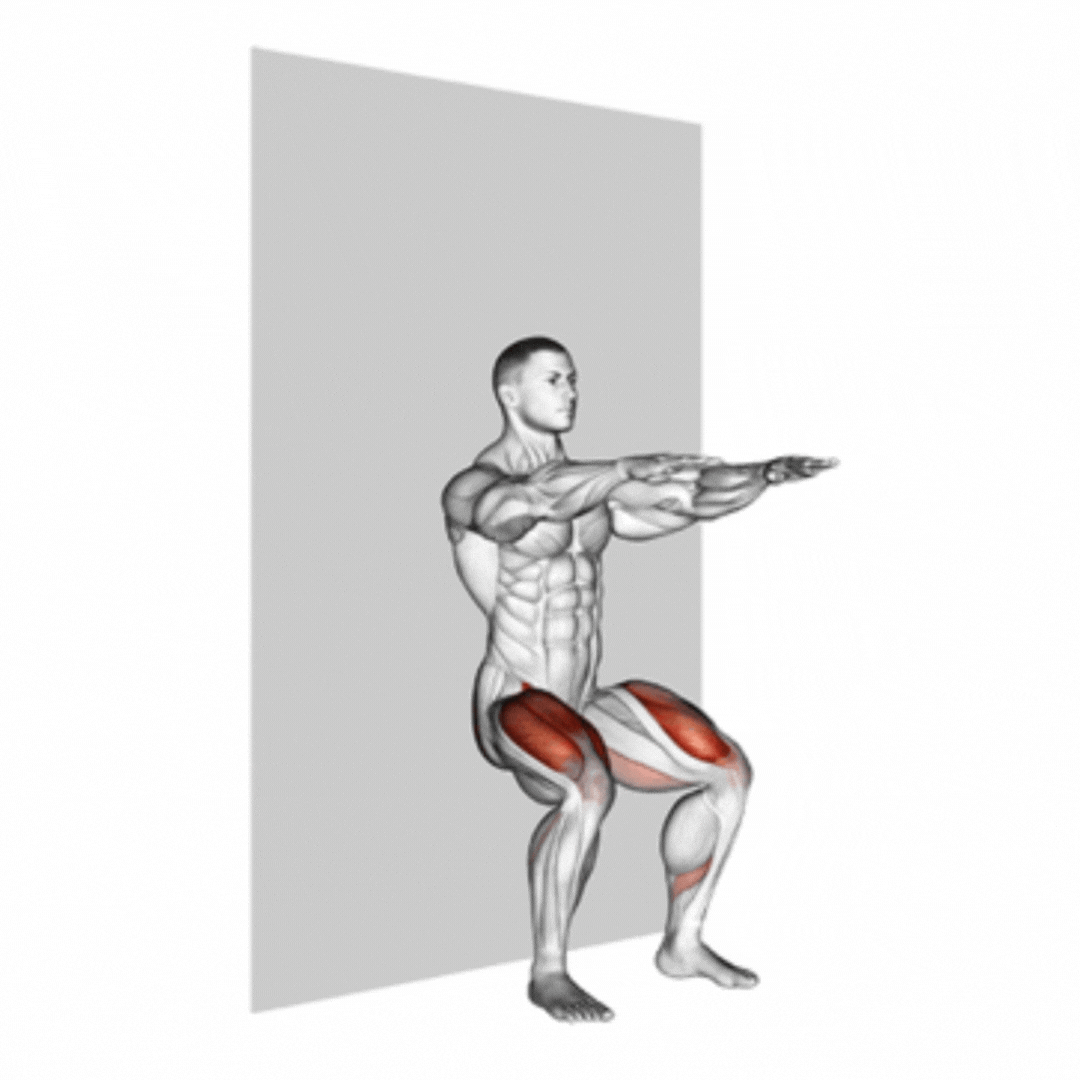
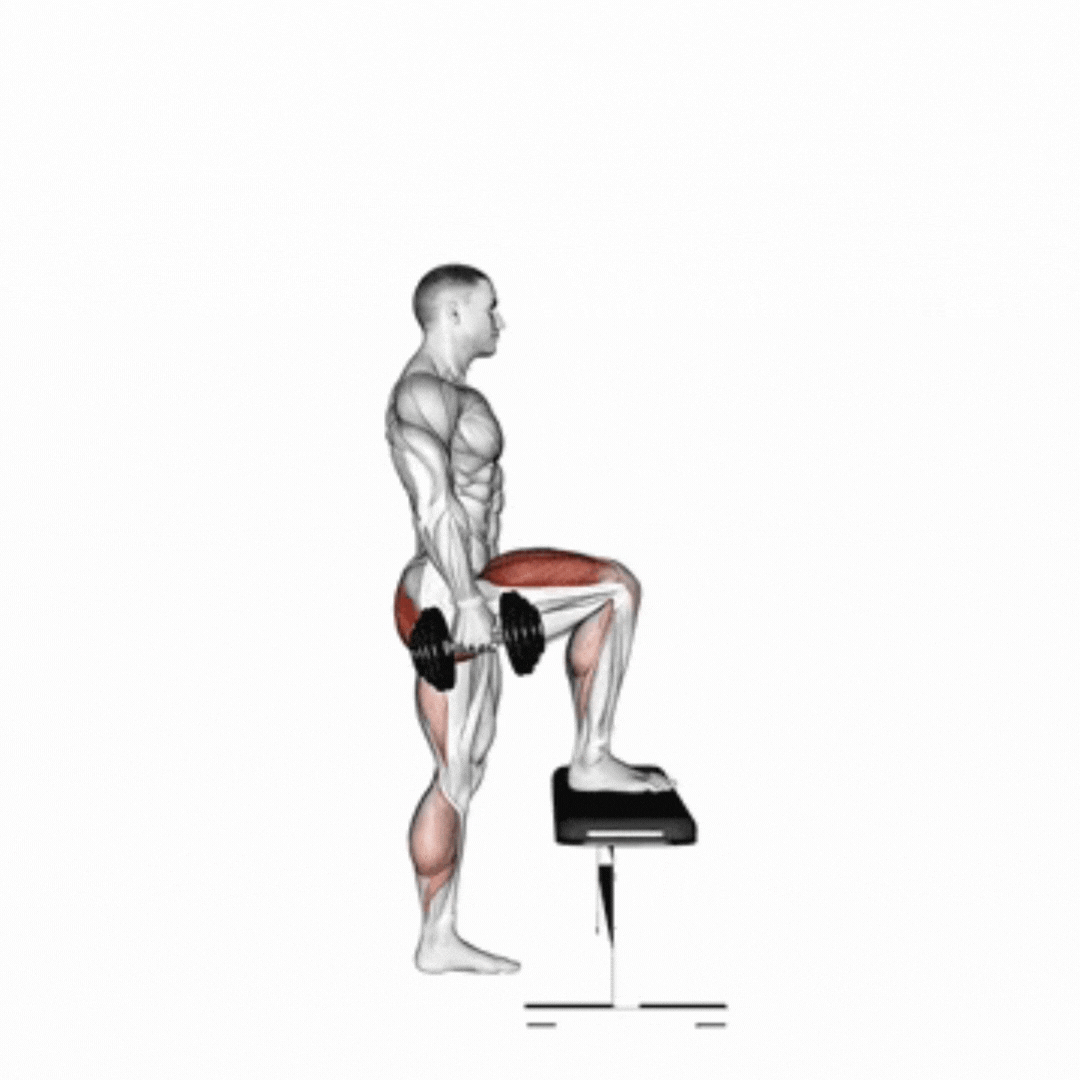
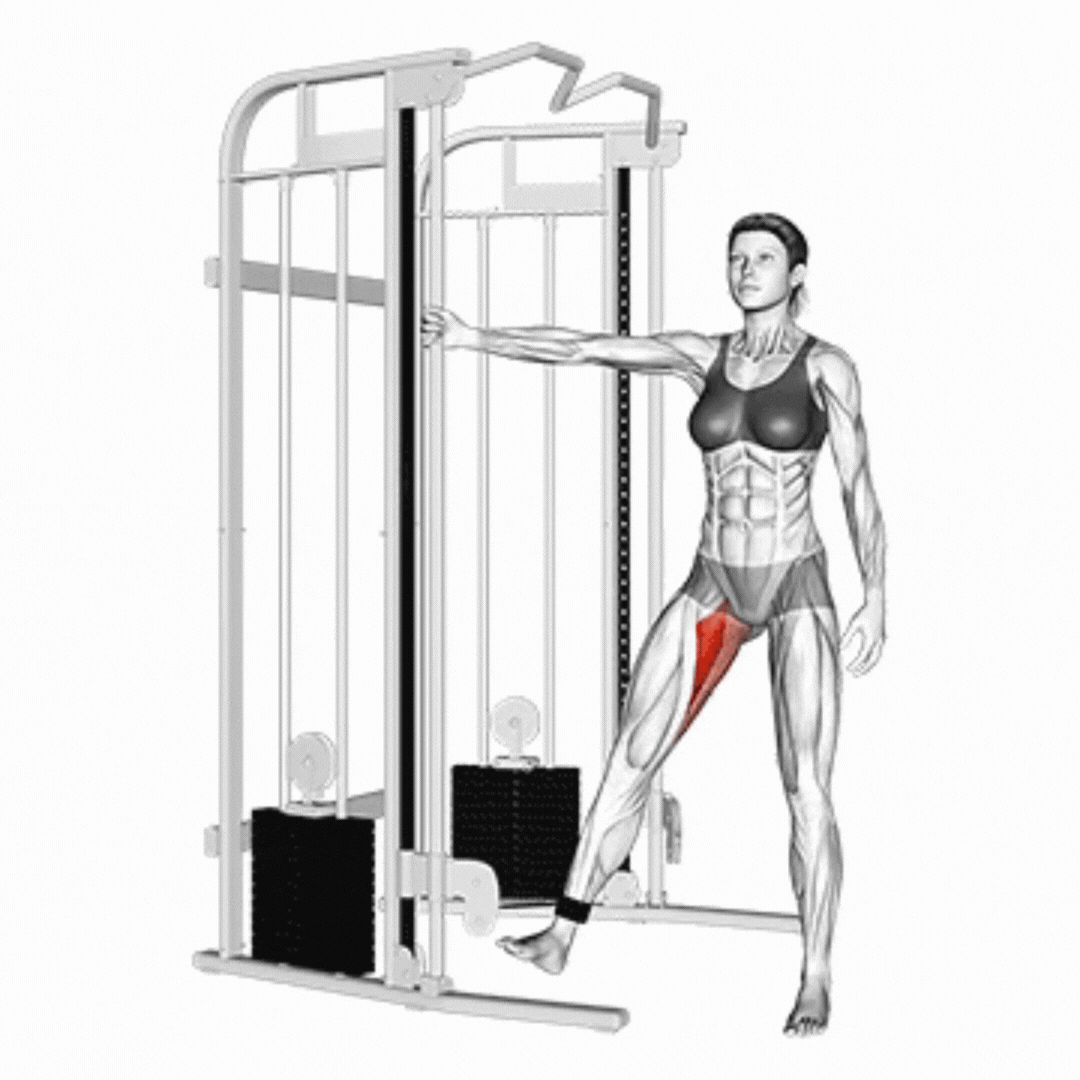
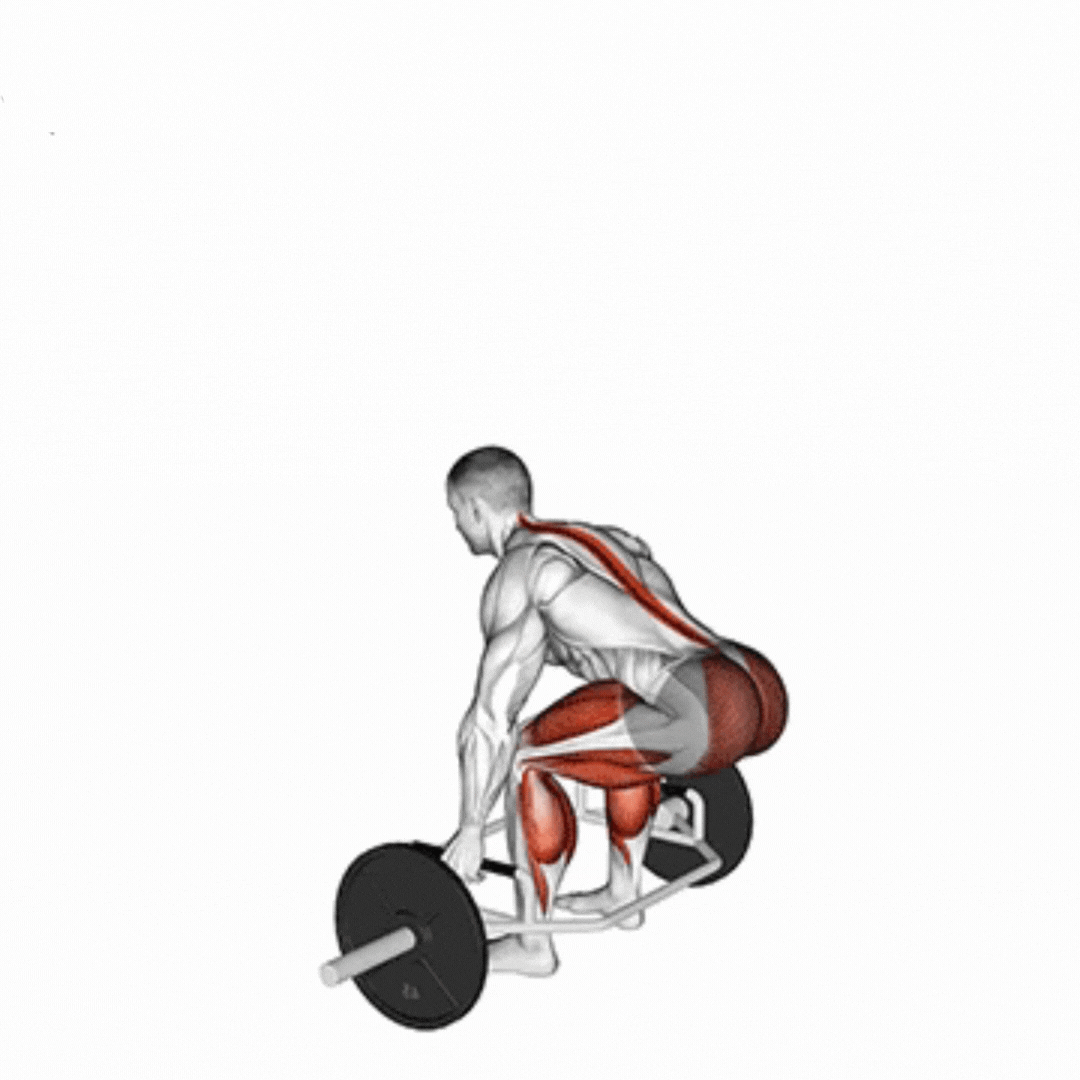
- ✓Develops explosive power and speed.
- ✓Intensely works the quadriceps and glutes.
- ✓Directly improves athletic performance (sprinting, jumping).
- ✓Increases cardiovascular endurance.
- ✓Provides high calorie burn.
- ✓Targets Type II fast-twitch muscle fibers.
- ✓Requires no equipment and can be done anywhere.
- ✓Easily incorporated into HIIT workouts.