.gif)
Description
Spider Plank is a dynamic core exercise performed by pulling your knee toward your elbow from the classic plank position. This movement simultaneously works the obliques, hip flexors, abdominal muscles, and shoulder stabilizers. It gets its name from its similarity to a spider's climbing movement and is highly effective for functional fitness. It develops both abdominal strength and hip mobility while also lightly challenging the cardiovascular system. Making the plank position dynamic increases calorie burn and makes the movement more challenging. It can be practiced by athletes at all levels, and tempo can be increased as progression is achieved.
Spider Plank How-To Guide
- 1
Start in a high plank position with your hands shoulder-width apart on the ground and your body in a straight line
- 2
Bend your right knee from the outside and pull it toward your right elbow in a controlled manner
- 3
After feeling the contraction in your oblique muscles, return your right leg to the starting position
- 4
Repeat the same movement with your left leg, pulling your left knee toward your left elbow
- 5
Throughout the movement, be careful not to raise or drop your hips, keep your core muscles continuously active
- 6
Achieve a controlled rhythm by alternating both sides for an equal number of repetitions
Key Points
- ✓Start from a standard plank position
- ✓Lift one knee by bringing it from the outside toward the elbow
- ✓Bring your knee as close to elbow level as possible
- ✓Keep your hips stable throughout the movement, don't lift them up
- ✓Perform an equal number of repetitions on both sides
Common Mistakes
- ✗Lifting the hips up - reduces core activation
- ✗Rotating the body excessively - disrupts balance
- ✗Fast and uncontrolled movement - reduces muscle engagement
- ✗Sliding shoulders forward - leads to shoulder discomfort
Breathing
Exhale as you pull the knee in, inhale as you return to the starting position. Continue the tempo with regular breathing.
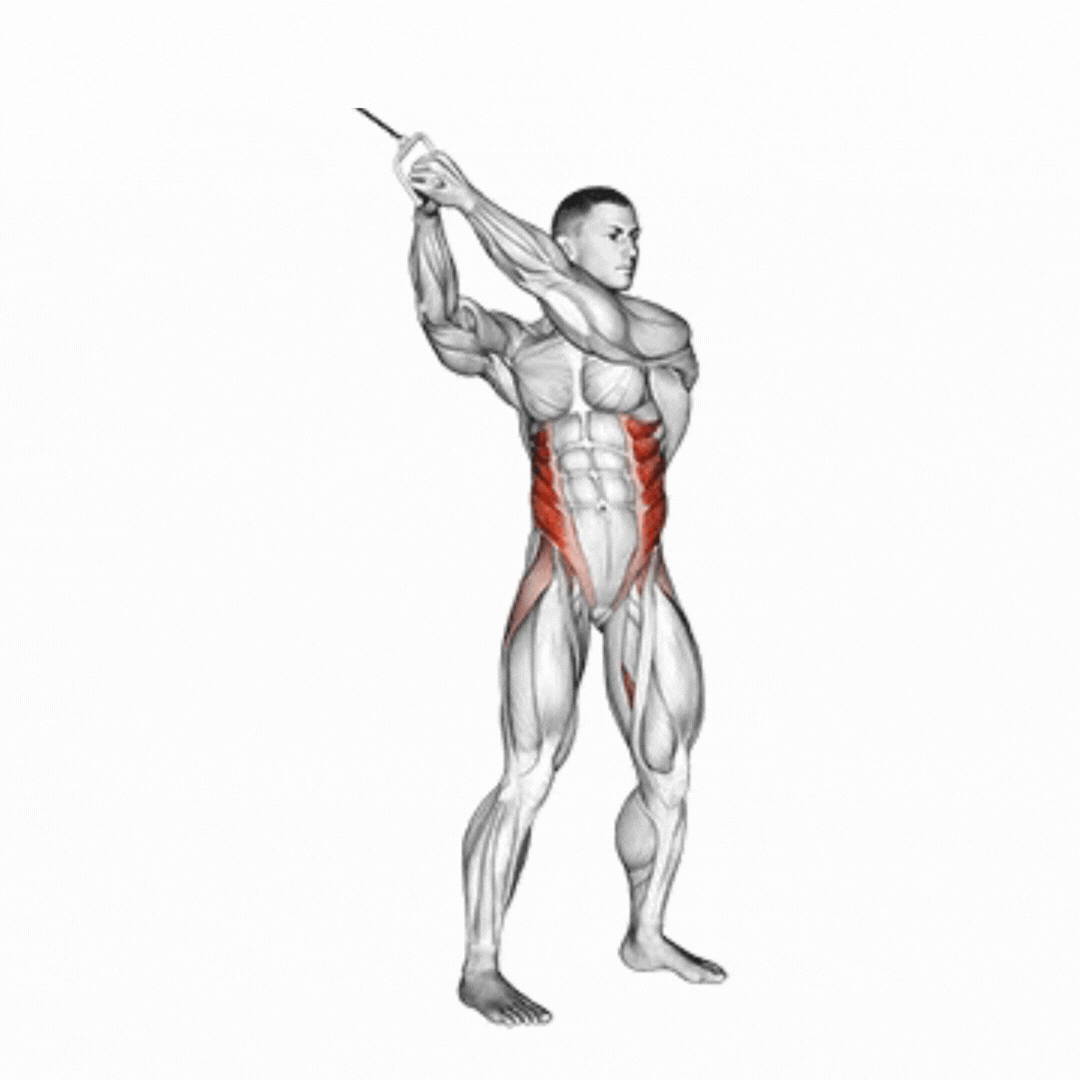
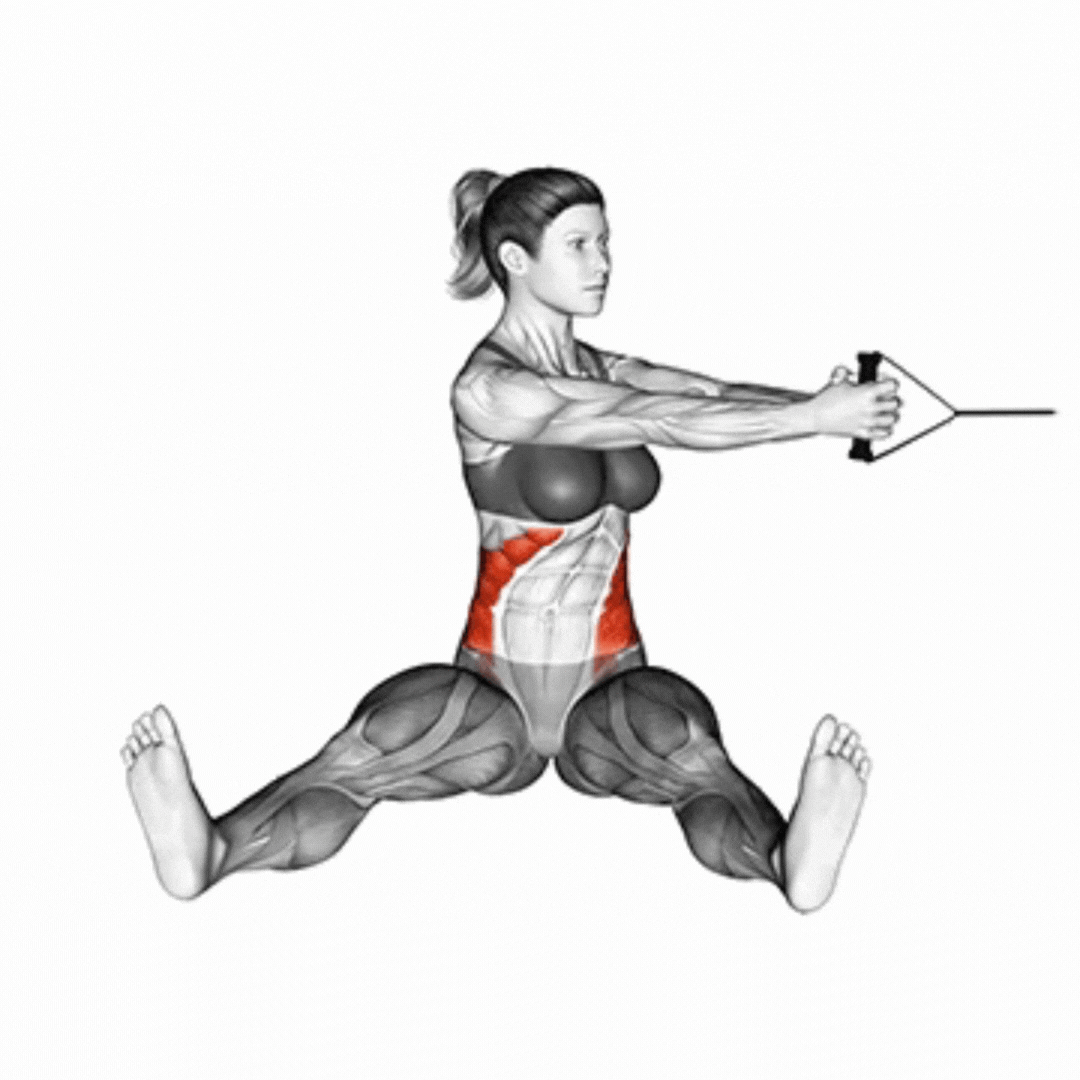
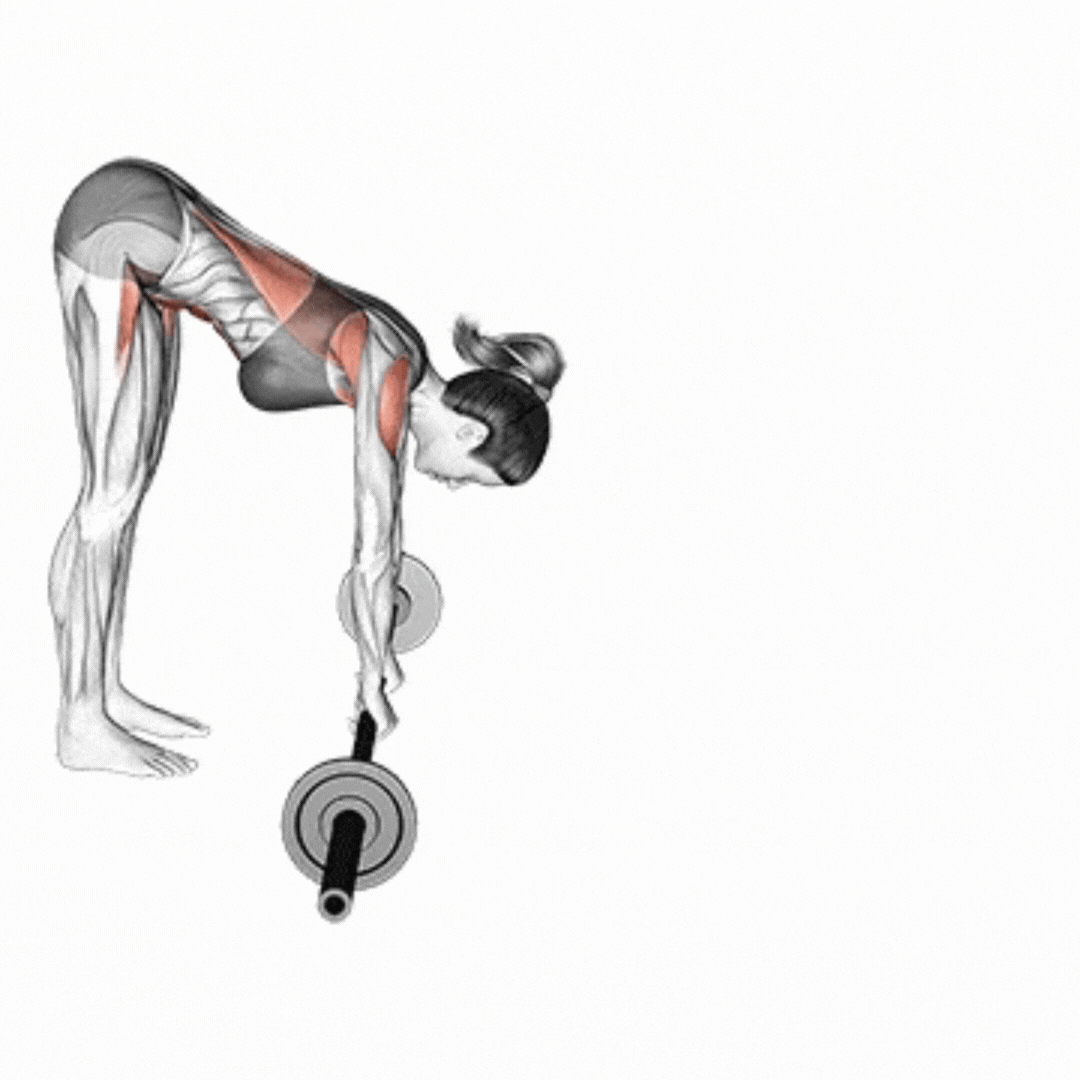
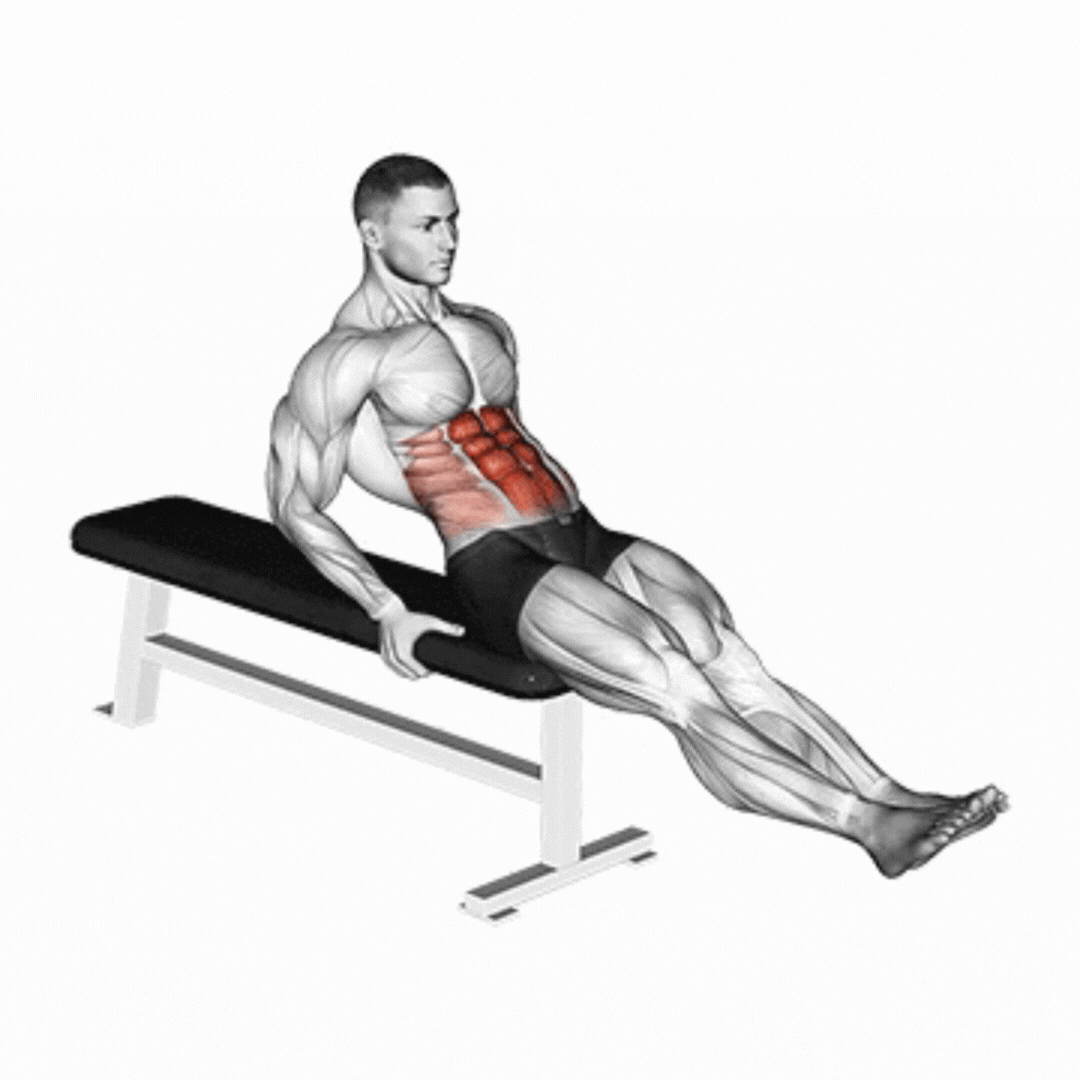
Muscle Activation
Safety
Precautions
- Those with lower back pain should be careful
- Those with wrist injuries should use alternatives
- If you have shoulder problems, take care to maintain proper form
- Get doctor's approval during pregnancy
Safety Tips
- The body should form a straight line
- Move without letting knees touch the ground
- Keep the core region constantly tight
- Perform the movement slowly and in a controlled manner
Frequently Asked Questions
Which muscles does Spider Plank work?
Spider Plank primarily works these muscles: Abdominals, Obliques. It also engages: Shoulders, Hip flexors.
Is Spider Plank suitable for beginners?
Spider Plank is a Intermediate level exercise. Learning difficulty: Moderate.
Can Spider Plank be done at home?
Yes, Spider Plank can easily be done at home.
What are common mistakes when doing Spider Plank?
One of the most common mistakes: Lifting the hips up - reduces core activation
How many sets and reps for Spider Plank?
Recommended: 3-4 sets and 15-25 reps.
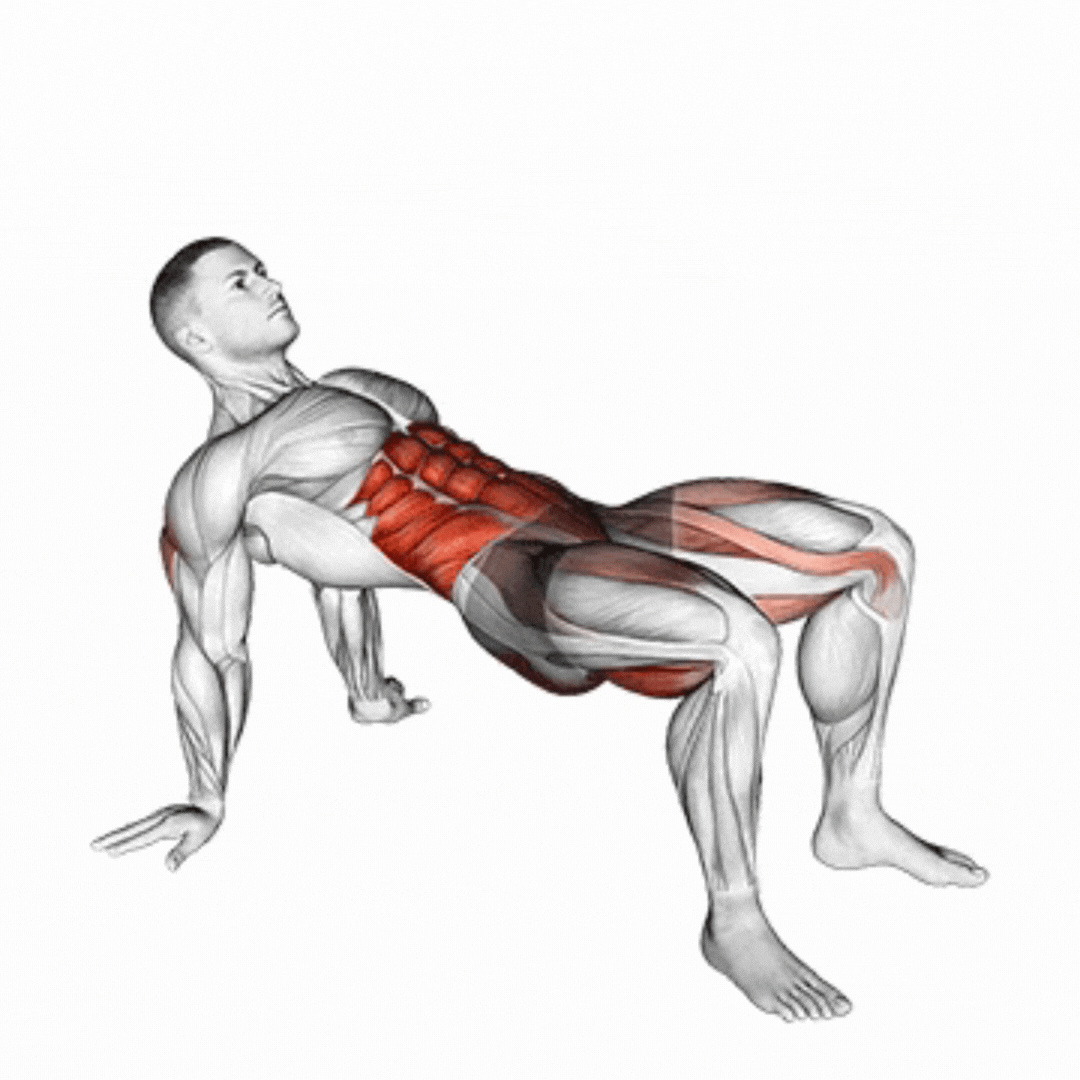
- ✓Strengthens obliques and deep abdominal muscles
- ✓Increases hip mobility
- ✓Develops core endurance and stabilization
- ✓It is a dynamic movement that supports calorie burning