.gif)
Description
Seated Bench Leg Pull-in is an effective exercise performed while seated that targets the lower abdominal muscles. This movement is ideal for shaping and strengthening especially the lower abs region. Being performed while sitting on a bench reduces pressure on the lower back and provides a more controlled movement. It increases core stabilization and helps strengthen the pelvic region. It's suitable for both beginners and advanced athletes, and the difficulty level can be adjusted. When performed regularly, it contributes to symmetrical development of abdominal muscles and a stronger core region.
Seated Bench Leg Pull-in How-To Guide
- 1
Sit at the edge of a bench, hands stabilized on the bench at your sides
- 2
Lean your torso slightly back, contract your abdominal muscles
- 3
Lift your legs off the ground and pull your knees toward your chest
- 4
Hold for one second at the end point of the movement and feel the contraction
- 5
Slowly extend your legs back to starting position but don't let your feet touch the ground
- 6
Keep your upper body stable throughout the movement and use only your legs
Key Points
- ✓Sit at the edge of the bench, place your hands behind you and lean your torso slightly back
- ✓Consciously contract your lower abdominal muscles as you pull your knees toward your chest
- ✓Keep legs suspended in the air without touching the ground when extending forward, maintaining continuous tension
- ✓Keep your back slightly rounded to ensure full contraction of abdominal muscles
Common Mistakes
- ✗Swinging legs with momentum - lower abdominal muscles don't work sufficiently
- ✗Leaning the back too far back - creates excessive stress on the lower back
- ✗Putting too much weight on the hands - arms work instead of abdominal muscles
- ✗Lowering legs completely to the ground - muscle tension is lost and movement efficiency decreases
- ✗Bending the neck forward - causes tension and pain in the cervical spine
Breathing
Exhale as you pull your knees to your chest, inhale as you extend your legs in a controlled manner.
Muscle Activation
Safety
Precautions
- Those with lower back pain should be careful
- If you have a hip injury, limit the range of motion
- Those with joint problems should avoid sudden movements
Safety Tips
- Perform the movement slowly and in a controlled manner
- Stabilize your back to the bench, don't do swayback
- Keep abdominal muscles continuously contracted
- Don't hold your breath, breathe rhythmically
Frequently Asked Questions
Which muscles does Seated Bench Leg Pull-in work?
Seated Bench Leg Pull-in primarily works these muscles: Abdominals, Hip flexors. It also engages: Obliques.
Is Seated Bench Leg Pull-in suitable for beginners?
Seated Bench Leg Pull-in is a Beginner level exercise. Learning difficulty: Easy.
Can Seated Bench Leg Pull-in be done at home?
Yes, Seated Bench Leg Pull-in can easily be done at home.
What are common mistakes when doing Seated Bench Leg Pull-in?
One of the most common mistakes: Swinging legs with momentum - lower abdominal muscles don't work sufficiently
How many sets and reps for Seated Bench Leg Pull-in?
Recommended: 3-4 sets and 10-15 reps.
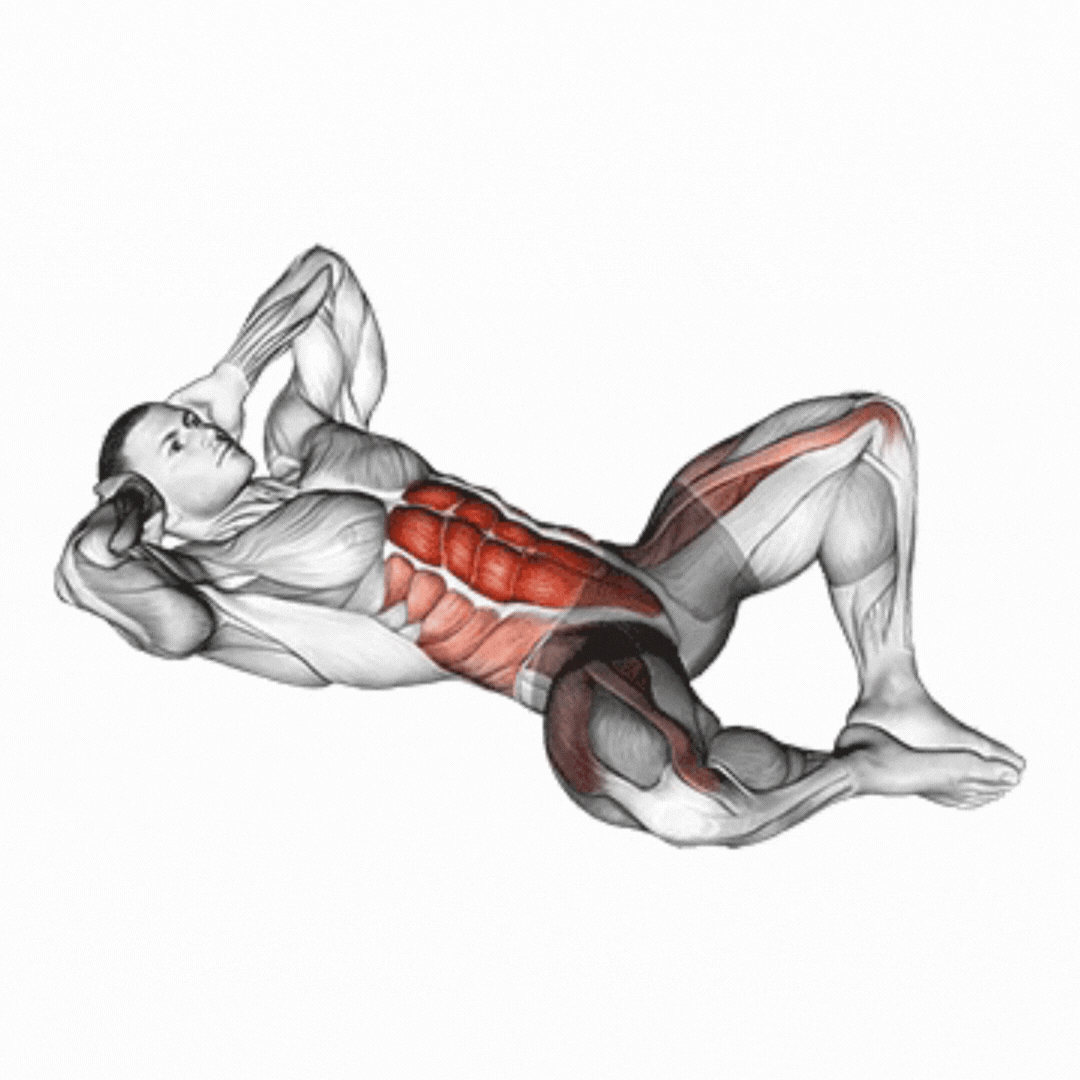
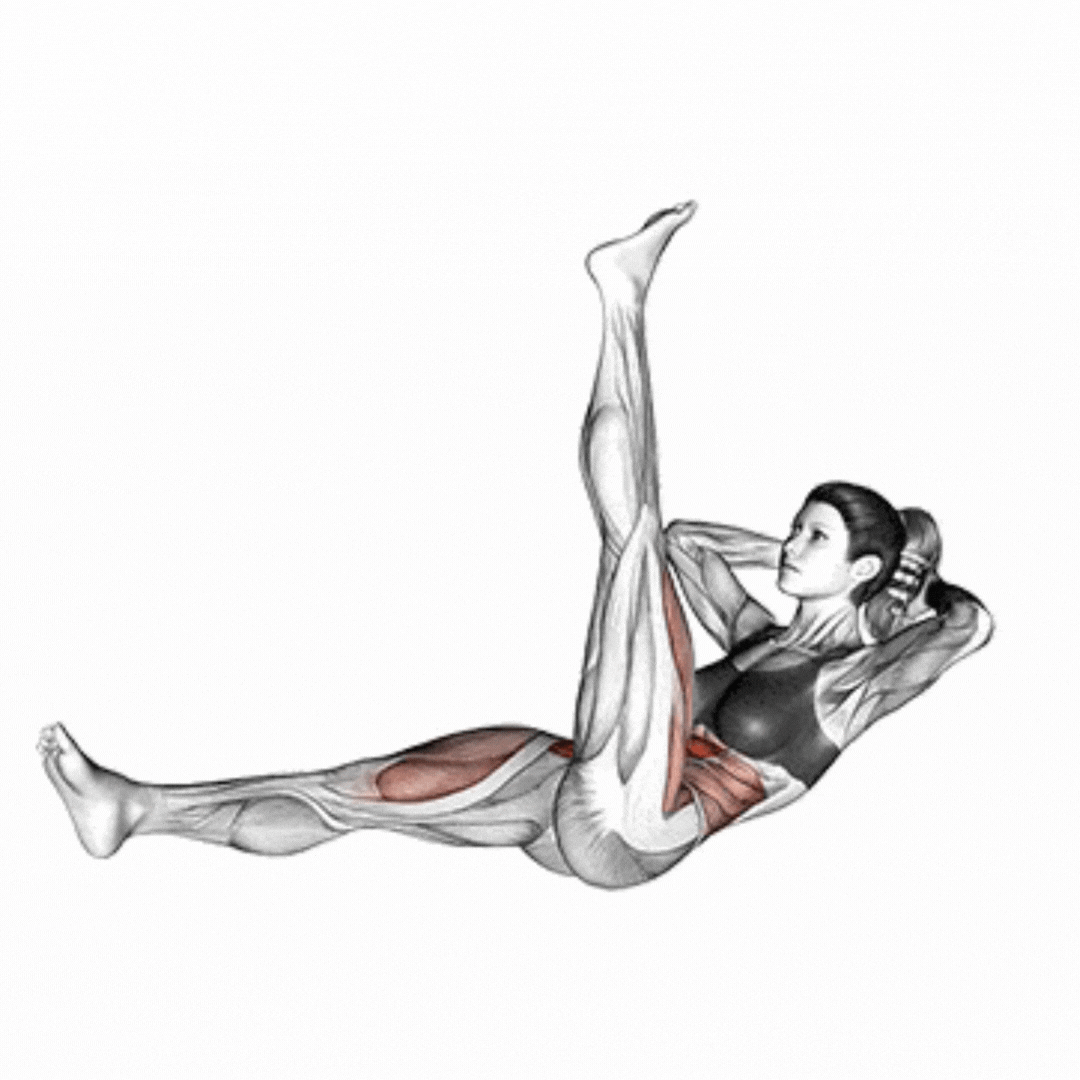
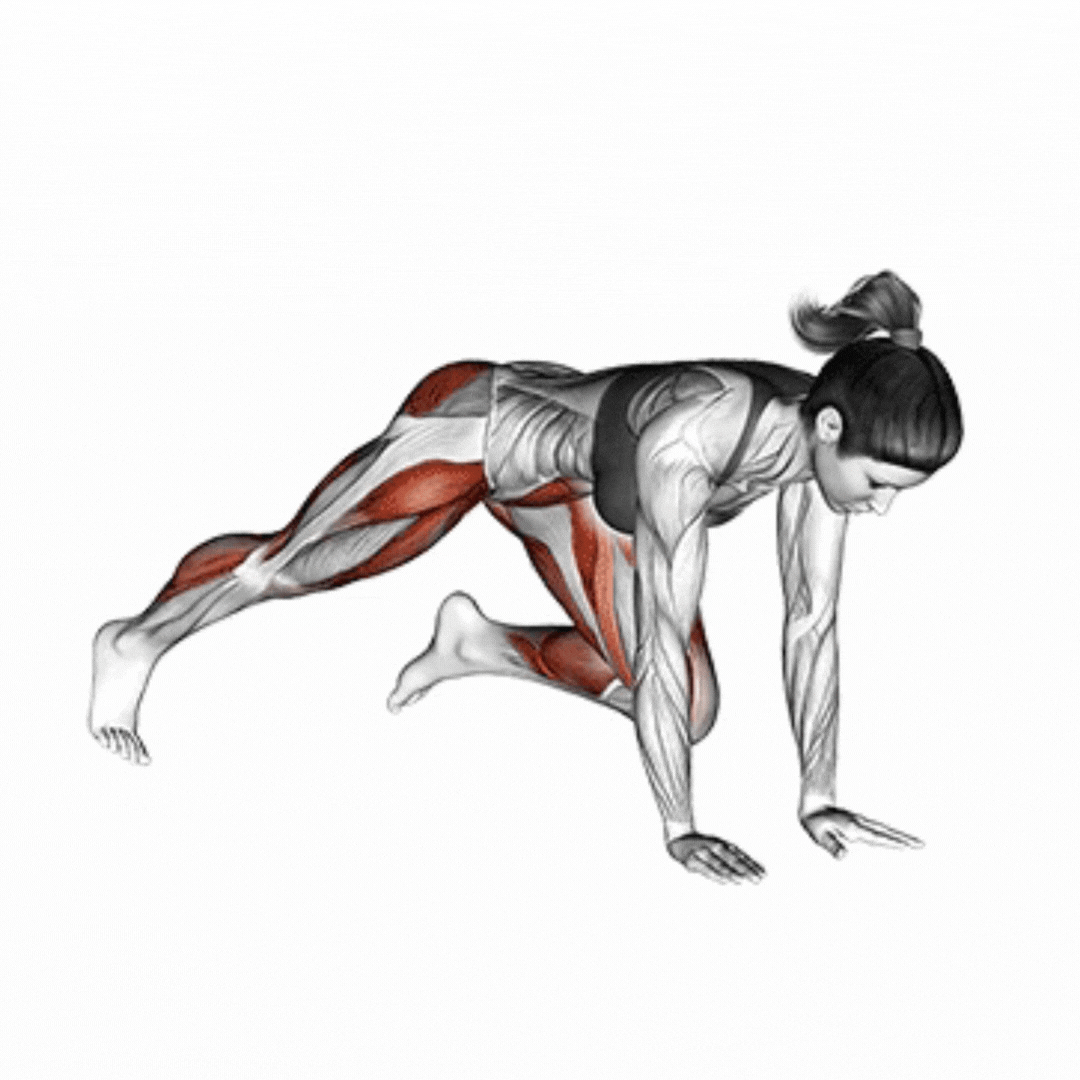
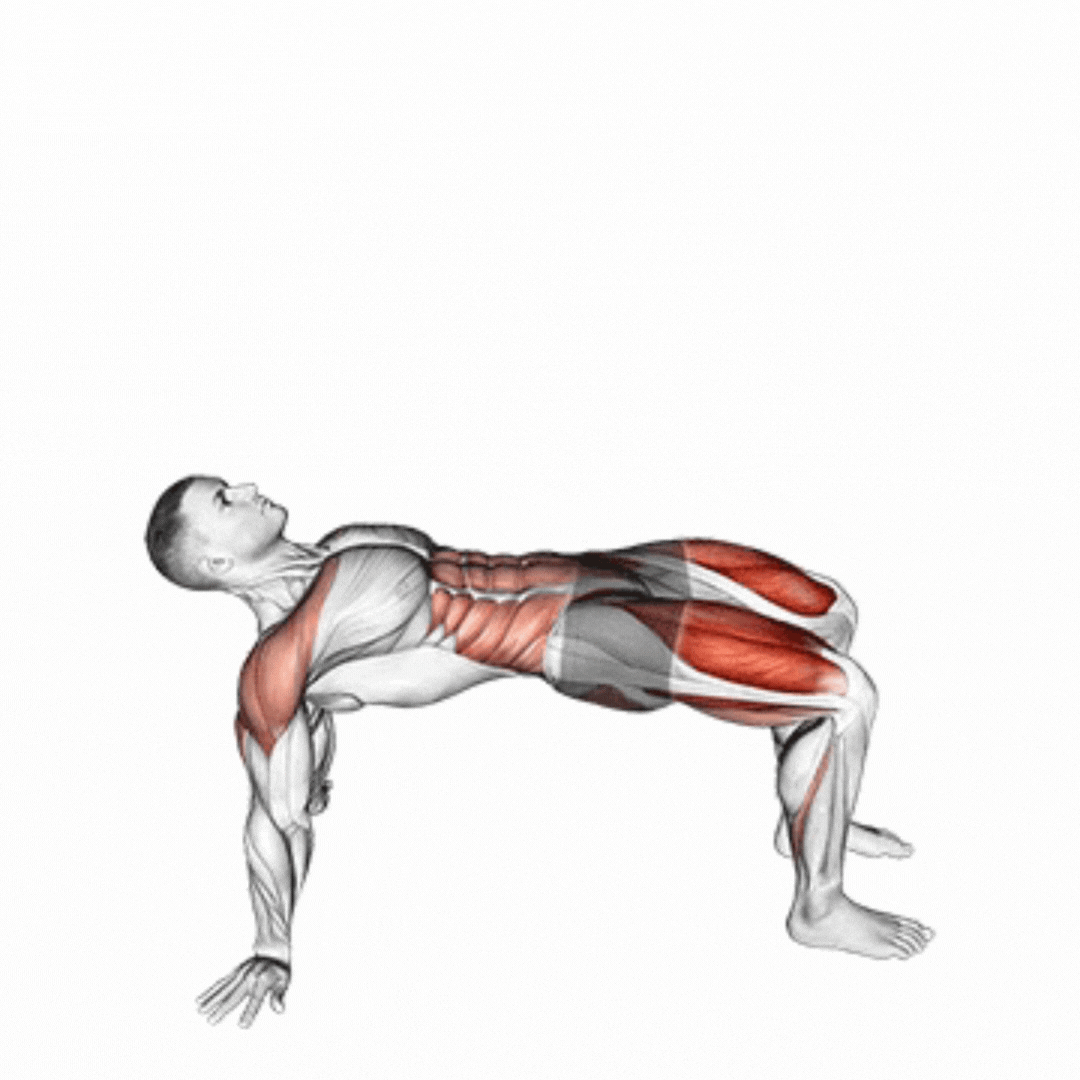
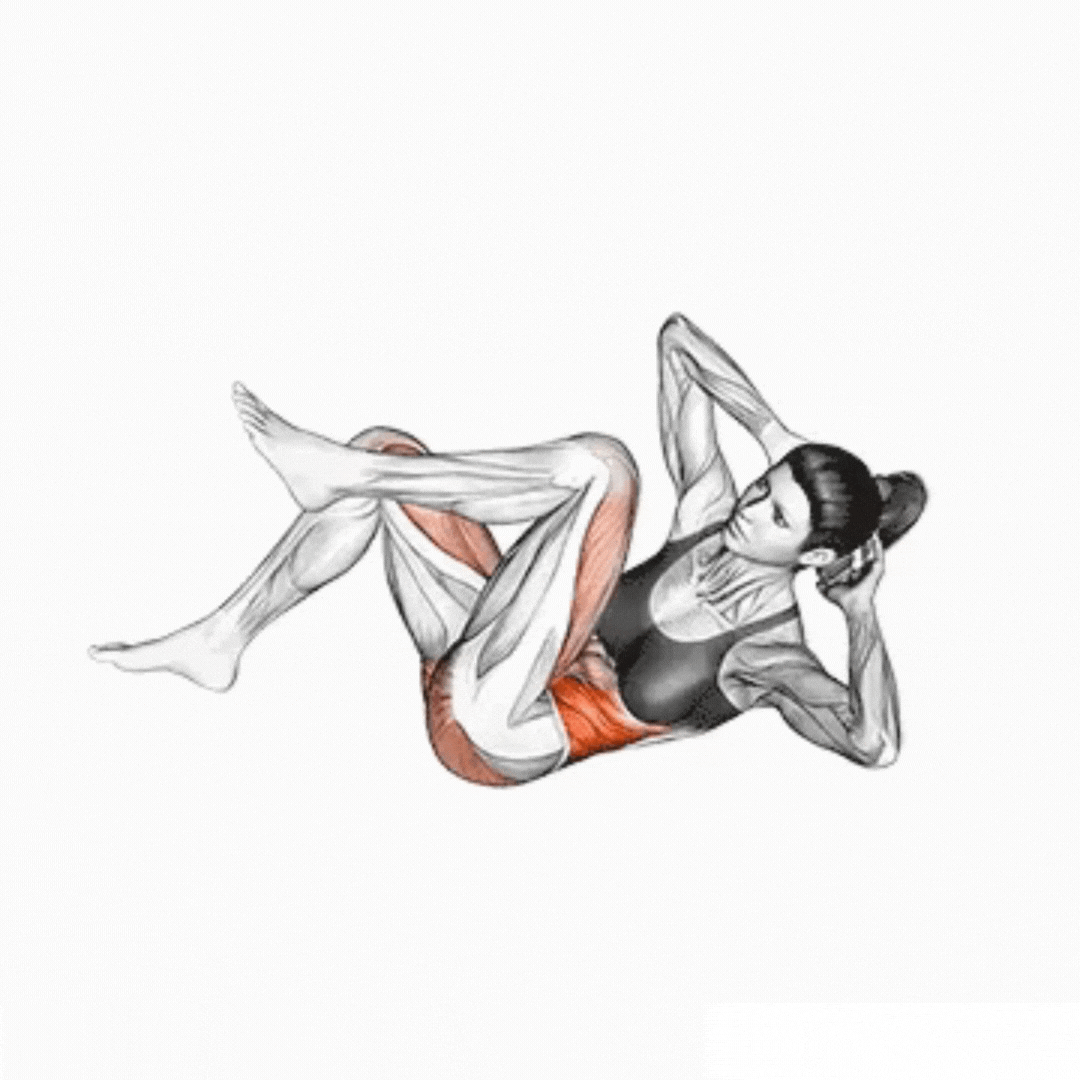
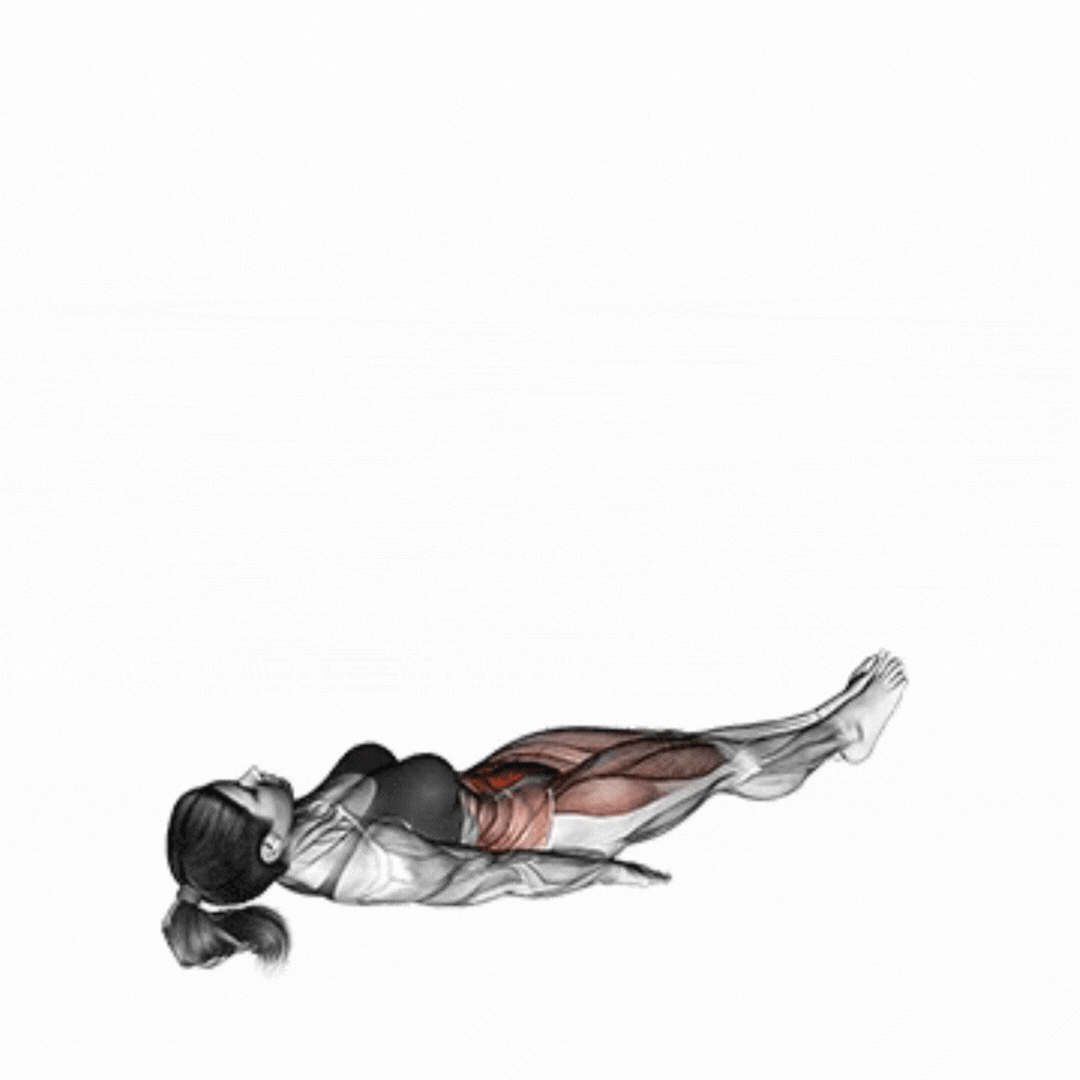
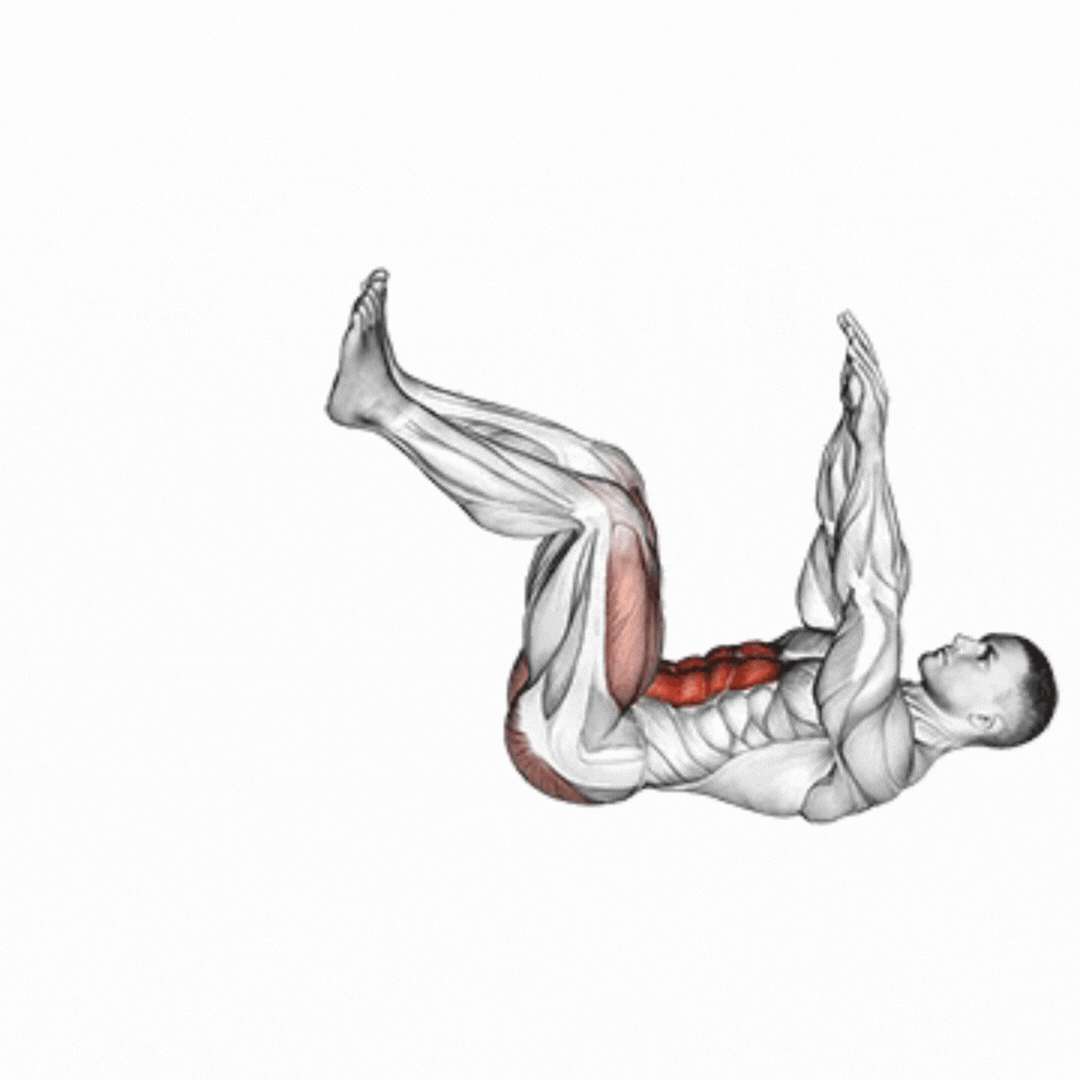
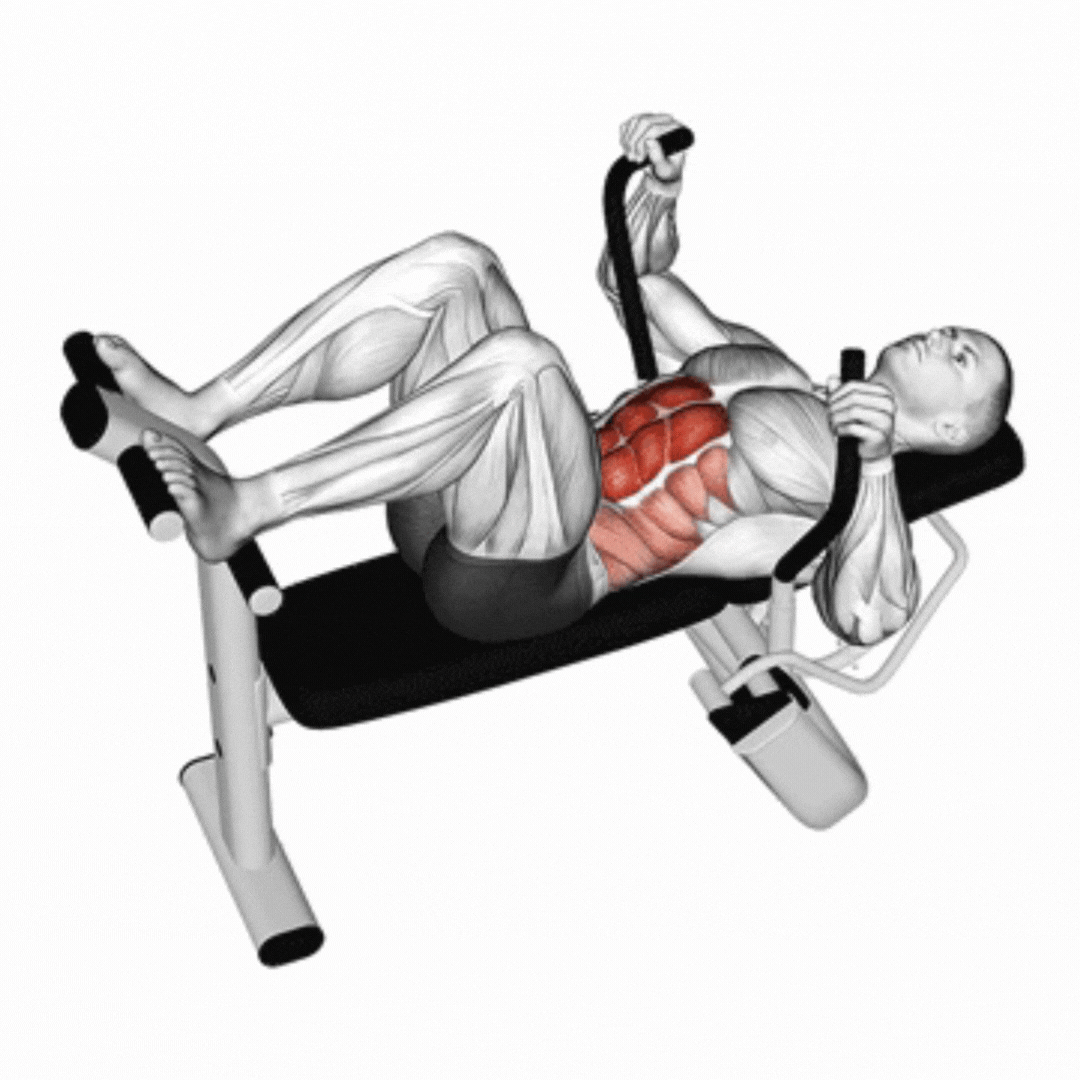
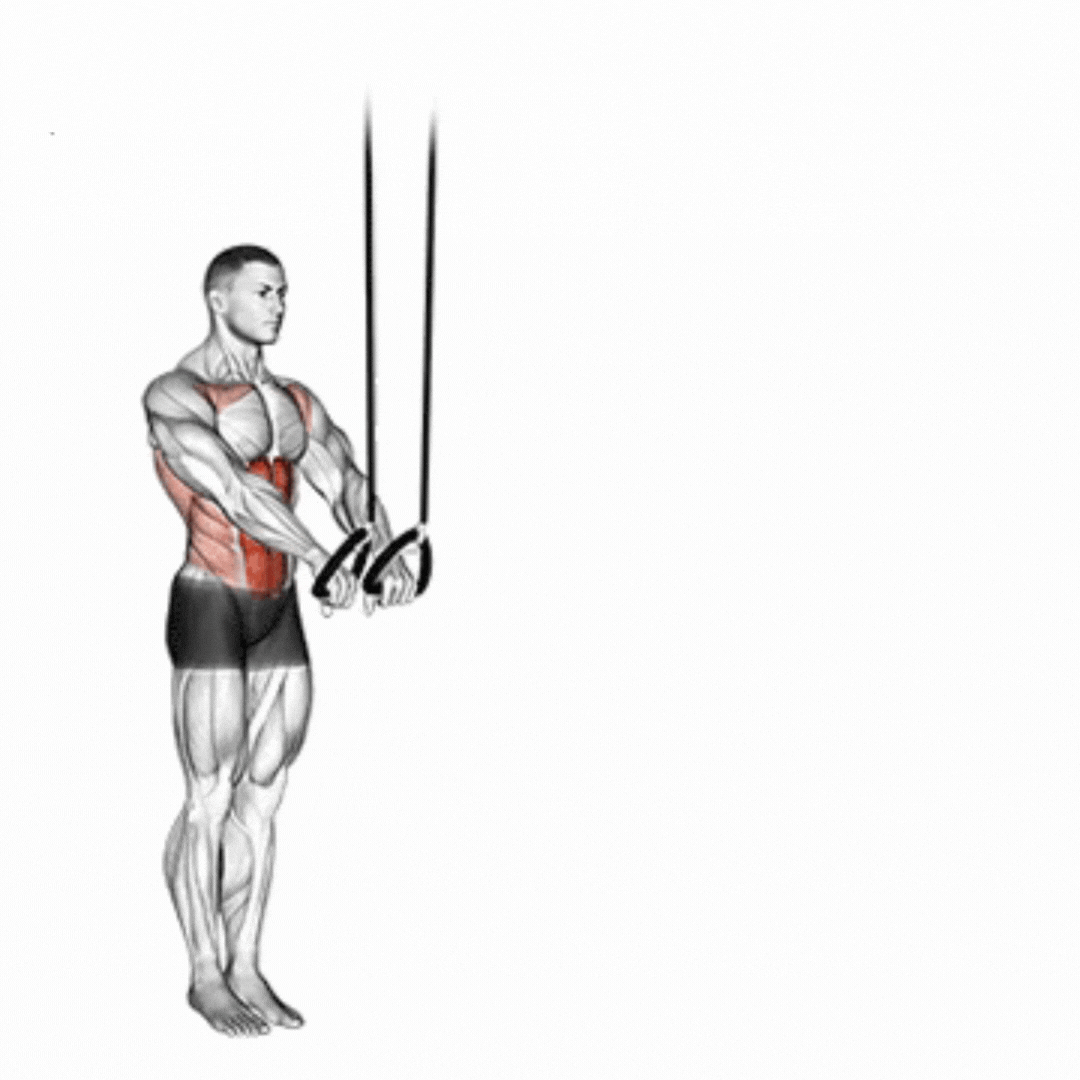
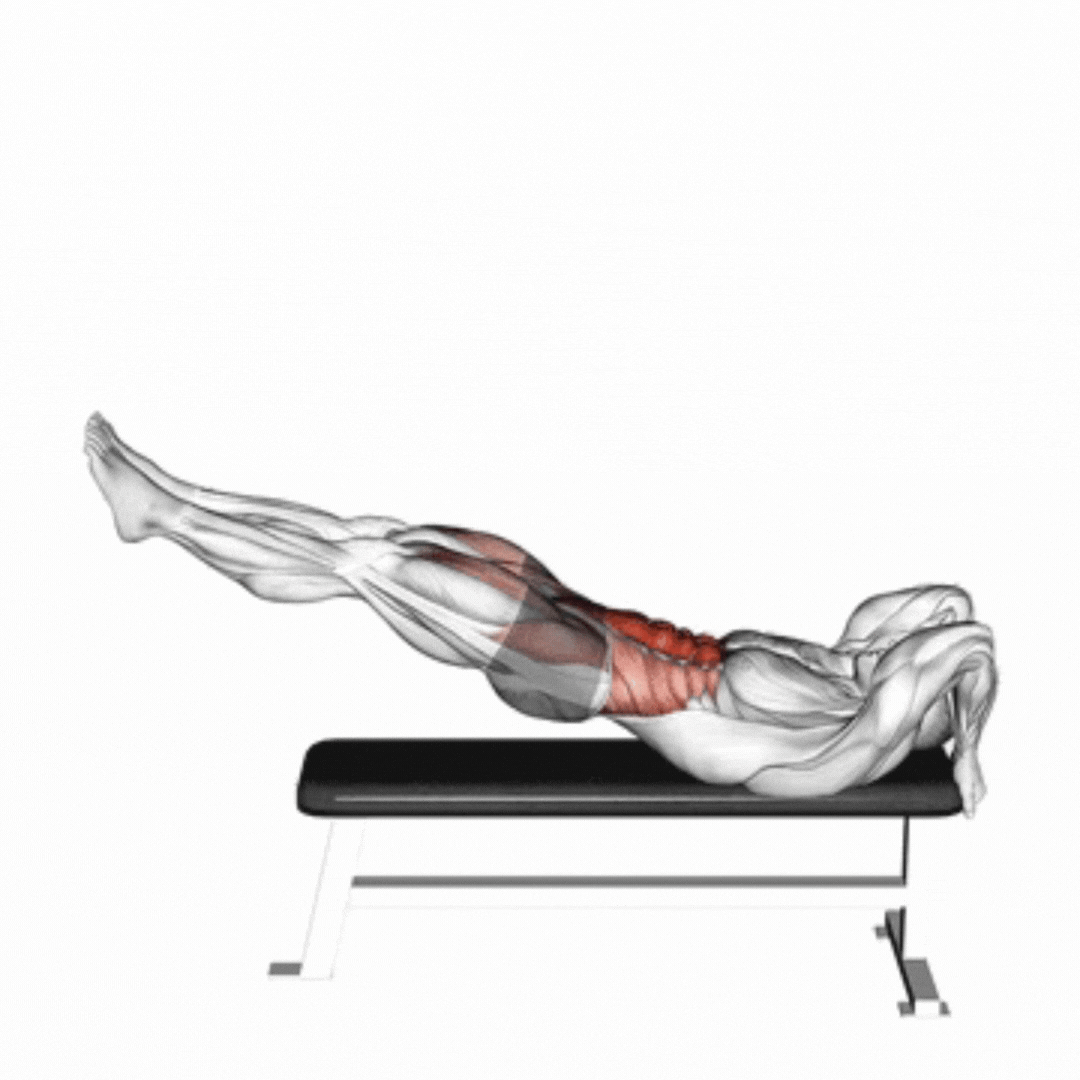
- ✓Targets lower abdominal muscles (lower abs)
- ✓Supports development of flat abdominal muscles
- ✓Isolates core muscles
- ✓Simple and effective lower abs exercise