.gif)
Description
The Seated Band Hip Abduction is an effective glute exercise performed in a seated position using a resistance band to isolate the gluteus medius and gluteus minimus muscles. It is executed by placing the band around the knees and pushing the knees outward. The seated position provides torso stability, allowing the movement to focus solely on the side glute muscles. This exercise improves pelvic stability, hip symmetry, and side glute shape. It also helps prevent knee valgus (knees caving in), contributing to form correction in compound movements like squats and deadlifts. It is practical for home workouts and can even be done in an office environment. It is frequently used as a glute activation movement during the warm-up phase before compound training. When performed regularly, it provides significant improvements in pelvic balance and functional performance.
Seated Band Hip Abduction How-To Guide
- 1
Sit upright on a bench or chair with your feet flat on the floor
- 2
Place a resistance band just above your knees
- 3
Stabilize your torso by placing your hands on the sides of your hips or gripping the edge of the bench
- 4
Keep your back straight, pull your shoulders back, and engage your core
- 5
Slowly push your knees outward against the resistance of the band
- 6
Squeeze your gluteus medius at the peak position and hold for 1-2 seconds
- 7
Return your knees to the starting position in a controlled manner
- 8
Your torso should remain motionless throughout the movement; only your hips should be working
Key Points
- ✓The band should be placed just above the knees
- ✓Keep your back straight, shoulders back, and torso stable
- ✓The movement should come entirely from the hips; do not rock your torso
- ✓Focus on squeezing the side glute muscles as you push your knees apart
- ✓Perform the movement slowly and with control; do not use momentum
Common Mistakes
- ✗Leaning the torso back - this shifts the focus away from the target muscles
- ✗Using momentum - this eliminates muscle isolation
- ✗Positioning the band incorrectly - the resistance won't be transferred to the right muscles
- ✗Inadequate range of motion - this reduces muscle development
- ✗Returning before fully opening the knees - you miss out on the peak contraction
Breathing
Exhale and squeeze your glutes as you push your knees outward, and inhale as you bring them back in.
Muscle Activation
Safety
Precautions
- Individuals with acute hip pain should exercise caution
- Those with knee pain should adjust the position of the band
- Individuals with acute groin injuries should avoid this movement
Safety Tips
- Ensure the band is intact and at an appropriate resistance level
- Start with a light resistance band first and increase gradually
- Keep your back straight and avoid rocking your torso
- Focus on the side glute muscles; do not force the movement with your quadriceps
- Stop the exercise if your form breaks down
Frequently Asked Questions
Which muscles does Seated Band Hip Abduction work?
Seated Band Hip Abduction primarily works these muscles: Gluteus medius. It also engages: Gluteus minimus, Tensor fasciae latae, Core kasları, Gluteus maximus.
Is Seated Band Hip Abduction suitable for beginners?
Seated Band Hip Abduction is a Beginner level exercise. Learning difficulty: Easy.
Can Seated Band Hip Abduction be done at home?
Yes, Seated Band Hip Abduction can easily be done at home.
What are common mistakes when doing Seated Band Hip Abduction?
One of the most common mistakes: Leaning the torso back - this shifts the focus away from the target muscles
How many sets and reps for Seated Band Hip Abduction?
Recommended: 3-4 sets and 15-25 reps.
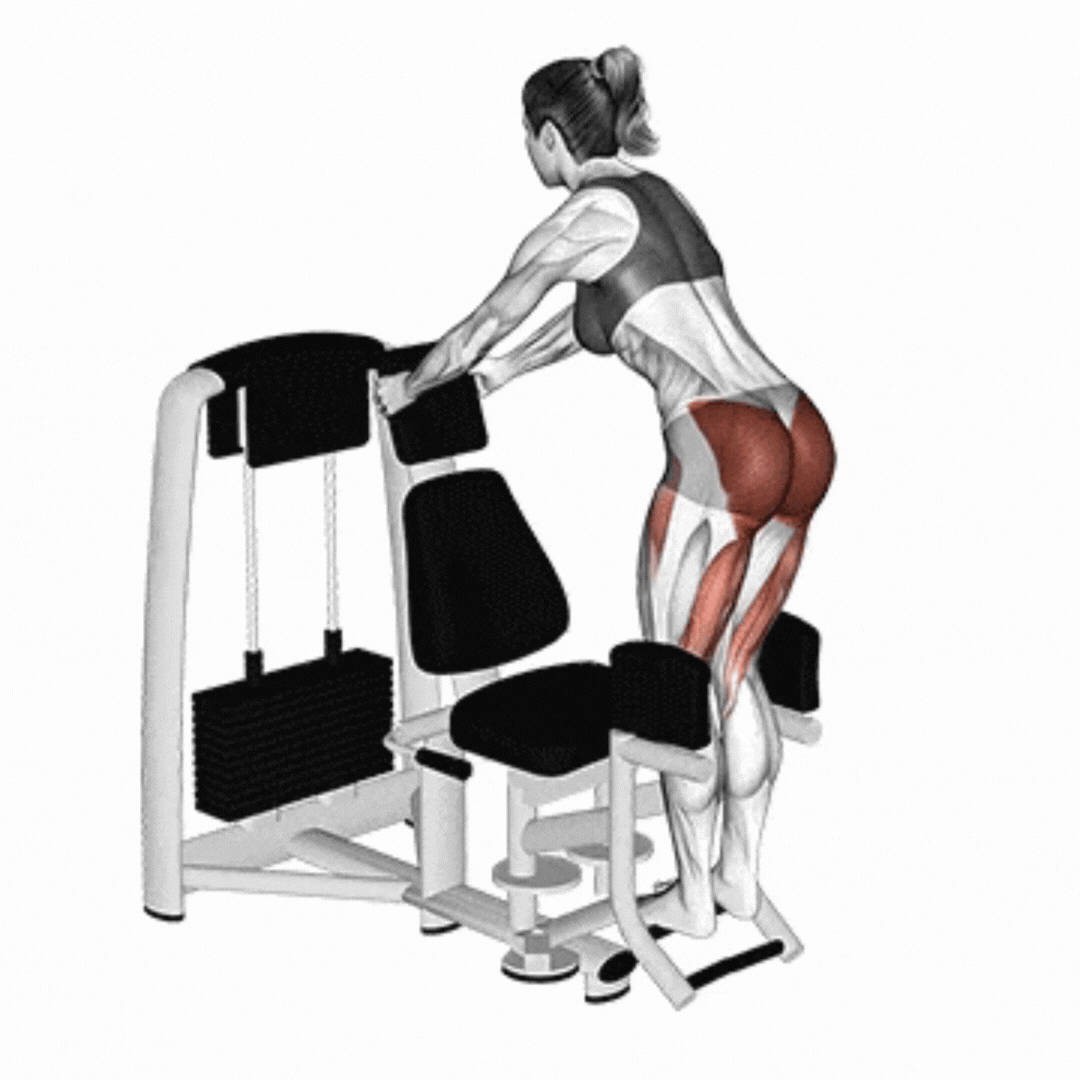
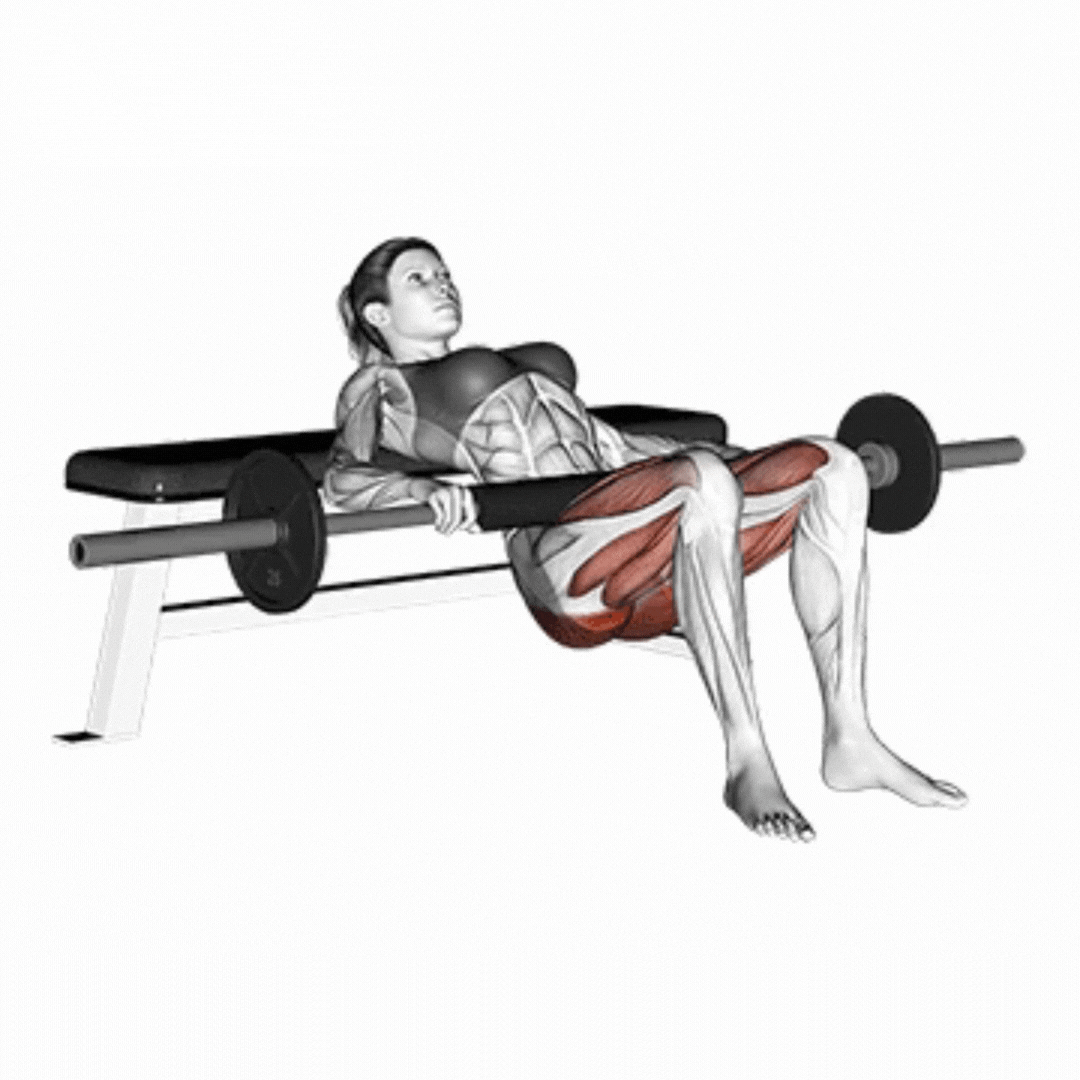
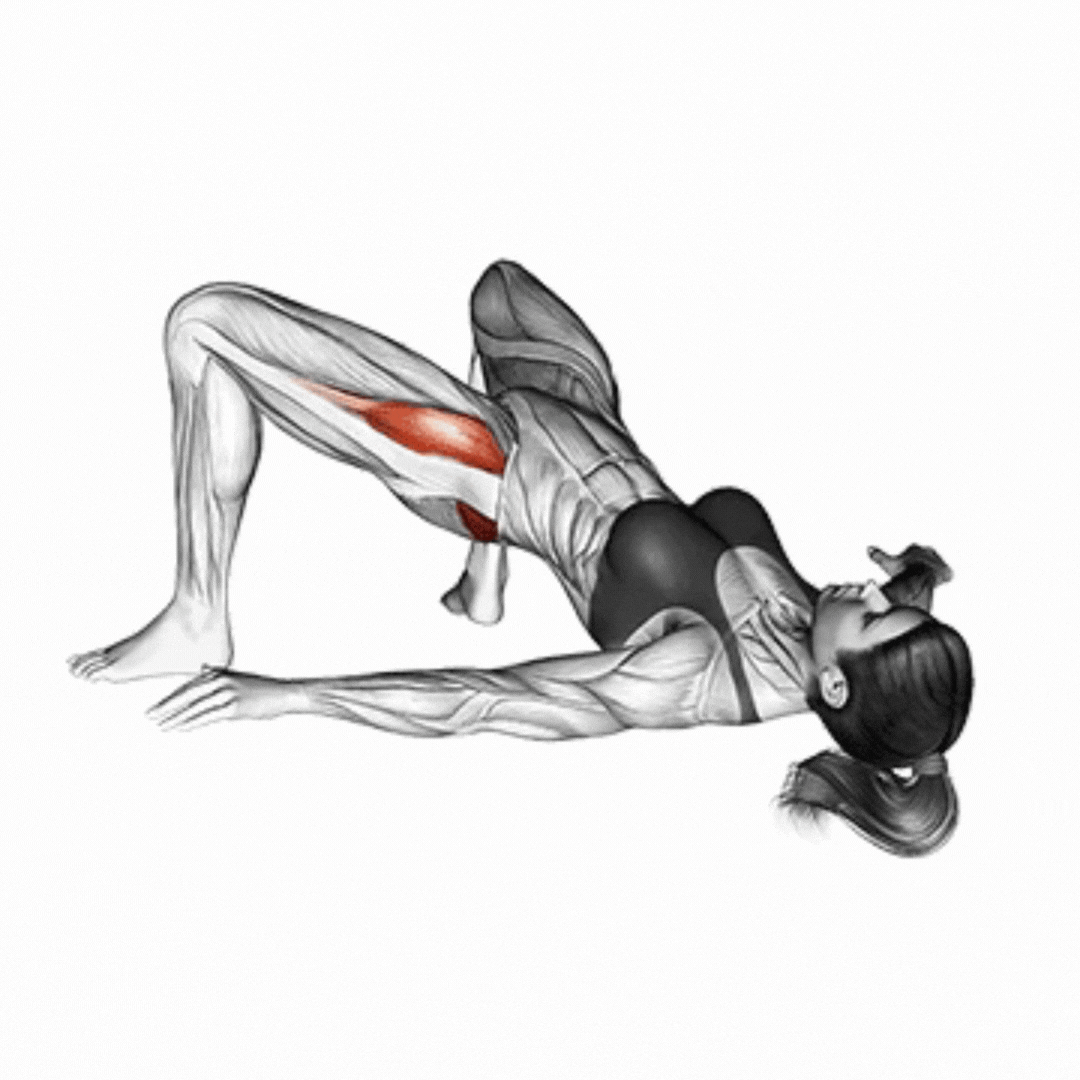
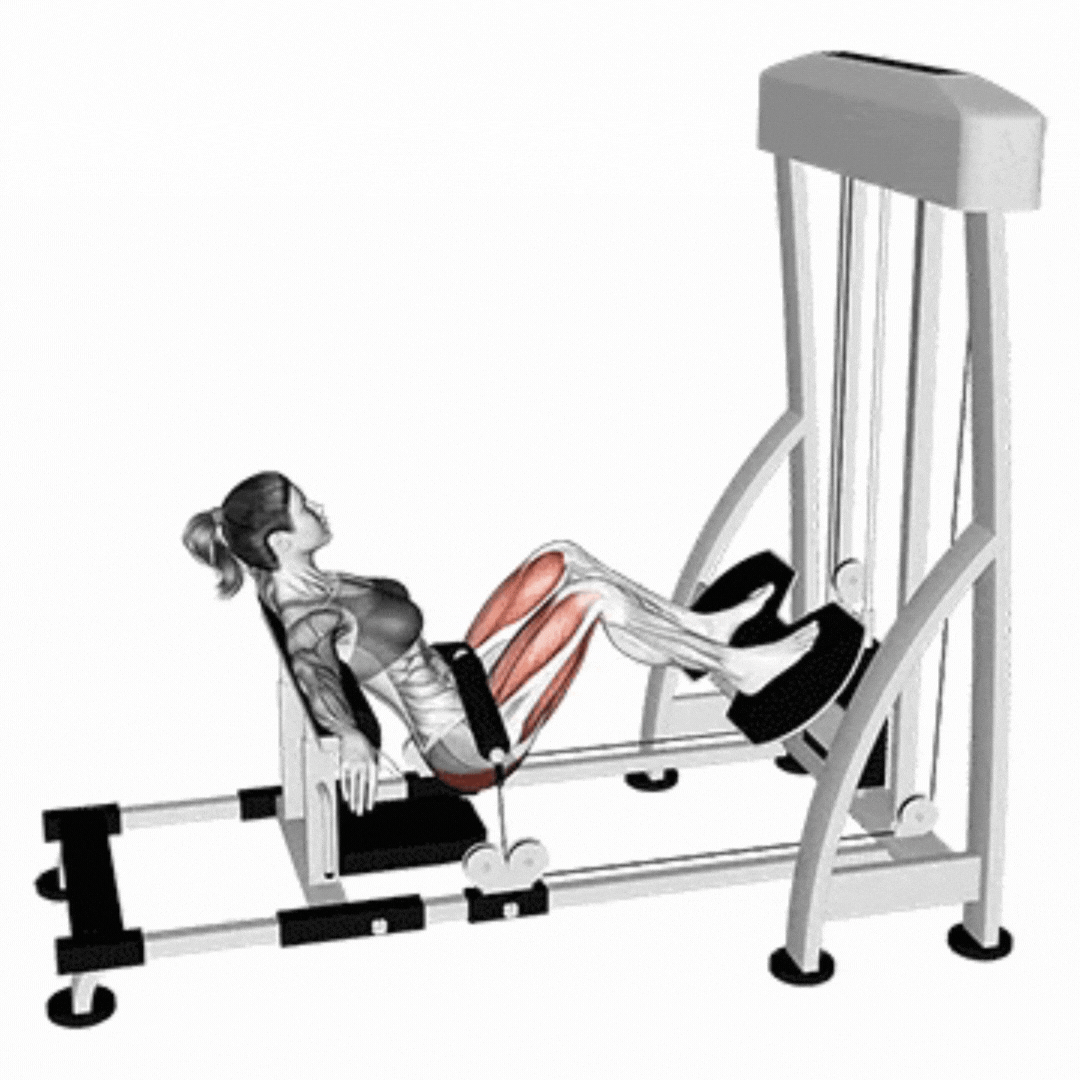
- ✓Isolates and develops the gluteus medius and minimus
- ✓Improves pelvic stability and balance
- ✓Enhances the shape of the side glutes
- ✓An ideal activation movement for squats and deadlifts
- ✓Prevents knee valgus (knees caving in)
- ✓Can be easily performed at home or in the office
- ✓Ideal for rehabilitation purposes