BifitBifit
HomeExercisesBecome a Coach
Log In
HOMEEXERCISESBECOME A COACHLOG IN

Language

Legal

Terms of UsePrivacy PolicyDelete Account
BifitBifit

A modern and user-friendly mobile app that makes life easier for fitness enthusiasts. Tracking your workouts and progress is our priority.

Quick Links

  • Home
  • Exercises
  • Become a Coach
  • Download · Google Play
  • Download · App Store

Legal

  • Privacy Policy
  • Terms of Use
  • Support
  • Account Deletion

© 2026 Bifit. All rights reserved.

Designed for a healthy lifestyle

HomeExercisesReverse Hyperextension

Reverse Hyperextension

Glutes
Glutes
Intermediate
Isolation
3-4Set
10-15Reps
60sRest
2-1-2-0Tempo
Reverse Hyperextension
Animation

Description

The Reverse Hyperextension is a glute and lower back exercise where the torso remains stationary while the legs move. As the opposite of a classic hyperextension, you lie face down on a bench or elevated surface and lift your legs off the floor. This movement isolates the gluteus maximus, lower back, and hamstrings. It is highly effective for glute activation, lower back health, spinal decompression, and posterior chain strength. It is beneficial for rehabilitation after a herniated disc and for people who sit for long periods, as it creates a spinal lengthening effect. It is a staple exercise in the training programs of powerlifters and strength athletes. It can be performed without equipment on a high bench or plyo box, or on a specialized reverse hyper machine.

Step-by-Step Instructions

  1. 1

    Lie face down on a high bench or plyo box with your hips at the edge of the bench.

  2. 2

    Your legs should hang off the edge of the bench, and your torso must be fully supported.

  3. 3

    Grip the edges of the bench firmly to stabilize your torso.

  4. 4

    Keep your legs straight or slightly bent, starting parallel to the floor or below.

  5. 5

    Brace your core and maintain a neutral spine.

  6. 6

    Squeeze your glutes to lift your legs until they are parallel to the floor or slightly above.

  7. 7

    Hold the peak position for 1-2 seconds, squeezing your glutes and hamstrings.

  8. 8

    Lower your legs back to the starting position in a controlled manner.

  9. 9

    Keep your core tight throughout the movement to avoid excessive arching in the lower back.

Key Points

  • ✓The torso must be fully supported, with the hips at the edge of the bench.
  • ✓The movement should initiate from the glutes; avoid excessive arching of the lower back.
  • ✓Do not lift the legs too high; parallel to the floor or slightly above is sufficient.
  • ✓Squeeze the glutes and lower back muscles at the peak position.
  • ✓Perform with a controlled tempo and without using momentum.

Common Mistakes

  • ✗Lifting the legs too high - causes lumbar hyperextension and increases injury risk.
  • ✗Excessively arching the lower back - strains the spine instead of working the lower back muscles.
  • ✗Using momentum - takes the tension off the target muscles.
  • ✗Failing to stabilize the torso - leads to a loss of control.
  • ✗Inadequate range of motion - reduces muscle development.

Breathing

Exhale and squeeze your glutes and lower back as you lift your legs up, and inhale as you lower them.

Muscle Activation

glutes0%
lower back0%
erector spinae0%
hamstrings0%
core0%

Safety

Precautions

  • Individuals with acute lower back pain should exercise caution.
  • Those with disc issues must get clearance from a doctor.
  • Pregnant women should avoid this exercise.
  • Individuals with high blood pressure should pay attention to maintaining a controlled tempo.

Safety Tips

  • Ensure the bench or elevated surface being used is stable and secure.
  • Practice your form with a light tempo first.
  • Avoid lifting your legs too high to prevent losing control.
  • Perform the movement slowly and with control; do not swing your legs rapidly.
  • If you feel discomfort in your lower back, reduce the range of motion.

Frequently Asked Questions

Which muscles does Reverse Hyperextension work?

Reverse Hyperextension primarily works these muscles: Gluteus maximus, Alt sırt. It also engages: Hamstring, Erector spinae, Core kasları.

Is Reverse Hyperextension suitable for beginners?

Reverse Hyperextension is a Intermediate level exercise. Learning difficulty: Moderate.

Can Reverse Hyperextension be done at home?

Yes, Reverse Hyperextension can easily be done at home.

What are common mistakes when doing Reverse Hyperextension?

One of the most common mistakes: Lifting the legs too high - causes lumbar hyperextension and increases injury risk.

How many sets and reps for Reverse Hyperextension?

Recommended: 3-4 sets and 10-15 reps.
Related Exercises

Exercises targeting similar muscle groups

Glutes Exercises
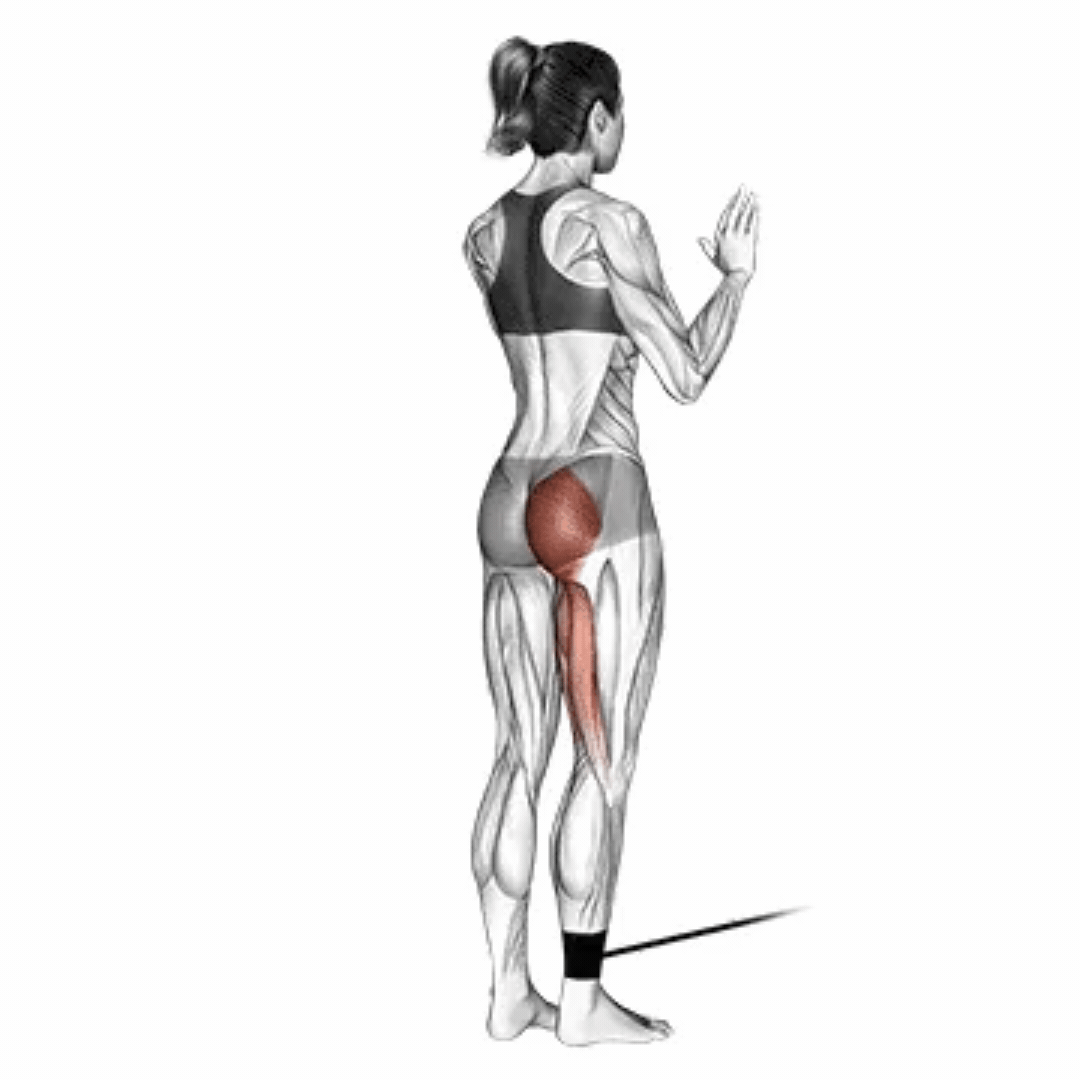
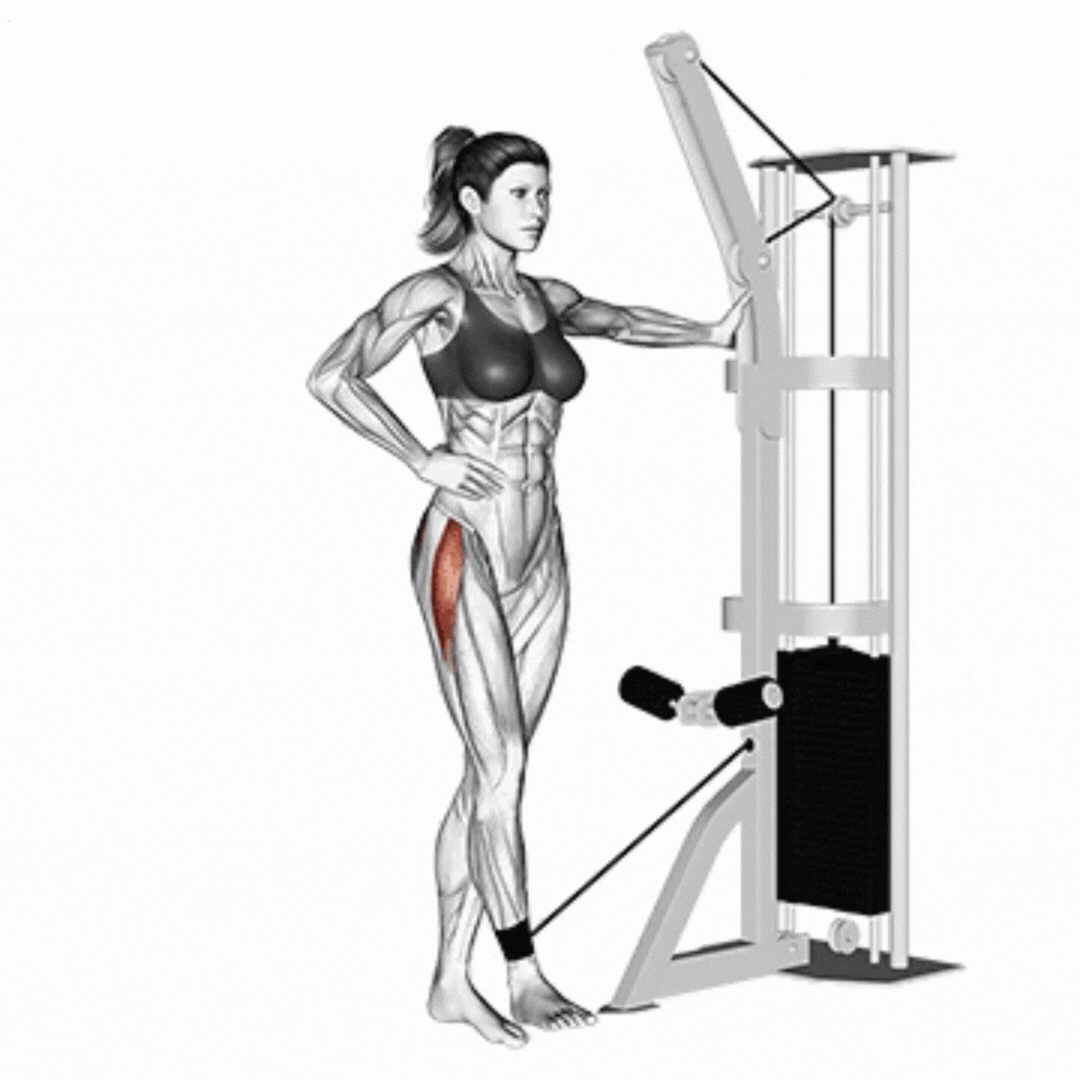
Band Standing Hip Extension

Band Standing Hip Extension

Glutes

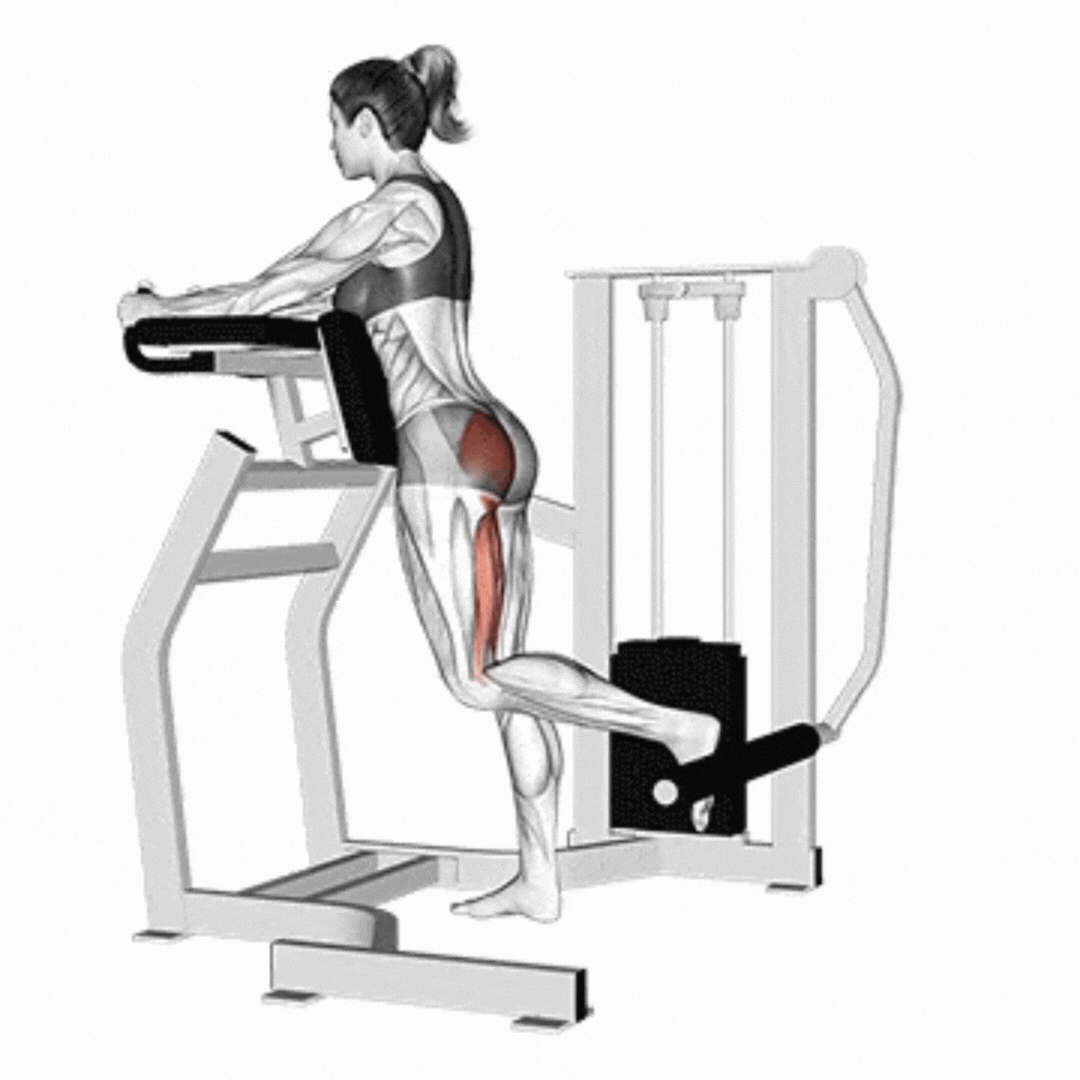
Lever Standing Hip Extension

Lever Standing Hip Extension

Glutes

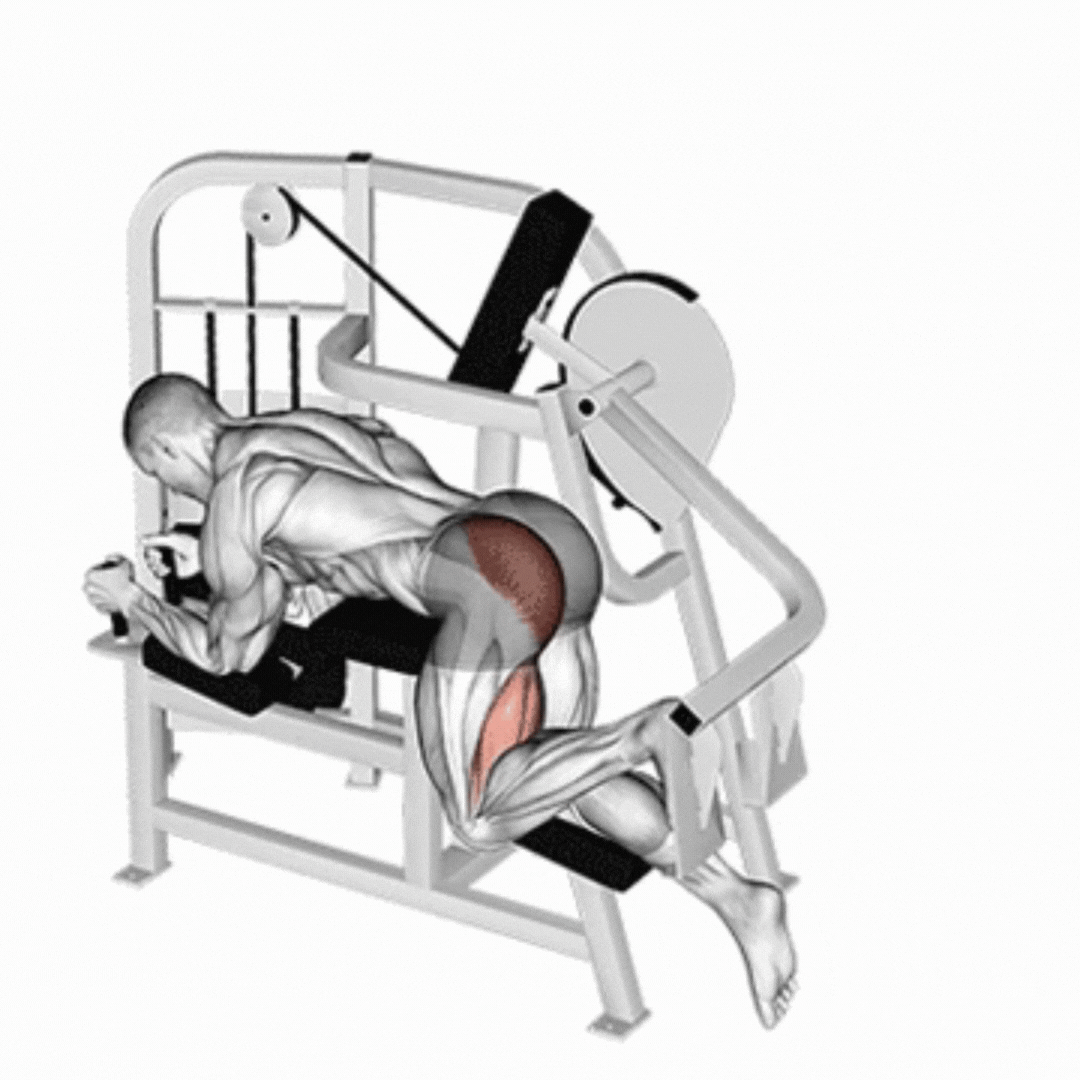
Glute Kickback Machine

Glute Kickback Machine

Glutes

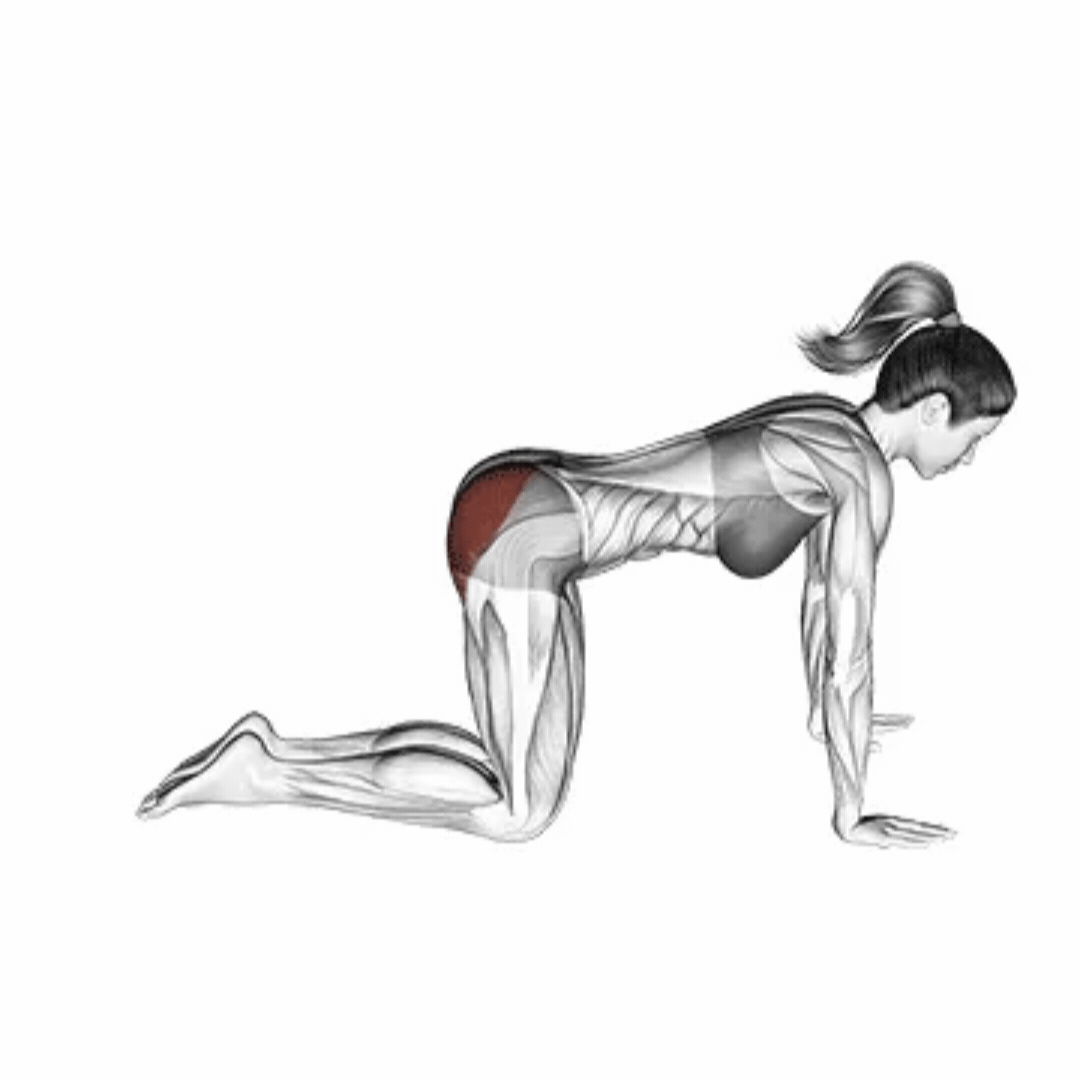
Bent Leg Kickbacks

Bent Leg Kickbacks

Glutes

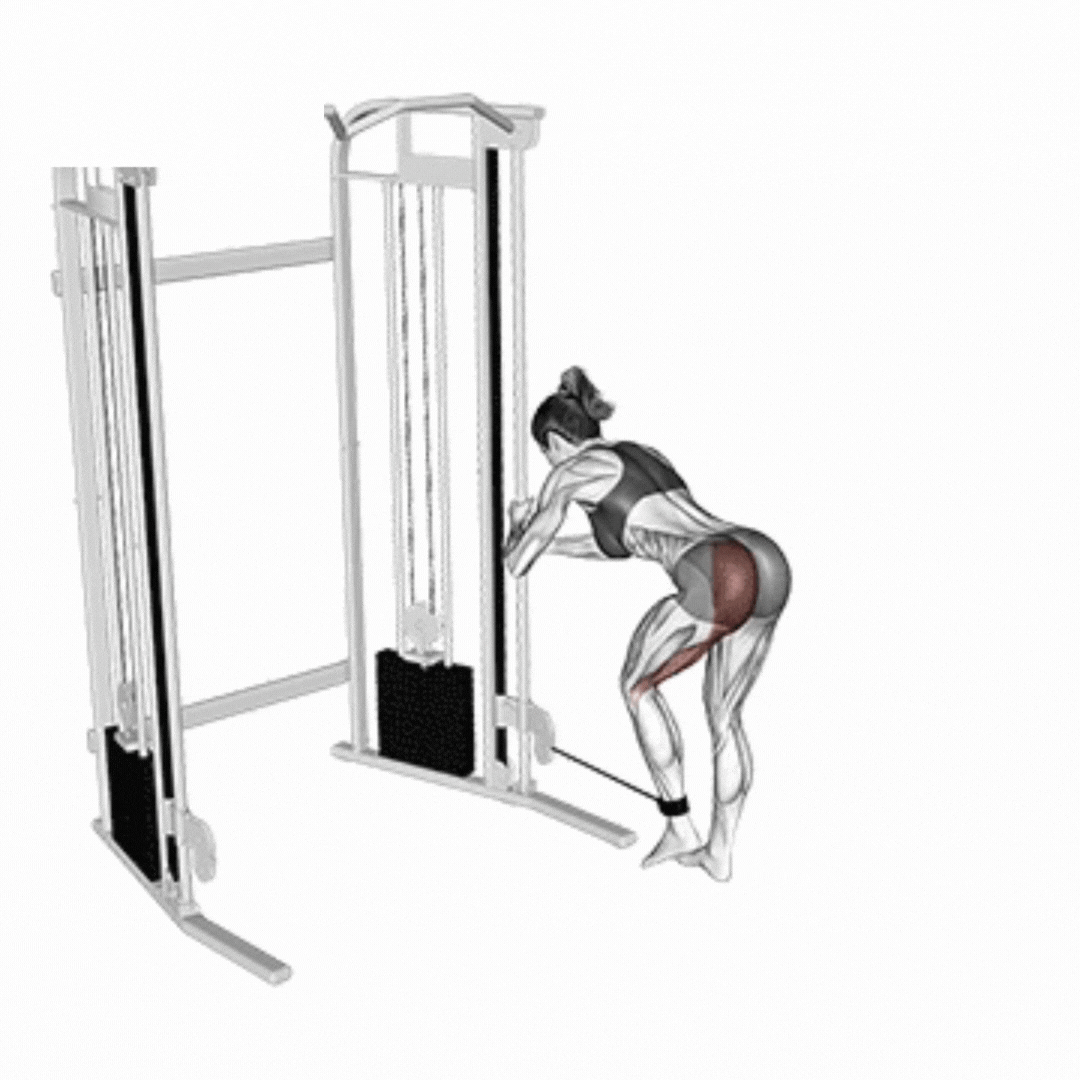
Cable Donkey Kickback

Cable Donkey Kickback

Glutes

Cable Hip Abduction

Cable Hip Abduction

Glutes

Exercise Information

DifficultyIntermediate
Movement TypeIsolation
FocusHypertrophy
Injury RiskLow
Set3-4
Reps10-15
Rest60 seconds
Tempo2-1-2-0
Spotter RequiredNo
Home / Gym
YesYes
Effectiveness4.3 / 5
Popularity6.0 / 10
Learning DifficultyModerate

Equipment

benchbodyweight

Primary Muscles

Gluteus maximusAlt sırt

Secondary Muscles

HamstringErector spinaeCore kasları

Benefits

  • ✓Strengthens the gluteus maximus and lower back muscles through isolation.
  • ✓Contributes to posterior chain development.
  • ✓Provides a decompression effect on the spine.
  • ✓Supports lower back health.
  • ✓Improves deadlift and squat performance.
  • ✓Ideal for herniated disc rehabilitation.
  • ✓Improves posture.

Goals

StrengthMuscle Gain
Back to All Exercises
Reverse Hyperextension
Animation

Description

The Reverse Hyperextension is a glute and lower back exercise where the torso remains stationary while the legs move. As the opposite of a classic hyperextension, you lie face down on a bench or elevated surface and lift your legs off the floor. This movement isolates the gluteus maximus, lower back, and hamstrings. It is highly effective for glute activation, lower back health, spinal decompression, and posterior chain strength. It is beneficial for rehabilitation after a herniated disc and for people who sit for long periods, as it creates a spinal lengthening effect. It is a staple exercise in the training programs of powerlifters and strength athletes. It can be performed without equipment on a high bench or plyo box, or on a specialized reverse hyper machine.

Step-by-Step Instructions

  1. 1

    Lie face down on a high bench or plyo box with your hips at the edge of the bench.

  2. 2

    Your legs should hang off the edge of the bench, and your torso must be fully supported.

  3. 3

    Grip the edges of the bench firmly to stabilize your torso.

  4. 4

    Keep your legs straight or slightly bent, starting parallel to the floor or below.

  5. 5

    Brace your core and maintain a neutral spine.

  6. 6

    Squeeze your glutes to lift your legs until they are parallel to the floor or slightly above.

  7. 7

    Hold the peak position for 1-2 seconds, squeezing your glutes and hamstrings.

  8. 8

    Lower your legs back to the starting position in a controlled manner.

  9. 9

    Keep your core tight throughout the movement to avoid excessive arching in the lower back.

Key Points

  • ✓The torso must be fully supported, with the hips at the edge of the bench.
  • ✓The movement should initiate from the glutes; avoid excessive arching of the lower back.
  • ✓Do not lift the legs too high; parallel to the floor or slightly above is sufficient.
  • ✓Squeeze the glutes and lower back muscles at the peak position.
  • ✓Perform with a controlled tempo and without using momentum.

Common Mistakes

  • ✗Lifting the legs too high - causes lumbar hyperextension and increases injury risk.
  • ✗Excessively arching the lower back - strains the spine instead of working the lower back muscles.
  • ✗Using momentum - takes the tension off the target muscles.
  • ✗Failing to stabilize the torso - leads to a loss of control.
  • ✗Inadequate range of motion - reduces muscle development.

Breathing

Exhale and squeeze your glutes and lower back as you lift your legs up, and inhale as you lower them.

Back to All Exercises

Related Exercises

Exercises targeting similar muscle groups

Glutes Exercises
Band Standing Hip Extension

Band Standing Hip Extension

Glutes

Lever Standing Hip Extension

Lever Standing Hip Extension

Glutes

Glute Kickback Machine

Glute Kickback Machine

Glutes

Bent Leg Kickbacks

Bent Leg Kickbacks

Glutes

Cable Donkey Kickback

Cable Donkey Kickback

Glutes

Cable Hip Abduction

Cable Hip Abduction

Glutes