.gif)
Description
The Resistance Band Lunge is a classic lunge variation performed using a resistance band, specifically targeting the quadriceps, gluteus maximus, and hamstrings. The band is placed under the foot and held with the hands or looped over the shoulders, providing increasing resistance throughout the movement. Due to the principle of accommodating resistance, the tension increases as you rise, which encourages full hip extension and places maximum load on the quadriceps. It is a highly practical equipment alternative for home workouts. As a unilateral movement, it is effective in correcting muscle imbalances. It also improves balance, coordination, and core stabilization. When performed regularly, it provides significant improvements in lower body strength, posture, and functional performance.
Resistance Band Lunge How-To Guide
- 1
Place the middle of the resistance band under one foot (the front foot).
- 2
Hold both ends of the band with your hands and bring them up to shoulder height, or loop them over your shoulders.
- 3
Take a long step forward with that foot, keeping the heel of the back foot lifted off the ground.
- 4
Keep your torso upright, pull your shoulders back, and brace your core.
- 5
Lower yourself in a controlled manner by bending your front knee; your back knee should approach the floor.
- 6
Descend until your front thigh is parallel to the floor, ensuring your front knee points in the same direction as your toes.
- 7
Push up by driving through the heel of your front foot and squeezing your quadriceps and glutes.
- 8
The band's resistance is highest at the top position; bring your hips to full extension.
- 9
After completing the designated number of repetitions, perform the same movement with the other leg.
Key Points
- ✓The band must be securely placed under the front foot and should not slip.
- ✓Keep the torso upright; avoid leaning forward excessively.
- ✓The front knee should track in the same direction as the toes and must not cave inward.
- ✓The movement should be driven equally from the hip and knee.
- ✓Generate power by pushing through the heel.
- ✓Achieve full hip extension at the top position.
Common Mistakes
- ✗Letting the front knee travel excessively past the toes - places too much stress on the knee joint.
- ✗Allowing the front knee to cave inward - increases injury risk.
- ✗The band slipping from under the foot - disrupts movement balance.
- ✗Leaning the torso too far forward - strains the lower back.
- ✗Inadequate range of motion - fails to fully engage the muscles.
- ✗Using a band that is too light - provides insufficient resistance.
Breathing
Inhale and brace your core as you lower yourself, and exhale as you push back up.
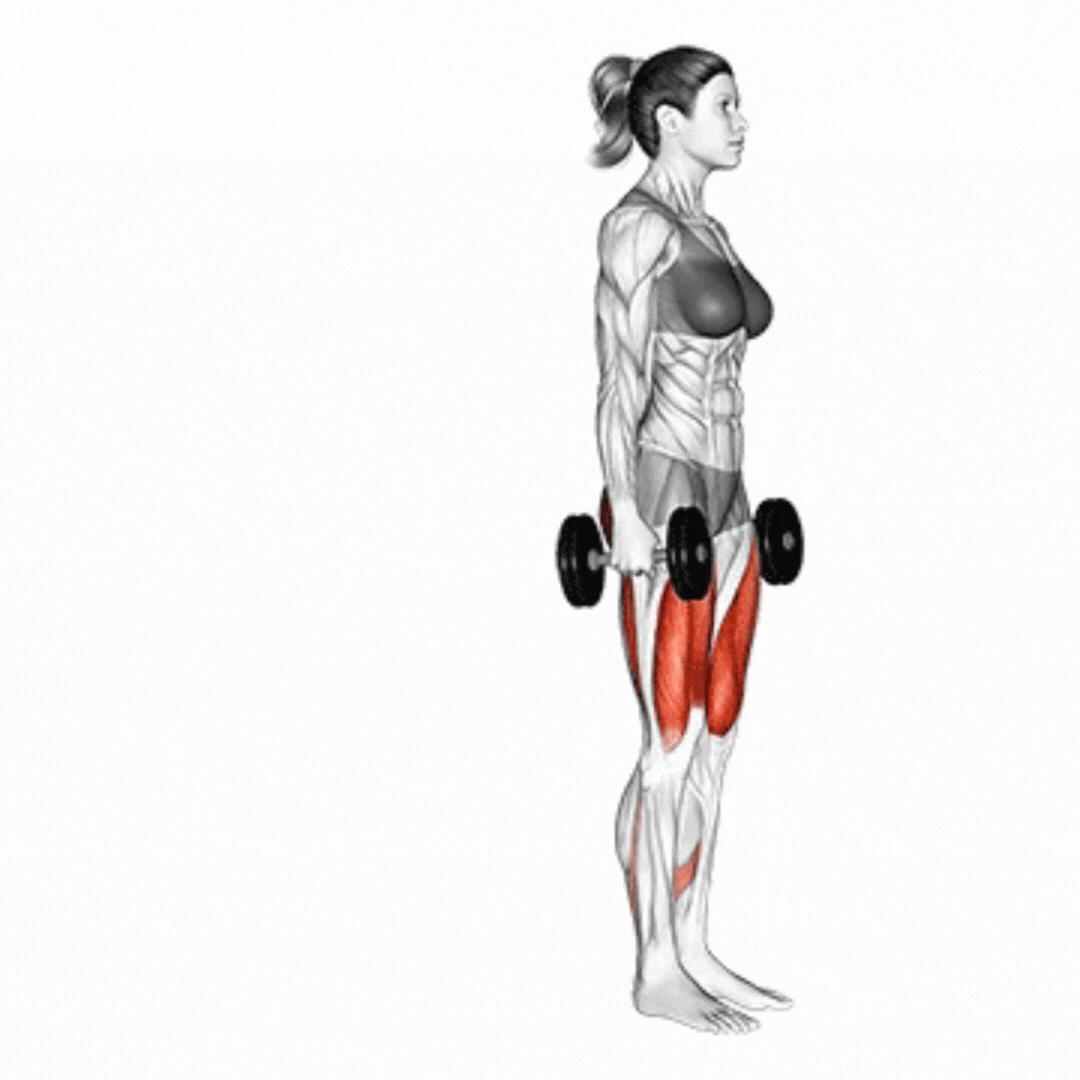
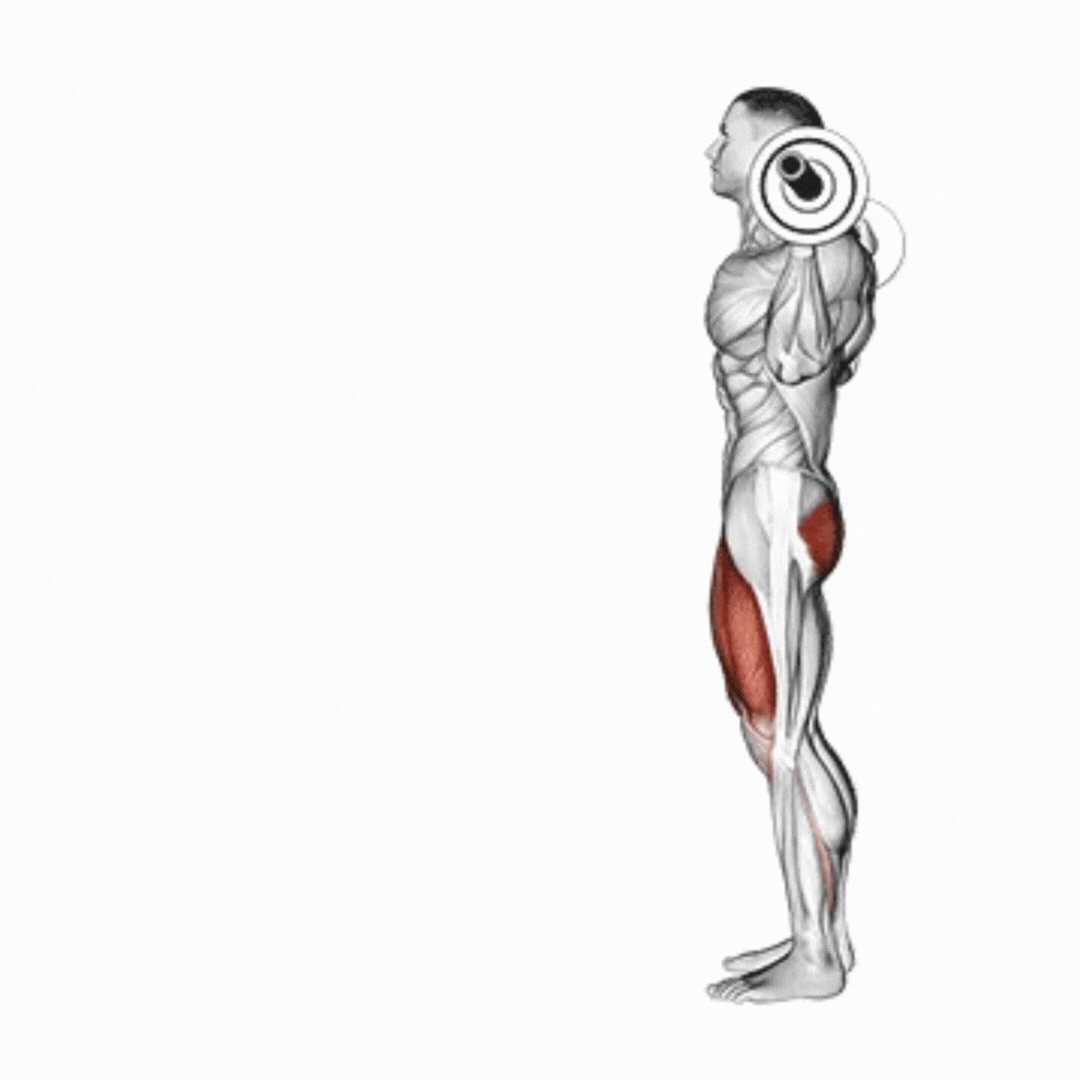
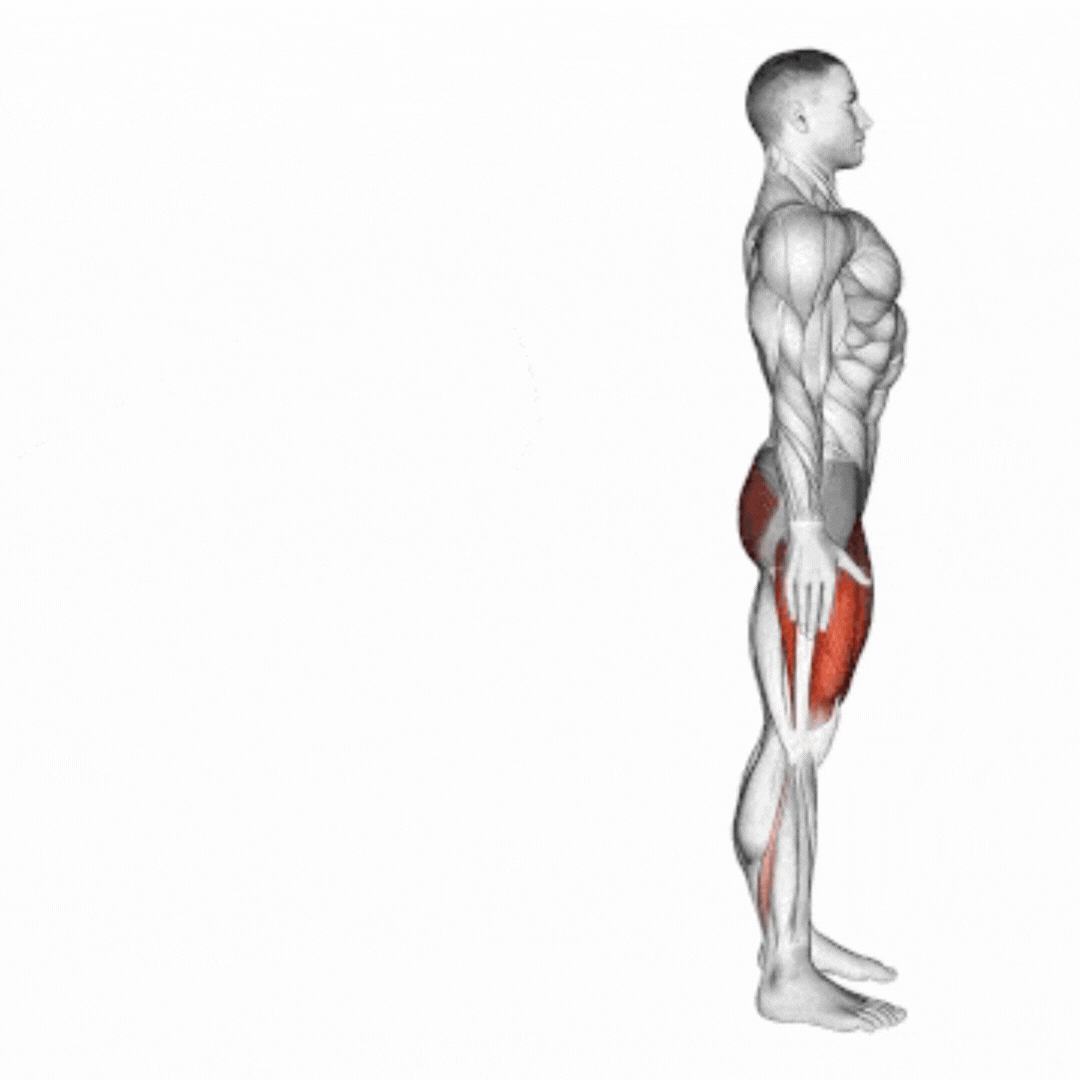
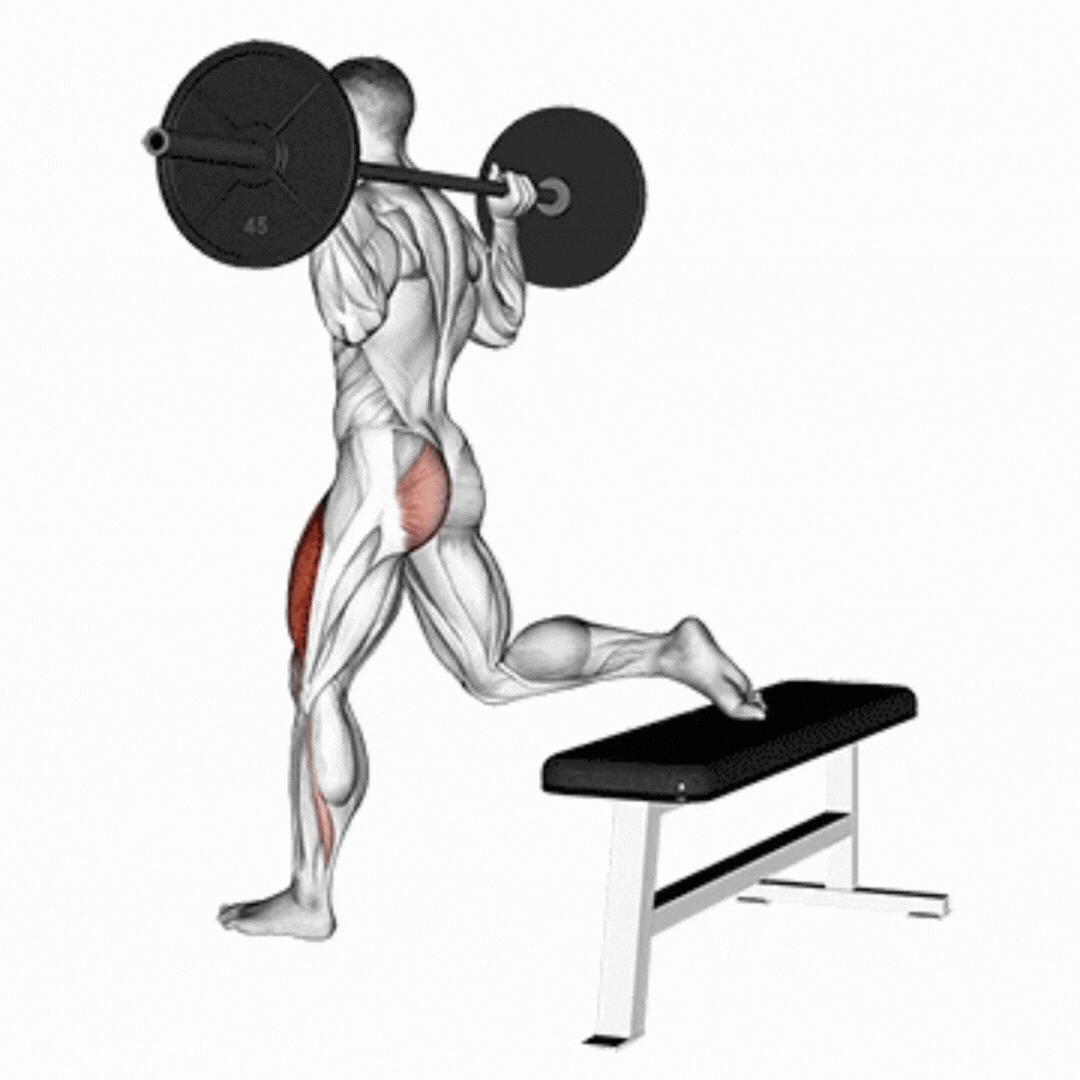
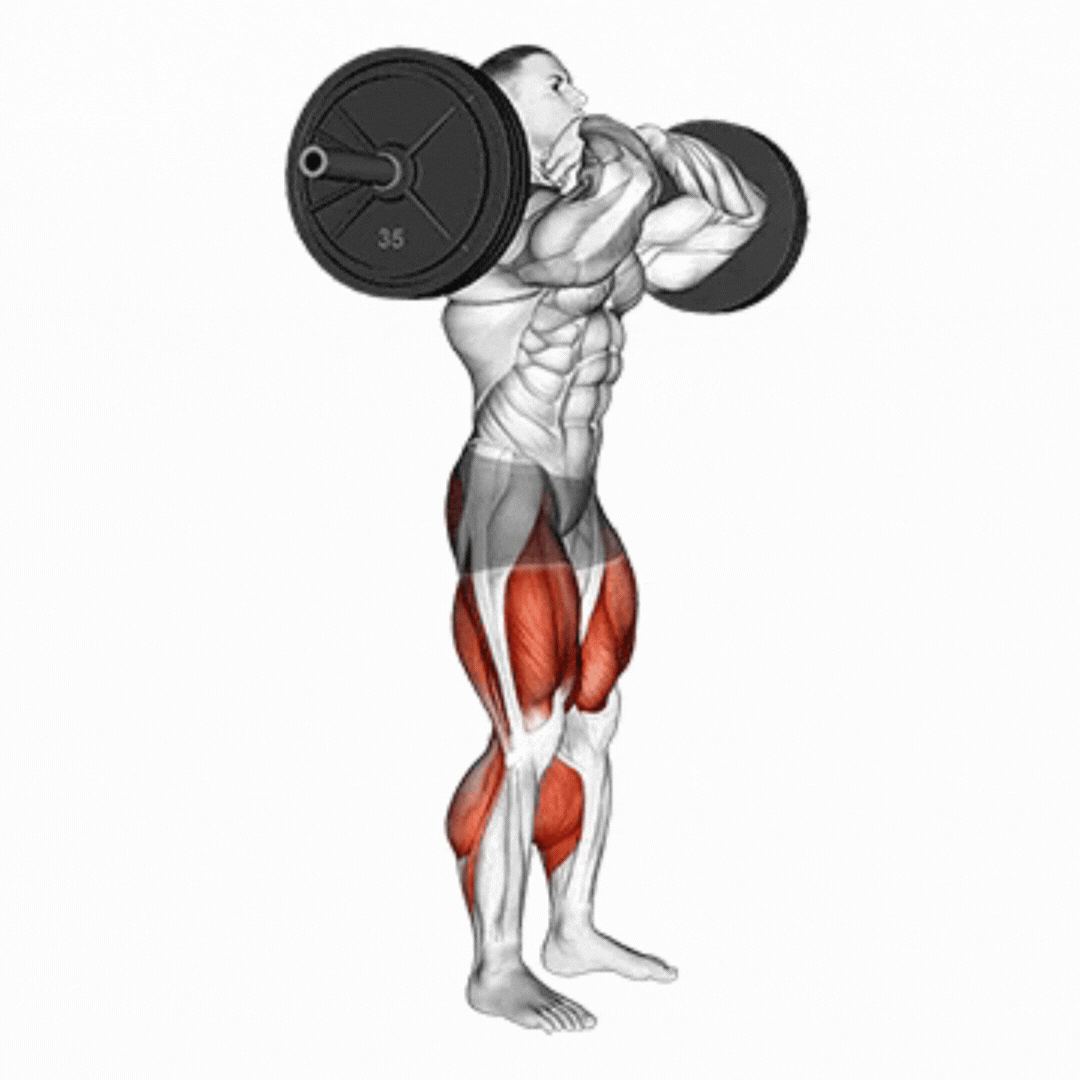
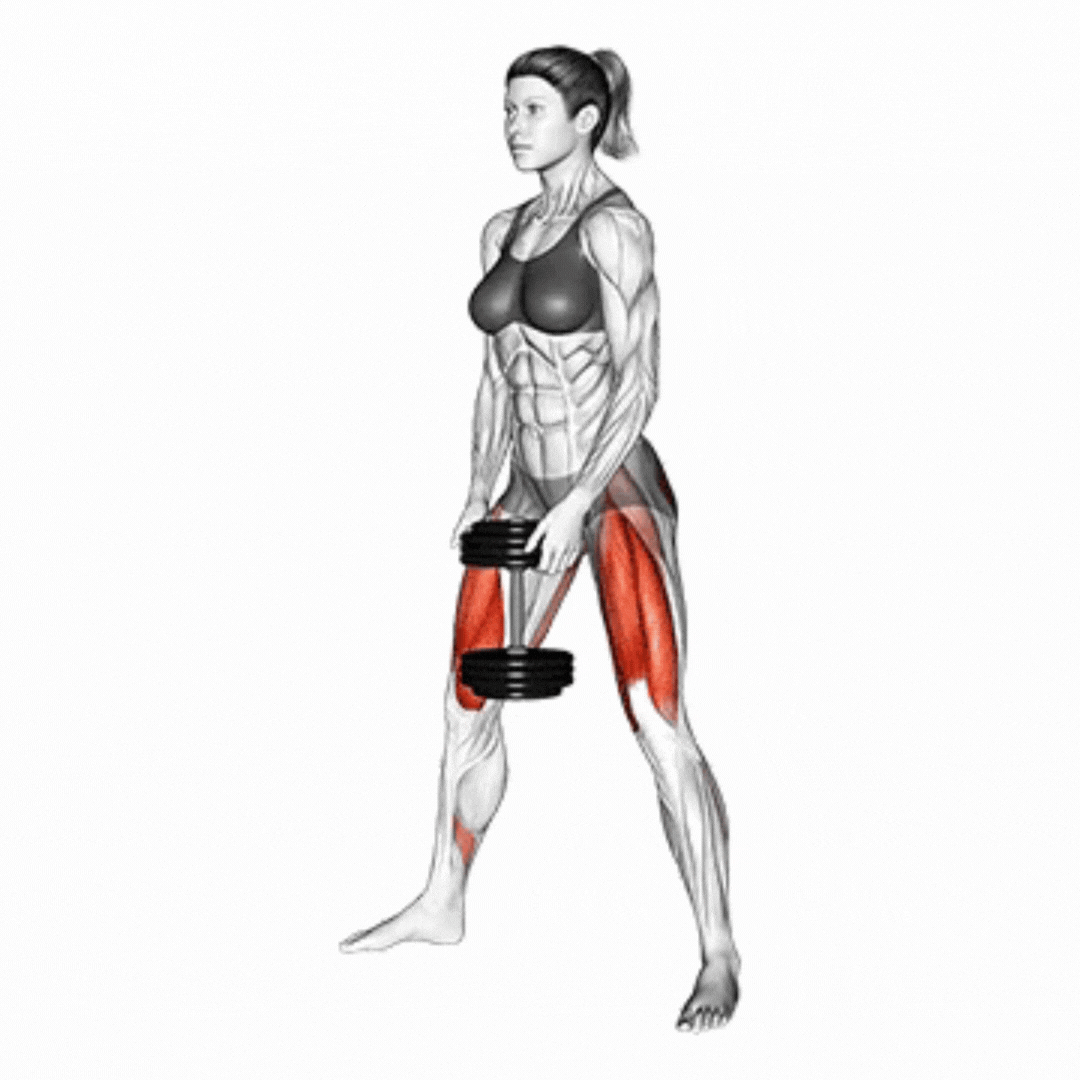
Muscle Activation
Safety
Precautions
- Individuals with acute knee injuries should exercise caution.
- Those with acute lower back pain should pay close attention to form control.
- People with balance issues should perform the exercise with support.
Safety Tips
- Ensure the band is sturdy and not frayed or damaged.
- Learn the bodyweight lunge before adding resistance.
- Start with light resistance and increase gradually.
- Center the band under your foot to prevent it from slipping.
- Check your knee alignment by looking in a mirror.
- Stop the exercise if your form breaks down.
Frequently Asked Questions
Which muscles does Resistance Band Lunge work?
Resistance Band Lunge primarily works these muscles: Quadriceps, Gluteus maximus. It also engages: Hamstring, Gluteus medius, Adductor, Core kasları, Kalf.
Is Resistance Band Lunge suitable for beginners?
Resistance Band Lunge is a Intermediate level exercise. Learning difficulty: Easy.
Can Resistance Band Lunge be done at home?
Yes, Resistance Band Lunge can easily be done at home.
What are common mistakes when doing Resistance Band Lunge?
One of the most common mistakes: Letting the front knee travel excessively past the toes - places too much stress on the knee joint.
How many sets and reps for Resistance Band Lunge?
Recommended: 3-4 sets and 10-15 reps.
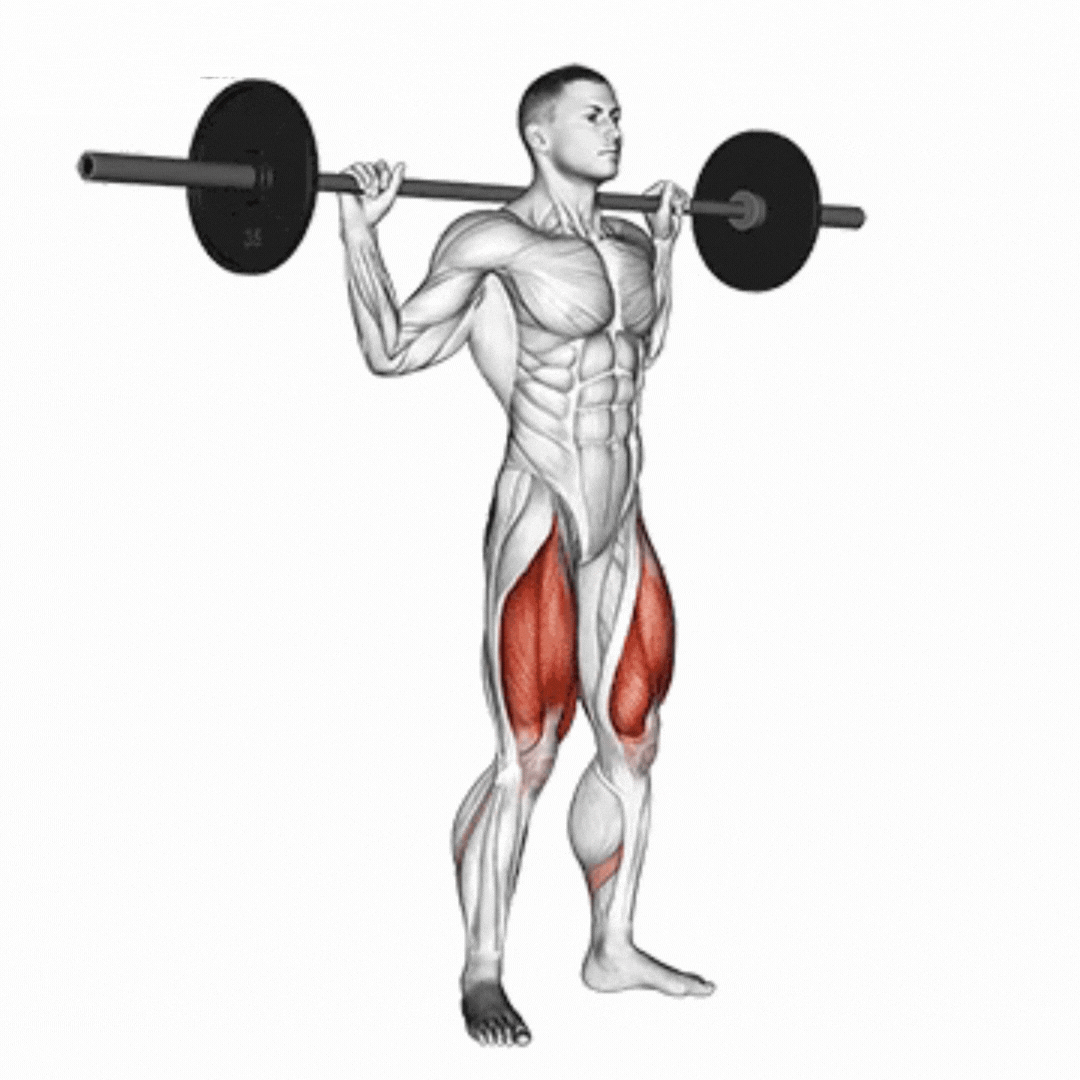
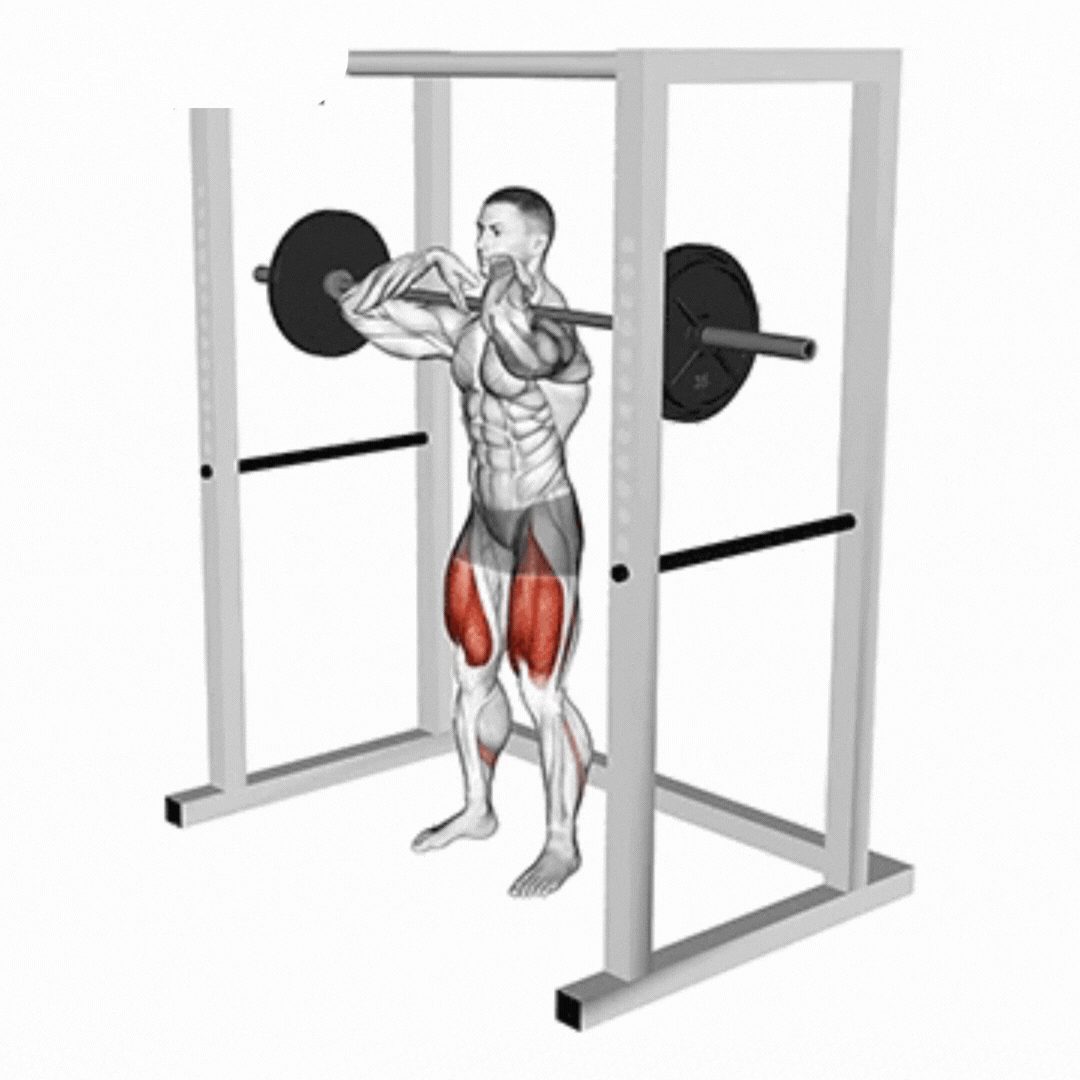
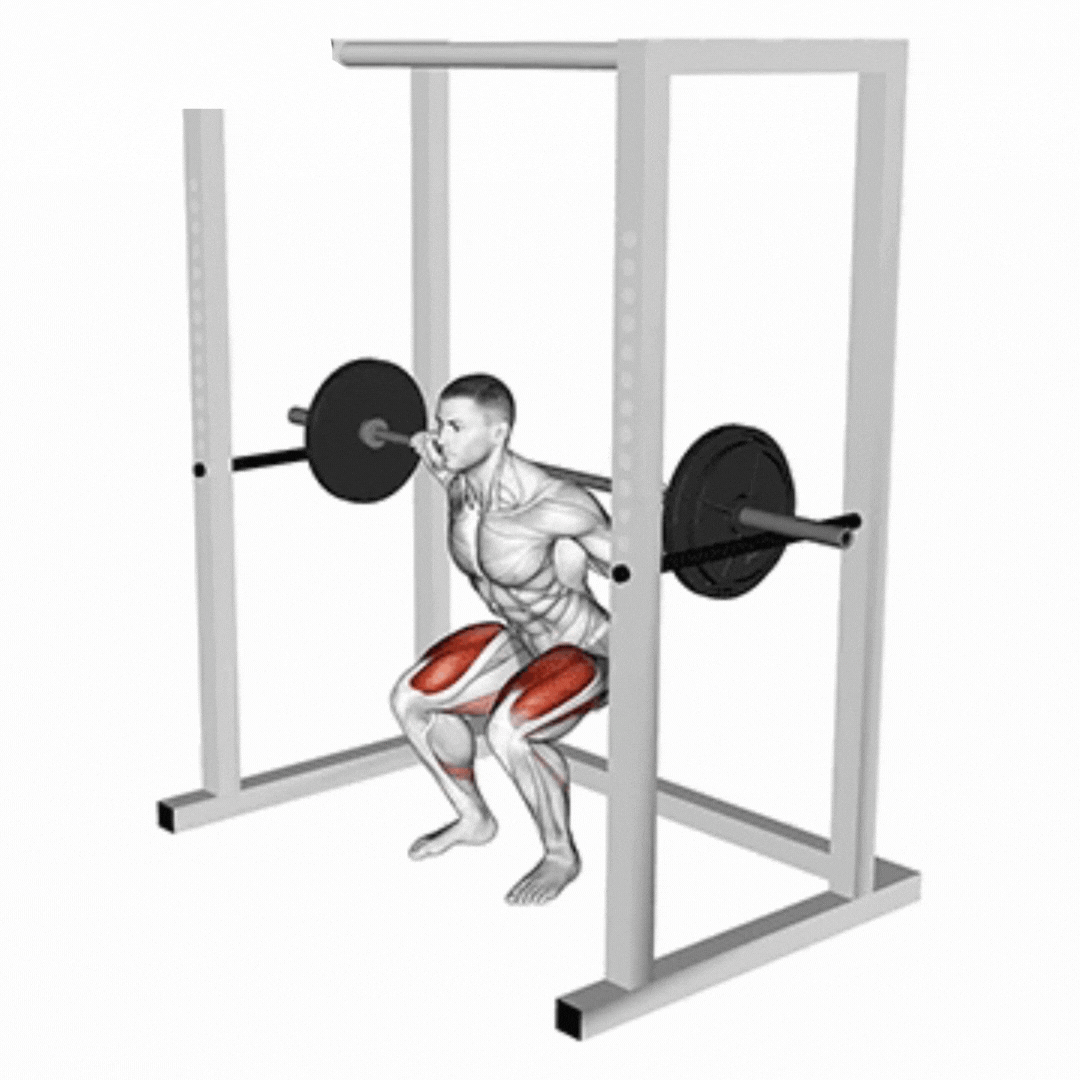
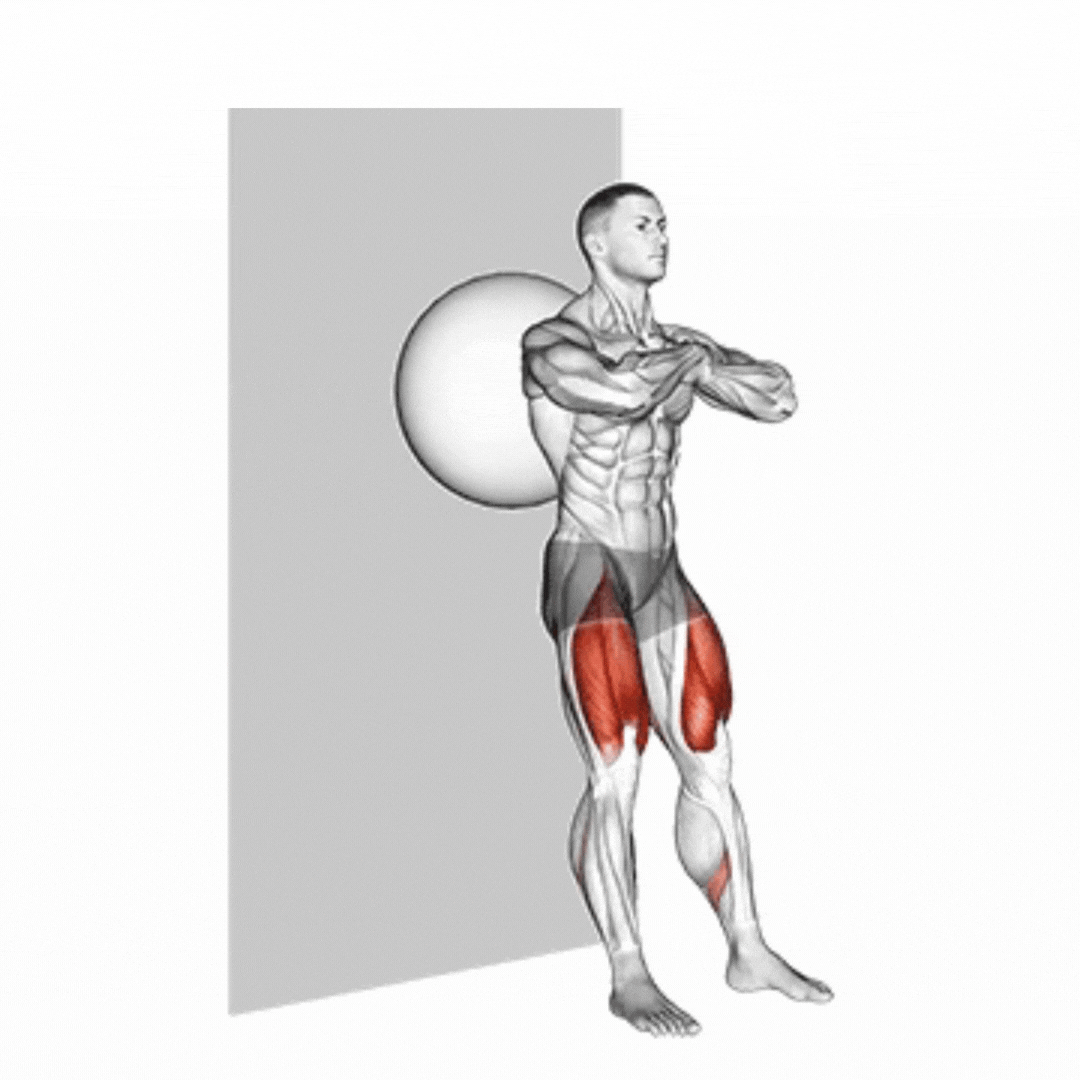
- ✓Develops the quadriceps and glutes using accommodating resistance.
- ✓Corrects unilateral muscle imbalances.
- ✓Provides maximum glute activation at the top position.
- ✓Offers a practical alternative for home workouts.
- ✓Improves balance and coordination.
- ✓Directly enhances athletic performance.
- ✓Joint-friendly nature makes it suitable for rehabilitation.