.gif)
Description
The Resistance Band Jump Squat is a plyometric squat variation performed using a resistance band, targeting explosive power development. By attaching the band to the legs or crossing it from the shoulders to the feet, increasing resistance is provided throughout the movement. Thanks to this accommodating resistance effect, you work against the band's tension even at the peak of the jump, maximizing explosive power development. It intensely activates the quadriceps, gluteus maximus, hamstrings, and calf muscles. It also contributes to cardiovascular endurance by elevating the heart rate. For athletes, it directly improves performance in sprinting, jumping, and change-of-direction movements. It is ideal for home workouts as it requires minimal equipment. When performed regularly, it provides significant improvements in lower body explosive power, speed, and athletic performance.
Resistance Band Jump Squat How-To Guide
- 1
Place the resistance band under your feet and loop the ends over your shoulders (it can also be crossed).
- 2
Stand with your feet shoulder-width apart, toes pointing slightly outward.
- 3
Engage your core, keep your back straight, and keep your chest up.
- 4
Lower into a squat position in a controlled manner, pushing your hips back.
- 5
Descend until your thighs are parallel to the floor, ensuring your knees track in the same direction as your toes.
- 6
Jump up with an explosive movement, lifting your feet off the ground.
- 7
The band's resistance will be at its highest at the peak of the jump.
- 8
Land softly, bending your knees to absorb the impact.
- 9
Immediately transition into the squat position for the next repetition.
Key Points
- ✓The band must be sturdy and at an appropriate resistance level.
- ✓Squat technique must be clean, with an emphasis on depth.
- ✓The jump should be explosive, and the landing soft and controlled.
- ✓Knees should track in the same direction as the toes and must not cave inward.
- ✓The core must be kept tight at all times.
- ✓The band provides the highest resistance at the peak of the movement.
Common Mistakes
- ✗Landing hard - increases joint stress and injury risk.
- ✗Letting the knees cave inward - creates joint stress.
- ✗Inadequate range of motion - prevents full development of explosive power.
- ✗Using a band that is too light - results in insufficient resistance.
- ✗Rounding the back - strains the lower back.
- ✗Moving with uncontrolled speed - compromises form.
Breathing
Inhale as you lower down, exhale forcefully as you jump, and inhale again upon landing.
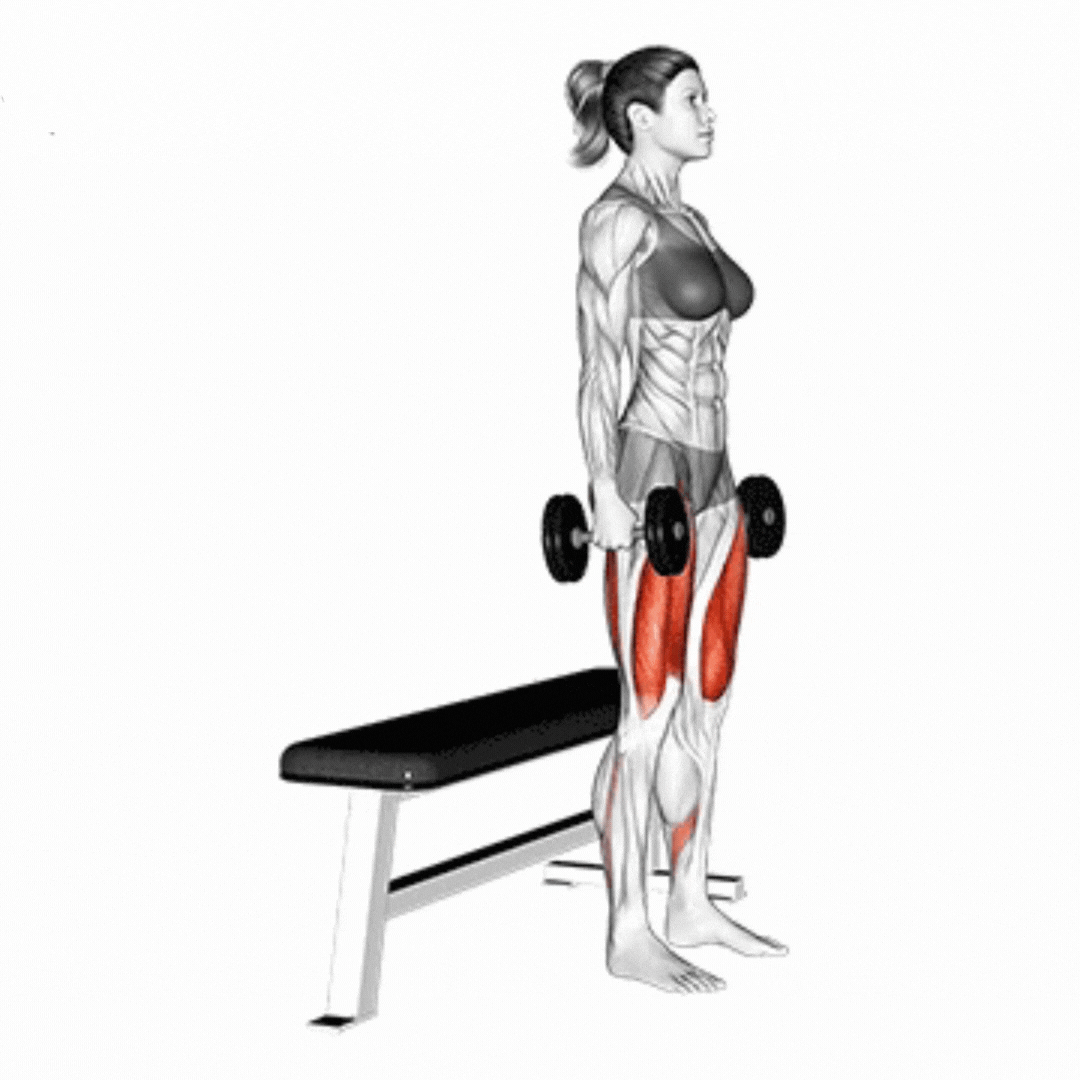
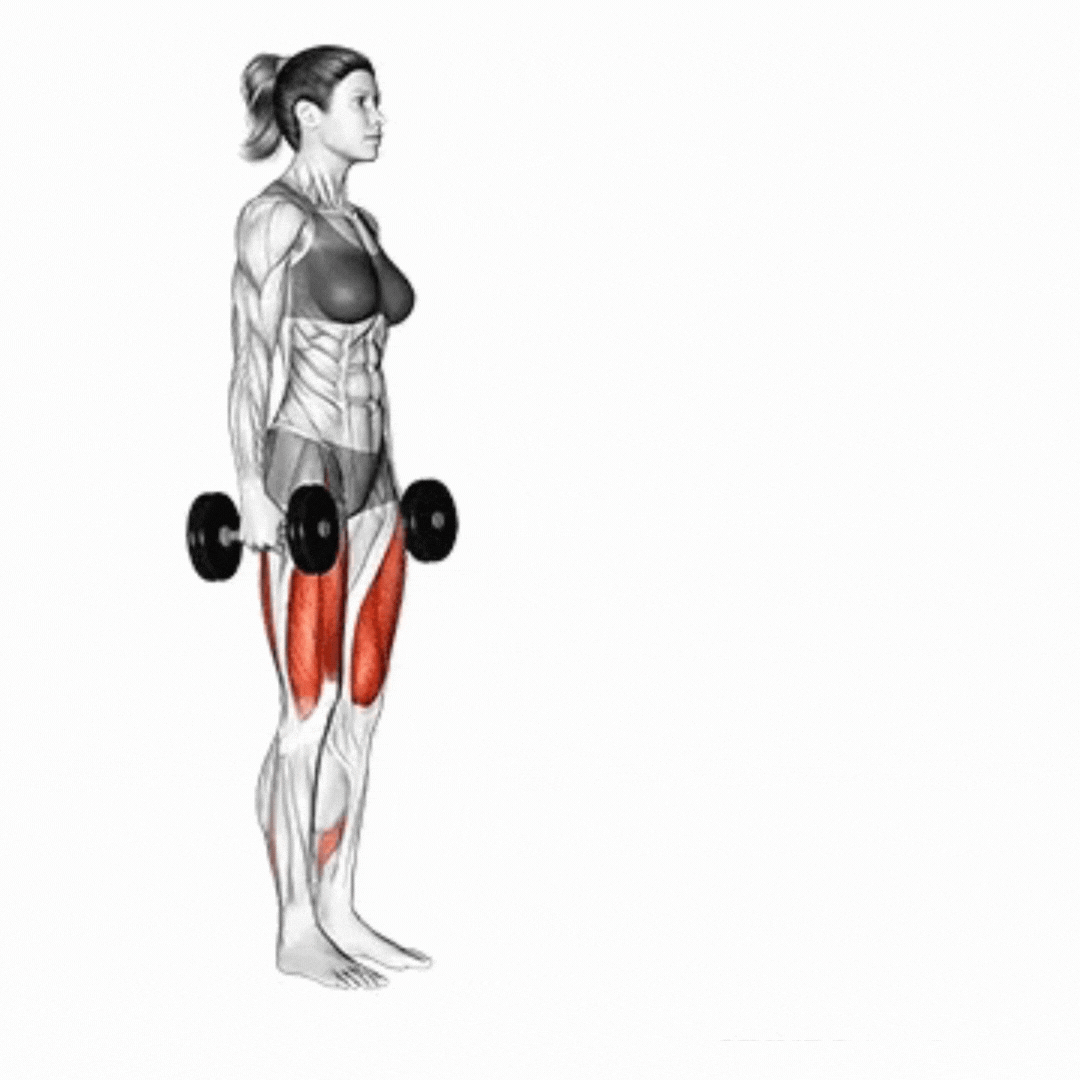
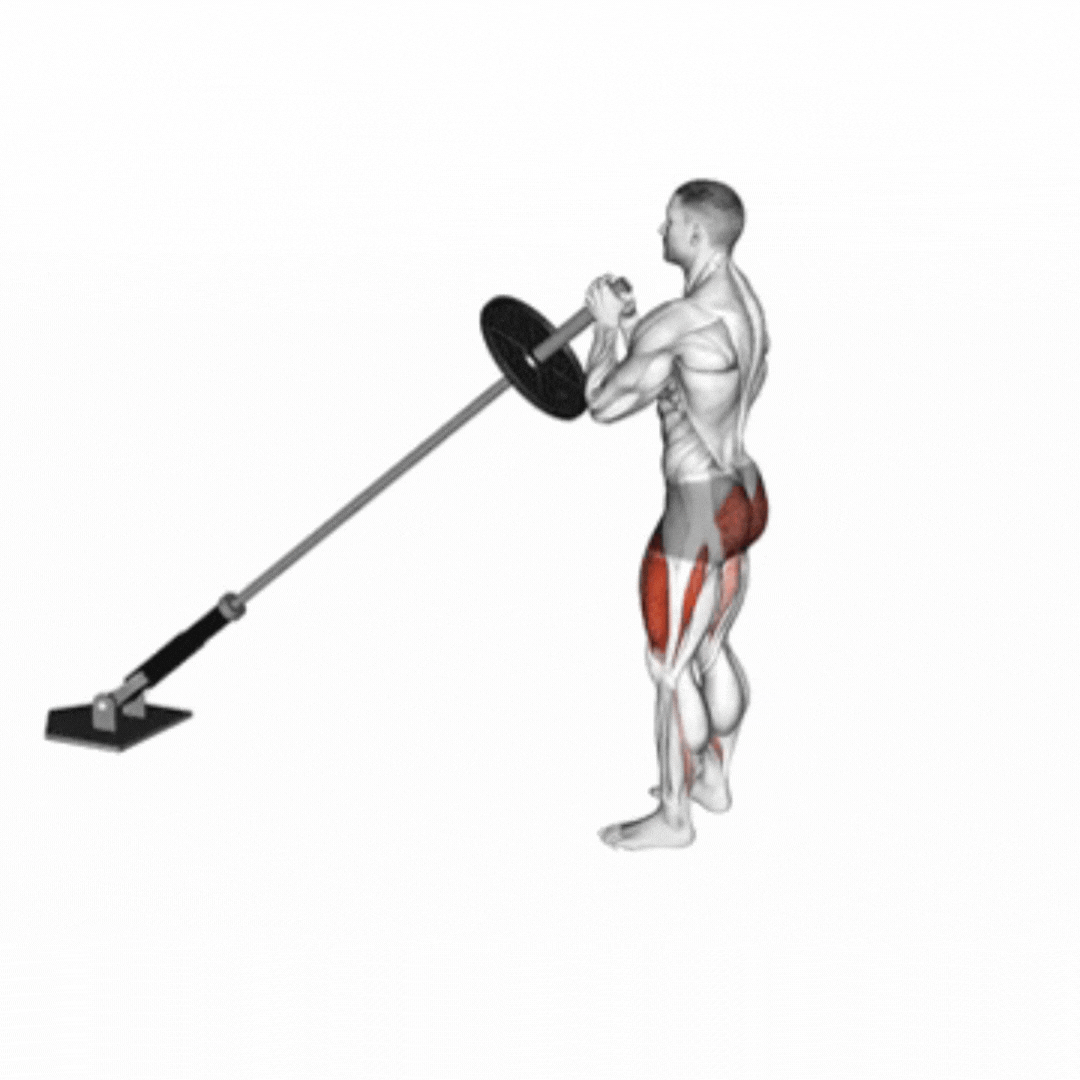
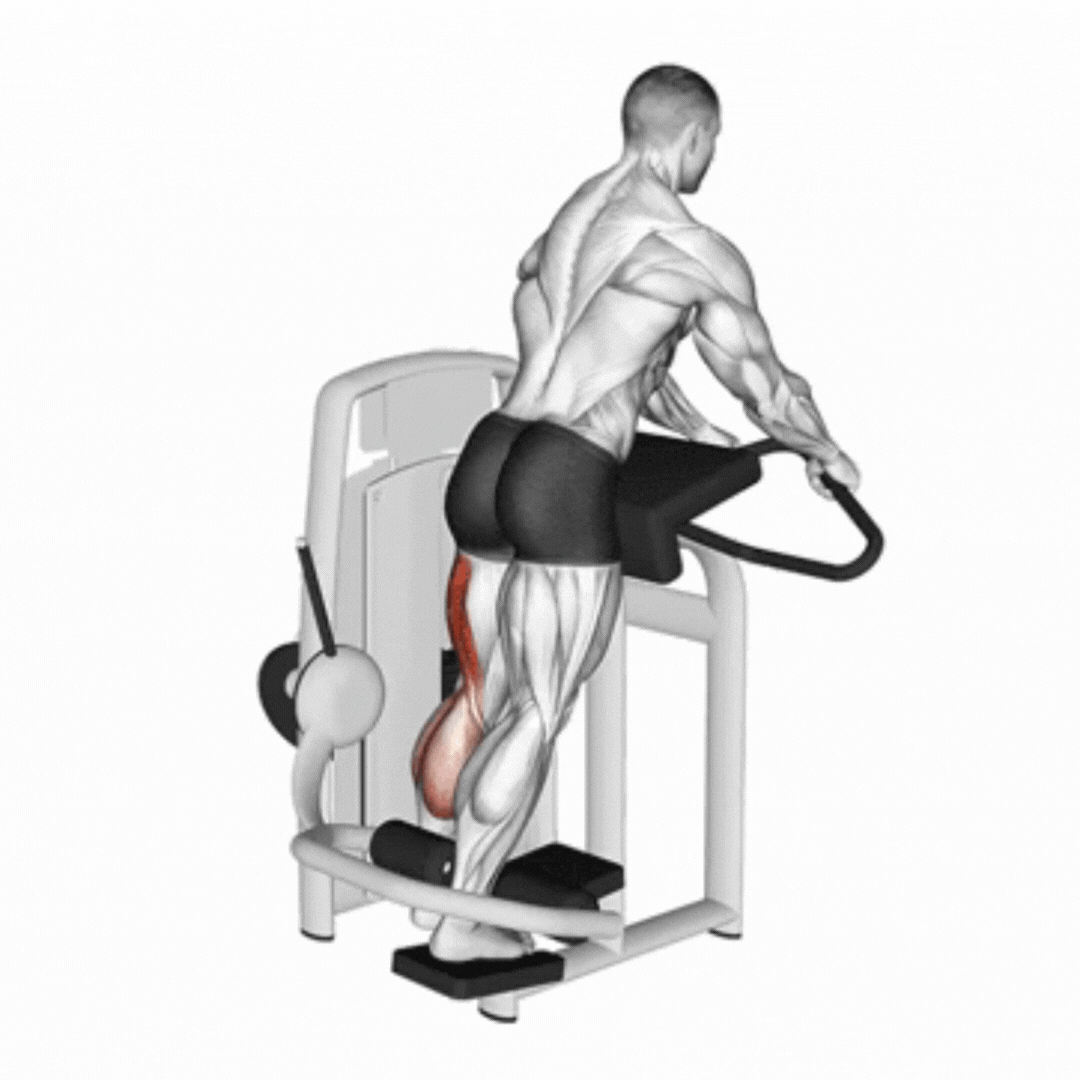
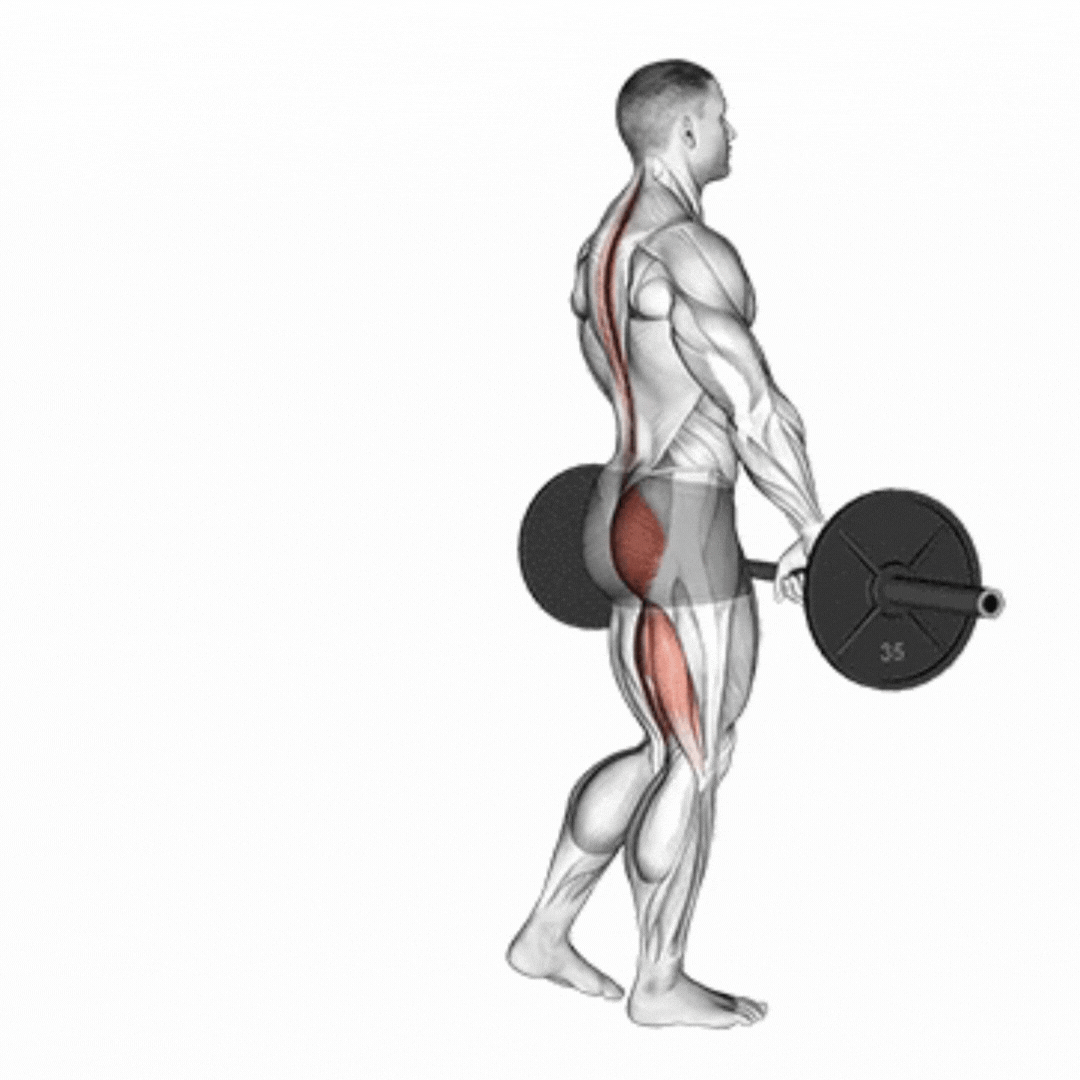
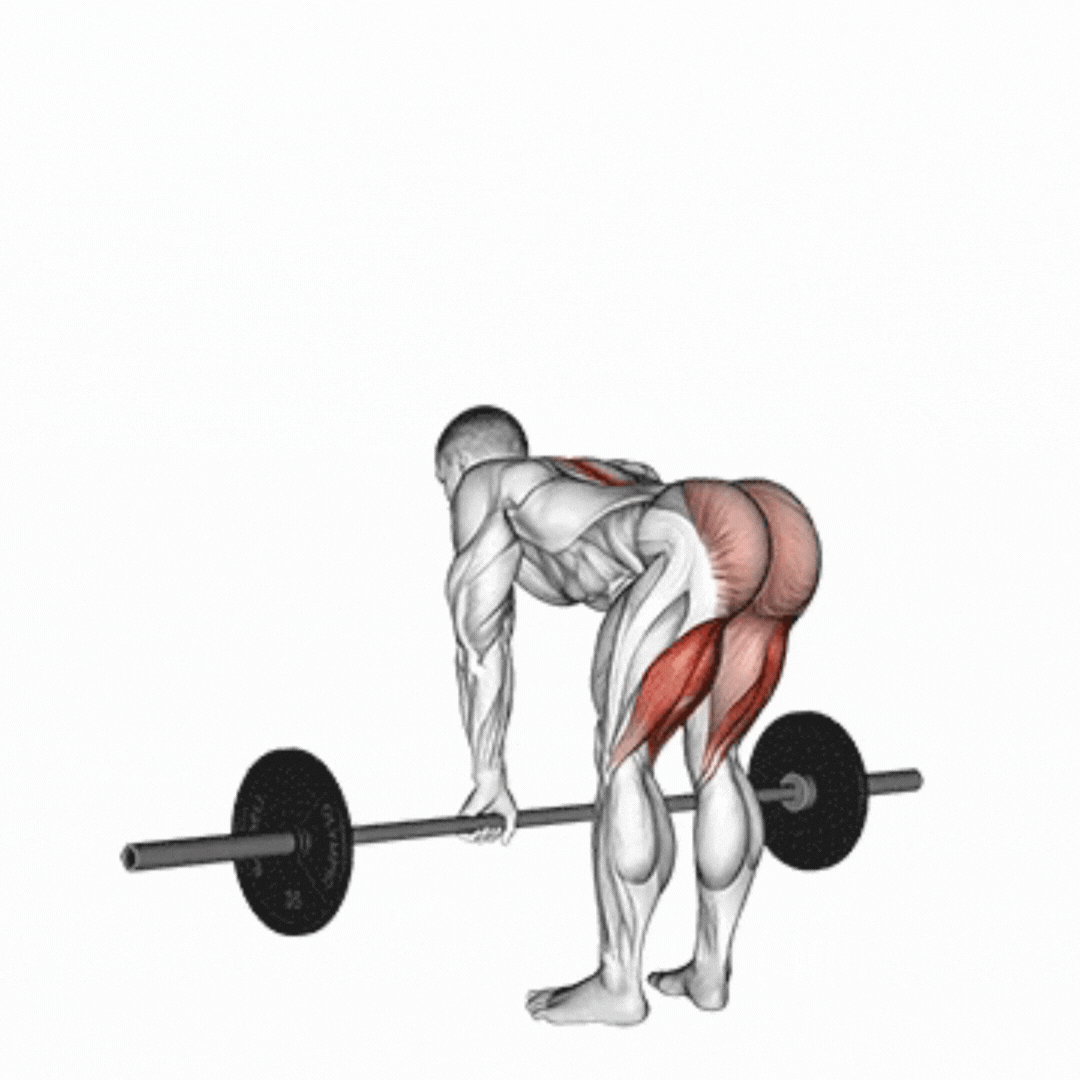
Muscle Activation
Safety
Precautions
- Individuals with acute knee injuries should avoid this.
- Individuals with acute lower back pain should be cautious.
- Individuals with ankle injuries should avoid this exercise.
- Individuals with heart conditions should be cautious.
- Pregnant women should avoid this exercise.
Safety Tips
- Ensure the band is sturdy and not frayed or worn out.
- Perform the exercise on a soft or shock-absorbing surface.
- Master the classic squat and bodyweight jump squat techniques first.
- Pay attention to your landing technique; land softly by bending your knees.
- Stop the exercise if your form begins to break down.
- Keep sets short if your conditioning is insufficient.
Frequently Asked Questions
Which muscles does Resistance Band Jump Squat work?
Resistance Band Jump Squat primarily works these muscles: Quadriceps, Gluteus maximus. It also engages: Hamstring, Kalf, Core kasları, Adductor.
Is Resistance Band Jump Squat suitable for beginners?
Resistance Band Jump Squat is a Intermediate level exercise. Learning difficulty: Moderate.
Can Resistance Band Jump Squat be done at home?
Yes, Resistance Band Jump Squat can easily be done at home.
What are common mistakes when doing Resistance Band Jump Squat?
One of the most common mistakes: Landing hard - increases joint stress and injury risk.
How many sets and reps for Resistance Band Jump Squat?
Recommended: 3-4 sets and 8-12 reps.
- ✓Develops explosive power and speed.
- ✓Intensely works the quadriceps and glutes.
- ✓Directly improves athletic performance (sprinting, jumping).
- ✓Increases cardiovascular endurance.
- ✓Provides high calorie burn.
- ✓Practical for home workouts.
- ✓Great addition to plyometric training programs.