.gif)
Description
The Pin Press is a specialized bench press variation performed with a barbell resting on safety pins, focusing solely on the concentric contraction without an eccentric phase. The bar is pressed from a dead stop on the pins, allowing you to isolate the lockout phase of the movement. It is frequently used by powerlifters to increase bench press performance and improve strength at the sticking point. It intensely works the triceps, chest, and anterior deltoids, with a specific focus on triceps lockout strength. Since there is no eccentric phase, muscle damage is reduced and recovery time is shortened. When performed regularly, it provides significant improvements in bench press lockout strength, triceps power, and maximum force production.
Pin Press How-To Guide
- 1
Set the safety pins to your desired height in a squat rack or bench rack.
- 2
The pin height should correspond to your weak point in the bench press (usually 5-15 cm above the chest).
- 3
Lie flat on your back on the bench.
- 4
Place the barbell on the safety pins.
- 5
Grip the bar with a shoulder-width overhand grip.
- 6
Retract your shoulder blades and plant your feet firmly on the floor.
- 7
Brace your core muscles.
- 8
Press the bar upward with an explosive movement.
- 9
Your elbows should be fully extended at the top position.
- 10
Lower the bar back down to the pins in a controlled manner.
- 11
Pause briefly on the pins (release the tension).
Key Points
- ✓Pin height should be adjusted according to your weak point.
- ✓No eccentric phase; every rep must start from a dead stop on the pins.
- ✓Use an explosive upward and controlled downward tempo.
- ✓Shoulder blades must remain retracted.
- ✓Release tension on the pins (dead stop position).
Common Mistakes
- ✗Pressing slowly off the pins - fails to develop explosive power.
- ✗Breaking form with excessively heavy loads - increases injury risk.
- ✗Flaring the elbows out - places undue stress on the shoulders.
- ✗Setting the pin height incorrectly - defeats the purpose of the exercise.
- ✗Lifting heavy sets without a spotter - highly dangerous.
Breathing
Take a deep breath and brace your core before pressing off the pins, and exhale forcefully as you push upward.
Muscle Activation
Safety
Precautions
- Individuals with acute shoulder injuries should avoid this.
- Athletes who have not mastered standard bench press technique should avoid this.
- Individuals with acute lower back pain should exercise caution.
- Individuals with high blood pressure should exercise caution.
Safety Tips
- Master the classic bench press technique first.
- Practice your form with light loads.
- Using a spotter is mandatory.
- Set the pin height correctly.
- Using a lifting belt is recommended for heavy sets.
Frequently Asked Questions
Which muscles does Pin Press work?
Pin Press primarily works these muscles: Triceps, Göğüs. It also engages: Ön Omuz, Üst sırt, Core kasları.
Is Pin Press suitable for beginners?
Pin Press is a Advanced level exercise. Learning difficulty: Hard.
Can Pin Press be done at home?
Pin Press usually requires gym equipment, so it can be hard to do at home.
What are common mistakes when doing Pin Press?
One of the most common mistakes: Pressing slowly off the pins - fails to develop explosive power.
How many sets and reps for Pin Press?
Recommended: 3-5 sets and 3-6 reps.
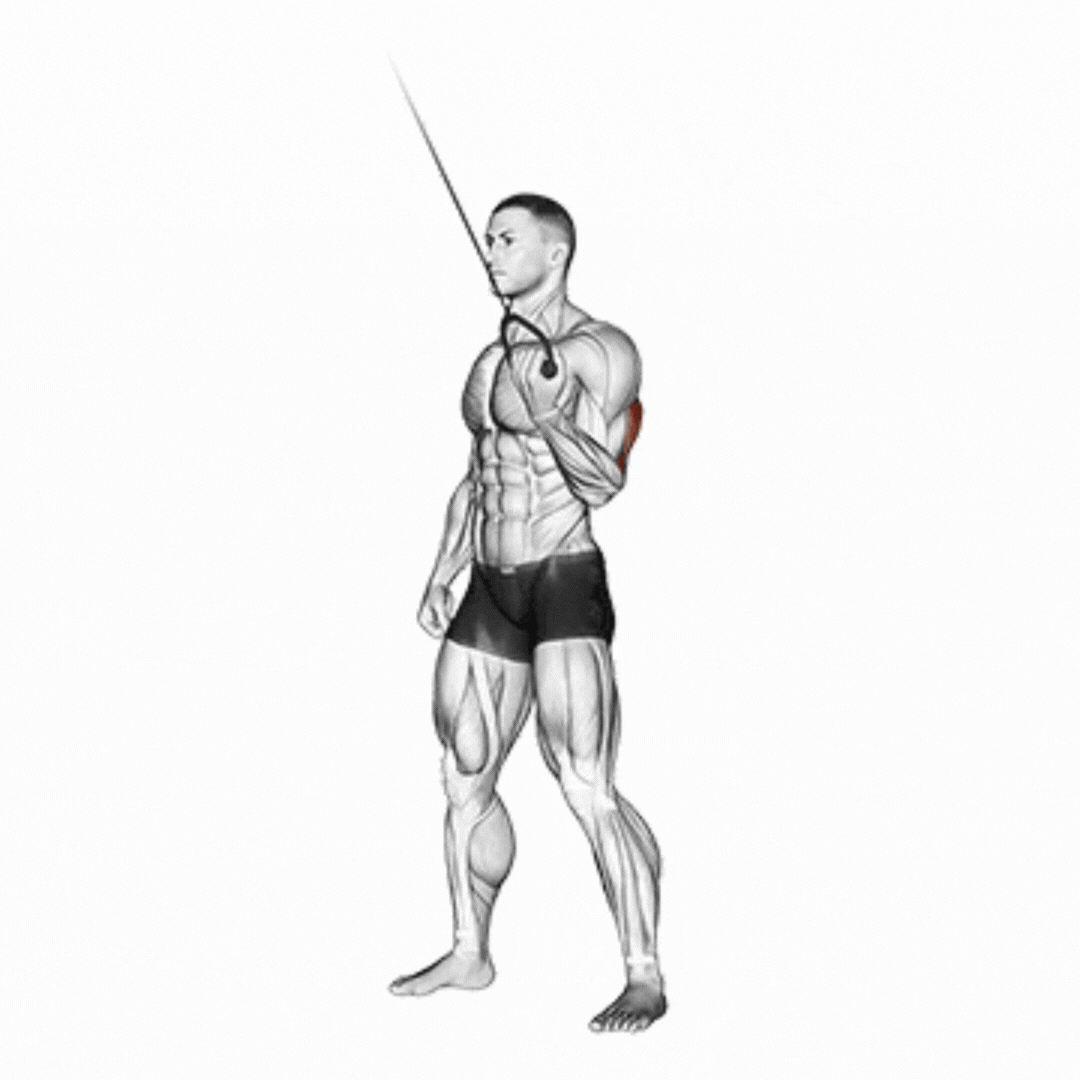
Triceps
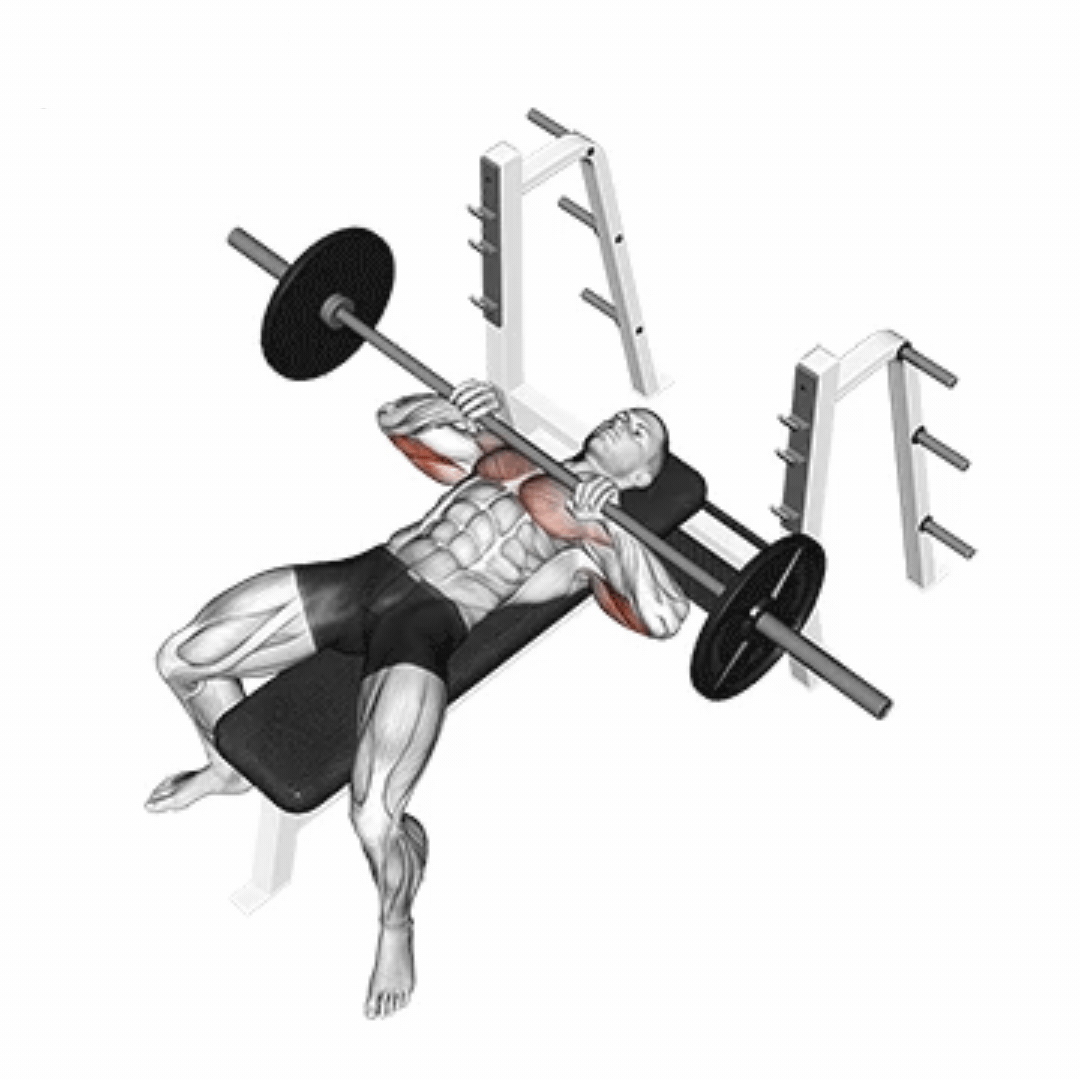
Triceps
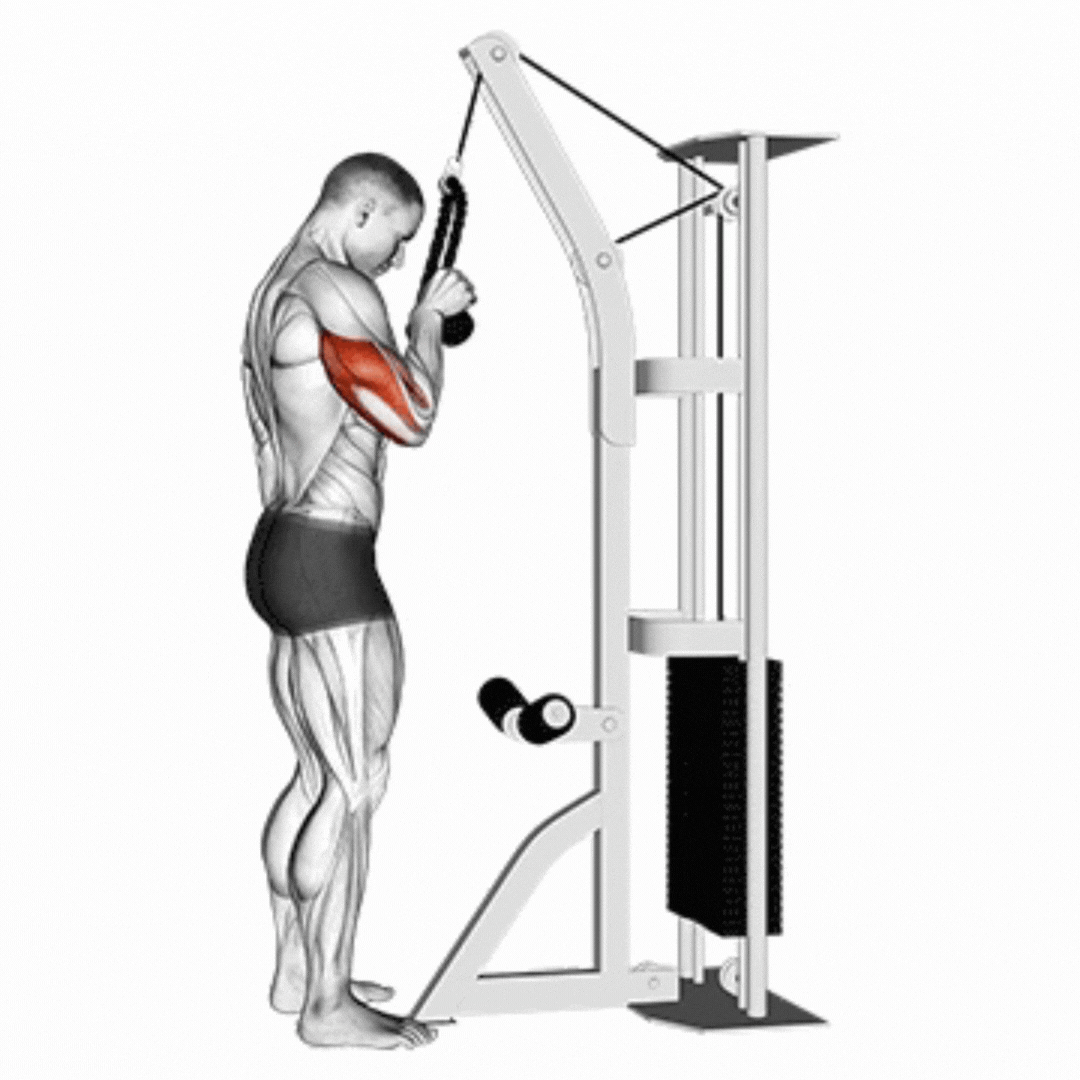
Triceps
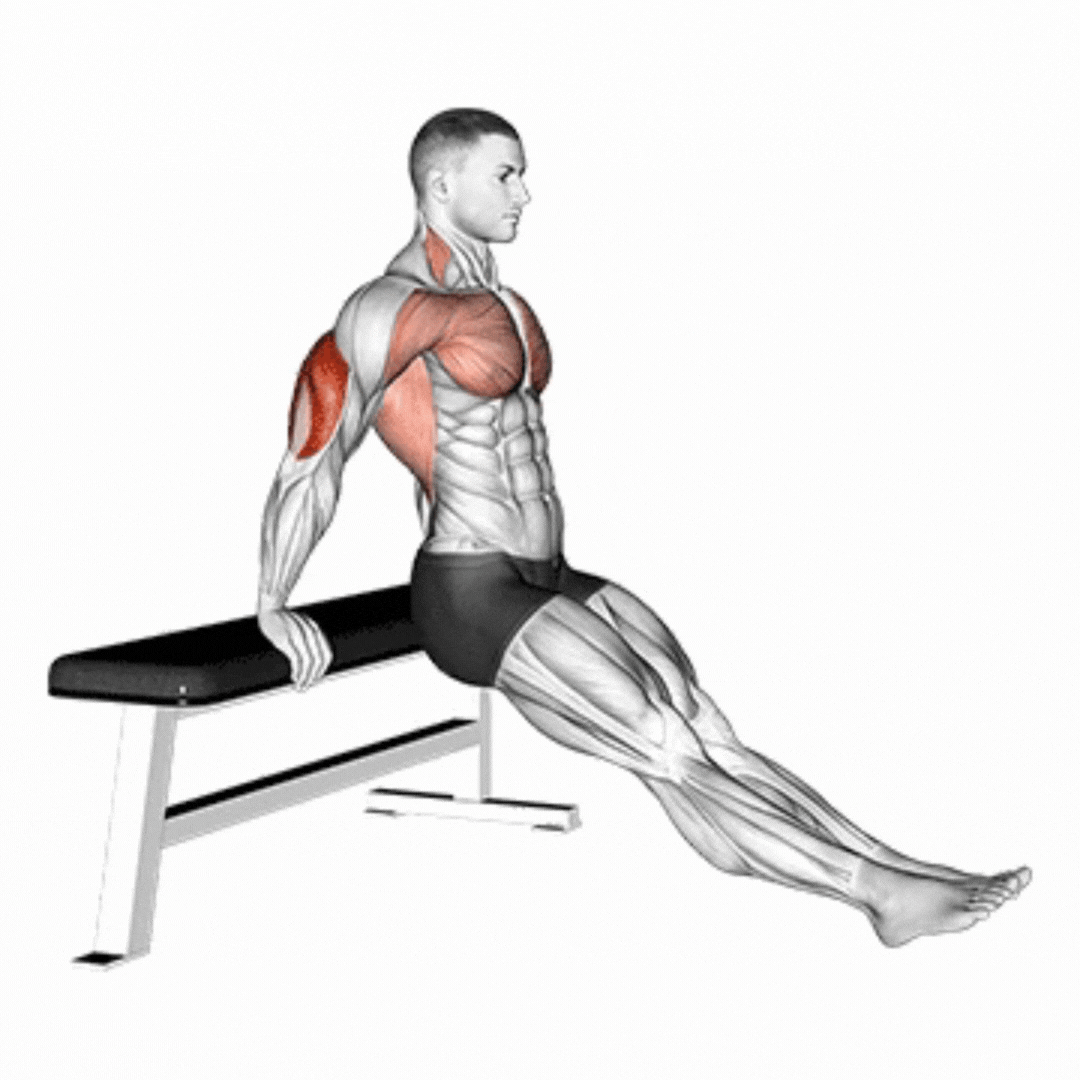
Triceps
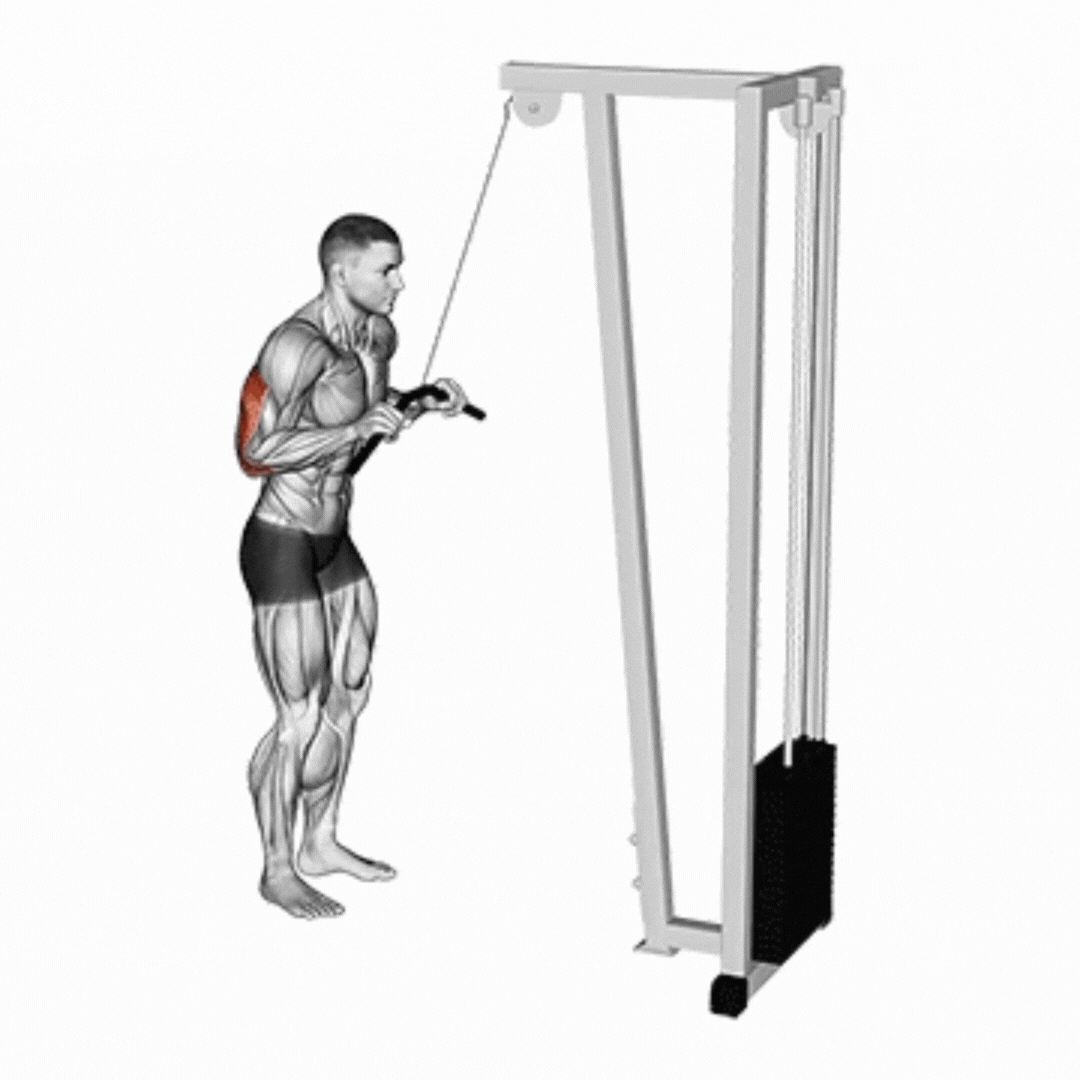
Triceps
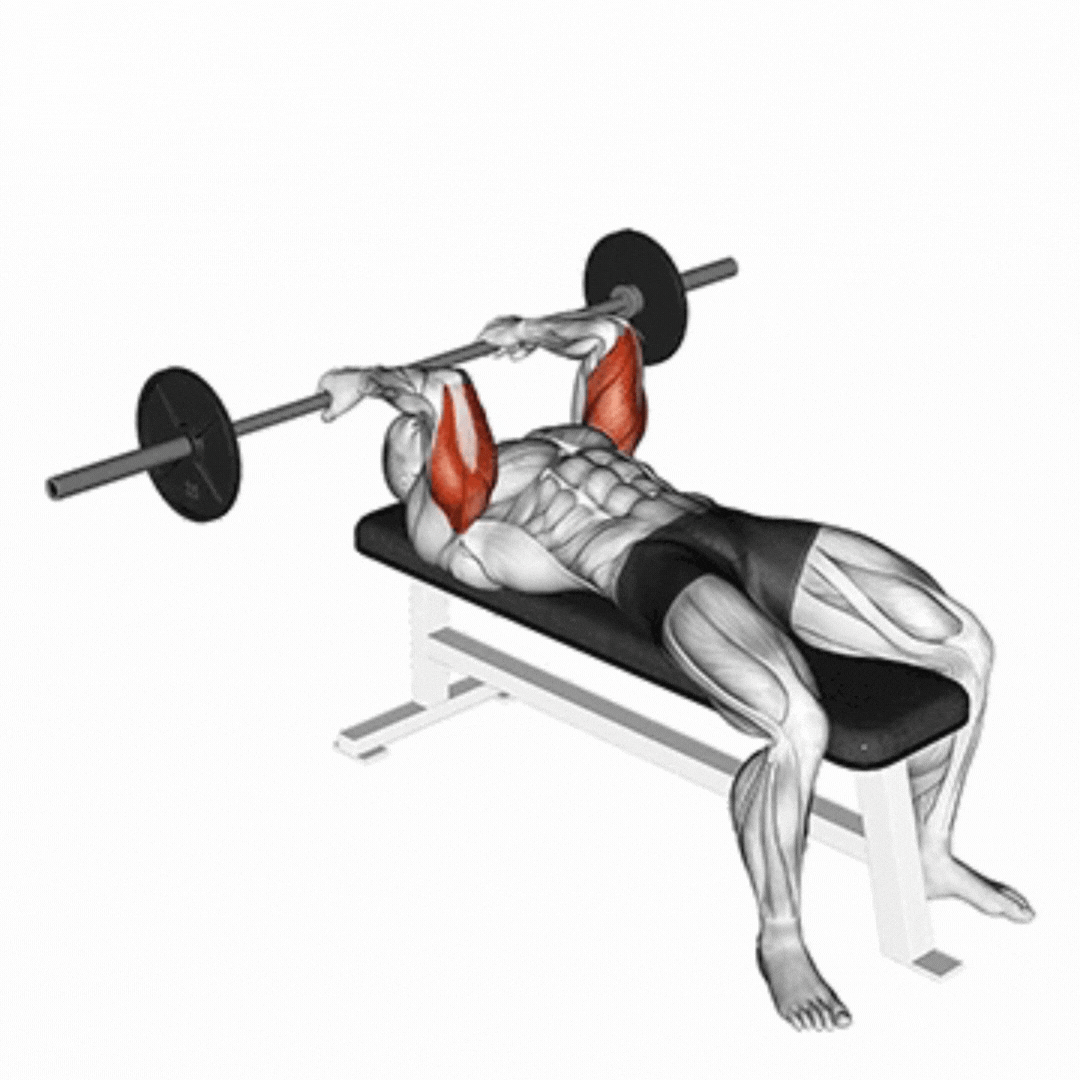
Triceps
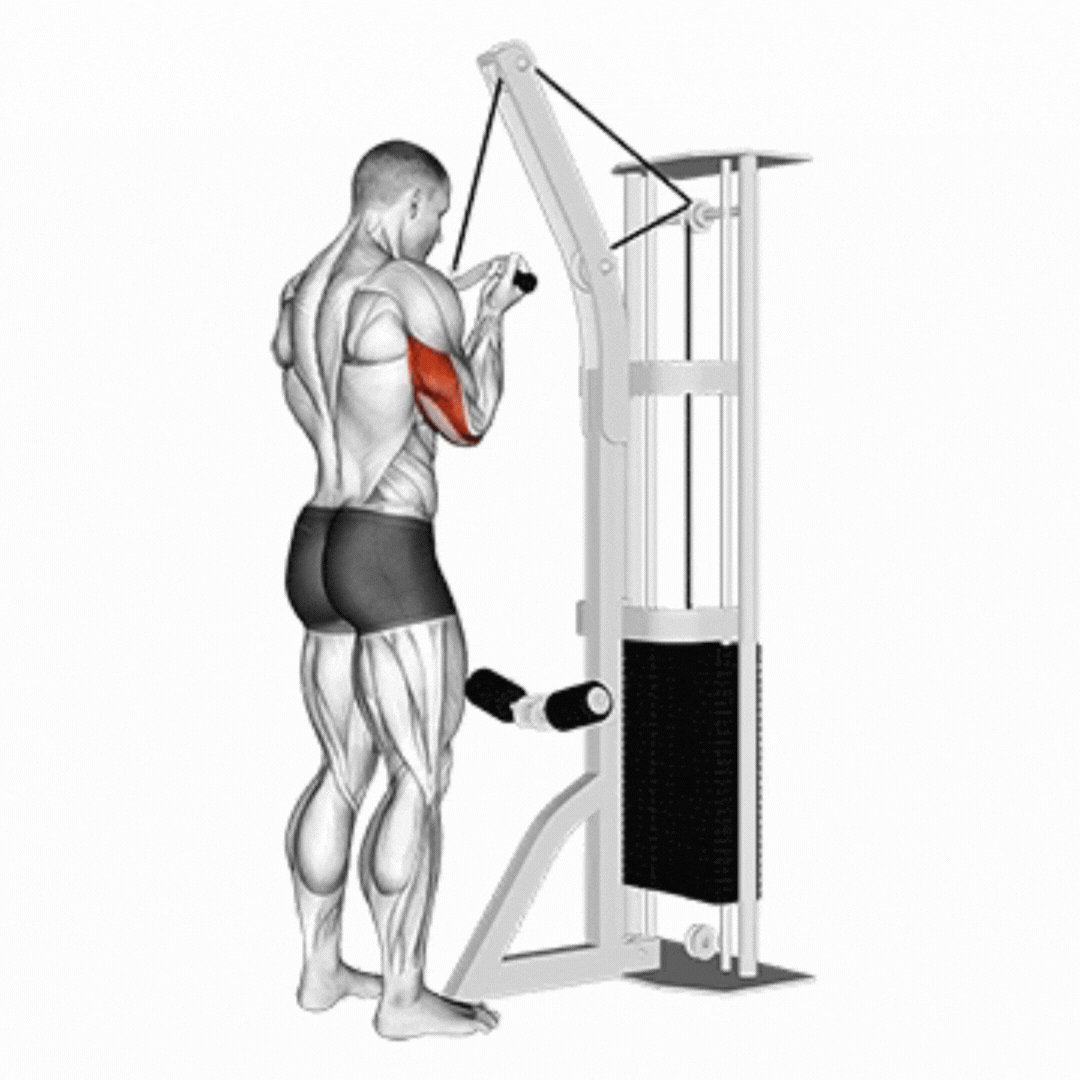
Triceps
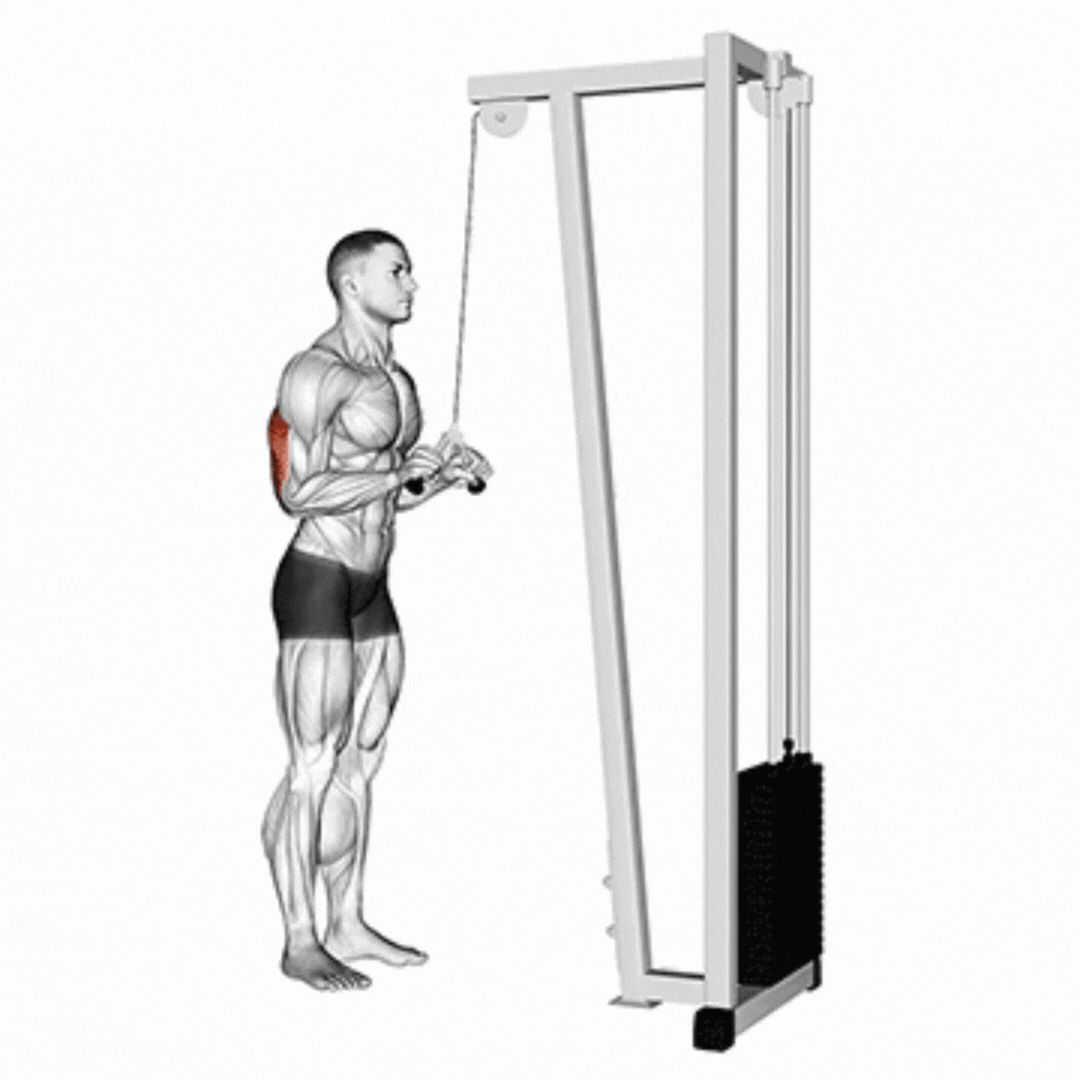
Triceps
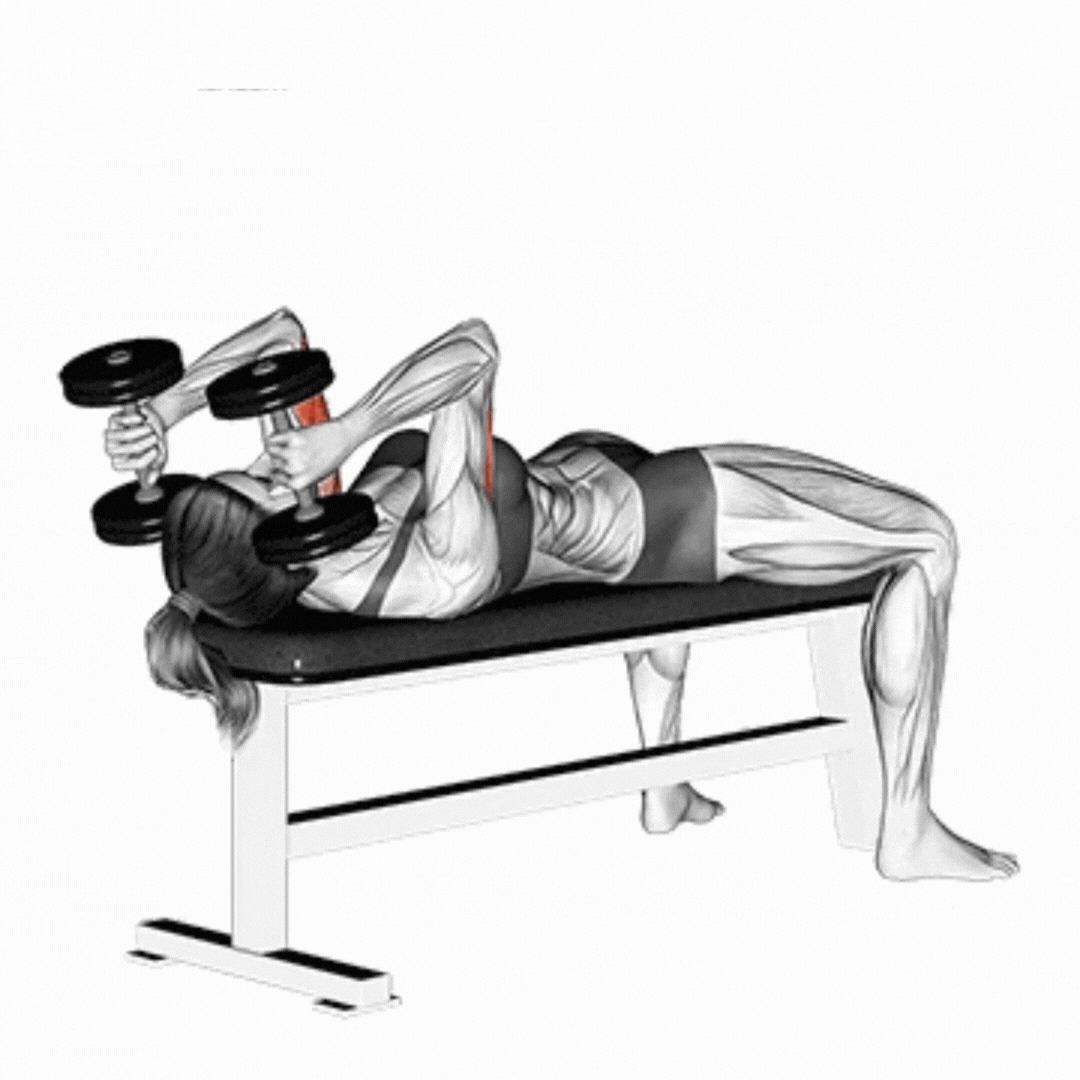
Triceps
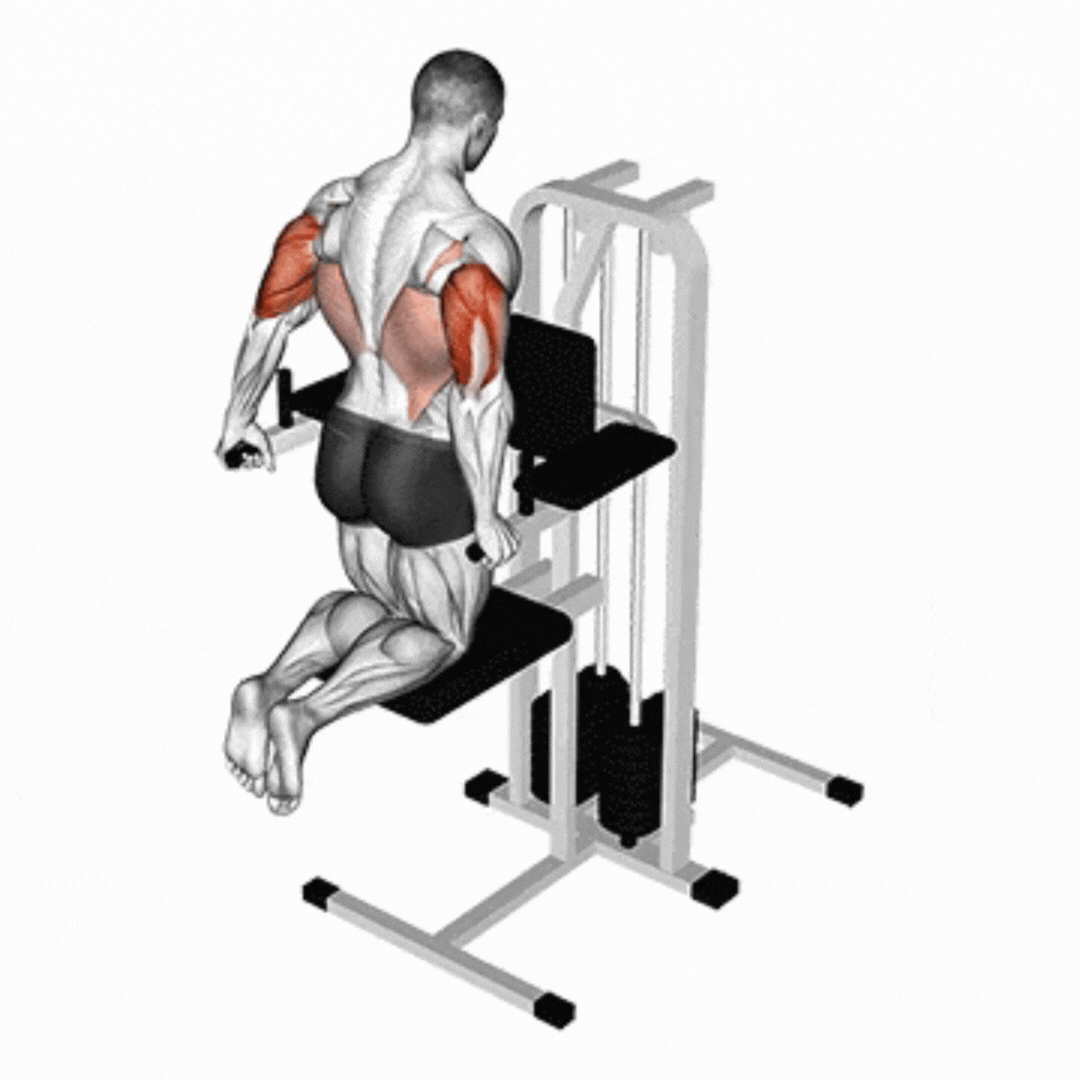
Triceps
- ✓Increases bench press lockout strength.
- ✓Maximizes triceps strength development.
- ✓Improves strength at the sticking point.
- ✓Develops explosive power.
- ✓Allows for training with maximal loads.
- ✓Directly improves powerlifting performance.