BifitBifit
HomeExercisesBecome a Coach
Log In
HOMEEXERCISESBECOME A COACHLOG IN

Language

Legal

Terms of UsePrivacy PolicyDelete Account
BifitBifit

A modern and user-friendly mobile app that makes life easier for fitness enthusiasts. Tracking your workouts and progress is our priority.

Quick Links

  • Home
  • Exercises
  • Become a Coach
  • Download · Google Play
  • Download · App Store

Legal

  • Privacy Policy
  • Terms of Use
  • Support
  • Account Deletion

© 2026 Bifit. All rights reserved.

Designed for a healthy lifestyle

HomeExercisesPelvic Tilt

Pelvic Tilt

Abdominals
Lower Abs
Beginner
Isolation
3-4Set
10-15Reps
30sRest
2-3-2-0Tempo
Pelvic Tilt
Animation

Description

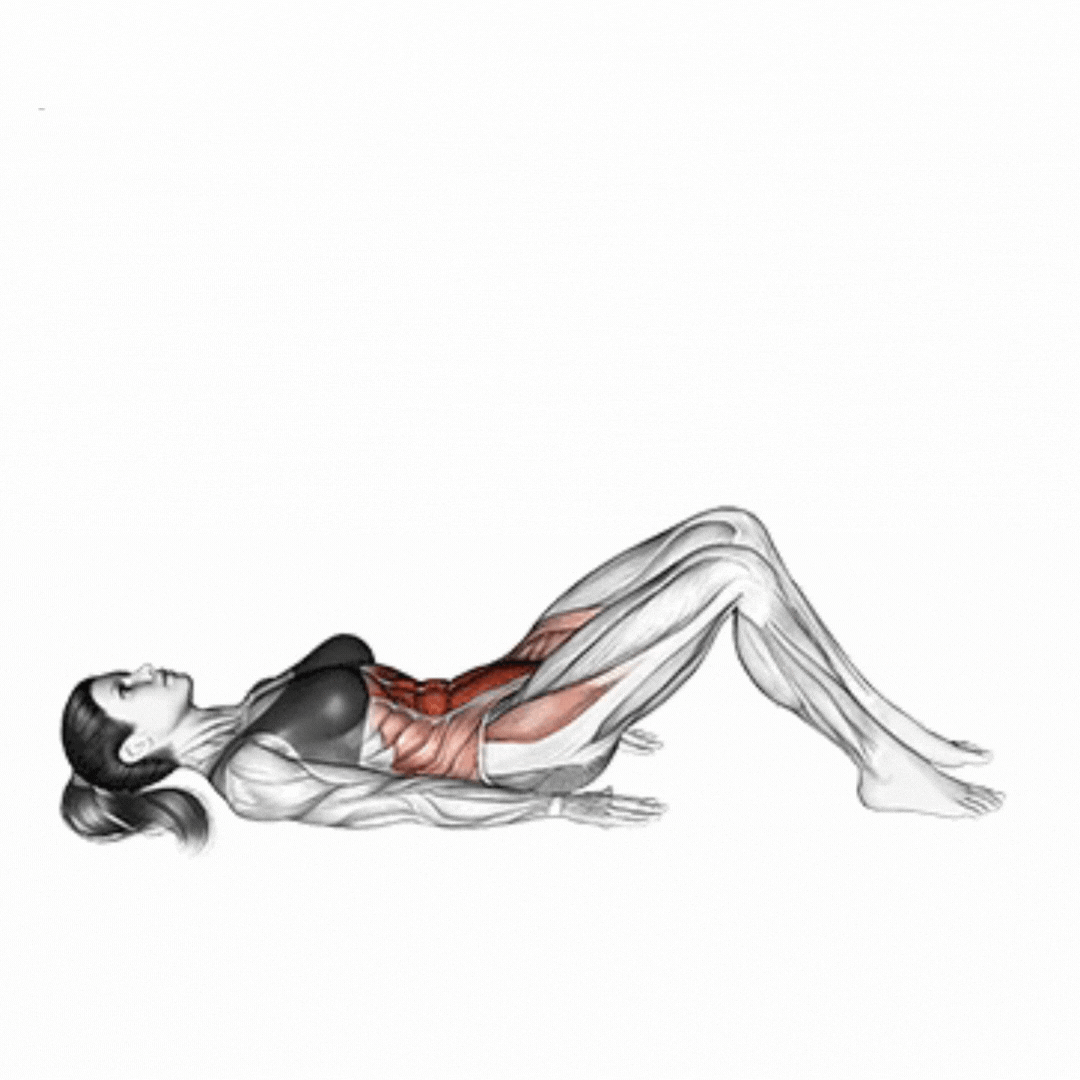
The Pelvic Tilt is a fundamental core exercise performed by tilting the pelvis toward the floor, which isolates and activates the transversus abdominis and lower abdominal muscles. The movement is small but provides a deep contraction, making it a gold standard in rehabilitation processes. It is highly safe and effective for individuals with lower back pain, pregnant women (with doctor approval), or those with posture problems. It is also one of the few exercises that specifically targets the deep core muscles (transversus abdominis). This muscle acts as the true inner belt of the abdomen and is critically important for posture and lower back health. When performed regularly, it significantly improves posture, reduces lower back pain, and enhances core stability. It is an ideal foundational movement before progressing to classic abdominal exercises.

Step-by-Step Instructions

  1. 1

    Lie on your back on the floor with your knees bent and feet flat on the ground

  2. 2

    Place your arms by your sides

  3. 3

    Maintain a natural arch in your lower back (enough space for a hand to pass through initially)

  4. 4

    Tighten your abdominal muscles and tilt your pelvis upward (toward your belly button)

  5. 5

    Your lower back should make full contact with the floor

  6. 6

    Feel a deep contraction in your abdominal muscles

  7. 7

    Hold this position for 3-5 seconds

  8. 8

    Return to the starting position in a controlled manner (the lower back arch returns)

  9. 9

    Keep your breathing steady throughout the movement

Key Points

  • ✓The movement should be small but deep
  • ✓The lower back must fully touch the floor
  • ✓The pelvis should tilt upward (toward the belly button)
  • ✓Focus on squeezing the abdominal muscles
  • ✓Hold the peak position for 3-5 seconds

Common Mistakes

  • ✗Making the movement too large - engages other muscles
  • ✗Holding your breath - causes a loss of control
  • ✗Over-squeezing the glutes - disrupts the movement
  • ✗Lack of concentration - fails to engage deep muscles
  • ✗Performing it too fast - limits muscle activation

Breathing

Exhale as you tilt your pelvis, and inhale as you return to the starting position. Take steady and deep breaths.

Muscle Activation

transversus abdominis0%
lower abs0%
core0%
abs0%
glutes0%

Safety

Precautions

  • No contraindications other than acute stages of pregnancy (doctor approval is recommended)

Safety Tips

  • Perform on a soft mat
  • Learn the movement slowly
  • Focus on your abdominal muscles
  • Check your form in a mirror if necessary

Frequently Asked Questions

Which muscles does Pelvic Tilt work?

Pelvic Tilt primarily works these muscles: Alt Karın, Transversus abdominis. It also engages: Karın kasları, Gluteus maximus, Core kasları.

Is Pelvic Tilt suitable for beginners?

Pelvic Tilt is a Beginner level exercise. Learning difficulty: Easy.

Can Pelvic Tilt be done at home?

Yes, Pelvic Tilt can easily be done at home.

What are common mistakes when doing Pelvic Tilt?

One of the most common mistakes: Making the movement too large - engages other muscles

How many sets and reps for Pelvic Tilt?

Recommended: 3-4 sets and 10-15 reps.
Related Exercises

Exercises targeting similar muscle groups

Abdominals Exercises
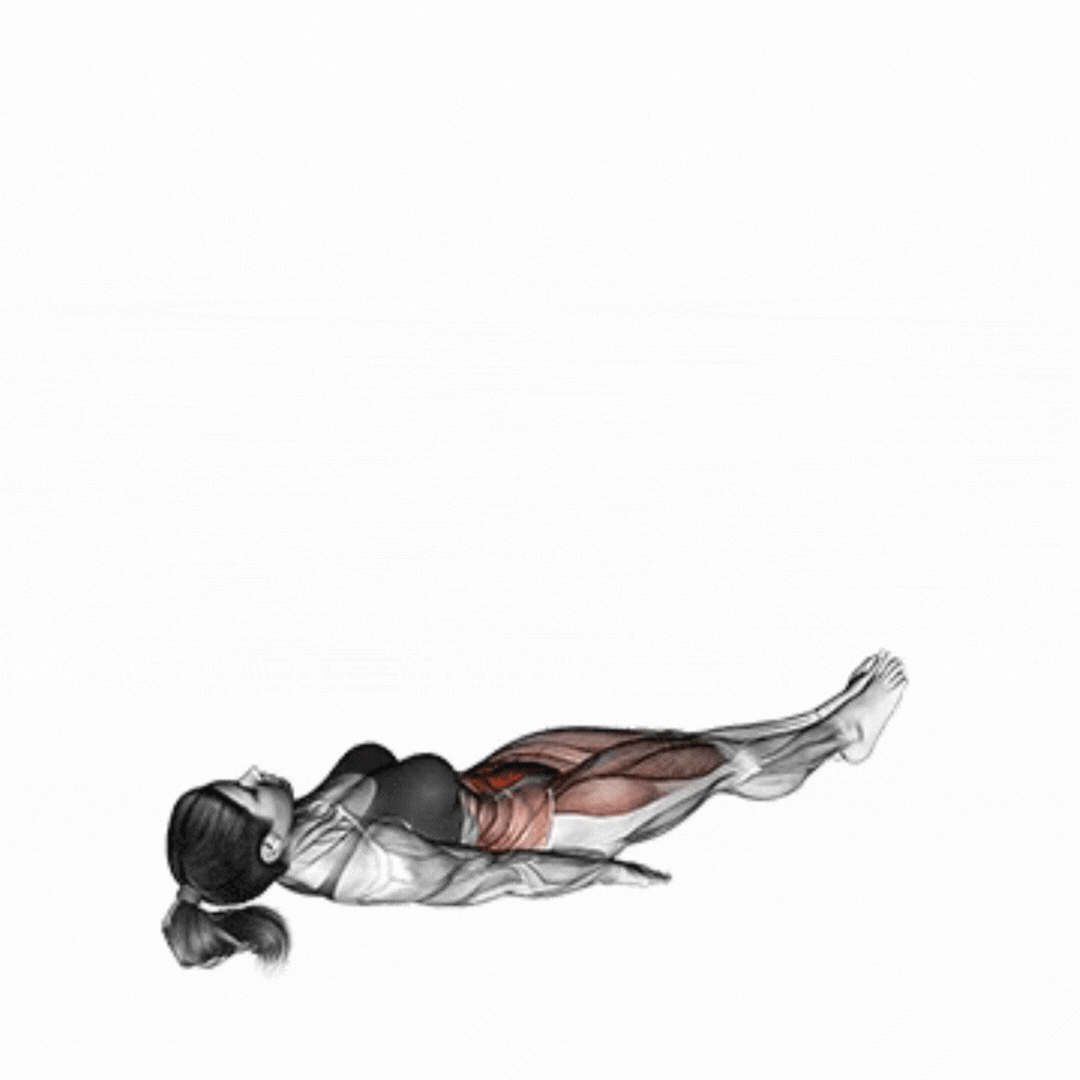
Long Arm Crunch

Long Arm Crunch

Upper Abs

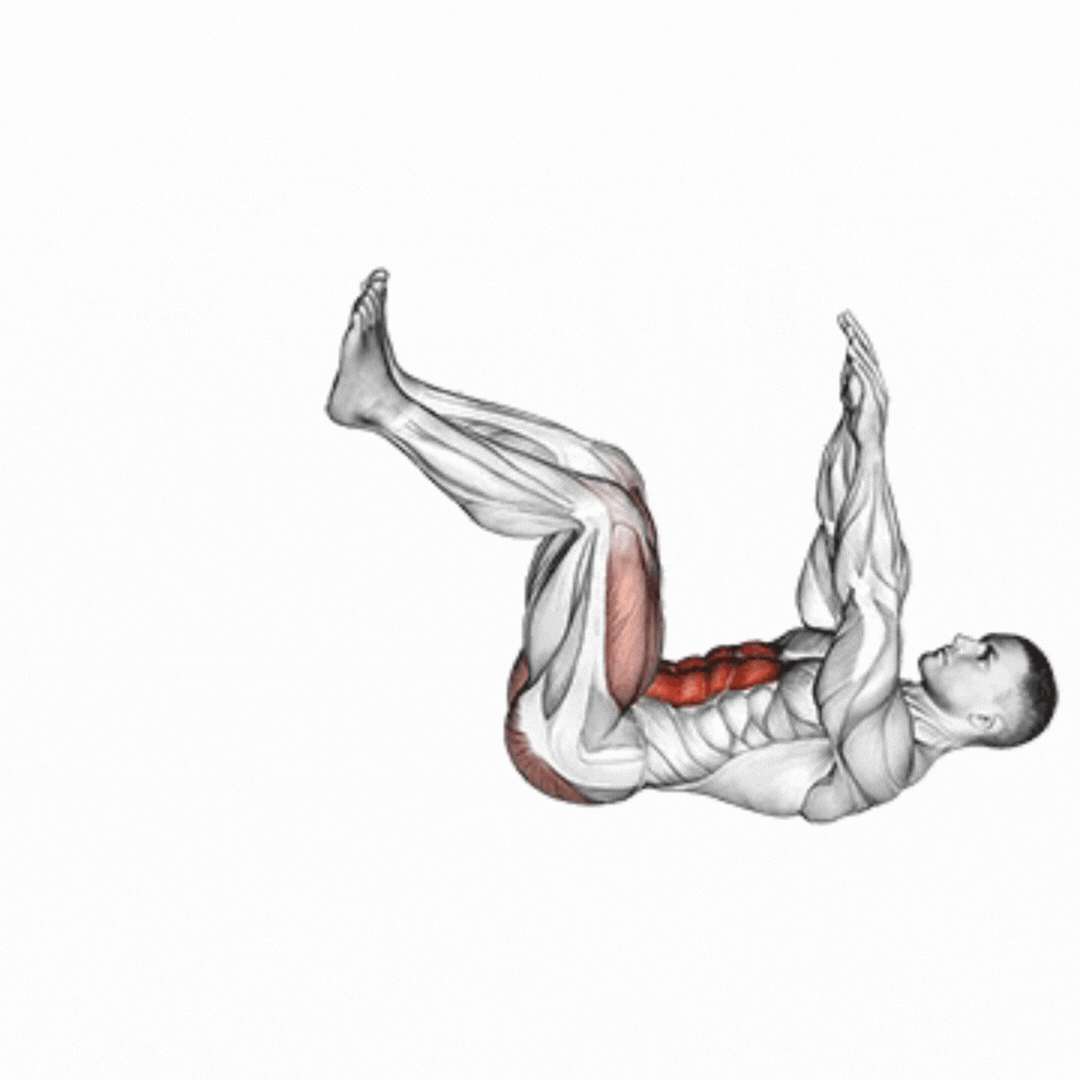
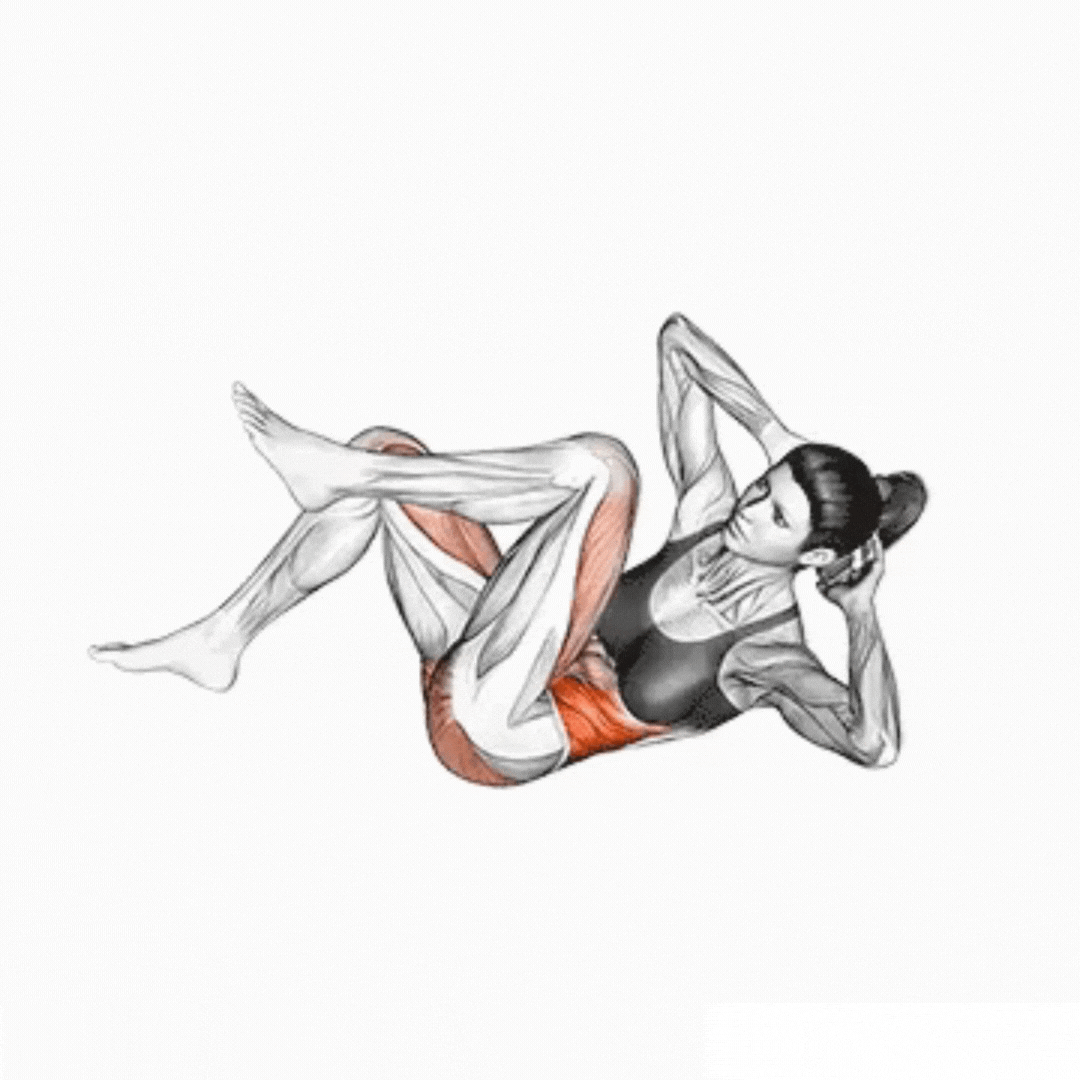
Figure-Four Crunch

Figure-Four Crunch

Obliques

Seated Flutter Kick

Seated Flutter Kick

Lower Abs

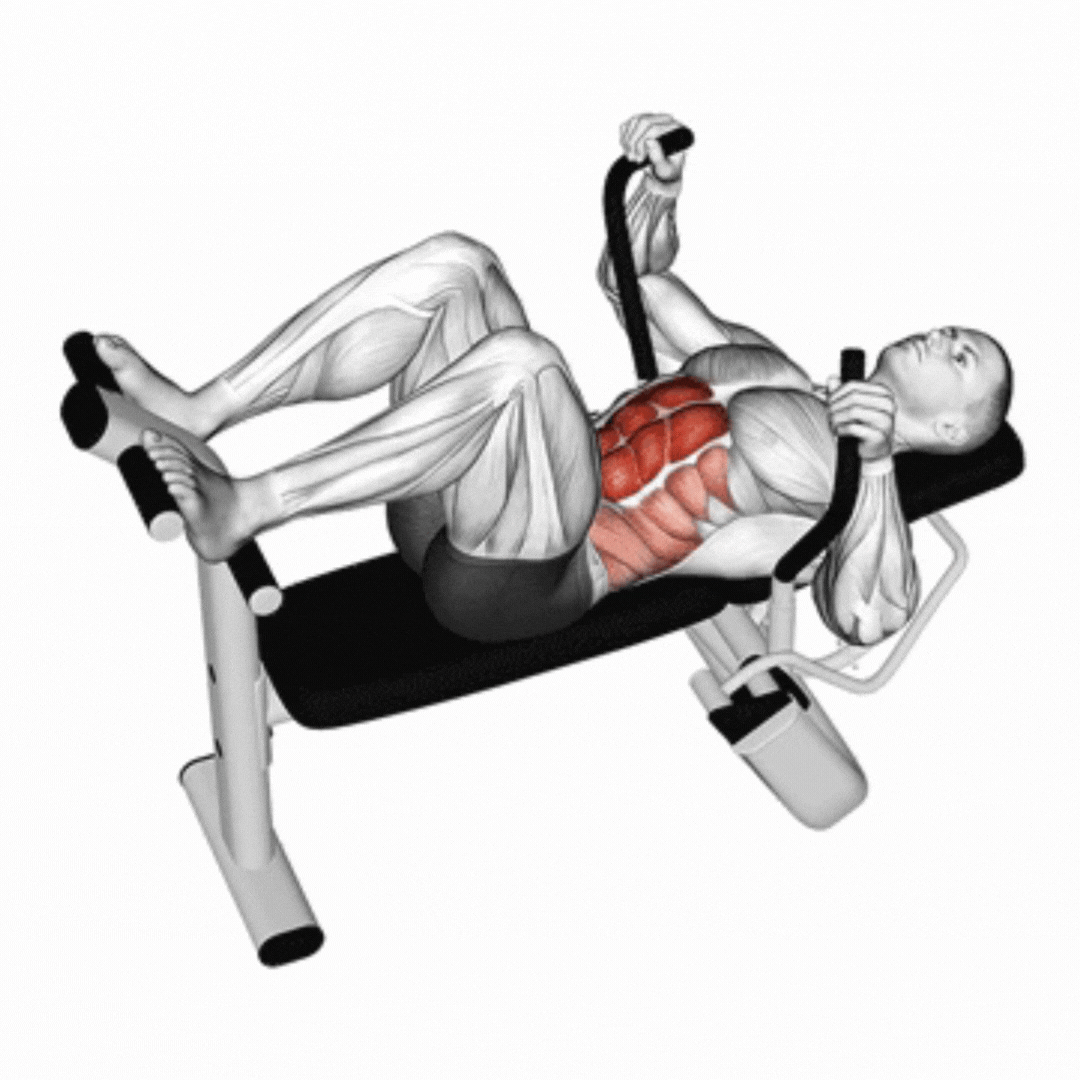
Frog Crunches

Frog Crunches

Upper Abs

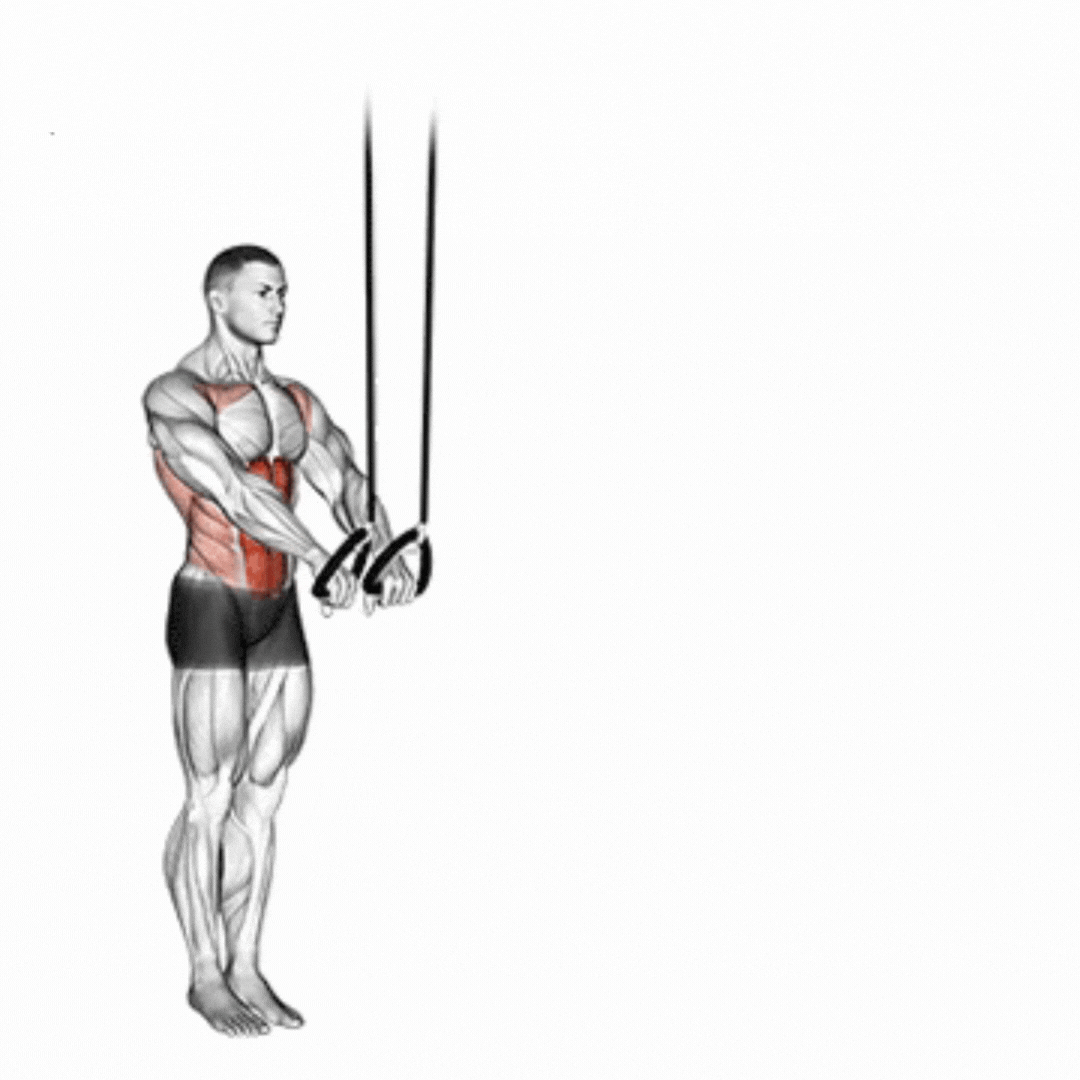
Alternate Leg Raises

Alternate Leg Raises

Lower Abs

Mountain Climber

Mountain Climber

Lower Abs

Exercise Information

DifficultyBeginner
Movement TypeIsolation
FocusEndurance
Injury RiskLow
Set3-4
Reps10-15
Rest30 seconds
Tempo2-3-2-0
Spotter RequiredNo
Home / Gym
YesYes
Effectiveness3.5 / 5
Popularity5.5 / 10
Learning DifficultyEasy

Equipment

bodyweight

Primary Muscles

Alt KarınTransversus abdominis

Secondary Muscles

Karın kaslarıGluteus maximusCore kasları

Benefits

  • ✓Activates the transversus abdominis (deep core) muscles
  • ✓Improves posture
  • ✓Reduces lower back pain
  • ✓Fundamental movement for core stabilization
  • ✓Ideal for rehabilitation processes
  • ✓Can be safely performed during pregnancy (with doctor approval)
  • ✓Requires no equipment

Goals

Endurance
Back to All Exercises
Pelvic Tilt
Animation

Description

The Pelvic Tilt is a fundamental core exercise performed by tilting the pelvis toward the floor, which isolates and activates the transversus abdominis and lower abdominal muscles. The movement is small but provides a deep contraction, making it a gold standard in rehabilitation processes. It is highly safe and effective for individuals with lower back pain, pregnant women (with doctor approval), or those with posture problems. It is also one of the few exercises that specifically targets the deep core muscles (transversus abdominis). This muscle acts as the true inner belt of the abdomen and is critically important for posture and lower back health. When performed regularly, it significantly improves posture, reduces lower back pain, and enhances core stability. It is an ideal foundational movement before progressing to classic abdominal exercises.

Step-by-Step Instructions

  1. 1

    Lie on your back on the floor with your knees bent and feet flat on the ground

  2. 2

    Place your arms by your sides

  3. 3

    Maintain a natural arch in your lower back (enough space for a hand to pass through initially)

  4. 4

    Tighten your abdominal muscles and tilt your pelvis upward (toward your belly button)

  5. 5

    Your lower back should make full contact with the floor

  6. 6

    Feel a deep contraction in your abdominal muscles

  7. 7

    Hold this position for 3-5 seconds

  8. 8

    Return to the starting position in a controlled manner (the lower back arch returns)

  9. 9

    Keep your breathing steady throughout the movement

Key Points

  • ✓The movement should be small but deep
  • ✓The lower back must fully touch the floor
  • ✓The pelvis should tilt upward (toward the belly button)
  • ✓Focus on squeezing the abdominal muscles
  • ✓Hold the peak position for 3-5 seconds

Common Mistakes

  • ✗Making the movement too large - engages other muscles
  • ✗Holding your breath - causes a loss of control
  • ✗Over-squeezing the glutes - disrupts the movement
  • ✗Lack of concentration - fails to engage deep muscles
  • ✗Performing it too fast - limits muscle activation

Breathing

Exhale as you tilt your pelvis, and inhale as you return to the starting position. Take steady and deep breaths.

Back to All Exercises

Related Exercises

Exercises targeting similar muscle groups

Abdominals Exercises
Long Arm Crunch

Long Arm Crunch

Upper Abs

Figure-Four Crunch

Figure-Four Crunch

Obliques

Seated Flutter Kick

Seated Flutter Kick

Lower Abs

Frog Crunches

Frog Crunches

Upper Abs

Alternate Leg Raises

Alternate Leg Raises

Lower Abs

Mountain Climber

Mountain Climber

Lower Abs