.gif)
Description
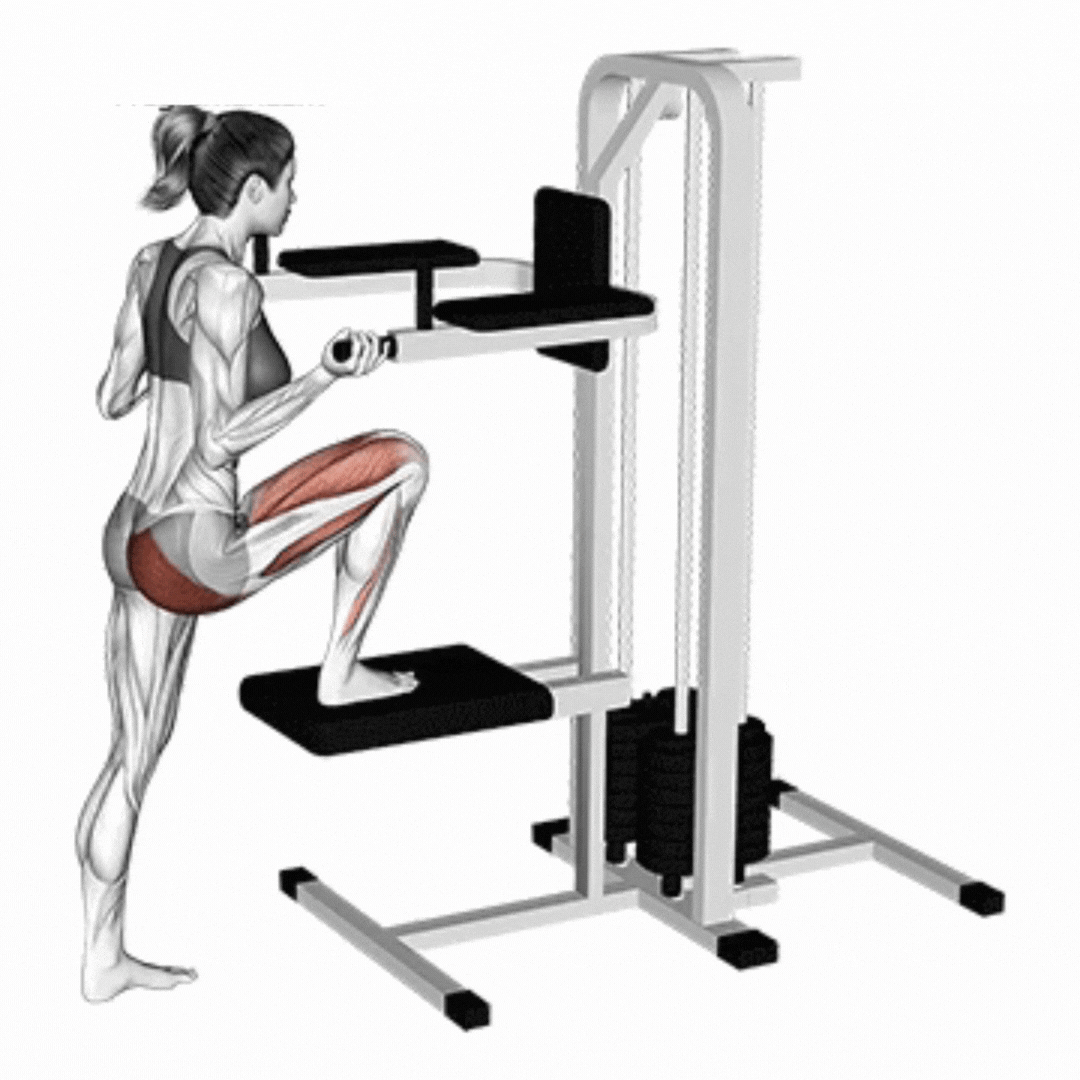
Lateral Step Up is a functional leg exercise performed by stepping up onto a bench or platform positioned to your side. This movement specifically targets the gluteus medius, tensor fasciae latae, and quadriceps muscles. Because it works in the lateral plane, it activates the hip stabilizer muscles more than traditional step up exercises. It is effective for improving balance and coordination while also helping to correct unilateral strength asymmetries. It is an important exercise for increasing athletes' lateral movement capacity and reducing the risk of injury.
Lateral Step Up How-To Guide
- 1
Stand beside the bench or platform with your working leg closest to it
- 2
Keep your upper body upright and engage your abdominal muscles
- 3
Step fully onto the bench with your lateral foot and rise up
- 4
Complete the movement without touching the other foot to the ground, or by lightly tapping it
- 5
Return to the starting position in a controlled manner
- 6
Perform an equal number of repetitions on each side to ensure symmetrical development
Key Points
- ✓Stand beside the platform, not in front of it — this provides greater hip activation
- ✓Lower your upper leg until it is parallel to the ground; do not shorten the range of motion
- ✓Your knee should track in line with your toes and not cave inward
- ✓Keep your chest upright and open throughout the movement
- ✓When stepping up, place your weight on the leading foot and do not push off with the other foot
Common Mistakes
- ✗Letting the knees cave inward — damages the knee ligaments
- ✗Pushing off with the trailing foot at the top of the movement — disengages the target muscle
- ✗Using a platform that is too low — does not allow full range of motion
- ✗Leaning forward — increases lower back stress and reduces hip muscle engagement
- ✗Performing the movement quickly and without control — increases the risk of injury
Breathing
Exhale as you step up, and inhale as you step down. Maintain rhythmic breathing throughout the movement.
Muscle Activation
Safety
Precautions
- Those with knee problems should exercise caution
- Those with balance issues should use support
- Obtain medical clearance if you have a meniscus injury
- Those with hip stability issues should use a lower platform
Safety Tips
- Choose an appropriate platform height
- Do not let your knee collapse inward
- Perform the movement in a controlled manner without using momentum
- Work both legs with an equal number of repetitions
Frequently Asked Questions
Which muscles does Lateral Step Up work?
Lateral Step Up primarily works these muscles: Quadriceps, Glutes. It also engages: Hamstrings, Calves, Hip stabilizers.
Is Lateral Step Up suitable for beginners?
Lateral Step Up is a Intermediate level exercise. Learning difficulty: Moderate.
Can Lateral Step Up be done at home?
Yes, Lateral Step Up can easily be done at home.
What are common mistakes when doing Lateral Step Up?
One of the most common mistakes: Letting the knees cave inward — damages the knee ligaments
How many sets and reps for Lateral Step Up?
Recommended: 3-4 sets and 10-12 reps.
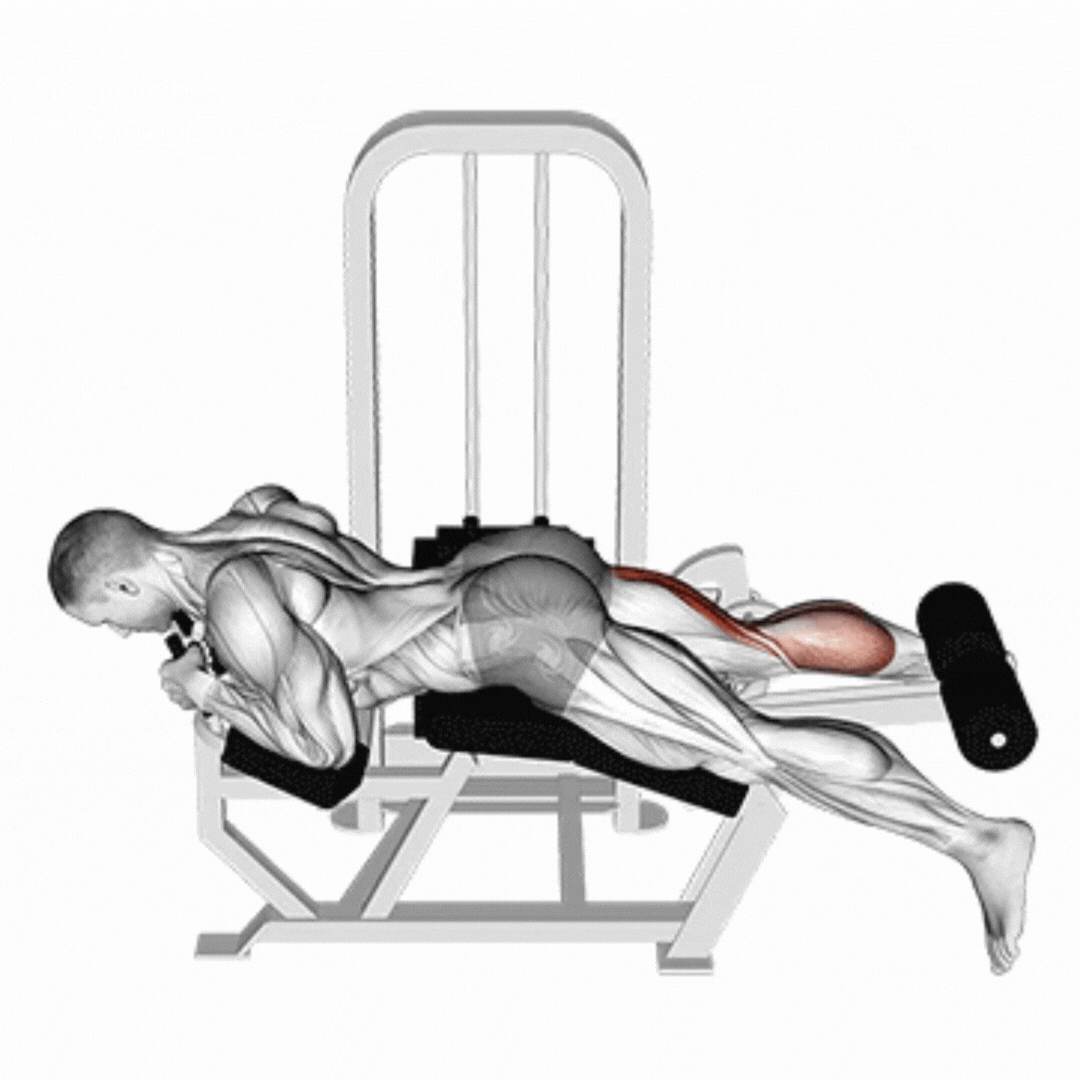
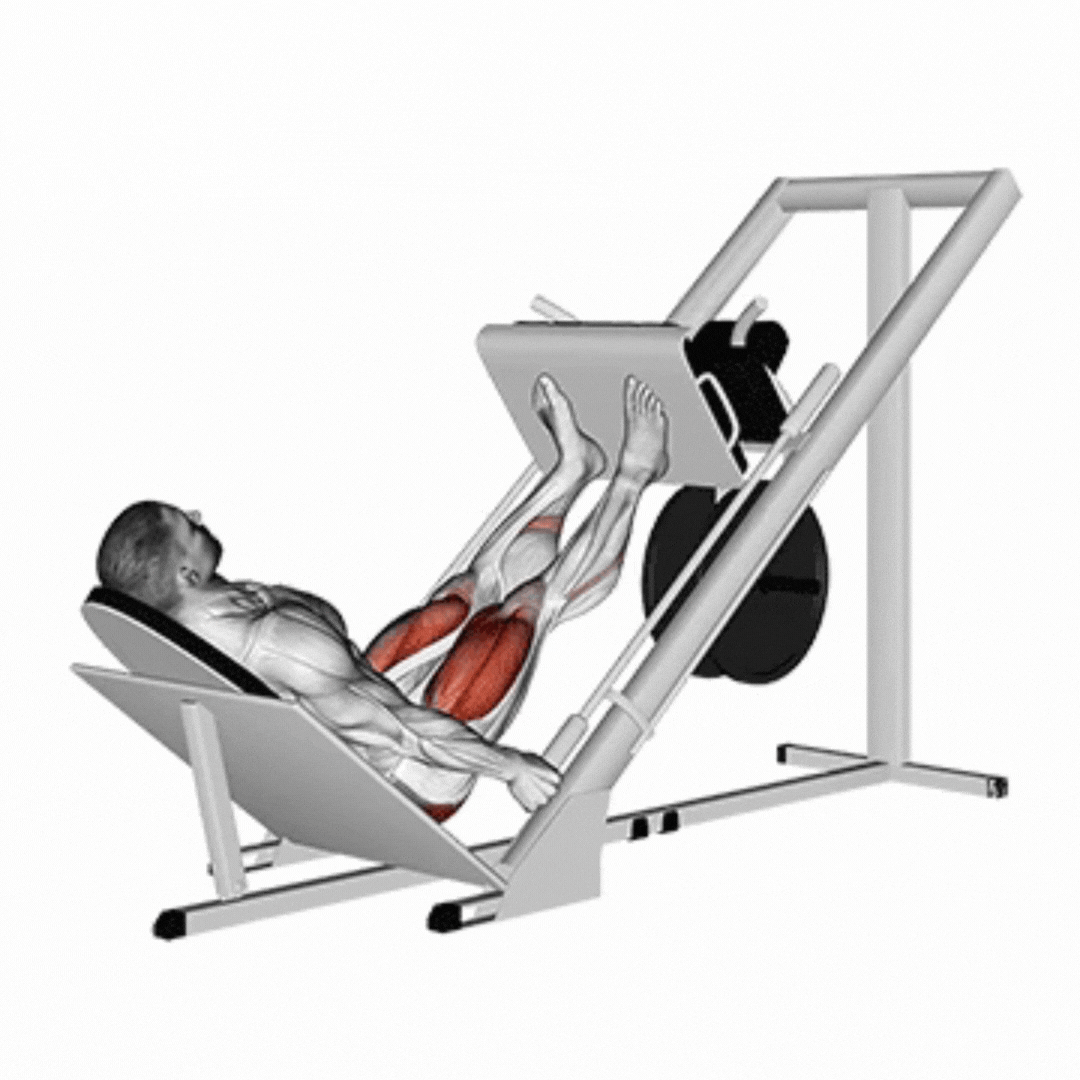
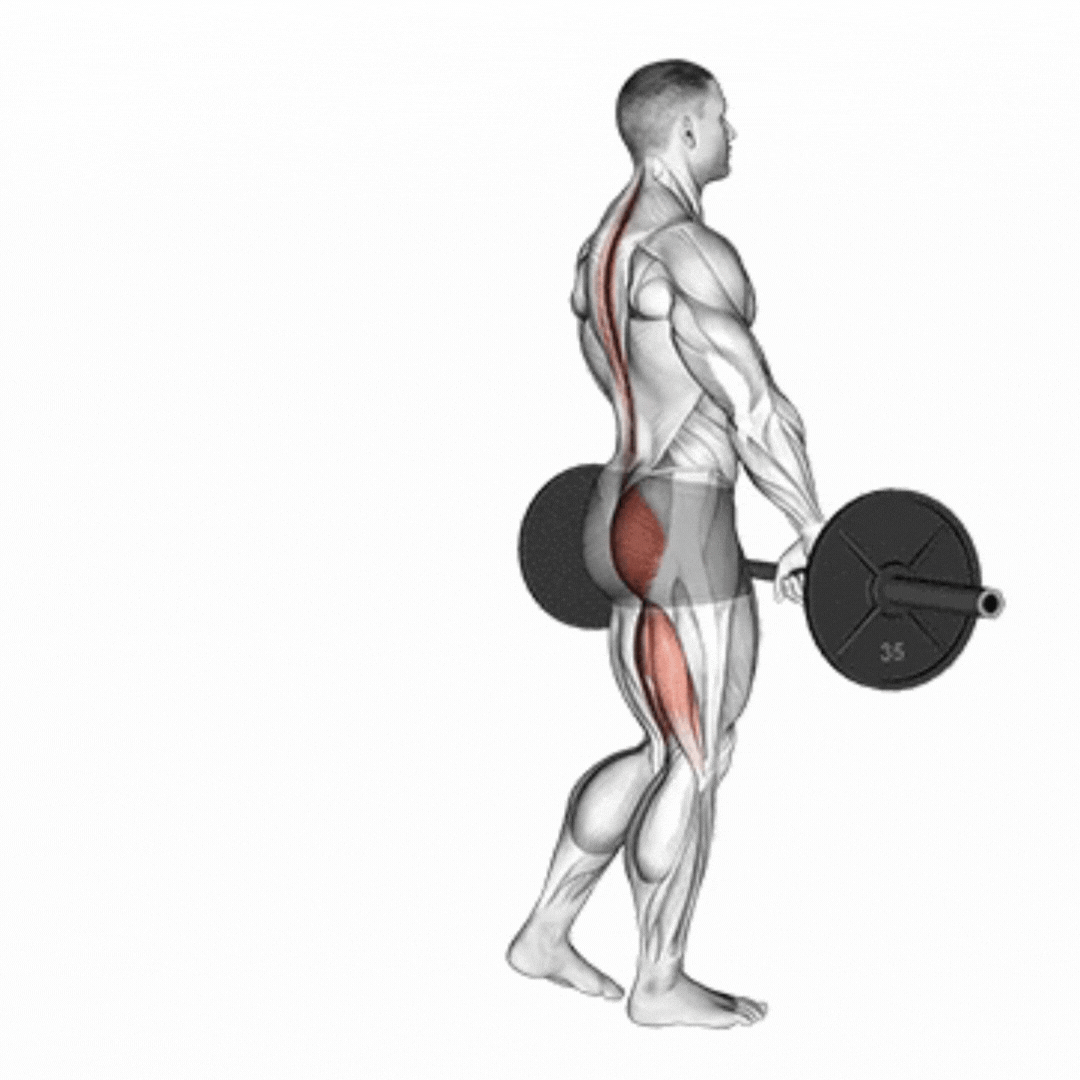
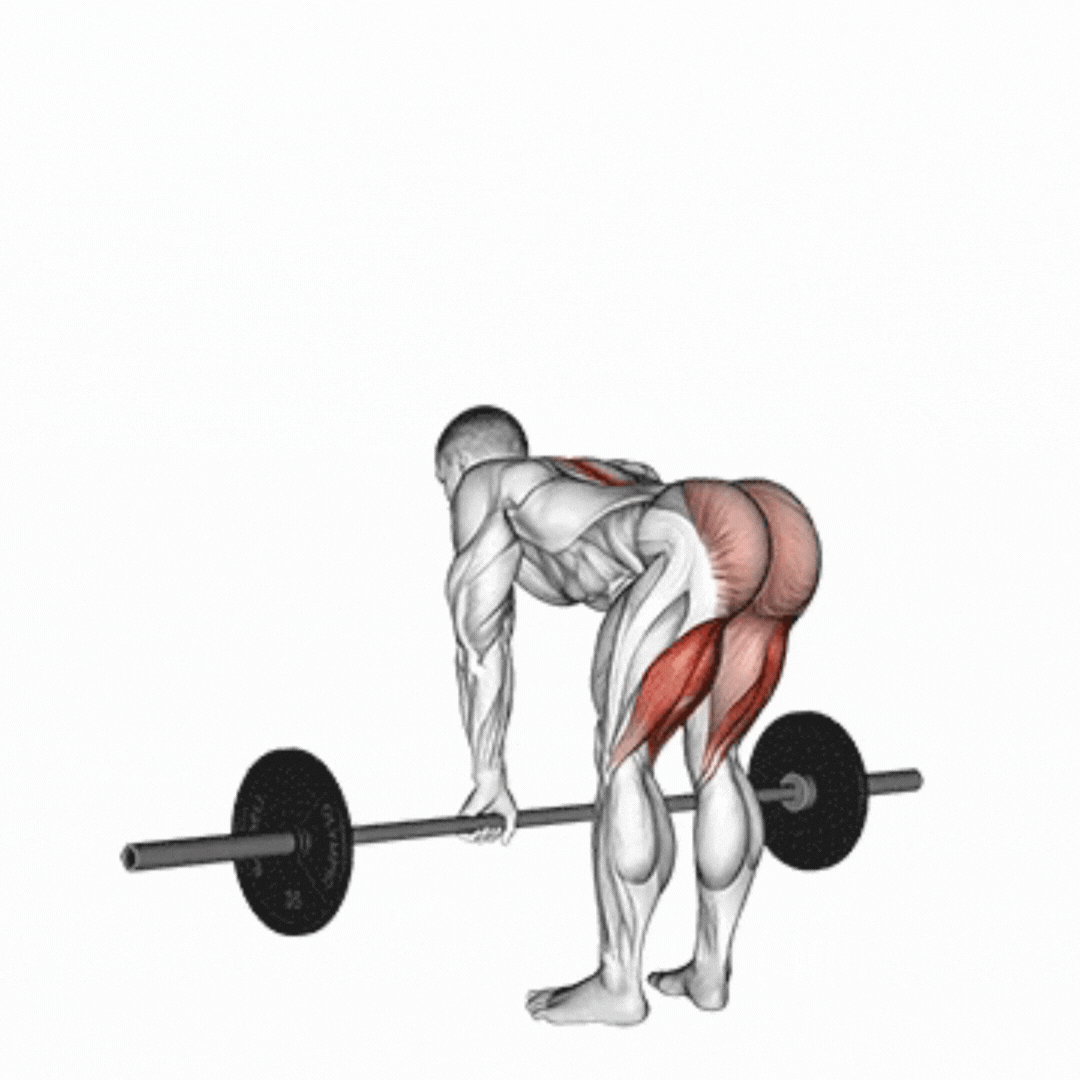
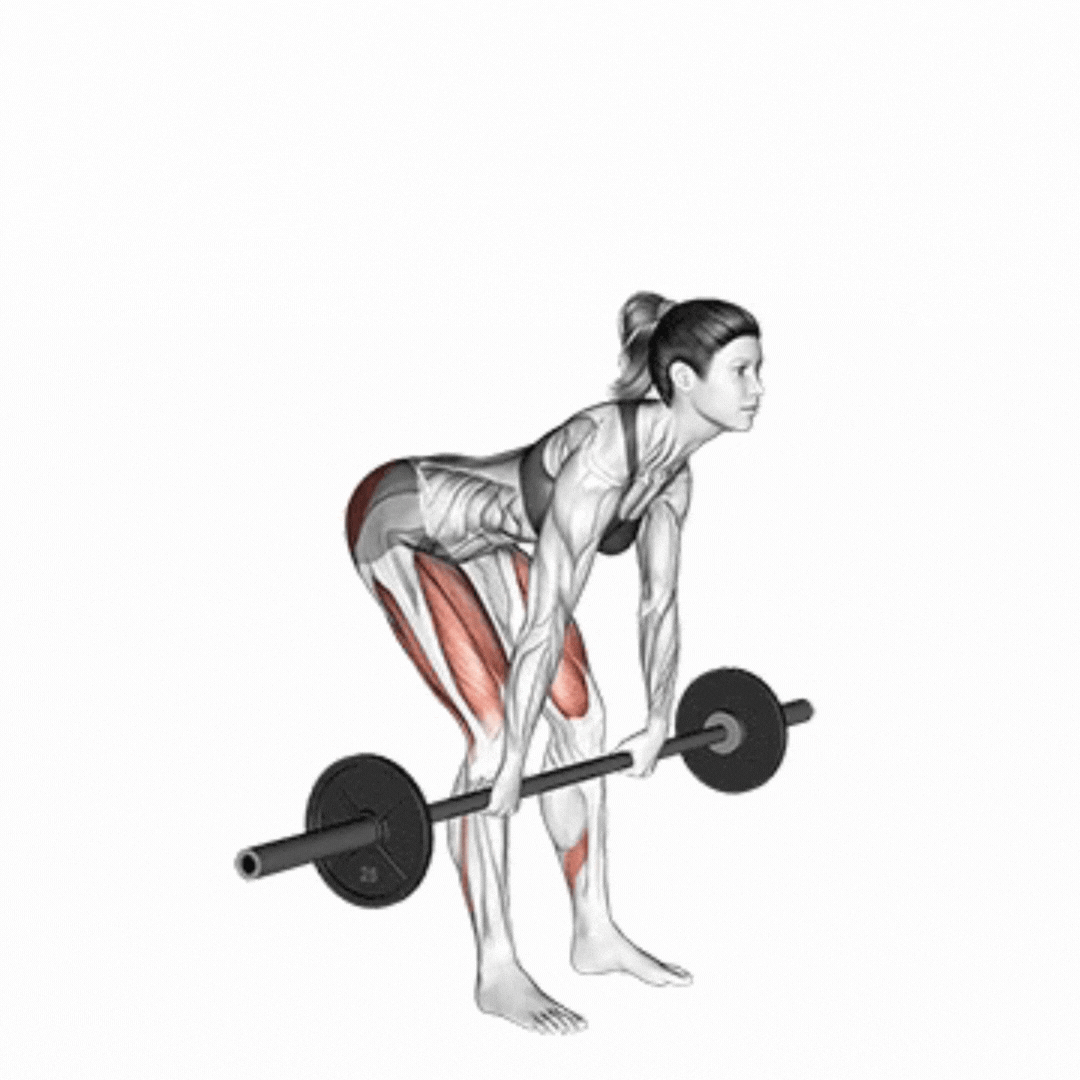
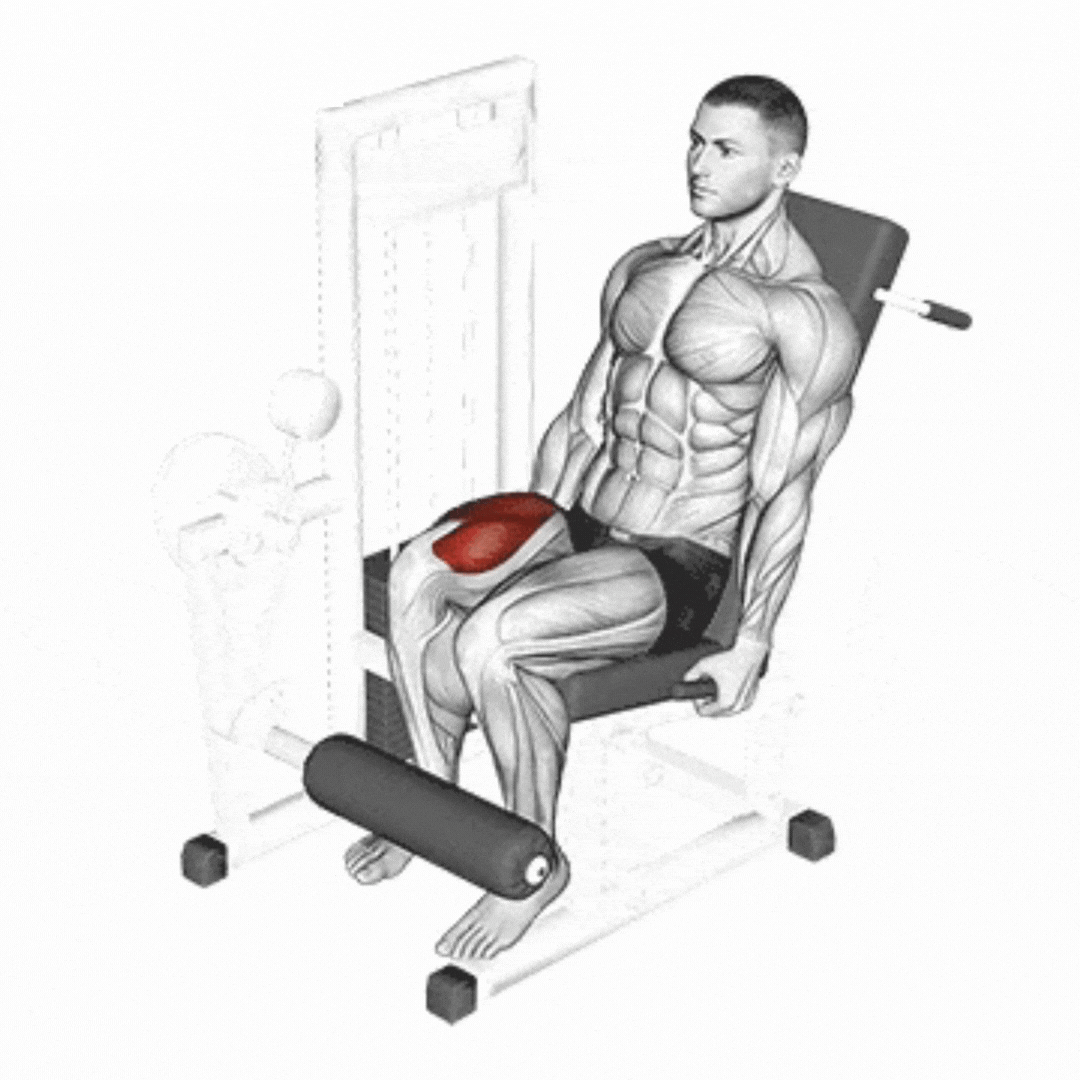
- ✓Targets the quadriceps and gluteus medius muscles
- ✓Develops unilateral balance and coordination
- ✓Improves knee stabilization
- ✓Builds functional leg strength